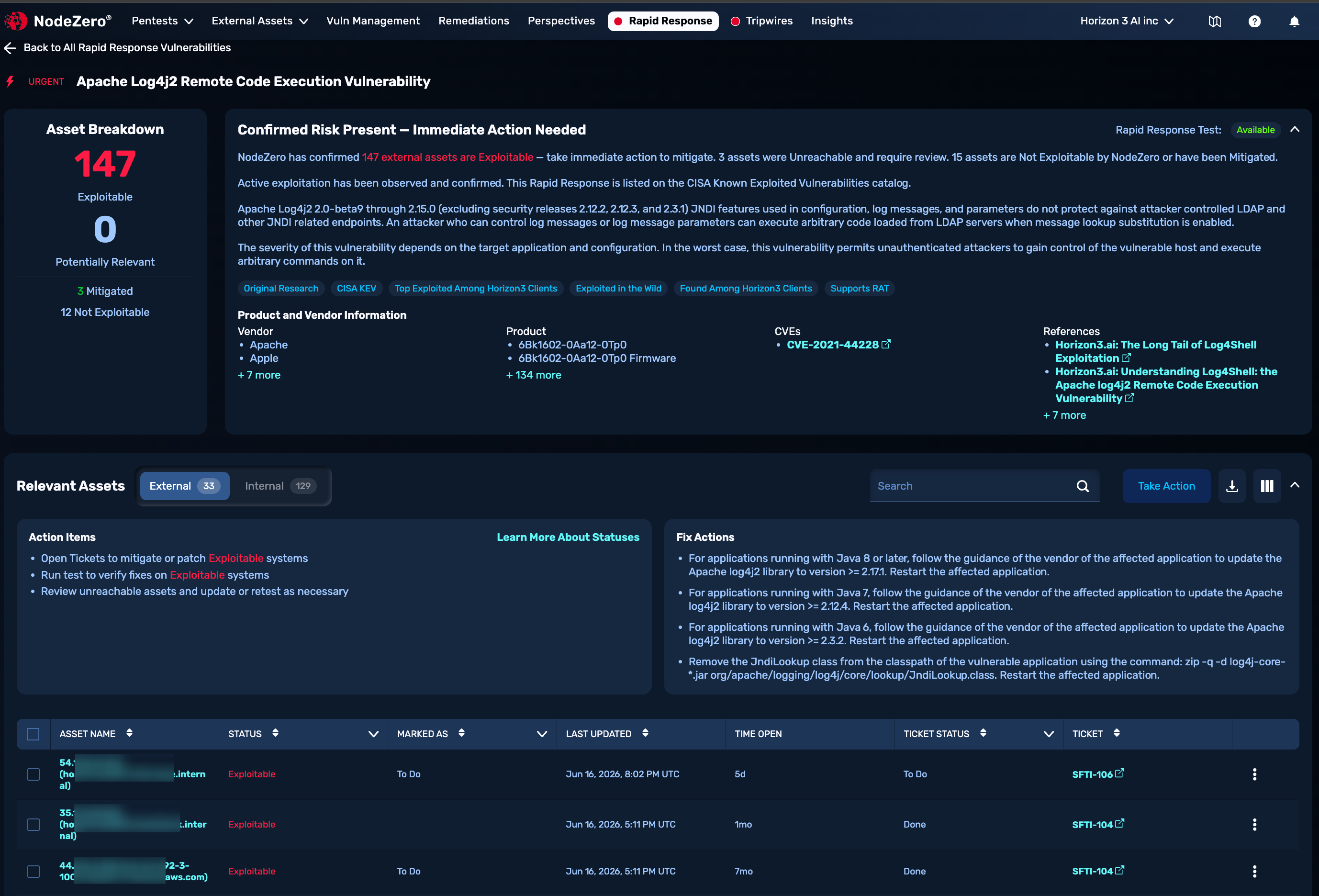
The daily firehose — everything the toolchain shipped today, already filtered.
We read every release from the 1309 tools on our watchlist at the source — GitHub and GitLab release notes, vendor release pages and changelogs, project blogs and feeds, vendor press releases, and the source code behind the tag. Bug-fix-only releases and non-product newsroom noise are dropped; what's left is summarized down to the new capability, how to try it, and any screenshots or videos the release itself published. Every entry links to the sources it was built from.
READ AS
Focus:What features shipped and what problems they solve, plus launches, packaging and where the market is moving.
Leaves out:Command-line flags, API-only deltas, usage examples, and releases that are only refinements.
Focus:New security controls, new APIs, and product improvements you can put to work, plus anything an upgrade breaks.
Leaves out:Launch and marketing news, governance, pricing, and documentation changes with no operational effect.
Focus:Dashboards, reporting, and anything you can quantify: metrics, coverage, risk scores, compliance impact, vendor moves.
Leaves out:Settings, flags, API and command-line detail, library bumps, and minor releases with no reporting or posture angle.
Focus:API, SDK and MCP changes, new libraries, breaking changes in what you import, and cyber tooling.
Leaves out:Governance, SOC operations, and vendor launches with no developer surface.
AMOUNT
DETAIL
ORDER
This issue came out before editions were ranked, so it shows the Standard edition in issue order.
What stands out across today's releases, grouped by what it lets you do. Every tool named links to its entry below.
protect
Get an authenticated scan running against a login flow you could never script
AI Assisted Authentication drives a real browser through complex multi-step logins and writes out a reusable Zest replay script, so the scan stays logged in on subsequent runs. Authenticated coverage has historically died on hand-crafted auth scripts that break on every UI change; OAuth2OAuth2An open authorization framework (RFC 6749) that lets a service grant limited access to a user's resources on another service without exposing credentials, giving cyber tools a standard way to authenticate against third-party APIs. support closes another common gap.
Fix one base image instead of chasing the same CVE across every downstream container
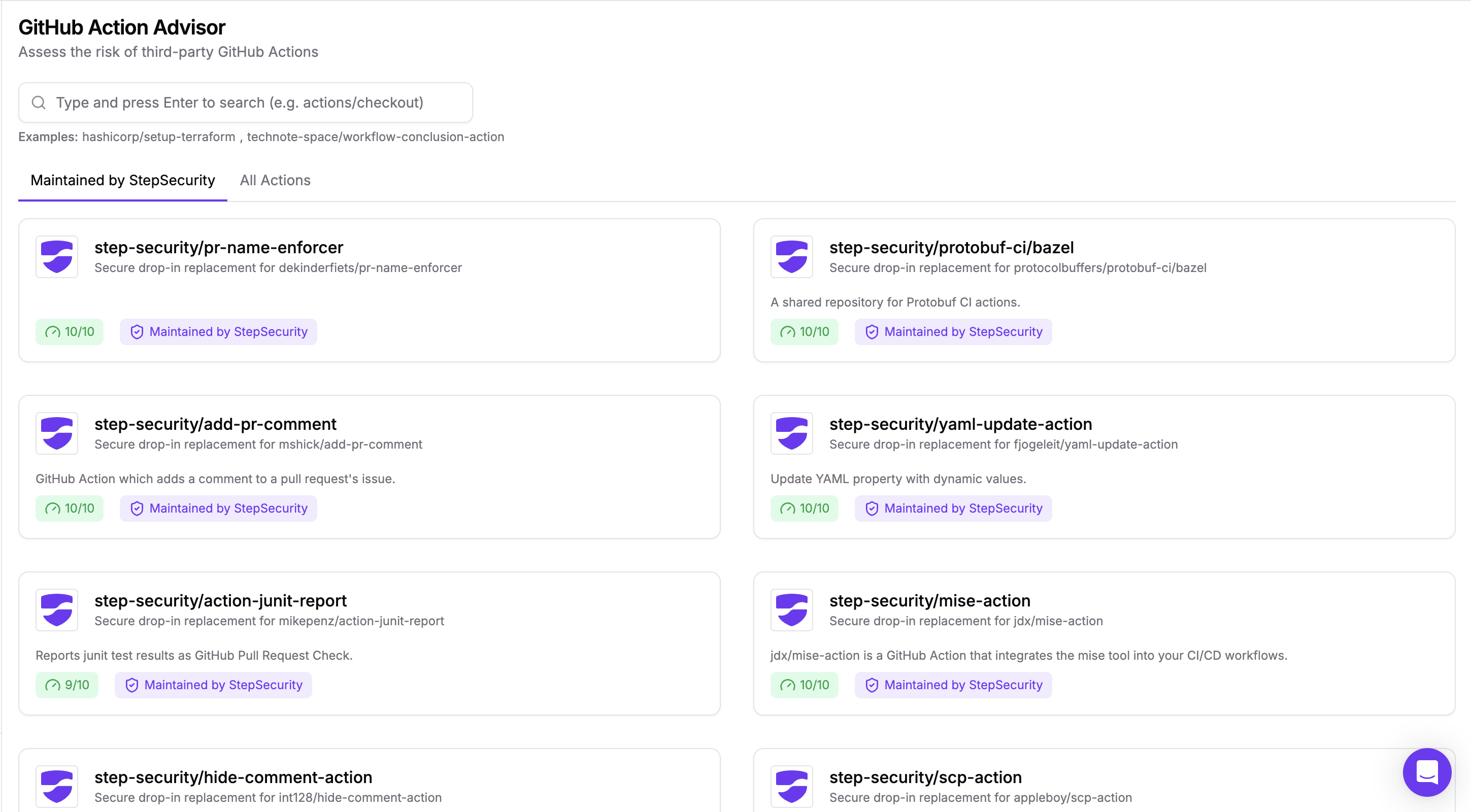
Phoenix Security's lineage tracking attributes inherited findings to the base image and names the minimum base version that clears them, turning a long list of duplicate container CVEs into a single bump. StepSecurity adds a suppression-and-resolution workflow for malicious file findings, so a reviewed false positive stops re-firing across Dev Machine Guard and GitHub.
Recover behaviour from a sample that stalled instead of writing it off as benign
Adaptive Detonation diagnoses why execution halted — missing dependency, environment check, user interaction — and re-runs under corrected conditions. Analysts previously had to spot a dead run themselves and hand-tune the environment, and anti-analysis samples routinely scored clean on the first pass.
Run an access review campaign and prove it happened
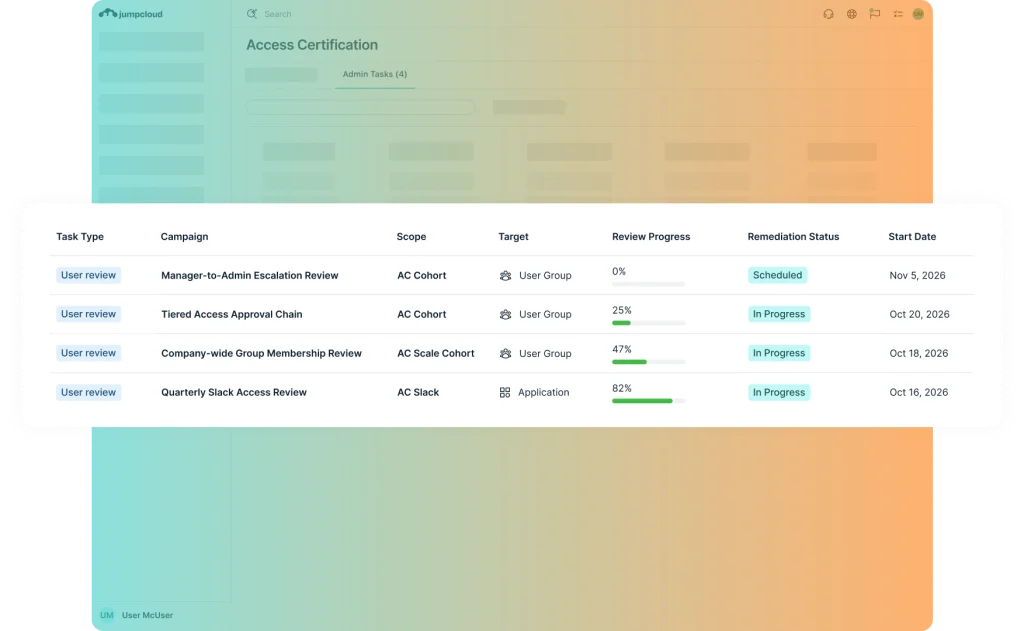
JumpCloud's Access CertificationAccess CertificationA periodic review process in which managers or system owners confirm or revoke which users should retain access to systems and data, reducing privilege creep over time. puts scheduled reviewer workflows and tamper-evident reports in the directory itself, replacing the spreadsheet-and-email cycle most teams use for audit evidence. Nudge Security adds browser-based discovery of shadow AI agents on top of API integrations, catching tools nobody connected through an admin console.
Three unrelated things stand out today: Phoenix Security traces inherited container vulnerabilities to the base image version that fixes them; OWASPOWASPA nonprofit foundation that publishes open standards, guides, and ranked vulnerability lists—most famously the OWASP Top 10—giving cyber tools a vendor-neutral benchmark to test or report against. ZAP can turn messy login flows into reusable authenticated scans; Joe Sandbox can re-run stalled malware detonations instead of accepting a blind result.
protect
Fix inherited container vulnerabilities at the source
Container lineage now shows which downstream images inherited a vulnerability from a base image and the minimum base version needed to remediate it. Teams can update the parent once instead of chasing the same finding across every child container.
Keep authenticated web scans from breaking on complex logins
AI Assisted Authentication drives a real browser through multi-step login flows and generates a reusable Zest replay script. That removes one of the most common setup blockers for dynamic testing: hand-building and maintaining fragile authentication scripts before the scanner can reach protected routes.
Recover malware behavior when the first sandbox run stalls
Adaptive Detonation diagnoses why a sample did not execute as expected and re-runs it under corrected conditions. Analysts get a second chance to expose behavior that would otherwise be missed after a single failed detonation.
Access CertificationAccess CertificationA periodic review process in which managers or system owners confirm or revoke which users should retain access to systems and data, reducing privilege creep over time. adds scheduled or one-time review campaigns with multi-step reviewers, an admin task queue, tamper-evident audit reports, and Directory Insights automation hooks. Identity teams can move periodic entitlement reviews out of spreadsheets and produce review evidence without reconstructing who approved what later.
Xalgorix tightened its scan-completion lifecycle with a bounded verification window and new convergence settings, closed several findings-integrity gaps (proven confirmation marking, verifier provenanceprovenanceEvidence recording where a software artifact came from and how it was built, including its source and build process. It helps a consumer check that the artifact matches a trusted build., severity caps, case-sensitive dedup), and added Runcrate as a built-in LLMLLMA large language model, a neural network trained on large amounts of text to recognize patterns and generate language. Applications use it for tasks such as answering, summarizing and writing code. provider plus end-of-scan cost reporting.︀︄︇︀︅︉︀︅︀︀︃︀︀︅︅︀︅︊︀︄︆︀︃︄
Autonomous AI pentesting agents — real-time reconnaissance, vulnerability detection, and exploitation orchestration. Go + TypeScript.
Xalgorix tightened its scan-completion lifecycle with a bounded verification window and new convergence settings, closed several findings-integrity gaps (proven confirmation marking, verifier provenanceprovenanceEvidence recording where a software artifact came from and how it was built, including its source and build process. It helps a consumer check that the artifact matches a trusted build., severity caps, case-sensitive dedup), and added Runcrate as a built-in LLMLLMA large language model, a neural network trained on large amounts of text to recognize patterns and generate language. Applications use it for tasks such as answering, summarizing and writing code. provider plus end-of-scan cost reporting.︀︄︇︀︅︉︀︅︀︀︃︀︀︅︅︀︅︊︀︄︆︀︃︄
└──▷ WHAT SHIPPED ·
8 FEATURES0 OF 8 FEATURESmost completely described firstwhat's the number?
Each feature carries 0–100 for how completely the vendor documented
it — not how big or important the work is. A major capability
described in eight words scores low, and that is the finding.
depth0–40what it does and how it works or what changed
specificity0–30names real surfaces — APIs, flags, formats, limits, numbers
actionability0–30enough to go use it — a named endpoint, flag, or config key tops this; a UI path is a starting point
Code and config rank first by construction: a documented endpoint,
flag or config key scores at the top of specificity and actionability,
so it sorts above a feature described only in prose. Under
60 the notes go thin — everything below the “thinner
coverage” line is thinner documentation, not smaller work.
Hover any meter for that feature's three sub-scores.
0100
Bounded verification window and scan-completion lifecyclenew98how completely this was documenteddepth38/40specificity30/30actionability30/3098 / 100
Adds XALGORIX_CONVERGE_FINISH_IDLE to control the no-finding tail length before a scan finalizes (default raised from 150 to 500 iterations) when XALGORIX_CONVERGE_FINISH is on, and XALGORIX_CONVERGE_FINISH_LEAD_WINDOW to give the agent a bounded window (default 100 iterations) to verify high-confidence unverified leads before the scan closes.︀︄︇︀︅︉︀︅︀︀︃︀︀︅︅︀︅︊︀︄︆︀︃︄ Scans closed while work remained unexecuted now record completion: partial with stop_reason: untested_at_finish, list unrun tasks as untested_at_finish instead of not applicable, and report how much of the plan and route surface was tested. Scans that exhaust or saturate their plan now let the no-new-finding tail decide termination rather than the stuck-loop limit, out-of-band and cross-identity signals stay open for the model to conclude instead of being auto-closed as exhausted, and rate-limit/quota/provider-error retries no longer consume idle limits or the verification window.
Tune scan endurance on hardened targets where findings are rare — raise the idle tail and give the agent more time to verify promising leads before the scan closes.
— Names every flag and field with runnable example commands.v4.6.177v4.6.175
0200
Arjun rate-limit flag mappingimproved75how completely this was documenteddepth30/40specificity30/30actionability15/3075 / 100
The request-rate rewriter now gives arjun its real -t and --rate-limit options, maps commonly guessed flags (--threads, --chunk, --delay, --stable-sleep, --timeout, -oJ) to their real equivalents, and limits rewriting to commands that actually invoke the tool.
— All flags named but rewriting happens automatically, not manually invoked.v4.6.175
0300
End-of-scan LLM cost reportingnew65how completely this was documenteddepth30/40specificity20/30actionability15/3065 / 100
Xalgorix now sums LLM costs reported by the provider (such as OpenRouterOpenRouterA unified API gateway that routes requests to dozens of LLM providers under one endpoint, letting cyber tools swap or compare models without rewriting provider-specific integration code.'s usage.cost) across the scan and every subagent, and shows the total in the CLI's end-of-scan usage note.
— Names the field and display location but no config step.v4.6.176
thinner coverage below
0400
Proven confirmation marking for SQLi, template injection and XXEimproved55how completely this was documenteddepth30/40specificity20/30actionability5/3055 / 100
The SQL injectionSQL injectionAn attack that makes an application treat untrusted input as part of a database command. It can expose or modify data by changing what the query does., template injection and in-band XXEXXEXML External Entity injection, a class of attack against XML parsers that tricks them into fetching external resources or local files, letting an attacker read sensitive data or trigger server-side request forgery. verifiers now mark confirmations as proven, including when a confirmation merges into an existing ledger entry, so a scan can no longer end with a confirmed injection left unreported.
— Internal verifier fix with no user-facing flag.v4.6.177
0500
Severity caps applied after CVSS scoringimproved55how completely this was documenteddepth30/40specificity20/30actionability5/3055 / 100
Per-type severity caps now apply after CVSSCVSSCommon Vulnerability Scoring System, a method for describing a vulnerability's characteristics and severity. Its score is not the probability that attackers will exploit it. scoring, so a model-supplied vector can no longer raise capped finding types such as clickjacking or missing headers to medium or high.
— Named finding types but internal scoring order, not user-actionable.v4.6.177
0600
Case-sensitive ledger and dedup keysimproved55how completely this was documenteddepth30/40specificity20/30actionability5/3055 / 100
Ledger and finding-dedup keys now preserve path case, lowercasing only scheme and host, so a finding on /Api/... is no longer merged with one on /api/..., keeping case-variant authentication bypasses as separate findings.
— Concrete before/after example but no user-facing control.v4.6.177
0700
Runcrate added as built-in LLM providernew55how completely this was documenteddepth20/40specificity20/30actionability15/3055 / 100
Xalgorix adds Runcrate, a chat-completions API for open-weight models, to the built-in provider catalog, with model discovery via /v1/models.
— Endpoint named but no setup or configuration steps given.v4.6.176
0800
Verifier-engine provenance recorded in ledger evidenceimproved50how completely this was documenteddepth30/40specificity15/30actionability5/3050 / 100
Ledger evidence now records which engine verifier wrote it, so model-supplied text such as not confirmed is no longer treated as verifier proof.
— Describes mechanism but nothing a user configures.v4.6.177
GitHub is a web-based platform for version control and collaborative software development using Git repositories.
GitHub's biggest shipments this window were deeper Copilot usage API visibility into BYOKBYOKBring Your Own Key — a cloud deployment model where the customer supplies and controls the encryption keys rather than the provider, so sensitive data stays under the customer's cryptographic authority. and enterprise custom models, Dependabot version updates for Agent Package Manager dependencies, a new REST endpoint for cost center lookups, and short-lived auto-refreshing authentication tokens in GitHub Desktop.︀︄︇︀︅︉︀︅︀︀︃︀︀︅︅︀︅︊︀︄︆︀︃︄
└──▷ WHAT SHIPPED ·
4 FEATURES0 OF 4 FEATURESmost completely described firstwhat's the number?
Each feature carries 0–100 for how completely the vendor documented
it — not how big or important the work is. A major capability
described in eight words scores low, and that is the finding.
depth0–40what it does and how it works or what changed
specificity0–30names real surfaces — APIs, flags, formats, limits, numbers
actionability0–30enough to go use it — a named endpoint, flag, or config key tops this; a UI path is a starting point
Code and config rank first by construction: a documented endpoint,
flag or config key scores at the top of specificity and actionability,
so it sorts above a feature described only in prose. Under
60 the notes go thin — everything below the “thinner
coverage” line is thinner documentation, not smaller work.
Hover any meter for that feature's three sub-scores.
0100
BYOK and custom model fields in Copilot usage APInew95how completely this was documenteddepth35/40specificity30/30actionability30/3095 / 100
The Copilot usage metrics API now exposes bring-your-own-key and enterprise custom model usage in dedicated fields: used_local_byok flags per-user local BYOK activity; totals_by_local_byok breaks down session, request, prompt, and token counts by byok_kind (local_managed, local_user, local_auto, or remote_user) and surface (copilot_cli or copilot_app); daily_active_local_byok_users, weekly_active_local_byok_users, and monthly_active_local_byok_users count distinct BYOK users over time; and a boolean is_custom_enterprise_model field on each totals_by_client[].totals_by_model[] entry flags enterprise custom model requests across all clients including IDEs.︀︄︇︀︅︉︀︅︀︀︃︀︀︅︅︀︅︊︀︄︆︀︃︄ All four fields appear in both enterprise and organization reports, at user and aggregate level, in 1-day and 28-day reports.
Pull a 1-day enterprise usage report and check which users made at least one local BYOK request — useful for auditing BYOK policy compliance.
Dependabot version updates for Agent Package Managernew90how completely this was documenteddepth30/40specificity30/30actionability30/3090 / 100
Adding an apm entry to .github/dependabot.yml — specifying the directory containing apm.yml and an update schedule — makes Dependabot open pull requests updating git dependencies declared in apm.yml and regenerate apm.lock.yaml when present. This covers AI agent skills, prompts, and instructions, and is available on github.com for all GitHub plans and in GitHub Enterprise Server 3.24.
Keep AI agent skills and prompts current by having Dependabot open PRs for outdated APMAPMApplication Performance Monitoring — a category of software that collects metrics, traces, and logs from running applications so developers can detect slowdowns and diagnose their root cause. git dependencies on a weekly schedule.
Short-lived authentication tokens in GitHub Desktopnew60how completely this was documenteddepth30/40specificity20/30actionability10/3060 / 100
GitHub Desktop now issues short-lived authentication tokens that renew automatically for both GitHub API requests and Git operations, so no manual re-authentication is needed during normal use. The feature is rolling out gradually on github.com and GitHub Enterprise Cloud (not GitHub Enterprise Server); existing sessions stay signed in after upgrading to 3.6.10, but existing tokens are not auto-migrated — new short-lived tokens are only issued at the next sign-in once the rollout reaches a given installation.
Cost center lookup REST API endpointnew55how completely this was documenteddepth25/40specificity20/30actionability10/3055 / 100
A new REST APIREST APIA web API design style where clients interact with resources over HTTP using standard methods like GET, POST, and DELETE, giving cyber tools a predictable, language-agnostic way to integrate with external services. endpoint lets callers look up which cost center a user, organization, repository, or enterprise team belongs to by passing the resource type and name; the response includes the cost center's ID and name, returning an empty memberships array when no cost center matches.
Existing sessions remain signed in after upgrading to 3.6.10, but existing tokens are not automatically migrated to short-lived tokens — new short-lived tokens are only issued at the next sign-in once the rollout reaches your installation.
GitHub Copilot now works inside JetBrains Air via ACP, supporting parallel agent sessions, in-context review, and cloud tasks billed to your Copilot plan.
Connect GitHub Copilot to JetBrains Air via the Agent Client Protocol (ACP) to delegate coding tasks, track parallel agent sessions, and review changes in-context inside your JetBrains IDE.
Run Copilot cloud tasks in isolated Docker containers on fresh virtual machines through Air Teams, billed to your existing Copilot plan rather than JetBrains AI credits.
Link your GitHub account for cloud tasks from the browser by navigating to Settings > VCSVCSVersion control system: software that tracks changes to files over time, letting teams collaborate and roll back mistakes. Cyber tools use it to manage source code, configs, and signatures. Providers in JetBrains Air, then selecting a repository, remote branch, and GitHub Copilot as the agent.
CodeQL 2.27.3 adds JSON syntax for data extension files and an opt-in AI threat model for LLMLLMA large language model, a neural network trained on large amounts of text to recognize patterns and generate language. Applications use it for tasks such as answering, summarizing and writing code.-generated data sources, with C# NuGetNuGetMicrosoft's package manager for .NET, hosting a public registry of reusable libraries so tools can pull in dependencies without bundling or manually maintaining third-party code. proxy/cert passthrough and a changed GitHub Actions CFGCFGControl Flow Graph — a directed graph representing all paths execution can take through a program, used by analysis tools to reason about reachability, dead code, and vulnerability patterns without running the code. library.
Data extension files now accept JSON syntax (.json extension) using the same structure as YAML, including Java-style // and /* ... */ comments.
Enable an opt-in ai threat model for LLM-generated data sources, letting you define your own sources via data extensions without any built-in source models.
When private registries are configured, CodeQL now passes proxy and certificate environment variables to the NuGet CLI for C# projects.
3 details in Everything
└──▷ BREAKING ON UPGRADE
!The GitHub Actions control flow graph (CFG) now uses the shared CFG library; custom queries that rely on specific CFG nodes, edges, or basic block boundaries may need updates.
!The legacy Completion classes have been removed from the GitHub Actions CFG; use CFG edge labels DirectSuccessor, BooleanSuccessor, and ReturnSuccessor instead.
Phoenix Security correlates scanner, cloud and runtime findings with exploitability and ownership, and uses AI agents to prioritise and open remediation pull requests.
Phoenix Security shipped container lineage tracking that traces inherited vulnerabilities from base images to downstream containers and surfaces the minimum base version needed to remediate them.︀︄︇︀︅︉︀︅︀︀︃︀︀︅︅︀︅︊︀︄︆︀︃︄
└──▷ WHAT SHIPPED ·
1 FEATURE0 OF 1 FEATUREmost completely described firstwhat's the number?
Each feature carries 0–100 for how completely the vendor documented
it — not how big or important the work is. A major capability
described in eight words scores low, and that is the finding.
depth0–40what it does and how it works or what changed
specificity0–30names real surfaces — APIs, flags, formats, limits, numbers
actionability0–30enough to go use it — a named endpoint, flag, or config key tops this; a UI path is a starting point
Code and config rank first by construction: a documented endpoint,
flag or config key scores at the top of specificity and actionability,
so it sorts above a feature described only in prose. Under
60 the notes go thin — everything below the “thinner
coverage” line is thinner documentation, not smaller work.
Hover any meter for that feature's three sub-scores.
0100
Container lineage for base image vulnerabilitiesnew90how completely this was documenteddepth35/40specificity28/30actionability27/3090 / 100
In Assets > Container, selecting Base image next to Group by groups container assets by their shared base image, showing downstream image counts, risk level, risk magnitude and finding counts per severity.︀︄︇︀︅︉︀︅︀︀︃︀︀︅︅︀︅︊︀︄︆︀︃︄ From any image or image group, a lineage graph shows the connected base image, downstream image version, image group, registry and associated running containers as a node cluster. In Vulnerabilities > Remedies > Containers, grouping by Image cluster separates inherited from self-introduced findings by labeling them SELF or BASE IMAGE, indicating whether a downstream package change or a base-image rebuild is needed, and surfaces the minimum corrected base-image version recommended for remediation.
Identify how many downstream images inherit vulnerabilities from the same base, then find the minimum base version needed to remediate them.
📍1. Go to Assets › Container.
2. Next to Group by, select Base image.
3. Expand the affected base-image group to see downstream image count, risk level and finding counts by severity.
4. Open the lineage graph for a downstream image to confirm the base-image digest in use.
5. Go to Vulnerabilities › Remedies › Containers, set Group by to Image cluster, expand the image group and version, then expand the BASE IMAGE remedy to read the minimum corrected base-image version recommended for the rebuild.
ReARM's biggest release this window brings TEATEATiny Encryption Algorithm, a symmetric block cipher designed by Wheeler and Needham in 1994, valued for its minimal code footprint and simplicity, making it attractive for embedded or constrained environments. v1.0.0-compliant Transparency Exchange API publishing, signed SBOMSBOMA software bill of materials, an inventory of the components and versions inside an application. It helps teams find affected software when a dependency has a vulnerability or licensing issue. exports with licence/supplier data, a new REGULATORY_DOCUMENT artifact type for FDA submissions, and agent task boards reaching general availability.︀︄︇︀︅︉︀︅︀︀︃︀︀︅︅︀︅︊︀︄︆︀︃︄
ReARM - Release Governance Platform
ReARM's biggest release this window brings TEATEATiny Encryption Algorithm, a symmetric block cipher designed by Wheeler and Needham in 1994, valued for its minimal code footprint and simplicity, making it attractive for embedded or constrained environments. v1.0.0-compliant Transparency Exchange API publishing, signed SBOMSBOMA software bill of materials, an inventory of the components and versions inside an application. It helps teams find affected software when a dependency has a vulnerability or licensing issue. exports with licence/supplier data, a new REGULATORY_DOCUMENT artifact type for FDA submissions, and agent task boards reaching general availability.︀︄︇︀︅︉︀︅︀︀︃︀︀︅︅︀︅︊︀︄︆︀︃︄
└──▷ WHAT SHIPPED ·
9 FEATURES0 OF 9 FEATURESmost completely described firstwhat's the number?
Each feature carries 0–100 for how completely the vendor documented
it — not how big or important the work is. A major capability
described in eight words scores low, and that is the finding.
depth0–40what it does and how it works or what changed
specificity0–30names real surfaces — APIs, flags, formats, limits, numbers
actionability0–30enough to go use it — a named endpoint, flag, or config key tops this; a UI path is a starting point
Code and config rank first by construction: a documented endpoint,
flag or config key scores at the top of specificity and actionability,
so it sorts above a feature described only in prose. Under
60 the notes go thin — everything below the “thinner
coverage” line is thinner documentation, not smaller work.
Hover any meter for that feature's three sub-scores.
0100
Transparency Exchange API conforms to TEA v1.0.0improved80how completely this was documenteddepth35/40specificity30/30actionability15/3080 / 100
rearm's Transparency Exchange API now conforms to the TEA v1.0.0 specification, with a configurable publishing module supporting multiple profiles (Pro) or a single profile (CE), optional TEI stamping on publish, and TEA serving on a ReARM Domain or a separate mapped domain (Pro only).︀︄︇︀︅︉︀︅︀︀︃︀︀︅︅︀︅︊︀︄︆︀︃︄
— Specifies spec version, edition differences, and publishing config options26.11.17
0200
Agent task boards reach general availabilityimproved73how completely this was documenteddepth30/40specificity28/30actionability15/3073 / 100
Agent task boards are now GA for both Pro and CE editions, adding lane paging, board task export as JSON, PR unlinking from the task page, delivery unit display per PR, a list of unlinked PRs, and a threat model specification type.
— Enumerates six concrete sub-features including an export format26.11.17
0300
REGULATORY_DOCUMENT artifact type for FDA submissionsnew65how completely this was documenteddepth25/40specificity25/30actionability15/3065 / 100
Adds a new REGULATORY_DOCUMENT artifact type, with regulatory features toggled on or off in settings and an option to publish FDA submissions (Pro only).
— Names the artifact type and settings toggle, edition-gated26.11.17
thinner coverage below
0400
SBOM export and scoring improvementsnew55how completely this was documenteddepth25/40specificity20/30actionability10/3055 / 100
SBOMsSBOMsA software bill of materials, an inventory of the components and versions inside an application. It helps teams find affected software when a dependency has a vulnerability or licensing issue. can now be exported as a signed artifact that carries the declared licence and supplier, with each merged BOMBOMA Bill of Materials listing every component, library, and dependency in a software project; cyber tools use it to track what is in a codebase and flag known-vulnerable components quickly.'s serialNumber lineage assigned a designated owner, and SBOM scores are now computed by rebom and shown in the UI.
— Names serialNumber lineage field but no export command or UI path No detail on scoring criteria or display location26.11.17
0500
API Key Groups distinguish keys and agentsnew50how completely this was documenteddepth20/40specificity20/30actionability10/3050 / 100
Adds API Key Groups logic so API keys and agents are distinguished by label and short ID throughout the UI, including the agent session page and release history.
— Describes mechanism but no config surface to act on26.11.17
0600
Cached totals on Statistics pageimproved45how completely this was documenteddepth20/40specificity15/30actionability10/3045 / 100
The Statistics page now shows cached totals with the date they were counted, displayed as pending until the first daily count runs.
— Explains behaviour but no exact navigation given26.11.17
0700
Simplified CLI login approval key listimproved40how completely this was documenteddepth15/40specificity15/30actionability10/3040 / 100
CLI login approval now shows a single key list with bound keys hidden by default.
— Clear UI behaviour change but no command shown26.11.17
0800
Configurable NetworkPolicy in Helm chartnew40how completely this was documenteddepth10/40specificity15/30actionability15/3040 / 100
Helm chart now includes configurable NetworkPolicyNetworkPolicyA Kubernetes API object that defines which pods may send or receive traffic, enforced by the cluster's CNI plugin to give cyber tools namespace-level network segmentation without host firewall rules. settings.
— Names a concrete config key but no values or defaults given26.11.17
0900
New template action and Auto Integrate previewnew25how completely this was documenteddepth10/40specificity10/30actionability5/3025 / 100
Adds a new template action and an Auto Integrate preview under Templates and integration.
— Named only in passing with no mechanism given26.11.17
sbomify's November release adds human-review gates for AI agent actions, cross-product release linking, CRA Article 14CRA Article 14A mandatory incident-reporting obligation in the EU Cyber Resilience Act requiring manufacturers of products with digital elements to notify authorities of actively exploited vulnerabilities within 24 hours of discovery. reporting with ENISAENISAThe European Union Agency for Cybersecurity, an EU body that publishes threat landscapes, guidelines, and standards to help member states and organisations raise their cyber defences. export, and a cluster of VEXVEXA machine-readable statement from a vendor saying whether a CVE in a component actually affects their product. It is how a scanner is told to stop flagging a vulnerability that is not reachable. visibility and cap improvements.︀︄︇︀︅︉︀︅︀︀︃︀︀︅︅︀︅︊︀︄︆︀︃︄
sbomify is a product security artifact hub and a trust center.
sbomify's November release adds human-review gates for AI agent actions, cross-product release linking, CRA Article 14CRA Article 14A mandatory incident-reporting obligation in the EU Cyber Resilience Act requiring manufacturers of products with digital elements to notify authorities of actively exploited vulnerabilities within 24 hours of discovery. reporting with ENISAENISAThe European Union Agency for Cybersecurity, an EU body that publishes threat landscapes, guidelines, and standards to help member states and organisations raise their cyber defences. export, and a cluster of VEXVEXA machine-readable statement from a vendor saying whether a CVE in a component actually affects their product. It is how a scanner is told to stop flagging a vulnerability that is not reachable. visibility and cap improvements.︀︄︇︀︅︉︀︅︀︀︃︀︀︅︅︀︅︊︀︄︆︀︃︄
└──▷ WHAT SHIPPED ·
7 FEATURES0 OF 7 FEATURESmost completely described firstwhat's the number?
Each feature carries 0–100 for how completely the vendor documented
it — not how big or important the work is. A major capability
described in eight words scores low, and that is the finding.
depth0–40what it does and how it works or what changed
specificity0–30names real surfaces — APIs, flags, formats, limits, numbers
actionability0–30enough to go use it — a named endpoint, flag, or config key tops this; a UI path is a starting point
Code and config rank first by construction: a documented endpoint,
flag or config key scores at the top of specificity and actionability,
so it sorts above a feature described only in prose. Under
60 the notes go thin — everything below the “thinner
coverage” line is thinner documentation, not smaller work.
Hover any meter for that feature's three sub-scores.
0100
Human review gates for AI agent actionsnew70how completely this was documenteddepth30/40specificity20/30actionability20/3070 / 100
Changes an AI agent makes to a published advisory now require human approval before they go live, and agent tokens can queue triage decisions for human review by submitting with review=true.︀︄︇︀︅︉︀︅︀︀︃︀︀︅︅︀︅︊︀︄︆︀︃︄
— Names the review=true flag and the approval mechanismv26.11.0
0200
VEX visibility, cap, and review improvementsimproved70how completely this was documenteddepth30/40specificity25/30actionability15/3070 / 100
VEX-suppressed findings are now shown everywhere vulnerabilities are counted, including the Trends tab; the VEX statement cap is raised to 50,000 with a warning displayed when that limit is approached; and the VEX review view now shows which versions a submission applies to.
— Names the Trends tab, the 50,000 cap, and the review viewv26.11.0
0300
CRA Article 14 reporting and exportnew65how completely this was documenteddepth25/40specificity25/30actionability15/3065 / 100
sbomify now prepares, tracks, and records CRA Article 14 reports for submission to ENISA's portal. The manufacturer's keyless Sigstore signature is now preserved on CRA export bundles.
Catalogue all images of a Kubernetes cluster to multiple targets with Syft
sbom-operator adds flexible naming controls for SBOM storage and Dependency-Track projects, plus configurable deployment timestamps for Dependency-Track uploads.︀︄︇︀︅︉︀︅︀︀︃︀︀︅︅︀︅︊︀︄︆︀︃︄
└──▷ WHAT SHIPPED ·
2 FEATURES0 OF 2 FEATURESmost completely described firstwhat's the number?
Each feature carries 0–100 for how completely the vendor documented
it — not how big or important the work is. A major capability
described in eight words scores low, and that is the finding.
depth0–40what it does and how it works or what changed
specificity0–30names real surfaces — APIs, flags, formats, limits, numbers
actionability0–30enough to go use it — a named endpoint, flag, or config key tops this; a UI path is a starting point
Code and config rank first by construction: a documented endpoint,
flag or config key scores at the top of specificity and actionability,
so it sorts above a feature described only in prose. Under
60 the notes go thin — everything below the “thinner
coverage” line is thinner documentation, not smaller work.
Hover any meter for that feature's three sub-scores.
0100
Global naming template and namespace separation for SBOM storagenew33how completely this was documenteddepth15/40specificity10/30actionability8/3033 / 100
A global naming template now controls how SBOM files and Dependency-Track projects are named across all targets, and namespace separation keeps SBOMsSBOMsA software bill of materials, an inventory of the components and versions inside an application. It helps teams find affected software when a dependency has a vulnerability or licensing issue. for workloads in different Kubernetes namespaces distinct.︀︄︇︀︅︉︀︅︀︀︃︀︀︅︅︀︅︊︀︄︆︀︃︄
— Describes behaviour but no config key or flag name given0.49.0
0200
Configurable deployment timestamps in Dependency-Track uploadsimproved23how completely this was documenteddepth10/40specificity8/30actionability5/3023 / 100
Dependency-Track integration now supports configurable deployment timestamps on uploaded SBOMs.
— Bare mention of capability without config detail0.49.0
StepSecurity shipped a configurable exemption for private/internal repos in GitHub Checks and a full suppression-and-resolution workflow for malicious file findings across Dev Machine Guard and GitHub.︀︄︇︀︅︉︀︅︀︀︃︀︀︅︅︀︅︊︀︄︆︀︃︄
StepSecurity is a security platform that hardens CI/CD pipelines, such as GitHub Actions, by detecting supply-chain risks, enforcing least-privilege runners, and monitoring workflow tampering.
StepSecurity shipped a configurable exemption for private/internal repos in GitHub Checks and a full suppression-and-resolution workflow for malicious file findings across Dev Machine Guard and GitHub.︀︄︇︀︅︉︀︅︀︀︃︀︀︅︅︀︅︊︀︄︆︀︃︄
└──▷ WHAT SHIPPED ·
2 FEATURES0 OF 2 FEATURESmost completely described firstwhat's the number?
Each feature carries 0–100 for how completely the vendor documented
it — not how big or important the work is. A major capability
described in eight words scores low, and that is the finding.
depth0–40what it does and how it works or what changed
specificity0–30names real surfaces — APIs, flags, formats, limits, numbers
actionability0–30enough to go use it — a named endpoint, flag, or config key tops this; a UI path is a starting point
Code and config rank first by construction: a documented endpoint,
flag or config key scores at the top of specificity and actionability,
so it sorts above a feature described only in prose. Under
60 the notes go thin — everything below the “thinner
coverage” line is thinner documentation, not smaller work.
Hover any meter for that feature's three sub-scores.
0100
Suppression rules and finding actions for malicious filesnew77how completely this was documenteddepth32/40specificity25/30actionability20/3077 / 100
Dev Machine Guard gains a Suppression Rules page for fleet-wide rules matching on file path, detection rule, SHA-256SHA-256A cryptographic hash function that turns data into a fixed 256-bit fingerprint. It is used to check integrity; hashing does not encrypt the original data. hash, campaign, confidence, or any combination, using * as a wildcard, applied to all devices or a selected subset; rules cover current findings and files found on later scans, support previewing matching findings before saving, and can be edited or deleted anytime.︀︄︇︀︅︉︀︅︀︀︃︀︀︅︅︀︅︊︀︄︆︀︃︄ A suppression rule can also be created directly from a finding with its detection rule and file path pre-filled, optionally limited to that finding's device. Individual findings can be resolved or suppressed with an optional comment, with a new Reason column showing why; a detection rule behind a finding can be deactivated for every device from the Findings page with a required reason. On GitHub, suppressed findings likewise show their reason in a new Reason column, and new versions of a file inherit the suppressed or resolved status until explicitly changed.
Suppress a known test-fixture binary fleet-wide before it floods every future scan with false positives.
📍In Dev Machine Guard, go to Suppression Rules › New Rule. Set File path to the fixture path (e.g. tests/fixtures/malware_sample.exe), set Detection rule to the matching rule name, leave Device as All devices, choose reason Used in tests, then click Preview matching findings to verify scope before saving.
Quickly scope a suppression to exactly one endpoint when triaging a finding that is unique to a developer's machine.
📍On the Dev Machine Guard Findings page, open the finding, click Create suppression rule (file path and detection rule are pre-filled), then click Limit to this device, select reason Accepted risk, add an optional comment, and save.
Suppress a reviewed test fixture in GitHub so every existing and future version of the file is silenced without repeated manual triage.
📍In StepSecurity GitHub Findings, locate the file finding, click Suppress, select reason Used in tests, add an optional comment, and confirm — the status applies to all versions of the file across every branch, pull request, and tag.
Pass on non-public repos for PWN Request and Script Injection checksnew60how completely this was documenteddepth20/40specificity20/30actionability20/3060 / 100
A new Pass on non-public repositories setting, configured independently per control under GitHub Checks > Configuration, lets PWN Request and Script Injection checks pass on private and internal repositories while still failing on public ones.
Reduce alert noise from private and internal repos while keeping strict enforcement on public repos for PWN Request findings.
📍In the StepSecurity console, go to GitHub Checks › Configuration, select the PWN Request control, and enable Pass on non-public repositories.
Infisical is the open-source platform for securing secrets, certificates, access, and AI Agents.
Infisical adds MCPMCPModel Context Protocol, a standard for connecting AI applications to external tools and data sources. A compatible server exposes capabilities an assistant can use through a common interface. tool allowlists, project soft-delete with restore, IdPIdPA service that authenticates users and supplies identity information to other applications. It is the sign-in authority behind many single sign-on systems.MFAMFAMulti-factor authentication, requiring proof from different categories, such as a password and a hardware key, to sign in. It reduces reliance on a password alone. trust for SAMLSAMLA standard for passing signed identity assertions between a sign-in provider and an application. It lets a user sign in through their organization's identity provider./OIDCOIDCOpenID Connect, a sign-in protocol built on OAuth 2.0. An application uses identity information from a trusted provider instead of maintaining a separate password for each user., and secret-scanning navigation improvements.
└──▷ GET THIS VERSION
$ git clone --branch v0.167.6 https://github.com/Infisical/infisical.git
# already have the repo? check out this version:$ git checkout v0.167.6
Add an MCP tool allowlist for MCP services in agent-vault, letting operators restrict which tools an MCP service may call.
Add a grace period and restore capability for deleted secret manager projects, so accidental deletions can be recovered.
Trust identity provideridentity providerA service that authenticates users and supplies identity information to other applications. It is the sign-in authority behind many single sign-on systems. MFA for SAML and OIDC logins, so users who already completed MFA at their IdP are not prompted again.
Link resource rows in secret scanningsecret scanningChecking files, code or other data for exposed credentials such as passwords, API keys and tokens. Findings help teams remove the secret and revoke or rotate it. to their filtered findings for faster triage.
Add descriptions to agent-vault proxies.
+2 moreshow less
Add a confirmation prompt before disabling or narrowing cross-project secret sharing to prevent accidental scope reductions.
Support rotation on discovery import in PAMPAMBrokering administrator sessions through a gateway instead of handing out standing credentials. Access is granted for one session, to one target, and recorded..
GitGuardian SaaS is a cloud-hosted security platform that detects exposed secrets, API keys, and credentials in source code repositories and developer workflows.
GitGuardian shipped a native Wiz integration that syncs open secret incidents from version control into Wiz daily as secret findings, letting cloud security teams see leaked secrets alongside cloud risk without leaving Wiz.︀︄︇︀︅︉︀︅︀︀︃︀︀︅︅︀︅︊︀︄︆︀︃︄
└──▷ WHAT SHIPPED ·
1 FEATURE0 OF 1 FEATUREmost completely described firstwhat's the number?
Each feature carries 0–100 for how completely the vendor documented
it — not how big or important the work is. A major capability
described in eight words scores low, and that is the finding.
depth0–40what it does and how it works or what changed
specificity0–30names real surfaces — APIs, flags, formats, limits, numbers
actionability0–30enough to go use it — a named endpoint, flag, or config key tops this; a UI path is a starting point
Code and config rank first by construction: a documented endpoint,
flag or config key scores at the top of specificity and actionability,
so it sorts above a feature described only in prose. Under
60 the notes go thin — everything below the “thinner
coverage” line is thinner documentation, not smaller work.
Hover any meter for that feature's three sub-scores.
0100
Wiz integration for secret incident syncnew91how completely this was documenteddepth35/40specificity28/30actionability28/3091 / 100
Configure the integration at Settings > Integrations > Wiz by pasting the Client ID, Client secret, Authentication URL, and API endpoint URL from Wiz, then map Info and Unknown severities to Wiz equivalents.︀︄︇︀︅︉︀︅︀︀︃︀︀︅︅︀︅︊︀︄︆︀︃︄ Once configured, GitGuardian syncs open secret incidents daily from GitHub, GitLab, Bitbucket, and Azure DevOps into Wiz as native secret findings, each carrying repository, file path, commit, detector, validity status, severity, and a link back to the GitGuardian incident. Secret values never leave GitGuardian — Wiz receives only a SHA-256SHA-256A cryptographic hash function that turns data into a fixed 256-bit fingerprint. It is used to check integrity; hashing does not encrypt the original data. hash of the value plus metadata — and validity context surfaces live, still-working keys ahead of inactive ones. The daily sync can be paused or resumed at any time from the same Settings > Integrations > Wiz page.
Connect GitGuardian to Wiz so your cloud security team sees leaked secrets alongside cloud risk without leaving their tool.
📍In Wiz, open the GitGuardian integration page and copy the Client ID, Client secret, Authentication URL, and API endpoint URL. In GitGuardian, go to Settings › Integrations › Wiz, click Configure, paste the four values, choose how to map Info and Unknown severities to Wiz severities, and click Add integration. Findings appear in Wiz within 24 hours.
DataDome protects web, mobile, and API applications by detecting and blocking bot and fraud traffic.
DataDome shipped a major rewrite of its React Native SDK for Fetch, moving to a client-based API built on CoreDataDome with a long list of breaking removals and new platform requirements.︀︄︇︀︅︉︀︅︀︀︃︀︀︅︅︀︅︊︀︄︆︀︃︄
└──▷ WHAT SHIPPED ·
2 FEATURES2 OF 2 FEATURESmost completely described firstwhat's the number?
Each feature carries 0–100 for how completely the vendor documented
it — not how big or important the work is. A major capability
described in eight words scores low, and that is the finding.
depth0–40what it does and how it works or what changed
specificity0–30names real surfaces — APIs, flags, formats, limits, numbers
actionability0–30enough to go use it — a named endpoint, flag, or config key tops this; a UI path is a starting point
Code and config rank first by construction: a documented endpoint,
flag or config key scores at the top of specificity and actionability,
so it sorts above a feature described only in prose. Under
60 the notes go thin — everything below the “thinner
coverage” line is thinner documentation, not smaller work.
Hover any meter for that feature's three sub-scores.
0101
createDataDomeFetch client API for React Nativenew95how completely this was documenteddepth35/40specificity30/30actionability30/3095 / 100
The React Native SDK for Fetch 3.0.0 is rewritten on top of CoreDataDome SDK, replacing DataDomeFetch and the DataDome singleton (DataDome.configure, DataDome.getInstance) with createDataDomeFetch(dataDome), which takes a DataDome client created with new DataDome({ clientKey }) and returns a fetch-compatible function that automatically adds DataDome headers to every request and checks every response for a challenge.︀︄︇︀︅︉︀︅︀︀︃︀︀︅︅︀︅︊︀︄︆︀︃︄ It accepts a string, URL, or Request as fetch input, and a Headers object, an array of pairs, or a plain object as headers; it re-exports DataDome, ResponseValidationStatus, DataDomeConfiguration, and DataDomeCookie from @datadome/react-native-core-datadome, returns the server response as-is if the CoreDataDome SDK fails, and the package itself is rewritten in TypeScript.
Initialize DataDome protection for all fetch calls in a React Native app using the new client-based API.
javascript
import { DataDome } from '@datadome/react-native-core-datadome';
import { createDataDomeFetch } from '@datadome/react-native-datadome-fetch';

const dataDome = new DataDome({ clientKey: '<your-client-key>' });
const protectedFetch = createDataDomeFetch(dataDome);

// Use protectedFetch anywhere you would use fetch
const response = await protectedFetch('https://api.example.com/data');
Breaking changes for SDK 3.0.0 migrationbreaking85how completely this was documenteddepth30/40specificity30/30actionability25/3085 / 100
The package is renamed from @datadome/react-native-datadome to @datadome/react-native-datadome-fetch (update imports and package.json); @datadome/react-native-core-datadome is now a required peer dependency; DataDomeFetch, DataDome.configure, DataDome.getInstance, DataDomeModal, DataDomeModule, and enableVerboseLogs are removed; the per-request datadome option is removed since headers and challenge checks now apply automatically to every request; the react-native-webview peer dependency is removed because challenges are now presented natively by the CoreDataDome SDK; and the SDK now requires React Native 0.85 or newer with the New Architecture, iOS 15.1 or newer, and Android API 24 or newer.
The package is renamed from @datadome/react-native-datadome to @datadome/react-native-datadome-fetch; update all imports and your package.json dependency.
!
@datadome/react-native-core-datadome is now a required peer dependency and must be installed alongside this package.
!
DataDomeFetch, DataDome.configure, and DataDome.getInstance are removed; replace them with createDataDomeFetch(new DataDome({ clientKey })).
!
The datadome per-request option is removed; the returned fetch function now applies DataDome headers and challenge checks to every request automatically.
!
DataDomeModal, DataDomeModule, and enableVerboseLogs are removed.
!
The react-native-webview peer dependency is removed; challenges are now presented natively by the CoreDataDome SDK.
!
React Native 0.85 or newer with the New Architecture is now required, along with iOS 15.1 or newer and Android API 24 or newer.
Fastly's beta Terraform provider gained new resources for audit log routing and domain management, plus the early building blocks of a legacy-to-auto migration toolchain, while the JavaScript SDK picked up a runtime upgrade.︀︄︇︀︅︉︀︅︀︀︃︀︀︅︅︀︅︊︀︄︆︀︃︄
Fastly is an edge cloud platform offering content delivery network, load balancing, edge computing, and web application security services for developers and enterprises.
Fastly's beta Terraform provider gained new resources for audit log routing and domain management, plus the early building blocks of a legacy-to-auto migration toolchain, while the JavaScript SDK picked up a runtime upgrade.︀︄︇︀︅︉︀︅︀︀︃︀︀︅︅︀︅︊︀︄︆︀︃︄
└──▷ WHAT SHIPPED ·
4 FEATURES0 OF 4 FEATURESmost completely described firstwhat's the number?
Each feature carries 0–100 for how completely the vendor documented
it — not how big or important the work is. A major capability
described in eight words scores low, and that is the finding.
depth0–40what it does and how it works or what changed
specificity0–30names real surfaces — APIs, flags, formats, limits, numbers
actionability0–30enough to go use it — a named endpoint, flag, or config key tops this; a UI path is a starting point
Code and config rank first by construction: a documented endpoint,
flag or config key scores at the top of specificity and actionability,
so it sorts above a feature described only in prose. Under
60 the notes go thin — everything below the “thinner
coverage” line is thinner documentation, not smaller work.
Hover any meter for that feature's three sub-scores.
0100
Terraform legacy-to-auto migration toolingnew80how completely this was documenteddepth25/40specificity30/30actionability25/3080 / 100
Adds an initial fastly-tf-migrate CLI foundation with version reporting (e.g.︀︄︇︀︅︉︀︅︀︀︃︀︀︅︅︀︅︊︀︄︆︀︃︄ fastly-tf-migrate --version) and dedicated build/test targets for Terraform migration workflows, a typed legacy-to-_auto compatibility registry to support migration analysis, and support for legacy simple product enablement state during VCLVCLVarnish Configuration Language, a domain-specific language used to configure the Varnish HTTP cache, letting tools control request routing, caching rules, and traffic manipulation with low-latency precision.-to-CDNCDNA content delivery network, servers distributed across locations that cache and serve content near readers. It can reduce loading time and traffic to the original server. Auto migration in fastly_service_cdn_auto.
Check the version of the new migration CLI before running a Terraform legacy-to-auto migration analysis.
Domain management routing config resourcesnew60how completely this was documenteddepth20/40specificity25/30actionability15/3060 / 100
Adds fastly_routing_config_auto and fastly_routing_config_domain_link Terraform resources for domain management routing configs with automatic versioning.
Burp suite is a we enable the world to secure the web. Burp Suite, the Web Security Academy, and world-leading research from PortSwigger â the AppSec communityâs home.
Burp Suite DASTDASTDynamic application security testing, probing a running application from the outside for vulnerabilities. It checks behavior exposed through the application's interfaces. 2026.10.4 adds GitHub issue tracking for findings and a timestamped evidence card view.︀︄︇︀︅︉︀︅︀︀︃︀︀︅︅︀︅︊︀︄︆︀︃︄
└──▷ WHAT SHIPPED ·
1 FEATURE0 OF 1 FEATUREmost completely described firstwhat's the number?
Each feature carries 0–100 for how completely the vendor documented
it — not how big or important the work is. A major capability
described in eight words scores low, and that is the finding.
depth0–40what it does and how it works or what changed
specificity0–30names real surfaces — APIs, flags, formats, limits, numbers
actionability0–30enough to go use it — a named endpoint, flag, or config key tops this; a UI path is a starting point
Code and config rank first by construction: a documented endpoint,
flag or config key scores at the top of specificity and actionability,
so it sorts above a feature described only in prose. Under
60 the notes go thin — everything below the “thinner
coverage” line is thinner documentation, not smaller work.
Hover any meter for that feature's three sub-scores.
0100
GitHub issue tracking for DAST findingsnew37how completely this was documenteddepth15/40specificity12/30actionability10/3037 / 100
Burp Suite DAST can raise and track security issues directly in GitHub from within the tool, with issue evidence shown as timestamped cards in the findings interface.︀︄︇︀︅︉︀︅︀︀︃︀︀︅︅︀︅︊︀︄︆︀︃︄
OWASP ZAP's headline addition is AI Assisted Authentication, which uses an LLMLLMA large language model, a neural network trained on large amounts of text to recognize patterns and generate language. Applications use it for tasks such as answering, summarizing and writing code. to drive a real browser through complex multi-step login flows and auto-generate a reusable Zest replay script; alongside it ZAP shipped OAuth2OAuth2An open authorization framework (RFC 6749) that lets a service grant limited access to a user's resources on another service without exposing credentials, giving cyber tools a standard way to authenticate against third-party APIs. authentication support, an in-browser Zest Script Viewer, Client Spider improvements, a new passive rule for server-side technology CVEs, and smaller Automation Framework and add-on updates.︀︄︇︀︅︉︀︅︀︀︃︀︀︅︅︀︅︊︀︄︆︀︃︄
└──▷ WHAT SHIPPED ·
9 FEATURES1 OF 9 FEATURESmost completely described firstwhat's the number?
Each feature carries 0–100 for how completely the vendor documented
it — not how big or important the work is. A major capability
described in eight words scores low, and that is the finding.
depth0–40what it does and how it works or what changed
specificity0–30names real surfaces — APIs, flags, formats, limits, numbers
actionability0–30enough to go use it — a named endpoint, flag, or config key tops this; a UI path is a starting point
Code and config rank first by construction: a documented endpoint,
flag or config key scores at the top of specificity and actionability,
so it sorts above a feature described only in prose. Under
60 the notes go thin — everything below the “thinner
coverage” line is thinner documentation, not smaller work.
Hover any meter for that feature's three sub-scores.
0101
AI Assisted Authentication for complex login flowsnew100how completely this was documenteddepth40/40specificity30/30actionability30/30100 / 100
ZAP adds an AI Assisted Authentication method that uses an LLM to drive a real browser through multi-step login flows that Browser Based Authentication heuristics cannot handle, then automatically converts the successful session into a reusable Client Script Authentication Zest script.︀︄︇︀︅︉︀︅︀︀︃︀︀︅︅︀︅︊︀︄︆︀︃︄ Configure it in the Automation Framework by setting the authentication method to ai with parameters loginPageUrl, browserId, loginPageWait, and optional hint under the authentication block, or trigger it programmatically via the aiAssistedAuthentication action in the authentication API. The LLM provider is configured via the llm-config Automation Framework job (added by the LLM Support add-on v0.1.0), specifying defaultProvider, defaultModel, and a providers list with type, apiKey, endpoint, and models fields. Each login step — page description sent, actions chosen, and reasoning — can be monitored in the AI Assisted Auth tab inside the LLM Chat tab, and free-text hint guidance (e.g. 'Set the domain dropdown to Project1 before clicking Next.') steers the LLM past steps it can't infer from the page alone. It can also be tried interactively via Tools > Authentication Tester (Ctrl+T), selecting AI Assisted as the Auth Method.
Run a scan against an app with a complex multi-step login that Browser Based Authentication cannot handle, letting the LLM work out the flow once and generate a reusable script.
Open the Authentication Tester interactively to test a complex login page with AI assistance and optional hints before committing to automation.
📍1. Ensure the LLM Support add-on is configured with a provider.
2. Open Tools › Authentication Tester (or press Ctrl+T / Cmd+T on macOS).
3. Set Auth Method to AI Assisted.
4. Enter the Login URL, Username, and Password.
5. In the Hints field, enter any guidance, e.g. 'Set the domain dropdown to Project1 before clicking Next.'
6. Press Test and watch progress in the results panel and the AI Assisted Auth tab inside the LLM Chat tab.
Authentication diagnostics failure retention controlsimproved73how completely this was documenteddepth25/40specificity28/30actionability20/3073 / 100
ZAP's Authentication Helper add-on (v0.43.0) adds type and count parameters to the diagnostics automation job, letting it retain only the last failed attempt with auth_on_failure or a rolling window of failures with auth_failure_rolling.
Client Spider targeting and AJAX Spider fallbackimproved73how completely this was documenteddepth25/40specificity28/30actionability20/3073 / 100
ZAP's Client Side Integration add-on (v0.32.0) adds a runOnlyIfModern option to the spiderClient Automation Framework job to run the Client Spider only when a Modern Web Application alert has been raised, and now stands in for the AJAX Spider's spiderAjax automation job and ajaxSpider API using the Client Spider when the AJAX Spider add-on is not installed.
Run the Client Spider only on pages ZAP has already flagged as modern web apps, avoiding unnecessary crawl overhead on traditional server-rendered sites.
Insights job exit threshold by severity levelimproved70how completely this was documenteddepth20/40specificity25/30actionability25/3070 / 100
ZAP's Insights add-on (v0.7.0) adds an exitAutoLevel option (accepting medium or high) to the insights Automation Framework job, preferred over the now-secondary exitAutoOnHigh field.
Restrict a CI scan to exit non-zero only when high-severity findings exceed the threshold, using the new exitAutoLevel setting in the Insights Automation Framework job.
Passive rule for server-side technology CVEsnew60how completely this was documenteddepth25/40specificity25/30actionability10/3060 / 100
ZAP's Passive scanner rules (v77) add a Server Side Technology Version with Known Vulnerabilities rule that checks technology versions disclosed in response headers against known vulnerabilities, initially covering PHP versions via php-src security advisories.
In-browser Zest Script Viewernew60how completely this was documenteddepth25/40specificity20/30actionability15/3060 / 100
ZAP's Browser Extension (v0.3.0, included in Client Side Integration v0.34.0) adds a Script Viewer that lets you see, edit, replay (including step-by-step), load, and save a Zest script without leaving the browser.
OAuth2 authentication methodnew55how completely this was documenteddepth20/40specificity25/30actionability10/3055 / 100
ZAP's Authentication Helper add-on (v0.43.0) adds an OAuth2 authentication method supporting the client_credentials and password grant types, configurable via the desktop UI, the Automation Framework, and the API; the Automation Framework (v0.61.0) correspondingly adds oauth2 authentication method support.
Network add-on event notificationsnew35how completely this was documenteddepth15/40specificity15/30actionability5/3035 / 100
ZAP's Network add-on now notifies other add-ons when an outbound proxy is enabled (v0.30.0) and when requests fail to send, such as DNS errors, connection refused, or timeouts (v0.32.0).
Joe Sandbox introduces Adaptive Detonation, an AI agent within Joe Sandbox AI that diagnoses why a sample's execution stalled and intervenes to re-run it under corrected conditions, exposing behavior that a single static run would miss.︀︄︇︀︅︉︀︅︀︀︃︀︀︅︅︀︅︊︀︄︆︀︃︄
Joe security (joe sandbox) is a automated Malware Analysis - Development and Licensing of Automated Malware Analysis Tools to Fight Malware
Joe Sandbox introduces Adaptive Detonation, an AI agent within Joe Sandbox AI that diagnoses why a sample's execution stalled and intervenes to re-run it under corrected conditions, exposing behavior that a single static run would miss.︀︄︇︀︅︉︀︅︀︀︃︀︀︅︅︀︅︊︀︄︆︀︃︄
└──▷ WHAT SHIPPED ·
1 FEATURE1 OF 1 FEATUREmost completely described firstwhat's the number?
Each feature carries 0–100 for how completely the vendor documented
it — not how big or important the work is. A major capability
described in eight words scores low, and that is the finding.
depth0–40what it does and how it works or what changed
specificity0–30names real surfaces — APIs, flags, formats, limits, numbers
actionability0–30enough to go use it — a named endpoint, flag, or config key tops this; a UI path is a starting point
Code and config rank first by construction: a documented endpoint,
flag or config key scores at the top of specificity and actionability,
so it sorts above a feature described only in prose. Under
60 the notes go thin — everything below the “thinner
coverage” line is thinner documentation, not smaller work.
Hover any meter for that feature's three sub-scores.
0101
Adaptive Detonation AI agent for stalled samplesnew72how completely this was documenteddepth35/40specificity25/30actionability12/3072 / 100
Adaptive Detonation runs a sample, identifies what blocked execution (an evasion check, a missing prerequisite, or a failure), applies a targeted intervention, and re-analyzes the sample under the new conditions to surface behavior the initial run missed.︀︄︇︀︅︉︀︅︀︀︃︀︀︅︅︀︅︊︀︄︆︀︃︄ Interventions include supplying missing launch arguments — for example recovering and injecting the required S1=1 MSI installer property — without modifying the sample package; adjusting the analysis environment, such as setting the guest machine's date to a required window or advancing the guest clock (demonstrated by a two-day advance to bypass a file-age loader delay) before re-running the unchanged sample in Joe Sandbox Cloud; and running preparation code to create required files, directories, or registry values, or installing a missing software dependency such as Python in a location the sample already searches. Analysis reports now include the agent's findings: what blocked execution, the runtime and code evidence, the recommended action, alternative explanations, and remaining uncertainty. It is available as part of Joe Sandbox AI and has been running in Joe Sandbox Cloud Basic.
EMBA's latest release adds a component URL field to its JSON config output, extends binary version detection to the iw wireless utility, and ensures CycloneDXCycloneDXAn open standard for describing software components and their dependencies, vulnerabilities and other supply-chain information. Tools use it to exchange bills of materials and related evidence.SBOMSBOMA software bill of materials, an inventory of the components and versions inside an application. It helps teams find affected software when a dependency has a vulnerability or licensing issue. output carries valid license entries for identified components.︀︄︇︀︅︉︀︅︀︀︃︀︀︅︅︀︅︊︀︄︆︀︃︄
└──▷ WHAT SHIPPED ·
3 FEATURES0 OF 3 FEATURESmost completely described firstwhat's the number?
Each feature carries 0–100 for how completely the vendor documented
it — not how big or important the work is. A major capability
described in eight words scores low, and that is the finding.
depth0–40what it does and how it works or what changed
specificity0–30names real surfaces — APIs, flags, formats, limits, numbers
actionability0–30enough to go use it — a named endpoint, flag, or config key tops this; a UI path is a starting point
Code and config rank first by construction: a documented endpoint,
flag or config key scores at the top of specificity and actionability,
so it sorts above a feature described only in prose. Under
60 the notes go thin — everything below the “thinner
coverage” line is thinner documentation, not smaller work.
Hover any meter for that feature's three sub-scores.
0100
Component URL in JSON config outputimproved40how completely this was documenteddepth15/40specificity15/30actionability10/3040 / 100
EMBA now adds a component URL field to the JSON config output for identified firmware components, giving analysts a direct reference link alongside each detected component.︀︄︇︀︅︉︀︅︀︀︃︀︀︅︅︀︅︊︀︄︆︀︃︄
— Names the JSON config field but no further mechanism given.v2.0.5-ice-edt
0200
Version detection for iw wireless utilitynew30how completely this was documenteddepth10/40specificity15/30actionability5/3030 / 100
EMBA adds version detection support for the iw wireless utility component, expanding its binary component identification coverage.
— Names the specific utility but lacks detail on detection method.v2.0.5-ice-edt
0300
Valid license entries in CycloneDX SBOM outputimproved30how completely this was documenteddepth10/40specificity15/30actionability5/3030 / 100
EMBA's CycloneDX SBOM output now includes valid license entries for identified components.
— Names the SBOM format but gives no mechanism or scope.v2.0.5-ice-edt
Finite State Platform is a firmware and software supply chain security tool that analyzes binaries and embedded devices to identify vulnerabilities, SBOM components, and risks.
Finite State Platform added two new detection capabilities in this release: identifying Brotli as a software component on firmware builds, and surfacing end-of-life status for .NET runtime components.︀︄︇︀︅︉︀︅︀︀︃︀︀︅︅︀︅︊︀︄︆︀︃︄
└──▷ WHAT SHIPPED ·
2 FEATURES0 OF 2 FEATURESmost completely described firstwhat's the number?
Each feature carries 0–100 for how completely the vendor documented
it — not how big or important the work is. A major capability
described in eight words scores low, and that is the finding.
depth0–40what it does and how it works or what changed
specificity0–30names real surfaces — APIs, flags, formats, limits, numbers
actionability0–30enough to go use it — a named endpoint, flag, or config key tops this; a UI path is a starting point
Code and config rank first by construction: a documented endpoint,
flag or config key scores at the top of specificity and actionability,
so it sorts above a feature described only in prose. Under
60 the notes go thin — everything below the “thinner
coverage” line is thinner documentation, not smaller work.
Hover any meter for that feature's three sub-scores.
0100
.NET runtime end-of-life statusnew38how completely this was documenteddepth18/40specificity15/30actionability5/3038 / 100
Finite State Platform now shows end-of-life status for .NET runtime components, including NuGetNuGetMicrosoft's package manager for .NET, hosting a public registry of reusable libraries so tools can pull in dependencies without bundling or manually maintaining third-party code. runtime packs and installer names.︀︄︇︀︅︉︀︅︀︀︃︀︀︅︅︀︅︊︀︄︆︀︃︄
Abnormal AI is a behavioral AI security platform that protects email, identity, and AI—and stops insider threats. Trusted by 5,000 organizations.
Abnormal AI spun AI Governance out into a standalone product that organizations can buy and activate without first owning Inbound Email Security, adding discovery, inventory, chat-risk, and spend/compliance reporting for AI tools and agents across an organization.︀︄︇︀︅︉︀︅︀︀︃︀︀︅︅︀︅︊︀︄︆︀︃︄
└──▷ WHAT SHIPPED ·
5 FEATURES5 OF 5 FEATURESmost completely described firstwhat's the number?
Each feature carries 0–100 for how completely the vendor documented
it — not how big or important the work is. A major capability
described in eight words scores low, and that is the finding.
depth0–40what it does and how it works or what changed
specificity0–30names real surfaces — APIs, flags, formats, limits, numbers
actionability0–30enough to go use it — a named endpoint, flag, or config key tops this; a UI path is a starting point
Code and config rank first by construction: a documented endpoint,
flag or config key scores at the top of specificity and actionability,
so it sorts above a feature described only in prose. Under
60 the notes go thin — everything below the “thinner
coverage” line is thinner documentation, not smaller work.
Hover any meter for that feature's three sub-scores.
0101
AI Governance launches as standalone productnew65how completely this was documenteddepth25/40specificity22/30actionability18/3065 / 100
AI Governance is now available as a standalone product that customers can purchase and activate independently, without first buying Inbound Email Security, giving it a new, separate entry point into the Abnormal platform.︀︄︇︀︅︉︀︅︀︀︃︀︀︅︅︀︅︊︀︄︆︀︃︄ It is activated from the AI App Store and connects to Microsoft 365 via the Graph APIGraph APIMicrosoft's unified REST API for accessing data across Microsoft 365 services — mail, calendar, users, files — letting cyber tools query or monitor cloud environments through a single authenticated endpoint. or to Google Workspace in read-only mode; other products such as Inbound Email Security, Identity Threat Protection, and Infiltration Prevention can be added later from the same platform.
Activate AI Governance as a new standalone entry point into Abnormal AI's platform without purchasing Inbound Email Security first.
📍In the Abnormal AI App Store, select AI Governance and complete onboarding. Connect to Microsoft 365 (via the Graph API) or Google Workspace in read-only mode. Additional products such as Inbound Email Security, Identity Threat Protection, and Infiltration Prevention can be added from the same platform at any time.
Activate AI Governance for an organization that does not yet use Abnormal for email, to begin discovering unsanctioned AI tools within about a week.
📍In the Abnormal portal, go to the AI App Store and select AI Governance, then follow the activation steps to connect your environment.
AI chat insights for sensitive data exposurenew53how completely this was documenteddepth25/40specificity20/30actionability8/3053 / 100
AI chat insights surfaces sensitive data — including credentials, personal information, and financial data, as well as content inside uploaded files and images — shared with AI assistants, with findings ranked by severity and mapped to compliance frameworks.
AI spend and compliance reportingnew53how completely this was documenteddepth25/40specificity20/30actionability8/3053 / 100
AI spend and compliance reporting consolidates AI subscriptions and invoice emails — including spend outside approved procurement — surfacing unsanctioned spend alongside IT-approved spend, and maps findings to reference compliance frameworks to support audit and board reporting.
AI agent inventory and access auditingnew50how completely this was documenteddepth25/40specificity15/30actionability10/3050 / 100
AI agent inventory finds AI agents across connected platforms, audits the access each holds, and flags those that are dormant, orphaned, or overprivileged so teams can revoke stale access.
Sophos Access Points adds 6 GHz band steering for AP6 420E and 840E devices and improved SKU validation by location, alongside profile management and traffic-view usability updates.︀︄︇︀︅︉︀︅︀︀︃︀︀︅︅︀︅︊︀︄︆︀︃︄
└──▷ WHAT SHIPPED ·
5 FEATURES0 OF 5 FEATURESmost completely described firstwhat's the number?
Each feature carries 0–100 for how completely the vendor documented
it — not how big or important the work is. A major capability
described in eight words scores low, and that is the finding.
depth0–40what it does and how it works or what changed
specificity0–30names real surfaces — APIs, flags, formats, limits, numbers
actionability0–30enough to go use it — a named endpoint, flag, or config key tops this; a UI path is a starting point
Code and config rank first by construction: a documented endpoint,
flag or config key scores at the top of specificity and actionability,
so it sorts above a feature described only in prose. Under
60 the notes go thin — everything below the “thinner
coverage” line is thinner documentation, not smaller work.
Hover any meter for that feature's three sub-scores.
0100
6 GHz band steering for SSIDsnew70how completely this was documenteddepth30/40specificity25/30actionability15/3070 / 100
Configure 6 GHz band steering for SSIDs on AP6 420E and 840E access points, choosing whether devices are steered to the 5 GHz band first, the 6 GHz band first, or balanced across all frequency bands, with a manual configuration option also available.︀︄︇︀︅︉︀︅︀︀︃︀︀︅︅︀︅︊︀︄︆︀︃︄
Access point profile management improvementsimproved45how completely this was documenteddepth20/40specificity15/30actionability10/3045 / 100
Sophos Fusion profile management now supports sorting and searching access point profiles by name, and the platform now supports up to 50 access point profiles, including the base profile.
Traffic category and uncategorized views paginated with bar graphsimproved45how completely this was documenteddepth20/40specificity15/30actionability10/3045 / 100
Categories and details and Uncategorized traffic views now show all categories, ports, and domains across multiple pages, with associated pie charts replaced by bar graphs that update based on the visible list.
Vectra AI extended automatic lockdown with longer duration options to cover extended periods without manual intervention.︀︄︇︀︅︉︀︅︀︀︃︀︀︅︅︀︅︊︀︄︆︀︃︄
This is the home page for docs.vectra.ai.
Vectra AI extended automatic lockdown with longer duration options to cover extended periods without manual intervention.︀︄︇︀︅︉︀︅︀︀︃︀︀︅︅︀︅︊︀︄︆︀︃︄
└──▷ WHAT SHIPPED ·
1 FEATURE0 OF 1 FEATUREmost completely described firstwhat's the number?
Each feature carries 0–100 for how completely the vendor documented
it — not how big or important the work is. A major capability
described in eight words scores low, and that is the finding.
depth0–40what it does and how it works or what changed
specificity0–30names real surfaces — APIs, flags, formats, limits, numbers
actionability0–30enough to go use it — a named endpoint, flag, or config key tops this; a UI path is a starting point
Code and config rank first by construction: a documented endpoint,
flag or config key scores at the top of specificity and actionability,
so it sorts above a feature described only in prose. Under
60 the notes go thin — everything below the “thinner
coverage” line is thinner documentation, not smaller work.
Hover any meter for that feature's three sub-scores.
0100
48- and 72-hour automatic lockdown durationsimproved60how completely this was documenteddepth25/40specificity20/30actionability15/3060 / 100
Automatic lockdown now supports 48- and 72-hour durations for HostID Lockdown, Traffic Lockdown, and Active DirectoryActive DirectoryMicrosoft's directory service for Windows networks that centralises authentication and authorisation; cyber tools target or integrate with it because it controls identity and access across most enterprise environments. Accounts, in addition to all existing options, letting analysts contain risk across weekends, holidays, or low-coverage periods without manual intervention.︀︄︇︀︅︉︀︅︀︀︃︀︀︅︅︀︅︊︀︄︆︀︃︄
Vectra AI adds post-quantum cryptographypost-quantum cryptographyCryptography designed to stay secure against a large quantum computer, which could break today's RSA and elliptic-curve keys. NIST standardized the first algorithms in 2024 as ML-KEM, ML-DSA and SLH-DSA. metadata in Stream and Recall, a new PQCPQCCryptography designed to stay secure against a large quantum computer, which could break today's RSA and elliptic-curve keys. NIST standardized the first algorithms in 2024 as ML-KEM, ML-DSA and SLH-DSA. Dashboard, and expanded JA4LJA4LA network fingerprinting method that estimates client geographic distance or latency by measuring TCP/TLS handshake timing deltas, giving cyber tools a passive way to detect VPN or proxy use. fingerprinting across general TCPTCPA network protocol that delivers a reliable, ordered stream of bytes between two endpoints. It detects lost data and retransmits it. traffic.
Vectra AI now captures post-quantumpost-quantumCryptography designed to stay secure against a large quantum computer, which could break today's RSA and elliptic-curve keys. NIST standardized the first algorithms in 2024 as ML-KEM, ML-DSA and SLH-DSA. cryptography metadata in Stream and Recall, giving teams visibility into which cryptographic methods are in use across network communications.
Access a new Post-Quantum Cryptography Dashboard under Dashboard > Post-Quantum Cryptography Dashboard to monitor and track PQC adoption across your network.
Vectra AI now extends JA4L fingerprinting to cover general TCP traffic, beyond the previous SSLSSLA cryptographic protocol for encrypting network connections, now deprecated in favor of TLS but whose name persists colloquially. Cyber tools reference it when handling HTTPS or other encrypted-channel inspection and termination./TLS and HTTPSHTTPSHTTP carried over an encrypted TLS connection. It protects traffic in transit and lets a browser verify the server's certificate.-only scope, providing richer network context for investigation.
Vectra AI v9.15 reorganizes platform navigation under Threat, Exposure, Observability, and Platform, and adds a dedicated Exposure section combining Inventory and Findings.
Platform left navigation is reorganized under Threat, Exposure, Observability, and Platform sections; Respond is now Priorities, Investigate is now Event Search, and Discover is now Dashboards.
A new Exposure section in the platform navigation brings together Inventory and Findings in one dedicated area.
2 details in Everything
└──▷ BREAKING ON UPGRADE
!Esv3-series Azure instance types can no longer run after Nov 15, 2029; Cloud Brain deployments must migrate to Esv5-series before that date.
!Sensors with Match/SPA enabled will be rebooted as part of the v9.15 upgrade.
Security Onion is a free and open platform for threat hunting, enterprise security monitoring, and log management. It includes our own interfaces for alerting, dashboards, hunting, PCAP, detections, and case management.
Security Onion 3.4.0 adds Agentic AI Automations for Pro users; Security Onion 2.4 reached EOL on October 1, 2026, requiring migration to Oracle Linux 9.
Security Onion Pro now includes Agentic AI Automations, enabling automated AI-driven workflows within the platform.
!Security Onion 2.4 reached End of Life on October 1, 2026; Security Onion 3 requires Oracle Linux 9, so installations on other distributions must perform a fresh install.
Lacework FortiCNAPP is a cloud-native application protection platform from Fortinet that secures cloud workloads, containers, and infrastructure through vulnerability scanning, misconfiguration detection, and runtime threat monitoring.
Lacework FortiCNAPP expands its identity risk detection to cover Azure, adding three new categories of exposure and privilege findings.︀︄︇︀︅︉︀︅︀︀︃︀︀︅︅︀︅︊︀︄︆︀︃︄
└──▷ WHAT SHIPPED ·
1 FEATURE1 OF 1 FEATUREmost completely described firstwhat's the number?
Each feature carries 0–100 for how completely the vendor documented
it — not how big or important the work is. A major capability
described in eight words scores low, and that is the finding.
depth0–40what it does and how it works or what changed
specificity0–30names real surfaces — APIs, flags, formats, limits, numbers
actionability0–30enough to go use it — a named endpoint, flag, or config key tops this; a UI path is a starting point
Code and config rank first by construction: a documented endpoint,
flag or config key scores at the top of specificity and actionability,
so it sorts above a feature described only in prose. Under
60 the notes go thin — everything below the “thinner
coverage” line is thinner documentation, not smaller work.
Hover any meter for that feature's three sub-scores.
0101
Azure identity risk detectionnew40how completely this was documenteddepth15/40specificity15/30actionability10/3040 / 100
Lacework FortiCNAPP now detects Azure identity risks across three new categories: resource exposure, privilege passing, and credential exposure.︀︄︇︀︅︉︀︅︀︀︃︀︀︅︅︀︅︊︀︄︆︀︃︄
— Names three categories but no mechanism or scope detailsnapshot-20261104
Plerion is a cloud security platform that detects misconfigurations, vulnerabilities, and threats across cloud environments and provides remediation guidance.
Plerion added asset ownership so teams and people can be assigned, discovered, and tracked per asset, and introduced new AWS Security Incident Response case detections that require a CDR StackSetStackSetAn AWS CloudFormation construct that deploys and manages stacks across multiple accounts and regions from a single template, letting cyber tools provision infrastructure at scale without per-account manual work. update to function.︀︄︇︀︅︉︀︅︀︀︃︀︀︅︅︀︅︊︀︄︆︀︃︄
└──▷ WHAT SHIPPED ·
1 FEATURE0 OF 1 FEATUREmost completely described firstwhat's the number?
Each feature carries 0–100 for how completely the vendor documented
it — not how big or important the work is. A major capability
described in eight words scores low, and that is the finding.
depth0–40what it does and how it works or what changed
specificity0–30names real surfaces — APIs, flags, formats, limits, numbers
actionability0–30enough to go use it — a named endpoint, flag, or config key tops this; a UI path is a starting point
Code and config rank first by construction: a documented endpoint,
flag or config key scores at the top of specificity and actionability,
so it sorts above a feature described only in prose. Under
60 the notes go thin — everything below the “thinner
coverage” line is thinner documentation, not smaller work.
Hover any meter for that feature's three sub-scores.
0100
Asset ownership assignment and discoverynew53how completely this was documenteddepth28/40specificity15/30actionability10/3053 / 100
Assign a team, a person, or both to each asset so owners are notified when action is needed, and filter assets by owner.︀︄︇︀︅︉︀︅︀︀︃︀︀︅︅︀︅︊︀︄︆︀︃︄ Owners are discovered automatically from existing tags, with clearly-matching owners merged and kept current as tags change. Ownership rules can be added for assets tags miss, matching by tag, integration, resource type, region or name, and assets nobody owns yet can be viewed.
Existing CDR StackSet deployments must be updated to the latest template to send AWS Security Incident Response events to Plerion; without this update, PLERION-CLOUDTRAIL-86 through PLERION-CLOUDTRAIL-89 will not fire.
Plerion adds a two-view findings list separating configuration and CDR event findings, plus a narrative Event tab with a JSON toggle on CDR findings.
Plerion's findings list now has two views next to Group by: Configuration findings (opens by default, showing cloud, workload, and code configuration checks) and Event findings (showing CDR findings, newest first).
The Event tab on a CDR finding now shows a plain-language summary of who did what, where, and when, with a JSON toggle to view or copy the raw event.
OpenCTI's latest release adds Elasticsearch 9 support, broader license compatibility, custom fields, mass workflow operations, deferred form intake, and expanded ingestion health checks.︀︄︇︀︅︉︀︅︀︀︃︀︀︅︅︀︅︊︀︄︆︀︃︄
└──▷ WHAT SHIPPED ·
7 FEATURES0 OF 7 FEATURESmost completely described firstwhat's the number?
Each feature carries 0–100 for how completely the vendor documented
it — not how big or important the work is. A major capability
described in eight words scores low, and that is the finding.
depth0–40what it does and how it works or what changed
specificity0–30names real surfaces — APIs, flags, formats, limits, numbers
actionability0–30enough to go use it — a named endpoint, flag, or config key tops this; a UI path is a starting point
Code and config rank first by construction: a documented endpoint,
flag or config key scores at the top of specificity and actionability,
so it sorts above a feature described only in prose. Under
60 the notes go thin — everything below the “thinner
coverage” line is thinner documentation, not smaller work.
Hover any meter for that feature's three sub-scores.
0100
Elasticsearch 9 support via dual clientnew50how completely this was documenteddepth20/40specificity20/30actionability10/3050 / 100
OpenCTI now supports Elasticsearch 9 servers through a new dual Elastic client, broadening the range of supported search backends.︀︄︇︀︅︉︀︅︀︀︃︀︀︅︅︀︅︊︀︄︆︀︃︄
— Names the version and mechanism but no migration detail7.261103.0
0200
Mass operations on workflow status and playbooksnew50how completely this was documenteddepth20/40specificity15/30actionability15/3050 / 100
Users can now apply mass operations on workflow status and playbooks across multiple objects at once.
— Describes scope of bulk action but no UI path given7.261103.0
0300
Deferred object creation in form intakeimproved45how completely this was documenteddepth20/40specificity15/30actionability10/3045 / 100
Form intake now supports deferred creation of objects — objects prepared in a form are not created until the form is submitted.
— Explains the before/after behaviour clearly, no config details7.261103.0
0400
Expanded ingestion health checksimproved45how completely this was documenteddepth20/40specificity15/30actionability10/3045 / 100
Ingestion health checks now include health settings and validation of users with incorrect capabilities.
— Names new checks but no thresholds or commands7.261103.0
0500
Global TLS certificate verification switchesnew35how completely this was documenteddepth15/40specificity10/30actionability10/3035 / 100
New switches added to platform configuration let administrators control TLS certificate verification globally.
— States the switch exists but not the exact config key7.261103.0
0600
Filigran license format acceptednew35how completely this was documenteddepth15/40specificity15/30actionability5/3035 / 100
OpenCTI now accepts a Filigran license installed as the platform license, in addition to the native OpenCTI license format.
— Names the license types but no setup steps7.261103.0
0700
Custom fields on entitiesnew35how completely this was documenteddepth15/40specificity10/30actionability10/3035 / 100
A new custom fields feature lets users enable additional custom fields on entities.
— Bare description of the feature without scope or limits7.261103.0
Lookyloo adds a new pivoting method based on Cloudflare NS record pairs to find related captures, alongside a breaking change raising the minimum Python version.︀︄︇︀︅︉︀︅︀︀︃︀︀︅︅︀︅︊︀︄︆︀︃︄
Lookyloo is a web interface that allows users to capture a website page and then display a tree of domains that call each other.
Lookyloo adds a new pivoting method based on Cloudflare NS record pairs to find related captures, alongside a breaking change raising the minimum Python version.︀︄︇︀︅︉︀︅︀︀︃︀︀︅︅︀︅︊︀︄︆︀︃︄
└──▷ WHAT SHIPPED ·
2 FEATURES0 OF 2 FEATURESmost completely described firstwhat's the number?
Each feature carries 0–100 for how completely the vendor documented
it — not how big or important the work is. A major capability
described in eight words scores low, and that is the finding.
depth0–40what it does and how it works or what changed
specificity0–30names real surfaces — APIs, flags, formats, limits, numbers
actionability0–30enough to go use it — a named endpoint, flag, or config key tops this; a UI path is a starting point
Code and config rank first by construction: a documented endpoint,
flag or config key scores at the top of specificity and actionability,
so it sorts above a feature described only in prose. Under
60 the notes go thin — everything below the “thinner
coverage” line is thinner documentation, not smaller work.
Hover any meter for that feature's three sub-scores.
0100
Cloudflare NS-pair pivotingnew55how completely this was documenteddepth20/40specificity20/30actionability15/3055 / 100
Users can pivot on the indexed tuple of Cloudflare NS record pairs to find other captures containing domains with the same suspected owner.︀︄︇︀︅︉︀︅︀︀︃︀︀︅︅︀︅︊︀︄︆︀︃︄
— Explains mechanism but no UI path or command shownv1.43.0
0200
Python 3.11 minimum requirementbreaking40how completely this was documenteddepth10/40specificity15/30actionability15/3040 / 100
Python 3.11 or later is now required; deployments running Python 3.10 or older will not be supported.
— Clear migration note but no further detailv1.43.0
└──▷ BREAKING ON UPGRADE
!
Python 3.11 or later is now required; deployments running Python 3.10 or older will not be supported.
Databricks shipped four distinct updates this window: configurable merge strategies for Lakebase sink upserts, a Beta cross-workspace job-completion trigger for Lakeflow Jobs, general availability for Zerobus Ingest into default storage, and expanded Unity Gateway budget tracking for AI Functions.︀︄︇︀︅︉︀︅︀︀︃︀︀︅︅︀︅︊︀︄︆︀︃︄
Databricks is a cloud-based data lakehouse platform for data engineering, analytics, machine learning, and AI workloads, built on Apache Spark.
Databricks shipped four distinct updates this window: configurable merge strategies for Lakebase sink upserts, a Beta cross-workspace job-completion trigger for Lakeflow Jobs, general availability for Zerobus Ingest into default storage, and expanded Unity Gateway budget tracking for AI Functions.︀︄︇︀︅︉︀︅︀︀︃︀︀︅︅︀︅︊︀︄︆︀︃︄
└──▷ WHAT SHIPPED ·
4 FEATURES0 OF 4 FEATURESmost completely described firstwhat's the number?
Each feature carries 0–100 for how completely the vendor documented
it — not how big or important the work is. A major capability
described in eight words scores low, and that is the finding.
depth0–40what it does and how it works or what changed
specificity0–30names real surfaces — APIs, flags, formats, limits, numbers
actionability0–30enough to go use it — a named endpoint, flag, or config key tops this; a UI path is a starting point
Code and config rank first by construction: a documented endpoint,
flag or config key scores at the top of specificity and actionability,
so it sorts above a feature described only in prose. Under
60 the notes go thin — everything below the “thinner
coverage” line is thinner documentation, not smaller work.
Hover any meter for that feature's three sub-scores.
0100
Cross-workspace upstream job completion triggers (Beta)New integrationnew80how completely this was documenteddepth30/40specificity22/30actionability28/3080 / 100
A Lakeflow Job can now be configured to run automatically when one or more upstream jobs complete, including jobs in other workspaces that share the same Unity Catalog metastore, by setting dependencies on the downstream job.︀︄︇︀︅︉︀︅︀︀︃︀︀︅︅︀︅︊︀︄︆︀︃︄ Configure via the job's Triggers tab: select Add trigger, choose Job completion, and specify the upstream job as a dependency.
Trigger a downstream Lakeflow Job in another workspace as soon as an upstream job finishes, without manual scheduling.
📍In the Databricks UI, open the downstream job, go to Triggers, select Add trigger, choose Job completion, and specify the upstream job (including cross-workspace jobs attached to the same Unity Catalog metastore) as a dependency.
Merge strategies for Lakebase sink upsertsnew67how completely this was documenteddepth30/40specificity22/30actionability15/3067 / 100
Structured Streaming writes to Lakebase now support merge strategies for upserts, letting you keep the first or last value, ignore nulls, or select values by an ordering column during the upsert. Requires Databricks Runtime 19 or above.
AI Functions spend tracked in Unity Gateway budgetsimproved60how completely this was documenteddepth20/40specificity28/30actionability12/3060 / 100
Unity Gateway budgets now track spend from task-specific AI Functions — ai_parse_document, ai_extract, and ai_classify — across both batch and real-time execution paths.
Zerobus Ingest into default storage (GA)New supported platformimproved40how completely this was documenteddepth15/40specificity15/30actionability10/3040 / 100
Zerobus Ingest in Lakeflow Connect now supports ingesting into tables backed by default storage, reaching general availability.
NodeZero's October 2026 release adds new pentest scope and throttling controls, entity-type routing in the Integration Router, Git repository reconstruction in External Asset Discovery, and expanded attack surfaceattack surfaceThe exposed systems, interfaces and access points an attacker could try to use. It includes internet-facing services as well as identities, software and other reachable resources. coverage including SQL Server trusted links, Azure storage contents, and AI-agent-driven WebApp Pentest guardrails.︀︄︇︀︅︉︀︅︀︀︃︀︀︅︅︀︅︊︀︄︆︀︃︄
Horizon3 nodezero is a horizon3.ai enables organizations to continuously assess the security posture of their enterprise across many attack surfaces.
NodeZero's October 2026 release adds new pentest scope and throttling controls, entity-type routing in the Integration Router, Git repository reconstruction in External Asset Discovery, and expanded attack surfaceattack surfaceThe exposed systems, interfaces and access points an attacker could try to use. It includes internet-facing services as well as identities, software and other reachable resources. coverage including SQL Server trusted links, Azure storage contents, and AI-agent-driven WebApp Pentest guardrails.︀︄︇︀︅︉︀︅︀︀︃︀︀︅︅︀︅︊︀︄︆︀︃︄
└──▷ WHAT SHIPPED ·
9 FEATURES0 OF 9 FEATURESmost completely described firstwhat's the number?
Each feature carries 0–100 for how completely the vendor documented
it — not how big or important the work is. A major capability
described in eight words scores low, and that is the finding.
depth0–40what it does and how it works or what changed
specificity0–30names real surfaces — APIs, flags, formats, limits, numbers
actionability0–30enough to go use it — a named endpoint, flag, or config key tops this; a UI path is a starting point
Code and config rank first by construction: a documented endpoint,
flag or config key scores at the top of specificity and actionability,
so it sorts above a feature described only in prose. Under
60 the notes go thin — everything below the “thinner
coverage” line is thinner documentation, not smaller work.
Hover any meter for that feature's three sub-scores.
0100
Pentest scan impact controlsnew70how completely this was documenteddepth25/40specificity25/30actionability20/3070 / 100
A new Scope > Exclude TCP Ports option lets operators exclude specific TCPTCPA network protocol that delivers a reliable, ordered stream of bytes between two endpoints. It detects lost data and retransmits it. ports from a pentest to protect fragile assets, and a new Nuclei Scan Intensity (throttling) option controls Nuclei scan intensity to reduce load on sensitive targets.︀︄︇︀︅︉︀︅︀︀︃︀︀︅︅︀︅︊︀︄︆︀︃︄
Protect a fragile OT device on a non-default port by excluding it from TCP scanning during a pentest.
📍In the pentest scope configuration, go to Scope › Exclude TCP Ports and enter the port numbers (e.g. 102, 502) you want NodeZero to skip.
Throttle Nuclei scans against a production web app to avoid overwhelming it during active-hours testing.
📍In the pentest configuration, locate the Nuclei Scan Intensity option and set it to a lower throttling level before launching the op.
— Names both config options with UI steps but no exact values/ranges givensnapshot-20261104
thinner coverage below
0200
Entity-type routing in Integration Routernew50how completely this was documenteddepth20/40specificity15/30actionability15/3050 / 100
Integration Router workflows can now be filtered and routed by entity type, letting users choose which entity types (e.g. findings, assets) are sent to each destination workflow.
Send only critical findings to your SIEMSIEMSecurity information and event management, collecting logs from many systems and correlating events to find suspicious activity. Analysts use it to investigate alerts and incidents. integration while routing asset data to a separate ticketing workflow.
📍In the Integration Router settings, open the target workflow, select Entity Types, and choose the specific entity types (e.g. findings, assets) to send to that destination.
— Describes mechanism and UI path but no API/config key namedsnapshot-20261104
0300
AI-agent WebApp Pentest with guardrailsnew45how completely this was documenteddepth20/40specificity20/30actionability5/3045 / 100
WebApp Pentest now uses AI agents constrained by guardrails, with new Risk Assessment and Safety Overrides features to identify potentially risky routes that can be blocked or tested.
— Names the new features but gives no mechanism detail or examplesnapshot-20261104
0400
Git repo reconstruction in External Asset Discoverynew40how completely this was documenteddepth20/40specificity15/30actionability5/3040 / 100
External Asset Discovery now reconstructs exposed Git repositories found on the discovered attack surface and captures service banners on nonstandard ports, broadening visibility into exposed assets.
— Explains new discovery behavior but no usage example or config detailsnapshot-20261104
0500
Azure storage content testingimproved40how completely this was documenteddepth20/40specificity15/30actionability5/3040 / 100
Azure tests now cover the contents of blobs and file shares inside Azure storage accounts and respect minimum runtimes during testing.
— Names scope of new coverage but no example of usesnapshot-20261104
0600
Expanded target-app login supportimproved40how completely this was documenteddepth20/40specificity15/30actionability5/3040 / 100
Target-app login now supports SSLSSLA cryptographic protocol for encrypting network connections, now deprecated in favor of TLS but whose name persists colloquially. Cyber tools reference it when handling HTTPS or other encrypted-channel inspection and termination.VPNsVPNsA virtual private network, an encrypted tunnel between devices or networks. It carries traffic across another network as though the endpoints had a private connection. and identity-gated portals, and maintains persistent authenticated sessions during testing.
— Names new supported login types but no concrete stepssnapshot-20261104
0700
SQL Server trusted link testingnew30how completely this was documenteddepth10/40specificity15/30actionability5/3030 / 100
NodeZero now tests Microsoft SQL Server trusted links as part of its attack surface coverage.
— Bare statement of new test coverage, no mechanism or examplesnapshot-20261104
0800
Filtering and sorting in Engagement Reportsimproved25how completely this was documenteddepth10/40specificity10/30actionability5/3025 / 100
Engagement Reports now support filtering and sorting.
— Bare one-line statement with no detail on fields or optionssnapshot-20261104
0900
Scope control in subdomain discoveryimproved20how completely this was documenteddepth10/40specificity5/30actionability5/3020 / 100
Subdomain discovery now offers more user control over scope.
— Vague statement with no specifics on what scope controls were addedsnapshot-20261104
OXO is a security scanning orchestrator for the modern age.
OXO extended its message protocol with new types for ASNASNAutonomous System Number — a globally unique identifier assigned by regional internet registries to a network operator, letting routing protocols distinguish which organization controls a block of IP addresses. fingerprinting and ASN WHOIS asset scanning.︀︄︇︀︅︉︀︅︀︀︃︀︀︅︅︀︅︊︀︄︆︀︃︄
└──▷ WHAT SHIPPED ·
2 FEATURES0 OF 2 FEATURESmost completely described firstwhat's the number?
Each feature carries 0–100 for how completely the vendor documented
it — not how big or important the work is. A major capability
described in eight words scores low, and that is the finding.
depth0–40what it does and how it works or what changed
specificity0–30names real surfaces — APIs, flags, formats, limits, numbers
actionability0–30enough to go use it — a named endpoint, flag, or config key tops this; a UI path is a starting point
Code and config rank first by construction: a documented endpoint,
flag or config key scores at the top of specificity and actionability,
so it sorts above a feature described only in prose. Under
60 the notes go thin — everything below the “thinner
coverage” line is thinner documentation, not smaller work.
Hover any meter for that feature's three sub-scores.
0100
ASN fingerprinting message typenew50how completely this was documenteddepth15/40specificity20/30actionability15/3050 / 100
oxo now supports the v3.fingerprint.asn message type for ASN fingerprinting between agents.︀︄︇︀︅︉︀︅︀︀︃︀︀︅︅︀︅︊︀︄︆︀︃︄
— Names the message type but no mechanism detailv2.22.3
0200
ASN WHOIS scannable asset typenew50how completely this was documenteddepth15/40specificity20/30actionability15/3050 / 100
oxo adds the v3.asset.asn.whois message type to support ASN WHOIS as a scannable asset.
— Names the message type but no mechanism detailv2.22.2
syzkaller is an unsupervised coverage-guided kernel fuzzer
syzkaller adds AI-driven bisect-cause and bisect-fix workflows and per-bug embargo durations to its aflow and dashboard subsystems︀︄︇︀︅︉︀︅︀︀︃︀︀︅︅︀︅︊︀︄︆︀︃︄
syzkaller adds bisect-cause and bisect-fix workflows to the pkg/aflow subsystem to identify, via AI, the commits that introduced or fixed a kernel bug using crash reports, reproducers, and optional root-cause analysis.︀︄︇︀︅︉︀︅︀︀︃︀︀︅︅︀︅︊︀︄︆︀︃︄
syzkaller's aflow patching workflow now supports To/Cc recipient changes during patch iteration, letting reviewers request email address additions or removals alongside tag changes.
syzkaller's dashboard now supports per-bug embargo durations.
syzkaller adds bisect-cause and bisect-fix workflows to the pkg/aflow subsystem to identify, via AI, the commits that introduced or fixed a kernel bug using crash reports, reproducers, and optional root-cause analysis.︀︄︇︀︅︉︀︅︀︀︃︀︀︅︅︀︅︊︀︄︆︀︃︄
syzkaller's dashboard now supports per-bug embargo durations.
Streamline IT operations with ITarian’s all-in-one IT management software. Automate tasks, enhance security, and boost efficiency.
ITarian adds Windows ARM64ARM64The 64-bit instruction set architecture from ARM Holdings, used in modern mobile chips, Apple Silicon, and cloud server CPUs; tools target it to run natively on those platforms without emulation overhead. enrollment, customizable 33-column device-list template views, a folder-scoped procedure search, and a new LocalSystem run permission.
Control who can run procedures as the LocalSystem user with the new configuration.procedures.run_as_localsystem role permission — users without it see only Run as Logged in User in the Run Procedure dialog.
Limit procedure searches to the current folder with the new Search within current folder only checkbox in the filter panel, on by default when a folder is selected.
New supported platformManage Windows ARM64 devices by selecting Windows ARM64 in Device Enrollment (Enroll and Protect and Just Enroll) and Bulk Installation Package, alongside existing x64, x86, and x86&x64 options.
Save, load, update, reset, and delete device-list layouts using the new Template view button in the device list toolbar, choosing from 33 columns grouped as General, Desktop, and Mobile — shared across all admins within the same portal.
Review which users hold a role instantly, as the Assign Users tab now opens on the Assigned filter by default, with All, Assigned, and Unassigned filter options available.
Varonis is the leading data and AI security platform that proactively reduces risk, enforces policies, and stops active threats with our AI-native automation.
Varonis added a Collibra data catalog integration that surfaces sensitive data classification and security context alongside governance metadata.︀︄︇︀︅︉︀︅︀︀︃︀︀︅︅︀︅︊︀︄︆︀︃︄
└──▷ WHAT SHIPPED ·
1 FEATURE0 OF 1 FEATUREmost completely described firstwhat's the number?
Each feature carries 0–100 for how completely the vendor documented
it — not how big or important the work is. A major capability
described in eight words scores low, and that is the finding.
depth0–40what it does and how it works or what changed
specificity0–30names real surfaces — APIs, flags, formats, limits, numbers
actionability0–30enough to go use it — a named endpoint, flag, or config key tops this; a UI path is a starting point
Code and config rank first by construction: a documented endpoint,
flag or config key scores at the top of specificity and actionability,
so it sorts above a feature described only in prose. Under
60 the notes go thin — everything below the “thinner
coverage” line is thinner documentation, not smaller work.
Hover any meter for that feature's three sub-scores.
0100
Collibra data catalog integrationnew45how completely this was documenteddepth20/40specificity15/30actionability10/3045 / 100
Varonis now integrates with Collibra to enrich catalog assets with sensitive data classification insights, security context, ownership, lineage, and policy information directly inside the Collibra data catalog.︀︄︇︀︅︉︀︅︀︀︃︀︀︅︅︀︅︊︀︄︆︀︃︄
— Names integration and metadata types but no setup steps or config detailssnapshot-20261104
BeyondTrust is a privileged access management company offering security software that controls, monitors, and audits privileged accounts, credentials, and remote access for enterprises.
BeyondTrust shipped Remote Support 26.3.1 with new Configuration, session-policy, and AI Session Summary APIs reachable through an MCPMCPModel Context Protocol, a standard for connecting AI applications to external tools and data sources. A compatible server exposes capabilities an assistant can use through a common interface. gateway, mandatory end-user consent for RDPRDPA Microsoft protocol that lets a user view and control a remote Windows desktop over a network, giving cyber tools a standard channel to audit, attack-simulate, or monitor Windows systems remotely. screen/file/shell access, FIDO2FIDO2The open standard behind passkeys and hardware security keys, where a website checks a signature from the user's device instead of a password. Because the key is bound to the site, phishing pages cannot use it. support on Pathfinder, and expanded Jump Client, traffic-routing, and automation scheduling controls, while Base 8.4.0 added coordinated cluster updates, a Canadian French admin interface, and independent burst/sustained rate limiting.︀︄︇︀︅︉︀︅︀︀︃︀︀︅︅︀︅︊︀︄︆︀︃︄
└──▷ WHAT SHIPPED ·
14 FEATURES3 OF 14 FEATURESmost completely described firstwhat's the number?
Each feature carries 0–100 for how completely the vendor documented
it — not how big or important the work is. A major capability
described in eight words scores low, and that is the finding.
depth0–40what it does and how it works or what changed
specificity0–30names real surfaces — APIs, flags, formats, limits, numbers
actionability0–30enough to go use it — a named endpoint, flag, or config key tops this; a UI path is a starting point
Code and config rank first by construction: a documented endpoint,
flag or config key scores at the top of specificity and actionability,
so it sorts above a feature described only in prose. Under
60 the notes go thin — everything below the “thinner
coverage” line is thinner documentation, not smaller work.
Hover any meter for that feature's three sub-scores.
0101
Configuration, session-policy, and AI summary APIsnew83how completely this was documenteddepth30/40specificity28/30actionability25/3083 / 100
New APIs let automation and AI assistants manage Remote Support without custom REST integrations: the Configuration API can now be accessed through the MCP gateway so AI assistants and automation tools can read and change RS configuration settings, with read and write access controlled at the organization level; attended and unattended session policies can be assigned to a group policy through the API, removing the manual UI step from provisioning scripts; and AI Session Summaries can be retrieved through public APIs for reporting, storage, and analysis.︀︄︇︀︅︉︀︅︀︀︃︀︀︅︅︀︅︊︀︄︆︀︃︄
Let an AI assistant or MCP-compatible automation tool read and update Remote Support configuration without building a custom REST integration.
📍Steps: In /login, go to Management › MCP Gateway. Enable read and/or write access to the Configuration API at the organization level. Point your MCP-capable AI assistant or tool at the MCP gateway endpoint — it can now query and modify RS configuration settings directly.
Jump Client lifecycle controlsnew75how completely this was documenteddepth25/40specificity25/30actionability25/3075 / 100
Jump Client maintenance settings in /login now let administrators set how many days a Gateway can go without connecting before the Jump Client uninstalls itself (default remains 30 days), and control Jump Client upgrades by Jump Group so staged rollouts can test a subset of endpoints before upgrading all.
Roll out a Jump Client upgrade to a pilot Jump Group first to validate compatibility before pushing to all endpoints.
📍Steps: In /login, go to Jump › Jump Clients. Select a Jump Group and open its upgrade settings. Choose the specific group to upgrade and set the maintenance window. Confirm; remaining Jump Groups are unaffected until you explicitly include them.
Traffic-node routing controlsnew75how completely this was documenteddepth25/40specificity30/30actionability20/3075 / 100
Cloud administrators can control whether the traffic node selector appears on the representative web login page via a new setting on the Cluster tab in /login (when hidden, RS connects representatives to the closest available traffic node automatically), and can choose a traffic-node routing mode — SRV Record Lookup (default), Random, or Timezone Offset — under Management > Cluster > Traffic Nodes.
Per-asset session recording overridenew73how completely this was documenteddepth25/40specificity20/30actionability28/3073 / 100
Session recording can now be turned on or off for a single Asset or Asset Group via Jump Policies settings, overriding the global recording policy; only administrators can change this setting and every change is logged.
Stop session recording for an Asset Group where recording is prohibited by policy, without disabling recording globally.
📍Steps: In /login, go to Jump › Jump Policies and open or create a policy linked to the target Asset or Asset Group. Toggle the session recording override to off for that Asset or Asset Group and save. Only administrators can change this setting, and every change is logged.
Scheduled Endpoint Automation jobsnew70how completely this was documenteddepth30/40specificity25/30actionability15/3070 / 100
Endpoint Automation jobs can now be scheduled on a one-time or recurring basis for specific Jump Groups, tags, or endpoints, with configurable run windows, concurrency limits, and automatic retries.
End-user consent controls in RDP sessionsnew65how completely this was documenteddepth30/40specificity20/30actionability15/3065 / 100
Remote Support now requires end-user consent before a representative can share the screen, access files, or access the shell in an active RDP session, with consent re-requested whenever the session switches mid-connection; administrators can also set a session policy to start screen sharing in view-only mode, requiring the representative to request end-user approval before taking control.
AI Session Summaries ServiceNow integrationimproved65how completely this was documenteddepth30/40specificity25/30actionability10/3065 / 100
AI Session Summaries now writes summaries into matching ServiceNow incidents automatically and pulls ticket context from ServiceNow, covers the full session recording rather than only the first ten minutes, and is now available for Atlas deployments.
Coordinated cluster and failover updatesimproved65how completely this was documenteddepth30/40specificity20/30actionability15/3065 / 100
Clustered and failover deployments now update as a unit — the primary node schedules both base and product updates and every node installs them in the same maintenance window, with per-node status visible on the cluster Updates page.
RADIUS authentication deprecationdeprecated60how completely this was documenteddepth20/40specificity20/30actionability20/3060 / 100
RADIUSRADIUSA networking protocol for centralised authentication, authorisation, and accounting of users connecting to a network, maintained under IETF standards. Cyber tools use it to integrate with existing enterprise identity infrastructure. authentication will be removed in the 27.1 release; administrators must migrate to SAMLSAMLA standard for passing signed identity assertions between a sign-in provider and an application. It lets a user sign in through their organization's identity provider., LDAPLDAPA protocol for querying and modifying directory services, standardized under RFC 4511, commonly used to look up users, groups, and attributes in corporate identity stores like Active Directory., or another supported authentication method before upgrading to 27.1.
Total Active Users count on Status pagenew55how completely this was documenteddepth15/40specificity25/30actionability15/3055 / 100
The Status page in /login now shows a Total Active Users count — users who signed in within the last 365 days and still exist — immediately after the Time Zone field.
FIDO2 authentication on Pathfindernew50how completely this was documenteddepth20/40specificity20/30actionability10/3050 / 100
Remote Support on Pathfinder now supports FIDO2 authentication, allowing representatives and administrators to register and sign in with FIDO2 security keys or platform authenticators.
Independent burst and sustained rate limitingimproved50how completely this was documenteddepth25/40specificity15/30actionability10/3050 / 100
Rate limiting now limits burst and sustained request rates independently, so short legitimate traffic bursts are no longer throttled as though they were sustained abuse.
Yubico makes YubiKey hardware security keys that provide two-factor and passwordless authentication, protecting accounts against phishing and unauthorized access.
Yubico previewed two new directions: an identity lifecycle service called YubiID and a post-quantum cryptographypost-quantum cryptographyCryptography designed to stay secure against a large quantum computer, which could break today's RSA and elliptic-curve keys. NIST standardized the first algorithms in 2024 as ML-KEM, ML-DSA and SLH-DSA.-ready YubiKey.︀︄︇︀︅︉︀︅︀︀︃︀︀︅︅︀︅︊︀︄︆︀︃︄
└──▷ WHAT SHIPPED ·
2 FEATURES2 OF 2 FEATURESmost completely described firstwhat's the number?
Each feature carries 0–100 for how completely the vendor documented
it — not how big or important the work is. A major capability
described in eight words scores low, and that is the finding.
depth0–40what it does and how it works or what changed
specificity0–30names real surfaces — APIs, flags, formats, limits, numbers
actionability0–30enough to go use it — a named endpoint, flag, or config key tops this; a UI path is a starting point
Code and config rank first by construction: a documented endpoint,
flag or config key scores at the top of specificity and actionability,
so it sorts above a feature described only in prose. Under
60 the notes go thin — everything below the “thinner
coverage” line is thinner documentation, not smaller work.
Hover any meter for that feature's three sub-scores.
0101
Post-quantum cryptography-ready YubiKeynew45how completely this was documenteddepth20/40specificity15/30actionability10/3045 / 100
Yubico announced a post-quantumpost-quantumCryptography designed to stay secure against a large quantum computer, which could break today's RSA and elliptic-curve keys. NIST standardized the first algorithms in 2024 as ML-KEM, ML-DSA and SLH-DSA. cryptography-ready YubiKey with crypto-agile hardware built on open standards, now available in public beta for customer evaluation.︀︄︇︀︅︉︀︅︀︀︃︀︀︅︅︀︅︊︀︄︆︀︃︄
YubiID identity lifecycle servicenew37how completely this was documenteddepth20/40specificity12/30actionability5/3037 / 100
Yubico introduced YubiID, an identity lifecycle service covering enrollment, credential issuance, authentication, and recovery — including digital wallets and AI workflows. It is now in limited early access for design partners.
1Password's latest cross-platform release adds post-quantumpost-quantumCryptography designed to stay secure against a large quantum computer, which could break today's RSA and elliptic-curve keys. NIST standardized the first algorithms in 2024 as ML-KEM, ML-DSA and SLH-DSA.passkeypasskeyPhishing-resistant sign-in credentials built on FIDO2/WebAuthn: the device holds a private key and proves possession instead of the user typing a password. They sync across a user's devices. support on Android alongside a breaking rename of its MCPMCPModel Context Protocol, a standard for connecting AI applications to external tools and data sources. A compatible server exposes capabilities an assistant can use through a common interface. server tools, plus smaller platform-specific additions like iPhone Duo authentication, Zen Browser auto-connect, and a setting to hide generated passwords.︀︄︇︀︅︉︀︅︀︀︃︀︀︅︅︀︅︊︀︄︆︀︃︄
All the latest releases from the 1Password team
1Password's latest cross-platform release adds post-quantumpost-quantumCryptography designed to stay secure against a large quantum computer, which could break today's RSA and elliptic-curve keys. NIST standardized the first algorithms in 2024 as ML-KEM, ML-DSA and SLH-DSA.passkeypasskeyPhishing-resistant sign-in credentials built on FIDO2/WebAuthn: the device holds a private key and proves possession instead of the user typing a password. They sync across a user's devices. support on Android alongside a breaking rename of its MCPMCPModel Context Protocol, a standard for connecting AI applications to external tools and data sources. A compatible server exposes capabilities an assistant can use through a common interface. server tools, plus smaller platform-specific additions like iPhone Duo authentication, Zen Browser auto-connect, and a setting to hide generated passwords.︀︄︇︀︅︉︀︅︀︀︃︀︀︅︅︀︅︊︀︄︆︀︃︄
└──▷ WHAT SHIPPED ·
7 FEATURES1 OF 7 FEATURESmost completely described firstwhat's the number?
Each feature carries 0–100 for how completely the vendor documented
it — not how big or important the work is. A major capability
described in eight words scores low, and that is the finding.
depth0–40what it does and how it works or what changed
specificity0–30names real surfaces — APIs, flags, formats, limits, numbers
actionability0–30enough to go use it — a named endpoint, flag, or config key tops this; a UI path is a starting point
Code and config rank first by construction: a documented endpoint,
flag or config key scores at the top of specificity and actionability,
so it sorts above a feature described only in prose. Under
60 the notes go thin — everything below the “thinner
coverage” line is thinner documentation, not smaller work.
Hover any meter for that feature's three sub-scores.
0101
MCP server tools renamed from variables to secretsbreaking75how completely this was documenteddepth20/40specificity30/30actionability25/3075 / 100
The 1Password MCP server tools list_variables and append_variables are renamed to list_secrets and append_secrets; any automation, integration, or script calling the old tool names will break.︀︄︇︀︅︉︀︅︀︀︃︀︀︅︅︀︅︊︀︄︆︀︃︄
— Exact old and new tool names given, no migration timeline noted1Password for Linux 8.12.44 (2026-11-03)1Password for Mac 8.12.44 (2026-11-03)1Password for Windows 8.12.44 (2026-11-03)
0200
Hide generated passwords setting in browser extensionnew75how completely this was documenteddepth25/40specificity25/30actionability25/3075 / 100
A new Hide generated passwords toggle in Settings > Security hides generated passwords from the inline menu, the password generator, and the extension popup.
Keep generated passwords out of view on shared or observed screens so autofill suggestions stay hidden until explicitly requested.
📍In the browser extension, go to Settings › Security and enable Hide generated passwords.
— Exact setting path and affected surfaces given, directly actionable1Password in the browser 8.12.44 (2026-11-03)
0300
Watchtower 2FA naming and QR scan unified in Androidimproved65how completely this was documenteddepth25/40specificity25/30actionability15/3065 / 100
Watchtower's multi-factor authenticationmulti-factor authenticationMulti-factor authentication, requiring proof from different categories, such as a password and a hardware key, to sign in. It reduces reliance on a password alone. card is now called 2FA available to match the passkeyspasskeysPhishing-resistant sign-in credentials built on FIDO2/WebAuthn: the device holds a private key and proves possession instead of the user typing a password. They sync across a user's devices. card naming; the Scan QR code option is renamed Scan 2FA QR code and is now available on any login in the browser extension, including from the Watchtower multi-factor authentication banner; and the Watchtower Use 1Password for 2FA banner in item details now links directly to instructions for turning on two-factor authentication on that item's website.
The 1Password MCP server tools list_variables and append_variables are renamed to list_secrets and append_secrets — any automation or integration calling the old names will break.
!
The 1Password MCP server tools list_variables and append_variables are renamed to list_secrets and append_secrets — any automation or script calling the old names will break.
!
The 1Password MCP server tools list_variables and append_variables are renamed to list_secrets and append_secrets — any automation or scripts calling the old names will break.
Clerk is an authentication and user-management platform that provides pre-built UI components, APIs, and SDKs for adding sign-up, sign-in, and identity features to applications.
Clerk adds the ability to read a Directory Sync group and its members via the Backend API, and to pause a directory without removing user access.
New integrationClerk's Backend API now supports reading a group and its members via Directory Sync.
Pause a Directory Sync directory without removing any user access.
Nudge Security added browser-based discovery of shadow AI agents to complement its existing API integrations, extending AI agent coverage to 23 platforms, and added governance actions directly in the AI agents inventory.︀︄︇︀︅︉︀︅︀︀︃︀︀︅︅︀︅︊︀︄︆︀︃︄
Nudge Security is a SaaS security platform that discovers shadow IT assets, manages identity governance, and hardens security posture.
Nudge Security added browser-based discovery of shadow AI agents to complement its existing API integrations, extending AI agent coverage to 23 platforms, and added governance actions directly in the AI agents inventory.︀︄︇︀︅︉︀︅︀︀︃︀︀︅︅︀︅︊︀︄︆︀︃︄
└──▷ WHAT SHIPPED ·
2 FEATURES0 OF 2 FEATURESmost completely described firstwhat's the number?
Each feature carries 0–100 for how completely the vendor documented
it — not how big or important the work is. A major capability
described in eight words scores low, and that is the finding.
depth0–40what it does and how it works or what changed
specificity0–30names real surfaces — APIs, flags, formats, limits, numbers
actionability0–30enough to go use it — a named endpoint, flag, or config key tops this; a UI path is a starting point
Code and config rank first by construction: a documented endpoint,
flag or config key scores at the top of specificity and actionability,
so it sorts above a feature described only in prose. Under
60 the notes go thin — everything below the “thinner
coverage” line is thinner documentation, not smaller work.
Hover any meter for that feature's three sub-scores.
0100
Browser-based AI agent discoverynew78how completely this was documenteddepth30/40specificity28/30actionability20/3078 / 100
Nudge Security now discovers shadow AI agents through browser activity in addition to existing API integrations, covering platforms whose APIs are limited or unavailable to security teams.︀︄︇︀︅︉︀︅︀︀︃︀︀︅︅︀︅︊︀︄︆︀︃︄ Browser-based discovery covers Cursor automations, Retool, Zapier Agents, ChatGPT workspace agents, OpenAI Agent Workflows, Atlassian Rovo (Jira, Bitbucket), Zoom AI Workflows, HyperAgent, HubSpot agents, Datadog, and Amazon, bringing total platform coverage to 23 across both discovery channels. Users toggle AI agent discovery on in the browser extension settings to auto-populate the Identities > AI agents inventory as employees view or create agents, with no new rollout needed for existing users.
Activate browser-based agent discovery to surface shadow AI agents your employees are building in tools like Cursor or Zapier Agents that have no enterprise API.
📍In the Nudge Security browser extension settings, toggle AI agent discovery on. Agents will start appearing in Identities › AI agents inventory as employees view or create them.
Governance actions in AI agents inventorynew50how completely this was documenteddepth20/40specificity15/30actionability15/3050 / 100
Security teams can set approval status, assign a technical contact, and nudge the agent creator to confirm intent or remediate, all directly from the AI agents inventory.
Rig security is a rig ties every account, token, and AI agent to the human behind it. Map attack paths, enforce least privilege, and detect identity threats in one platform.
Rig Security shipped a HiBob integration that pulls HR context into its identity graph, powering department-based policy scoping, employee-to-identity correlation, orphan detection, and leave-aware activity context.︀︄︇︀︅︉︀︅︀︀︃︀︀︅︅︀︅︊︀︄︆︀︃︄
└──▷ WHAT SHIPPED ·
5 FEATURES0 OF 5 FEATURESmost completely described firstwhat's the number?
Each feature carries 0–100 for how completely the vendor documented
it — not how big or important the work is. A major capability
described in eight words scores low, and that is the finding.
depth0–40what it does and how it works or what changed
specificity0–30names real surfaces — APIs, flags, formats, limits, numbers
actionability0–30enough to go use it — a named endpoint, flag, or config key tops this; a UI path is a starting point
Code and config rank first by construction: a documented endpoint,
flag or config key scores at the top of specificity and actionability,
so it sorts above a feature described only in prose. Under
60 the notes go thin — everything below the “thinner
coverage” line is thinner documentation, not smaller work.
Hover any meter for that feature's three sub-scores.
0100
HR context enrichment via RICE correlation enginenew65how completely this was documenteddepth30/40specificity25/30actionability10/3065 / 100
RICE, Rig's correlation engine, now matches each HiBob employee record to known identities in the graph, surfacing HR context — employment status, job title, department, manager, site, and time-off dates — alongside effective access.︀︄︇︀︅︉︀︅︀︀︃︀︀︅︅︀︅︊︀︄︆︀︃︄
HiBob integration via read-only OAuthnew52how completely this was documenteddepth22/40specificity15/30actionability15/3052 / 100
Rig Security adds a HiBob integration, connected through a single read-only OAuth consent in the Connections Hub under Partnerships, with no agent to deploy.
Connect HiBob to Rig Security so HR data flows into the identity graph for lifecycle-aware access decisions.
📍In the Rig Security console, go to Connections Hub › Partnerships › HiBob and complete the read-only OAuth consent flow.
Orphan identity flagging from HiBob mismatchnew45how completely this was documenteddepth20/40specificity15/30actionability10/3045 / 100
Identities that cannot be tied to any HiBob employee are now flagged as orphans, with reporting lines showing which team an account belongs to and who to contact.
Leave-status context for account activitynew40how completely this was documenteddepth20/40specificity15/30actionability5/3040 / 100
Rig Security now reads leave status from HiBob to add context for activity on accounts belonging to employees currently on approved leave, with detections based on HR context — such as a privileged action from an employee on approved leave — in development.
authentik's 2026.11 release introduces post-quantum cryptographypost-quantum cryptographyCryptography designed to stay secure against a large quantum computer, which could break today's RSA and elliptic-curve keys. NIST standardized the first algorithms in 2024 as ML-KEM, ML-DSA and SLH-DSA. support across the platform, adding ML-DSAML-DSANIST's main post-quantum digital signature standard (FIPS 204), formerly Dilithium. It is the planned replacement for RSA and ECDSA signatures on certificates and code. certificates, OAuth2OAuth2An open authorization framework (RFC 6749) that lets a service grant limited access to a user's resources on another service without exposing credentials, giving cyber tools a standard way to authenticate against third-party APIs. token signing, and WebAuthnWebAuthnA web standard that lets a browser prove possession of a passkey or hardware key to a website. It is the browser-facing part of FIDO2 sign-in. credentials, alongside stronger default SAMLSAMLA standard for passing signed identity assertions between a sign-in provider and an application. It lets a user sign in through their organization's identity provider./WS-Federation assertion encryption.︀︄︇︀︅︉︀︅︀︀︃︀︀︅︅︀︅︊︀︄︆︀︃︄
The authentication glue you need.
authentik's 2026.11 release introduces post-quantum cryptographypost-quantum cryptographyCryptography designed to stay secure against a large quantum computer, which could break today's RSA and elliptic-curve keys. NIST standardized the first algorithms in 2024 as ML-KEM, ML-DSA and SLH-DSA. support across the platform, adding ML-DSAML-DSANIST's main post-quantum digital signature standard (FIPS 204), formerly Dilithium. It is the planned replacement for RSA and ECDSA signatures on certificates and code. certificates, OAuth2OAuth2An open authorization framework (RFC 6749) that lets a service grant limited access to a user's resources on another service without exposing credentials, giving cyber tools a standard way to authenticate against third-party APIs. token signing, and WebAuthnWebAuthnA web standard that lets a browser prove possession of a passkey or hardware key to a website. It is the browser-facing part of FIDO2 sign-in. credentials, alongside stronger default SAMLSAMLA standard for passing signed identity assertions between a sign-in provider and an application. It lets a user sign in through their organization's identity provider./WS-Federation assertion encryption.︀︄︇︀︅︉︀︅︀︀︃︀︀︅︅︀︅︊︀︄︆︀︃︄
└──▷ WHAT SHIPPED ·
4 FEATURES1 OF 4 FEATURESmost completely described firstwhat's the number?
Each feature carries 0–100 for how completely the vendor documented
it — not how big or important the work is. A major capability
described in eight words scores low, and that is the finding.
depth0–40what it does and how it works or what changed
specificity0–30names real surfaces — APIs, flags, formats, limits, numbers
actionability0–30enough to go use it — a named endpoint, flag, or config key tops this; a UI path is a starting point
Code and config rank first by construction: a documented endpoint,
flag or config key scores at the top of specificity and actionability,
so it sorts above a feature described only in prose. Under
60 the notes go thin — everything below the “thinner
coverage” line is thinner documentation, not smaller work.
Hover any meter for that feature's three sub-scores.
0101
ML-DSA certificates for TLS, mTLS and RADIUSnew78how completely this was documenteddepth35/40specificity28/30actionability15/3078 / 100
authentik now generates and stores ML-DSA-44, ML-DSA-65ML-DSA-65NIST's main post-quantum digital signature standard (FIPS 204), formerly Dilithium. It is the planned replacement for RSA and ECDSA signatures on certificates and code. and ML-DSA-87ML-DSA-87NIST's main post-quantum digital signature standard (FIPS 204), formerly Dilithium. It is the planned replacement for RSA and ECDSA signatures on certificates and code. certificates alongside existing RSARSAThe oldest widely used public-key algorithm, for both encryption and signatures, with security resting on factoring large numbers. A large quantum computer would break it., ECDSAECDSAThe elliptic-curve signature algorithm behind most TLS certificates, blockchains and many hardware keys. It is one of the algorithms post-quantum signatures are meant to replace., Ed25519Ed25519A fast elliptic-curve signature scheme with small keys, the default for new SSH keys and common in code signing. It is not quantum-safe. and Ed448 certificates, for use with TLS between components, mutual TLS, and RADIUS with EAP-TLS 1.3.︀︄︇︀︅︉︀︅︀︀︃︀︀︅︅︀︅︊︀︄︆︀︃︄ Verifying these certificates requires outposts on 2026.11 or newer, and the feature is unavailable when FIPS compliance mode is on.
ML-DSA signing for OAuth2 and OIDC tokensnew73how completely this was documenteddepth32/40specificity26/30actionability15/3073 / 100
OAuth2 providers can now sign ID tokens, access tokensaccess tokensA credential that authorizes a client to use a service or API. It usually has limited permissions and a lifetime; anyone holding it may be able to use those permissions. and client assertions with an ML-DSA certificate; the proxy outpost and OAuth sources verify ML-DSA-signed tokens for federation with an upstream IdPIdPA service that authenticates users and supplies identity information to other applications. It is the sign-in authority behind many single sign-on systems. that also signs with ML-DSA, and DPoPDPoPAn IETF standard that binds an OAuth access token to a specific client's cryptographic key pair, so a stolen token cannot be replayed by an attacker who lacks the matching private key. proofs can be bound to ML-DSA keys.
AES-256-GCM assertion encryption for SAML and WS-Fedimproved72how completely this was documenteddepth32/40specificity25/30actionability15/3072 / 100
SAML and WS-Federation providers now let you choose the assertion encryption algorithm, with new providers defaulting to AES-256-GCMAES-256-GCMAES encryption in Galois/Counter Mode, which encrypts data and detects tampering in one pass. It is the default cipher for TLS and most disk and cloud encryption. while existing providers keep AES-128-CBC until changed; SAML sources now request AES-256-GCM from upstream IdPs.
ML-DSA credentials in WebAuthn passkeysnew50how completely this was documenteddepth25/40specificity15/30actionability10/3050 / 100
WebAuthn registration and login now accept ML-DSA credentials, placed at the bottom of the accepted algorithm list so only an authenticator offering nothing else will use it.
JumpCloud launched Access CertificationAccess CertificationA periodic review process in which managers or system owners confirm or revoke which users should retain access to systems and data, reducing privilege creep over time., a native identity governance capability for running scheduled or one-time user access review campaigns, complete with multi-step reviewer workflows, an admin task queue, tamper-evident audit reports, and Directory Insights automation hooks.︀︄︇︀︅︉︀︅︀︀︃︀︀︅︅︀︅︊︀︄︆︀︃︄
JumpCloud makes it simple to manage Windows, Apple, Linux, and Android devices and to deliver secure access with SSO, MFA, Zero Trust, RADIUS, and more.
JumpCloud launched Access CertificationAccess CertificationA periodic review process in which managers or system owners confirm or revoke which users should retain access to systems and data, reducing privilege creep over time., a native identity governance capability for running scheduled or one-time user access review campaigns, complete with multi-step reviewer workflows, an admin task queue, tamper-evident audit reports, and Directory Insights automation hooks.︀︄︇︀︅︉︀︅︀︀︃︀︀︅︅︀︅︊︀︄︆︀︃︄
└──▷ WHAT SHIPPED ·
4 FEATURES3 OF 4 FEATURESmost completely described firstwhat's the number?
Each feature carries 0–100 for how completely the vendor documented
it — not how big or important the work is. A major capability
described in eight words scores low, and that is the finding.
depth0–40what it does and how it works or what changed
specificity0–30names real surfaces — APIs, flags, formats, limits, numbers
actionability0–30enough to go use it — a named endpoint, flag, or config key tops this; a UI path is a starting point
Code and config rank first by construction: a documented endpoint,
flag or config key scores at the top of specificity and actionability,
so it sorts above a feature described only in prose. Under
60 the notes go thin — everything below the “thinner
coverage” line is thinner documentation, not smaller work.
Hover any meter for that feature's three sub-scores.
0101
Directory Insights event triggers Workflows automationnew85how completely this was documenteddepth30/40specificity25/30actionability30/3085 / 100
Directory Insights can emit an Access Certification event to trigger downstream automation via JumpCloud Workflows after a review concludes, and retains governance events for 90 days, so required audit evidence should be exported before that window expires.︀︄︇︀︅︉︀︅︀︀︃︀︀︅︅︀︅︊︀︄︆︀︃︄
Trigger follow-up automation — such as ticket creation or Slack notification — whenever a reviewer records a Revoke decision in a campaign.
📍In JumpCloud Workflows, create a new workflow and set the trigger to the Access Certification event in Directory Insights, then add your follow-up action steps (e.g., call an external webhook or send a notification).
Access Certification review campaignsnew75how completely this was documenteddepth35/40specificity25/30actionability15/3075 / 100
JumpCloud adds Access Certification, a native identity governance and administration (IGAIGAIdentity Governance and Administration: a framework for managing user access rights, roles, and lifecycle across systems, giving cyber tools a structured data source for detecting privilege abuse or access anomalies.) capability for running scheduled or one-time access review campaigns inside the platform. Campaigns can target SSOSSOSingle sign-on, using one identity provider to sign in to multiple applications. It reduces separate passwords and centralizes account and access management. applications or user groups, assign reviewers from administrators, a user's direct manager, resource owners, or specific user groups, and support multi-step reviews that route decisions through managers, resource owners, and reviewer groups at different stages of a single campaign. Remediation applies immediately after a final Revoke decision or on a schedule after the review phase closes, with no-response handling configurable to retain or revoke access; non-admin reviewers complete assignments in the JumpCloud User Portal, recording Keep or Revoke decisions individually or in bulk, with optional reassignment.
— Full mechanism and reviewer options named, but no API/flag to run directly.launch-20261102-9f81ec04
thinner coverage below
0303
Tamper-evident PDF audit reportsnew55how completely this was documenteddepth20/40specificity20/30actionability15/3055 / 100
Export tamper-evident PDF reports documenting access review decisions, attestations, and administrator sign-off to support SOC 2SOC 2An auditing framework from the American Institute of CPAs that certifies a service organization's controls around security, availability, and data handling, giving buyers assurance that a vendor meets baseline trust criteria., ISOISOA widely adopted international standards body that publishes technical specifications; cyber tools cite ISO standards to signal compliance with recognized benchmarks for quality, security, or interoperability. 27001, and SOX audit preparation.
RoboForm is a password manager and form-filling tool that securely stores login credentials and automatically fills web forms across browsers and devices.
RoboForm 10.0.0 improves search, clipboard handling, and authentication on the desktop client.︀︄︇︀︅︉︀︅︀︀︃︀︀︅︅︀︅︊︀︄︆︀︃︄
└──▷ WHAT SHIPPED ·
3 FEATURES0 OF 3 FEATURESmost completely described firstwhat's the number?
Each feature carries 0–100 for how completely the vendor documented
it — not how big or important the work is. A major capability
described in eight words scores low, and that is the finding.
depth0–40what it does and how it works or what changed
specificity0–30names real surfaces — APIs, flags, formats, limits, numbers
actionability0–30enough to go use it — a named endpoint, flag, or config key tops this; a UI path is a starting point
Code and config rank first by construction: a documented endpoint,
flag or config key scores at the top of specificity and actionability,
so it sorts above a feature described only in prose. Under
60 the notes go thin — everything below the “thinner
coverage” line is thinner documentation, not smaller work.
Hover any meter for that feature's three sub-scores.
0100
Auto-clearing clipboard after Editor copyimproved55how completely this was documenteddepth25/40specificity15/30actionability15/3055 / 100
The Editor now auto-clears the clipboard two minutes after copying data using the Editor's Copy button.︀︄︇︀︅︉︀︅︀︀︃︀︀︅︅︀︅︊︀︄︆︀︃︄
Give feedback to the DNSFilter team so we can make more informed product decisions. Powered by Canny.
DNSFilter rolled out a new MSPMSPA managed service provider, a company that operates IT services for customers. It may manage systems, networks, backups or other ongoing technology needs. branding system with custom CNAMECNAMEA DNS record type that maps one hostname to another as a canonical alias, letting cyber tools track infrastructure by following chains of names to their true origin. subdomains and refined several roaming-client management UI flows, including inheritance labeling and a safer delete confirmation.︀︄︇︀︅︉︀︅︀︀︃︀︀︅︅︀︅︊︀︄︆︀︃︄
└──▷ WHAT SHIPPED ·
3 FEATURES0 OF 3 FEATURESmost completely described firstwhat's the number?
Each feature carries 0–100 for how completely the vendor documented
it — not how big or important the work is. A major capability
described in eight words scores low, and that is the finding.
depth0–40what it does and how it works or what changed
specificity0–30names real surfaces — APIs, flags, formats, limits, numbers
actionability0–30enough to go use it — a named endpoint, flag, or config key tops this; a UI path is a starting point
Code and config rank first by construction: a documented endpoint,
flag or config key scores at the top of specificity and actionability,
so it sorts above a feature described only in prose. Under
60 the notes go thin — everything below the “thinner
coverage” line is thinner documentation, not smaller work.
Hover any meter for that feature's three sub-scores.
0100
Branding settings page replaces Whitelabelnew69how completely this was documenteddepth25/40specificity22/30actionability22/3069 / 100
DNSFilter adds a Branding settings page for MSPsMSPsA managed service provider, a company that operates IT services for customers. It may manage systems, networks, backups or other ongoing technology needs. supporting CNAME-based custom domains, replacing the legacy Whitelabel page.︀︄︇︀︅︉︀︅︀︀︃︀︀︅︅︀︅︊︀︄︆︀︃︄ Found at Settings > Branding (previously Settings > Whitelabel), it lets MSPs upload logos and configure a managed branding subdomain, with existing assets carried over automatically.
When migrating a CNAME-based MSP white-label setup to the new managed branding subdomain, locate the replaced page in the dashboard.
📍In the MSP dashboard, go to Settings › Branding (previously Settings › Whitelabel) to upload logos and configure your managed branding subdomain. Existing assets have been carried over automatically.
Roaming Client delete flow with uninstall and confirmationimproved52how completely this was documenteddepth22/40specificity18/30actionability12/3052 / 100
The Roaming Client delete flow now distinguishes between Delete and Delete & Uninstall, with the latter option appearing only when uninstall-capable agents are selected. Single-client deletes now require type-to-confirm.
Inherited policy/block page labeling in gridsimproved48how completely this was documenteddepth20/40specificity18/30actionability10/3048 / 100
LAN Subnets, Relays, and Roaming Clients grids now show the inherited Policy or Block Page name with an Inherited from Site label, replacing the previous map-pin icon; global policies are now marked with a globe icon beside the name.
amneziawg-installer adds terminal-based QR code generation for client onboarding and a standalone firewall guard against IP-options-based WireGuardWireGuardA modern VPN protocol and Linux kernel module, maintained as an open-source project, that establishes encrypted tunnels using minimal code and fast cryptography, giving cyber tools a lightweight, high-performance transport layer. detection.︀︄︇︀︅︉︀︅︀︀︃︀︀︅︅︀︅︊︀︄︆︀︃︄
1 VPN server on a fresh Ubuntu or Debian VPS with one command. Made for networks that block WireGuard.
amneziawg-installer adds terminal-based QR code generation for client onboarding and a standalone firewall guard against IP-options-based WireGuardWireGuardA modern VPN protocol and Linux kernel module, maintained as an open-source project, that establishes encrypted tunnels using minimal code and fast cryptography, giving cyber tools a lightweight, high-performance transport layer. detection.︀︄︇︀︅︉︀︅︀︀︃︀︀︅︅︀︅︊︀︄︆︀︃︄
└──▷ WHAT SHIPPED ·
2 FEATURES0 OF 2 FEATURESmost completely described firstwhat's the number?
Each feature carries 0–100 for how completely the vendor documented
it — not how big or important the work is. A major capability
described in eight words scores low, and that is the finding.
depth0–40what it does and how it works or what changed
specificity0–30names real surfaces — APIs, flags, formats, limits, numbers
actionability0–30enough to go use it — a named endpoint, flag, or config key tops this; a UI path is a starting point
Code and config rank first by construction: a documented endpoint,
flag or config key scores at the top of specificity and actionability,
so it sorts above a feature described only in prose. Under
60 the notes go thin — everything below the “thinner
coverage” line is thinner documentation, not smaller work.
Hover any meter for that feature's three sub-scores.
0100
IP-options firewall guardnew82how completely this was documenteddepth30/40specificity25/30actionability27/3082 / 100
sudo bash install_amneziawg.sh --ipopts-guard deploys a standalone firewall rule that drops TCPTCPA network protocol that delivers a reliable, ordered stream of bytes between two endpoints. It detects lost data and retransmits it. packets with IP options, installing only the raw-table drop rule and the amneziawg-ipopts-guard.service without touching existing VPNVPNA virtual private network, an encrypted tunnel between devices or networks. It carries traffic across another network as though the endpoints had a private connection. settings.︀︄︇︀︅︉︀︅︀︀︃︀︀︅︅︀︅︊︀︄︆︀︃︄ manage check reports whether this guard is active on a running server.
Add the IP-options firewall guard to an already-running server without reinstalling or reconfiguring the VPN.
$ sudo bash install_amneziawg.sh --ipopts-guard
— Names the exact flag, service, table and a status subcommand.v6.1.2
0200
Terminal QR codes for client configsnew76how completely this was documenteddepth28/40specificity20/30actionability28/3076 / 100
manage qr <name> prints a client config QR code directly in the terminal, eliminating the need to scp images off the server. The --vpn flag prints a vpn:// deep-link QR for Amnezia VPN instead of the raw WireGuard config QR.
Print a client config QR code in the terminal to onboard a phone without copying files off the server.
$ manage qr my_phone
Print the vpn:// deep-link QR for Amnezia VPN instead of the raw WireGuard config QR.
$ manage qr my_phone --vpn
— Exact commands and flag given; mechanism is simple but fully specified.v6.1.2
Firezone launched an EU-region cloud deployment that keeps identity data, access policies, and audit logs stored exclusively within the European Union.︀︄︇︀︅︉︀︅︀︀︃︀︀︅︅︀︅︊︀︄︆︀︃︄
Replace your VPN with Firezone, an open-source zero trust access platform built on WireGuard®. Connect users to anything, anywhere.
Firezone launched an EU-region cloud deployment that keeps identity data, access policies, and audit logs stored exclusively within the European Union.︀︄︇︀︅︉︀︅︀︀︃︀︀︅︅︀︅︊︀︄︆︀︃︄
└──▷ WHAT SHIPPED ·
1 FEATURE0 OF 1 FEATUREmost completely described firstwhat's the number?
Each feature carries 0–100 for how completely the vendor documented
it — not how big or important the work is. A major capability
described in eight words scores low, and that is the finding.
depth0–40what it does and how it works or what changed
specificity0–30names real surfaces — APIs, flags, formats, limits, numbers
actionability0–30enough to go use it — a named endpoint, flag, or config key tops this; a UI path is a starting point
Code and config rank first by construction: a documented endpoint,
flag or config key scores at the top of specificity and actionability,
so it sorts above a feature described only in prose. Under
60 the notes go thin — everything below the “thinner
coverage” line is thinner documentation, not smaller work.
Hover any meter for that feature's three sub-scores.
0100
EU-region cloud deploymentnew86how completely this was documenteddepth30/40specificity28/30actionability28/3086 / 100
Firezone now offers an EU-region account option storing identity data, access policies, and audit logs exclusively in Sweden and France on Azure infrastructure, available on all plans including Starter.︀︄︇︀︅︉︀︅︀︀︃︀︀︅︅︀︅︊︀︄︆︀︃︄ Clients switch to it via Settings → Control plane → Firezone Cloud (EU) before signing in, connecting to wss://eu.api.firezone.dev with the admin portal at https://eu.app.firezone.dev.
Connect a Firezone Client to the new EU region to keep all identity and policy data within the European Union.
📍In the Firezone Client, go to Settings → Control plane → Firezone Cloud (EU), then sign in. The client will authenticate against wss://eu.api.firezone.dev and the admin portal will be at https://eu.app.firezone.dev.
Twingate added an AI Usage Overview to its Secure DNS analytics, giving admins visibility into which AI tools employees access across DNS-filtered devices.︀︄︇︀︅︉︀︅︀︀︃︀︀︅︅︀︅︊︀︄︆︀︃︄
Twingate is a identity-based access for users, services, and AI agents that deploys in minutes, scales to every resource, and finally lets you retire your VPN.
Twingate added an AI Usage Overview to its Secure DNS analytics, giving admins visibility into which AI tools employees access across DNS-filtered devices.︀︄︇︀︅︉︀︅︀︀︃︀︀︅︅︀︅︊︀︄︆︀︃︄
└──▷ WHAT SHIPPED ·
1 FEATURE0 OF 1 FEATUREmost completely described firstwhat's the number?
Each feature carries 0–100 for how completely the vendor documented
it — not how big or important the work is. A major capability
described in eight words scores low, and that is the finding.
depth0–40what it does and how it works or what changed
specificity0–30names real surfaces — APIs, flags, formats, limits, numbers
actionability0–30enough to go use it — a named endpoint, flag, or config key tops this; a UI path is a starting point
Code and config rank first by construction: a documented endpoint,
flag or config key scores at the top of specificity and actionability,
so it sorts above a feature described only in prose. Under
60 the notes go thin — everything below the “thinner
coverage” line is thinner documentation, not smaller work.
Hover any meter for that feature's three sub-scores.
0100
AI Usage Overview in Secure DNS analyticsnew88how completely this was documenteddepth35/40specificity28/30actionability25/3088 / 100
A new AI Usage Overview view inside Secure DNS analytics in the Admin Console, available to all DNS Filtering customers at no extra charge, shows which AI tools (including ChatGPT, Claude, Cursor, and Granola) employees access via DNS lookups.︀︄︇︀︅︉︀︅︀︀︃︀︀︅︅︀︅︊︀︄︆︀︃︄ It includes an AI Usage by Date chart of daily AI service activity, an AI Exposure metric (AI requests as a share of all DNS requests or share of covered devices making AI requests), and a Top AI Services list rankable by Devices or Queries. Expanding a service row shows matched domains and per-domain request counts plus a Days Active column to distinguish one-off from recurring access, and device-level activity can be exported as a CSV for follow-up investigation.
Discover which AI services employees are accessing across DNS-filtered devices and check for unfamiliar tools.
📍In the Twingate Admin Console, go to Secure DNS › AI Usage Overview. Select a time window and profile, then review the Top AI Services list. Switch between Devices and Queries views to rank services by reach or volume.
Investigate device-level activity for an unfamiliar AI service flagged in the overview by exporting a CSV for team follow-up.
📍In the Twingate Admin Console, go to Secure DNS › AI Usage Overview. Expand the row for the service under investigation, then export device-level activity as a CSV.
— Names exact UI metrics, columns and CSV export with clear navigation path.launch-20261103-d24acdbc
An ops AI Agent that understands your infrastructure, finds the root cause, and fixes it — right from Slack, Telegram, Lark or DingTalk.
ongrid's v0.20.0 release bundles new agent tooling, IM approvals, SNMPSNMPA UDP-based protocol for querying and managing network devices, standardized by the IETF. Cyber tools use it to pull interface stats, topology data, and device state from routers, switches, and servers at scale. support and edge upgrade automation alongside a floating AIOpsAIOpsA practice that applies machine learning and data analytics to IT operations data—logs, metrics, events—so that cyber tools can automate anomaly detection, correlate alerts, and reduce noise at scale. assistant with page context awareness and Elasticsearch Basic AuthElasticsearch Basic AuthHTTP Basic Authentication applied to an Elasticsearch cluster, where a username and password are sent with each request so the cluster can enforce access control on indices and APIs. support for log pipelines.︀︄︇︀︅︉︀︅︀︀︃︀︀︅︅︀︅︊︀︄︆︀︃︄
└──▷ WHAT SHIPPED ·
3 FEATURES0 OF 3 FEATURESmost completely described firstwhat's the number?
Each feature carries 0–100 for how completely the vendor documented
it — not how big or important the work is. A major capability
described in eight words scores low, and that is the finding.
depth0–40what it does and how it works or what changed
specificity0–30names real surfaces — APIs, flags, formats, limits, numbers
actionability0–30enough to go use it — a named endpoint, flag, or config key tops this; a UI path is a starting point
Code and config rank first by construction: a documented endpoint,
flag or config key scores at the top of specificity and actionability,
so it sorts above a feature described only in prose. Under
60 the notes go thin — everything below the “thinner
coverage” line is thinner documentation, not smaller work.
Hover any meter for that feature's three sub-scores.
0100
Elasticsearch Basic Auth log destinationnew43how completely this was documenteddepth15/40specificity20/30actionability8/3043 / 100
ongrid now supports Elasticsearch with Basic Auth as a log destination for its log pipelines.︀︄︇︀︅︉︀︅︀︀︃︀︀︅︅︀︅︊︀︄︆︀︃︄
— Names auth method and destination type, no config key givenv0.20.0
0200
Floating AIOps assistant with page contextnew30how completely this was documenteddepth15/40specificity10/30actionability5/3030 / 100
ongrid adds a floating AIOps assistant that is aware of the page context it is displayed on.
— Describes behavior but no UI path or config detailv0.20.0
0300
Agent tooling, IM approvals, SNMP support and edge upgradesnew22how completely this was documenteddepth10/40specificity12/30actionability0/3022 / 100
ongrid adds new agent tooling, approval workflows over instant messaging, SNMP protocol support, and automation for edge upgrades.
— Four capabilities named with no mechanism or surface detailv0.20.0
OpenShell runs autonomous AI agents in policy-controlled sandboxes with isolated filesystem, network, and credential access.
OpenShell's v0.1.7 release focuses on telemetry and networking hardening — adding OTLPOTLPOpenTelemetry Protocol, a standard way to send traces, metrics and logs between applications, collectors and monitoring systems. It lets telemetry move across compatible tools. trace forwarding from sandboxes, mutual-TLS and private-PKIPKIA framework of policies, roles, and cryptographic standards for issuing and managing digital certificates that bind public keys to identities, letting tools verify authenticity and encrypt communications without pre-shared secrets. options for gateway traffic, direct-to-replica SDK routing, and a switch to OCSFOCSFAn open schema standard, maintained by the OCSF community under CISA and industry backing, that defines a common event format so cyber tools can share and ingest log data without per-source normalization work. 1.8.0-only logging that deprecates older schema settings.︀︄︇︀︅︉︀︅︀︀︃︀︀︅︅︀︅︊︀︄︆︀︃︄
└──▷ WHAT SHIPPED ·
10 FEATURES1 OF 10 FEATURESmost completely described firstwhat's the number?
Each feature carries 0–100 for how completely the vendor documented
it — not how big or important the work is. A major capability
described in eight words scores low, and that is the finding.
depth0–40what it does and how it works or what changed
specificity0–30names real surfaces — APIs, flags, formats, limits, numbers
actionability0–30enough to go use it — a named endpoint, flag, or config key tops this; a UI path is a starting point
Code and config rank first by construction: a documented endpoint,
flag or config key scores at the top of specificity and actionability,
so it sorts above a feature described only in prose. Under
60 the notes go thin — everything below the “thinner
coverage” line is thinner documentation, not smaller work.
Hover any meter for that feature's three sub-scores.
0101
OCSF 1.8.0 becomes the only emitted schemabreaking85how completely this was documenteddepth35/40specificity30/30actionability20/3085 / 100
OpenShell now emits only OCSF 1.8.0 records; deployments that relied on 1.1 or 1.3 records will now receive 1.8.0 instead.︀︄︇︀︅︉︀︅︀︀︃︀︀︅︅︀︅︊︀︄︆︀︃︄ The ocsf_schema_version setting, the gateway schema_version fields, Helm's server.ocsfLog.schemaVersion, and OPENSHELL_OTLP_OCSF_SCHEMA_VERSION are deprecated and ignored, and setting any of them logs a warning.
— Lists every deprecated setting and the resulting behaviour clearlyv0.1.7
0200
Expanded OTLP transport and auth optionsimproved80how completely this was documenteddepth25/40specificity30/30actionability25/3080 / 100
OTLP export can now use HTTP instead of gRPCgRPCAn open-source remote procedure call framework from Google that uses HTTP/2 and Protocol Buffers to let services call each other's functions across a network, giving tools low-latency, strongly typed inter-process communication. by setting protocol = "http/protobuf" on [openshell.gateway.otlp] or any signal sub-table (gRPC remains default); requests can be authenticated or routed with headers or headers_file on the same tables, letting collectors like MLflow receive traces via x-mlflow-experiment-id; and collectors can be reached over mutual TLSmutual TLSMutual TLS, an encrypted connection where both client and server present certificates to prove their identity. It helps services verify who they are communicating with. or private CAs by setting ca_file, and optionally cert_file and key_file.
Connect your OTLP collector over mutual TLS using a private CA, so traces are encrypted end-to-end without a public certificate.
— Names every OTLP config key with a worked mTLS examplev0.1.7
0300
Sandbox agent trace forwarding to OTLP collectorsnew75how completely this was documenteddepth30/40specificity20/30actionability25/3075 / 100
Sandboxed agent OpenTelemetryOpenTelemetryAn open standard and set of tools for collecting traces, metrics and logs from applications. It lets services export observability data without tying instrumentation to one monitoring vendor. traces can now be forwarded to an external collector without writing an egress rule, by adding [openshell.gateway.otlp.agent] with enabled = true to gateway.toml; the supervisor tags each span with the sandbox id before forwarding.
Send agent traces from inside a sandbox to your OTLP collector, authenticated with an MLflow experiment header, without writing an egress rule.
— Config key plus mechanism (span tagging) and a runnable examplev0.1.7
0400
Containerized CLI browser login fixnew75how completely this was documenteddepth20/40specificity25/30actionability30/3075 / 100
Running the CLI inside a container with OPENSHELL_CALLBACK_PORT and OPENSHELL_CALLBACK_BIND_ADDRESS set now fixes the OAuth callback so browser login completes correctly, e.g. docker run --rm -e OPENSHELL_CALLBACK_PORT=9876 -e OPENSHELL_CALLBACK_BIND_ADDRESS=0.0.0.0 -p 9876:9876 my-openshell-cli openshell gateway login.
Run the CLI inside a container and fix the OAuth callback so browser login completes correctly.
— Exact env vars and a complete runnable docker commandv0.1.7
0500
Private PKI for sandbox egressnew70how completely this was documenteddepth25/40specificity25/30actionability20/3070 / 100
Sandbox egress can now be routed through a private PKI by setting additional_ca_bundle under [openshell.supervisor.network] to a PEM bundle; this applies to every first-party compute driver.
— Exact config key and scope given, but no worked examplev0.1.7
0600
Direct-to-replica exec and tunnel routing in SDKsimproved70how completely this was documenteddepth30/40specificity25/30actionability15/3070 / 100
The Rust, Go, Python, and TypeScript SDKs now send exec calls directly to the gateway replica that owns the sandbox when replica routing is enabled; the Go SDK also routes port-forward and SSH tunnel calls this way, and the TypeScript SDK routes port-forward calls.
— Names all four SDKs and which call types each routesv0.1.7
0700
Preflight validation for supervisor pool configbreaking60how completely this was documenteddepth25/40specificity20/30actionability15/3060 / 100
config preflight and gateway startup now reject an [openshell.gateway.supervisor_pool] table when the selected driver does not use shared supervision, and also reject a pool recovery timeout shorter than member failure detection.
— Names the command and config table but no remediation examplev0.1.7
thinner coverage below
0800
Hashed hostnames for shared-cluster gateway servicesnew55how completely this was documenteddepth15/40specificity20/30actionability20/3055 / 100
When multiple gateways share a cluster, each sandbox service can now get a unique hostname by setting service_hostname_format = "hashed" under [openshell.gateway]; the previous readable default is unchanged.
— Names the exact config key and both valuesv0.1.7
0900
Direct supervisor TLS listener for sandbox servicesnew40how completely this was documenteddepth20/40specificity10/30actionability10/3040 / 100
A new supervisor TLS listener lets declared HTTP and WebSocketWebSocketA protocol that upgrades an HTTP connection into a persistent, full-duplex channel, letting a server push data to a client without repeated polling. Cyber tools use it for real-time event streaming and live command output. sandbox services accept application traffic directly, bypassing the gateway. It is disabled by default.
— No config key named, only prose description of the featurev0.1.7
1000
Typed Python gRPC stubsimproved40how completely this was documenteddepth15/40specificity15/30actionability10/3040 / 100
The Python gRPC bindings now ship typed sync and async stubs, giving editors and type checkers visibility into concrete request and response types.
— Describes the benefit but no names of specific stub typesv0.1.7
└──▷ BREAKING ON UPGRADE
!
OpenShell now emits only OCSF 1.8.0 records; deployments that relied on 1.1 or 1.3 records will now receive 1.8.0 records. The ocsf_schema_version setting, the gateway schema_version fields, Helm server.ocsfLog.schemaVersion, and OPENSHELL_OTLP_OCSF_SCHEMA_VERSION are deprecated and ignored; setting them logs a warning.
!
config preflight and gateway startup now reject an [openshell.gateway.supervisor_pool] table when the selected driver does not use shared supervision, and also reject a pool recovery timeout shorter than member failure detection.
Docker Sandboxes run AI coding agents in isolated environments on your machine or on Docker-managed cloud infrastructure
Docker Sandboxes v0.51.0 adds custom workspace mounts, FUSEFUSEA Linux kernel interface that lets userspace programs implement a filesystem without kernel code, maintained as part of the kernel project; tools use it to mount virtual or synthetic filesystems without requiring root or kernel modules. filesystem support, stdin secret input, and new policy and MCPMCPModel Context Protocol, a standard for connecting AI applications to external tools and data sources. A compatible server exposes capabilities an assistant can use through a common interface. controls, alongside a breaking migration of built-in agent kits to published v3 registry images and several deprecated template images.︀︄︇︀︅︉︀︅︀︀︃︀︀︅︅︀︅︊︀︄︆︀︃︄
└──▷ WHAT SHIPPED ·
12 FEATURES4 OF 12 FEATURESmost completely described firstwhat's the number?
Each feature carries 0–100 for how completely the vendor documented
it — not how big or important the work is. A major capability
described in eight words scores low, and that is the finding.
depth0–40what it does and how it works or what changed
specificity0–30names real surfaces — APIs, flags, formats, limits, numbers
actionability0–30enough to go use it — a named endpoint, flag, or config key tops this; a UI path is a starting point
Code and config rank first by construction: a documented endpoint,
flag or config key scores at the top of specificity and actionability,
so it sorts above a feature described only in prose. Under
60 the notes go thin — everything below the “thinner
coverage” line is thinner documentation, not smaller work.
Hover any meter for that feature's three sub-scores.
0101
Built-in kits move to published v3 registry imagesbreaking90how completely this was documenteddepth35/40specificity30/30actionability25/3090 / 100
Built-in agent names now resolve to published kits at docker.io/sbx/<name>:latest and the kit.allowExtractedAgents setting is removed.︀︄︇︀︅︉︀︅︀︀︃︀︀︅︅︀︅︊︀︄︆︀︃︄ Sandboxes created from embedded Claude or Codex specifications must be recreated before using sbx kit add, sbx run --model, or sbx move — save files and unpushed commits before removing. The shell agent now uses a published Debian 13 v3 kit and requires registry access on first use, so add the shell-credentials mixin to provide provider credentials. V1 and v2 kits cannot be combined with v3 kits; older mixins must be upgraded to v3 before combining with the new built-in kits.
— Full migration path with exact commands and settings namedv0.51.0
0200
Read secrets from stdinnew80how completely this was documenteddepth25/40specificity25/30actionability30/3080 / 100
Read secrets from standard input with sbx secret set-custom --value-stdin, keeping secret values out of command arguments and shell history.
Keep secrets out of shell history by piping a token directly into a custom secret.
New settings to disable telemetry and bundled model servernew80how completely this was documenteddepth25/40specificity25/30actionability30/3080 / 100
Disable local CLI and daemon telemetry persistently with sbx settings set telemetry.disabled true, or disable the bundled model server and its inference-runtime download by setting model.server.enabled to false; run sbx daemon restart to apply either change to a running daemon.
Disable telemetry collection on a CI machine so neither the CLI nor the daemon reports usage.
$ sbx settings set telemetry.disabled true && sbx daemon restart
— Runnable commands cover full disable workflow Names exact setting and restart stepv0.51.0
0400
Custom workspace mount targetsnew75how completely this was documenteddepth25/40specificity25/30actionability25/3075 / 100
Mount additional workspaces at custom paths by passing PATH:TARGET[:ro] to sbx create and sbx run, or by setting additionalWorkspaces[].target in environment files.
MCP tool naming and static mode controlsnew70how completely this was documenteddepth20/40specificity25/30actionability25/3070 / 100
Prefix MCP tool names with their server name by enabling mcp.useServerNamePrefixes, and run sandboxes in static MCP mode without attaching servers by passing --static-mcp none to sbx create or sbx run.
Sandbox template images deprecated for published kitsdeprecated70how completely this was documenteddepth20/40specificity30/30actionability20/3070 / 100
The docker/sandbox-templates images for codex, cursor-agent, devin, docker-agent, and opencode (including -docker variants) are no longer published. The docker/sandbox-templates:shell and :shell-docker images are no longer refreshed; use docker.io/sbx/shell-image and docker.io/sbx/shell-docker-image for custom workloads.
— Names all deprecated images and their replacementsv0.51.0
0700
Start agents in a subdirectory via --workdirnew65how completely this was documenteddepth20/40specificity20/30actionability25/3065 / 100
Start agents in a subdirectory with sbx run --workdir, including when reattaching to an existing sandbox.
— Clear flag named, little mechanism detailv0.51.0
0800
Suppress creation progress outputnew65how completely this was documenteddepth20/40specificity20/30actionability25/3065 / 100
Suppress creation progress output while still receiving command results using sbx run --no-progress, or sbx create --no-progress for creation.
Custom secrets now require explicit destination hostsbreaking65how completely this was documenteddepth25/40specificity20/30actionability20/3065 / 100
Custom secrets without destination hosts no longer substitute credentials. Existing mappings must be repaired by adding explicit destination hosts while preserving their placeholders and other settings.
— Gives migration step but no exact field namesv0.51.0
1000
FUSE filesystem support in local sandboxesnew60how completely this was documenteddepth15/40specificity25/30actionability20/3060 / 100
Enable FUSE filesystems in local sandboxes via the sandbox.fuse setting or the environment option sandboxOptions.fuse.
Clipboard copy requires opt-in settingbreaking55how completely this was documenteddepth15/40specificity20/30actionability20/3055 / 100
Copying text from a local sandbox to the host clipboard now requires opting in with the clipboard.textCopy setting.
— Names setting but no further mechanism givenv0.51.0
└──▷ BREAKING ON UPGRADE
!
Built-in agent names now resolve to published kits at docker.io/sbx/<name>:latest; the kit.allowExtractedAgents setting is removed.
!
Sandboxes created from embedded Claude or Codex specifications must be recreated before using sbx kit add, sbx run --model, or sbx move — save files and unpushed commits before removing.
!
The shell agent now uses a published Debian 13 v3 kit and requires registry access on first use; add the shell-credentials mixin to provide provider credentials.
!
V1 and v2 kits cannot be combined with v3 kits — older mixins must be upgraded to v3 before combining with the new built-in kits.
!
The docker/sandbox-templates images for codex, cursor-agent, devin, docker-agent, and opencode (including -docker variants) are no longer published.
!
The docker/sandbox-templates:shell and :shell-docker images are no longer refreshed; use docker.io/sbx/shell-image and docker.io/sbx/shell-docker-image for custom workloads.
!
Copying text from a local sandbox to the host clipboard now requires opting in with the clipboard.textCopy setting.
!
Custom secrets without destination hosts no longer substitute credentials — existing mappings must be repaired by adding explicit destination hosts while preserving their placeholders and other settings.
h5i's v0.5.3 release adds two new workbench plugins for web app red-teaming (websec and recon), verified TLS support for PostgreSQL connections, and expanded Lean 4 formal verification coverage for integer columns.︀︄︇︀︅︉︀︅︀︀︃︀︀︅︅︀︅︊︀︄︆︀︃︄
Build, hack, and verify web apps. Find vulnerabilities through red-teaming.
h5i's v0.5.3 release adds two new workbench plugins for web app red-teaming (websec and recon), verified TLS support for PostgreSQL connections, and expanded Lean 4 formal verification coverage for integer columns.︀︄︇︀︅︉︀︅︀︀︃︀︀︅︅︀︅︊︀︄︆︀︃︄
└──▷ WHAT SHIPPED ·
4 FEATURES0 OF 4 FEATURESmost completely described firstwhat's the number?
Each feature carries 0–100 for how completely the vendor documented
it — not how big or important the work is. A major capability
described in eight words scores low, and that is the finding.
depth0–40what it does and how it works or what changed
specificity0–30names real surfaces — APIs, flags, formats, limits, numbers
actionability0–30enough to go use it — a named endpoint, flag, or config key tops this; a UI path is a starting point
Code and config rank first by construction: a documented endpoint,
flag or config key scores at the top of specificity and actionability,
so it sorts above a feature described only in prose. Under
60 the notes go thin — everything below the “thinner
coverage” line is thinner documentation, not smaller work.
Hover any meter for that feature's three sub-scores.
0100
Websec workbench plugin for HTTP traffic manipulationnew75how completely this was documenteddepth25/40specificity22/30actionability28/3075 / 100
Install via h5i plugin install websec --from ./h5i-websec to capture, modify, replay, and compare HTTP requests through the same policy and budget as the browser.︀︄︇︀︅︉︀︅︀︀︃︀︀︅︅︀︅︊︀︄︆︀︃︄
— Names exact install command and policy/budget mechanismv0.5.3
0200
Recon plugin for endpoint discoverynew68how completely this was documenteddepth20/40specificity20/30actionability28/3068 / 100
Install via h5i plugin install recon --from ./h5i-recon to record endpoints, parameters, and candidate URLs a target exposes during discovery.
Install the recon plugin after downloading its archive to start discovering endpoints and hidden attack surfacesattack surfacesThe exposed systems, interfaces and access points an attacker could try to use. It includes internet-facing services as well as identities, software and other reachable resources. on a target.
— Exact install command plus worked download-and-install examplev0.5.3
thinner coverage below
0300
Verified TLS to PostgreSQL in h5i-appnew45how completely this was documenteddepth15/40specificity15/30actionability15/3045 / 100
h5i-app now supports verified TLS to PostgreSQL via the tls feature flag.
— Names the flag but no further mechanism detailv0.5.3
0400
Lean 4 lemmas for u32 columnsnew35how completely this was documenteddepth15/40specificity15/30actionability5/3035 / 100
h5i-app-schema now includes Lean 4 lemmas for u32 columns to extend formal verification coverage, building on existing work for range comparisons on integer columns in h5i-app reads.
— Names the module and data type but no usage pathv0.5.3
└──▷ ALSO FROM THESE RELEASES
Replay a suite of attack flows against a staging target and fail CI if OpenAPIOpenAPIA vendor-neutral specification for describing REST APIs in a machine-readable format, maintained by the OpenAPI Initiative. Cyber tools use it to auto-generate clients, documentation, and validation from a single source of truth. coverage drops below 80%.
$ h5i test .h5i-tests/tests --target https://staging.example.com --openapi openapi.yaml --min-coverage 80
ToolHive is an enterprise-grade platform for running and managing Model Context Protocol (MCP) servers.
ToolHive's v0.60.0 release tightens LLMLLMA large language model, a neural network trained on large amounts of text to recognize patterns and generate language. Applications use it for tasks such as answering, summarizing and writing code. authentication controls and extends its token exchangetoken exchangeAn OAuth 2.0 protocol extension (RFC 8693) that lets a service trade one token for another with different scopes, audience, or type, enabling delegation and impersonation across service boundaries without re-authenticating the user. subsystem with Redis-backed storage, refresh tokenrefresh tokenA credential used to obtain a new access token without signing in again. It is sent to the authorization service rather than used directly to call the protected API. support, and stricter trust requirements for dynamic client registration.︀︄︇︀︅︉︀︅︀︀︃︀︀︅︅︀︅︊︀︄︆︀︃︄
└──▷ WHAT SHIPPED ·
5 FEATURES0 OF 5 FEATURESmost completely described firstwhat's the number?
Each feature carries 0–100 for how completely the vendor documented
it — not how big or important the work is. A major capability
described in eight words scores low, and that is the finding.
depth0–40what it does and how it works or what changed
specificity0–30names real surfaces — APIs, flags, formats, limits, numbers
actionability0–30enough to go use it — a named endpoint, flag, or config key tops this; a UI path is a starting point
Code and config rank first by construction: a documented endpoint,
flag or config key scores at the top of specificity and actionability,
so it sorts above a feature described only in prose. Under
60 the notes go thin — everything below the “thinner
coverage” line is thinner documentation, not smaller work.
Hover any meter for that feature's three sub-scores.
0100
Scoped LLM authentication via --scopes flagnew83how completely this was documenteddepth25/40specificity28/30actionability30/3083 / 100
The thv llm setup and thv config set commands now accept a --scopes flag to restrict which OAuth scopes are requested when registering an LLM provider, for example thv llm setup --scopes openid,profile,email.︀︄︇︀︅︉︀︅︀︀︃︀︀︅︅︀︅︊︀︄︆︀︃︄
Restrict which OAuth scopes are requested when registering an LLM provider, so tokens carry only the permissions your deployment needs.
$ thv llm setup --scopes openid,profile,email
— Exact flag and runnable example command providedv0.60.0
thinner coverage below
0200
Required trust mode for private_key_jwt delegatesbreaking50how completely this was documenteddepth20/40specificity20/30actionability10/3050 / 100
A trust mode is now required for private_key_jwt delegates, enforcing explicit trust configuration before asymmetric client authentication is permitted.
— Names auth method but no exact config key for trust modev0.60.0
0300
Redis storage backend for token exchange grantsnew45how completely this was documenteddepth20/40specificity15/30actionability10/3045 / 100
OAuth 2.0OAuth 2.0An open authorization framework (IETF RFC 6749) that lets a service grant limited API access to a third party without sharing credentials, giving cyber tools a standard way to authenticate against external platforms. exchange grants can now be stored in Redis by configuring the new Redis storage backend for the token exchange subsystem.
— Names Redis backend but no config key or flag givenv0.60.0
0400
Configurable token endpoint auth for DCR upstreamsimproved40how completely this was documenteddepth20/40specificity15/30actionability5/3040 / 100
Dynamic client registration (DCR) upstreams can now choose their token endpoint authentication method, expanding the range of identity providersidentity providersA service that authenticates users and supplies identity information to other applications. It is the sign-in authority behind many single sign-on systems. that work with dynamic client registration.
— Describes behaviour but no concrete config surface namedv0.60.0
0500
Refresh token issuance through token exchangenew35how completely this was documenteddepth20/40specificity10/30actionability5/3035 / 100
Token exchange can now issue refresh tokensrefresh tokensA credential used to obtain a new access token without signing in again. It is sent to the authorization service rather than used directly to call the protected API., letting delegate clients obtain long-lived credentials without needing to re-authenticate.
— No flag or config key named for this capabilityv0.60.0
Obsidian's early-access 1.15.1 release added a Web viewer core plugin and expanded home screen widgets on mobile, while desktop gained relevance-based search sorting, multilingual accent-folding search, and instant startup, alongside breaking changes to Sync scope, file-deletion/trash behavior, and the plugin API.︀︄︇︀︅︉︀︅︀︀︃︀︀︅︅︀︅︊︀︄︆︀︃︄
Obsidian is a note-taking app that lets you write and organize Markdown files stored locally in a vault.
Obsidian's early-access 1.15.1 release added a Web viewer core plugin and expanded home screen widgets on mobile, while desktop gained relevance-based search sorting, multilingual accent-folding search, and instant startup, alongside breaking changes to Sync scope, file-deletion/trash behavior, and the plugin API.︀︄︇︀︅︉︀︅︀︀︃︀︀︅︅︀︅︊︀︄︆︀︃︄
└──▷ WHAT SHIPPED ·
0 FEATURES17 FEATURES0 OF 17 FEATURESmost completely described firstwhat's the number?
Each feature carries 0–100 for how completely the vendor documented
it — not how big or important the work is. A major capability
described in eight words scores low, and that is the finding.
depth0–40what it does and how it works or what changed
specificity0–30names real surfaces — APIs, flags, formats, limits, numbers
actionability0–30enough to go use it — a named endpoint, flag, or config key tops this; a UI path is a starting point
Code and config rank first by construction: a documented endpoint,
flag or config key scores at the top of specificity and actionability,
so it sorts above a feature described only in prose. Under
60 the notes go thin — everything below the “thinner
coverage” line is thinner documentation, not smaller work.
Hover any meter for that feature's three sub-scores.
0100
Home screen widgets and quick settings tiles expandednew80how completely this was documenteddepth30/40specificity30/30actionability20/3080 / 100
Android gets a View note home screen widget that shows the contents of a note, replacing the Open note widget.︀︄︇︀︅︉︀︅︀︀︃︀︀︅︅︀︅︊︀︄︆︀︃︄ iOS adds an Obsidian tile to the Quick Capture home screen widgets, with the small widget now showing up to 4 tiles in a 2×2 grid. Home screen widgets and quick settings tiles now let you pick a vault and note from a list instead of typing their names, the New note widget and quick settings tile can now create unique notes, and the New note and Daily note widgets and quick settings tiles can now open notes in a new tab.
Pin a live note preview to your Android home screen so you can read a reference note without opening the app.
📍Long-press your Android home screen › Widgets › Obsidian › View note, then pick your vault and note from the list to place the widget.
Sync now shares less by defaultbreaking75how completely this was documenteddepth30/40specificity30/30actionability15/3075 / 100
Settings → Files and links → Allow URI callbacks and Settings → Web viewer → Homepage and Search engine are now device-level settings instead of syncing with the vault. Vaults shared via Sync no longer sync main settings, appearance, themes, snippets, or hotkeys by default when first connected, and community plugin settings that arrived with a shared vault before the plugin was installed are now preserved as data.json.bak instead of being applied.
File deletion and trash behavior changesbreaking75how completely this was documenteddepth30/40specificity30/30actionability15/3075 / 100
Deleting a file on desktop now shows an error when it cannot be moved to the system trash, instead of silently moving it to the vault's .trash folder (the CLI's delete command is unaffected); FileManager#trashFile and FileManager#promptForDeletion now resolve to false in that case. On mobile, Settings → Files and links → Deleted files no longer offers Move to system trash; deleted files always go to the .trash folder.
Accent-folding across search and panelsnew70how completely this was documenteddepth30/40specificity30/30actionability10/3070 / 100
Search and search filters in Backlinks, Outline, and Bookmarks now ignore accents (so cafe finds café) and fold special characters for German, French, Danish, Norwegian, Polish, Croatian, Serbian, Vietnamese, Icelandic, Faroese, Maltese, Turkish, and Azerbaijani (so lodz finds Łódź and strasse finds Straße).
Plugin API deprecationsdeprecated70how completely this was documenteddepth25/40specificity25/30actionability20/3070 / 100
Array#contains and String#contains are deprecated — use includes instead. Plugin developers should use window.setTimeout instead of activeWindow.setTimeout, whose timers never fire once their pop-out window closes.
Web viewer core plugin on mobilenew70how completely this was documenteddepth25/40specificity20/30actionability25/3070 / 100
Obsidian Mobile now includes the Web viewer core plugin; with Open external links turned on in its settings, links to web pages open in an in-app browser that slides up over your note.
Open a web link from a note without leaving the app — useful when researching alongside your notes.
📍In Obsidian Mobile, go to Settings › Web viewer, enable Open external links, then tap any https:// link in a note to open it in the in-app browser.
iOS voice capture improvementsimproved65how completely this was documenteddepth25/40specificity25/30actionability15/3065 / 100
iOS voice capture now starts a new line when you pause speaking for 2 seconds, and adds a Save Audio File toggle in settings (off by default) to also keep the audio recording alongside the transcript; audio files are no longer saved unless this toggle is turned on.
Settings → Files and links → Allow URI callbacks is now a per-device setting and no longer syncs with the vault — if you use URI callbacks, turn it on again on each device.
!
Settings → Web viewer → Homepage and Search engine are now per-device settings and no longer sync with the vault.
!
Vaults shared via Sync no longer sync main settings, appearance, themes, snippets, or hotkeys by default when first connected.
!
Deleting a file now shows an error when it cannot be moved to the system trash, instead of silently moving it to the vault's .trash folder (the CLI's delete command is unaffected).
!
Community plugin settings that arrived with a shared vault before the plugin was installed are no longer applied; they are saved as data.json.bak instead.
!
Array#contains and String#contains are deprecated — use includes instead.
!
FileManager#trashFile and FileManager#promptForDeletion now resolve to false when the file could not be moved to the system trash.
!
Plugin developers should use window.setTimeout instead of activeWindow.setTimeout, whose timers never fire once their pop-out window closes.
!
The Sliding sidebars setting has been removed.
!
The slidingSidebar config option has been removed.
!
Settings → Files and links → Deleted files no longer offers Move to system trash; deleted files always go to the .trash folder.
!
iOS voice capture Save Audio File is now off by default; audio files are no longer saved unless you turn this on.
OpenSSL 4.1 lands DTLS 1.3DTLS 1.3A UDP-based variant of TLS 1.3, standardized by the IETF, that adds record-layer sequencing and retransmission to handle packet loss, giving tools encrypted low-latency channels without TCP overhead. support alongside GREASEGREASEA TLS extension mechanism (RFC 8701) maintained by the IETF that injects reserved dummy values into handshakes to keep implementations from rejecting unknown extensions, ensuring future protocol additions deploy cleanly., IKEV2 KDFIKEV2 KDFThe key derivation function specified in IKEv2 (RFC 7296), used to stretch shared secrets into keying material for IPsec tunnels, giving cyber tools a standard way to generate session keys during VPN negotiation., and SSL listener API updates, plus a round of ML-DSAML-DSANIST's main post-quantum digital signature standard (FIPS 204), formerly Dilithium. It is the planned replacement for RSA and ECDSA signatures on certificates and code./ML-KEMML-KEMNIST's post-quantum key-exchange standard (FIPS 203), formerly Kyber. Two parties use it to agree on a shared secret, usually alongside X25519 in a hybrid TLS handshake. and AES-CBC performance optimizations, new architecture and build-target support, and several breaking changes to Configure options and legacy build targets.︀︄︇︀︅︉︀︅︀︀︃︀︀︅︅︀︅︊︀︄︆︀︃︄
General purpose TLS and crypto library
OpenSSL 4.1 lands DTLS 1.3DTLS 1.3A UDP-based variant of TLS 1.3, standardized by the IETF, that adds record-layer sequencing and retransmission to handle packet loss, giving tools encrypted low-latency channels without TCP overhead. support alongside GREASEGREASEA TLS extension mechanism (RFC 8701) maintained by the IETF that injects reserved dummy values into handshakes to keep implementations from rejecting unknown extensions, ensuring future protocol additions deploy cleanly., IKEV2 KDFIKEV2 KDFThe key derivation function specified in IKEv2 (RFC 7296), used to stretch shared secrets into keying material for IPsec tunnels, giving cyber tools a standard way to generate session keys during VPN negotiation., and SSL listener API updates, plus a round of ML-DSAML-DSANIST's main post-quantum digital signature standard (FIPS 204), formerly Dilithium. It is the planned replacement for RSA and ECDSA signatures on certificates and code./ML-KEMML-KEMNIST's post-quantum key-exchange standard (FIPS 203), formerly Kyber. Two parties use it to agree on a shared secret, usually alongside X25519 in a hybrid TLS handshake. and AES-CBC performance optimizations, new architecture and build-target support, and several breaking changes to Configure options and legacy build targets.︀︄︇︀︅︉︀︅︀︀︃︀︀︅︅︀︅︊︀︄︆︀︃︄
└──▷ WHAT SHIPPED ·
10 FEATURES1 OF 10 FEATURESmost completely described firstwhat's the number?
Each feature carries 0–100 for how completely the vendor documented
it — not how big or important the work is. A major capability
described in eight words scores low, and that is the finding.
depth0–40what it does and how it works or what changed
specificity0–30names real surfaces — APIs, flags, formats, limits, numbers
actionability0–30enough to go use it — a named endpoint, flag, or config key tops this; a UI path is a starting point
Code and config rank first by construction: a documented endpoint,
flag or config key scores at the top of specificity and actionability,
so it sorts above a feature described only in prose. Under
60 the notes go thin — everything below the “thinner
coverage” line is thinner documentation, not smaller work.
Hover any meter for that feature's three sub-scores.
0101
DTLS 1.3 support (RFC 9147)new60how completely this was documenteddepth25/40specificity20/30actionability15/3060 / 100
OpenSSL now supports DTLSDTLSA variant of TLS adapted for UDP, standardized by the IETF, that adds handshake reliability and replay protection without sacrificing datagram semantics — letting cyber tools encrypt low-latency or connectionless traffic. 1.3 per RFC 9147RFC 9147An IETF standard specifying DTLS 1.3, the datagram transport variant of TLS 1.3, giving tools encrypted, low-latency communication over UDP without the overhead of a TCP connection., documented in the new ossl-guide-dtlsv13(7) manual page.︀︄︇︀︅︉︀︅︀︀︃︀︀︅︅︀︅︊︀︄︆︀︃︄
Cryptographic performance optimizations across architecturesimproved60how completely this was documenteddepth25/40specificity30/30actionability5/3060 / 100
OpenSSL adds optimized ML-DSA and ML-KEM NTT operations on ppc64le, optimized ML-DSA operations on x86_64, AVX-512-optimized SHAKE x4 for ML-DSA on x86_64, and AVX-512 and VAES optimizations for AES-CBC decryption on x86_64.
tsget migrates to Net::Curl::Easybreaking60how completely this was documenteddepth20/40specificity20/30actionability20/3060 / 100
The tsget utility now uses Net::Curl::Easy (from the Net-Curl CPANCPANThe Comprehensive Perl Archive Network, a public repository of reusable Perl modules maintained by the Perl community, giving cyber tools instant access to thousands of tested libraries without reinventing common functionality. distribution) instead of the abandoned WWW::Curl::Easy; users must install Net::Curl::Easy before upgrading.
RFC 8701 GREASE support in TLSnew35how completely this was documenteddepth15/40specificity15/30actionability5/3035 / 100
OpenSSL now supports RFC 8701RFC 8701An IETF specification that reserves specific TLS and QUIC extension values as "GREASE" placeholders, letting implementations send random reserved values to ensure peers tolerate unknown extensions without breaking. GREASE (Generate Random Extensions And Sustain Extensibility) in TLS.
The tsget utility now uses Net::Curl::Easy (from the Net-Curl CPAN distribution) instead of the abandoned WWW::Curl::Easy; users must install Net::Curl::Easy before upgrading.
!
The VC-WIN64I (Windows-on-Itanium) and VC-CE (Windows CE) build targets are removed from Configurations.
!
The no-ecdsa and no-ecdh options are removed from Configure; use no-ec to disable elliptic curve support.
Cloudflare is a connectivity cloud platform delivering internet security, performance, and developer infrastructure services.
Cloudflare expanded its WAFWAFA reverse proxy that inspects HTTP/HTTPS traffic and blocks requests matching known attack patterns such as SQL injection or XSS, sitting between clients and a web application to filter malicious input before it reaches the server. Managed Ruleset with two new detections: a phpMyAdmin authentication bypass rule and a scheduled Dangerous File Upload rule rolling out in Log mode.︀︄︇︀︅︉︀︅︀︀︃︀︀︅︅︀︅︊︀︄︆︀︃︄
└──▷ WHAT SHIPPED ·
1 FEATURE0 OF 1 FEATUREmost completely described firstwhat's the number?
Each feature carries 0–100 for how completely the vendor documented
it — not how big or important the work is. A major capability
described in eight words scores low, and that is the finding.
depth0–40what it does and how it works or what changed
specificity0–30names real surfaces — APIs, flags, formats, limits, numbers
actionability0–30enough to go use it — a named endpoint, flag, or config key tops this; a UI path is a starting point
Code and config rank first by construction: a documented endpoint,
flag or config key scores at the top of specificity and actionability,
so it sorts above a feature described only in prose. Under
60 the notes go thin — everything below the “thinner
coverage” line is thinner documentation, not smaller work.
Hover any meter for that feature's three sub-scores.
0100
New detections added to WAF Managed Rulesetnew47how completely this was documenteddepth15/40specificity22/30actionability10/3047 / 100
Cloudflare WAF adds a new detection for phpMyAdmin authentication bypass in the Cloudflare Managed Ruleset (rule ...13f91633), and a new Generic Rules - Dangerous File Upload detection (rule ID ...7178209b), the latter deploying in Log mode on 2026-11-10.︀︄︇︀︅︉︀︅︀︀︃︀︀︅︅︀︅︊︀︄︆︀︃︄
 THE CYBER TOOLCHAIN