The Cyber Toolchain — issue 149, November 24, 2026
THE CYBER TOOLCHAIN
NO. 149
Tail
THE DAILY RELEASE FIREHOSE
PUBLISHED NOVEMBER 24, 2026 · EVERY DAY
EDITIONStail|grep|head|ls|diff|uniq
The daily firehose — everything the toolchain shipped today, already filtered.
We read every release from the 1338 tools on our watchlist at the source — GitHub and GitLab release notes, vendor release pages and changelogs, project blogs and feeds, vendor press releases, and the source code behind the tag. Bug-fix-only releases and non-product newsroom noise are dropped; what's left is summarized down to the new capability, how to try it, and any screenshots or videos the release itself published. Every entry links to the sources it was built from.
READ AS
Focus:What features shipped and what problems they solve, plus launches, packaging and where the market is moving.
Leaves out:Command-line flags, API-only deltas, usage examples, and releases that are only refinements.
Focus:New security controls, new APIs, and product improvements you can put to work, plus anything an upgrade breaks.
Leaves out:Launch and marketing news, governance, pricing, and documentation changes with no operational effect.
Focus:Dashboards, reporting, and anything you can quantify: metrics, coverage, risk scores, compliance impact, vendor moves.
Leaves out:Settings, flags, API and command-line detail, library bumps, and minor releases with no reporting or posture angle.
Focus:API, SDK and MCP changes, new libraries, breaking changes in what you import, and cyber tooling.
Leaves out:Governance, SOC operations, and vendor launches with no developer surface.
AMOUNT
DETAIL
ORDER
This issue came out before editions were ranked, so it shows the Standard edition in issue order.
What stands out across today's releases, grouped by what it lets you do. Every tool named links to its entry below.
Three unrelated things stand out. Velociraptor can now seed endpoint tool inventories over SMBSMBA network file-sharing protocol developed by Microsoft that lets systems share files, printers, and named pipes over a network; cyber tools target or speak it because it is ubiquitous in Windows environments. with hash pinning, so air-gapped DFIRDFIRDigital forensics and incident response, investigating what happened during a security incident and containing it. The work includes preserving evidence, reconstructing activity and restoring systems. collections stop failing on missing downloads. Prowler reaches Microsoft 365 tenants in sovereign and air-gapped clouds. Auth0's Poppy beta gives a personal AI agent scoped, revocable access instead of the user's password.
respond
Run Velociraptor collections in an air-gapped estate without hand-staging binaries
Third-party tools can be distributed over SMB and other URL schemes with hash pinning, and a built-in artifact generates a downloader script to pre-populate the tool inventory. Responders stop manually copying sysinternals-style helpers to isolated hosts and stop losing a collection midway because an endpoint couldn't reach the internet.
Hand an AI agent revocable access instead of your password
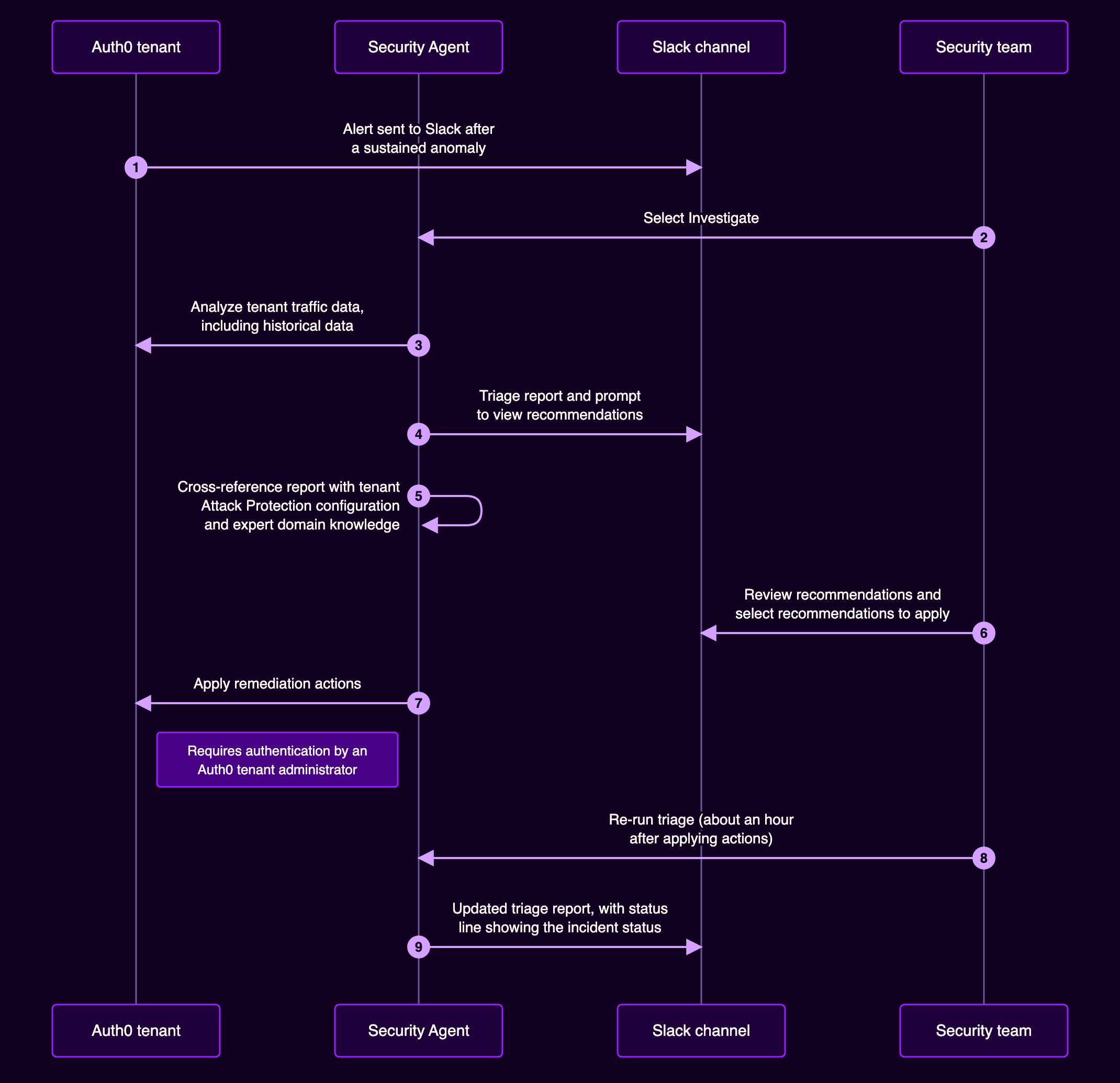
Poppy beta lets a personal agent hold scoped, revocable delegated access. The current practice — pasting a user's own credentials or a long-lived token into an agent — leaves no way to see what the agent did or cut it off without a password reset.
Stop a malicious package landing before the cooldown window expires
Secure Registry now exempts security fixes drawn from multiple vulnerability databases from the quarantine cooldown, and adds beta typosquattingtyposquattingUsing a name close to a trusted domain or software package to catch spelling mistakes. Attackers use it to lure people or installers to a malicious lookalike. protection for PyPI and Maven. Cooldowns normally delay legitimate patches as the price of blocking fresh malicious releases; the exemption removes that trade-off.
Assess Microsoft 365 posture in tenants a scanner couldn't previously reach
Prowler 5.52.0 scans M365 in sovereign and air-gapped clouds and widens IPv6IPv6The current version of the Internet Protocol, standardized by the IETF, using 128-bit addresses to replace the exhausted IPv4 space. Cyber tools target it because modern networks run dual-stack or IPv6-only. exposure detection; Plerion adds four Azure Storage checks and reworks its S3 public-access logic. Sovereign tenants have been a reporting blind spot that teams covered with spreadsheets and manual console review.
Three unrelated things stand out today: Velociraptor can stage endpoint tools with hash pinning, so IR kits work even in air-gapped estates; Caution moved sensitive agent sessions into encrypted Nitro EnclaveNitro EnclaveAn isolated virtual machine that AWS carves out of an EC2 instance, with no persistent storage, no network access, and no operator visibility, so cyber tools can process secrets without exposing them to the host. channels; Prowler widened cloud posture coverage, including sovereign and air-gapped Microsoft 365 tenants.
respond
Pre-stage trusted endpoint tooling for disconnected investigations
Velociraptor can now distribute third-party tools to endpoints over SMBSMBA network file-sharing protocol developed by Microsoft that lets systems share files, printers, and named pipes over a network; cyber tools target or speak it because it is ubiquitous in Windows environments. and other URL schemes with hash pinning, and generate a downloader script for air-gapped inventories. That turns a fragile incident-response prerequisite into a repeatable prep step: responders can have known-good binaries ready before a network-isolated case starts.
Broker and constrain sensitive agent access instead of relying on broad standing trust
Caution added organization RBACRBACRole-based access control, where permissions are assigned to roles such as reader or administrator and users receive those roles. It makes access easier to manage than individual permission lists., CLI/CI tokens, BYOCBYOCBring Your Own Cloud — a deployment model where the end user supplies the cloud infrastructure and the vendor's software runs inside it, keeping data under the customer's control. network targeting, stronger passkeypasskeyPhishing-resistant sign-in credentials built on FIDO2/WebAuthn: the device holds a private key and proves possession instead of the user typing a password. They sync across a user's devices. confirmation, and per-session encrypted STEVE channels inside Nitro EnclavesNitro EnclavesAWS-managed isolated compute environments carved out of an EC2 instance's own CPU and memory, giving cyber tools a verifiable, attestable sandbox where secrets and sensitive workloads cannot be reached by the host OS.. Auth0 added scoped, revocable access grants for personal agents, reducing the need to hand agents passwords or long-lived user authority.
Expand posture checks into cloud estates that are usually harder to scan
Prowler added Microsoft 365 scanning for sovereign and air-gapped clouds, new checks across AWS, Azure, and Google Cloud, broader IPv6IPv6The current version of the Internet Protocol, standardized by the IETF, using 128-bit addresses to replace the exhausted IPv4 space. Cyber tools target it because modern networks run dual-stack or IPv6-only. exposure detection, and more precise fixers. Plerion added Azure Storage posture checks and separated configuration findings from event findings, making storage exposure easier to review without mixing static misconfigurations with activity signals.
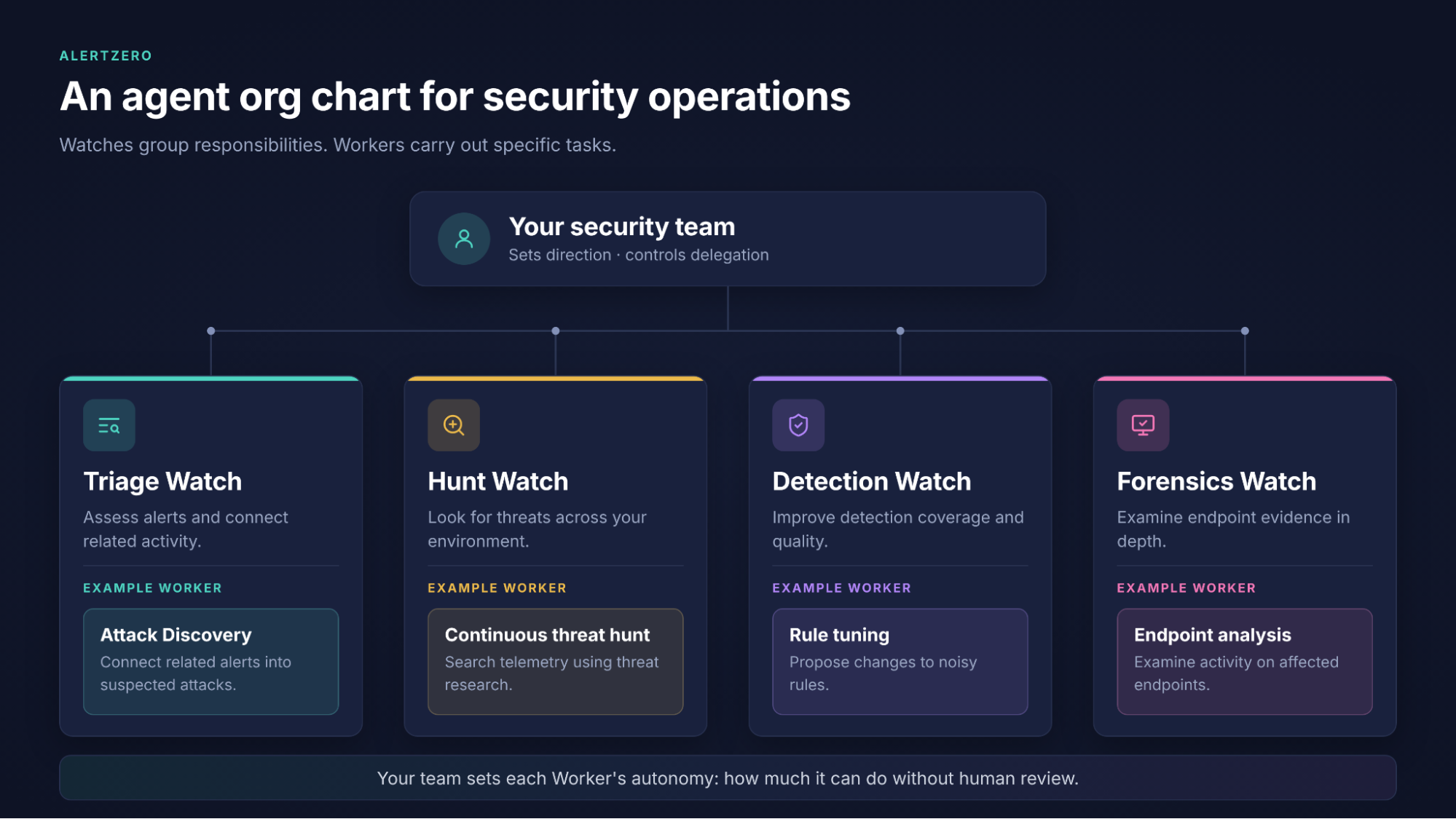
Elastic Security Labs introduced AlertZero workers for alert triage, hunting, detection engineering and forensics, with autonomy controls, handoffs, proposed actions and escalation. Watcher moved report summarization to a multi-provider LLMLLMA large language model, a neural network trained on large amounts of text to recognize patterns and generate language. Applications use it for tasks such as answering, summarizing and writing code. gateway and added richer threat extraction, so teams can regenerate and compare summaries without being locked to one local model path.
BruteSpray v2.7.7 adds detection of any-password-accepting devices with a confirmation step and tightens how connection failures are counted before the circuit breaker trips.︀︄︇︀︅︉︀︅︀︀︃︀︀︅︅︀︅︊︀︄︆︀︃︄
Brutespray is a fast, multi-protocol credential brute-forcer. Parses Nmap, Nessus, and Nexpose output to automatically test default and custom credentials across 30+ protocols.
BruteSpray v2.7.7 adds detection of any-password-accepting devices with a confirmation step and tightens how connection failures are counted before the circuit breaker trips.︀︄︇︀︅︉︀︅︀︀︃︀︀︅︅︀︅︊︀︄︆︀︃︄
└──▷ WHAT SHIPPED ·
2 FEATURES1 OF 2 FEATURESmost completely described firstwhat's the number?
Each feature carries 0–100 for how completely the vendor documented
it — not how big or important the work is. A major capability
described in eight words scores low, and that is the finding.
depth0–40what it does and how it works or what changed
specificity0–30names real surfaces — APIs, flags, formats, limits, numbers
actionability0–30enough to go use it — a named endpoint, flag, or config key tops this; a UI path is a starting point
Code and config rank first by construction: a documented endpoint,
flag or config key scores at the top of specificity and actionability,
so it sorts above a feature described only in prose. Under
60 the notes go thin — everything below the “thinner
coverage” line is thinner documentation, not smaller work.
Hover any meter for that feature's three sub-scores.
0101
Any-password hit confirmation for brute-force resultsNot checked yetbreaking82how completely this was documenteddepth32/40specificity25/30actionability25/3082 / 100
BruteSpray now detects devices that accept any password (DVRs, IP cameras, managed switches) by re-checking each apparent hit with a random password; demoted hits are written as WARN any-password findings instead of success-file entries.︀︄︇︀︅︉︀︅︀︀︃︀︀︅︅︀︅︊︀︄︆︀︃︄ The re-probe can be skipped with -no-confirm-hits for environments where the double-check would cause account lockouts or excessive noise. Existing success files from RDPRDPA Microsoft protocol that lets a user view and control a remote Windows desktop over a network, giving cyber tools a standard channel to audit, attack-simulate, or monitor Windows systems remotely./HTTP runs should be re-checked, since previously logged successes may now be reclassified under this pattern.
Skip the random-password re-probe entirely when targeting environments where the double-check would cause account lockouts or excessive noise.
— Names mechanism, flag and output change, but no numeric detailsv2.7.7
0200
Per-host connection failure cap enforcementNot checked yetbreaking68how completely this was documenteddepth28/40specificity22/30actionability18/3068 / 100
-max-conn-fails n now caps connection errors per host before the circuit breaker trips, enforced atomically before dialing regardless of thread count, so a dead host never logs more errors than the configured limit. This changes prior behavior: the flag now counts only connection errors (not total attempts), so hosts that previously tripped the breaker on auth failures may no longer trip it.
— Names flag and behavior change, no usage example givenv2.7.7
└──▷ BREAKING ON UPGRADE
!
-max-conn-fails n now counts only connection errors per host (not total attempts); hosts that previously tripped the breaker on auth failures may no longer trip it.
!
Hosts that previously logged successful credentials but accept any password now appear as WARN any-password findings rather than success-file entries; existing success files from RDP/HTTP runs should be re-checked for this pattern.
CyberStrikeAI is an ai-native penetration testing platform in Go that orchestrates offensive tools over MCP and tracks runs in a web dashboard.
CyberStrikeAI migrated its agent backend to a new Pi engine with several reliability and model-handling refinements, and expanded its vulnerability workflow with grouping, retesting, and improved list display.︀︄︇︀︅︉︀︅︀︀︃︀︀︅︅︀︅︊︀︄︆︀︃︄
└──▷ WHAT SHIPPED ·
5 FEATURES0 OF 5 FEATURESmost completely described firstwhat's the number?
Each feature carries 0–100 for how completely the vendor documented
it — not how big or important the work is. A major capability
described in eight words scores low, and that is the finding.
depth0–40what it does and how it works or what changed
specificity0–30names real surfaces — APIs, flags, formats, limits, numbers
actionability0–30enough to go use it — a named endpoint, flag, or config key tops this; a UI path is a starting point
Code and config rank first by construction: a documented endpoint,
flag or config key scores at the top of specificity and actionability,
so it sorts above a feature described only in prose. Under
60 the notes go thin — everything below the “thinner
coverage” line is thinner documentation, not smaller work.
Hover any meter for that feature's three sub-scores.
0100
Migration to Pi agent engineNot checked yetnew60how completely this was documenteddepth30/40specificity22/30actionability8/3060 / 100
CyberStrikeAI now uses the Pi agent engine, replacing the previous engine.︀︄︇︀︅︉︀︅︀︀︃︀︀︅︅︀︅︊︀︄︆︀︃︄ The Pi engine can omit the store field on a per-channel basis for compatible gateways, preserves the system role when working with compatible reasoning models, reports incomplete runs and model stream failures with clear error messages, improves session management for more reliable multi-turn interactions, and optimizes DeepSeek input handling and local model context adaptation.
— Names engine, DeepSeek and store field but no flagsv1.8.0v1.8.1
thinner coverage below
0200
Vulnerability list timestamps, sorting, and paginationNot checked yetimproved45how completely this was documenteddepth20/40specificity15/30actionability10/3045 / 100
The vulnerability list now shows timestamps, supports oldest-first sorting, and has independent pagination separate from other list views.
— Concrete UI changes but no config or endpoint namedv1.8.1
0300
Grouped vulnerability browsing by categoryNot checked yetnew36how completely this was documenteddepth18/40specificity10/30actionability8/3036 / 100
Vulnerabilities can now be viewed in a browsable grouped view so practitioners can triage findings by category.
— Describes behavior but no UI path or filter namesv1.8.0
0400
Retest tracking for vulnerabilitiesNot checked yetnew36how completely this was documenteddepth18/40specificity10/30actionability8/3036 / 100
CyberStrikeAI adds retest tracking to follow the remediation status of individual vulnerabilities.
— Clear purpose but no mechanism or field namesv1.8.0
0500
Token usage shown in history timelinesNot checked yetnew28how completely this was documenteddepth12/40specificity8/30actionability8/3028 / 100
The frontend now shows token usage in history timelines.
— Brief one-line UI addition with no further detailv1.8.1
OpenQodex's latest releases add configurable Codex reviewer model and effort settings, plus a major transparency push for the callers/code graph system — a new unknown.gaps field, better Python caller detection, named floor causes for framework route handlers, a golangci-lint correctness fix, and faster graph builds.︀︄︇︀︅︉︀︅︀︀︃︀︀︅︅︀︅︊︀︄︆︀︃︄
OpenQodex is a join the world's most widely adopted, AI-powered developer platform where millions of developers, businesses, and the largest open source community build software that advances humanity.
OpenQodex's latest releases add configurable Codex reviewer model and effort settings, plus a major transparency push for the callers/code graph system — a new unknown.gaps field, better Python caller detection, named floor causes for framework route handlers, a golangci-lint correctness fix, and faster graph builds.︀︄︇︀︅︉︀︅︀︀︃︀︀︅︅︀︅︊︀︄︆︀︃︄
└──▷ WHAT SHIPPED ·
6 FEATURES0 OF 6 FEATURESmost completely described firstwhat's the number?
Each feature carries 0–100 for how completely the vendor documented
it — not how big or important the work is. A major capability
described in eight words scores low, and that is the finding.
depth0–40what it does and how it works or what changed
specificity0–30names real surfaces — APIs, flags, formats, limits, numbers
actionability0–30enough to go use it — a named endpoint, flag, or config key tops this; a UI path is a starting point
Code and config rank first by construction: a documented endpoint,
flag or config key scores at the top of specificity and actionability,
so it sorts above a feature described only in prose. Under
60 the notes go thin — everything below the “thinner
coverage” line is thinner documentation, not smaller work.
Hover any meter for that feature's three sub-scores.
0100
Configurable Codex reviewer model and effortNot checked yetnew95how completely this was documenteddepth35/40specificity30/30actionability30/3095 / 100
Set reviewer_model (a model ID) and reviewer_effort (low, medium, high, or xhigh) in ~/.openqodex/config.yaml to control which Codex model and reasoning level is used for every review.︀︄︇︀︅︉︀︅︀︀︃︀︀︅︅︀︅︊︀︄︆︀︃︄ Pass --reviewer-model and --reviewer-effort to the review command to override these for a single run without touching persistent config, and check which model/effort are active via openqodex doctor, which now names both in its output table.
Pin the Codex reviewer to a specific model and effort level for all future reviews on this machine.
yaml
reviewer_model: gpt-6.1-sol
reviewer_effort: high
Run a one-off review at maximum reasoning effort without changing your persistent config — useful for a final pre-merge review on a large diff.
— Names exact config keys, flags, values and doctor checkopenqodex@0.23.0
0200
`unknown.gaps` field in callers and callees answersNot checked yetnew85how completely this was documenteddepth35/40specificity30/30actionability20/3085 / 100
A new unknown.gaps field in callers and callees answers lists every place the graph gave up — with cause, file, line, and what to check next — covering syntax errors and unreadable regions across the seven supported languages, and runtime reflective lookups (getMethod, getDeclaredMethod, MethodByName, getattr). Multi-hop callers and second-hop impact answers now say may be incomplete and name the specific caller with a gap when any walked caller has a graph or framework gap.
— Names the field, its contents and propagation, but no runnable exampleopenqodex@0.22.2
0300
Named floor causes for framework route handlers in `callers`Not checked yetimproved85how completely this was documenteddepth35/40specificity30/30actionability20/3085 / 100
callers now floors with a named cause instead of silently dropping handlers or showing an empty list as complete: Express routers mounted under a computed prefix (such as app.use(process.env.PREFIX, router)) report routes as unknown with a computed path; FastAPI and Nest handlers dropped by plugin limits (long dotted names, deep parentheses, guards past the 64th, classes with over 1,000 members); framework handlers with computed route paths (FastAPI f-string paths, Go constants over the string limit, Express computed paths) each get a named cause; and Next.js and Nest route-handler files over 256 KB that the plugins skipped now name the unread file.
— Enumerates every named limit and framework case with specific thresholdsopenqodex@0.22.2
0400
Expanded Python caller detection in `graph callers`Not checked yetimproved80how completely this was documenteddepth30/40specificity30/30actionability20/3080 / 100
graph callers now recognizes two more Python usage patterns so callers floor correctly: a function used as a bare decorator (@wrap or @pkg.wrap, including on methods), not only @wrap() calls, and a function passed inside extra parentheses (such as Depends(((dep)))), which now counts as used as a value.
— Exact syntax patterns and before/after given, no flag to runopenqodex@0.22.2
0500
golangci-lint failure detection fixNot checked yetimproved60how completely this was documenteddepth25/40specificity20/30actionability15/3060 / 100
golangci-lint now reads as failed when any Go module in the change cannot type-check, even when another module produced findings, so unchecked packages are no longer silently hidden.
— Clear before/after but no command or config shownopenqodex@0.22.2
thinner coverage below
0600
Faster code graph buildsNot checked yetimproved40how completely this was documenteddepth15/40specificity20/30actionability5/3040 / 100
The code graph now builds faster on deeply nested code, barrels with circular export * paths, and files with many eval or global-object sites.
— Named scenarios but no numbers or way to invoke/verifyopenqodex@0.22.2
Deepsec is a security harness for finding vulnerabilities in your codebase powered by coding agents
deepsec adds a --spawn-rate limit for sandbox runs and now retries content-filter-blocked batches in smaller groups instead of failing them︀︄︇︀︅︉︀︅︀︀︃︀︀︅︅︀︅︊︀︄︆︀︃︄
└──▷ TRY IT
Throttle sandbox startup to avoid connection storms when launching many workers at once against a large codebase.
$ deepsec sandbox process --spawn-rate 5
Control how fast sandboxes start during a sandbox process run with the new --spawn-rate flag, which defaults to 10 per minute.︀︄︇︀︅︉︀︅︀︀︃︀︀︅︅︀︅︊︀︄︆︀︃︄ Not checked yet
deepsec now retries content-filter-blocked batches in smaller groups rather than failing every file in the batch, reducing unanalyzed files from ~51–61% of batches to roughly 0.28% in a 31,600-file run. Not checked yet
Control how fast sandboxes start during a sandbox process run with the new --spawn-rate flag, which defaults to 10 per minute.︀︄︇︀︅︉︀︅︀︀︃︀︀︅︅︀︅︊︀︄︆︀︃︄ Not checked yet
GitHub is a web-based platform for version control and collaborative software development using Git repositories.
GitHub rolled out issue statuses and board views to repository Issues (with API, automation-trigger, and Projects-sync support) in public preview, while tightening code-coverage upload validation and adding a user_id column to usage reports for tracking deleted accounts.︀︄︇︀︅︉︀︅︀︀︃︀︀︅︅︀︅︊︀︄︆︀︃︄
└──▷ WHAT SHIPPED ·
5 FEATURES1 OF 5 FEATURESmost completely described firstwhat's the number?
Each feature carries 0–100 for how completely the vendor documented
it — not how big or important the work is. A major capability
described in eight words scores low, and that is the finding.
depth0–40what it does and how it works or what changed
specificity0–30names real surfaces — APIs, flags, formats, limits, numbers
actionability0–30enough to go use it — a named endpoint, flag, or config key tops this; a UI path is a starting point
Code and config rank first by construction: a documented endpoint,
flag or config key scores at the top of specificity and actionability,
so it sorts above a feature described only in prose. Under
60 the notes go thin — everything below the “thinner
coverage” line is thinner documentation, not smaller work.
Hover any meter for that feature's three sub-scores.
0101
Issue statuses with board views and API supportNot checked yetnew88how completely this was documenteddepth32/40specificity28/30actionability28/3088 / 100
Repository issues now carry a status field filterable with status: across the repository issues page, the issues dashboard, and repository boards.︀︄︇︀︅︉︀︅︀︀︃︀︀︅︅︀︅︊︀︄︆︀︃︄ Status can be read, set, or assigned via GraphQL, REST APIREST APIA web API design style where clients interact with resources over HTTP using standard methods like GET, POST, and DELETE, giving cyber tools a predictable, language-agnostic way to integrate with external services., and the MCP serverMCP serverA process that exposes tools, resources, and prompts over Anthropic's Model Context Protocol, letting an AI agent call external APIs or local services through a standardised interface., letting automations and agents manage it programmatically, and status changes can trigger Copilot automations. Saved views can be switched to a board layout grouped by status with drag-to-update columns, swimlanes, visible fields, and sorting, and any issue field can now be added via the cog menu in the issue sidebar regardless of issue type.
Find all issues currently blocked in review on a repository issues page or board.
$ status:In review
Switch a repository saved view to the board layout, grouped by status, to drag issues across columns and update their status.
📍1. Open any saved view in your repository's Issues tab.
2. Click the View options menu (⚙️).
3. Select Board as the layout.
4. Set Group by to Status.
5. Drag an issue card to a different column to update its status.
Cobertura format validation for coverage uploadsNot checked yetbreaking80how completely this was documenteddepth32/40specificity28/30actionability20/3080 / 100
The upload-code-coverage action now fails fast with the error 'This file is not a Cobertura XML report. Upload a Cobertura XML report.' when the uploaded report isn't Cobertura XML, replacing silent no-op uploads that previously showed no coverage on pull requests. Valid Cobertura reports are now processed more leniently: individual lines missing a usable line number or hit count are skipped rather than discarding the whole report.
Automated issue status transitions from PR and assignee activityNot checked yetnew73how completely this was documenteddepth30/40specificity28/30actionability15/3073 / 100
Linking a draft PR moves an issue to In progress, marking that draft PR ready moves it to In review, linking an already-open PR moves it to In review, assigning a user moves it to Todo, and assigning an agent moves it to In progress.
user_id column added to usage reportsNot checked yetbreaking69how completely this was documenteddepth28/40specificity26/30actionability15/3069 / 100
A new user_id column now appears in the detailed usage report, the AI usage report, and the premium request usage report — including REST API exports — enabling tracking of usage from deleted accounts and users across username changes. Every column after username shifts one position right in these reports starting December 1, 2026, so tools reading by column position rather than header name will break.
Bidirectional sync between issue status and ProjectsNot checked yetnew45how completely this was documenteddepth20/40specificity15/30actionability10/3045 / 100
When a Project has a status value matching an issue's status, changing either the Project's status or the issue's status updates the other.
Workflows using upload-code-coverage with a non-Cobertura XML report will now fail with the error 'This file is not a Cobertura XML report. Upload a Cobertura XML report.' — uploads that previously appeared to succeed will now break.
!
Every column after username shifts one position to the right in the detailed usage report, the AI usage report, and the premium request usage report (including REST API exports) — scripts or tools that read these reports by column position will break unless updated to read columns by header name before December 1, 2026.
Snyk Code is a static application security testing (SAST) tool that scans developer code in real time to identify and fix security vulnerabilities.
Snyk Code fixed SCMSCMSource Code Management: version-control systems (Git, SVN, etc.) that track changes to code over time, giving cyber tools reproducible builds, audit trails, and collaborative development workflows. import scanning so that .snyk exclusion files saved in Latin-1 or Windows-1252 encodings are now correctly applied.︀︄︇︀︅︉︀︅︀︀︃︀︀︅︅︀︅︊︀︄︆︀︃︄
└──▷ WHAT SHIPPED ·
1 FEATURE0 OF 1 FEATUREmost completely described firstwhat's the number?
Each feature carries 0–100 for how completely the vendor documented
it — not how big or important the work is. A major capability
described in eight words scores low, and that is the finding.
depth0–40what it does and how it works or what changed
specificity0–30names real surfaces — APIs, flags, formats, limits, numbers
actionability0–30enough to go use it — a named endpoint, flag, or config key tops this; a UI path is a starting point
Code and config rank first by construction: a documented endpoint,
flag or config key scores at the top of specificity and actionability,
so it sorts above a feature described only in prose. Under
60 the notes go thin — everything below the “thinner
coverage” line is thinner documentation, not smaller work.
Hover any meter for that feature's three sub-scores.
0100
Encoding support for .snyk exclusion filesNot checked yetimproved43how completely this was documenteddepth15/40specificity18/30actionability10/3043 / 100
A .snyk file saved in Latin-1 or Windows-1252 encoding now correctly applies its exclusion rules during SCM imports.︀︄︇︀︅︉︀︅︀︀︃︀︀︅︅︀︅︊︀︄︆︀︃︄
Skylos added a cloud dashboard with PR-blocking CI gating through a GitHub App, plus UML change reports on PRs, a bundled Semgrep rule pack, new Python and Ruby security checks, stacked-PR verification, and more accurate dead-code detection.︀︄︇︀︅︉︀︅︀︀︃︀︀︅︅︀︅︊︀︄︆︀︃︄
Skylos is an open source local-first PR scanner that finds dead code, security bugs, secrets, quality regressions, and AI-code mistakes before merge. For first timers refer to https://duriantaco.github.io/skylos/repo-map/
Skylos added a cloud dashboard with PR-blocking CI gating through a GitHub App, plus UML change reports on PRs, a bundled Semgrep rule pack, new Python and Ruby security checks, stacked-PR verification, and more accurate dead-code detection.︀︄︇︀︅︉︀︅︀︀︃︀︀︅︅︀︅︊︀︄︆︀︃︄
└──▷ WHAT SHIPPED ·
6 FEATURES0 OF 6 FEATURESmost completely described firstwhat's the number?
Each feature carries 0–100 for how completely the vendor documented
it — not how big or important the work is. A major capability
described in eight words scores low, and that is the finding.
depth0–40what it does and how it works or what changed
specificity0–30names real surfaces — APIs, flags, formats, limits, numbers
actionability0–30enough to go use it — a named endpoint, flag, or config key tops this; a UI path is a starting point
Code and config rank first by construction: a documented endpoint,
flag or config key scores at the top of specificity and actionability,
so it sorts above a feature described only in prose. Under
60 the notes go thin — everything below the “thinner
coverage” line is thinner documentation, not smaller work.
Hover any meter for that feature's three sub-scores.
0100
Cloud dashboard and PR-blocking CI gateNot checked yetnew91how completely this was documenteddepth35/40specificity28/30actionability28/3091 / 100
Run skylos cicd init to write .github/workflows/skylos.yml and get the git commands and GitHub App link needed to enable pull-request blocking.︀︄︇︀︅︉︀︅︀︀︃︀︀︅︅︀︅︊︀︄︆︀︃︄ Skylos Cloud uploads scan findings to a hosted dashboard at skylos.dev/dashboard without sending source code, and the GitHub App integration authenticates CI scans via OIDCOIDCOpenID Connect, a sign-in protocol built on OAuth 2.0. An application uses identity information from a trusted provider instead of maintaining a separate password for each user., removing the need to store any token or secret in the repository. Only CI-uploaded scans can block merges or update the project verdict; local scans are saved for review only.
Bootstrap CI gating so that pull requests failing the Skylos check cannot be merged.
Bundled Semgrep rule pack via vulnhunterNot checked yetnew73how completely this was documenteddepth20/40specificity25/30actionability28/3073 / 100
skylos adds skylos rules vulnhunter with a bundled Semgrep rule pack for running Semgrep-backed rules alongside native checks.
Run the bundled Semgrep-backed rule pack against your repo alongside all other checks to catch vulnerabilities Semgrep rules cover.
$ skylos rules vulnhunter
— Runnable command named but mechanism of rule pack is thinv5.8.0
0300
PR-stack verification with skylos doneNot checked yetnew70how completely this was documenteddepth25/40specificity20/30actionability25/3070 / 100
skylos now checks every layer of a PR stack with skylos done, verifying that every commit in a stacked PR series passes the gate before merging, not just the tip branch.
Verify that every commit in a stacked PR series passes the done gate before merging, not just the tip branch.
$ skylos done --base main
— Runnable command with flag shown, scope of stacking explainedv5.8.0
thinner coverage below
0400
New security checks for Python and RubyNot checked yetnew55how completely this was documenteddepth20/40specificity25/30actionability10/3055 / 100
skylos now detects XML external entity (XXEXXEXML External Entity injection, a class of attack against XML parsers that tricks them into fetching external resources or local files, letting an attacker read sensitive data or trigger server-side request forgery.) vulnerabilities and plain HMACHMACA keyed hash that proves a message came from someone holding a shared secret and was not altered. Webhooks and API request signing commonly use it. comparisons in Python code, and checks Rails controllers for SQL injectionSQL injectionAn attack that makes an application treat untrusted input as part of a database command. It can expose or modify data by changing what the query does. and SSRFSSRFServer-side request forgery, an attack that tricks a server into making requests chosen by an attacker. Those requests can reach internal services the attacker cannot access directly. in Ruby code.
— Names vulnerability classes and languages but no command shownv5.8.0
0500
Improved dead-code detection accuracyNot checked yetimproved35how completely this was documenteddepth15/40specificity15/30actionability5/3035 / 100
skylos now produces more accurate dead-code results for TypeScript, JavaScript, and Rust with less noise.
— Names languages improved but no metric or mechanism givenv5.8.0
0600
UML change report on PR scansNot checked yetnew30how completely this was documenteddepth15/40specificity10/30actionability5/3030 / 100
skylos now adds a UML change report to pull request scans, giving reviewers a diagram of what the PR changed structurally.
— Describes purpose but no command or output format givenv5.8.0
syzkaller is an unsupervised coverage-guided kernel fuzzer
syzkaller adds an LLMLLMA large language model, a neural network trained on large amounts of text to recognize patterns and generate language. Applications use it for tasks such as answering, summarizing and writing code. advisor to the bisect agent to supervise kernel bisection and keep it on track within its iteration budget︀︄︇︀︅︉︀︅︀︀︃︀︀︅︅︀︅︊︀︄︆︀︃︄
An LLMAdvisor now supervises the bisect agent, using aflow.DeepReasoningModel with MinIterations: 20 and EvaluationInterval: 20 to redirect looping behaviour and prompt early termination when the root cause is confirmed.︀︄︇︀︅︉︀︅︀︀︃︀︀︅︅︀︅︊︀︄︆︀︃︄ Not checked yet
The official changelog for the Snyk AI Trust Platform. Discover what's new in our security intelligence, AI-powered tools, and latest product enhancements.
Snyk added a new Org Settings API capability to programmatically control which ignore sources an organization accepts.︀︄︇︀︅︉︀︅︀︀︃︀︀︅︅︀︅︊︀︄︆︀︃︄
└──▷ WHAT SHIPPED ·
1 FEATURE0 OF 1 FEATUREmost completely described firstwhat's the number?
Each feature carries 0–100 for how completely the vendor documented
it — not how big or important the work is. A major capability
described in eight words scores low, and that is the finding.
depth0–40what it does and how it works or what changed
specificity0–30names real surfaces — APIs, flags, formats, limits, numbers
actionability0–30enough to go use it — a named endpoint, flag, or config key tops this; a UI path is a starting point
Code and config rank first by construction: a documented endpoint,
flag or config key scores at the top of specificity and actionability,
so it sorts above a feature described only in prose. Under
60 the notes go thin — everything below the “thinner
coverage” line is thinner documentation, not smaller work.
Hover any meter for that feature's three sub-scores.
0100
Org Settings API for ignore sourcesNot checked yetnew69how completely this was documenteddepth25/40specificity22/30actionability22/3069 / 100
A new Org Settings API lets admins control which ignore sources are accepted org-wide — app and API only, or also CLI and .snyk files — mirroring the existing UI setting under Settings → General.︀︄︇︀︅︉︀︅︀︀︃︀︀︅︅︀︅︊︀︄︆︀︃︄
— Names API and config surface but lacks endpoint path or examples.2026-11-22-cfcbe2fa
Zizmor is a static analysis for GitHub Actions (and more)
zizmor v1.33.0 adds a new audit for dangerous Git checkout patterns and extends several existing audits with semver-granular dependabot cooldowns, workflow lockfile awareness, and updated runner/action recommendations.︀︄︇︀︅︉︀︅︀︀︃︀︀︅︅︀︅︊︀︄︆︀︃︄
└──▷ WHAT SHIPPED ·
5 FEATURES0 OF 5 FEATURESmost completely described firstwhat's the number?
Each feature carries 0–100 for how completely the vendor documented
it — not how big or important the work is. A major capability
described in eight words scores low, and that is the finding.
depth0–40what it does and how it works or what changed
specificity0–30names real surfaces — APIs, flags, formats, limits, numbers
actionability0–30enough to go use it — a named endpoint, flag, or config key tops this; a UI path is a starting point
Code and config rank first by construction: a documented endpoint,
flag or config key scores at the top of specificity and actionability,
so it sorts above a feature described only in prose. Under
60 the notes go thin — everything below the “thinner
coverage” line is thinner documentation, not smaller work.
Hover any meter for that feature's three sub-scores.
0100
Dependabot.yml audit enhancementsNot checked yetimproved65how completely this was documenteddepth20/40specificity25/30actionability20/3065 / 100
The dependabot-cooldown audit now supports semver-{major,minor,patch}-days cooldown settings in dependabot.yml, and zizmor now recognizes apm as a valid package-ecosystem value in dependabot.yml.︀︄︇︀︅︉︀︅︀︀︃︀︀︅︅︀︅︊︀︄︆︀︃︄
— Names exact config keys but no usage examplev1.33.0
thinner coverage below
0200
New dangerous-checkout auditNot checked yetnew55how completely this was documenteddepth20/40specificity20/30actionability15/3055 / 100
A new dangerous-checkout audit detects dangerous Git checkout patterns in GitHub ActionsGitHub ActionsGitHub's built-in CI/CD system that runs automated workflows triggered by repository events, letting cyber tools automate testing, building, and releasing without managing separate pipeline infrastructure. workflows, starting with coverage for actions/checkout.
— Names audit and initial action coverage but no mechanism detailv1.33.0
0300
superfluous-actions recommends gh release downloadNot checked yetimproved50how completely this was documenteddepth15/40specificity20/30actionability15/3050 / 100
The superfluous-actions audit now recommends gh release download as a replacement for robinraju/release-downloader.
— Names audit, action, and replacement commandv1.33.0
0400
Workflow lockfile awareness in impostor-commit and ref-confusionNot checked yetimproved45how completely this was documenteddepth15/40specificity20/30actionability10/3045 / 100
The impostor-commit audit is now aware of workflow lockfiles, reducing noise for pinned actions, and the ref-confusion audit is now aware of workflow lockfiles as well.
— Names two audits but mechanism of lockfile awareness unclearv1.33.0
0500
self-hosted-runner recognizes xcode-27Not checked yetimproved30how completely this was documenteddepth10/40specificity15/30actionability5/3030 / 100
The self-hosted-runner audit now recognises xcode-27 GitHub runners.
ReARM's latest release makes the programmatic API's nginx proxy timeout configurable and adds design-checkpoint and split-task workflows to agent task boards, alongside smaller notification and statistics tweaks.︀︄︇︀︅︉︀︅︀︀︃︀︀︅︅︀︅︊︀︄︆︀︃︄
└──▷ WHAT SHIPPED ·
4 FEATURES0 OF 4 FEATURESmost completely described firstwhat's the number?
Each feature carries 0–100 for how completely the vendor documented
it — not how big or important the work is. A major capability
described in eight words scores low, and that is the finding.
depth0–40what it does and how it works or what changed
specificity0–30names real surfaces — APIs, flags, formats, limits, numbers
actionability0–30enough to go use it — a named endpoint, flag, or config key tops this; a UI path is a starting point
Code and config rank first by construction: a documented endpoint,
flag or config key scores at the top of specificity and actionability,
so it sorts above a feature described only in prose. Under
60 the notes go thin — everything below the “thinner
coverage” line is thinner documentation, not smaller work.
Hover any meter for that feature's three sub-scores.
0100
Design checkpoints and split tasks in agent boardsNot checked yetnew62how completely this was documenteddepth30/40specificity22/30actionability10/3062 / 100
Agent task boards now carry a design checkpoint before the build role, with an option to send a task on without a split.︀︄︇︀︅︉︀︅︀︀︃︀︀︅︅︀︅︊︀︄︆︀︃︄ They also support split tasks that carry their parent's reviewed design, shown via a header chip, hop row, documents group, and a marker on proposed children.
— Describes new workflow and UI elements but no exact commands or keys.26.11.59
thinner coverage below
0200
Configurable nginx proxy timeout for APINot checked yetnew52how completely this was documenteddepth22/40specificity20/30actionability10/3052 / 100
The nginx proxy timeout for the programmatic API is now configurable, with a default of 600 seconds, so long-running calls are no longer cut off.
— Names mechanism and default but no exact config key given.26.11.59
0300
Opt-in board documents in notificationsNot checked yetnew28how completely this was documenteddepth12/40specificity8/30actionability8/3028 / 100
Board documents can now be included in notifications on an opt-in basis.
— Brief statement, no mechanism or setting name given.26.11.59
0400
Role-less users counted in org statsNot checked yetimproved23how completely this was documenteddepth10/40specificity8/30actionability5/3023 / 100
Statistics page organization totals now include users without a role.
— Simple UI change with no further detail.26.11.59
StepSecurity's Secure Registry gained automatic cooldown exemptions for security fixes sourced from multiple vulnerability databases, plus a new beta typosquattingtyposquattingUsing a name close to a trusted domain or software package to catch spelling mistakes. Attackers use it to lure people or installers to a malicious lookalike. protection feature for PyPI and Maven packages.︀︄︇︀︅︉︀︅︀︀︃︀︀︅︅︀︅︊︀︄︆︀︃︄
StepSecurity is a security platform that hardens GitHub Actions CI/CD pipelines by detecting and preventing supply chain attacks and unauthorized network access.
StepSecurity's Secure Registry gained automatic cooldown exemptions for security fixes sourced from multiple vulnerability databases, plus a new beta typosquattingtyposquattingUsing a name close to a trusted domain or software package to catch spelling mistakes. Attackers use it to lure people or installers to a malicious lookalike. protection feature for PyPI and Maven packages.︀︄︇︀︅︉︀︅︀︀︃︀︀︅︅︀︅︊︀︄︆︀︃︄
└──▷ WHAT SHIPPED ·
2 FEATURES0 OF 2 FEATURESmost completely described firstwhat's the number?
Each feature carries 0–100 for how completely the vendor documented
it — not how big or important the work is. A major capability
described in eight words scores low, and that is the finding.
depth0–40what it does and how it works or what changed
specificity0–30names real surfaces — APIs, flags, formats, limits, numbers
actionability0–30enough to go use it — a named endpoint, flag, or config key tops this; a UI path is a starting point
Code and config rank first by construction: a documented endpoint,
flag or config key scores at the top of specificity and actionability,
so it sorts above a feature described only in prose. Under
60 the notes go thin — everything below the “thinner
coverage” line is thinner documentation, not smaller work.
Hover any meter for that feature's three sub-scores.
0100
Automatic cooldown exemptions for security fixesNot checked yetnew75how completely this was documenteddepth30/40specificity25/30actionability20/3075 / 100
Advisories sourced from GitHub reviewed advisories, RustSec, and the Go vulnerability database now qualify releases for automatic exemption from the Cooldown Period.︀︄︇︀︅︉︀︅︀︀︃︀︀︅︅︀︅︊︀︄︆︀︃︄ New Exempted and History views show which security fixes are currently exempted and why each advisory from the last 30 days did or did not qualify, and manual and automatic exemptions are now managed together in the Cooldown Exemptions panel, opened via Configure under Cooldown Period.
Enable automatic cooldown exemptions for security fixes so Dependabot or Renovate PRs are not held back by your cooldown period.
📍In the Secure Registry console, go to Cooldown Period › Configure › Cooldown Exemptions, set the minimum severity threshold, and save. Releases fixing vulnerabilities at or above that severity will skip the Cooldown Period automatically.
Review why a recent advisory did or did not exempt a release from cooldown, covering the last 30 days.
📍In the Secure Registry console, open the Cooldown Exemptions panel via Configure under Cooldown Period, then select the History view to see per-advisory qualification details.
Typosquatting protection for PyPI and MavenNot checked yetnew60how completely this was documenteddepth20/40specificity20/30actionability20/3060 / 100
Typosquatting Protection for PyPI and Maven Beta blocks packages whose names closely resemble popular packages, with an exact-name whitelist to handle false positives.
Block typosquatted PyPI or Maven packages that closely resemble popular ones, while whitelisting known legitimate exact-name matches.
📍In the Secure Registry console, enable Typosquatting Protection Beta for PyPI or Maven, then add any exact package names that triggered false positives to the exact-name whitelist.
Dalfox is an XSS scanner that automates parameter analysis, reflected/stored/DOM-based XSS detection, and WAF fingerprinting for web apps.
Dalfox v2.13.1 hardens its built-in scan server with mandatory API-key enforcement, host restrictions, and safer defaults, and adds domain-based scope filtering for scans.︀︄︇︀︅︉︀︅︀︀︃︀︀︅︅︀︅︊︀︄︆︀︃︄
└──▷ WHAT SHIPPED ·
2 FEATURES1 OF 2 FEATURESmost completely described firstwhat's the number?
Each feature carries 0–100 for how completely the vendor documented
it — not how big or important the work is. A major capability
described in eight words scores low, and that is the finding.
depth0–40what it does and how it works or what changed
specificity0–30names real surfaces — APIs, flags, formats, limits, numbers
actionability0–30enough to go use it — a named endpoint, flag, or config key tops this; a UI path is a starting point
Code and config rank first by construction: a documented endpoint,
flag or config key scores at the top of specificity and actionability,
so it sorts above a feature described only in prose. Under
60 the notes go thin — everything below the “thinner
coverage” line is thinner documentation, not smaller work.
Hover any meter for that feature's three sub-scores.
0101
Server mode security hardeningNot checked yetbreaking93how completely this was documenteddepth35/40specificity28/30actionability30/3093 / 100
dalfox server now binds to 127.0.0.1 by default instead of 0.0.0.0, with a startup warning when bound elsewhere without --api-key, and --api-key is required regardless of --type.︀︄︇︀︅︉︀︅︀︀︃︀︀︅︅︀︅︊︀︄︆︀︃︄ Without a key, raw request/response bodies are dropped from results and evidence is trimmed to line numbers and the payload. The new --allowed-hosts flag restricts which hostnames the server accepts without an API key, rejecting mismatched Host values and DNS-rebound names, and cookie-from-raw is now ignored when supplied by API callers while worker, timeout, delay, and trigger are clamped to safe ranges in server mode. POST /scan now also requires the Content-Type: application/json header.
Expose the scan API on all interfaces for container or remote use while keeping it locked down with an API key.
$ dalfox server --host 0.0.0.0 --api-key mysecretkey
Submit a scan job to a locally running server instance that now requires a JSON content type header.
— Names every flag, default, and endpoint requirement changedv2.13.1
0200
Out-of-scope domain filtering for scansNot checked yetnew75how completely this was documenteddepth25/40specificity25/30actionability25/3075 / 100
Scan targets can now be filtered by domain using --out-of-scope (a list of domains) or --out-of-scope-file (a file of domains to exclude), applied across URL, file, pipe, HARHARAn HTTP Archive file, a JSON-format log of all network requests and responses captured by a browser's developer tools, used by cyber tools to replay, inspect, or analyze web traffic without re-running a live session., and raw-HTTP scan modes.
Scan a list of URLs while excluding third-party or out-of-scope domains so findings stay scoped to your own assets.
$ dalfox scan urls.txt --out-of-scope-file excluded-domains.txt --limit-result 50 --limit-result-type v
— Exact flags and scan modes named, with example commandv2.13.1
└──▷ BREAKING ON UPGRADE
!
To reach dalfox server from another machine or from outside a container, explicitly pass --host 0.0.0.0 and set --api-key; the server now binds to 127.0.0.1 by default.
!
Without an API key, clients that address the server by a hostname other than localhost or the value of --host must now supply --allowed-hosts listing those names.
!
POST /scan now requires the Content-Type: application/json header; requests that omit it will be rejected.
Wapiti is a web vulnerability scanner written in Python3
Wapiti 3.3.5 improves its headless crawler to reach JavaScript-only content by interacting with forms and modals.︀︄︇︀︅︉︀︅︀︀︃︀︀︅︅︀︅︊︀︄︆︀︃︄
└──▷ WHAT SHIPPED ·
1 FEATURE0 OF 1 FEATUREmost completely described firstwhat's the number?
Each feature carries 0–100 for how completely the vendor documented
it — not how big or important the work is. A major capability
described in eight words scores low, and that is the finding.
depth0–40what it does and how it works or what changed
specificity0–30names real surfaces — APIs, flags, formats, limits, numbers
actionability0–30enough to go use it — a named endpoint, flag, or config key tops this; a UI path is a starting point
Code and config rank first by construction: a documented endpoint,
flag or config key scores at the top of specificity and actionability,
so it sorts above a feature described only in prose. Under
60 the notes go thin — everything below the “thinner
coverage” line is thinner documentation, not smaller work.
Hover any meter for that feature's three sub-scores.
0100
Headless crawler fills forms and opens modalsNot checked yetimproved35how completely this was documenteddepth20/40specificity10/30actionability5/3035 / 100
Wapiti's headless browser crawler now fills form fields and opens modals in headless mode to reach content that only appears through JavaScript interaction, improving coverage of JS-only forms.︀︄︇︀︅︉︀︅︀︀︃︀︀︅︅︀︅︊︀︄︆︀︃︄
— Describes behaviour change but no flags, commands or scope details.3.3.5
Fastly's Rust SDK 0.13.3 adds the ability to read an HTTP response's reason phrase, either as raw bytes or as a lossy UTF-8 string.︀︄︇︀︅︉︀︅︀︀︃︀︀︅︅︀︅︊︀︄︆︀︃︄
Fastly is a cloud edge platform that accelerates content delivery, provides DDoS protection, and enables real-time CDN, security, and streaming services globally.
Fastly's Rust SDK 0.13.3 adds the ability to read an HTTP response's reason phrase, either as raw bytes or as a lossy UTF-8 string.︀︄︇︀︅︉︀︅︀︀︃︀︀︅︅︀︅︊︀︄︆︀︃︄
└──▷ WHAT SHIPPED ·
1 FEATURE0 OF 1 FEATUREmost completely described firstwhat's the number?
Each feature carries 0–100 for how completely the vendor documented
it — not how big or important the work is. A major capability
described in eight words scores low, and that is the finding.
depth0–40what it does and how it works or what changed
specificity0–30names real surfaces — APIs, flags, formats, limits, numbers
actionability0–30enough to go use it — a named endpoint, flag, or config key tops this; a UI path is a starting point
Code and config rank first by construction: a documented endpoint,
flag or config key scores at the top of specificity and actionability,
so it sorts above a feature described only in prose. Under
60 the notes go thin — everything below the “thinner
coverage” line is thinner documentation, not smaller work.
Hover any meter for that feature's three sub-scores.
0100
Read HTTP reason phrase in Rust SDKNot checked yetnew86how completely this was documenteddepth30/40specificity28/30actionability28/3086 / 100
The Rust SDK now supports reading a response's HTTP reason phrase via Response::get_reason_phrase and ResponseHandle::get_reason_phrase, which return a Vec<u8> that preserves obs-text and is empty when no reason phrase exists.︀︄︇︀︅︉︀︅︀︀︃︀︀︅︅︀︅︊︀︄︆︀︃︄ A lossy UTF-8 String variant is also available via get_reason_phrase_lossy.
CVE-2026-114938: Java4Shell (CVE-2026-114938) (CVSSCVSSCommon Vulnerability Scoring System, a method for describing a vulnerability's characteristics and severity. Its score is not the probability that attackers will exploit it. 8.1, affects all releases with bundled jre, released before 2026-11-18)︀︄︇︀︅︉︀︅︀︀︃︀︀︅︅︀︅︊︀︄︆︀︃︄ Not checked yet
ElcomSoft is a try professional password recovery, data decryption, mobile and cloud forensic tools from a manufacturer with 30+ years of expertise, providing tools and training to law enforcement, financial and intelligence agencies.
Elcomsoft Quick Triage 2.3 adds native handling of forensic disk images and archives alongside new triage organization and an updated interface.︀︄︇︀︅︉︀︅︀︀︃︀︀︅︅︀︅︊︀︄︆︀︃︄
└──▷ WHAT SHIPPED ·
4 FEATURES0 OF 4 FEATURESmost completely described firstwhat's the number?
Each feature carries 0–100 for how completely the vendor documented
it — not how big or important the work is. A major capability
described in eight words scores low, and that is the finding.
depth0–40what it does and how it works or what changed
specificity0–30names real surfaces — APIs, flags, formats, limits, numbers
actionability0–30enough to go use it — a named endpoint, flag, or config key tops this; a UI path is a starting point
Code and config rank first by construction: a documented endpoint,
flag or config key scores at the top of specificity and actionability,
so it sorts above a feature described only in prose. Under
60 the notes go thin — everything below the “thinner
coverage” line is thinner documentation, not smaller work.
Hover any meter for that feature's three sub-scores.
0100
Disk image and VM mounting in Quick TriageNot checked yetnew45how completely this was documenteddepth20/40specificity15/30actionability10/3045 / 100
Quick Triage 2.3 adds native ingestion and mounting for forensic disk images and virtual machine containers, allowing direct access without separate mounting tools.︀︄︇︀︅︉︀︅︀︀︃︀︀︅︅︀︅︊︀︄︆︀︃︄
Netcap is a framework for secure and scalable network traffic analysis - https://netcap.io
Netcap adds parallel small-upload scheduling via NETCAP_AUXILIARY_CAPTURE, MCPMCPModel Context Protocol, a standard for connecting AI applications to external tools and data sources. A compatible server exposes capabilities an assistant can use through a common interface. retry signalling with Retry-After and retry_after_ms, six-language UI localization, and a macOS fsync performance improvement cutting large capture times from 835 s to under a minute.
└──▷ GET THIS VERSION
$ git clone --branch v0.16.13 https://github.com/dreadl0ck/netcap.git
# already have the repo? check out this version:$ git checkout v0.16.13
Control parallel small-upload scheduling alongside large captures with the NETCAP_AUXILIARY_CAPTURE environment variable — set it to 0 for serial dispatch (default allows up to eight concurrent small uploads per large capture). Not checked yet
Netcap's MCP serverMCP serverA process that exposes tools, resources, and prompts over Anthropic's Model Context Protocol, letting an AI agent call external APIs or local services through a standardised interface. now signals busy responses with a Retry-After header and appends ; retry_after_ms=N to tool errors so MCP clients can back off automatically. Not checked yet
The rules engine now accepts dotted paths such as Questions.Name in group_by thresholds, and those thresholds now work without capture_time and in bounded state. Not checked yet
Alert views now stream stores of any size through the paged API; only the 1,048,576-row and 1 MiB-per-alert limits return 413, and each 413 names the specific limit hit. Not checked yet
Timeline metadata degradation is now reported as metadataTruncated and eventsMissingMetadata fields, with filtered responses listing limitations, instead of failing the session. Not checked yet
+4 moreshow less
Stream evidence directories now use 128-bit names, so a name collision no longer aborts large captures. Not checked yet
The web UI now supports six-language localization and high-contrast themes for the desktop interface. Not checked yet
On macOS, per-stream evidence now uses fsync instead of F_FULLFSYNC, dropping an 18,000-stream capture from 835 seconds to under a minute. Not checked yet
In service mode, anonymous visitors now receive 403 on GET /api/network-interfaces and on injection rule and event writes, with those navigation entries hidden and a one-time welcome dialog added. Not checked yet
CVE-2026-131855: Heap out-of-bounds read in the VNCVNCA remote desktop protocol that transmits screen framebuffer updates over a network and relays keyboard and mouse input back, letting cyber tools observe or control a graphical session on a remote machine. dissector when auth-type and challenge share one packet (CVSSCVSSCommon Vulnerability Scoring System, a method for describing a vulnerability's characteristics and severity. Its score is not the probability that attackers will exploit it. 4.3, affects <= 0.8.5.1)︀︄︇︀︅︉︀︅︀︀︃︀︀︅︅︀︅︊︀︄︆︀︃︄ Not checked yet
CVE-2026-131854: Heap out-of-bounds read in the MySQL dissector's server seed and login credential parsing (CVSSCVSSCommon Vulnerability Scoring System, a method for describing a vulnerability's characteristics and severity. Its score is not the probability that attackers will exploit it. 6.5, affects <= 0.8.5.1)︀︄︇︀︅︉︀︅︀︀︃︀︀︅︅︀︅︊︀︄︆︀︃︄ Not checked yet
Kubeshark is an eBPF-powered network observability for Kubernetes. Indexes L4/L7 traffic with full K8s context, decrypts TLS without keys.
CVE-2026-129235: MCPMCPModel Context Protocol, a standard for connecting AI applications to external tools and data sources. A compatible server exposes capabilities an assistant can use through a common interface.download_file writes fetched bytes to an unvalidated destination path (CVSSCVSSCommon Vulnerability Scoring System, a method for describing a vulnerability's characteristics and severity. Its score is not the probability that attackers will exploit it. 5.3, affects >= 53.1.0, < 53.4.0)︀︄︇︀︅︉︀︅︀︀︃︀︀︅︅︀︅︊︀︄︆︀︃︄ Not checked yet
CVE-2026-129236: MCPMCPModel Context Protocol, a standard for connecting AI applications to external tools and data sources. A compatible server exposes capabilities an assistant can use through a common interface.start_kubeshark argument injection allows redirecting deployed images to an attacker-controlled registry (CVSSCVSSCommon Vulnerability Scoring System, a method for describing a vulnerability's characteristics and severity. Its score is not the probability that attackers will exploit it. 7.2, affects >= 53.1.0, < 53.4.0)︀︄︇︀︅︉︀︅︀︀︃︀︀︅︅︀︅︊︀︄︆︀︃︄ Not checked yet
Plerion is a cloud security platform that provides risk-based prioritization and remediation guidance across cloud infrastructure, helping teams identify and address critical vulnerabilities efficiently.
Plerion shipped four new Azure Storage posture checks, split asset page findings into configuration and event tabs, overhauled its S3 public-access check, and added browser-based MCP serverMCP serverA process that exposes tools, resources, and prompts over Anthropic's Model Context Protocol, letting an AI agent call external APIs or local services through a standardised interface. sign-in from Kiro CLI.︀︄︇︀︅︉︀︅︀︀︃︀︀︅︅︀︅︊︀︄︆︀︃︄
└──▷ WHAT SHIPPED ·
5 FEATURES1 OF 5 FEATURESmost completely described firstwhat's the number?
Each feature carries 0–100 for how completely the vendor documented
it — not how big or important the work is. A major capability
described in eight words scores low, and that is the finding.
depth0–40what it does and how it works or what changed
specificity0–30names real surfaces — APIs, flags, formats, limits, numbers
actionability0–30enough to go use it — a named endpoint, flag, or config key tops this; a UI path is a starting point
Code and config rank first by construction: a documented endpoint,
flag or config key scores at the top of specificity and actionability,
so it sorts above a feature described only in prose. Under
60 the notes go thin — everything below the “thinner
coverage” line is thinner documentation, not smaller work.
Hover any meter for that feature's three sub-scores.
0100
Browser sign-in to MCP server from Kiro CLINot checked yetnew85how completely this was documenteddepth30/40specificity25/30actionability30/3085 / 100
Connect to the Plerion MCPMCPModel Context Protocol, a standard for connecting AI applications to external tools and data sources. A compatible server exposes capabilities an assistant can use through a common interface. server from Kiro CLI using your Plerion account with no API key needed: add the Plerion MCP server URL to Kiro, run /mcp, sign in via the browser that opens, and select a tenant.︀︄︇︀︅︉︀︅︀︀︃︀︀︅︅︀︅︊︀︄︆︀︃︄
Authenticate Kiro CLI to the Plerion MCP server without an API key — useful for teams where individual Plerion accounts should govern access rather than a shared token
📍In Kiro, add the Plerion MCP server URL, then run /mcp, sign in to Plerion in the browser that opens, and choose your tenant.
S3 public-access evaluation overhaul in PLERION-AWS-140Not checked yetbreaking80how completely this was documenteddepth35/40specificity25/30actionability20/3080 / 100
Check PLERION-AWS-140 now evaluates every Deny in the bucket policy and applies Block Public Access settings the way S3 itself does, failing a bucket only when anyone or any AWS account can still list, read, or write it. This is a breaking change: some buckets will flip pass/fail result on the next scan.
New Azure Storage posture checksNot checked yetnew65how completely this was documenteddepth20/40specificity30/30actionability15/3065 / 100
Four new checks were added: PLERION-AZURE-521 flags Azure Storage accounts with no delete lock; PLERION-AZURE-522 flags accounts that replicate blobs to an account outside their subscription; PLERION-AZURE-523 flags accounts granting access to an external identity; and PLERION-AZURE-524 flags Azure activity log storage with no immutability policy.
Configuration and Event findings tabs on asset pagesNot checked yetimproved65how completely this was documenteddepth30/40specificity20/30actionability15/3065 / 100
Asset pages now split findings into two tabs — Configuration findings (posture checks) and Event findings (CDRCDRContent Disarm and Reconstruction — a technique that strips potentially malicious active content from files and rebuilds clean versions, letting cyber tools sanitize documents without relying on threat signatures. findings, newest first) — and the Source filter now also narrows the Event findings tab.
Retirement of Glacier vault logging checkNot checked yetdeprecated55how completely this was documenteddepth20/40specificity20/30actionability15/3055 / 100
Check PLERION-AWS-842 (Ensure Amazon S3 Glacier vaults have access logging enabled) is retired; its passed findings will disappear on the next scan.
Qualys TotalCloud is a cloud-native security platform providing continuous visibility, risk assessment, and compliance monitoring across multi-cloud environments and workloads.
Qualys TotalCloud introduces TotalAI, a new module for inventorying AI software, workloads, and containers across cloud and Kubernetes environments, adding dedicated inventory views, CI/CD-to-deployment correlation, and TruRiskTruRiskA proprietary risk-scoring methodology from Qualys that translates vulnerability and asset data into a numeric business-risk score, giving cyber tools a single prioritization signal instead of raw CVSS values.-based prioritization for AI supply chain risk.︀︄︇︀︅︉︀︅︀︀︃︀︀︅︅︀︅︊︀︄︆︀︃︄
└──▷ WHAT SHIPPED ·
4 FEATURES0 OF 4 FEATURESmost completely described firstwhat's the number?
Each feature carries 0–100 for how completely the vendor documented
it — not how big or important the work is. A major capability
described in eight words scores low, and that is the finding.
depth0–40what it does and how it works or what changed
specificity0–30names real surfaces — APIs, flags, formats, limits, numbers
actionability0–30enough to go use it — a named endpoint, flag, or config key tops this; a UI path is a starting point
Code and config rank first by construction: a documented endpoint,
flag or config key scores at the top of specificity and actionability,
so it sorts above a feature described only in prose. Under
60 the notes go thin — everything below the “thinner
coverage” line is thinner documentation, not smaller work.
Hover any meter for that feature's three sub-scores.
0100
Code Assets CI/CD-to-deployment correlationNot checked yetnew75how completely this was documenteddepth30/40specificity25/30actionability20/3075 / 100
Code Assets link CI/CD repositories to built images when QScanner runs in a CI/CD pipeline, then correlates those images with container, cloud, and Kubernetes inventory to show where the software is deployed.︀︄︇︀︅︉︀︅︀︀︃︀︀︅︅︀︅︊︀︄︆︀︃︄
Trace a vulnerable AI library from its source repository all the way to the running containers in Kubernetes to understand blast radius.
📍In TotalAI, open Code Assets, select the repository, and follow the linked image to the Containers and Kubernetes inventory view to see every deployment of that image.
— Names QScanner and traces repo-to-deployment path clearly2026-11-23-59981c74
0200
AI Workloads inventory viewNot checked yetnew65how completely this was documenteddepth25/40specificity20/30actionability20/3065 / 100
A new AI Workloads view in TotalAI shows whether AI software is installed, running, or communicating on each host, surfacing the binary, arguments, and last-seen time for each detection, and supports Qualys Query Language (QQL) search to filter and scope hosts.
Identify all hosts where AI software is actively communicating, so you can scope exposure after a new AI supply chain advisory.
📍In TotalAI, open the AI Workloads view and use QQL to filter hosts by communication state, then review the binary and arguments columns to confirm scope.
— Names concrete fields and QQL search, but no limits given2026-11-23-59981c74
thinner coverage below
0300
AI Containers inventoryNot checked yetnew41how completely this was documenteddepth18/40specificity15/30actionability8/3041 / 100
AI Containers adds installed software, Kubernetes metadata, and linked hosts and containers to give visibility inside AI container workloads.
Prowler 5.52.0 adds scanning for Microsoft 365 tenants in sovereign and air-gapped clouds, six new security checks across AWS, Azure, and Google Cloud, broader IPv6IPv6The current version of the Internet Protocol, standardized by the IETF, using 128-bit addresses to replace the exhausted IPv4 space. Cyber tools target it because modern networks run dual-stack or IPv6-only. exposure detection, and more surgical auto-remediation fixers.︀︄︇︀︅︉︀︅︀︀︃︀︀︅︅︀︅︊︀︄︆︀︃︄
This repo hosts Prowler OSS (CLI and Local Server). Prowler is the world’s most widely used open-source cloud security platform that automates security and compliance across any cloud environment for Humans and AI Agents.
Prowler 5.52.0 adds scanning for Microsoft 365 tenants in sovereign and air-gapped clouds, six new security checks across AWS, Azure, and Google Cloud, broader IPv6IPv6The current version of the Internet Protocol, standardized by the IETF, using 128-bit addresses to replace the exhausted IPv4 space. Cyber tools target it because modern networks run dual-stack or IPv6-only. exposure detection, and more surgical auto-remediation fixers.︀︄︇︀︅︉︀︅︀︀︃︀︀︅︅︀︅︊︀︄︆︀︃︄
└──▷ WHAT SHIPPED ·
4 FEATURES0 OF 4 FEATURESmost completely described firstwhat's the number?
Each feature carries 0–100 for how completely the vendor documented
it — not how big or important the work is. A major capability
described in eight words scores low, and that is the finding.
depth0–40what it does and how it works or what changed
specificity0–30names real surfaces — APIs, flags, formats, limits, numbers
actionability0–30enough to go use it — a named endpoint, flag, or config key tops this; a UI path is a starting point
Code and config rank first by construction: a documented endpoint,
flag or config key scores at the top of specificity and actionability,
so it sorts above a feature described only in prose. Under
60 the notes go thin — everything below the “thinner
coverage” line is thinner documentation, not smaller work.
Hover any meter for that feature's three sub-scores.
0100
M365 government, sovereign, and custom cloud scanningNot checked yetnew85how completely this was documenteddepth30/40specificity25/30actionability30/3085 / 100
A new M365Custom region lets Prowler scan Microsoft 365 tenants in private, sovereign, or air-gapped clouds by supplying --m365-authority-host and --m365-graph-endpoint to target custom Microsoft GraphMicrosoft GraphMicrosoft's unified REST API for accessing data and services across Microsoft 365, Azure AD, and related cloud products, giving cyber tools a single authenticated endpoint to query users, emails, files, and sign-in logs. endpoints.︀︄︇︀︅︉︀︅︀︀︃︀︀︅︅︀︅︊︀︄︆︀︃︄
Scan a Microsoft 365 tenant in a private or air-gapped cloud by supplying your own authority host and Graph endpoint.
Six new checks across AWS, Azure, and Google CloudNot checked yetnew80how completely this was documenteddepth35/40specificity30/30actionability15/3080 / 100
New checks added: backup_vaults_lock_enabled (verifies AWS Backup vaults have Vault Lock enabled to prevent deletion of recovery points), sagemaker_full_access_policy_attached (verifies no IAMIAMIdentity and Access Management — a framework of policies and services for controlling who can authenticate to systems and what resources they are authorized to use, letting cyber tools enforce least-privilege and audit access. role has the AWS managed AmazonSageMakerFullAccess policy attached, excluding service-linked roles), aks_cluster_node_os_upgrade_channel_enabled (verifies AKSAKSAzure Kubernetes Service, Microsoft's managed Kubernetes offering, which lets cyber tools offload cluster provisioning and scaling to Azure so engineers focus on workload logic instead of control-plane operations. clusters use an AKS-managed node OS auto-upgrade channel, SecurityPatch or NodeImage), aks_cluster_kms_cmk_encryption_enabled (verifies AKS clusters encrypt Kubernetes secrets in etcd with a customer-managed Azure Key Vault key), databricks_workspace_uses_private_endpoint (verifies Azure Databricks workspaces have an approved private endpoint connection), and cloudsql_instance_deletion_protection_enabled (verifies Google Cloud SQL instances and read replicas have deletion protection enabled).
— Each check named and explained but no run command5.52.0
0300
More surgical remediation fixersNot checked yetimproved75how completely this was documenteddepth35/40specificity25/30actionability15/3075 / 100
Fixers are now more precise: EC2EC2Amazon's cloud virtual-machine service, letting tools run on-demand servers without managing physical hardware. security group fixers revoke only the 0.0.0.0/0 and ::/0 sources of the offending rule while keeping private CIDRs, prefix lists, and security group references intact; the s3_bucket_policy_public_write_access fixer removes only the statements granting public write access instead of deleting the entire bucket policy; and the sqs_queues_not_publicly_accessible fixer keeps non-public statements of the queue policy instead of replacing the whole policy.
— Before/after behavior named per fixer, no new command shown5.52.0
0400
IPv6 unrestricted exposure detection across cloud checksNot checked yetimproved60how completely this was documenteddepth25/40specificity25/30actionability10/3060 / 100
IPv6 internet exposure (::/0) is now reported as unrestricted in Google Cloud SSH/RDPRDPA Microsoft protocol that lets a user view and control a remote Windows desktop over a network, giving cyber tools a standard channel to audit, attack-simulate, or monitor Windows systems remotely. firewall checks, Oracle Cloud SSH/RDP security list and NSGNSGA Network Security Group is an Azure resource that filters inbound and outbound traffic to cloud resources using configurable allow/deny rules, giving cyber tools a policy layer to inspect or enforce network access control. checks, Alibaba Cloud ECSECSElastic Common Schema, an open specification maintained by Elastic that defines a standard field naming convention for log and event data, letting cyber tools share and correlate records without per-source field mapping. SSH/RDP checks, and the eks_cluster_not_publicly_accessible check for public EKSEKSAmazon's managed Kubernetes service, run by AWS, that handles control-plane provisioning so teams can deploy containerized workloads without operating the underlying cluster infrastructure themselves. endpoints.
— Names affected checks but no user action required5.52.0
Sysdig Secure is a cloud-native security platform that provides runtime threat detection, vulnerability management, and compliance monitoring for containers, Kubernetes, and cloud environments.
Sysdig Secure's CLI Scanner gains SARIF 2.1.0SARIF 2.1.0A JSON-based file format, standardized by OASIS, for expressing static-analysis results so that cyber tools from different vendors can share findings through a single, machine-readable schema. export and IBM Cloud IaCIaCInfrastructure as Code: the practice of defining and provisioning compute infrastructure through machine-readable config files rather than manual processes, giving cyber tools repeatable, version-controlled environment setup. scanning support.︀︄︇︀︅︉︀︅︀︀︃︀︀︅︅︀︅︊︀︄︆︀︃︄
└──▷ WHAT SHIPPED ·
2 FEATURES0 OF 2 FEATURESmost completely described firstwhat's the number?
Each feature carries 0–100 for how completely the vendor documented
it — not how big or important the work is. A major capability
described in eight words scores low, and that is the finding.
depth0–40what it does and how it works or what changed
specificity0–30names real surfaces — APIs, flags, formats, limits, numbers
actionability0–30enough to go use it — a named endpoint, flag, or config key tops this; a UI path is a starting point
Code and config rank first by construction: a documented endpoint,
flag or config key scores at the top of specificity and actionability,
so it sorts above a feature described only in prose. Under
60 the notes go thin — everything below the “thinner
coverage” line is thinner documentation, not smaller work.
Hover any meter for that feature's three sub-scores.
0100
SARIF output format for CLI ScannerNot checked yetnew83how completely this was documenteddepth25/40specificity28/30actionability30/3083 / 100
The Sysdig CLI Scanner can output scan results in SARIF 2.1.0 format, either to the console or to a file, using sarif or sarif-file=<path> values with the --output option.︀︄︇︀︅︉︀︅︀︀︃︀︀︅︅︀︅︊︀︄︆︀︃︄ This enables upload of results to GitHub code scanning or GitLab via artifacts:reports:sarif.
Export a scan as SARIF to a file so it can be uploaded to GitHub code scanning as a code-scanning artifact in CI.
Chainguard provides trusted open source artifacts for every layer of your modern software stack—containers, language libraries, and VM images.
Chainguard adds the Athena Partner API so shield partners can register mitigations and report finding statuses via chainctl or REST, replacing hand-reviewed capability manifests.
New detectionPartners register mitigation methods and report MITIGATED, DECLINED, or FAILED statuses per finding via the new Athena Partner API, available through chainctl or REST. Not checked yet
Approved partners receive findings through the Athena OSVOSVOpen Source Vulnerabilities, a vulnerability database and schema maintained by Google that gives cyber tools a machine-readable, cross-ecosystem format for querying and sharing CVE-style advisories. API scoped only to vulnerabilities they can mitigate, replacing hand-reviewed capability manifests. Not checked yet
2 details in Everything
New supported platformNew container images: crossplane-function-python, codex-security, temporal-worker-controller, calico-calico, calico-third-party-cni-plugins and 9 more
Sophos Protection for Linux is a security agent that provides real-time malware detection, threat prevention, and endpoint protection for Linux systems.
Sophos Protection for Linux adds Tamper Resiliency to detect and recover unauthorized changes to agent files, expands sophosctl for local recovery and log-level management, introduces the Endpoint Self Help diagnostic CLI, enables Update Cache and Message Relay roles for Linux servers, broadens Sophos Data LakeData LakeA storage repository that holds raw data in its native format at scale, typically on object storage, letting cyber tools ingest and query large volumes of logs or telemetry without pre-defining a schema. telemetry with DNS/SNISNIA TLS extension that lets a client declare which hostname it is connecting to during the handshake, allowing one server to host multiple certificates on a single IP address., container, cleanup and detection-context events, and adds kernel 7.1 support.︀︄︇︀︅︉︀︅︀︀︃︀︀︅︅︀︅︊︀︄︆︀︃︄
└──▷ WHAT SHIPPED ·
6 FEATURES0 OF 6 FEATURESmost completely described firstwhat's the number?
Each feature carries 0–100 for how completely the vendor documented
it — not how big or important the work is. A major capability
described in eight words scores low, and that is the finding.
depth0–40what it does and how it works or what changed
specificity0–30names real surfaces — APIs, flags, formats, limits, numbers
actionability0–30enough to go use it — a named endpoint, flag, or config key tops this; a UI path is a starting point
Code and config rank first by construction: a documented endpoint,
flag or config key scores at the top of specificity and actionability,
so it sorts above a feature described only in prose. Under
60 the notes go thin — everything below the “thinner
coverage” line is thinner documentation, not smaller work.
Hover any meter for that feature's three sub-scores.
0100
Expanded sophosctl local recovery commandsNot checked yetimproved85how completely this was documenteddepth30/40specificity30/30actionability25/3085 / 100
Administrators can trigger a product update, force a reinstall, or view, set, or reset global or component-specific log levels locally using expanded sophosctl commands — providing a supported recovery path without manual config file edits.︀︄︇︀︅︉︀︅︀︀︃︀︀︅︅︀︅︊︀︄︆︀︃︄
— Names exact tool and functions but omits precise flag syntaxVersion 2026.4New
0200
Tamper Resiliency for SPL Agent filesNot checked yetimproved65how completely this was documenteddepth30/40specificity25/30actionability10/3065 / 100
Adds automatic detection and recovery for unauthorized changes to SPLSPLSplunk's proprietary query and data-manipulation language used to search, filter, and transform log data stored in a Splunk index, giving cyber tools a structured way to extract detections from large event datasets. Agent files via Tamper Resiliency, which now also covers additional plugin registry files and detects unexpected files in protected installation directories.
Expanded Data Lake telemetry and detection contextNot checked yetnew60how completely this was documenteddepth25/40specificity25/30actionability10/3060 / 100
Sophos Data Lake now receives DNS activity and Server Name Indication (SNI) hostname events for expanded network visibility, container information added to supported detection events, cleanup activity events so analysts can correlate remediation activity with antivirus detections, and additional file, process, script, network, and authentication evidence in detection events.
Update Cache and Message Relay roles for Linux serversNot checked yetnew55how completely this was documenteddepth20/40specificity20/30actionability15/3055 / 100
Linux servers with SPL Agent installed can now be configured as Update Caches and Message Relays in Sophos Central.
— Names roles and console but no step-by-step config shownVersion 2026.3
0500
Endpoint Self Help diagnostic CLINot checked yetnew45how completely this was documenteddepth20/40specificity15/30actionability10/3045 / 100
A new command-line tool, Endpoint Self Help, lets administrators view product health and collect diagnostic information from a Linux server.
— Names the tool but no command syntax givenVersion 2026.3
0600
Kernel 7.1 supportNot checked yetnew25how completely this was documenteddepth10/40specificity10/30actionability5/3025 / 100
Adds support for kernel 7.1.
— Bare compatibility note with no further detailVersion 2026.3
Sophos Protection for Linux 5.23.3 adds Helm-based process exclusions and configurable data-table controls, plus /proc/<pid>/comm rule filtering and Runtime Detection integrity checks.
Exclude selected executables from process, connection, and DNS events sent to the data lake by adding Helm configuration options for process exclusions, reducing event volume in container environments. Not checked yet
Turn on supported data tables required for deployment and investigation by configuring expanded Helm values for data-table selection. Not checked yet
Detection rules now use process-name information from /proc/<pid>/comm for more precise threat filtering. Not checked yet
Runtime Detection files now include integrity checks to improve resilience against unexpected modification. Not checked yet
Sophos Central is a cloud-based management platform that enables administrators to manage and monitor Sophos security products, endpoints, and policies from a single console.
Sophos Central strengthened password security in Sophos Fusion by blocking commonly used passwords.︀︄︇︀︅︉︀︅︀︀︃︀︀︅︅︀︅︊︀︄︆︀︃︄
└──▷ WHAT SHIPPED ·
1 FEATURE0 OF 1 FEATUREmost completely described firstwhat's the number?
Each feature carries 0–100 for how completely the vendor documented
it — not how big or important the work is. A major capability
described in eight words scores low, and that is the finding.
depth0–40what it does and how it works or what changed
specificity0–30names real surfaces — APIs, flags, formats, limits, numbers
actionability0–30enough to go use it — a named endpoint, flag, or config key tops this; a UI path is a starting point
Code and config rank first by construction: a documented endpoint,
flag or config key scores at the top of specificity and actionability,
so it sorts above a feature described only in prose. Under
60 the notes go thin — everything below the “thinner
coverage” line is thinner documentation, not smaller work.
Hover any meter for that feature's three sub-scores.
0100
Common password blocking in Sophos FusionNot checked yetimproved35how completely this was documenteddepth18/40specificity12/30actionability5/3035 / 100
Sophos Fusion now disallows passwords that appear on public lists of common passwords, reducing credential-stuffing exposure.︀︄︇︀︅︉︀︅︀︀︃︀︀︅︅︀︅︊︀︄︆︀︃︄
— Explains the change but no mechanism, scope, or config detail given.November 2, 2026
Adds a zeek_files macro and updates the linux_shells macro (removing eshell) to support new web-layer analytics.
└──▷ GET THIS VERSION
$ git clone --branch v6.11.1 https://github.com/splunk/security_content.git
# already have the repo? check out this version:$ git checkout v6.11.1
Adds a zeek_files macro to support new web-layer analytics. Not checked yet
Updates the linux_shells macro and removes the eshell entry. Not checked yet
2 details in Everything
New detectionHTTP Large POST and Oversized Multipart Header Activity: PHP SOAP DTD Entity Reference in Attribute, PHP SOAP Malformed Array Dimensions, PHP Serialized Object in POST Body, PostScript or EPS Upload with Image or PDF Extension, Ruby Repeated Legacy Sharp S Bytes in POST Body
Updated detectionUpdated Analytics: Elevated Group Discovery with PowerView, HTTP Base64 Activity With JVM Errors, HTTP POST Request with Encoded Payload, Linux Auditd Service Crash and Restart Burst, Linux Auditd Web or Application Server Spawning a Shell and 2 more
New detectionNew Analytic Stories: NGINX2Root, PHP November 2026 Critical Vulnerabilities, PHP November 2026 SOAP Vulnerabilities, Ruby2Shell - CVE-2026-132825, Upload2Shell - CVE-2026-125396
└──▷ BREAKING ON UPGRADE
!Starting in ESCU 6.12.0, Splunk Enterprise 9.0, 9.1, 9.2, 9.3 and Splunk Cloud Platform 10.1 will be removed from ESCU compatibility listings.
Lookyloo is a web interface that allows users to capture a website page and then display a tree of domains that call each other.
Lookyloo v1.43.1 adds a separate public monitoring URL with improved nginx setup and ships a broad redesign of the web UI, touching nearly every page from the home page to pivot views.︀︄︇︀︅︉︀︅︀︀︃︀︀︅︅︀︅︊︀︄︆︀︃︄
└──▷ WHAT SHIPPED ·
2 FEATURES0 OF 2 FEATURESmost completely described firstwhat's the number?
Each feature carries 0–100 for how completely the vendor documented
it — not how big or important the work is. A major capability
described in eight words scores low, and that is the finding.
depth0–40what it does and how it works or what changed
specificity0–30names real surfaces — APIs, flags, formats, limits, numbers
actionability0–30enough to go use it — a named endpoint, flag, or config key tops this; a UI path is a starting point
Code and config rank first by construction: a documented endpoint,
flag or config key scores at the top of specificity and actionability,
so it sorts above a feature described only in prose. Under
60 the notes go thin — everything below the “thinner
coverage” line is thinner documentation, not smaller work.
Hover any meter for that feature's three sub-scores.
0100
Redesigned web UI across site and capture pagesNot checked yetimproved60how completely this was documenteddepth25/40specificity25/30actionability10/3060 / 100
Lookyloo's web UI is redesigned: a new site header, footer, page headers, and home page; restyled capture list, category tags, table controls, loader, and credits page; restyled capture form and search, with a tutorial added to every page except the tree; blurred screenshots shown in capture lists; a restyled statistics page; custom 404 and 500 error pages and a View capture button; and redesigned pivot pages, with the Explore and Statistics sections disabled pending further work.︀︄︇︀︅︉︀︅︀︀︃︀︀︅︅︀︅︊︀︄︆︀︃︄
— Names every reworked UI area but gives only navigation, no commandsv1.43.1
thinner coverage below
0200
Separate public URL for monitoringNot checked yetnew37how completely this was documenteddepth15/40specificity12/30actionability10/3037 / 100
Lookyloo now exposes a separate public URL dedicated to monitoring and improves the nginx setup that sits behind it.
— Names nginx but no exact config paths or endpointsv1.43.1
MISP (core software) - Open Source Threat Intelligence and Sharing Platform
MISP adds opt-in per-user module credentials controlled by Plugin.Modules_allow_personal_credentials, with secrets stored in module_api_keys and rotated via cake Admin reencrypt.
└──▷ GET THIS VERSION
$ git clone --branch v2.5.53 https://github.com/MISP/MISP.git
# already have the repo? check out this version:$ git checkout v2.5.53
Enable per-user API keys, account names, and passwords for enrichment, import, and export modules by turning on Plugin.Modules_allow_personal_credentials (off by default); secrets are stored in the module_api_keys user setting, encrypted individually, masked in the UI and audit log, and rotated with cake Admin reencrypt. Not checked yet
The REST APIREST APIA web API design style where clients interact with resources over HTTP using standard methods like GET, POST, and DELETE, giving cyber tools a predictable, language-agnostic way to integrate with external services. client now documents the warninglist add, edit, delete, export, and import endpoints. Not checked yet
Watcher - Open Source AI-powered Cyber Threat Intelligence & Hunting Platform. Developed with Django & React JS.
Watcher v3.8.0 replaces its local summarization models with a multi-provider LLMLLMA large language model, a neural network trained on large amounts of text to recognize patterns and generate language. Applications use it for tasks such as answering, summarizing and writing code. gateway (OpenAI, Anthropic, Gemini, Ollama, or any LiteLLM-compatible endpoint), adds on-demand regeneration of AI summaries with a configurable cooldown, richer threat extraction in its reports, new notification layouts, and small UI preference additions.︀︄︇︀︅︉︀︅︀︀︃︀︀︅︅︀︅︊︀︄︆︀︃︄
└──▷ WHAT SHIPPED ·
8 FEATURES2 OF 8 FEATURESmost completely described firstwhat's the number?
Each feature carries 0–100 for how completely the vendor documented
it — not how big or important the work is. A major capability
described in eight words scores low, and that is the finding.
depth0–40what it does and how it works or what changed
specificity0–30names real surfaces — APIs, flags, formats, limits, numbers
actionability0–30enough to go use it — a named endpoint, flag, or config key tops this; a UI path is a starting point
Code and config rank first by construction: a documented endpoint,
flag or config key scores at the top of specificity and actionability,
so it sorts above a feature described only in prose. Under
60 the notes go thin — everything below the “thinner
coverage” line is thinner documentation, not smaller work.
Hover any meter for that feature's three sub-scores.
0100
Multi-LLM gateway via LiteLLMNot checked yetnew100how completely this was documenteddepth40/40specificity30/30actionability30/30100 / 100
New llm_gateway app built on LiteLLM supports OpenAI, Anthropic, Gemini, Ollama, and any LiteLLM-compatible endpoint as the AI backend, configured via deployment/.env keys OPENAI_API_KEY, OPENAI_MODEL, OPENAI_BASE_URL, ANTHROPIC_*, GEMINI_*, OLLAMA_API_KEY, OLLAMA_MODEL, OLLAMA_API_URL, GENERIC_LLM_URL, GENERIC_LLM_KEY, GENERIC_LLM_MODEL (or directly from the Connectors page).︀︄︇︀︅︉︀︅︀︀︃︀︀︅︅︀︅︊︀︄︆︀︃︄ It falls back automatically to a local Hugging Face model (override via HF_LOCAL_MODEL, default Qwen/Qwen2.5-0.5B-Instruct) when no Default LLM is selected, the API is unreachable, or no key is configured, with TLS verification controlled via LITELLM_VERIFY_SSL and SSL_CERT_FILE; a connector is set as the Default LLM via POST /api/connectors/<id>/set-default-llm/ (superusers only).
Point Watcher at an internal Ollama instance as the LLM backend for AI summaries, bypassing a corporate proxy.
— Full env-var list, fallback mechanism and endpoint all namedv3.8.0
0200
On-demand summary regeneration with cooldownNot checked yetnew90how completely this was documenteddepth30/40specificity30/30actionability30/3090 / 100
Adds POST endpoints /api/threats_watcher/summary/regenerate-weekly/, /api/threats_watcher/summary/by-keyword/<keyword>/regenerate/, and /api/threats_watcher/summary/by-keyword/<keyword>/regenerate-breaking/ to trigger immediate regeneration of the weekly report, keyword summaries, and breaking news. A global cooldown (1–1440 minutes) is readable/updatable via /api/threats_watcher/summary/config/ (GET for all authenticated users, POST for superusers), surfaced in the UI as a Regenerate button with a superuser-configurable cooldown slider (1 minute to 24 hours, default 15 minutes) and a remaining-time indicator on the weekly report, breaking news and keyword summary views.
Trigger an immediate regeneration of the weekly threat report from the API, e.g. from a CI pipeline or a scheduled job.
$ curl -s-X POST https://watcher.example.com/api/threats_watcher/summary/regenerate-weekly/ \
-H 'Authorization: Token <your_token>'
Set the global regeneration cooldown to 30 minutes so analysts cannot trigger back-to-back LLM calls.
— Three endpoints and cooldown API given with working curl examplesv3.8.0
0301
Upgrade and deployment changesNot checked yetbreaking70how completely this was documenteddepth20/40specificity25/30actionability25/3070 / 100
Database migrations must now be applied manually by running make migrate from deployment/ after starting the new images, since the watcher container no longer applies them automatically on startup. The Watcher Default UI theme is replaced by Darkly, with affected users switched automatically. Corporate proxy users must add internal LLM hostnames to NO_PROXY / no_proxy in deployment/.env before running make up, otherwise LLM requests are routed through the proxy and may be rejected.
— Exact commands and config keys given for required upgrade stepsv3.8.0
0400
Richer extraction in breaking news, keyword summaries and weekly reportNot checked yetimproved65how completely this was documenteddepth30/40specificity25/30actionability10/3065 / 100
Breaking news now extracts impact level, targeted sectors, threat actors, malware and CVEs with an alert score; keyword summaries extract CVEs, APT groups, malware, MITRE ATT&CKMITRE ATT&CKA publicly maintained knowledge base of adversary tactics and techniques observed in real attacks, maintained by MITRE. Cyber tools use it as a common taxonomy to classify, map, and communicate threat behavior. techniques, sectors and countries with a relevance score based on the organisation; the weekly report groups top threats into at most 5 severity clusters with an executive summary and the first publication date of each threat.
— Describes new fields extracted but no API or config to act onv3.8.0
0502
Local summarization models removed for LLM gatewayNot checked yetdeprecated60how completely this was documenteddepth25/40specificity20/30actionability15/3060 / 100
The local BART and FLAN-T5 summarization models are removed; a Default LLM connector must now be configured on the Connectors page, or every summary falls back to the local Hugging Face model (Qwen/Qwen2.5-0.5B-Instruct by default).
— Clear migration requirement named, no further mechanism detailv3.8.0
thinner coverage below
0600
Configurable weekly report scheduleNot checked yetbreaking55how completely this was documenteddepth20/40specificity20/30actionability15/3055 / 100
The weekly report schedule is now configurable via WEEKLY_SUMMARY_DAY and WEEKLY_SUMMARY_HOUR in deployment/.env, defaulting to Thursday at 09:30, changing from the previous Monday schedule.
— Env vars and default named, mechanism beyond that is thinv3.8.0
0700
New notification layouts for reportsNot checked yetnew50how completely this was documenteddepth20/40specificity20/30actionability10/3050 / 100
Adds new notification layouts for the weekly report and breaking news: Slack attachments with severity colours, email-safe HTML, and Matrix HTML for Citadel.
— Names three output formats but no config or endpoint givenv3.8.0
0800
Interface zoom and typewriter effect for summariesNot checked yetnew50how completely this was documenteddepth15/40specificity20/30actionability15/3050 / 100
Adds interface zoom levels (75%, 80%, 90%, 100%) saved to the user profile, and a typewriter-effect toggle for AI summaries.
— Exact zoom percentages given but a thin UI preferencev3.8.0
└──▷ BREAKING ON UPGRADE
!
Database migrations are required: run make migrate from deployment/ after starting the new images — the watcher container does not apply them automatically on startup.
!
The Watcher Default UI theme is replaced by Darkly; users who had it selected are switched automatically.
!
The weekly report is now generated on Thursday at 09:30 instead of Monday.
!
The local BART and FLAN-T5 summarization models are removed; a Default LLM connector must be configured on the Connectors page, or every summary falls back to the local Hugging Face model (Qwen/Qwen2.5-0.5B-Instruct by default).
!
Corporate proxy users must add internal LLM hostnames to NO_PROXY / no_proxy in deployment/.env before running make up, otherwise LLM requests are routed through the corporate proxy and may be rejected.
Elastic Security introduced AlertZero, a technical-preview AI SOCSOCA security operations center, the team or function that monitors threats, investigates alerts and coordinates incident response. Its work can be internal, outsourced or shared. system with six autonomous Workers spanning alert triage, threat hunting, detection engineering and forensics, complete with tunable autonomy levels, per-step model tiers, cross-Worker handoffs, a proposed-actions review page and case escalation.︀︄︇︀︅︉︀︅︀︀︃︀︀︅︅︀︅︊︀︄︆︀︃︄
Elastic Security Labs is a powered by Elasticsearch. Ready to deploy your data?
Elastic Security introduced AlertZero, a technical-preview AI SOCSOCA security operations center, the team or function that monitors threats, investigates alerts and coordinates incident response. Its work can be internal, outsourced or shared. system with six autonomous Workers spanning alert triage, threat hunting, detection engineering and forensics, complete with tunable autonomy levels, per-step model tiers, cross-Worker handoffs, a proposed-actions review page and case escalation.︀︄︇︀︅︉︀︅︀︀︃︀︀︅︅︀︅︊︀︄︆︀︃︄
└──▷ WHAT SHIPPED ·
7 FEATURES6 OF 7 FEATURESmost completely described firstwhat's the number?
Each feature carries 0–100 for how completely the vendor documented
it — not how big or important the work is. A major capability
described in eight words scores low, and that is the finding.
depth0–40what it does and how it works or what changed
specificity0–30names real surfaces — APIs, flags, formats, limits, numbers
actionability0–30enough to go use it — a named endpoint, flag, or config key tops this; a UI path is a starting point
Code and config rank first by construction: a documented endpoint,
flag or config key scores at the top of specificity and actionability,
so it sorts above a feature described only in prose. Under
60 the notes go thin — everything below the “thinner
coverage” line is thinner documentation, not smaller work.
Hover any meter for that feature's three sub-scores.
0101
Proposed actions review pageNot checked yetnew85how completely this was documenteddepth30/40specificity25/30actionability30/3085 / 100
Analysts review and approve proposed actions from a dedicated proposed actions page grouped under Respond, Investigate, and Configure, with each action backed by the Worker's gathered evidence and reasoning inside an Elastic Agent Builder investigation conversation.︀︄︇︀︅︉︀︅︀︀︃︀︀︅︅︀︅︊︀︄︆︀︃︄
Walk through approving or declining an AlertZero proposed action — for example, a host isolation recommended by the Endpoint Analysis Worker — before it runs against your environment.
📍In Elastic Security, go to AlertZero › Proposed Actions, select the action under Respond, review the evidence and reasoning in the attached investigation, then click Approve (runs as you, with your privileges) or Decline.
AlertZero AI Workers for SOC automationNot checked yetNew detectionNew supported platformNew integrationnew73how completely this was documenteddepth30/40specificity28/30actionability15/3073 / 100
AlertZero ships in technical preview on Elastic Cloud Serverless with Elastic Security 9.6 (ECH and Self-Managed support expected in early December), bringing six AI Workers across four Watches to automate alert triage, attack discovery, continuous threat hunting, rule tuning, rule coverage gap review, and endpoint forensic analysis.
Autonomy levels for AlertZero WorkersNot checked yetnew65how completely this was documenteddepth25/40specificity20/30actionability20/3065 / 100
Each Worker's autonomy can be set to Manual, Assisted, or Supervised to control whether proposed actions — such as closing false positives, isolating hosts, or editing detection rules — wait for analyst approval or run automatically.
Alert Triage Worker confidence scoringNot checked yetnew65how completely this was documenteddepth25/40specificity25/30actionability15/3065 / 100
The Alert Triage Worker classifies new alerts as true or false positives with a confidence score, and at Supervised autonomy auto-closes false positives at or above an 85% default confidence threshold.
Model tier assignment per Worker stepNot checked yetnew55how completely this was documenteddepth25/40specificity20/30actionability10/3055 / 100
AI steps in each Worker workflow can be assigned to one of three model tiers — Efficient, Balanced, or Frontier — so the right model is used per step and can be swapped without changing the Worker's logic.
Cross-Worker handoffsNot checked yetnew55how completely this was documenteddepth25/40specificity25/30actionability5/3055 / 100
Workers hand off work to each other: Alert Triage feeds false-positive counts to the Rule Tuning Worker, Attack Discovery Worker escalates to the Endpoint Analysis Worker, and the Continuous Threat Hunt Worker records detection gaps for the Rule Coverage Worker.
Elastic Security 9.6 adds AlertZero agentic SOCSOCA security operations center, the team or function that monitors threats, investigates alerts and coordinates incident response. Its work can be internal, outsourced or shared. automation with four Watch types, custom YARA memory scanning, Entity Analytics AI brief, and agentic SIEMSIEMSecurity information and event management, collecting logs from many systems and correlating events to find suspicious activity. Analysts use it to investigate alerts and incidents. rule migration editing.
Elastic Security adds AlertZero, an agentic layer with four Watches — Alert Triage, Threat Hunt, Detection Engineering, and Forensics — each running Workers in the background that classify alerts, hunt for threats, tune noisy rules, close detection gaps, and reconstruct attack timelines, with Manual, Assisted, or Supervised autonomy levels per Worker. Not checked yet
Elastic Security adds the YARA signatures tab on the Artifacts page, letting analysts apply custom YARA signatures globally or to specific Defend policies and enabling scanning via the Memory threat protection card — a match surfaces a Memory Threat – Detected alert with the matched signature name and memory strings. Not checked yet
Elastic Security's Automatic Migration now supports agentic editing of translated detection rules from chat, covering ES|QLES|QLElasticsearch Query Language, maintained by Elastic, a pipe-based query language for filtering, transforming, and aggregating data stored in Elasticsearch, giving cyber tools a concise syntax for log and event analysis. logic changes, custom index patterns, custom field mappings, syntax fixes, prebuilt-rule matching, and alternative rule recommendations across Splunk, QRadar, and Microsoft Sentinel. Not checked yet
Entity Analytics adds an AI brief summarising entity risk posture, naming which entities need attention, listing up to three entities to investigate first, and supporting follow-up questions in Agent Builder without rebuilding investigation context. Not checked yet
Entity Analytics adds a refreshed overview with six attention tiles — Severely alerting, Newly high-risk, Risk movers, New & alerting, Anomalous, and Watchlisted & alerting — filterable by entity type, risk level, criticality, source, or watchlist across 24-hour, 7-day, and 30-day periods. Not checked yet
+1 moreshow less
AlertZero Workers now let analysts select the backing AI model per Worker in Feature Settings, including open-weight or self-hosted models, with model changes leaving Worker configuration intact. Not checked yet
Elastic 9.6 adds Elastic Defend on-host prevention for AI coding agents (Claude Code, Cursor, Codex) and a new MITRE ATLASMITRE ATLASA MITRE-maintained knowledge base of adversarial tactics and techniques targeting AI and machine learning systems, modelled on ATT&CK, giving cyber tools a structured taxonomy for AI-specific threat modelling. mapping layer across all AI SIEMSIEMSecurity information and event management, collecting logs from many systems and correlating events to find suspicious activity. Analysts use it to investigate alerts and incidents. rules.
Elastic Defend behavior rules now run on-host in prevent mode for coding agents, killing offending processes before actions complete — including agent-driven persistence and malicious Cursor workspace code execution. Not checked yet
All 143 AI SIEM rules ship with MITREMITREA US federally funded research and development center that maintains public frameworks—ATT&CK, CVE, D3FEND—that cyber tools use to classify threats, vulnerabilities, and defensive techniques in a common language. ATLAS technique mappings alongside MITRE ATT&CKMITRE ATT&CKA publicly maintained knowledge base of adversary tactics and techniques observed in real attacks, maintained by MITRE. Cyber tools use it as a common taxonomy to classify, map, and communicate threat behavior., with Elastic 9.6 being the first release to carry those mappings into the product. Not checked yet
Elastic Security adds a Security for AI Kibana integration package with four ingest-time NLP classifiers writing scores to security_ai fields, LLMLLMA large language model, a neural network trained on large amounts of text to recognize patterns and generate language. Applications use it for tasks such as answering, summarizing and writing code.-as-judge escalation for high-scoring events, and ECSECSElastic Common Schema, an open specification maintained by Elastic that defines a standard field naming convention for log and event data, letting cyber tools share and correlate records without per-source field mapping.gen_aigen_aiA shorthand label for generative AI models and APIs; tools use it to tag configuration, telemetry, or plugin namespaces that route requests to LLM backends like OpenAI or Gemini. field compatibility.
Four lightweight NLP classifiers score GenAI traffic at ingest time inside your own cluster, writing to security_ai.encoding, security_ai.hash_string, security_ai.word_obfuscation, security_ai.instruction_override, and security_ai.refusal fields with no GPUGPUA graphics processing unit, a processor that performs many calculations in parallel. AI workloads use GPUs to speed up model training and inference. required. Not checked yet
LLM-as-judge escalation is applied only to high-scoring events, keeping cost proportional to actual risk. Not checked yet
Models use ECS gen_ai.input.messages and gen_ai.output.messages fields, making the package compatible with any integration that populates those fields. Not checked yet
Available as a technical preview in Elastic Stack 9.6 on a Platinum or Trial subscription. Not checked yet
Databricks shipped beta impact analysis for Unity Catalog lineage with CSV export, an upcoming ai_forecast version 2 with holidays and external covariates, GA OAuth authentication for webhook notification destinations, larger dashboard subscription attachments, and several Genie One updates including GA voice input and cross-folder skills.︀︄︇︀︅︉︀︅︀︀︃︀︀︅︅︀︅︊︀︄︆︀︃︄
Databricks is a unified data analytics platform that enables teams to collaborate on big data processing, machine learning, and AI using Apache Spark.
Databricks shipped beta impact analysis for Unity Catalog lineage with CSV export, an upcoming ai_forecast version 2 with holidays and external covariates, GA OAuth authentication for webhook notification destinations, larger dashboard subscription attachments, and several Genie One updates including GA voice input and cross-folder skills.︀︄︇︀︅︉︀︅︀︀︃︀︀︅︅︀︅︊︀︄︆︀︃︄
└──▷ WHAT SHIPPED ·
5 FEATURES0 OF 5 FEATURESmost completely described firstwhat's the number?
Each feature carries 0–100 for how completely the vendor documented
it — not how big or important the work is. A major capability
described in eight words scores low, and that is the finding.
depth0–40what it does and how it works or what changed
specificity0–30names real surfaces — APIs, flags, formats, limits, numbers
actionability0–30enough to go use it — a named endpoint, flag, or config key tops this; a UI path is a starting point
Code and config rank first by construction: a documented endpoint,
flag or config key scores at the top of specificity and actionability,
so it sorts above a feature described only in prose. Under
60 the notes go thin — everything below the “thinner
coverage” line is thinner documentation, not smaller work.
Hover any meter for that feature's three sub-scores.
0100
Impact analysis in Unity Catalog lineageNot checked yetnew75how completely this was documenteddepth30/40specificity25/30actionability20/3075 / 100
A new Beta Impact analysis view under the Lineage tab for a table or column shows downstream assets that depend on it, each with an impact level and owner, and lets Genie Code summarize the impact and export a CSV of owners.︀︄︇︀︅︉︀︅︀︀︃︀︀︅︅︀︅︊︀︄︆︀︃︄
Find all downstream assets affected by a table change and export the owner list as a CSV for stakeholder notification.
📍In the Unity Catalog UI, open the target table or column, navigate to the Lineage tab, select Impact analysis, review downstream assets and their impact levels, then use Genie Code to summarize and export a CSV of owners.
ai_forecast version 2 with holidays and covariatesNot checked yetnew75how completely this was documenteddepth35/40specificity25/30actionability15/3075 / 100
ai_forecast version 2 adds holidays, external covariates, and non-negative forecast output to foundation-model-based time series forecasts in SQL; it becomes the default for workspaces with the compliance security profile enabled starting January 2027, while queries without a specified version keep using ai_forecast version 1 until then.
Voice input, push notifications, and cross-folder skills in Genie OneNot checked yetnew65how completely this was documenteddepth30/40specificity25/30actionability10/3065 / 100
Genie One's voice input is now generally available on the web, desktop app, and mobile app for US and EU regions, letting users dictate prompts that are transcribed to text; the Genie mobile app now sends Android push notifications for long-running prompts and scheduled tasks; and Genie One now lists workspace skills and skills from other folders registered in Genie Code.
OAuth authentication for webhook destinationsNot checked yetnew55how completely this was documenteddepth25/40specificity20/30actionability10/3055 / 100
Webhook notification destinations can now authenticate using OAuth 2.0OAuth 2.0An open authorization framework (IETF RFC 6749) that lets a service grant limited API access to a third party without sharing credentials, giving cyber tools a standard way to authenticate against external platforms. client credentials to obtain an access tokenaccess tokenA credential that authorizes a client to use a service or API. It usually has limited permissions and a lifetime; anyone holding it may be able to use those permissions. from a configured OAuth token endpoint; this is generally available.
Dashboard subscription attachments and Genie Code stylingNot checked yetimproved55how completely this was documenteddepth25/40specificity20/30actionability10/3055 / 100
Dashboard subscription emails now support up to 24 MB of combined attachments, up from 9 MB, and Genie Code for dashboard authoring now reproduces the visual styling of a screenshot more closely when recreating a dashboard from it.
Sumo Logic introduced Data Pipelines, a visual graph-based system for routing, parsing, enriching, and masking logs before they're indexed, with built-in testing and monitoring.︀︄︇︀︅︉︀︅︀︀︃︀︀︅︅︀︅︊︀︄︆︀︃︄
Sumo Logic is a cloud-based platform that aggregates, analyzes, and visualizes machine data and logs for security monitoring and operational insights.
Sumo Logic introduced Data Pipelines, a visual graph-based system for routing, parsing, enriching, and masking logs before they're indexed, with built-in testing and monitoring.︀︄︇︀︅︉︀︅︀︀︃︀︀︅︅︀︅︊︀︄︆︀︃︄
└──▷ WHAT SHIPPED ·
1 FEATURE0 OF 1 FEATUREmost completely described firstwhat's the number?
Each feature carries 0–100 for how completely the vendor documented
it — not how big or important the work is. A major capability
described in eight words scores low, and that is the finding.
depth0–40what it does and how it works or what changed
specificity0–30names real surfaces — APIs, flags, formats, limits, numbers
actionability0–30enough to go use it — a named endpoint, flag, or config key tops this; a UI path is a starting point
Code and config rank first by construction: a documented endpoint,
flag or config key scores at the top of specificity and actionability,
so it sorts above a feature described only in prose. Under
60 the notes go thin — everything below the “thinner
coverage” line is thinner documentation, not smaller work.
Hover any meter for that feature's three sub-scores.
0100
Data Pipelines for log routing, enrichment, and maskingNot checked yetnew74how completely this was documenteddepth32/40specificity20/30actionability22/3074 / 100
A new Manage Data > Data Pipelines module lets you route logs into a pipeline using a routing expression and process them through ordered groups of processors and routers arranged in a visual graph; each log message passes through only the first matching pipeline, so pipeline order controls overlapping rules.︀︄︇︀︅︉︀︅︀︀︃︀︀︅︅︀︅︊︀︄︆︀︃︄ You can test a whole pipeline or specific processing groups against sample data before publishing, and once live, monitor each pipeline's input and output data volume and health events. To build one: go to Manage Data > Data Pipelines, click Add Pipeline, enter a routing expression, add ordered processing groups, click Test with sample data, then Publish.
Walk through building, testing, and publishing a new Data Pipeline in the Sumo Logic UI.
📍1. Go to Manage Data › Data Pipelines and click Add Pipeline.
2. Enter a routing expression to select which logs enter this pipeline.
3. Add ordered processing groups (parse, enrich, mask, or route processors).
4. Click Test and supply sample log data to validate the pipeline output before publishing.
5. Click Publish to activate the pipeline.
6. Open the pipeline's monitoring view to watch input/output data volume and health events.
Exaforce launched ExaU, a platform for assembling named, role-specific AI agents — threat hunters, access reviewers, policy officers, security chiefs of staff, CISOCISOChief Information Security Officer, the executive responsible for an organization's information and cyber risk strategy; cyber tools often integrate reporting or compliance features aimed at this audience. briefing drafters — that operate inside its existing knowledge graphknowledge graphA representation of entities and the relationships between them. Software can follow those connections to answer questions or combine information from different sources. with human approval gates and full audit logging.︀︄︇︀︅︉︀︅︀︀︃︀︀︅︅︀︅︊︀︄︆︀︃︄
Exaforce runs AI Exabots that detect, triage, investigate and respond to threats across cloud, SaaS, identity, endpoint and code on a real-time knowledge graph.
Exaforce launched ExaU, a platform for assembling named, role-specific AI agents — threat hunters, access reviewers, policy officers, security chiefs of staff, CISOCISOChief Information Security Officer, the executive responsible for an organization's information and cyber risk strategy; cyber tools often integrate reporting or compliance features aimed at this audience. briefing drafters — that operate inside its existing knowledge graphknowledge graphA representation of entities and the relationships between them. Software can follow those connections to answer questions or combine information from different sources. with human approval gates and full audit logging.︀︄︇︀︅︉︀︅︀︀︃︀︀︅︅︀︅︊︀︄︆︀︃︄
└──▷ WHAT SHIPPED ·
1 FEATURE1 OF 1 FEATUREmost completely described firstwhat's the number?
Each feature carries 0–100 for how completely the vendor documented
it — not how big or important the work is. A major capability
described in eight words scores low, and that is the finding.
depth0–40what it does and how it works or what changed
specificity0–30names real surfaces — APIs, flags, formats, limits, numbers
actionability0–30enough to go use it — a named endpoint, flag, or config key tops this; a UI path is a starting point
Code and config rank first by construction: a documented endpoint,
flag or config key scores at the top of specificity and actionability,
so it sorts above a feature described only in prose. Under
60 the notes go thin — everything below the “thinner
coverage” line is thinner documentation, not smaller work.
Hover any meter for that feature's three sub-scores.
0101
ExaU platform for role-specific AI agentsNot checked yetnew79how completely this was documenteddepth32/40specificity27/30actionability20/3079 / 100
ExaU lets teams build AI agents from templates or plain-language descriptions for roles such as threat hunter, access reviewer, policy officer, security chief of staff, or CISO briefing drafter, each with its own name, role, and persistent memory that can be reviewed and edited under 'lessons picked up on the job', team notes, or only you entries in the Memory tab.︀︄︇︀︅︉︀︅︀︀︃︀︀︅︅︀︅︊︀︄︆︀︃︄ Any agent action affecting employees, systems, or communications requires an Allow/Deny approval in the Exaforce console, with every step written to the Exaforce audit log; agents can be shared across a team so one finding triggers a threat hunt, an activity audit, and employee outreach simultaneously, with results rolled into one assessment. Agents run through identities and connections already configured in Exaforce, requiring no new credentials, tokens, or API logins.
Review and correct what a threat-hunting agent has learned about your environment before it runs its next hunt.
📍In the Exaforce console, open your threat-hunting agent, go to the Memory tab, and edit or remove any entry under 'lessons picked up on the job', team notes, or only you notes to adjust its behaviour going forward.
Gate a potentially disruptive agent action — such as notifying an employee — so it cannot proceed without explicit sign-off.
📍In the Exaforce console, when an agent surfaces an action that affects employees, systems, or communications, select Allow or Deny in the approval prompt; the decision and every preceding step are written to the Exaforce audit log automatically.
vulnerability-db v7.0.7 adds leaner CI-oriented database flavors and tightens error handling for metadata searches, alongside a breaking change to release-number query matching.︀︄︇︀︅︉︀︅︀︀︃︀︀︅︅︀︅︊︀︄︆︀︃︄
Vulnerability-db is a vulnerability database and package search for sources such as Linux, OSV, NVD, GitHub and npm. Powered by sqlite, CVE 5.2, purl, and vers.
vulnerability-db v7.0.7 adds leaner CI-oriented database flavors and tightens error handling for metadata searches, alongside a breaking change to release-number query matching.︀︄︇︀︅︉︀︅︀︀︃︀︀︅︅︀︅︊︀︄︆︀︃︄
└──▷ WHAT SHIPPED ·
3 FEATURES0 OF 3 FEATURESmost completely described firstwhat's the number?
Each feature carries 0–100 for how completely the vendor documented
it — not how big or important the work is. A major capability
described in eight words scores low, and that is the finding.
depth0–40what it does and how it works or what changed
specificity0–30names real surfaces — APIs, flags, formats, limits, numbers
actionability0–30enough to go use it — a named endpoint, flag, or config key tops this; a UI path is a starting point
Code and config rank first by construction: a documented endpoint,
flag or config key scores at the top of specificity and actionability,
so it sorts above a feature described only in prose. Under
60 the notes go thin — everything below the “thinner
coverage” line is thinner documentation, not smaller work.
Hover any meter for that feature's three sub-scores.
0100
app-2y and app-2y-extended database flavorsNot checked yetnew80how completely this was documenteddepth25/40specificity25/30actionability30/3080 / 100
Refresh the smallest complete databases with vdb db refresh full --flavor app-2y or --flavor app-2y-extended, suited for CI runs where download time matters most.︀︄︇︀︅︉︀︅︀︀︃︀︀︅︅︀︅︊︀︄︆︀︃︄
Pull the smallest complete database in a CI pipeline to minimise download time.
Clearer metadata-search errors on incompatible flavorsNot checked yetimproved75how completely this was documenteddepth25/40specificity30/30actionability20/3075 / 100
Metadata searches (--search-text, --search-alias, --search-reference, --search-symbol) now exit 1 with an explanation naming -extended flavor or VDB_INCLUDE_METADATA=true as remedies when run against full or app-only flavors that lack metadata tables.
Release-number query matching changed for date-shaped ceilingsNot checked yetbreaking50how completely this was documenteddepth20/40specificity20/30actionability10/3050 / 100
A release-number query no longer matches rows with date-shaped ceilings, including floor-less <20230101 rows on non-Go packages.
— Describes behaviour change but no migration guidancev7.0.7
└──▷ BREAKING ON UPGRADE
!
A release-number query no longer matches rows with date-shaped ceilings, including floor-less <20230101 rows on non-Go packages.
OXO is a security scanning orchestrator for the modern age.
oxo adds an /idle endpoint allowing agents to report whether they are currently processing a message.︀︄︇︀︅︉︀︅︀︀︃︀︀︅︅︀︅︊︀︄︆︀︃︄
└──▷ WHAT SHIPPED ·
1 FEATURE0 OF 1 FEATUREmost completely described firstwhat's the number?
Each feature carries 0–100 for how completely the vendor documented
it — not how big or important the work is. A major capability
described in eight words scores low, and that is the finding.
depth0–40what it does and how it works or what changed
specificity0–30names real surfaces — APIs, flags, formats, limits, numbers
actionability0–30enough to go use it — a named endpoint, flag, or config key tops this; a UI path is a starting point
Code and config rank first by construction: a documented endpoint,
flag or config key scores at the top of specificity and actionability,
so it sorts above a feature described only in prose. Under
60 the notes go thin — everything below the “thinner
coverage” line is thinner documentation, not smaller work.
Hover any meter for that feature's three sub-scores.
0100
Agent idle status endpointNot checked yetnew65how completely this was documenteddepth20/40specificity20/30actionability25/3065 / 100
A new /idle endpoint lets callers query whether an agent is currently handling a message, exposing its processing state.︀︄︇︀︅︉︀︅︀︀︃︀︀︅︅︀︅︊︀︄︆︀︃︄
— Names exact endpoint but lacks response format or usage detail.v2.25.5
Fleet is an open-source platform for managing and querying device fleets, providing real-time visibility into endpoints using osquery.
Fleet adds a Google conditional access integration and a new REST APIREST APIA web API design style where clients interact with resources over HTTP using standard methods like GET, POST, and DELETE, giving cyber tools a predictable, language-agnostic way to integrate with external services. endpoint to mark or unmark company-owned hosts as managed in Google.
└──▷ GET THIS VERSION
$ git clone --branch fleet-v4.96.0 https://github.com/fleetdm/fleet.git
# already have the repo? check out this version:$ git checkout fleet-v4.96.0
New integrationConnect Google conditional access via Settings > Integrations > Conditional access, the REST API, or GitOpsGitOpsA practice where Git repositories serve as the single source of truth for infrastructure and application state, with automated systems continuously reconciling live environments to match what is declared in version control. to let Google block sign-in from hosts Fleet does not manage. Not checked yet
Use PUT /api/v1/fleet/hosts/:id/google_device_id to mark a company-owned host as managed in Google, and DELETE to unmark it — both require Google conditional access to be connected. Not checked yet
Android hosts now enforce a passcode during setup (before the home screen) when an Android configuration profile includes passwordPolicies or passwordRequirements and no labels. Not checked yet
3 details in Everything
└──▷ BREAKING ON UPGRADE
!PUT /api/v1/fleet/hosts/:id/google_device_id now requires Google conditional access to be connected and the host to be company-owned; calls that previously succeeded without these conditions will now fail.
Streamline IT operations with ITarian’s all-in-one IT management software. Automate tasks, enhance security, and boost efficiency.
ITarian introduces hierarchical device grouping with automatic assignment rules and a new connection-error filter in the Device List.︀︄︇︀︅︉︀︅︀︀︃︀︀︅︅︀︅︊︀︄︆︀︃︄
└──▷ WHAT SHIPPED ·
3 FEATURES0 OF 3 FEATURESmost completely described firstwhat's the number?
Each feature carries 0–100 for how completely the vendor documented
it — not how big or important the work is. A major capability
described in eight words scores low, and that is the finding.
depth0–40what it does and how it works or what changed
specificity0–30names real surfaces — APIs, flags, formats, limits, numbers
actionability0–30enough to go use it — a named endpoint, flag, or config key tops this; a UI path is a starting point
Code and config rank first by construction: a documented endpoint,
flag or config key scores at the top of specificity and actionability,
so it sorts above a feature described only in prose. Under
60 the notes go thin — everything below the “thinner
coverage” line is thinner documentation, not smaller work.
Hover any meter for that feature's three sub-scores.
0100
Automatic device assignment rules by hostname or OSNot checked yetnew95how completely this was documenteddepth35/40specificity30/30actionability30/3095 / 100
Group Management now supports assignment rules that automatically move new devices into groups based on hostname match (starts with, contains, ends with, or regex) or OS type (Windows, Linux, macOS, Android, iOS), with a Test Expression panel to validate a rule before saving.︀︄︇︀︅︉︀︅︀︀︃︀︀︅︅︀︅︊︀︄︆︀︃︄
Automatically route newly enrolled Windows endpoints whose hostnames start with WIN-DC into a dedicated group, without manual sorting.
📍In Group Management, open Assignment Rules for the target customer, add a rule with hostname condition starts with set to WIN-DC and OS type Windows, then use the Test Expression panel to verify before saving.
Multi-level device groups with policy inheritanceNot checked yetnew65how completely this was documenteddepth30/40specificity20/30actionability15/3065 / 100
Devices can now be organized into nested groups with no maximum depth using Add Subgroup from the group tree or the Group Management toolbar, and policies can be assigned per subgroup or inherited from the nearest parent group.
Iru is a device-centric platform that unifies security, IT, and compliance around devices and everything they touch.
Iru adds App Preservation to retain managed apps through Return to Service erases, and Custom Declarations with Apple DDM access and inline JSON validation.
Retain managed apps on shared devices through a Return to Service erase using App Preservation, so apps survive device wipes without requiring reinstallation. Not checked yet
Deploy Custom Declarations with direct access to Apple's DDM controls, now with inline JSON validation. Not checked yet
Simplify IT with Patch My PC's endpoint management software. Automate patching, app updates, reporting, and analytics to save time and boost security.
Patch My PC's Publisher preview adds a public preview of a Remote User Interface and introduces repository path safety checks for content operations.︀︄︇︀︅︉︀︅︀︀︃︀︀︅︅︀︅︊︀︄︆︀︃︄
└──▷ WHAT SHIPPED ·
2 FEATURES1 OF 2 FEATURESmost completely described firstwhat's the number?
Each feature carries 0–100 for how completely the vendor documented
it — not how big or important the work is. A major capability
described in eight words scores low, and that is the finding.
depth0–40what it does and how it works or what changed
specificity0–30names real surfaces — APIs, flags, formats, limits, numbers
actionability0–30enough to go use it — a named endpoint, flag, or config key tops this; a UI path is a starting point
Code and config rank first by construction: a documented endpoint,
flag or config key scores at the top of specificity and actionability,
so it sorts above a feature described only in prose. Under
60 the notes go thin — everything below the “thinner
coverage” line is thinner documentation, not smaller work.
Hover any meter for that feature's three sub-scores.
0101
Remote User Interface public previewNot checked yetnew30how completely this was documenteddepth10/40specificity10/30actionability10/3030 / 100
Patch My PC Publisher adds a public preview of the Remote User Interface, allowing administration of Publisher remotely rather than only from the local console.︀︄︇︀︅︉︀︅︀︀︃︀︀︅︅︀︅︊︀︄︆︀︃︄
Repository path safety checks for content operationsNot checked yetimproved25how completely this was documenteddepth10/40specificity10/30actionability5/3025 / 100
Publisher adds repository path safety checks for content operations, intended to prevent unsafe or incorrect repository paths during content processing.
Censys is an internet intelligence platform that continuously scans and indexes internet-connected devices, exposing attack surfaces and helping security teams identify vulnerabilities.
Censys expanded its fingerprinting coverage with nearly 300 new software, hardware, and OS fingerprints, plus a new ASMASMAttack Surface Management: the continuous practice of discovering, inventorying, and monitoring an organization's externally exposed assets so that cyber tools can flag unknown or misconfigured entry points before attackers find them. risk fingerprint targeting the nginx2root vulnerability class.︀︄︇︀︅︉︀︅︀︀︃︀︀︅︅︀︅︊︀︄︆︀︃︄
└──▷ WHAT SHIPPED ·
2 FEATURES0 OF 2 FEATURESmost completely described firstwhat's the number?
Each feature carries 0–100 for how completely the vendor documented
it — not how big or important the work is. A major capability
described in eight words scores low, and that is the finding.
depth0–40what it does and how it works or what changed
specificity0–30names real surfaces — APIs, flags, formats, limits, numbers
actionability0–30enough to go use it — a named endpoint, flag, or config key tops this; a UI path is a starting point
Code and config rank first by construction: a documented endpoint,
flag or config key scores at the top of specificity and actionability,
so it sorts above a feature described only in prose. Under
60 the notes go thin — everything below the “thinner
coverage” line is thinner documentation, not smaller work.
Hover any meter for that feature's three sub-scores.
0100
287 new software and hardware fingerprintsNot checked yetnew50how completely this was documenteddepth20/40specificity25/30actionability5/3050 / 100
Censys added 287 new software and hardware fingerprints to the platform, covering devices and services including Atlassian Jira, Apache NiFi, Palo Alto Networks Expedition, SolarWinds Access Rights Manager, Supermicro BMC, and Western Digital My Cloud NAS, among dozens more.︀︄︇︀︅︉︀︅︀︀︃︀︀︅︅︀︅︊︀︄︆︀︃︄ It also added 11 new OS fingerprints, including SonicWall SonicOS, Synology Router Manager, Synology BeeStation OS, Juniper Junos OS, and Hillstone Networks StoneOS.
Knocknoc's v26.11 release adds resilient Agent sets with automatic failover, identity-based bastion egress control, self-service access revocation, and longer offline Enterprise licences, alongside SAMLSAMLA standard for passing signed identity assertions between a sign-in provider and an application. It lets a user sign in through their organization's identity provider. sign-in diagnostics and auto-recovery, SBOMSBOMA software bill of materials, an inventory of the components and versions inside an application. It helps teams find affected software when a dependency has a vulnerability or licensing issue. visibility, and new API key authentication for machine-to-machine access.︀︄︇︀︅︉︀︅︀︀︃︀︀︅︅︀︅︊︀︄︆︀︃︄
Knocknoc is a just-in-time network access tool that grants users temporary firewall access only after authentication, reducing attack surface exposure.
Knocknoc's v26.11 release adds resilient Agent sets with automatic failover, identity-based bastion egress control, self-service access revocation, and longer offline Enterprise licences, alongside SAMLSAMLA standard for passing signed identity assertions between a sign-in provider and an application. It lets a user sign in through their organization's identity provider. sign-in diagnostics and auto-recovery, SBOMSBOMA software bill of materials, an inventory of the components and versions inside an application. It helps teams find affected software when a dependency has a vulnerability or licensing issue. visibility, and new API key authentication for machine-to-machine access.︀︄︇︀︅︉︀︅︀︀︃︀︀︅︅︀︅︊︀︄︆︀︃︄
└──▷ WHAT SHIPPED ·
12 FEATURES5 OF 12 FEATURESmost completely described firstwhat's the number?
Each feature carries 0–100 for how completely the vendor documented
it — not how big or important the work is. A major capability
described in eight words scores low, and that is the finding.
depth0–40what it does and how it works or what changed
specificity0–30names real surfaces — APIs, flags, formats, limits, numbers
actionability0–30enough to go use it — a named endpoint, flag, or config key tops this; a UI path is a starting point
Code and config rank first by construction: a documented endpoint,
flag or config key scores at the top of specificity and actionability,
so it sorts above a feature described only in prose. Under
60 the notes go thin — everything below the “thinner
coverage” line is thinner documentation, not smaller work.
Hover any meter for that feature's three sub-scores.
0101
SBOM and multi-server log access on Support pageNot checked yetnew70how completely this was documenteddepth25/40specificity25/30actionability20/3070 / 100
Adds the ability to view or download a Software Bill of MaterialsSoftware Bill of MaterialsA software bill of materials, an inventory of the components and versions inside an application. It helps teams find affected software when a dependency has a vulnerability or licensing issue. (SBOM) for the Server and Agent, and shows recent logs from every server in multi-server deployments, both from the Support page.︀︄︇︀︅︉︀︅︀︀︃︀︀︅︅︀︅︊︀︄︆︀︃︄
Review and download the SBOM for the Server and Agent you are running to check component versions against your own vulnerability tooling.
📍In the Knocknoc admin UI, go to Support, then locate the SBOM section to view or download the Software Bill of Materials for your current Server and Agent versions.
— Names exact artefacts and page, with example steps to accessv26.11
0202
Agent sets with automatic failoverNot checked yetnew67how completely this was documenteddepth30/40specificity22/30actionability15/3067 / 100
Multiple Agents can now be added to a single integration so access changes continue when one Agent's host is patched, rebooted, or offline. Admins control the failover order and each standby Agent gets a pre-save connectivity check.
— Explains mechanism and admin controls but no exact UI pathv26.11
0300
SAML sign-in session recording for diagnosticsNot checked yetnew64how completely this was documenteddepth28/40specificity18/30actionability18/3064 / 100
Admins can temporarily record SAML sign-ins and inspect, per session, which details the identity provideridentity providerA service that authenticates users and supplies identity information to other applications. It is the sign-in authority behind many single sign-on systems. sent and which groups or admin access they produced, making it easier to diagnose wrong-group membership.
Diagnose why a user landed in the wrong group after SAML sign-in by temporarily recording sign-in sessions and inspecting what the identity provider sent.
📍In the Knocknoc admin UI, go to the SAML configuration section, enable temporary sign-in recording, have the user sign in, then open the recorded session to see which attributes and groups arrived from the identity provider.
— Usage example gives exact steps to diagnose sign-in issuesv26.11
0403
API key and EDL secret addresses lose expiry supportNot checked yetbreaking63how completely this was documenteddepth25/40specificity20/30actionability18/3063 / 100
API key and EDLEDLExternal Dynamic List — a plain-text URL-hosted feed of IPs, domains, or URLs that a firewall or cyber tool polls on a schedule to keep block or allow lists current without manual updates. secret addresses no longer support expiry dates; at upgrade, addresses that have already expired are removed and the rest become permanent. Admins should review any addresses used for temporary access before upgrading.
— States exact upgrade behaviour and a pre-upgrade actionv26.11
0504
SAML encrypted assertions now require RSA-OAEPNot checked yetbreaking60how completely this was documenteddepth22/40specificity20/30actionability18/3060 / 100
SAML with encrypted assertions now requires RSARSAThe oldest widely used public-key algorithm, for both encryption and signatures, with security resting on factoring large numbers. A large quantum computer would break it.-OAEP; older encryption settings are no longer accepted, so identity provider encryption settings should be checked before upgrading.
— Names exact cryptographic requirement and pre-upgrade checkv26.11
thinner coverage below
0605
Identity-based bastion egress controlNot checked yetnew58how completely this was documenteddepth28/40specificity20/30actionability10/3058 / 100
Outbound connections from shared Linux, Windows, and OpenBSD bastion hosts can now be controlled per-user, so destinations open only for users who have been granted access and close again when access ends.
— Describes behaviour and scope but no config surface namedv26.11
0700
Self-revoke access from any KnocNot checked yetnew49how completely this was documenteddepth22/40specificity15/30actionability12/3049 / 100
Users can now revoke their own access from any Knoc — including Knocs that grant access automatically at sign-in — without waiting for expiry or signing out.
— Clear behaviour described, no exact UI location givenv26.11
0800
90-day offline Enterprise licencesNot checked yetimproved45how completely this was documenteddepth20/40specificity15/30actionability10/3045 / 100
Enterprise licences now support 90-day offline validity, with the extended period requiring no configuration changes after upgrading.
— States the new limit but little mechanism beyond thatv26.11
0900
API key authentication for machine-to-machine accessNot checked yetnew45how completely this was documenteddepth15/40specificity15/30actionability15/3045 / 100
Authenticate to Knocknoc with an API key for machine-to-machine access, for use with the knocknoc-client.
— Names the client and auth method but no further detailproduct docs
1000
SAML sign-in auto-recovery from interruptionsNot checked yetimproved37how completely this was documenteddepth22/40specificity10/30actionability5/3037 / 100
SAML sign-in now recovers automatically from interrupted sessions — MFAMFAMulti-factor authentication, requiring proof from different categories, such as a password and a hardware key, to sign in. It reduces reliance on a password alone. delays or tab switches that previously showed error pages now restart the sign-in flow instead.
— Describes before/after behaviour but no config or flagv26.11
1100
Test a Knoc against its device from overview pageNot checked yetnew35how completely this was documenteddepth10/40specificity10/30actionability15/3035 / 100
Testing a Knoc against its device is now available directly on the Knoc's overview page.
— Names exact UI location but no further mechanismv26.11
1200
IP intelligence degraded status in Health panelNot checked yetnew30how completely this was documenteddepth12/40specificity10/30actionability8/3030 / 100
The sidebar's Health panel now shows an IP intelligence degraded status when connectivity issues are detected.
— Brief description of a single status indicatorproduct docs
└──▷ BREAKING ON UPGRADE
!
API key and EDL secret addresses no longer support expiry dates; at upgrade, addresses that have already expired are removed and the rest become permanent — review any addresses used for temporary access before upgrading.
!
SAML with encrypted assertions now requires RSA-OAEP; older encryption settings are no longer accepted — check your identity provider's encryption setting before upgrading.
Explore iDenfy documentation for identity verification (KYC), business verification (KYB), AML screening, fraud prevention, and more.
iDenfy's latest update focuses on operational control over verification sessions and KYBKYBKnow Your Business — a regulatory compliance process for verifying the legal identity, ownership, and legitimacy of a business entity, used by cyber tools to screen counterparties or customers against fraud and sanctions risk. workflows, adding session cancellation, partial form progress saving, a new expiry webhook, and expanded bank card and reporting checks.︀︄︇︀︅︉︀︅︀︀︃︀︀︅︅︀︅︊︀︄︆︀︃︄
└──▷ WHAT SHIPPED ·
5 FEATURES0 OF 5 FEATURESmost completely described firstwhat's the number?
Each feature carries 0–100 for how completely the vendor documented
it — not how big or important the work is. A major capability
described in eight words scores low, and that is the finding.
depth0–40what it does and how it works or what changed
specificity0–30names real surfaces — APIs, flags, formats, limits, numbers
actionability0–30enough to go use it — a named endpoint, flag, or config key tops this; a UI path is a starting point
Code and config rank first by construction: a documented endpoint,
flag or config key scores at the top of specificity and actionability,
so it sorts above a feature described only in prose. Under
60 the notes go thin — everything below the “thinner
coverage” line is thinner documentation, not smaller work.
Hover any meter for that feature's three sub-scores.
0100
Bank card expiry and client ID linkingNot checked yetimproved45how completely this was documenteddepth20/40specificity15/30actionability10/3045 / 100
Bank card verification now checks card expiry dates and links standalone bank card results to your own client ID.︀︄︇︀︅︉︀︅︀︀︃︀︀︅︅︀︅︊︀︄︆︀︃︄
— Describes two concrete checks with no mechanism detailsnapshot-20261124
0200
Cancel unstarted verification sessionsNot checked yetnew40how completely this was documenteddepth15/40specificity10/30actionability15/3040 / 100
Unstarted verification sessions can now be cancelled either through the API or directly from the dashboard.
— Names both surfaces but no endpoint or exact UI pathsnapshot-20261124
0300
KYB form partial progress savingNot checked yetimproved40how completely this was documenteddepth20/40specificity10/30actionability10/3040 / 100
Business verification (KYB) forms now save progress starting from the first field filled, allowing follow-up with clients who did not complete the form.
— Explains behaviour but no config or trigger detailssnapshot-20261124
0400
KYB link-expiry webhookNot checked yetnew40how completely this was documenteddepth15/40specificity15/30actionability10/3040 / 100
A new webhook reports when a KYB verification link expires.
— Names the webhook but no payload or setup detailssnapshot-20261124
0500
AI reviewer results in KYB PDF reportsNot checked yetnew25how completely this was documenteddepth10/40specificity10/30actionability5/3025 / 100
KYB PDF reports can now include AI reviewer results.
— Bare statement with no detail on content or formatsnapshot-20261124
Auth0 introduces Beta support for the Personal Agent Protocol (Poppy), letting users grant personal agents scoped, revocable access without sharing passwords.︀︄︇︀︅︉︀︅︀︀︃︀︀︅︅︀︅︊︀︄︆︀︃︄
Secure users, AI agents, and more with Auth0, a production-ready authentication and authorization platform built to help you ship faster and drive sign-ups.
Auth0 introduces Beta support for the Personal Agent Protocol (Poppy), letting users grant personal agents scoped, revocable access without sharing passwords.︀︄︇︀︅︉︀︅︀︀︃︀︀︅︅︀︅︊︀︄︆︀︃︄
└──▷ WHAT SHIPPED ·
1 FEATURE1 OF 1 FEATUREmost completely described firstwhat's the number?
Each feature carries 0–100 for how completely the vendor documented
it — not how big or important the work is. A major capability
described in eight words scores low, and that is the finding.
depth0–40what it does and how it works or what changed
specificity0–30names real surfaces — APIs, flags, formats, limits, numbers
actionability0–30enough to go use it — a named endpoint, flag, or config key tops this; a UI path is a starting point
Code and config rank first by construction: a documented endpoint,
flag or config key scores at the top of specificity and actionability,
so it sorts above a feature described only in prose. Under
60 the notes go thin — everything below the “thinner
coverage” line is thinner documentation, not smaller work.
Hover any meter for that feature's three sub-scores.
0101
Personal Agent Protocol (Poppy) supportNot checked yetnew80how completely this was documenteddepth30/40specificity25/30actionability25/3080 / 100
Auth0 now secures APIs and web apps for personal agents using the Personal Agent Protocol (Poppy), built on OAuth, JWTsJWTsJSON Web Tokens — an open standard (RFC 7519) for encoding claims as a signed, optionally encrypted JSON object. Cyber tools use them for stateless authentication without server-side session storage., and DPoPDPoPAn IETF standard that binds an OAuth access token to a specific client's cryptographic key pair, so a stolen token cannot be replayed by an attacker who lacks the matching private key., so users can grant scoped, revocable agent access while keeping passkeyspasskeysPhishing-resistant sign-in credentials built on FIDO2/WebAuthn: the device holds a private key and proves possession instead of the user typing a password. They sync across a user's devices. and MFAMFAMulti-factor authentication, requiring proof from different categories, such as a password and a hardware key, to sign in. It reduces reliance on a password alone., without sharing passwords.︀︄︇︀︅︉︀︅︀︀︃︀︀︅︅︀︅︊︀︄︆︀︃︄ Configure personal agent support from the Auth0 CLI and verify setup with auth0 poppy doctor.
Verify your Poppy configuration is correct after setting up personal agent support in Auth0.
Bedrock Security is a more than DSPM: Bedrock's AI and data security platform unifies data, identity, and AI context so teams see real risk — not noise — without moving data.
Bedrock Security launched Agent DLPDLPData Loss Prevention: a category of controls that inspect and block sensitive data from leaving an organisation via email, web, or removable media, giving cyber tools a policy enforcement layer over data in motion and at rest., a runtime system that infers an AI agent's intent and evaluates its behavior against policy, backed by support for major AI assistants and gateways, an agent inventory with audit trail, and natural-language policies enforced against existing DSPMDSPMData security posture management, locating sensitive data and checking how it is protected and who can reach it. It helps teams prioritize risks around their data stores. data classifications.︀︄︇︀︅︉︀︅︀︀︃︀︀︅︅︀︅︊︀︄︆︀︃︄
└──▷ WHAT SHIPPED ·
5 FEATURES2 OF 5 FEATURESmost completely described firstwhat's the number?
Each feature carries 0–100 for how completely the vendor documented
it — not how big or important the work is. A major capability
described in eight words scores low, and that is the finding.
depth0–40what it does and how it works or what changed
specificity0–30names real surfaces — APIs, flags, formats, limits, numbers
actionability0–30enough to go use it — a named endpoint, flag, or config key tops this; a UI path is a starting point
Code and config rank first by construction: a documented endpoint,
flag or config key scores at the top of specificity and actionability,
so it sorts above a feature described only in prose. Under
60 the notes go thin — everything below the “thinner
coverage” line is thinner documentation, not smaller work.
Hover any meter for that feature's three sub-scores.
0101
Natural-language policy enforcement against DSPM classificationsNot checked yetnew70how completely this was documenteddepth25/40specificity30/30actionability15/3070 / 100
Security teams can write Agent DLP policies in natural language; Bedrock enforces them against Bedrock Data's existing DSPM classifications covering PIIPIIPersonally Identifiable Information — data that can identify a specific individual, such as names, email addresses, or SSNs. Cyber tools flag or redact it to limit exposure and meet privacy regulations., PHIPHIProtected Health Information: individually identifiable health data regulated under the US HIPAA law, whose strict handling requirements drive cyber tools to audit, mask, or restrict access to it., payment card data, credentials and secrets, financial records, MNPI, and proprietary source code across on-premises, SaaSSaaSSoftware delivered over the internet and billed by subscription, hosted and operated by the vendor so the buyer skips installation and infrastructure management., and cloud.︀︄︇︀︅︉︀︅︀︀︃︀︀︅︅︀︅︊︀︄︆︀︃︄
— Names policy mechanism and classification categories, lacks exact syntax.launch-20261123-8e775665
thinner coverage below
0202
Runtime intent inference and behavior evaluationNot checked yetnew55how completely this was documenteddepth30/40specificity15/30actionability10/3055 / 100
Agent DLP infers the business purpose (intent) behind a user's task and evaluates the full session of an AI agent's actions against that intent and org policy at runtime, alerting, masking data, or blocking the agent when its behavior puts sensitive data at risk. It is available as a standalone product and as part of the Bedrock Data ArgusAI platform.
Governed AI assistants and coding agentsNot checked yetnew50how completely this was documenteddepth15/40specificity25/30actionability10/3050 / 100
Agent DLP now supports Claude, Claude Code, Claude Cowork, ChatGPT, Codex, Snowflake Cortex, and Snowflake Cortex Code as governed AI assistants and coding agents, applying intent-based policy enforcement to each.
Agent inventory and audit trailNot checked yetnew45how completely this was documenteddepth20/40specificity15/30actionability10/3045 / 100
Agent DLP inventories all agents in use along with the tools, MCPMCPModel Context Protocol, a standard for connecting AI applications to external tools and data sources. A compatible server exposes capabilities an assistant can use through a common interface. servers, and identities each relies on, and keeps a full audit trail of every action for regulatory review.
Druva Data Resiliency Cloud is a SaaS platform that provides backup, disaster recovery, and data protection for endpoints, cloud workloads, and SaaS applications.
Druva Data Resiliency Cloud introduces a unified dashboard for monitoring risk across backup workloads, infrastructure, and SaaSSaaSSoftware delivered over the internet and billed by subscription, hosted and operated by the vendor so the buyer skips installation and infrastructure management. applications.︀︄︇︀︅︉︀︅︀︀︃︀︀︅︅︀︅︊︀︄︆︀︃︄
└──▷ WHAT SHIPPED ·
1 FEATURE0 OF 1 FEATUREmost completely described firstwhat's the number?
Each feature carries 0–100 for how completely the vendor documented
it — not how big or important the work is. A major capability
described in eight words scores low, and that is the finding.
depth0–40what it does and how it works or what changed
specificity0–30names real surfaces — APIs, flags, formats, limits, numbers
actionability0–30enough to go use it — a named endpoint, flag, or config key tops this; a UI path is a starting point
Code and config rank first by construction: a documented endpoint,
flag or config key scores at the top of specificity and actionability,
so it sorts above a feature described only in prose. Under
60 the notes go thin — everything below the “thinner
coverage” line is thinner documentation, not smaller work.
Hover any meter for that feature's three sub-scores.
0100
Unified risk dashboard across workloadsNot checked yetnew35how completely this was documenteddepth15/40specificity10/30actionability10/3035 / 100
A single dashboard now lets users view potential risks across backup workloads, infrastructure, SaaS applications, and endpoints in one place.︀︄︇︀︅︉︀︅︀︀︃︀︀︅︅︀︅︊︀︄︆︀︃︄
— Describes the dashboard's scope but no mechanism or navigation detail2026-11-23-1161e433
Druva inSync is a cloud-based data protection and governance platform that backs up endpoint and SaaS application data while ensuring compliance and security.
Druva inSync introduces a unified dashboard consolidating risk visibility across backup workloads, infrastructure, and SaaSSaaSSoftware delivered over the internet and billed by subscription, hosted and operated by the vendor so the buyer skips installation and infrastructure management. applications and endpoints.︀︄︇︀︅︉︀︅︀︀︃︀︀︅︅︀︅︊︀︄︆︀︃︄
└──▷ WHAT SHIPPED ·
1 FEATURE0 OF 1 FEATUREmost completely described firstwhat's the number?
Each feature carries 0–100 for how completely the vendor documented
it — not how big or important the work is. A major capability
described in eight words scores low, and that is the finding.
depth0–40what it does and how it works or what changed
specificity0–30names real surfaces — APIs, flags, formats, limits, numbers
actionability0–30enough to go use it — a named endpoint, flag, or config key tops this; a UI path is a starting point
Code and config rank first by construction: a documented endpoint,
flag or config key scores at the top of specificity and actionability,
so it sorts above a feature described only in prose. Under
60 the notes go thin — everything below the “thinner
coverage” line is thinner documentation, not smaller work.
Hover any meter for that feature's three sub-scores.
0100
Unified risk visibility dashboardNot checked yetnew35how completely this was documenteddepth15/40specificity10/30actionability10/3035 / 100
A new dashboard surfaces potential risks across backup workloads, infrastructure, and SaaS applications and endpoints in a single view.︀︄︇︀︅︉︀︅︀︀︃︀︀︅︅︀︅︊︀︄︆︀︃︄
— Names scope but no UI path, metrics, or mechanism given.2026-11-23-a63758a9
Riot protects 2M+ employees from phishing, deepfakes and social engineering with AI security awareness training, phishing simulations and email security.
Riot adds phishing-specific remedial training, a course preview tab with per-employee view as selection, and an Ask Albert Most asked questions admin view.
Updated integrationAdmins can now see the security questions employees ask Albert most often, with anonymous real examples grouped by recurring question, in the Most asked questions view in Ask Albert in Inbox. Not checked yet
Remedial training after a phishing simulation now includes a page specific to how the employee was tricked — credential submission, MFAMFAMulti-factor authentication, requiring proof from different categories, such as a password and a hardware key, to sign in. It reduces reliance on a password alone. code entry, QR code scan, OAuth consent, or file open — when follow-up training is enabled in campaign settings. Not checked yet
New detectionAdds a Preview tab to the course panel so admins can see exactly what each employee receives on Teams, Slack, Google Chat, or the Portal, including delivery language, personalised images, and conversation path, using the view as selector. Not checked yet
Mend AI is a traditional application security misses AI risk. Standalone AI security tools miss your code.
Mend AI added a scan history view for tracking AI risk trends across scans and introduced autocomplete with free-text fallback for provider fields in AI Analysis workflows.︀︄︇︀︅︉︀︅︀︀︃︀︀︅︅︀︅︊︀︄︆︀︃︄
└──▷ WHAT SHIPPED ·
2 FEATURES0 OF 2 FEATURESmost completely described firstwhat's the number?
Each feature carries 0–100 for how completely the vendor documented
it — not how big or important the work is. A major capability
described in eight words scores low, and that is the finding.
depth0–40what it does and how it works or what changed
specificity0–30names real surfaces — APIs, flags, formats, limits, numbers
actionability0–30enough to go use it — a named endpoint, flag, or config key tops this; a UI path is a starting point
Code and config rank first by construction: a documented endpoint,
flag or config key scores at the top of specificity and actionability,
so it sorts above a feature described only in prose. Under
60 the notes go thin — everything below the “thinner
coverage” line is thinner documentation, not smaller work.
Hover any meter for that feature's three sub-scores.
0100
AI scan history and trend viewNot checked yetnew60how completely this was documenteddepth30/40specificity15/30actionability15/3060 / 100
Mend AI adds an AI scan history view to track risk trends over time, compare findings across scans, and drill down into individual scan results, with accurate partial and failed status reporting, violation counts, and branch metadata alignment.︀︄︇︀︅︉︀︅︀︀︃︀︀︅︅︀︅︊︀︄︆︀︃︄
Review AI risk trends across multiple scans to spot regressions after a model or dependency change.
📍In the Mend AI platform, go to AI scan history, select the target repository and date range, then drill down into an individual scan result to inspect violation counts and branch metadata.
Autocomplete for AI Analysis workflow provider fieldsNot checked yetimproved60how completely this was documenteddepth25/40specificity20/30actionability15/3060 / 100
AI Analysis workflows now support autocomplete with a free-text fallback for the Model Provider and Model Inference Provider author fields, allowing any detected vendor or a manually entered value to be used in workflow rules.
Create a workflow rule for a provider not in the predefined list by typing its name directly into the author field.
📍In AI Analysis workflows, open the rule editor, click the Model Provider or Model Inference Provider author field, type the vendor name to trigger autocomplete or enter a custom value using the free-text fallback, then save the rule.
SkillSpector is a security scanner for AI agent skills. Detect vulnerabilities, malicious patterns, security risks, prompt injection, data exfiltration, and supply-chain risks in Claude Code, Codex, and MCP skills before you install them.
SkillSpector's latest release deepens scan configurability and detection coverage, adding YARAYARAA pattern-matching language and engine, maintained by VirusTotal, that lets analysts write rules describing file or memory content so cyber tools can classify or hunt for malware at scale. rule support to baseline generation, broader Python dependency parsing, and a new regional AI provider.︀︄︇︀︅︉︀︅︀︀︃︀︀︅︅︀︅︊︀︄︆︀︃︄
└──▷ WHAT SHIPPED ·
5 FEATURES0 OF 5 FEATURESmost completely described firstwhat's the number?
Each feature carries 0–100 for how completely the vendor documented
it — not how big or important the work is. A major capability
described in eight words scores low, and that is the finding.
depth0–40what it does and how it works or what changed
specificity0–30names real surfaces — APIs, flags, formats, limits, numbers
actionability0–30enough to go use it — a named endpoint, flag, or config key tops this; a UI path is a starting point
Code and config rank first by construction: a documented endpoint,
flag or config key scores at the top of specificity and actionability,
so it sorts above a feature described only in prose. Under
60 the notes go thin — everything below the “thinner
coverage” line is thinner documentation, not smaller work.
Hover any meter for that feature's three sub-scores.
0100
YARA rules in baseline generationNot checked yetimproved65how completely this was documenteddepth20/40specificity20/30actionability25/3065 / 100
The --yara-rules-dir flag can now be used during baseline generation, allowing scans and baselines to apply the same additional YARA rules.︀︄︇︀︅︉︀︅︀︀︃︀︀︅︅︀︅︊︀︄︆︀︃︄
— Names exact flag and scope but no further mechanism detailv2.13.7
0200
MCP include_report response parameterNot checked yetnew65how completely this was documenteddepth20/40specificity20/30actionability25/3065 / 100
MCPMCPModel Context Protocol, a standard for connecting AI applications to external tools and data sources. A compatible server exposes capabilities an assistant can use through a common interface. callers can now pass include_report=false to omit the rendered report from the tool response.
— Exact parameter and effect given, minimal further contextv2.13.7
0300
Dependency parsing for Poetry, PDM, Hatch, uvNot checked yetimproved60how completely this was documenteddepth20/40specificity25/30actionability15/3060 / 100
SkillSpector now reads dependency declarations from Poetry, PDM, Hatch, and uv tables in pyproject.toml.
— Names all four tools and the config file, but no usage stepsv2.13.7
thinner coverage below
0400
MiniMax provider and updated NV Build default modelNot checked yetnew55how completely this was documenteddepth15/40specificity25/30actionability15/3055 / 100
SkillSpector adds MiniMax as a regional provider and updates the NV Build default model to GLM-5.3 FlashGLM-5.3 FlashA lightweight, fast large language model in Zhipu AI's GLM family, designed for low-latency inference, making it useful for cyber tools that need embedded AI reasoning without heavy compute overhead..
— Names provider and model version, no configuration steps givenv2.13.7
0500
MITRE ATLAS tagging for tool-poisoning findingsNot checked yetimproved45how completely this was documenteddepth15/40specificity20/30actionability10/3045 / 100
MCP tool-poisoning findings are now tagged with MITRE ATLASMITRE ATLASA MITRE-maintained knowledge base of adversarial tactics and techniques targeting AI and machine learning systems, modelled on ATT&CK, giving cyber tools a structured taxonomy for AI-specific threat modelling.AML.T0110.
— Names the tag but no detail on how it's surfaced or usedv2.13.7
Minimal added secret management, deeper box audit and spec introspection, network/egress controls on task and box runs, and several diagnostics and auth visibility improvements, while removing two legacy commands in favor of new equivalents.︀︄︇︀︅︉︀︅︀︀︃︀︀︅︅︀︅︊︀︄︆︀︃︄
Minimal is a secure, declarative runtimes for Claude Code, Gemini, Codex, Pi and more, so you can run multiple agents safely on your stack from a verified software supply chain.
Minimal added secret management, deeper box audit and spec introspection, network/egress controls on task and box runs, and several diagnostics and auth visibility improvements, while removing two legacy commands in favor of new equivalents.︀︄︇︀︅︉︀︅︀︀︃︀︀︅︅︀︅︊︀︄︆︀︃︄
└──▷ WHAT SHIPPED ·
8 FEATURES0 OF 8 FEATURESmost completely described firstwhat's the number?
Each feature carries 0–100 for how completely the vendor documented
it — not how big or important the work is. A major capability
described in eight words scores low, and that is the finding.
depth0–40what it does and how it works or what changed
specificity0–30names real surfaces — APIs, flags, formats, limits, numbers
actionability0–30enough to go use it — a named endpoint, flag, or config key tops this; a UI path is a starting point
Code and config rank first by construction: a documented endpoint,
flag or config key scores at the top of specificity and actionability,
so it sorts above a feature described only in prose. Under
60 the notes go thin — everything below the “thinner
coverage” line is thinner documentation, not smaller work.
Hover any meter for that feature's three sub-scores.
0100
Box audit trail and spec authority listingNot checked yetnew80how completely this was documenteddepth25/40specificity25/30actionability30/3080 / 100
min box audit reads a box's audit trail, and the --parent flag merges in the parent box's audit records to trace full egress history.︀︄︇︀︅︉︀︅︀︀︃︀︀︅︅︀︅︊︀︄︆︀︃︄ min box spec lists each store reference's authorities for a box.
Inspect a box's proxy-decision audit trail and merge its parent box's records to trace the full egress history.
$ min box audit mybox --parent
Export a box's current spec as JSON to pipe into other tooling or store as a snapshot.
$ min box show mybox -o json
— Names exact commands and flag with a runnable example.release-bdc02696
thinner coverage below
0200
Secret management via `min secret`Not checked yetnew50how completely this was documenteddepth15/40specificity15/30actionability20/3050 / 100
A new min secret command lets users store, list, and remove secrets.
— Names the command but not subcommand syntax or storage mechanism.release-bdc02696
0300
Network and egress flags on task and box runNot checked yetnew50how completely this was documenteddepth15/40specificity20/30actionability15/3050 / 100
min task run and min box run now take network and egress flags.
— Names commands but not the specific flag names or values.release-bdc02696
0400
Vulnerability reporting via `min diag --security`Not checked yetnew50how completely this was documenteddepth15/40specificity15/30actionability20/3050 / 100
Users can send a suspected vulnerability report using min diag --security.
— Exact command named, but reporting process unexplained.release-bdc02696
0500
Box name completion for `min box` commandsNot checked yetimproved45how completely this was documenteddepth15/40specificity15/30actionability15/3045 / 100
Tab completion for box names is now available for every min box verb that accepts a box name.
Edited audit chain detection in `min doctor`Not checked yetimproved35how completely this was documenteddepth10/40specificity15/30actionability10/3035 / 100
min doctor now reports edited audit chains.
— Bare description of detection without mechanism.release-bdc02696
0700
Software key naming in `min auth status`Not checked yetimproved35how completely this was documenteddepth10/40specificity15/30actionability10/3035 / 100
The python-pipx CLI installs and runs Python applications in isolated environments while exposing their commands on the user's PATH.
pipx 1.19.0 adds shell completion status reporting to pipx list, helping users spot missing or misplaced completion files for installed environments.︀︄︇︀︅︉︀︅︀︀︃︀︀︅︅︀︅︊︀︄︆︀︃︄
└──▷ WHAT SHIPPED ·
1 FEATURE0 OF 1 FEATUREmost completely described firstwhat's the number?
Each feature carries 0–100 for how completely the vendor documented
it — not how big or important the work is. A major capability
described in eight words scores low, and that is the finding.
depth0–40what it does and how it works or what changed
specificity0–30names real surfaces — APIs, flags, formats, limits, numbers
actionability0–30enough to go use it — a named endpoint, flag, or config key tops this; a UI path is a starting point
Code and config rank first by construction: a documented endpoint,
flag or config key scores at the top of specificity and actionability,
so it sorts above a feature described only in prose. Under
60 the notes go thin — everything below the “thinner
coverage” line is thinner documentation, not smaller work.
Hover any meter for that feature's three sub-scores.
0100
Shell completion status in `pipx list`Not checked yetimproved70how completely this was documenteddepth25/40specificity20/30actionability25/3070 / 100
pipx list now shows each environment's shell completions and flags missing or misplaced completion files, letting users audit completion setup across all installed environments.︀︄︇︀︅︉︀︅︀︀︃︀︀︅︅︀︅︊︀︄︆︀︃︄
Audit all installed pipx environments to confirm their shell completions are present and correctly placed.
$ pipx list
— Names exact command and behaviour change, clear to run1.19.0
Goshs is a feature-rich single-binary file server for red teamers and developers. HTTP/S · WebDAV · FTP/SFTP · SMB · LDAP/S · NTLM hash capture · DNS/SMTP callbacks · TLS · Auth · Share links.
goshs adds a flag and config key to run as a pure multi-protocol server with no HTTP listener, useful when operators want only FTPFTPA decades-old TCP-based protocol for transferring files between a client and server, using separate control and data connections; cyber tools target or support it because it often transmits credentials in plaintext., SMBSMBA network file-sharing protocol developed by Microsoft that lets systems share files, printers, and named pipes over a network; cyber tools target or speak it because it is ubiquitous in Windows environments., LDAPLDAPA protocol for querying and modifying directory services, standardized under RFC 4511, commonly used to look up users, groups, and attributes in corporate identity stores like Active Directory. or DNS exposure during an engagement.︀︄︇︀︅︉︀︅︀︀︃︀︀︅︅︀︅︊︀︄︆︀︃︄
└──▷ WHAT SHIPPED ·
1 FEATURE0 OF 1 FEATUREmost completely described firstwhat's the number?
Each feature carries 0–100 for how completely the vendor documented
it — not how big or important the work is. A major capability
described in eight words scores low, and that is the finding.
depth0–40what it does and how it works or what changed
specificity0–30names real surfaces — APIs, flags, formats, limits, numbers
actionability0–30enough to go use it — a named endpoint, flag, or config key tops this; a UI path is a starting point
Code and config rank first by construction: a documented endpoint,
flag or config key scores at the top of specificity and actionability,
so it sorts above a feature described only in prose. Under
60 the notes go thin — everything below the “thinner
coverage” line is thinner documentation, not smaller work.
Hover any meter for that feature's three sub-scores.
0100
Run goshs without an HTTP listenerNot checked yetnew91how completely this was documenteddepth35/40specificity28/30actionability28/3091 / 100
Passing -nh or --no-http, or setting "http_server": false in the config file, starts goshs with only its non-HTTP protocols (FTP, SMB, LDAP, DNS, …) and no web server.︀︄︇︀︅︉︀︅︀︀︃︀︀︅︅︀︅︊︀︄︆︀︃︄ The TUITUIA text-based user interface that runs inside a terminal, using characters and ANSI escape codes to render menus, panes, and widgets without a graphical desktop, letting cyber tools ship rich interactivity with no GUI dependency., reverse-shell catcher, and --user privilege drop all continue to work, but --tunnel is refused in this mode and goshs refuses to start if no other protocol is enabled.
Run only FTP and LDAP listeners during an engagement where you want no HTTP exposure at all.
$ ./goshs -nh-ftp-ldap
— Names exact flag, config key, and documented restrictions/behaviour.v2.1.8
BreachRx is an agentic AI CIRM platform that elevates cyber incident response to a governed enterprise-wide process.
BreachRx launched Mobile Command, a mobile app for iOS and Android that brings incident response dashboards, reporting and secure messaging to executives outside the core platform.︀︄︇︀︅︉︀︅︀︀︃︀︀︅︅︀︅︊︀︄︆︀︃︄
└──▷ WHAT SHIPPED ·
1 FEATURE0 OF 1 FEATUREmost completely described firstwhat's the number?
Each feature carries 0–100 for how completely the vendor documented
it — not how big or important the work is. A major capability
described in eight words scores low, and that is the finding.
depth0–40what it does and how it works or what changed
specificity0–30names real surfaces — APIs, flags, formats, limits, numbers
actionability0–30enough to go use it — a named endpoint, flag, or config key tops this; a UI path is a starting point
Code and config rank first by construction: a documented endpoint,
flag or config key scores at the top of specificity and actionability,
so it sorts above a feature described only in prose. Under
60 the notes go thin — everything below the “thinner
coverage” line is thinner documentation, not smaller work.
Hover any meter for that feature's three sub-scores.
0100
Mobile Command app for executivesNot checked yetnew50how completely this was documenteddepth25/40specificity15/30actionability10/3050 / 100
BreachRx Mobile Command is now available on iOS and Android, giving C-suite executives live incident dashboards with open incidents, key metrics and completion progress, condensed non-technical summaries, and secure messaging outside the core platform.︀︄︇︀︅︉︀︅︀︀︃︀︀︅︅︀︅︊︀︄︆︀︃︄ It adds real-time push notifications, chat and alerts, one-tap access to ongoing incident reports and centralized documents, and integrates with the full BreachRx platform so response teams can coordinate with executives in real time without context switching.
— Describes app features in prose but no API, config key or exact navigation.launch-20261124-27354579
HOL Guard is an open-source runtime guard for AI agents that blocks risky tools, secret access, prompt injection, malicious packages, MCP servers, plugins and skills.
HOL Guard now runs the CIGAR engine natively via guard-cigar-native with no Python needed, adds opt-in git hook-bypass and whole-tree staging rules, and asks Codex for shorter replies when CIGAR is active.
└──▷ GET THIS VERSIONpipxgit
pipx
$ pipx install hol-guard==3.61.0
# already installed? upgrade to this version:$ pipx install --force hol-guard==3.61.0
git
$ git clone --branch v3.61.0 https://github.com/hashgraph-online/hol-guard.git
# already have the repo? check out this version:$ git checkout v3.61.0
PyPI attestation · checked 24 Nov
Run the CIGAR engine natively inside Guard via the new guard-cigar-native crate, eliminating the Python dependency and serving the bridge (guard-cigar-bridge.v1), graph and broker workers (cigar.context-worker.v1), and per-agent broker client. Not checked yet
Add a reserved builtin installation ID that starts the CIGAR engine from Guard's own executable with no downloads or stored files. Not checked yet
New detectionAdd opt-in git_hook_bypass rule that blocks skipping pre-commitpre-commitAn open-source framework for managing and running git hooks, maintained by the pre-commit project, that lets cyber tools enforce checks automatically on every commit before code reaches a repository. and pre-push hooks via --no-verify/-n, HUSKY=0, LEFTHOOK=0, and related bypasses. Not checked yet
New detectionAdd opt-in git_stage_all rule that requires staging files by name and catches git add -A/-u/--all/., :/, :(top), git commit -a/--all, git commit ., git rm -r --cached ., and exclusion-only pathspecs. Not checked yet
Ask Codex for short replies when CIGAR is active. Not checked yet
 THE CYBER TOOLCHAIN