The daily firehose — everything the toolchain shipped today, already filtered.
We read every release from the 1309 tools on our watchlist at the source — GitHub and GitLab release notes, vendor release pages and changelogs, project blogs and feeds, vendor press releases, and the source code behind the tag. Bug-fix-only releases and non-product newsroom noise are dropped; what's left is summarized down to the new capability, how to try it, and any screenshots or videos the release itself published. Every entry links to the sources it was built from.
READ AS
Focus:What features shipped and what problems they solve, plus launches, packaging and where the market is moving.
Leaves out:Command-line flags, API-only deltas, usage examples, and releases that are only refinements.
Focus:New security controls, new APIs, and product improvements you can put to work, plus anything an upgrade breaks.
Leaves out:Launch and marketing news, governance, pricing, and documentation changes with no operational effect.
Focus:Dashboards, reporting, and anything you can quantify: metrics, coverage, risk scores, compliance impact, vendor moves.
Leaves out:Settings, flags, API and command-line detail, library bumps, and minor releases with no reporting or posture angle.
Focus:API, SDK and MCP changes, new libraries, breaking changes in what you import, and cyber tooling.
Leaves out:Governance, SOC operations, and vendor launches with no developer surface.
AMOUNT
DETAIL
ORDER
This issue came out before editions were ranked, so it shows the Standard edition in issue order.
What stands out across today's releases, grouped by what it lets you do. Every tool named links to its entry below.
protect
Get cloud vulnerabilities into the queue remediation teams actually work
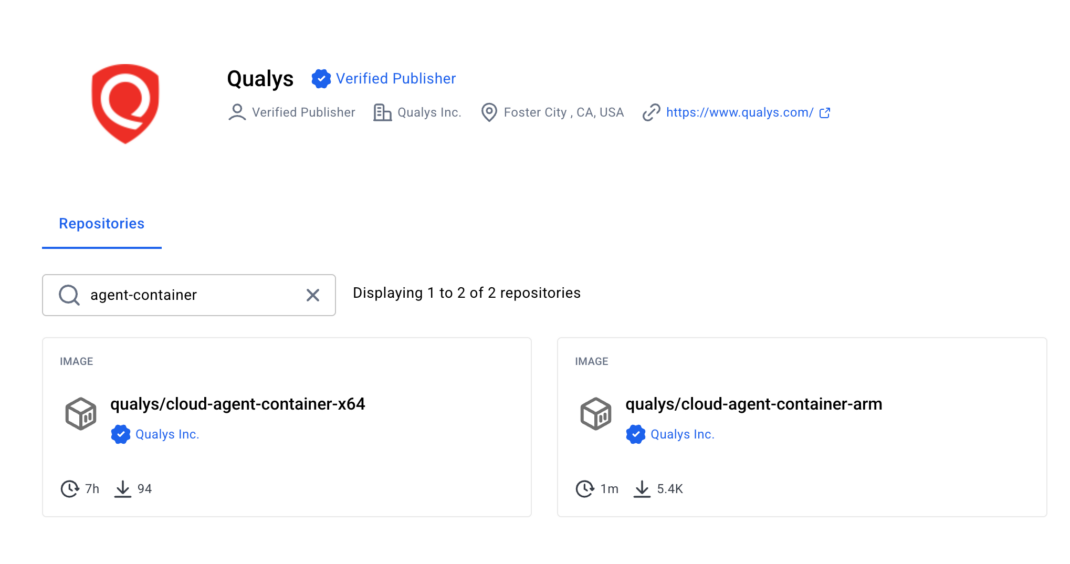
Upwind writes findings into ServiceNow as Vulnerable Items, the record type VRVRVirtual reality: a computer-generated, immersive 3D environment experienced through a headset. A cyber tool might use it to visualize complex network topologies or attack surfaces spatially. workflows, SLAs and assignment rules are built around, instead of a generic incident someone has to re-key. Qualys ships the Cloud Agent as a container so VMVMA software-emulated computer that runs its own OS and applications in isolation on shared physical hardware, giving cyber tools a contained, reproducible environment to execute or analyze code safely. and Policy AuditPolicy AuditA systematic review of an organization's written rules and configurations against a defined standard or baseline, used by cyber tools to surface gaps, misconfigurations, or compliance failures automatically. reach Kubernetes nodes running immutable OSes, which block the usual agent install outright.
Put a policy plane in front of agents that already hold your credentials
Aembit brokers OpenAI Dots personal agents through the same connectors used for ChatGPT and Copilot Studio, issuing credentials just in time at tool granularity and killing a single agent without touching the rest. Arcjet's rebuilt prompt-injectionprompt-injectionAn attack where text the model reads, such as a web page, file or tool result, carries instructions that override the user's. It is the main security risk for agents with tools. stack decodes obfuscation deterministically rather than hoping a classifier recognizes it, and Cycode finds the builders nobody registered.
See SELinux denials and file renames from the kernel without writing a probe
Inspektor Gadget's new gadgets surface AVC decisions and rename events as first-class traces, turning the usual audit-log archaeology for 'what did SELinuxSELinuxA mandatory access control system built into the Linux kernel, maintained by the NSA and Red Hat, that enforces fine-grained policies restricting what processes can access, even if they run as root. block and why' into a live stream, with trace_sni now covering IPv6IPv6The current version of the Internet Protocol, standardized by the IETF, using 128-bit addresses to replace the exhausted IPv4 space. Cyber tools target it because modern networks run dual-stack or IPv6-only. hosts. Splunk adds 14 detections and a Node2Shell story spanning Node.js, PHP, auditdauditdThe Linux audit daemon, maintained as part of the Linux Audit project, that records kernel-level system calls and security events to disk, giving cyber tools a tamper-resistant trail of process, file, and network activity., Azure AD and Windows, and retires ten already-deprecated rules.
Three unrelated things stand out today: JumpCloud can now stream identity events into SIEMsSIEMsSecurity Information and Event Management platforms that collect, normalize, and correlate log data across an infrastructure so cyber tools can detect threats and trigger alerts from a central point. and export access reviews; Upwind turns vulnerability findings into native ServiceNow Vulnerable Items; StepSecurity inventories environment secrets and checks their rotation, usage, and OIDCOIDCOpenID Connect, a sign-in protocol built on OAuth 2.0. An application uses identity information from a trusted provider instead of maintaining a separate password for each user. posture.
govern
Turn access reviews into reusable audit evidence
Compliance-grade Access CertificationAccess CertificationA periodic review process in which managers or system owners confirm or revoke which users should retain access to systems and data, reducing privilege creep over time. exports move review results out of the console in a form teams can hand to auditors or retain with other evidence. The same release adds continuous SIEMSIEMSecurity information and event management, collecting logs from many systems and correlating events to find suspicious activity. Analysts use it to investigate alerts and incidents. ingestion of identity events, reducing the gap between identity administration and security monitoring.
Route cloud vulnerabilities into the workflow built for fixing them
Upwind now files findings in ServiceNow Vulnerability Response as native Vulnerable Items instead of generic ITSMITSMIT Service Management: a framework of practices for delivering and supporting IT services, covering ticketing, change control, and incident response. Cyber tools integrate with it to automate alert-to-ticket workflows. tickets. That preserves vulnerability-specific fields and lifecycle handling, so remediation owners can work from the system they already use for vuln response rather than translating tickets by hand.
Find and govern GitHub environment secrets, not just repository secrets
StepSecurity added environment secrets to its Action Secrets page, including inventory, rotation, usage, and OIDC analysis. Teams can now see whether deployment-scoped secrets are stale, unused, or replaceable with OIDC without building a separate GitHub audit script.
Observe SELinux denials and file renames from running workloads
Inspektor Gadget added tracing gadgets for SELinuxSELinuxA mandatory access control system built into the Linux kernel, maintained by the NSA and Red Hat, that enforces fine-grained policies restricting what processes can access, even if they run as root.AVCAVCAccess Vector Cache, a component of the Linux SELinux subsystem that caches policy decisions so the kernel avoids re-querying the full policy engine on every access check, reducing enforcement overhead. decisions and file renames, plus IPv6IPv6The current version of the Internet Protocol, standardized by the IETF, using 128-bit addresses to replace the exhausted IPv4 space. Cyber tools target it because modern networks run dual-stack or IPv6-only. support in trace_sni. That gives responders and platform teams live kernel-level signals for blocked access attempts and filesystem activity without first reproducing the issue under a heavier profiler.
sif adds scan templates via -template, parallel scanning via -concurrency, JSON report output via -json, config-defined custom detectors, and a TCPTCPA network protocol that delivers a reliable, ordered stream of bytes between two endpoints. It detects lost data and retransmits it. module executor.
└──▷ GET THIS VERSION
$ git clone --branch v2026.11.4 https://github.com/vmfunc/sif.git
# already have the repo? check out this version:$ git checkout v2026.11.4
Load a predefined scan profile with the -template flag to run a consistent set of modules without spelling them out each time.
Scan multiple targets in parallel with the -concurrency flag.
Write a JSON findings report with -json alongside the existing -sarif and -markdown outputs.
Define custom detectors in config to match responses using matchers-condition for OR logic across multiple matchers.
Add a disable-redirects per-module HTTP option to prevent individual modules from following redirects.
+7 moreshow less
Add a case-insensitive word matcher option to module definitions.
Add a favicon hash matcher to module definitions for Shodan-style MMH3 fingerprint checks.
New detectionAdd wordlist file support to HTTP modules so a module can iterate over a file of paths or values.
New detectionAdd a TCP module executor and recon modules for non-HTTP exposure detection.
Add a JSON extractor to modules for pulling structured data from responses.
Embed built-in modules directly in the binary so no external module files are required at runtime.
Retry HTTP 429 and 503 responses with Retry-After backoff during scans.
Peirates adds support for authenticating with EKSEKSAmazon's managed Kubernetes service, run by AWS, that handles control-plane provisioning so teams can deploy containerized workloads without operating the underlying cluster infrastructure themselves. node tokens, extending its Kubernetes penetration testing capabilities to Amazon EKS clusters.︀︄︇︀︅︉︀︅︀︀︃︀︀︅︅︀︅︊︀︄︆︀︃︄
└──▷ WHAT SHIPPED ·
1 FEATURE1 OF 1 FEATUREmost completely described firstwhat's the number?
Each feature carries 0–100 for how completely the vendor documented
it — not how big or important the work is. A major capability
described in eight words scores low, and that is the finding.
depth0–40what it does and how it works or what changed
specificity0–30names real surfaces — APIs, flags, formats, limits, numbers
actionability0–30enough to go use it — a named endpoint, flag, or config key tops this; a UI path is a starting point
Code and config rank first by construction: a documented endpoint,
flag or config key scores at the top of specificity and actionability,
so it sorts above a feature described only in prose. Under
60 the notes go thin — everything below the “thinner
coverage” line is thinner documentation, not smaller work.
Hover any meter for that feature's three sub-scores.
0101
EKS node token authenticationnew40how completely this was documenteddepth15/40specificity15/30actionability10/3040 / 100
Peirates can now authenticate using EKS node tokens, enabling privilege escalationprivilege escalationGaining permissions beyond those an account or process initially had. It can turn limited access into administrator control or access to another user's resources. and pivoting against Amazon EKS clusters.︀︄︇︀︅︉︀︅︀︀︃︀︀︅︅︀︅︊︀︄︆︀︃︄
— Names mechanism but no commands or flags givenv1.1.35
xalgorix's latest release adds authentication-bypass detection, JSON request-body contract discovery, and body-based injection for SQL and template injection checks, along with expanded SQL error-based detection coverage.︀︄︇︀︅︉︀︅︀︀︃︀︀︅︅︀︅︊︀︄︆︀︃︄
Autonomous AI pentesting agents — real-time reconnaissance, vulnerability detection, and exploitation orchestration. Go + TypeScript.
xalgorix's latest release adds authentication-bypass detection, JSON request-body contract discovery, and body-based injection for SQL and template injection checks, along with expanded SQL error-based detection coverage.︀︄︇︀︅︉︀︅︀︀︃︀︀︅︅︀︅︊︀︄︆︀︃︄
└──▷ WHAT SHIPPED ·
4 FEATURES1 OF 4 FEATURESmost completely described firstwhat's the number?
Each feature carries 0–100 for how completely the vendor documented
it — not how big or important the work is. A major capability
described in eight words scores low, and that is the finding.
depth0–40what it does and how it works or what changed
specificity0–30names real surfaces — APIs, flags, formats, limits, numbers
actionability0–30enough to go use it — a named endpoint, flag, or config key tops this; a UI path is a starting point
Code and config rank first by construction: a documented endpoint,
flag or config key scores at the top of specificity and actionability,
so it sorts above a feature described only in prose. Under
60 the notes go thin — everything below the “thinner
coverage” line is thinner documentation, not smaller work.
Hover any meter for that feature's three sub-scores.
0101
Authentication-bypass detection via verify_authbypassnew88how completely this was documenteddepth35/40specificity28/30actionability25/3088 / 100
The new verify_authbypass check re-requests protected routes unauthenticated using equivalent spellings (case fold, percent-encoding, trailing slash, dot and matrix separators) and reports confirmed bypasses under the new auth-bypass report class (CWECWECommon Weakness Enumeration, a catalog of recurring software and hardware weakness types. It describes classes of mistakes, such as injection, rather than individual vulnerability instances.-287/288/425) at medium or high severity.︀︄︇︀︅︉︀︅︀︀︃︀︀︅︅︀︅︊︀︄︆︀︃︄
— Names check, report class, CWEs, severity but not exact invocationv4.6.178
0200
Body injection for SQLi and SSTI checksimproved83how completely this was documenteddepth28/40specificity30/30actionability25/3083 / 100
verify_sqli and verify_ssti can now inject into JSON or form request bodies in addition to query strings, configured via the new options inject_in, body_type, and base_body.
— Names exact checks and config options, no runnable examplev4.6.178
0300
JSON body field discovery with probe_body_contractnew67how completely this was documenteddepth30/40specificity22/30actionability15/3067 / 100
The new probe_body_contract tool discovers which JSON body fields a POST/PUT/PATCH endpoint expects by reading the app's own validation errors, classifying each field as required, recognized, rejected as unknown, or type-validated.
— Explains mechanism and classification but no usage examplev4.6.178
thinner coverage below
0400
Expanded SQL error signatures for PostgreSQL and SQL Serverimproved35how completely this was documenteddepth15/40specificity15/30actionability5/3035 / 100
verify_sqli now detects error-based SQL injectionSQL injectionAn attack that makes an application treat untrusted input as part of a database command. It can expose or modify data by changing what the query does. on PostgreSQL and SQL Server through expanded engine-specific database error signatures.
— Names engines and check but describes only the outcomev4.6.178
Metasploit Pro 5.1.0 ships new exploit modules targeting Langflow, an Apache Solr version scanner, and a round of Meterpreter agent improvements including recursive directory creation and a reworked Windows reflective loader.︀︄︇︀︅︉︀︅︀︀︃︀︀︅︅︀︅︊︀︄︆︀︃︄
Metasploit Pro is a commercial penetration testing platform from Rapid7 that automates exploitation, post-exploitation, and vulnerability validation for security assessments.
Metasploit Pro 5.1.0 ships new exploit modules targeting Langflow, an Apache Solr version scanner, and a round of Meterpreter agent improvements including recursive directory creation and a reworked Windows reflective loader.︀︄︇︀︅︉︀︅︀︀︃︀︀︅︅︀︅︊︀︄︆︀︃︄
└──▷ WHAT SHIPPED ·
4 FEATURES1 OF 4 FEATURESmost completely described firstwhat's the number?
Each feature carries 0–100 for how completely the vendor documented
it — not how big or important the work is. A major capability
described in eight words scores low, and that is the finding.
depth0–40what it does and how it works or what changed
specificity0–30names real surfaces — APIs, flags, formats, limits, numbers
actionability0–30enough to go use it — a named endpoint, flag, or config key tops this; a UI path is a starting point
Code and config rank first by construction: a documented endpoint,
flag or config key scores at the top of specificity and actionability,
so it sorts above a feature described only in prose. Under
60 the notes go thin — everything below the “thinner
coverage” line is thinner documentation, not smaller work.
Hover any meter for that feature's three sub-scores.
0101
Langflow exploit modules for RCE and command injectionnew65how completely this was documenteddepth24/40specificity26/30actionability15/3065 / 100
New exploit module detects and exploits an unauthenticated remote code executionremote code executionRemote code execution, the ability to run attacker-chosen code on another system through a vulnerability. Its impact depends on the permissions and access that code receives. vulnerability in Langflow versions 1.0.0 through 1.9.3, and a second new module detects and exploits an authenticated blind command injectioncommand injectionAn attack that makes an application execute operating-system commands supplied through untrusted input. It often happens when input is passed unsafely to a shell. vulnerability in Langflow versions 1.5.0 through 1.9.0.︀︄︇︀︅︉︀︅︀︀︃︀︀︅︅︀︅︊︀︄︆︀︃︄
Meterpreter cross-platform agent improvementsimproved52how completely this was documenteddepth22/40specificity22/30actionability8/3052 / 100
All Meterpreter agents now support recursive mkdir -p capabilities, aligning behaviour across Windows, Python, PHP, and other platforms. Windows Meterpreter gets a major reflective-loader and IAT-import reduction, improved WinAPI and error handling, and MinGW/CMake build refinements, while Python Meterpreter adds improved Windows stat support and FreeBSD process listing.
Arcjet overhauls its prompt injectionprompt injectionAn attack where text the model reads, such as a web page, file or tool result, carries instructions that override the user's. It is the main security risk for agents with tools. detection with a new in-house model family, deterministic obfuscation decoding, and a specialist two-stage review pipeline for coding agents.︀︄︇︀︅︉︀︅︀︀︃︀︀︅︅︀︅︊︀︄︆︀︃︄
Arcjet is the AI agent runtime security platform. Discover the agents running in your organization, enforce policy across every action, prompt, and tool call, and keep the evidence to prove what happened.
Arcjet overhauls its prompt injectionprompt injectionAn attack where text the model reads, such as a web page, file or tool result, carries instructions that override the user's. It is the main security risk for agents with tools. detection with a new in-house model family, deterministic obfuscation decoding, and a specialist two-stage review pipeline for coding agents.︀︄︇︀︅︉︀︅︀︀︃︀︀︅︅︀︅︊︀︄︆︀︃︄
└──▷ WHAT SHIPPED ·
3 FEATURES3 OF 3 FEATURESmost completely described firstwhat's the number?
Each feature carries 0–100 for how completely the vendor documented
it — not how big or important the work is. A major capability
described in eight words scores low, and that is the finding.
depth0–40what it does and how it works or what changed
specificity0–30names real surfaces — APIs, flags, formats, limits, numbers
actionability0–30enough to go use it — a named endpoint, flag, or config key tops this; a UI path is a starting point
Code and config rank first by construction: a documented endpoint,
flag or config key scores at the top of specificity and actionability,
so it sorts above a feature described only in prose. Under
60 the notes go thin — everything below the “thinner
coverage” line is thinner documentation, not smaller work.
Hover any meter for that feature's three sub-scores.
0101
Arcjet Thebe 1 and two-stage coding-agent reviewnew70how completely this was documenteddepth30/40specificity25/30actionability15/3070 / 100
Arcjet adds Arcjet Thebe 1, a specialist prompt injection model fine-tuned on coding-agent traffic and available via early access, for teams building coding agents where SQL and shell commands are legitimate but tool output, fetched pages, and installed skills carry injection risk.︀︄︇︀︅︉︀︅︀︀︃︀︀︅︅︀︅︊︀︄︆︀︃︄ Coding-agent tool results now go through a two-stage review: a fine-tuned model scans each result and marks suspicious passages, then a decision model reviews those passages together with the agent task, the tool that returned them, and recent session history before issuing a verdict.
Arcjet Himalia 1 prompt injection modelnew65how completely this was documenteddepth30/40specificity25/30actionability10/3065 / 100
Arcjet's prompt injection detection now runs on Arcjet Himalia 1, a full fine-tuned general-purpose prompt injection classifier built on Qwen3-0.6B. It returns a binary verdict (benign or injection) rather than a confidence score, so model retrains never silently shift caller behavior and payload-tuning attacks against a confidence threshold are prevented.
Deterministic decoders for obfuscated prompt injectionnew60how completely this was documenteddepth25/40specificity25/30actionability10/3060 / 100
Arcjet now applies deterministic decoders in the request path that recognise base64, ROT13, hex, leetspeak, reversed text, fake delimiters, and fake chat-format tokens, and immediately denies those requests before passing decoded plaintext to the model.
$ go install github.com/betterleaks/betterleaks/v2@v1.10.0
git
$ git clone --branch v1.10.0 https://github.com/betterleaks/betterleaks.git
# already have the repo? check out this version:$ git checkout v1.10.0
Homebrew lists this version · published under the project's GitHub account · Go module path matches the repo · checked 5 Nov
Require --unsafe-auto-load-config to automatically load .betterleaks.toml or .gitleaks.toml from the scan target or current directory; explicit --config, BETTERLEAKS_CONFIG, and BETTERLEAKS_CONFIG_TOML are unaffected.
Opt trusted repositories back in to local Git configuration with the new --trust-local-git-config flag; local Git scans now isolate repository configuration by default.
!Automatic loading of .betterleaks.toml and .gitleaks.toml from the scan target or current directory now requires --unsafe-auto-load-config; scans that relied on auto-loading will no longer pick up those files without the flag.
!Local Git scans now isolate repository configuration by default; repositories that depended on local Git config being inherited must add --trust-local-git-config.
GitHub's CodeQL 2.27.4 release tightens query accuracy across multiple languages and cleans up CLI output, while GitHub Copilot gains a native integration inside Xcode's coding assistant.︀︄︇︀︅︉︀︅︀︀︃︀︀︅︅︀︅︊︀︄︆︀︃︄
GitHub is a web-based platform for version control and collaborative software development using Git repositories.
GitHub's CodeQL 2.27.4 release tightens query accuracy across multiple languages and cleans up CLI output, while GitHub Copilot gains a native integration inside Xcode's coding assistant.︀︄︇︀︅︉︀︅︀︀︃︀︀︅︅︀︅︊︀︄︆︀︃︄
└──▷ WHAT SHIPPED ·
3 FEATURES0 OF 3 FEATURESmost completely described firstwhat's the number?
Each feature carries 0–100 for how completely the vendor documented
it — not how big or important the work is. A major capability
described in eight words scores low, and that is the finding.
depth0–40what it does and how it works or what changed
specificity0–30names real surfaces — APIs, flags, formats, limits, numbers
actionability0–30enough to go use it — a named endpoint, flag, or config key tops this; a UI path is a starting point
Code and config rank first by construction: a documented endpoint,
flag or config key scores at the top of specificity and actionability,
so it sorts above a feature described only in prose. Under
60 the notes go thin — everything below the “thinner
coverage” line is thinner documentation, not smaller work.
Hover any meter for that feature's three sub-scores.
0100
CodeQL query accuracy and metadata fixesimproved64how completely this was documenteddepth28/40specificity28/30actionability8/3064 / 100
CodeQL 2.27.4 improves detection and reduces false positives across several queries: java/log-injection now recognizes additional sanitizers and sanitizer guards from the JDK, Apache Commons Lang and Text, Guava, OWASPOWASPA nonprofit foundation that publishes open standards, guides, and ranked vulnerability lists—most famously the OWASP Top 10—giving cyber tools a vendor-neutral benchmark to test or report against. Java Encoder, and Spring Framework; path-injection queries for Java/Kotlin recognize additional substring guards and string replacement/removal operations from Apache Commons Lang and Guava; rust/uncontrolled-allocation-size, rust/log-injection, and rust/cleartext-logging have reduced false positives; cpp/suspicious-pointer-scaling no longer flags intentional pointer arithmetic on std::byte* buffers; cpp/unused-local-variable and cpp/unused-static-variable no longer report variables marked [[maybe_unused]]; and the CWECWECommon Weakness Enumeration, a catalog of recurring software and hardware weakness types. It describes classes of mistakes, such as injection, rather than individual vulnerability instances.-730 tag was removed from regex-related queries across C#, Java/Kotlin, JavaScript/TypeScript, Python, Ruby, and Swift to correct query metadata.︀︄︇︀︅︉︀︅︀︀︃︀︀︅︅︀︅︊︀︄︆︀︃︄
GitHub Copilot in Xcode's coding assistantnew62how completely this was documenteddepth22/40specificity22/30actionability18/3062 / 100
GitHub Copilot can now be enabled inside Xcode's built-in coding assistant (public preview) via Xcode > Settings > Intelligence, starting with Xcode 27.3 beta on macOS Tahoe 26.6 or later. All Copilot plans are supported.
CodeQL CLI routes JVM errors to stderrimproved36how completely this was documenteddepth18/40specificity10/30actionability8/3036 / 100
The CodeQL CLI now writes Java virtual machine warnings and initialization errors to standard error instead of standard output, keeping JSON and other machine-readable output clean.
Veracode is a cloud-based application security platform that scans code, binaries, and running applications to find and help remediate software vulnerabilities.
Veracode integrations add IaCIaCInfrastructure as Code: the practice of defining and provisioning compute infrastructure through machine-readable config files rather than manual processes, giving cyber tools repeatable, version-controlled environment setup. policy controls, predependency commands, environment diagnostics, scan scheduling, and new filtering views across GitHub, GitLab, Azure DevOps, VS Code, and JetBrains.
Add predependency_command to veracode.yml in GitHub, GitLab, and Azure DevOps workflow integrations to run commands before Veracode packages a project.
Add policy to veracode.yml in GitHub, GitLab, and Azure DevOps workflow integrations for IaC scans.
Prevent GitLab merge requests from merging when break_build_policy_findings and break_build_on_error are both true.
Veracode Scan for VS Code adds environment setup checks for connectivity, proxy, DNS, firewall, and TLS issues.
Veracode Scan for VS Code adds a region-change option on the OAuth authentication screen, a Current File filter, file-name grouping for Static Scan Findings, and a Mitigated Findings section in the Flaws That Violate Policy view.
+5 moreshow less
Java API wrapper automatically includes Git metadata (branch, commit, author, repository, provider) in Static Analysis scans from Git repositories.
New integrationGitHub Workflow Integration v2.0.0 enables install, configure, and credential updates directly from the Veracode Platform, and adds scan scheduling for Static Analysis, SCASCASoftware composition analysis, identifying third-party dependencies and checking them for known vulnerabilities and license issues. It covers software a team uses rather than writes itself., and IaC scans.
Azure DevOps Workflow Integration adds a custom agent pool name parameter in veracode.yml.
Veracode Scan for Visual Studio adds a Scan Scope setting to target the full project directory or only the active solution.
Veracode Azure DevOps Extension v4.0.0 replaces VeracodeFlawImporter v3 with VeracodeFlawImporter v4; existing pipelines must be manually migrated.
!Veracode Azure DevOps Extension v4.0.0 deprecates VeracodeFlawImporter v3 and replaces it with VeracodeFlawImporter v4; existing pipelines must be manually migrated from v3 to v4.
!Azure DevOps Server users must upgrade from v3.35.0 to v4.0.0 and manually migrate pipelines.
cyclonedx-python 8.0.0 changes how the environment command resolves the target interpreter when no explicit path is given, a breaking change for the current major version.︀︄︇︀︅︉︀︅︀︀︃︀︀︅︅︀︅︊︀︄︆︀︃︄
CycloneDX Software Bill of Materials (SBOM) generator for Python projects and environments
cyclonedx-python 8.0.0 changes how the environment command resolves the target interpreter when no explicit path is given, a breaking change for the current major version.︀︄︇︀︅︉︀︅︀︀︃︀︀︅︅︀︅︊︀︄︆︀︃︄
└──▷ WHAT SHIPPED ·
1 FEATURE1 OF 1 FEATUREmost completely described firstwhat's the number?
Each feature carries 0–100 for how completely the vendor documented
it — not how big or important the work is. A major capability
described in eight words scores low, and that is the finding.
depth0–40what it does and how it works or what changed
specificity0–30names real surfaces — APIs, flags, formats, limits, numbers
actionability0–30enough to go use it — a named endpoint, flag, or config key tops this; a UI path is a starting point
Code and config rank first by construction: a documented endpoint,
flag or config key scores at the top of specificity and actionability,
so it sorts above a feature described only in prose. Under
60 the notes go thin — everything below the “thinner
coverage” line is thinner documentation, not smaller work.
Hover any meter for that feature's three sub-scores.
0101
Auto-detect current interpreter in environment commandbreaking75how completely this was documenteddepth25/40specificity22/30actionability28/3075 / 100
The environment command now probes the current Python interpreter automatically when -E or -S is passed without a <python> argument, e.g.︀︄︇︀︅︉︀︅︀︀︃︀︀︅︅︀︅︊︀︄︆︀︃︄ cyclonedx-py environment -E. This changes the previous default behaviour, which is why it ships as a major version bump (v8.0.0).
Generate a CycloneDX SBOMSBOMA software bill of materials, an inventory of the components and versions inside an application. It helps teams find affected software when a dependency has a vulnerability or licensing issue. from whichever Python interpreter is currently active, without having to supply an explicit interpreter path.
$ cyclonedx-py environment -E
— Names exact flags and command, but limited mechanism detail beyond behaviour change.v8.0.0
└──▷ BREAKING ON UPGRADE
!
The environment command now probes the current interpreter when -E or -S is given with no <python> argument, changing the previous default behaviour (major version bump indicates a breaking change in that code path).
Cycode launches Citizen Developer Security, extending its Agentic Development Security Platform to discover unmanaged AI builders, protect their workstations, and scan the code and dependencies their agents generate.︀︄︇︀︅︉︀︅︀︀︃︀︀︅︅︀︅︊︀︄︆︀︃︄
Cycode’s Agentic Development Security Platform unites security and development teams with actionable, code-to-runtime context to identify, prioritize, and fix the software risk that matters.
Cycode launches Citizen Developer Security, extending its Agentic Development Security Platform to discover unmanaged AI builders, protect their workstations, and scan the code and dependencies their agents generate.︀︄︇︀︅︉︀︅︀︀︃︀︀︅︅︀︅︊︀︄︆︀︃︄
└──▷ WHAT SHIPPED ·
5 FEATURES0 OF 5 FEATURESmost completely described firstwhat's the number?
Each feature carries 0–100 for how completely the vendor documented
it — not how big or important the work is. A major capability
described in eight words scores low, and that is the finding.
depth0–40what it does and how it works or what changed
specificity0–30names real surfaces — APIs, flags, formats, limits, numbers
actionability0–30enough to go use it — a named endpoint, flag, or config key tops this; a UI path is a starting point
Code and config rank first by construction: a documented endpoint,
flag or config key scores at the top of specificity and actionability,
so it sorts above a feature described only in prose. Under
60 the notes go thin — everything below the “thinner
coverage” line is thinner documentation, not smaller work.
Hover any meter for that feature's three sub-scores.
0100
Citizen developer and unmanaged codebase inventorynew55how completely this was documenteddepth25/40specificity20/30actionability10/3055 / 100
Cycode now builds a living inventory of every citizen developer and unmanaged codebase, mapping each builder to their team, device, data, and exposure via the Context Intelligence GraphIntelligence GraphA graph database structure linking entities such as hosts, IPs, domains, and threat actors by relationship, letting cyber tools traverse connections to surface context that flat tables cannot express..︀︄︇︀︅︉︀︅︀︀︃︀︀︅︅︀︅︊︀︄︆︀︃︄
AI Guardrails for secrets in prompts and MCP callsnew50how completely this was documenteddepth20/40specificity20/30actionability10/3050 / 100
AI Guardrails now keep secrets and sensitive data out of prompts, agent file reads, and MCPMCPModel Context Protocol, a standard for connecting AI applications to external tools and data sources. A compatible server exposes capabilities an assistant can use through a common interface. calls.
StepSecurity is a security platform that hardens CI/CD pipelines, such as GitHub Actions, by detecting supply-chain risks, enforcing least-privilege runners, and monitoring workflow tampering.
StepSecurity extended the Action Secrets page with full environment secrets coverage (inventory, rotation, usage and OIDCOIDCOpenID Connect, a sign-in protocol built on OAuth 2.0. An application uses identity information from a trusted provider instead of maintaining a separate password for each user. analysis), and shipped a broad round of Harden Runner updates including Red Hat OpenShift support, non-privileged TetragonTetragonAn open-source runtime security and observability tool from Isovalent that uses eBPF to enforce policies and trace system calls, network events, and process activity directly in the Linux kernel. mode, reverse-shell host exclusions, automatic GitHub ActionsGitHub ActionsGitHub's built-in CI/CD system that runs automated workflows triggered by repository events, letting cyber tools automate testing, building, and releasing without managing separate pipeline infrastructure. domain allowlisting, and a breaking default change for DNS transaction sweeping.︀︄︇︀︅︉︀︅︀︀︃︀︀︅︅︀︅︊︀︄︆︀︃︄
└──▷ WHAT SHIPPED ·
9 FEATURES1 OF 9 FEATURESmost completely described firstwhat's the number?
Each feature carries 0–100 for how completely the vendor documented
it — not how big or important the work is. A major capability
described in eight words scores low, and that is the finding.
depth0–40what it does and how it works or what changed
specificity0–30names real surfaces — APIs, flags, formats, limits, numbers
actionability0–30enough to go use it — a named endpoint, flag, or config key tops this; a UI path is a starting point
Code and config rank first by construction: a documented endpoint,
flag or config key scores at the top of specificity and actionability,
so it sorts above a feature described only in prose. Under
60 the notes go thin — everything below the “thinner
coverage” line is thinner documentation, not smaller work.
Hover any meter for that feature's three sub-scores.
0100
OpenShift support for ARC Harden Runnernew90how completely this was documenteddepth30/40specificity30/30actionability30/3090 / 100
Enable Red Hat OpenShift support in ARC Harden Runner by setting openshift.enabled=true in the Helm chart, which creates a SecurityContextConstraints (SCC) object for the harden-runner service account; set openshift.scc.privileged=false to use a least-privilege SCC that runs no privileged containers.︀︄︇︀︅︉︀︅︀︀︃︀︀︅︅︀︅︊︀︄︆︀︃︄
Deploy ARC Harden Runner on Red Hat OpenShift without privileged containers, using a least-privilege SCC.
Environment secrets support in Action Secretsnew83how completely this was documenteddepth35/40specificity30/30actionability18/3083 / 100
The secrets inventory API and MCPMCPModel Context Protocol, a standard for connecting AI applications to external tools and data sources. A compatible server exposes capabilities an assistant can use through a common interface. server now return environment secrets alongside repository and organization secrets, gated behind a new Environments: Read permission for the StepSecurity GitHub App (a new API endpoint reports whether this permission is granted; existing installations need an organization owner to approve it). The Action Secrets page adds an Environment Secrets tab showing every environment secret by repository and environment — filterable by environment — with rotation age, usage status, referencing workflows, OIDC replaceability, and a lock icon marking protected environments with their protection rules. Environment secrets are now covered by the Secrets should be rotated periodically control using the same 180-day threshold; a new Possible usage status flags secrets used only by jobs that choose their environment dynamically at run time (for example environment: ${{ inputs.env }}) so they aren't deleted or rotated without review; usage tracking now follows GitHub's resolution order (environment, then repository, then organization), marking overridden repository secrets Unused with an Overridden in note; and OIDC replaceability recommendations are now computed per secret using only the workflow steps that actually receive it.
Host exclusions for reverse shell detectionnew83how completely this was documenteddepth25/40specificity28/30actionability30/3083 / 100
Exclude specific hosts from Reverse Shell detection using the new opt-in env.lockdownExcludeHostRegex list, so /dev/tcp/<host>/<port> connections to matched hosts (such as in-cluster service probes) no longer trigger alerts.
Suppress reverse shell alerts for in-cluster health probes that use /dev/tcp connections to internal service hosts.
Custom volume mounts for Harden Runner podsnew75how completely this was documenteddepth20/40specificity25/30actionability30/3075 / 100
Mount additional volumes — such as a corporate CA certificate for TLS-inspecting proxies like Zscaler — using the new Helm values env.volumes and env.volumeMounts.
Mount a corporate CA certificate into the runner for environments with a TLS-inspecting proxy such as Zscaler.
Non-privileged Tetragon BPF mount modenew70how completely this was documenteddepth20/40specificity25/30actionability25/3070 / 100
Run Tetragon without privileged mode by setting the new Helm value tetragon.bpfMountPropagation to HostToContainer (the default remains Bidirectional).
Block policy confirmation in Cilium-only modeimproved70how completely this was documenteddepth30/40specificity25/30actionability15/3070 / 100
ARC Harden Runner now waits in Cilium-only mode until the Cilium agent reports a block policy as active on every tracked pod before marking it applied, falling back to previous behavior on timeout or missing socket; the Helm chart mounts the Cilium agent socket when dnsMode uses Cilium.
Automatic GitHub Actions domain allowlistingimproved45how completely this was documenteddepth20/40specificity15/30actionability10/3045 / 100
GitHub Actions domains from GitHub's meta API are now always allowed automatically by block policies and refresh every hour, removing the need to manually allowlist them.
HTTP/2 traffic monitoring in Self-Hosted VM Harden Runnerimproved30how completely this was documenteddepth10/40specificity15/30actionability5/3030 / 100
Self-Hosted VM Harden Runner v1.9.6 improves HTTPSHTTPSHTTP carried over an encrypted TLS connection. It protects traffic in transit and lets a browser verify the server's certificate. monitoring for HTTP/2HTTP/2The second major version of the HTTP protocol, standardized by the IETF, adding multiplexed streams, header compression, and binary framing over a single TCP connection to cut latency and reduce overhead. traffic.
CAPEv2 adds a Malcat HTTP API bridge, sharded file storage with deduplication, HTTP/3HTTP/3The third major version of HTTP, standardized by the IETF, which runs over QUIC instead of TCP, eliminating head-of-line blocking and reducing connection latency for faster, more resilient data transfer. support in Nginx, and Proxmox API token authentication︀︄︇︀︅︉︀︅︀︀︃︀︀︅︅︀︅︊︀︄︆︀︃︄
└──▷ TRY IT
Start the Malcat bridge so CAPE can reach Malcat features without sharing a venv — first generate a key, store the license, then serve on localhost.
Allow Proxmox API token authentication and configurable TLS verification for Proxmox machinery connections.︀︄︇︀︅︉︀︅︀︀︃︀︀︅︅︀︅︊︀︄︆︀︃︄
CAPEv2 adds a malcat_bridge.py HTTP API bridge that exposes Malcat features to CAPE over the network, with hashed API key authentication via X-API-Key header, optional HTTPSHTTPSHTTP carried over an encrypted TLS connection. It protects traffic in transit and lets a browser verify the server's certificate. via --tls-cert and --tls-key, and subcommands genkey, setlicense, gencert, and serve.
CAPEv2 adds sharded file directories, deduplication, and NFS sync to storage via the new storage subsystem.
CAPEv2's Nginx installer now enables HTTP/3 (QUICQUICA UDP-based transport protocol standardized by the IETF that bakes in TLS 1.3, multiplexed streams, and connection migration, giving tools low-latency encrypted transport without head-of-line blocking.) configuration.
CAPEv2's web UI now shows an immediate static analysis preview on the submission status page.
+3 moreshow less
CAPEv2's web UI adds a live batch task status table on the submission complete page.
Processing now names the DOTNET_ASSEMBLY (0x6d) monitor dump type.
MongoDB reporting now uses bulk insert with copy-on-write sanitization for call chunks.
Allow Proxmox API token authentication and configurable TLS verification for Proxmox machinery connections.︀︄︇︀︅︉︀︅︀︀︃︀︀︅︅︀︅︊︀︄︆︀︃︄
CAPEv2 adds a malcat_bridge.py HTTP API bridge that exposes Malcat features to CAPE over the network, with hashed API key authentication via X-API-Key header, optional HTTPSHTTPSHTTP carried over an encrypted TLS connection. It protects traffic in transit and lets a browser verify the server's certificate. via --tls-cert and --tls-key, and subcommands genkey, setlicense, gencert, and serve.
CAPEv2 adds sharded file directories, deduplication, and NFS sync to storage via the new storage subsystem.
CAPEv2's web UI now shows an immediate static analysis preview on the submission status page.
CAPEv2's web UI adds a live batch task status table on the submission complete page.
Sublime Security is an email security platform that uses detection-as-code rules to identify and block phishing, business email compromise, and other malicious messages.
Sublime Security adds a Prompt Injection card in Attack Overview and a Prompt Injection tag on the message details page to surface ASA-confirmed attempts.
New detectionA Prompt Injection card in Attack Overview now opens the Message List View filtered to ASA (Autonomous Security Analyst) confirmed prompt injectionprompt injectionAn attack where text the model reads, such as a web page, file or tool result, carries instructions that override the user's. It is the main security risk for agents with tools. attempts.
The message details page now shows a Prompt Injection tag next to the ASA verdict for confirmed attempts.
Sophos Email Security adds Image Analysis, letting admins detect unwanted images in email and act on them through policy.︀︄︇︀︅︉︀︅︀︀︃︀︀︅︅︀︅︊︀︄︆︀︃︄
Sophos Email Security is a cloud-based service that filters inbound and outbound email to block spam, phishing, malware, and data loss.
Sophos Email Security adds Image Analysis, letting admins detect unwanted images in email and act on them through policy.︀︄︇︀︅︉︀︅︀︀︃︀︀︅︅︀︅︊︀︄︆︀︃︄
└──▷ WHAT SHIPPED ·
1 FEATURE0 OF 1 FEATUREmost completely described firstwhat's the number?
Each feature carries 0–100 for how completely the vendor documented
it — not how big or important the work is. A major capability
described in eight words scores low, and that is the finding.
depth0–40what it does and how it works or what changed
specificity0–30names real surfaces — APIs, flags, formats, limits, numbers
actionability0–30enough to go use it — a named endpoint, flag, or config key tops this; a UI path is a starting point
Code and config rank first by construction: a documented endpoint,
flag or config key scores at the top of specificity and actionability,
so it sorts above a feature described only in prose. Under
60 the notes go thin — everything below the “thinner
coverage” line is thinner documentation, not smaller work.
Hover any meter for that feature's three sub-scores.
0100
Image Analysis for unwanted imagesnew74how completely this was documenteddepth30/40specificity22/30actionability22/3074 / 100
Sophos Email Security now supports Image Analysis to detect unwanted images in email messages and take action based on their category.︀︄︇︀︅︉︀︅︀︀︃︀︀︅︅︀︅︊︀︄︆︀︃︄ It is configurable in both Email Security and Data Control policies, with results visible in reports and dashboards. To enable it, go to Email Security > Policies > Email Security Policy, select a policy, navigate to the Image Analysis section, enable detection, choose image categories to act on, and set an action such as quarantine or block; results appear under Reports > Email Security dashboards.
Enable Image Analysis on inbound mail to block or quarantine messages containing unwanted image categories.
📍In Sophos Central, go to Email Security › Policies › Email Security Policy, select your policy, navigate to the Image Analysis section, enable detection, choose the image categories to act on, and set the desired action (e.g., quarantine or block). Repeat for Data Control policies if needed. Review results under Reports › Email Security dashboards.
Plerion added automated secret detection for GCP Cloud Functions and Compute Engine startup scripts, plus a new check that flags Azure Functions running end-of-life runtimes.︀︄︇︀︅︉︀︅︀︀︃︀︀︅︅︀︅︊︀︄︆︀︃︄
Plerion is a cloud security platform that detects misconfigurations, vulnerabilities, and threats across cloud environments and provides remediation guidance.
Plerion added automated secret detection for GCP Cloud Functions and Compute Engine startup scripts, plus a new check that flags Azure Functions running end-of-life runtimes.︀︄︇︀︅︉︀︅︀︀︃︀︀︅︅︀︅︊︀︄︆︀︃︄
└──▷ WHAT SHIPPED ·
2 FEATURES0 OF 2 FEATURESmost completely described firstwhat's the number?
Each feature carries 0–100 for how completely the vendor documented
it — not how big or important the work is. A major capability
described in eight words scores low, and that is the finding.
depth0–40what it does and how it works or what changed
specificity0–30names real surfaces — APIs, flags, formats, limits, numbers
actionability0–30enough to go use it — a named endpoint, flag, or config key tops this; a UI path is a starting point
Code and config rank first by construction: a documented endpoint,
flag or config key scores at the top of specificity and actionability,
so it sorts above a feature described only in prose. Under
60 the notes go thin — everything below the “thinner
coverage” line is thinner documentation, not smaller work.
Hover any meter for that feature's three sub-scores.
0100
GCP Cloud Function secret detectionnew55how completely this was documenteddepth25/40specificity20/30actionability10/3055 / 100
Plerion now raises findings via PLERION-GCP-18 when a Cloud Function runtime or build environment variable holds something that looks like an API key, token, or private key — previously this was a manual recommendation only.︀︄︇︀︅︉︀︅︀︀︃︀︀︅︅︀︅︊︀︄︆︀︃︄
Upwind is a runtime-powered CNAPP that protects cloud workloads by combining posture, detection and response, and identity security with real-time runtime context.
Upwind launched a ServiceNow Vulnerability Response integration that files findings as native Vulnerable Items instead of generic ITSMITSMIT Service Management: a framework of practices for delivering and supporting IT services, covering ticketing, change control, and incident response. Cyber tools integrate with it to automate alert-to-ticket workflows. tickets, with automated and one-off ticketing paths.︀︄︇︀︅︉︀︅︀︀︃︀︀︅︅︀︅︊︀︄︆︀︃︄
└──▷ WHAT SHIPPED ·
1 FEATURE0 OF 1 FEATUREmost completely described firstwhat's the number?
Each feature carries 0–100 for how completely the vendor documented
it — not how big or important the work is. A major capability
described in eight words scores low, and that is the finding.
depth0–40what it does and how it works or what changed
specificity0–30names real surfaces — APIs, flags, formats, limits, numbers
actionability0–30enough to go use it — a named endpoint, flag, or config key tops this; a UI path is a starting point
Code and config rank first by construction: a documented endpoint,
flag or config key scores at the top of specificity and actionability,
so it sorts above a feature described only in prose. Under
60 the notes go thin — everything below the “thinner
coverage” line is thinner documentation, not smaller work.
Hover any meter for that feature's three sub-scores.
0100
ServiceNow Vulnerability Response integrationnew91how completely this was documenteddepth35/40specificity28/30actionability28/3091 / 100
Connect Upwind to ServiceNow VR via Components → Integrations → ServiceNow VR by entering your instance URL and OAuth client credentials and clicking Provision, which auto-creates the staging table and related objects in ServiceNow with nothing to install on that side.︀︄︇︀︅︉︀︅︀︀︃︀︀︅︅︀︅︊︀︄︆︀︃︄ Findings are sent as native Vulnerable Items (VIT) linked to their CVE record from the NVDNVDThe National Vulnerability Database, maintained by NIST, is the U.S. government repository of CVE records enriched with CVSS scores and metadata; cyber tools query it to drive vulnerability prioritization. library, matched to the Configuration Item, and tagged Source = Upwind. The When a new vulnerability is found workflow trigger paired with the Create a ServiceNow Vulnerable Item action files a VIT automatically for every matching finding, filterable by severity, EPSSEPSSExploit Prediction Scoring System, an estimate of the probability that a published vulnerability will be exploited in the next 30 days. It helps prioritize investigation and patching., risk category, or any selector; individual findings can also be sent one-off from the finding page, after which the VIT number, state, assignment group, and assignee appear on the finding linking back to ServiceNow.
Set up the ServiceNow VR integration for the first time so Upwind can start filing Vulnerable Items in your remediation team's queue.
📍In Upwind, go to Components → Integrations → ServiceNow VR. Enter your ServiceNow instance URL and OAuth client credentials, review the field mapping, then click Provision. Upwind will create its staging table and related objects in ServiceNow — nothing needs to be imported or installed on the ServiceNow side.
Automatically create a Vulnerable Item for every new high-severity finding so remediation queues stay current without manual ticketing.
📍In Upwind Workflows, create a new workflow with the trigger When a new vulnerability is found, add a filter for severity (e.g. Critical or High) or EPSS score, then set the action to Create a ServiceNow Vulnerable Item. Save and enable the workflow.
Inspektor Gadget is a set of tools and framework for data collection and system inspection on Kubernetes clusters and Linux hosts using eBPF
Inspektor Gadget v0.58.0 adds two new tracing gadgets for SELinuxSELinuxA mandatory access control system built into the Linux kernel, maintained by the NSA and Red Hat, that enforces fine-grained policies restricting what processes can access, even if they run as root. AVC decisions and file renames, extends trace_sni to IPv6IPv6The current version of the Internet Protocol, standardized by the IETF, using 128-bit addresses to replace the exhausted IPv4 space. Cyber tools target it because modern networks run dual-stack or IPv6-only., and improves OpenTelemetryOpenTelemetryAn open standard and set of tools for collecting traces, metrics and logs from applications. It lets services export observability data without tying instrumentation to one monitoring vendor. metrics and profiling output with a snapshot mode and a label-sanitizing flag, alongside a breaking change to trace_fsslower JSON fields.︀︄︇︀︅︉︀︅︀︀︃︀︀︅︅︀︅︊︀︄︆︀︃︄
└──▷ WHAT SHIPPED ·
6 FEATURES1 OF 6 FEATURESmost completely described firstwhat's the number?
Each feature carries 0–100 for how completely the vendor documented
it — not how big or important the work is. A major capability
described in eight words scores low, and that is the finding.
depth0–40what it does and how it works or what changed
specificity0–30names real surfaces — APIs, flags, formats, limits, numbers
actionability0–30enough to go use it — a named endpoint, flag, or config key tops this; a UI path is a starting point
Code and config rank first by construction: a documented endpoint,
flag or config key scores at the top of specificity and actionability,
so it sorts above a feature described only in prose. Under
60 the notes go thin — everything below the “thinner
coverage” line is thinner documentation, not smaller work.
Hover any meter for that feature's three sub-scores.
0100
New trace_selinux gadget for SELinux AVC decisionsnew85how completely this was documenteddepth30/40specificity25/30actionability30/3085 / 100
New trace_selinux gadget traces SELinux AVC decisions, including security contexts, decoded permission names from the running kernel, and optional kernel and user stacks.︀︄︇︀︅︉︀︅︀︀︃︀︀︅︅︀︅︊︀︄︆︀︃︄
Trace SELinux AVC denials on a Linux host to identify policy violations with security contexts and decoded permissions.
$ sudo ig run trace_selinux:latest
— Names mechanism and includes a runnable commandv0.58.0
0200
OTel profiling label sanitization flagnew83how completely this was documenteddepth25/40specificity28/30actionability30/3083 / 100
New --otel-profiles-sanitize-labels flag sanitizes OpenTelemetry profiling sample attribute names for dashboard compatibility by replacing dots with underscores.
Run the eBPFeBPFA Linux technology for running verified programs inside the kernel without changing its source. Tools use it to observe processes, enforce rules and process network traffic. profiler with sanitized label names so sample attributes are compatible with existing OTelOTelAn open standard and set of tools for collecting traces, metrics and logs from applications. It lets services export observability data without tying instrumentation to one monitoring vendor. dashboards that reject dots in label names.
$ sudo ig run --otel-profiles-sanitize-labels <gadget>:latest
— Named flag with exact behaviour and commandv0.58.0
0301
Breaking change to trace_fsslower JSON fieldsbreaking80how completely this was documenteddepth30/40specificity30/30actionability20/3080 / 100
In trace_fsslower, the delta_us field in JSON output is replaced by numeric delta_raw (in nanoseconds) and formatted delta; the size field becomes a formatted string with the numeric value available as size_raw.
— Exact field-level migration detail for JSON outputv0.58.0
0400
New trace_rename gadget for file renamesnew75how completely this was documenteddepth25/40specificity20/30actionability30/3075 / 100
New trace_rename gadget reports successful file renames with optional absolute paths and rename flags.
Trace file rename operations on a Linux host to audit which files are being renamed and by which processes.
IPv6 support in trace_sniimproved50how completely this was documenteddepth20/40specificity20/30actionability10/3050 / 100
trace_sni now extracts TLS server names from IPv6 Client Hello packets in addition to IPv4.
— Describes change but no example or command givenv0.58.0
0600
OpenTelemetry metrics snapshot modenew50how completely this was documenteddepth25/40specificity15/30actionability10/3050 / 100
OpenTelemetry metrics now support an opt-in snapshot mode that removes stale series for processes or entities that no longer exist while preserving updates for those still active.
— Explains behaviour but lacks concrete config or commandv0.58.0
└──▷ BREAKING ON UPGRADE
!
In trace_fsslower, the delta_us field in JSON output is replaced by numeric delta_raw (in nanoseconds) and formatted delta; the size field becomes a formatted string with the numeric value available as size_raw.
Secure, Fast, and Extensible Sandbox runtime for AI agents.
OpenSandbox 1.2.0-rc.2 adds a Credential Vault API for per-sandbox secret management, port-scoped network egress rules, a diagnostics context endpoint, and a structured renewal-policy field that replaces an opaque lifecycle extension key, all rolled out across the server and five SDKs.︀︄︇︀︅︉︀︅︀︀︃︀︀︅︅︀︅︊︀︄︆︀︃︄
└──▷ WHAT SHIPPED ·
0 FEATURES7 FEATURES0 OF 7 FEATURESmost completely described firstwhat's the number?
Each feature carries 0–100 for how completely the vendor documented
it — not how big or important the work is. A major capability
described in eight words scores low, and that is the finding.
depth0–40what it does and how it works or what changed
specificity0–30names real surfaces — APIs, flags, formats, limits, numbers
actionability0–30enough to go use it — a named endpoint, flag, or config key tops this; a UI path is a starting point
Code and config rank first by construction: a documented endpoint,
flag or config key scores at the top of specificity and actionability,
so it sorts above a feature described only in prose. Under
60 the notes go thin — everything below the “thinner
coverage” line is thinner documentation, not smaller work.
Hover any meter for that feature's three sub-scores.
0100
Credential Vault API and SDK clientsnew95how completely this was documenteddepth35/40specificity30/30actionability30/3095 / 100
New POST|GET|PATCH|DELETE /v1/sandboxes/{id}/credential-vault API manages per-sandbox credentials end to end: the egress sidecar holds durable per-subject vault files, PATCH composes revisions in memory with expectedRevision as a cross-replica guard, and credential values never appear on any public read.︀︄︇︀︅︉︀︅︀︀︃︀︀︅︅︀︅︊︀︄︆︀︃︄ All five SDKs gain Credential Vault client support; template-backed sandboxes route vault calls through the server via the OPEN-SANDBOX-ORIGIN: template header or the local createFromTemplate flag, with Python gaining Sandbox.credential_vault and Go gaining Sandbox-level vault methods.
Read credentials stored in a sandbox vault without exposing values on a public read path.
$ curl -X GET https://<server>/v1/sandboxes/<id>/credential-vault \
  -H 'Authorization: Bearer <token>'
— Names full endpoint, guard field, and SDK entry points with a runnable examplerelease-1.2.0-rc.2
0200
Structured lifecycle renewal policybreaking91how completely this was documenteddepth35/40specificity28/30actionability28/3091 / 100
lifecycle.renewalPolicy adds a structured renewalPolicy.extendSeconds field (range 300–86400) across the server and all five SDKs, replacing the opaque extensions['access.renew.extend.seconds'] create key. The legacy key remains supported through 1.x and is removed in 2.0; set both keys only when their parsed values match, or migrate to lifecycle.renewalPolicy.extendSeconds alone.
Create a sandbox that auto-renews its lease on access, using the new structured renewal policy instead of the deprecated extensions key.
— Names old and new keys, valid range, and exact removal timelinerelease-1.2.0-rc.2
0300
Diagnostics context endpoint across server and SDKsnew86how completely this was documenteddepth30/40specificity28/30actionability28/3086 / 100
New GET /v1/sandboxes/{sandboxId}/diagnostics/context endpoint returns sandbox ID, lifecycle state, backend type, and backend-defined identifiers for Docker, Kubernetes, and Fast Sandbox backends without requiring an execd connection; extension backends that do not implement it return 501. The context method is now exposed through both the manager and sandbox facades in all five SDK languages.
Inspect a sandbox's lifecycle state and backend identifiers without connecting to execd — useful for diagnosing allocation failures.
$ curl -X GET https://<server>/v1/sandboxes/<sandboxId>/diagnostics/context \
  -H 'Authorization: Bearer <token>'
— Exact endpoint, status code, and backend scope given with example callrelease-1.2.0-rc.2
0400
Port-scoped egress rules in NetworkRulenew80how completely this was documenteddepth30/40specificity30/30actionability20/3080 / 100
NetworkRule gains port-scoped egress rules across the classic-profile spec, sidecar nftables, server validation, and all five SDKs: NetworkRule.ports accepts TCPTCPA network protocol that delivers a reliable, ordered stream of bytes between two endpoints. It detects lost data and retransmits it. ports 1–65535, at most 256 per rule, with target now optional; fast sandboxes reject ports fail-closed until the fastlet nft path enforces them.
— Field, limits, and enforcement caveat named but no runnable examplerelease-1.2.0-rc.2
0500
MITM CA pinning for Kubernetes sandbox poolsnew78how completely this was documenteddepth30/40specificity28/30actionability20/3078 / 100
New [kubernetes] config keys template_mitm_ca_secret and template_mitm_ca_secret_key pin the MITM CA per pool by baking it into server-created SandboxTemplates as spec.egressMitmCertificate (certificate only, never the private key); a missed Secret copy fails the build observably.
— Config keys and target field named but no usage example givenrelease-1.2.0-rc.2
thinner coverage below
0600
Egress-held network policy for fast sandboxesimproved45how completely this was documenteddepth20/40specificity15/30actionability10/3045 / 100
Network policy state for fast sandboxes is now egress-held with relay CRUDCRUDThe four basic database operations — Create, Read, Update, Delete — used as shorthand for any system that manages persistent data records, giving cyber tools a standard model for interacting with stored information., durable persistence, and pause/resume snapshot transfer, mirroring the Credential Vault pattern.
— Mechanism described in prose, no API surface or example namedrelease-1.2.0-rc.2
0700
Logs/events API parity across SDKsimproved40how completely this was documenteddepth15/40specificity15/30actionability10/3040 / 100
JavaScript, Go, and C# SDKs gain public logs/events APIs matching the existing Python and JVMJVMThe Java Virtual Machine, a runtime maintained by Oracle (and implemented by others) that executes Java bytecode on any OS, giving cyber tools a portable, garbage-collected environment with a large ecosystem of libraries. surface.
— States parity achieved but no method names or example givenrelease-1.2.0-rc.2
└──▷ BREAKING ON UPGRADE
!
The extensions['access.renew.extend.seconds'] create key is deprecated in 1.x and will be removed in 2.0; set both the old key and lifecycle.renewalPolicy.extendSeconds only when the parsed values match, or migrate to lifecycle.renewalPolicy.extendSeconds alone.
Sysdig Secure's CLI Scanner v1.32.0 broadens standalone binary scanning and OS platform coverage, sharpens vulnerability detection logic, and introduces two breaking changes around Fedora package matching and older on-premises collectors.︀︄︇︀︅︉︀︅︀︀︃︀︀︅︅︀︅︊︀︄︆︀︃︄
Sysdig Secure is a cloud security platform that provides runtime threat detection, vulnerability management, and compliance monitoring for containers, Kubernetes, and cloud workloads.
Sysdig Secure's CLI Scanner v1.32.0 broadens standalone binary scanning and OS platform coverage, sharpens vulnerability detection logic, and introduces two breaking changes around Fedora package matching and older on-premises collectors.︀︄︇︀︅︉︀︅︀︀︃︀︀︅︅︀︅︊︀︄︆︀︃︄
└──▷ WHAT SHIPPED ·
7 FEATURES2 OF 7 FEATURESmost completely described firstwhat's the number?
Each feature carries 0–100 for how completely the vendor documented
it — not how big or important the work is. A major capability
described in eight words scores low, and that is the finding.
depth0–40what it does and how it works or what changed
specificity0–30names real surfaces — APIs, flags, formats, limits, numbers
actionability0–30enough to go use it — a named endpoint, flag, or config key tops this; a UI path is a starting point
Code and config rank first by construction: a documented endpoint,
flag or config key scores at the top of specificity and actionability,
so it sorts above a feature described only in prose. Under
60 the notes go thin — everything below the “thinner
coverage” line is thinner documentation, not smaller work.
Hover any meter for that feature's three sub-scores.
0101
Standalone binaries excluded from SBOM on older on-prem collectorsbreaking85how completely this was documenteddepth30/40specificity30/30actionability25/3085 / 100
When scanning images against on-premises collectors 7.5.0 to 7.9.x that contain standalone binary applications, the CLI Scanner now excludes applications from the SBOMSBOMA software bill of materials, an inventory of the components and versions inside an application. It helps teams find affected software when a dependency has a vulnerability or licensing issue. and scan results.︀︄︇︀︅︉︀︅︀︀︃︀︀︅︅︀︅︊︀︄︆︀︃︄ Upgrade the on-premises backend to 7.10.0 or later to restore application inclusion.
PHP version detection via PHP_VERSION environment variableimproved60how completely this was documenteddepth20/40specificity25/30actionability15/3060 / 100
PHP detection in official Docker Hub php images now also reads the PHP_VERSION environment variable.
New OS platform support for scanningnew55how completely this was documenteddepth20/40specificity25/30actionability10/3055 / 100
Image scanning now supports SUSE Linux Enterprise Server 16, openSUSE Leap 16, and Ubuntu 26.10, including end-of-life information for SUSE Linux Enterprise Server 16.
Fedora vulnerability matching changed to source packagebreaking50how completely this was documenteddepth25/40specificity15/30actionability10/3050 / 100
After upgrading, scans of Fedora images may show additional vulnerabilities because Fedora subpackages are now matched against their source package instead of the previous matching logic.
Exploitable vulnerabilities marked without publication dateimproved40how completely this was documenteddepth20/40specificity15/30actionability5/3040 / 100
Vulnerabilities with a known exploit are now marked exploitable even when the exploit has no publication date or reference link.
After upgrading, scans of Fedora images may show additional vulnerabilities because Fedora subpackages are now matched against their source package instead of the previous matching logic.
!
When scanning images against on-premises collectors 7.5.0 to 7.9.x that contain standalone binary applications, the CLI Scanner now excludes applications from the SBOM and scan results. Upgrade the on-premises backend to 7.10.0 or later to restore application inclusion.
Huntress shipped an API endpoint for querying misconfigured SIEMSIEMSecurity information and event management, collecting logs from many systems and correlating events to find suspicious activity. Analysts use it to investigate alerts and incidents. log sources and added a self-service Troubleshooting tab to PSA integration configuration pages.︀︄︇︀︅︉︀︅︀︀︃︀︀︅︅︀︅︊︀︄︆︀︃︄
Give feedback to the Huntress team so we can make more informed product decisions. Powered by Canny.
Huntress shipped an API endpoint for querying misconfigured SIEMSIEMSecurity information and event management, collecting logs from many systems and correlating events to find suspicious activity. Analysts use it to investigate alerts and incidents. log sources and added a self-service Troubleshooting tab to PSA integration configuration pages.︀︄︇︀︅︉︀︅︀︀︃︀︀︅︅︀︅︊︀︄︆︀︃︄
└──▷ WHAT SHIPPED ·
2 FEATURES0 OF 2 FEATURESmost completely described firstwhat's the number?
Each feature carries 0–100 for how completely the vendor documented
it — not how big or important the work is. A major capability
described in eight words scores low, and that is the finding.
depth0–40what it does and how it works or what changed
specificity0–30names real surfaces — APIs, flags, formats, limits, numbers
actionability0–30enough to go use it — a named endpoint, flag, or config key tops this; a UI path is a starting point
Code and config rank first by construction: a documented endpoint,
flag or config key scores at the top of specificity and actionability,
so it sorts above a feature described only in prose. Under
60 the notes go thin — everything below the “thinner
coverage” line is thinner documentation, not smaller work.
Hover any meter for that feature's three sub-scores.
0100
Troubleshooting tab for PSA integrationsnew95how completely this was documenteddepth35/40specificity30/30actionability30/3095 / 100
A new Troubleshooting tab on PSA integration Configure pages lets account admins diagnose common configuration issues without filing a support ticket, available for ConnectWise, Autotask, Syncro, HaloPSA, and Kaseya BMS.︀︄︇︀︅︉︀︅︀︀︃︀︀︅︅︀︅︊︀︄︆︀︃︄ It includes a Permission Test that runs query checks against the PSA to confirm API credentials have required access, and for ConnectWise, Autotask, and HaloPSA a Billing Sync Dry Run that executes the full sync logic without writing changes so results can be previewed before committing.
Verify your ConnectWise API credentials have the right permissions before going live, without filing a support ticket.
📍In the Huntress portal, go to Account Settings › PSA Integrations › ConnectWise › Configure › Troubleshooting, then run the Permission Test query to confirm your API credentials are correctly scoped.
Preview a full billing sync against HaloPSA to catch setup errors before any data is written.
📍In the Huntress portal, go to Account Settings › PSA Integrations › HaloPSA › Configure › Troubleshooting, then run Billing Sync Dry Run to see the full sync output without committing changes.
API access to misconfigured SIEM log sourcesnew70how completely this was documenteddepth30/40specificity25/30actionability15/3070 / 100
A new API endpoint lets you query misconfigured SIEM log sources, returning agent ID, hostname, organization, status (unresolved or resolving), and the full required audit policy (category, name, success/failure) — the same data shown on the Misconfigured Sources tab in the portal. Results can be filtered by organization_id and paginated to integrate the data into your own tooling.
Trend Vision One introduces a dedicated Images view in Container Security Inventory, letting teams browse, inspect, and compare container images from both runtime and pre-runtime scans.︀︄︇︀︅︉︀︅︀︀︃︀︀︅︅︀︅︊︀︄︆︀︃︄
Trend Vision One is Trend Micro's unified cybersecurity platform that consolidates threat detection, response, and risk management across endpoints, cloud, email, and networks.
Trend Vision One introduces a dedicated Images view in Container Security Inventory, letting teams browse, inspect, and compare container images from both runtime and pre-runtime scans.︀︄︇︀︅︉︀︅︀︀︃︀︀︅︅︀︅︊︀︄︆︀︃︄
└──▷ WHAT SHIPPED ·
1 FEATURE0 OF 1 FEATUREmost completely described firstwhat's the number?
Each feature carries 0–100 for how completely the vendor documented
it — not how big or important the work is. A major capability
described in eight words scores low, and that is the finding.
depth0–40what it does and how it works or what changed
specificity0–30names real surfaces — APIs, flags, formats, limits, numbers
actionability0–30enough to go use it — a named endpoint, flag, or config key tops this; a UI path is a starting point
Code and config rank first by construction: a documented endpoint,
flag or config key scores at the top of specificity and actionability,
so it sorts above a feature described only in prose. Under
60 the notes go thin — everything below the “thinner
coverage” line is thinner documentation, not smaller work.
Hover any meter for that feature's three sub-scores.
0100
Images view in Container Security Inventorynew77how completely this was documenteddepth30/40specificity25/30actionability22/3077 / 100
A new Images section appears under Container Security Inventory, navigated via Cloud Security → Container Security → Inventory → Images → All images or a specific registry, listing each container image with vulnerability counts and running workloads.︀︄︇︀︅︉︀︅︀︀︃︀︀︅︅︀︅︊︀︄︆︀︃︄ Selecting an image opens a detail page covering overview, workloads, vulnerabilities, malware, secrets, packages, and scan history, and the same view surfaces images discovered pre-runtime via TrendAI Artifact Scanner (TMAS) alongside runtime-discovered images. Two images can be selected for a side-by-side comparison showing introduced, fixed, and unchanged vulnerabilities, malware, and secrets.
Compare two container images in the inventory to identify newly introduced vulnerabilities, malware, or secrets before promoting a new image to production.
📍In the console, go to Cloud Security → Container Security → Inventory → Images → All images. Select the checkbox next to two images, then review the side-by-side comparison showing introduced, fixed, and unchanged vulnerabilities, malware, and secrets.
Real-time global intelligence dashboard. AI-powered news aggregation, geopolitical monitoring, and infrastructure tracking in a unified situational awareness interface
World Monitor's v2.11.8 release adds Pro license activation for self-hosted dashboards and a new daily Thailand farm-price data feed.︀︄︇︀︅︉︀︅︀︀︃︀︀︅︅︀︅︊︀︄︆︀︃︄
└──▷ WHAT SHIPPED ·
2 FEATURES0 OF 2 FEATURESmost completely described firstwhat's the number?
Each feature carries 0–100 for how completely the vendor documented
it — not how big or important the work is. A major capability
described in eight words scores low, and that is the finding.
depth0–40what it does and how it works or what changed
specificity0–30names real surfaces — APIs, flags, formats, limits, numbers
actionability0–30enough to go use it — a named endpoint, flag, or config key tops this; a UI path is a starting point
Code and config rank first by construction: a documented endpoint,
flag or config key scores at the top of specificity and actionability,
so it sorts above a feature described only in prose. Under
60 the notes go thin — everything below the “thinner
coverage” line is thinner documentation, not smaller work.
Hover any meter for that feature's three sub-scores.
0100
Thailand farm-price data from NABC dashboardnew40how completely this was documenteddepth15/40specificity15/30actionability10/3040 / 100
World Monitor now reads Thailand's daily farm prices from the NABC dashboard as a new data source.︀︄︇︀︅︉︀︅︀︀︃︀︀︅︅︀︅︊︀︄︆︀︃︄
— Names the data source but no mechanism or UI path given.v2.11.8
0200
Pro license activation on self-hosted dashboardsnew25how completely this was documenteddepth10/40specificity10/30actionability5/3025 / 100
World Monitor adds Pro license activation for self-hosted dashboards.
— Only mentioned in summary, no detail on how activation works.v2.11.8
Splunk Security Content v6.10.0 ships 14 new detections and a new Node2Shell analytic story spanning Node.js, PHP, Linux auditdauditdThe Linux audit daemon, maintained as part of the Linux Audit project, that records kernel-level system calls and security events to disk, giving cyber tools a tamper-resistant trail of process, file, and network activity., Azure AD and Windows, while retiring ten legacy detections previously flagged for deprecation.︀︄︇︀︅︉︀︅︀︀︃︀︀︅︅︀︅︊︀︄︆︀︃︄
Splunk Security Content
Splunk Security Content v6.10.0 ships 14 new detections and a new Node2Shell analytic story spanning Node.js, PHP, Linux auditdauditdThe Linux audit daemon, maintained as part of the Linux Audit project, that records kernel-level system calls and security events to disk, giving cyber tools a tamper-resistant trail of process, file, and network activity., Azure AD and Windows, while retiring ten legacy detections previously flagged for deprecation.︀︄︇︀︅︉︀︅︀︀︃︀︀︅︅︀︅︊︀︄︆︀︃︄
└──▷ WHAT SHIPPED ·
8 FEATURES1 OF 8 FEATURESmost completely described firstwhat's the number?
Each feature carries 0–100 for how completely the vendor documented
it — not how big or important the work is. A major capability
described in eight words scores low, and that is the finding.
depth0–40what it does and how it works or what changed
specificity0–30names real surfaces — APIs, flags, formats, limits, numbers
actionability0–30enough to go use it — a named endpoint, flag, or config key tops this; a UI path is a starting point
Code and config rank first by construction: a documented endpoint,
flag or config key scores at the top of specificity and actionability,
so it sorts above a feature described only in prose. Under
60 the notes go thin — everything below the “thinner
coverage” line is thinner documentation, not smaller work.
Hover any meter for that feature's three sub-scores.
0101
Removal of ten deprecated detectionsbreaking74how completely this was documenteddepth28/40specificity28/30actionability18/3074 / 100
Ten detections are removed in v6.10.0, previously announced for deprecation in v6.8.0: Child Processes of Spoolsv exe, Detect HTML Help Renamed, Detect Renamed 7-Zip, Detect Renamed PSExec, Detect Renamed RClone, Detect Renamed WinRAR, Detect WMIWMIWindows Management Instrumentation, Microsoft's built-in framework for querying and controlling Windows system state. Cyber tools use it for remote execution, inventory, and event subscriptions without dropping files to disk. Event Subscription Persistence, Detect mshta renamed, MacOS - Re-opened Applications, and Suspicious MSBuild Rename.︀︄︇︀︅︉︀︅︀︀︃︀︀︅︅︀︅︊︀︄︆︀︃︄ Users should review the deprecated analytics documentation and migrate to the listed replacement detections before upgrading.
— All ten removed detections named with a migration pointer.v6.10.0
0200
PHP worker segfault linked to multipart POSTnew70how completely this was documenteddepth30/40specificity25/30actionability15/3070 / 100
A new analytic, PHP Worker Segmentation Fault After Multipart POST, correlates Apache segmentation-fault errors with multipart POST requests handled by the same worker process to link crafted-request crashes to the triggering requests.
— Named detection with clear correlation mechanism described.v6.10.0
0300
Three new Windows persistence and evasion detectionsnew64how completely this was documenteddepth22/40specificity27/30actionability15/3064 / 100
Three new Windows detections cover scheduled task XML built via console echo commands (Windows Scheduled Task XML Built Via Console Echo), user-profile binaries terminating processes via taskkill (Windows User Profile Binary Terminating Process Via Taskkill), and Chromium sessions restored with the crash bubble suppressed (Windows Chromium Session Restored With Crash Bubble Suppressed).
— All three detections named verbatim with their triggers.v6.10.0
thinner coverage below
0400
Five new Linux auditd detectionsnew56how completely this was documenteddepth22/40specificity22/30actionability12/3056 / 100
Five new Linux auditd analytics cover inline PHP code execution, process image change under the same PID, raw socket creation from user-writable paths (Linux Auditd SOCK RAW EAFNOSUPPORT From User Writable Path), service crash and restart bursts, and a web or application server spawning a shell.
— One exact detection name given; others described only in prose.v6.10.0
0500
Compiled C source staged to tmp detectionnew54how completely this was documenteddepth22/40specificity20/30actionability12/3054 / 100
A new detection, Linux Compiled C Source To Tmp, flags compiled C source written to temporary directories, improving visibility into post-exploitation staging on Linux hosts.
— Named detection with purpose stated but no further mechanism.v6.10.0
0600
Node2Shell analytic story for Node.js Brotli exploitationnew53how completely this was documenteddepth25/40specificity18/30actionability10/3053 / 100
A new analytic story covers Node2Shell, an out-of-bounds write exploitation technique in the Node.js Brotli decoder, with endpoint and web signals for exploitation attempts and resulting command execution.
— Names the vulnerability and detection scope but no exact detection names.v6.10.0
0700
Fidelity updates to nine existing analyticsimproved48how completely this was documenteddepth18/40specificity22/30actionability8/3048 / 100
Updates nine existing analytics to improve fidelity and broaden coverage: HTTP C2 user agents, large HTTP POST requests that trigger server errors, Linux ngrok reverse proxy usage, React and Next.js child processes, PHP memory exhaustion, serialized PHP upload-filename detection, web server shell-spawn, Windows non-shell command-line tool execution, and Windows Remote Management spawned processes.
— Lists all nine areas touched but no specifics of what changed.v6.10.0
0800
Four new Azure AD identity-abuse analyticsnew46how completely this was documenteddepth20/40specificity18/30actionability8/3046 / 100
Four new Azure AD analytics detect federated identity credentials added to service principals, guest users changed to members, suspicious device registrations, and Temporary Access Pass creation.
— Lists all four behaviors but no exact detection titles given.v6.10.0
└──▷ BREAKING ON UPGRADE
!
Ten detections are removed in v6.10.0 (announced in v6.8.0): Child Processes of Spoolsv exe, Detect HTML Help Renamed, Detect Renamed 7-Zip, Detect Renamed PSExec, Detect Renamed RClone, Detect Renamed WinRAR, Detect WMI Event Subscription Persistence, Detect mshta renamed, MacOS - Re-opened Applications, and Suspicious MSBuild Rename. Review the deprecated analytics documentation and migrate to the listed replacement detections before upgrading.
Tenzir Node v6.21.0 speeds up federated queries by pushing filtering, sorting, and limiting work down into the underlying databases and by passing typed results back from Splunk instead of raw strings.︀︄︇︀︅︉︀︅︀︀︃︀︀︅︅︀︅︊︀︄︆︀︃︄
Tenzir is a data pipeline engine for security teams that collects, transforms, enriches, and routes telemetry.
Tenzir Node v6.21.0 speeds up federated queries by pushing filtering, sorting, and limiting work down into the underlying databases and by passing typed results back from Splunk instead of raw strings.︀︄︇︀︅︉︀︅︀︀︃︀︀︅︅︀︅︊︀︄︆︀︃︄
└──▷ WHAT SHIPPED ·
2 FEATURES0 OF 2 FEATURESmost completely described firstwhat's the number?
Each feature carries 0–100 for how completely the vendor documented
it — not how big or important the work is. A major capability
described in eight words scores low, and that is the finding.
depth0–40what it does and how it works or what changed
specificity0–30names real surfaces — APIs, flags, formats, limits, numbers
actionability0–30enough to go use it — a named endpoint, flag, or config key tops this; a UI path is a starting point
Code and config rank first by construction: a documented endpoint,
flag or config key scores at the top of specificity and actionability,
so it sorts above a feature described only in prose. Under
60 the notes go thin — everything below the “thinner
coverage” line is thinner documentation, not smaller work.
Hover any meter for that feature's three sub-scores.
0100
Filter, sort, and limit pushdown for SQL connectorsimproved70how completely this was documenteddepth30/40specificity28/30actionability12/3070 / 100
Tenzir now pushes filters, sorting, and limits after summaries down into DuckDB, ClickHouse, MySQL, and Microsoft SQL Server so the database itself returns only the rows the pipeline keeps.︀︄︇︀︅︉︀︅︀︀︃︀︀︅︅︀︅︊︀︄︆︀︃︄ Filters also now pass through ocsf_cast and field-selection functions instead of blocking on them, and operators placed after from_duckdb now use native DuckDB semantics instead of generic ones.
Databricks introduced a Beta job task type that runs AI Functions like ai_parse_document, ai_extract, and ai_classify directly on jobs without writing SQL.︀︄︇︀︅︉︀︅︀︀︃︀︀︅︅︀︅︊︀︄︆︀︃︄
Databricks is a cloud-based data lakehouse platform for data engineering, analytics, machine learning, and AI workloads, built on Apache Spark.
Databricks introduced a Beta job task type that runs AI Functions like ai_parse_document, ai_extract, and ai_classify directly on jobs without writing SQL.︀︄︇︀︅︉︀︅︀︀︃︀︀︅︅︀︅︊︀︄︆︀︃︄
└──▷ WHAT SHIPPED ·
1 FEATURE0 OF 1 FEATUREmost completely described firstwhat's the number?
Each feature carries 0–100 for how completely the vendor documented
it — not how big or important the work is. A major capability
described in eight words scores low, and that is the finding.
depth0–40what it does and how it works or what changed
specificity0–30names real surfaces — APIs, flags, formats, limits, numbers
actionability0–30enough to go use it — a named endpoint, flag, or config key tops this; a UI path is a starting point
Code and config rank first by construction: a documented endpoint,
flag or config key scores at the top of specificity and actionability,
so it sorts above a feature described only in prose. Under
60 the notes go thin — everything below the “thinner
coverage” line is thinner documentation, not smaller work.
Hover any meter for that feature's three sub-scores.
0100
AI Function tasks for jobs (Beta)new80how completely this was documenteddepth30/40specificity25/30actionability25/3080 / 100
A new job task type lets you run ai_parse_document, ai_extract, or ai_classify on files in a Unity Catalog volume or rows of a table without writing SQL.︀︄︇︀︅︉︀︅︀︀︃︀︀︅︅︀︅︊︀︄︆︀︃︄ The task supports incremental processing of new or changed inputs and writes results to a Unity Catalog table for downstream tasks. In the Jobs UI, add a task, select AI Function as the task type, choose the function (e.g. ai_classify), point it at an input table or volume, and specify a Unity Catalog output table.
Add an AI Function task to a job to classify rows in a table without writing SQL, writing results to a Unity Catalog table for downstream tasks.
📍In the Jobs UI, open your job and click Add task, then select AI Function as the task type, choose ai_classify as the function, point it at your input table, and specify a Unity Catalog output table.
NodeZero's Remote Access Tool now supports AARCH64 architecture, extending EDREDREndpoint detection and response, monitoring computers for suspicious behavior and providing investigation and response controls, such as isolating a device. protection testing to ARMARMA family of RISC processor architectures designed by Arm Holdings and licensed to chip makers worldwide; tools target it to run natively on mobile, embedded, and increasingly server and desktop hardware.-based hosts.︀︄︇︀︅︉︀︅︀︀︃︀︀︅︅︀︅︊︀︄︆︀︃︄
Horizon3 nodezero is a horizon3.ai enables organizations to continuously assess the security posture of their enterprise across many attack surfaces.
NodeZero's Remote Access Tool now supports AARCH64 architecture, extending EDREDREndpoint detection and response, monitoring computers for suspicious behavior and providing investigation and response controls, such as isolating a device. protection testing to ARMARMA family of RISC processor architectures designed by Arm Holdings and licensed to chip makers worldwide; tools target it to run natively on mobile, embedded, and increasingly server and desktop hardware.-based hosts.︀︄︇︀︅︉︀︅︀︀︃︀︀︅︅︀︅︊︀︄︆︀︃︄
└──▷ WHAT SHIPPED ·
1 FEATURE0 OF 1 FEATUREmost completely described firstwhat's the number?
Each feature carries 0–100 for how completely the vendor documented
it — not how big or important the work is. A major capability
described in eight words scores low, and that is the finding.
depth0–40what it does and how it works or what changed
specificity0–30names real surfaces — APIs, flags, formats, limits, numbers
actionability0–30enough to go use it — a named endpoint, flag, or config key tops this; a UI path is a starting point
Code and config rank first by construction: a documented endpoint,
flag or config key scores at the top of specificity and actionability,
so it sorts above a feature described only in prose. Under
60 the notes go thin — everything below the “thinner
coverage” line is thinner documentation, not smaller work.
Hover any meter for that feature's three sub-scores.
0100
AARCH64 support for Remote Access Toolnew45how completely this was documenteddepth20/40specificity15/30actionability10/3045 / 100
NodeZero's Remote Access Tool (RAT) now runs on AARCH64 architecture, enabling EDR protection testing on ARM-based hosts.︀︄︇︀︅︉︀︅︀︀︃︀︀︅︅︀︅︊︀︄︆︀︃︄
— Names the architecture and tool but no setup detail.snapshot-20261105
Qualys shipped a containerized Cloud Agent for Kubernetes, extending host Vulnerability Management and Policy Audit to immutable OS nodes and pairing with TotalCloud Kubernetes and Container Security for full-stack coverage.︀︄︇︀︅︉︀︅︀︀︃︀︀︅︅︀︅︊︀︄︆︀︃︄
Qualys is a cybersecurity blog covering software, services, and risk insights. Stay updated with the latest on threat detection, compliance, and vulnerability management.
Qualys shipped a containerized Cloud Agent for Kubernetes, extending host Vulnerability Management and Policy Audit to immutable OS nodes and pairing with TotalCloud Kubernetes and Container Security for full-stack coverage.︀︄︇︀︅︉︀︅︀︀︃︀︀︅︅︀︅︊︀︄︆︀︃︄
└──▷ WHAT SHIPPED ·
3 FEATURES2 OF 3 FEATURESmost completely described firstwhat's the number?
Each feature carries 0–100 for how completely the vendor documented
it — not how big or important the work is. A major capability
described in eight words scores low, and that is the finding.
depth0–40what it does and how it works or what changed
specificity0–30names real surfaces — APIs, flags, formats, limits, numbers
actionability0–30enough to go use it — a named endpoint, flag, or config key tops this; a UI path is a starting point
Code and config rank first by construction: a documented endpoint,
flag or config key scores at the top of specificity and actionability,
so it sorts above a feature described only in prose. Under
60 the notes go thin — everything below the “thinner
coverage” line is thinner documentation, not smaller work.
Hover any meter for that feature's three sub-scores.
0101
Containerized Cloud Agent deployed as Kubernetes DaemonSetnew84how completely this was documenteddepth32/40specificity28/30actionability24/3084 / 100
Run Qualys Cloud Agent on every Kubernetes node as a DaemonSetDaemonSetA Kubernetes object that ensures one instance of a specified pod runs on every node in a cluster, making it the standard way cyber tools deploy agents that must observe all cluster traffic or host activity. by pulling qualys/cloud-agent-container-x64 (Intel/x64) or qualys/cloud-agent-container-arm (ARMARMA family of RISC processor architectures designed by Arm Holdings and licensed to chip makers worldwide; tools target it to run natively on mobile, embedded, and increasingly server and desktop hardware.) from Docker Hub, with no host package manager required.︀︄︇︀︅︉︀︅︀︀︃︀︀︅︅︀︅︊︀︄︆︀︃︄ The agent can be deployed and upgraded via a Qualys Helm chart published on Artifact Hub alongside deployment YAML manifests to fit existing GitOpsGitOpsA practice where Git repositories serve as the single source of truth for infrastructure and application state, with automated systems continuously reconciling live environments to match what is declared in version control. workflows. A single container image spans RPM-based, Debian-based, and container-optimized Linux distributions across Intel/x64 and ARM, eliminating per-OS image variants, and FIPSFIPSA set of US federal standards published by NIST that define approved cryptographic algorithms and modules; cyber tools use it to meet compliance requirements in government and regulated environments.-compliant images are available for environments requiring Federal Information Processing Standards compliance.
— Names exact image tags, Helm chart and Artifact Hub, but no CLI command shown2026-11-04-2d658fc3
0200
Vulnerability Management and Policy Audit on immutable OS nodesnew63how completely this was documenteddepth28/40specificity25/30actionability10/3063 / 100
Host Vulnerability Management and Policy Audit now cover container-optimized immutable operating systems — AWS Bottlerocket, Google Container-Optimized OS, and Red Hat CoreOS — without modifying the host image. Policy Audit adds CISCISA nonprofit that publishes consensus-based configuration benchmarks and controls for hardening operating systems, cloud environments, and software; cyber tools use it as a ready-made compliance baseline.-certified policies for AWS Bottlerocket and Google Container-Optimized OS nodes, with findings prioritized by Qualys TruRisk alongside the rest of the asset estate.
— Names specific OS targets and CIS/TruRisk but no config or steps2026-11-04-2d658fc3
thinner coverage below
0302
Full-stack Kubernetes coverage via TotalCloud KCS pairingnew53how completely this was documenteddepth25/40specificity20/30actionability8/3053 / 100
Pairing the containerized agent with Qualys TotalCloud Kubernetes and Container Security (KCS) delivers full-stack coverage across the host OS, running containers, and the Kubernetes control plane — including drift detection, runtime security via eBPFeBPFA Linux technology for running verified programs inside the kernel without changing its source. Tools use it to observe processes, enforce rules and process network traffic. sensors, and Kubernetes Security Posture Management (KSPMKSPMKubernetes Security Posture Management: a category of tooling that continuously audits Kubernetes clusters against configuration best practices and compliance policies to surface misconfigurations before attackers exploit them.).
— Describes integration scope and mechanisms but no setup instructions2026-11-04-2d658fc3
syzkaller is an unsupervised coverage-guided kernel fuzzer
syzkaller adds riscv64 and arm64 compat target support in syz-agent and AI job creation for riscv64 bugs︀︄︇︀︅︉︀︅︀︀︃︀︀︅︅︀︅︊︀︄︆︀︃︄
syz-agent now supports riscv64 and arm64 compat targets, including arm-on-arm64 compat target selection via TargetVMArch in target config.︀︄︇︀︅︉︀︅︀︀︃︀︀︅︅︀︅︊︀︄︆︀︃︄
The dashboard now creates AI jobs for riscv64 bugs, expanding automated AI workflow coverage beyond previously supported architectures.
syz-agent now supports riscv64 and arm64 compat targets, including arm-on-arm64 compat target selection via TargetVMArch in target config.︀︄︇︀︅︉︀︅︀︀︃︀︀︅︅︀︅︊︀︄︆︀︃︄
Iru now lets admins delegate certificate installation and selection on managed Android devices to a trusted Google Play app.︀︄︇︀︅︉︀︅︀︀︃︀︀︅︅︀︅︊︀︄︆︀︃︄
Iru is a device-centric platform that unifies security, IT, and compliance around devices and everything they touch.
Iru now lets admins delegate certificate installation and selection on managed Android devices to a trusted Google Play app.︀︄︇︀︅︉︀︅︀︀︃︀︀︅︅︀︅︊︀︄︆︀︃︄
└──▷ WHAT SHIPPED ·
1 FEATURE0 OF 1 FEATUREmost completely described firstwhat's the number?
Each feature carries 0–100 for how completely the vendor documented
it — not how big or important the work is. A major capability
described in eight words scores low, and that is the finding.
depth0–40what it does and how it works or what changed
specificity0–30names real surfaces — APIs, flags, formats, limits, numbers
actionability0–30enough to go use it — a named endpoint, flag, or config key tops this; a UI path is a starting point
Code and config rank first by construction: a documented endpoint,
flag or config key scores at the top of specificity and actionability,
so it sorts above a feature described only in prose. Under
60 the notes go thin — everything below the “thinner
coverage” line is thinner documentation, not smaller work.
Hover any meter for that feature's three sub-scores.
0100
Certificate management delegation for Google Play apps on Androidnew75how completely this was documenteddepth25/40specificity22/30actionability28/3075 / 100
A new Certificate management section on the Google Play app Library Item lets admins delegate certificate installation, management, and certificate selection to a Google Play app on managed Android devices.︀︄︇︀︅︉︀︅︀︀︃︀︀︅︅︀︅︊︀︄︆︀︃︄ In the admin console, under Library > Google Play app > [your PKIPKIA framework of policies, roles, and cryptographic standards for issuing and managing digital certificates that bind public keys to identities, letting tools verify authenticity and encrypt communications without pre-shared secrets. app] > Certificate management, admins can enable Install and manage certificates and/or Select certificates for other apps for a third-party PKI app.
Allow a third-party PKI app to install and select certificates for other apps on managed Android devices.
📍In the admin console, go to Library › Google Play app › [your PKI app] › Certificate management, then enable Install and manage certificates and/or Select certificates for other apps, and save.
Iru adds an option to preserve managed apps across Return to Service erases, so redeployed devices are ready for the next user without re-downloading apps.
Enable app preservation through a Return to Service erase by turning on 'Allow app preservation during Return to Service' in the Automated Device Enrollment Library Item for iPhone and iPad, available on iOS and iPadOS 26 or later.
Ninjaone is a improve IT efficiency with an autonomous patch management solution. Automate updates and secure endpoints across your organization with NinjaOne today.
NinjaOne adds Chat, a real-time messaging channel for technicians to message users on managed Windows devices from the web app, integrated with Ticketing.
New supported platformStart a chat with the user logged in to any managed Windows device directly from the device page or device search in the NinjaOne web app, without opening a remote session or creating a ticket.
Run multiple simultaneous chat sessions and switch between them in the Chat drawer, with typing indicators and read receipts showing conversation status.
Hand off an active chat session to a second technician when one joins the conversation.
Download chat transcripts from Activities once a session ends, with all conversations automatically captured in the associated ticket via the Ticketing integration.
NinjaOne 16.0 adds ChromeOS support: unified inventory, multi-tenant reporting, device actions, and /v2/devices API access for Chromebook fleets.
ChromeOS and ChromeOS Flex devices now appear in the existing /v2/devices API routes, so MSPsMSPsA managed service provider, a company that operates IT services for customers. It may manage systems, networks, backups or other ongoing technology needs. and IT teams can pull Chromebook data the same way they pull Windows, Mac, and mobile devices.
Extend the existing Google Workspace integration to sync ChromeOS and ChromeOS Flex devices into the shared NinjaOne inventory alongside Windows, Mac, and mobile endpoints, with online and offline status per device.
Connect multiple Google Workspace tenants and report across all of them from a single NinjaOne view, covering multi-tenant MSPMSPA managed service provider, a company that operates IT services for customers. It may manage systems, networks, backups or other ongoing technology needs. and district environments without logging into each Workspace console.
Control device onboarding with auto-approve or manual approval, and merge discovered devices into existing records by serial number.
Run device actions — reboot, set volume, erase user data, power wash a Chromebook, or open a Chrome Remote Desktop session — directly from NinjaOne without switching consoles.
JumpCloud makes it simple to manage Windows, Apple, Linux, and Android devices and to deliver secure access with SSO, MFA, Zero Trust, RADIUS, and more.
JumpCloud's latest release adds compliance-grade Access CertificationAccess CertificationA periodic review process in which managers or system owners confirm or revoke which users should retain access to systems and data, reducing privilege creep over time. exports and continuous SIEMSIEMSecurity information and event management, collecting logs from many systems and correlating events to find suspicious activity. Analysts use it to investigate alerts and incidents. ingestion of identity events, new Agent Uninstall Protection for managed devices, MCPMCPModel Context Protocol, a standard for connecting AI applications to external tools and data sources. A compatible server exposes capabilities an assistant can use through a common interface.-based app and workflow management through AI clients, and new per-application App Catalog and Windows policy controls.︀︄︇︀︅︉︀︅︀︀︃︀︀︅︅︀︅︊︀︄︆︀︃︄
└──▷ WHAT SHIPPED ·
9 FEATURES4 OF 9 FEATURESmost completely described firstwhat's the number?
Each feature carries 0–100 for how completely the vendor documented
it — not how big or important the work is. A major capability
described in eight words scores low, and that is the finding.
depth0–40what it does and how it works or what changed
specificity0–30names real surfaces — APIs, flags, formats, limits, numbers
actionability0–30enough to go use it — a named endpoint, flag, or config key tops this; a UI path is a starting point
Code and config rank first by construction: a documented endpoint,
flag or config key scores at the top of specificity and actionability,
so it sorts above a feature described only in prose. Under
60 the notes go thin — everything below the “thinner
coverage” line is thinner documentation, not smaller work.
Hover any meter for that feature's three sub-scores.
0101
Agent Uninstall Protection for managed devicesnew95how completely this was documenteddepth35/40specificity30/30actionability30/3095 / 100
Agent Uninstall Protection is on by default for devices running JumpCloud agent v2.179.2 or later, requiring a per-device maintenance token to uninstall the agent on macOS, Windows, and Linux.︀︄︇︀︅︉︀︅︀︀︃︀︀︅︅︀︅︊︀︄︆︀︃︄ The Disable Agent Uninstall Protection policy can turn off the token requirement on specific devices for maintenance, troubleshooting, or imaging; each device's status (On, Off, or Failed) is visible from device details or the Devices list, and the maintenance token, which rotates 60 minutes after viewing, is retrievable from device details by a Manager role or higher.
Retrieve a device maintenance token to authorize a one-time agent uninstall on a protected device.
📍In the Admin Portal, go to Device Management › Devices, open the device details, and select Agent Uninstall Protection to view the maintenance token (rotates 60 minutes after viewing).
App Catalog update notification and self-service controlsimproved85how completely this was documenteddepth30/40specificity30/30actionability25/3085 / 100
The App Catalog now lets admins control update notifications per application via Disable end user update notifications when adding or editing an app, while auto-updates still force after seven days when Auto-Update is enabled; users can also start available updates for Required applications directly from the Updates section in the Self Service App Catalog.
OAuth authorization for workflow connectorsnew80how completely this was documenteddepth30/40specificity30/30actionability20/3080 / 100
Workflow connectors can be authorized using OAuth 2.0OAuth 2.0An open authorization framework (IETF RFC 6749) that lets a service grant limited API access to a third party without sharing credentials, giving cyber tools a standard way to authenticate against external platforms. Client Credentials or Authorization Code with PKCEPKCEProof Key for Code Exchange, an OAuth safeguard that binds an authorization code to the client that requested it. An intercepted code cannot be redeemed without the client's matching verifier. directly from the Admin Portal, with credentials stored in Secrets Manager and access tokensaccess tokensA credential that authorizes a client to use a service or API. It usually has limited permissions and a lifetime; anyone holding it may be able to use those permissions. refreshed automatically.
Browser discovery in AI & SaaS Managementnew80how completely this was documenteddepth25/40specificity25/30actionability30/3080 / 100
Browser discovery in AI & SaaS ManagementSaaS ManagementA category of software that tracks, governs, and optimises an organisation's portfolio of SaaS subscriptions, covering spend, access, and licence utilisation from a single control plane. can be started from a JumpCloud-managed device or by deploying the JumpCloud Go extension through a third-party MDMMDMMobile device management, centrally configuring and managing enrolled devices. Administrators use it to apply settings, distribute applications and enforce device security policies., using a Client ID and Client secret copied from Settings.
Deploy JumpCloud Go extension through a third-party MDM to enable browser-based SaaSSaaSSoftware delivered over the internet and run on the provider's infrastructure, so the buyer pays a subscription instead of installing or operating anything locally. discovery without JumpCloud device management.
📍In the Admin Portal, go to Settings, copy the Client ID and Client secret, then add them to your third-party MDM's JumpCloud Go extension distribution policy and deploy.
SIEM integration for identity eventsnew75how completely this was documenteddepth30/40specificity30/30actionability15/3075 / 100
JumpCloud identity events can be ingested into SIEM platforms continuously via API key, in RAW or OCSFOCSFAn open schema standard, maintained by the OCSF community under CISA and industry backing, that defines a common event format so cyber tools can share and ingest log data without per-source normalization work.-normalized formats, or pulled via asynchronous historical export jobs covering up to 7-day windows across a 13-month retention lookback from Directory Insights.
MCP-only application setupnew75how completely this was documenteddepth30/40specificity25/30actionability20/3075 / 100
Adding an application now supports capability-based setup, letting admins select SSOSSOSingle sign-on, using one identity provider to sign in to multiple applications. It reduces separate passwords and centralizes account and access management., SCIMSCIMA standard for creating, updating and removing user accounts and groups across applications. It helps an identity provider keep access in sync when people join, change roles or leave., and/or MCP individually so MCP-only apps can bypass SSO configuration and be made available through the AI Gateway. MCP-only apps can also be created directly via Manage MCP Servers and assigned to user groups for access control without configuring SSO or creating a bookmark.
User-level Windows registry and MDM policiesnew75how completely this was documenteddepth30/40specificity30/30actionability15/3075 / 100
Two new user-level Windows policies ship: the User Level Windows Custom Registry Keys Policy, which manages specific registry values under HKEY_CURRENT_USER at sign-in without MDM enrollment or a device restart, and the User Level Custom Windows MDM (OMA URI) Policy, which configures custom MDM settings assignable to users or user groups on MDM-enrolled Windows devices.
Access Certification export with tamper-proof hashingnew60how completely this was documenteddepth25/40specificity25/30actionability10/3060 / 100
Access Certification campaign snapshots can be exported in CSV, JSON, or PDF formats, each secured with SHA-256SHA-256A cryptographic hash function that turns data into a fixed 256-bit fingerprint. It is used to check integrity; hashing does not encrypt the original data. document hashing to support compliance audits.
Workflow creation via MCP-enabled AI clientnew60how completely this was documenteddepth25/40specificity20/30actionability15/3060 / 100
Workflows can now be created, modified, duplicated, and troubleshot from a connected MCP-enabled AI client using natural language, including inspecting run history and manually triggering workflows.
1Password's biggest change this window is on the CLI side: op environment secret list is now GA, 12 new Shell Plugins landed, and three existing shell plugins (Hugging Face, LocalStack, Sourcegraph) ship breaking authentication changes that require manual migration.︀︄︇︀︅︉︀︅︀︀︃︀︀︅︅︀︅︊︀︄︆︀︃︄ Desktop and browser apps also picked up smaller additions — Android sharing history, Linux search and Environments UI tweaks, Mac secure-snippet formatting changes, and browser-level shortcut and API-key handling, alongside the removal of Phantom wallet saving from the browser extension.
└──▷ WHAT SHIPPED ·
16 FEATURES2 OF 16 FEATURESmost completely described firstwhat's the number?
Each feature carries 0–100 for how completely the vendor documented
it — not how big or important the work is. A major capability
described in eight words scores low, and that is the finding.
depth0–40what it does and how it works or what changed
specificity0–30names real surfaces — APIs, flags, formats, limits, numbers
actionability0–30enough to go use it — a named endpoint, flag, or config key tops this; a UI path is a starting point
Code and config rank first by construction: a documented endpoint,
flag or config key scores at the top of specificity and actionability,
so it sorts above a feature described only in prose. Under
60 the notes go thin — everything below the “thinner
coverage” line is thinner documentation, not smaller work.
Hover any meter for that feature's three sub-scores.
0101
Breaking authentication changes in Hugging Face, LocalStack and Sourcegraph pluginsbreaking95how completely this was documenteddepth35/40specificity30/30actionability30/3095 / 100
The Hugging Face shell plugin now uses the hf command instead of huggingface-cli — run op plugin init hf and remove the old huggingface-cli alias or the plugin stops injecting credentials.︀︄︇︀︅︉︀︅︀︀︃︀︀︅︅︀︅︊︀︄︆︀︃︄ The LocalStack shell plugin now uses LOCALSTACK_AUTH_TOKEN instead of the deprecated LOCALSTACK_API_KEY, so setups relying on LOCALSTACK_API_KEY no longer receive credentials. The Sourcegraph shell plugin now supports the current sgp_access tokenaccess tokenA credential that authorizes a client to use a service or API. It usually has limited permissions and a lifetime; anyone holding it may be able to use those permissions. format and requires the Endpoint field, since each token is tied to a specific endpoint; items missing it will stop working.
Migrate an existing Hugging Face shell plugin setup to the new hf command after upgrading to 2.42.0.
`op environment secret list` command reaches GAnew80how completely this was documenteddepth25/40specificity25/30actionability30/3080 / 100
The op environment secret list command is now generally available, letting you list all secrets in a 1Password Environment — name, value, and concealment status — without opening the web UI.
Audit all secrets in a 1Password Environment — including which are concealed — without opening the web UI.
Extended credential support in Terraform, OpenTofu and Gitea pluginsimproved70how completely this was documenteddepth25/40specificity30/30actionability15/3070 / 100
The Terraform shell plugin now provides credentials to terraform output and terraform taint commands; the OpenTofu shell plugin now provides credentials to tofu workspace commands, matching Terraform; and the Gitea shell plugin now writes tea's configuration to the location tea reads when XDG_CONFIG_HOME is set.
Secure snippets formatting changes in Mac Labsimproved50how completely this was documenteddepth20/40specificity15/30actionability15/3050 / 100
In 1Password for Mac Labs, the secure snippets feature now always shows the formatting toolbar when editing a snippet, and snippets fill without formatting as plain text.
— Two concrete behavior changes but no config detail.1Password for Mac beta 8.12.46-26 (2026-11-04)
0800
Automatic API key credential field populationnew50how completely this was documenteddepth20/40specificity20/30actionability10/3050 / 100
When saving an API key from sites like GitHub or OpenAI, 1Password now automatically adds it to the API Credential item's credential field.
Updated MCP Server setup instructions (Linux)improved40how completely this was documenteddepth10/40specificity15/30actionability15/3040 / 100
The 1Password MCP ServerMCP ServerA process that exposes tools, resources, and prompts over Anthropic's Model Context Protocol, letting an AI agent call external APIs or local services through a standardised interface. setup instructions now point to Developer settings and include added troubleshooting steps.
The Hugging Face shell plugin now uses hf instead of huggingface-cli; existing users must run op plugin init hf and remove the old huggingface-cli alias or the plugin will not inject credentials.
!
The LocalStack shell plugin now uses LOCALSTACK_AUTH_TOKEN instead of the deprecated LOCALSTACK_API_KEY; setups relying on LOCALSTACK_API_KEY will no longer receive credentials.
!
The Sourcegraph shell plugin now requires the Endpoint field, since each sgp_ token is tied to a specific endpoint; items missing the Endpoint field will stop working.
!
The option to save Phantom wallet items to 1Password directly from the Phantom extension has been removed.
Clerk is an authentication and user-management platform that provides pre-built UI components, APIs, and SDKs for adding sign-up, sign-in, and identity features to applications.
Clerk now lets developers configure native app session lifetimes separately from web browser sessions.︀︄︇︀︅︉︀︅︀︀︃︀︀︅︅︀︅︊︀︄︆︀︃︄
└──▷ WHAT SHIPPED ·
1 FEATURE0 OF 1 FEATUREmost completely described firstwhat's the number?
Each feature carries 0–100 for how completely the vendor documented
it — not how big or important the work is. A major capability
described in eight words scores low, and that is the finding.
depth0–40what it does and how it works or what changed
specificity0–30names real surfaces — APIs, flags, formats, limits, numbers
actionability0–30enough to go use it — a named endpoint, flag, or config key tops this; a UI path is a starting point
Code and config rank first by construction: a documented endpoint,
flag or config key scores at the top of specificity and actionability,
so it sorts above a feature described only in prose. Under
60 the notes go thin — everything below the “thinner
coverage” line is thinner documentation, not smaller work.
Hover any meter for that feature's three sub-scores.
0100
Separate session lifetimes for native appsnew35how completely this was documenteddepth15/40specificity10/30actionability10/3035 / 100
Native app sessions now support their own maximum lifetime setting, independent of web browser session lifetimes, allowing different expiration policies for native vs.︀︄︇︀︅︉︀︅︀︀︃︀︀︅︅︀︅︊︀︄︆︀︃︄ web clients.
Discover the latest features, improvements, and updates to Ory.
Ory Polis tightens SAMLSAMLA standard for passing signed identity assertions between a sign-in provider and an application. It lets a user sign in through their organization's identity provider. assertion validation to prevent issuer spoofing.︀︄︇︀︅︉︀︅︀︀︃︀︀︅︅︀︅︊︀︄︆︀︃︄
└──▷ WHAT SHIPPED ·
1 FEATURE0 OF 1 FEATUREmost completely described firstwhat's the number?
Each feature carries 0–100 for how completely the vendor documented
it — not how big or important the work is. A major capability
described in eight words scores low, and that is the finding.
depth0–40what it does and how it works or what changed
specificity0–30names real surfaces — APIs, flags, formats, limits, numbers
actionability0–30enough to go use it — a named endpoint, flag, or config key tops this; a UI path is a starting point
Code and config rank first by construction: a documented endpoint,
flag or config key scores at the top of specificity and actionability,
so it sorts above a feature described only in prose. Under
60 the notes go thin — everything below the “thinner
coverage” line is thinner documentation, not smaller work.
Hover any meter for that feature's three sub-scores.
0100
SAML assertion issuer validation in Ory Polisimproved45how completely this was documenteddepth25/40specificity15/30actionability5/3045 / 100
Ory Polis now requires the Issuer of a signed SAML assertion to match the entity ID of the IdPIdPA service that authenticates users and supplies identity information to other applications. It is the sign-in authority behind many single sign-on systems. defined in its connection, rejecting assertions from unexpected issuers.︀︄︇︀︅︉︀︅︀︀︃︀︀︅︅︀︅︊︀︄︆︀︃︄
1 VPN server on a fresh Ubuntu or Debian VPS with one command. Made for networks that block WireGuard.
amneziawg-installer now gives ARM64ARM64A 64-bit CPU architecture from ARM Holdings, used in mobile chips, Apple Silicon, and cloud servers; cyber tools target it to run natively on those platforms instead of relying on emulation. servers the 3.1 profile via DKMSDKMSA framework, maintained by the Linux community, that automatically recompiles and reinstalls kernel modules whenever the kernel is updated, so out-of-tree drivers survive upgrades without manual intervention. with auto-rebuild on kernel change; recovery commands corrected for prebuilt-module servers.
└──▷ GET THIS VERSION
$ git clone --branch v6.2.0 https://github.com/bivlked/amneziawg-installer.git
# already have the repo? check out this version:$ git checkout v6.2.0
New supported platformARM64 servers now get the AmneziaWG 3.1 profile by default via DKMS from the PPA, with automatic module rebuild on kernel change. Use --protocol=2.0 on ARM64 to keep the prebuilt-package path.
The commands manage check, manage repair-module, and install --repair-module now all give the correct recovery instruction for ARM64 servers running a prebuilt module after a kernel update.
2 details in Everything
└──▷ BREAKING ON UPGRADE
!An ARM64 server installed with an earlier version keeps its existing generation (2.0); moving it to 3.1 requires a full reinstall with every client profile reissued.
Replace your VPN with Firezone, an open-source zero trust access platform built on WireGuard®. Connect users to anything, anywhere.
Firezone's Android client gains EU control plane selection alongside parallelized WireGuardWireGuardA modern VPN protocol and Linux kernel module, maintained as an open-source project, that establishes encrypted tunnels using minimal code and fast cryptography, giving cyber tools a lightweight, high-performance transport layer. encryption for improved tunnel throughput.︀︄︇︀︅︉︀︅︀︀︃︀︀︅︅︀︅︊︀︄︆︀︃︄
└──▷ WHAT SHIPPED ·
2 FEATURES0 OF 2 FEATURESmost completely described firstwhat's the number?
Each feature carries 0–100 for how completely the vendor documented
it — not how big or important the work is. A major capability
described in eight words scores low, and that is the finding.
depth0–40what it does and how it works or what changed
specificity0–30names real surfaces — APIs, flags, formats, limits, numbers
actionability0–30enough to go use it — a named endpoint, flag, or config key tops this; a UI path is a starting point
Code and config rank first by construction: a documented endpoint,
flag or config key scores at the top of specificity and actionability,
so it sorts above a feature described only in prose. Under
60 the notes go thin — everything below the “thinner
coverage” line is thinner documentation, not smaller work.
Hover any meter for that feature's three sub-scores.
0100
EU control plane selection in Settingsnew45how completely this was documenteddepth15/40specificity15/30actionability15/3045 / 100
Android users can now select between the Firezone US or EU control plane from a redesigned Settings screen.︀︄︇︀︅︉︀︅︀︀︃︀︀︅︅︀︅︊︀︄︆︀︃︄
Aembit extended its MCPMCPModel Context Protocol, a standard for connecting AI applications to external tools and data sources. A compatible server exposes capabilities an assistant can use through a common interface. Identity Gateway to secure OpenAI Dots personal agents, adding tool-level access control, blended-identity authorization, just-in-time credential issuance, and a per-agent kill switch — all through the same connector and policy plane already used for ChatGPT, Claude, Copilot Studio, and Meta Muse.︀︄︇︀︅︉︀︅︀︀︃︀︀︅︅︀︅︊︀︄︆︀︃︄
Aembit is a runtime IAM for AI agents and workloads. Enforce access policies, keep downstream credentials out of agents, audit access, and revoke it with a kill switch.
Aembit extended its MCPMCPModel Context Protocol, a standard for connecting AI applications to external tools and data sources. A compatible server exposes capabilities an assistant can use through a common interface. Identity Gateway to secure OpenAI Dots personal agents, adding tool-level access control, blended-identity authorization, just-in-time credential issuance, and a per-agent kill switch — all through the same connector and policy plane already used for ChatGPT, Claude, Copilot Studio, and Meta Muse.︀︄︇︀︅︉︀︅︀︀︃︀︀︅︅︀︅︊︀︄︆︀︃︄
└──▷ WHAT SHIPPED ·
5 FEATURES5 OF 5 FEATURESmost completely described firstwhat's the number?
Each feature carries 0–100 for how completely the vendor documented
it — not how big or important the work is. A major capability
described in eight words scores low, and that is the finding.
depth0–40what it does and how it works or what changed
specificity0–30names real surfaces — APIs, flags, formats, limits, numbers
actionability0–30enough to go use it — a named endpoint, flag, or config key tops this; a UI path is a starting point
Code and config rank first by construction: a documented endpoint,
flag or config key scores at the top of specificity and actionability,
so it sorts above a feature described only in prose. Under
60 the notes go thin — everything below the “thinner
coverage” line is thinner documentation, not smaller work.
Hover any meter for that feature's three sub-scores.
0101
OpenAI Dots support via MCP Identity Gatewaynew70how completely this was documenteddepth25/40specificity25/30actionability20/3070 / 100
Aembit now secures OpenAI Dots personal agents through the MCP Identity Gateway, reusing the same single connector already used for ChatGPT — no new product to deploy.︀︄︇︀︅︉︀︅︀︀︃︀︀︅︅︀︅︊︀︄︆︀︃︄ The same policy framework is applied across Dots, ChatGPT, Claude, Copilot Studio, and Meta Muse from a single centralized policy control plane.
Extend existing ChatGPT gateway coverage to also control OpenAI Dots, limiting what tools the agent can call on a connected MCP server.
📍In the Aembit console, go to the MCP Identity Gateway connector already configured for ChatGPT, extend the access policy to include the Dots agent identity, and add an MCP Tool Access Control rule specifying which tool names or patterns are permitted for tools/call — Dots will then share the same gateway connection with no additional connector needed.
MCP Tool Access Control for agent requestsnew70how completely this was documenteddepth30/40specificity20/30actionability20/3070 / 100
MCP Tool Access Control filters which tools a Dot can discover via tools/list and checks each tools/call before it reaches the MCP server, with enforcement failing closed.
Extend existing ChatGPT gateway coverage to also control OpenAI Dots, limiting what tools the agent can call on a connected MCP server.
📍In the Aembit console, go to the MCP Identity Gateway connector already configured for ChatGPT, extend the access policy to include the Dots agent identity, and add an MCP Tool Access Control rule specifying which tool names or patterns are permitted for tools/call — Dots will then share the same gateway connection with no additional connector needed.
Just-in-time scoped credentials for MCP requestsnew60how completely this was documenteddepth25/40specificity25/30actionability10/3060 / 100
Aembit issues short-lived, scoped credentials at runtime for each MCP server request so agents never hold static long-lived credentials for connected services such as GitHub, Microsoft 365, and Salesforce.
MCP Authorization Server blended identity policynew55how completely this was documenteddepth25/40specificity20/30actionability10/3055 / 100
The MCP Authorization Server evaluates policy on blended identity — the agent, the employee it acts for, group membership, and runtime security posture — before issuing credentials.
Kill switch to revoke agent accessnew45how completely this was documenteddepth20/40specificity15/30actionability10/3045 / 100
Security teams can revoke a specific Dot's access through Aembit without affecting the employee's own accounts, acting as an independent kill switch for agent access.
DigiCert CertCentral now automatically matches ICA chain key type to CSRCSRA Certificate Signing Request is a block of encoded data submitted to a certificate authority, containing a public key and identity details, so the CA can issue a signed TLS certificate without ever seeing the private key. key type for products with ICA selection enabled, and warns administrators when a manually selected chain doesn't match.︀︄︇︀︅︉︀︅︀︀︃︀︀︅︅︀︅︊︀︄︆︀︃︄
DigiCert CertCentral is a web-based platform for ordering, issuing, managing, and renewing SSL/TLS certificates and other digital trust credentials.
DigiCert CertCentral now automatically matches ICA chain key type to CSRCSRA Certificate Signing Request is a block of encoded data submitted to a certificate authority, containing a public key and identity details, so the CA can issue a signed TLS certificate without ever seeing the private key. key type for products with ICA selection enabled, and warns administrators when a manually selected chain doesn't match.︀︄︇︀︅︉︀︅︀︀︃︀︀︅︅︀︅︊︀︄︆︀︃︄
└──▷ WHAT SHIPPED ·
1 FEATURE0 OF 1 FEATUREmost completely described firstwhat's the number?
Each feature carries 0–100 for how completely the vendor documented
it — not how big or important the work is. A major capability
described in eight words scores low, and that is the finding.
depth0–40what it does and how it works or what changed
specificity0–30names real surfaces — APIs, flags, formats, limits, numbers
actionability0–30enough to go use it — a named endpoint, flag, or config key tops this; a UI path is a starting point
Code and config rank first by construction: a documented endpoint,
flag or config key scores at the top of specificity and actionability,
so it sorts above a feature described only in prose. Under
60 the notes go thin — everything below the “thinner
coverage” line is thinner documentation, not smaller work.
Hover any meter for that feature's three sub-scores.
0100
ICA chain key type matching and mismatch warningsimproved78how completely this was documenteddepth32/40specificity24/30actionability22/3078 / 100
CertCentral now checks the CSR key type (RSARSAThe oldest widely used public-key algorithm, for both encryption and signatures, with security resting on factoring large numbers. A large quantum computer would break it. or ECC) against the selected ICA chain, reachable via Settings > Product Settings > Allowed intermediate chains menu.︀︄︇︀︅︉︀︅︀︀︃︀︀︅︅︀︅︊︀︄︆︀︃︄ When a product's default chain is set to DigiCert default, CertCentral auto-selects a chain matching the CSR's key type, provided ICA selection is enabled and both key types are supported; this applies on new orders and renewals but not on reissues or duplicates. When a specific chain is set instead, CertCentral shows a warning on key-type mismatch (e.g. an ECC certificate with an RSA ICA chain) but still allows submission.
Verify whether ICA selection is enabled for a product and confirm its default chain before ordering an ECC certificate.
📍In CertCentral, go to Settings › Product Settings. Select the product (for example, Basic OV). Look for the 'Allowed intermediate chains [Intermediate CA] › [Root CA]' menu. If present, check the Default intermediate chain menu: if set to DigiCert default (recommended), CertCentral will now auto-select a key-type-matching chain; if set to a specific chain (for example, 'DigiCert Global G3 TLS ECC SHA384 2020 CA1 (SHA384ECDSA) › DigiCert Global Root G3 (SHA384ECDSA)'), a mismatch with the CSR key type will trigger a warning.
— Names exact UI path and behavior, but single release onlyNovember 4, 2026
Compyl is the AI-powered GRC platform that maps one control library to SOC 2, ISO 27001, HIPAA, PCI DSS and 70+ frameworks, so you stay audit-ready year-round.
Compyl adds an in-app feedback dialog in settings and tightens the Incidents and Contracts APIs to require the users field.
Adds an in-app feedback dialog in the settings menu to share feedback, report bugs, or request features with an optional impact rating and follow-up preference.
The OneTrust Developer Portal allows you to leverage APIs and SDKs to integrate external systems seamlessly and streamline the data flow with the OneTrust platform.
OneTrust's Developer Portal added eight new Assessment Automation APIs with richer data on existing assessment endpoints, six Mobile App Consent APIs (four now with ETagETagAn HTTP response header that carries an opaque version token for a resource, letting clients skip re-downloading unchanged content by sending the token back in a conditional request.-based conditional requests), DROP record support for California-registered data brokers, granular OAuth scopes across several API families, and bulk data-element and purpose actions in the Bulk Export API.︀︄︇︀︅︉︀︅︀︀︃︀︀︅︅︀︅︊︀︄︆︀︃︄
└──▷ WHAT SHIPPED ·
9 FEATURES0 OF 9 FEATURESmost completely described firstwhat's the number?
Each feature carries 0–100 for how completely the vendor documented
it — not how big or important the work is. A major capability
described in eight words scores low, and that is the finding.
depth0–40what it does and how it works or what changed
specificity0–30names real surfaces — APIs, flags, formats, limits, numbers
actionability0–30enough to go use it — a named endpoint, flag, or config key tops this; a UI path is a starting point
Code and config rank first by construction: a documented endpoint,
flag or config key scores at the top of specificity and actionability,
so it sorts above a feature described only in prose. Under
60 the notes go thin — everything below the “thinner
coverage” line is thinner documentation, not smaller work.
Hover any meter for that feature's three sub-scores.
0100
Mobile App Consent APIs with conditional request supportnew95how completely this was documenteddepth35/40specificity30/30actionability30/3095 / 100
Six new Mobile App Consent APIs retrieve banner and preference center interface attributes, active IAB and Google vendor data, and consent interactions: Get Banner Data API, Get Preference Center Data API, Get IAB and Google Vendors API, Log Consent API, Get Universal Consent Purposes API, and Submit Global Opt-Out Request API.︀︄︇︀︅︉︀︅︀︀︃︀︀︅︅︀︅︊︀︄︆︀︃︄ Four of these — Get Universal Consent Purposes API, Get Banner Data API, Get Preference Center Data API, and Get IAB and Google Vendors API — now support ETag-based conditional requests via the If-None-Match request header and ETag response header, returning 304 Not Modified when data is unchanged to reduce bandwidth consumption.
Poll the Get Banner Data API without re-downloading unchanged data — cache the ETag from the first response and send it on subsequent calls to get a 304 when nothing has changed.
$ # First call — capture the ETag
curl -i 'https://<your-domain>/api/v1/banner-data' \
  -H 'Authorization: Bearer <token>' \
  > response.txt

# Extract ETag value
ETAG=$(grep -i '^etag:' response.txt | awk '{print $2}' | tr -d '\r')

# Subsequent call — skip download if data is unchanged
curl -i 'https://<your-domain>/api/v1/banner-data' \
  -H 'Authorization: Bearer <token>' \
  -H "If-None-Match: $ETAG"
Expanded data and context on existing Assessment APIsimproved90how completely this was documenteddepth30/40specificity30/30actionability30/3090 / 100
The Get Assessment API now supports an include query parameter to retrieve additional datasets (information requests, notes, and stage history); the Get Assessment API and Get Assessment Record API now return information request metrics, flagged question counts, and the questionResponseReviewStatus object covering AI and human review statuses; and the Launch Assessment API now supports an oneAgent query parameter to launch assessments in OneAgent contexts.
Fetch assessment datasets including information requests, notes, and stage history in one call — useful when building a compliance dashboard that needs full assessment context.
Granular OAuth scopes for access managementnew85how completely this was documenteddepth25/40specificity30/30actionability30/3085 / 100
Adds more granular OAuth scopes: ORGANIZATION_READ, ORGANIZATION_WRITE, and ORGANIZATION_DELETE on the Organizations APIs; USER_GROUP_READ, USER_GROUP_WRITE, and USER_GROUP_DELETE on the User Groups and User Groups V2 APIs; USER_READ, USER_WRITE, and USER_DELETE on the Users V2 APIs; and ATTACHMENT_WRITE now accepted by the Upload File API in addition to the existing ATTACHMENT scope.
Request only the read permission needed to list users, reducing blast radius for a read-only integration token against the Users V2 API.
$ curl -X POST 'https://<instance>.onetrust.com/oauth/token' \
  -d 'grant_type=client_credentials&client_id=<id>&client_secret=<secret>&scope=USER_READ'
New Assessment Automation APIsnew75how completely this was documenteddepth30/40specificity30/30actionability15/3075 / 100
Adds new assessment APIs: the Get Assessment Question Section API, Get Next Assessment Question API, and related navigation endpoints to navigate questions and retrieve unanswered items; the Perform Assessment Workflow Action API to trigger state changes on assessments programmatically; the Submit Child Question Responses API to submit child question responses; the Manage Assessment Question Attachments API to manage file uploads and downloads on assessment questions; the Get List of Assigned Assessments API and Get List of Linked Assessments by Entity ID API to retrieve assessments assigned to a user or linked to an entity; and the Search Assessments API to search across assessments.
Bulk data-element and purpose actions in Bulk Export APInew70how completely this was documenteddepth25/40specificity30/30actionability15/3070 / 100
Expands the Create Bulk Export API with the new DATA_ELEMENT_BULK_ACTIONS export type to bulk-delete or rename data element values across matching data subjects, and the new REMOVE_PURPOSE action in the DATA_SUBJECTS_BULK_ACTIONS export type to remove purposes from data subjects in bulk.
DELETE Request and Opt-out Platform (DROP) record APIsnew65how completely this was documenteddepth20/40specificity30/30actionability15/3065 / 100
Create, update, and retrieve DELETE Request and Opt-out Platform records with the new Create Data Subject Request for DROP Record API, Update DROP Record API, and Get List of DROP Records API to support California-registered data brokers.
Consent audit info in anonymous receiptsimproved60how completely this was documenteddepth30/40specificity20/30actionability10/3060 / 100
Anonymous consent receipts now always include consent audit information in dsDataElements — returning consent model and interaction type data regardless of whether Advanced Analytics is enabled — ensuring evidence is available for auditing and compliance investigations.
Conditional requests on Get Data Subject's Preferences V2 APIimproved60how completely this was documenteddepth20/40specificity25/30actionability15/3060 / 100
Determine whether preference data has changed since last retrieval using the ETag and Last-Modified response headers now returned by the Get Data Subject's Preferences V2 API.
CMP APIs add an OT-Is-Anonymous-User header to block profile creation, plus new accessibility and age-gate fields across banner, preference center, and consent log endpoints.
CMP APIs now accept the OT-Is-Anonymous-User request header; set it to true to mark a request as anonymous and prevent data subject profile creation even when an OT-Identifier is present.
Get Preference Center Data API and Get Banner Data API now return the toggleDisableHints response parameter with localized guidance for age-restricted preference toggles.
Get Preference Center Data API now returns the disabledToggleAriaLabel response parameter to improve accessibility support for disabled controls via standardized ARIA labels.
Get IAB and Google Vendors API, Get Banner Data API, Get Preference Center Data API, and Log Consent API now return the closeButtonAriaLabel response parameter inside the appConfig object.
Get Preference Center Data API now returns isConsentDisabled and isLegIntDisabled parameters inside the purposes object to distinguish Age Gate-restricted purposes from other disabled consent controls.
Runlayer is an MCP gateway that enforces identity-mapped permissions and detects threats across the agents and MCP servers employees use.
Runlayer's 3.0.0 release introduces a Hint scanner action with configurable fallback handling, new MCPMCPModel Context Protocol, a standard for connecting AI applications to external tools and data sources. A compatible server exposes capabilities an assistant can use through a common interface. tools for managing agent GitHub access, TerraformTerraformAn open-source infrastructure-as-code tool by HashiCorp that provisions cloud and on-premises resources through declarative configuration files, letting cyber tools automate and version-control their deployment environments. resources for secrets/webhooks/notifications, and several breaking changes to run-trace and run-status APIs, alongside customer-managed web gateways, nested policy field scoping, and new Analytics views.︀︄︇︀︅︉︀︅︀︀︃︀︀︅︅︀︅︊︀︄︆︀︃︄
└──▷ WHAT SHIPPED ·
11 FEATURES2 OF 11 FEATURESmost completely described firstwhat's the number?
Each feature carries 0–100 for how completely the vendor documented
it — not how big or important the work is. A major capability
described in eight words scores low, and that is the finding.
depth0–40what it does and how it works or what changed
specificity0–30names real surfaces — APIs, flags, formats, limits, numbers
actionability0–30enough to go use it — a named endpoint, flag, or config key tops this; a UI path is a starting point
Code and config rank first by construction: a documented endpoint,
flag or config key scores at the top of specificity and actionability,
so it sorts above a feature described only in prose. Under
60 the notes go thin — everything below the “thinner
coverage” line is thinner documentation, not smaller work.
Hover any meter for that feature's three sub-scores.
0101
Breaking changes to agent run endpointsbreaking95how completely this was documenteddepth35/40specificity30/30actionability30/3095 / 100
get_agent_run_trace adds an events_after_seq input to page through raw run events, with callers passing each page's next_after_seq back until has_more is false and the endpoint no longer returns a total event count; and while a run is still in progress, GET /agents/{agent_id}/runs and GET /agents/{agent_id}/runs/timeline now return event_count, token counts, and total_cost_usd as null until the run ends and usage is recorded.︀︄︇︀︅︉︀︅︀︀︃︀︀︅︅︀︅︊︀︄︆︀︃︄
— Exact param names and before/after behavior fully specified Exact endpoints and fields named, no migration guidance given3.0.0 (2026-11-04)
0200
Hint scanner action with configurable fallbacknew90how completely this was documenteddepth35/40specificity30/30actionability25/3090 / 100
A scanner can now be set to Hint to let a flagged tool call through while warning the agent the output may be untrusted; the warning is carried in _meta["com.runlayer/hint"] and its text is editable under Edit security messaging. Admins can also choose how clients that can't apply Mask or Hint are handled — Block (default) or Alert — via new settings under Security Scanners → Settings → Clients that can't apply Mask or Hint.
— Names meta field, UI path and settings but no code sample3.0.0 (2026-11-04)
0302
RunlayerBlockedError on blocked Mask/Hint outputbreaking90how completely this was documenteddepth35/40specificity30/30actionability25/3090 / 100
afterTool and runTool in @runlayer/hooks-sdk now throw RunlayerBlockedError when a Mask or Hint scanner would rewrite tool output and the fallback is Block — previously the original unmasked output was passed through to the caller.
— Clear before/after with exact error and SDK functions named3.0.0 (2026-11-04)
0400
Connector tool exposure control in Pluginnew90how completely this was documenteddepth30/40specificity30/30actionability30/3090 / 100
Control connector tool exposure in the Runlayer Plugin by sending X-Runlayer-Tool-Exposure: force-initial to keep a client on the search-based flow, or toggle flat mode for self-hosted deployments with FF_DISABLE=plugins-flat-mode (disable) or FF_ENABLE=plugins-flat-mode (enable, for deployments still on WorkOS feature flags).
Keep a specific MCP client on the search-based tool flow instead of receiving connector tools directly.
$ X-Runlayer-Tool-Exposure: force-initial
— Exact header and env-var flags given with usage example3.0.0 (2026-11-04)
0500
Terraform resources for secrets, webhooks, notificationsnew80how completely this was documenteddepth25/40specificity30/30actionability25/3080 / 100
New runlayer_secret_store, runlayer_agent_webhook, and runlayer_agent_notification_route Terraform resources let teams manage external secret stores, inbound webhooks, and failure notification routes as code.
Nested object field policy conditionsnew75how completely this was documenteddepth25/40specificity25/30actionability25/3075 / 100
Policy conditions can read fields inside object arguments using payload.<arg>.<field> syntax (for example payload.folder.id), letting a Deny rule be scoped to a single folder.
Scope a Deny policy to writes inside a specific folder by reading a nested object field in the payload.
yaml
payload.folder.id
— Named syntax with concrete example, limited to one use case3.0.0 (2026-11-04)
0700
GitHub access management via MCP toolsnew75how completely this was documenteddepth20/40specificity30/30actionability25/3075 / 100
Agent GitHub access can now be managed from any AI client using the new MCP tools get_agent_github_access, grant_agent_github_access, and revoke_agent_github_access.
— All three tool names given but no usage detail beyond names3.0.0 (2026-11-04)
thinner coverage below
0800
Spend treemap in Analyticsnew55how completely this was documenteddepth20/40specificity20/30actionability15/3055 / 100
The Analytics Spend tab now shows a treemap of spend broken down by department, agent, model, or user, with drill-down to entity spend details.
— Names breakdown dimensions but no exact navigation steps3.0.0 (2026-11-04)
0900
Chrome extension auto-update from org URLnew40how completely this was documenteddepth10/40specificity15/30actionability15/3040 / 100
Organizations can turn on Chrome extension updates from their own update URL via Settings → AI Watch → Manage settings → Browser extension.
Customer-managed web gateway for agent trafficnew20how completely this was documenteddepth10/40specificity5/30actionability5/3020 / 100
Agent internet traffic can now be routed through a customer-supplied HTTPSHTTPSHTTP carried over an encrypted TLS connection. It protects traffic in transit and lets a browser verify the server's certificate. web gateway, applying its own filtering and logging alongside Runlayer's network policy.
— Described only in prose with no named config or endpoint3.0.0 (2026-11-04)
└──▷ BREAKING ON UPGRADE
!
get_agent_run_trace no longer returns a total count with a run's raw events; page with the new events_after_seq input, passing each page's next_after_seq back until has_more is false.
!
While a run is still in progress, GET /agents/{agent_id}/runs and GET /agents/{agent_id}/runs/timeline return event_count, token counts, and total_cost_usd as null until the run ends and usage is recorded.
!
afterTool and runTool in @runlayer/hooks-sdk now throw RunlayerBlockedError when a Mask or Hint scanner would rewrite tool output and the fallback is Block — previously the original unmasked output was passed through.
ToolHive is an enterprise-grade platform for running and managing Model Context Protocol (MCP) servers.
ToolHive's v0.62.0 release adds Bedrock model support for Codex, a TLS listener option for the operator, and brings the virtual MCPMCPModel Context Protocol, a standard for connecting AI applications to external tools and data sources. A compatible server exposes capabilities an assistant can use through a common interface. server up to date with the final MCP 2026-07-28 specification.︀︄︇︀︅︉︀︅︀︀︃︀︀︅︅︀︅︊︀︄︆︀︃︄
└──▷ WHAT SHIPPED ·
3 FEATURES0 OF 3 FEATURESmost completely described firstwhat's the number?
Each feature carries 0–100 for how completely the vendor documented
it — not how big or important the work is. A major capability
described in eight words scores low, and that is the finding.
depth0–40what it does and how it works or what changed
specificity0–30names real surfaces — APIs, flags, formats, limits, numbers
actionability0–30enough to go use it — a named endpoint, flag, or config key tops this; a UI path is a starting point
Code and config rank first by construction: a documented endpoint,
flag or config key scores at the top of specificity and actionability,
so it sorts above a feature described only in prose. Under
60 the notes go thin — everything below the “thinner
coverage” line is thinner documentation, not smaller work.
Hover any meter for that feature's three sub-scores.
0100
Codex for Bedrock support in llm setupnew55how completely this was documenteddepth15/40specificity20/30actionability20/3055 / 100
ToolHive can now configure Codex for Bedrock models via the llm setup command.︀︄︇︀︅︉︀︅︀︀︃︀︀︅︅︀︅︊︀︄︆︀︃︄
— Names exact command but no further mechanism or options.v0.62.0
0200
vMCP spec alignment and tools/call elicitationimproved50how completely this was documenteddepth20/40specificity20/30actionability10/3050 / 100
ToolHive's virtual MCP server now aligns with the final MCP 2026-07-28 specification, and the virtual MCP server answers tools/call requests with a URL elicitation.
— Names the spec version and method but no usage detail.v0.62.0
0300
TLS listener field in operator configurationnew40how completely this was documenteddepth15/40specificity15/30actionability10/3040 / 100
Adds a TLS listener field and corresponding validation to the operator configuration.
— Names the field but not its exact config key or syntax.v0.62.0
A customizable and powerful penetration testing reporting platform for offensive security professionals. Simplify, customize, and automate your pentest reports with ease.
SysReptor adds multi-tab AI agents with background execution and history, PDF metadata via HTML meta tags in designs, and background task worker processes.
└──▷ GET THIS VERSION
$ git clone --branch 2026.102 https://github.com/Syslifters/sysreptor.git
# already have the repo? check out this version:$ git checkout 2026.102
Set PDF metadata directly in report designs via HTML <meta> tags.
AI agent now supports multiple concurrent tabs, background execution, full session history including subagent messages, and deleting findings and notes.
AI agent sessions are automatically cancelled when a user's access is revoked.
Cloudflare shipped a new Account Abuse Protection dashboard with population and per-account views plus AI assistant visibility and filtering, alongside AI Gateway model aliasing, a read-only Browser Isolation mode, session affinity for private load balancers, and zone-level bot policies for personal AI agents.︀︄︇︀︅︉︀︅︀︀︃︀︀︅︅︀︅︊︀︄︆︀︃︄
Cloudflare is a connectivity cloud platform delivering internet security, performance, and developer infrastructure services.
Cloudflare shipped a new Account Abuse Protection dashboard with population and per-account views plus AI assistant visibility and filtering, alongside AI Gateway model aliasing, a read-only Browser Isolation mode, session affinity for private load balancers, and zone-level bot policies for personal AI agents.︀︄︇︀︅︉︀︅︀︀︃︀︀︅︅︀︅︊︀︄︆︀︃︄
└──▷ WHAT SHIPPED ·
6 FEATURES1 OF 6 FEATURESmost completely described firstwhat's the number?
Each feature carries 0–100 for how completely the vendor documented
it — not how big or important the work is. A major capability
described in eight words scores low, and that is the finding.
depth0–40what it does and how it works or what changed
specificity0–30names real surfaces — APIs, flags, formats, limits, numbers
actionability0–30enough to go use it — a named endpoint, flag, or config key tops this; a UI path is a starting point
Code and config rank first by construction: a documented endpoint,
flag or config key scores at the top of specificity and actionability,
so it sorts above a feature described only in prose. Under
60 the notes go thin — everything below the “thinner
coverage” line is thinner documentation, not smaller work.
Hover any meter for that feature's three sub-scores.
0100
Account Abuse Protection dashboard with population and account viewsnew88how completely this was documenteddepth35/40specificity28/30actionability25/3088 / 100
Cloudflare adds a new Account Abuse Protection dashboard showing a population overview with total login and sign-up events, unique accounts, IPs, devices, top countries and ASNs, and leaked credential check results.︀︄︇︀︅︉︀︅︀︀︃︀︀︅︅︀︅︊︀︄︆︀︃︄ The individual account view shows a single Hashed User ID's top networks, locations, devices, and an event log with Ray IDs, and lets you apply a Security Rule directly from that view. Two new roles are added: Account Abuse Protection grants dashboard access, and Account Abuse Protection PII additionally grants access to account-level PIIPIIPersonally Identifiable Information — data that can identify a specific individual, such as names, email addresses, or SSNs. Cyber tools flag or redact it to limit exposure and meet privacy regulations. (such as email addresses) and is required to create or edit Logpush jobs that include PII.
Investigate a suspicious Hashed User ID showing leaked credential events and apply a mitigation rule without leaving the dashboard.
📍In the Cloudflare dashboard, go to Security › Account Abuse Protection. Under the Population overview, filter by leaked credential events to find high-risk accounts. Click a Hashed User ID to open its Individual Account overview, review the event log and Ray IDs, then select Mitigate to create a Security Rule scoped to that Hashed User ID.
AI assistant visibility and filters in Account Abuse Protectionnew76how completely this was documenteddepth32/40specificity22/30actionability22/3076 / 100
Account Abuse Protection now shows AI assistant activity in a population overview listing which AI assistants are active across your users and how many accounts use each, and surfaces per login and sign-up event whether an AI assistant made the request and which one. New AI assistant filters let you filter accounts by number of AI assistant events or number of distinct AI assistants, so you can investigate or mitigate a single account without blocking an assistant for every other user who relies on it. This visibility can also be used to tune agent settings in AI Crawler and Agent access policies.
Investigate unusual login activity on a single account that may stem from an AI assistant, without disrupting other users who rely on that assistant.
📍In the Cloudflare dashboard, go to Account Abuse Protection › Account activity, open the target account, and use the AI assistant filters to filter by number of AI assistant events. Review which assistant made the login or sign-up requests, then adjust that account's policy in AI Crawler and Agent access policies without applying a global block.
Model aliasing in AI Gatewaynew75how completely this was documenteddepth30/40specificity20/30actionability25/3075 / 100
AI Gateway now accepts a single model alias to route requests across a pool of models with fallback ordering or smart routing, letting you swap backend models without redeploying your app. Configure it via Cloudflare dashboard under AI Gateway > your gateway > Model Aliases, adding models in fallback order or enabling smart routing, then calling the alias name in requests.
Configure an AI Gateway model alias to route across a pool of models with fallback ordering, so a single name in your app points to multiple backends without code changes on model swaps.
📍In the Cloudflare dashboard, go to AI Gateway › your gateway › Model Aliases, create an alias name, add models in fallback order or enable smart routing, then call that alias name in your requests.
— Clear mechanism and dashboard path, no API givenproduct docs
0400
Read-only keyboard mode in Browser Isolationnew75how completely this was documenteddepth25/40specificity25/30actionability25/3075 / 100
Browser Isolation adds an Allow read-only actions keyboard setting (beta) that lets users search, copy, print, and zoom on isolated websites while blocking typed input from reaching the page. Enable it in Zero Trust > Gateway > Firewall Policies > Browser Isolation by editing the relevant policy.
Let users search, copy, and zoom on an isolated website in Browser Isolation without allowing keyboard input to reach the page.
📍In the Cloudflare dashboard, go to Zero Trust › Gateway › Firewall Policies › Browser Isolation, edit the relevant policy, and enable the Allow read-only actions keyboard setting.
— Names exact setting and dashboard pathproduct docs
thinner coverage below
0500
Session affinity and hash steering in private load balancersnew55how completely this was documenteddepth25/40specificity20/30actionability10/3055 / 100
Private load balancers now support Hash endpoint steering and session affinity, keyed on the Cloudflare One Client device or the source IP address, to steer Cloudflare One users and private network traffic to the same endpoint.
— Mechanism described but no config key or steps givenproduct docs
0600
Zone-level bot policies for personal AI agentsnew30how completely this was documenteddepth15/40specificity10/30actionability5/3030 / 100
Bot management adds zone-level policies for top personal AI agents, allowing granular access control without applying the same action to all agent traffic.
— Thin one-line description with no config detailproduct docs
 THE CYBER TOOLCHAIN