The Cyber Toolchain — issue 143, November 18, 2026
THE CYBER TOOLCHAIN
NO. 143
Tail
THE DAILY RELEASE FIREHOSE
PUBLISHED NOVEMBER 18, 2026 · EVERY DAY
EDITIONStail|grep|head|ls|diff|uniq
The daily firehose — everything the toolchain shipped today, already filtered.
We read every release from the 1326 tools on our watchlist at the source — GitHub and GitLab release notes, vendor release pages and changelogs, project blogs and feeds, vendor press releases, and the source code behind the tag. Bug-fix-only releases and non-product newsroom noise are dropped; what's left is summarized down to the new capability, how to try it, and any screenshots or videos the release itself published. Every entry links to the sources it was built from.
READ AS
Focus:What features shipped and what problems they solve, plus launches, packaging and where the market is moving.
Leaves out:Command-line flags, API-only deltas, usage examples, and releases that are only refinements.
Focus:New security controls, new APIs, and product improvements you can put to work, plus anything an upgrade breaks.
Leaves out:Launch and marketing news, governance, pricing, and documentation changes with no operational effect.
Focus:Dashboards, reporting, and anything you can quantify: metrics, coverage, risk scores, compliance impact, vendor moves.
Leaves out:Settings, flags, API and command-line detail, library bumps, and minor releases with no reporting or posture angle.
Focus:API, SDK and MCP changes, new libraries, breaking changes in what you import, and cyber tooling.
Leaves out:Governance, SOC operations, and vendor launches with no developer surface.
AMOUNT
DETAIL
ORDER
This issue came out before editions were ranked, so it shows the Standard edition in issue order.
What stands out across today's releases, grouped by what it lets you do. Every tool named links to its entry below.
Three unrelated things stand out. StepSecurity's Secure Registry now hardens npm/pnpm/Bun installs for free, closing the install-time window where a malicious postinstall script runs with your CI credentials. GitGuardian added 13 new detectors and 20+ analyzers, so leaked Supabase, Jamf and Grafana keys surface instead of sliding past. And Docker Engine 29.10.0 stops implicitly trusting loopback registries.
protect
Stop a malicious npm postinstall before it reaches your CI runner
StepSecurity's free community Secure Registry routes npm/pnpm/Bun installs through Harden-Runner, which is the only point where a dependency's install script can be contained before it touches runner credentials; a new Critical control also audits whether fork PR workflows can run without approval, the classic pwn-request path. Chainguard separately disclosed and fixed a batch of silently-patched Java vulnerabilities, which are the ones that never get a CVE and so never show up in your scanner.
Catch leaked keys for the SaaS you actually run, not just the big three clouds
13 new detectors and 20+ new analyzers extend coverage to Jamf, Supabase, Grafana and Cloudflare alongside Google and AWS. Analyzers matter more than detectors here: they tell you whether a found token is live and what it can reach, so triage stops being a manual curl against someone else's API.
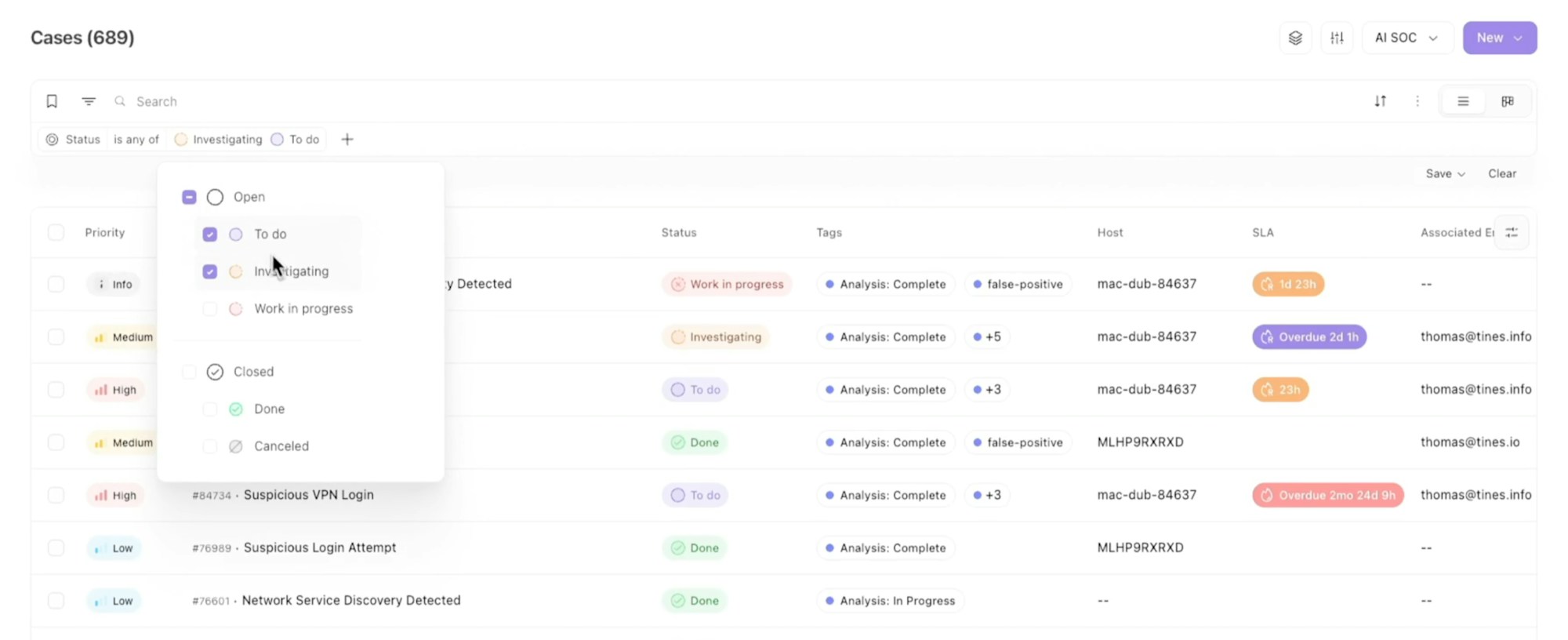
Find the one case from six months ago without remembering its title
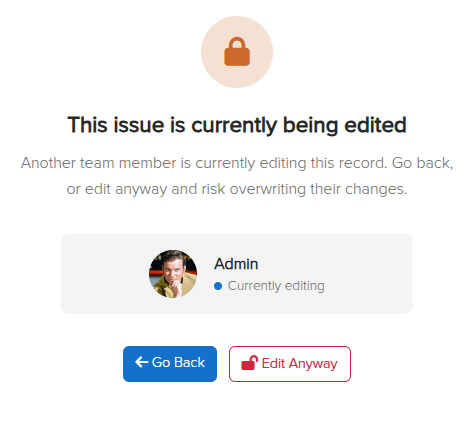
Tines added full-text case search with nested boolean filters, which turns a closed-case archive into something you can actually interrogate during a repeat incident instead of scrolling. Dradis Pro v5.5 adds AIVSS-SSVCSSVCA decision-support framework for vulnerability prioritization, maintained by CISA and Carnegie Mellon's CERT/CC, that uses stakeholder-specific decision trees to guide patch and remediation timing instead of relying on numeric scores alone. and STRIDE calculators plus concurrent-edit warnings, so two testers writing the same finding stop silently overwriting each other.
Give a sandboxed coding agent internet access through one allowed host
The Firecrawl kit lets an agent search, scrape and crawl via a tightly scoped proxy rather than opening general egress — the difference between an agent that can read the web and one that can exfiltrate to anywhere. minimal's Box Egress Proxy takes the same posture for its boxes, with certificate-based and audited network control.
Three unrelated things stand out today: StepSecurity makes fork-PR workflow policy failures auditable and trackable; GitGuardian broadens secret detection across major cloud and SaaSSaaSSoftware delivered over the internet and billed by subscription, hosted and operated by the vendor so the buyer skips installation and infrastructure management. tokens; Trend Vision One blocks SMTPSMTPThe application-layer protocol used to send email between servers and from clients to servers; cyber tools use it to relay alerts, phishing simulations, or exfiltrated data over standard mail infrastructure. recipient enumeration before attackers map valid mailboxes.
protect
Close CI/CD policy gaps before untrusted code runs
StepSecurity added a Critical-rated control for fork PR workflow approval policies plus remediation tracking for Threat Center findings. Teams can now turn a risky GitHub ActionsGitHub ActionsGitHub's built-in CI/CD system that runs automated workflows triggered by repository events, letting cyber tools automate testing, building, and releasing without managing separate pipeline infrastructure. review setting into an auditable control with API-visible follow-up instead of chasing it manually.
GitGuardian added 13 detectors and 20+ analyzers across providers including Google, AWS, Jamf, Supabase, Grafana and Cloudflare. That expands the set of secrets that can be recognized before they become long-lived exposed credentials in repos, logs, or developer workflows.
Trend Vision One Cloud Email Gateway Protection added recipient filtering to block SMTP recipient enumeration attacks. That removes a reconnaissance path where attackers probe addresses to build valid-user lists for phishing, password sprayingpassword sprayingTrying a small number of common passwords across many accounts. Attackers spread attempts out to avoid the lockouts caused by repeatedly guessing one user's password., or spam targeting.
Use release status and VEX context to keep dependency risk current
sbomify added release supersession and retirement dates, reorganized Dependency-Track around release series, and improved VEXVEXA machine-readable statement from a vendor saying whether a CVE in a component actually affects their product. It is how a scanner is told to stop flagging a vulnerability that is not reachable. review and advisory coverage. Teams can distinguish current, superseded, and retired releases instead of treating every SBOMSBOMA software bill of materials, an inventory of the components and versions inside an application. It helps teams find affected software when a dependency has a vulnerability or licensing issue. snapshot as equally actionable.
Hacktron's latest release adds compliance-ready reports for clean pentests, session-cookie login for the pentest auth agent, and per-severity SLASLAA formal agreement between a service provider and customer that defines expected uptime, response times, and remedies for failures, giving cyber tools a contractual baseline for availability and support commitments. tracking in PR and scan views, alongside smaller fixes to integration connection handling and Slack notifications.︀︄︇︀︅︉︀︅︀︀︃︀︀︅︅︀︅︊︀︄︆︀︃︄
└──▷ WHAT SHIPPED ·
7 FEATURES0 OF 7 FEATURESmost completely described firstwhat's the number?
Each feature carries 0–100 for how completely the vendor documented
it — not how big or important the work is. A major capability
described in eight words scores low, and that is the finding.
depth0–40what it does and how it works or what changed
specificity0–30names real surfaces — APIs, flags, formats, limits, numbers
actionability0–30enough to go use it — a named endpoint, flag, or config key tops this; a UI path is a starting point
Code and config rank first by construction: a documented endpoint,
flag or config key scores at the top of specificity and actionability,
so it sorts above a feature described only in prose. Under
60 the notes go thin — everything below the “thinner
coverage” line is thinner documentation, not smaller work.
Hover any meter for that feature's three sub-scores.
0100
SLA compliance ring per severityNot checked yetnew75how completely this was documenteddepth25/40specificity25/30actionability25/3075 / 100
PR review and scan tabs now show an SLA compliance ring per severity, with MTTRMTTRMean Time To Recover — the average elapsed time between a failure occurring and the system being restored, used by cyber tools to benchmark incident-response efficiency. and a Past SLA count that links directly to overdue findings.︀︄︇︀︅︉︀︅︀︀︃︀︀︅︅︀︅︊︀︄︆︀︃︄
Track SLA adherence per severity across all scanned pull requests without leaving the scan tab.
📍Open the PR review or scan tab and view the SLA compliance ring for each severity; click the Past SLA count to filter to overdue findings.
Zero-findings pentest report downloadsNot checked yetnew65how completely this was documenteddepth25/40specificity20/30actionability20/3065 / 100
Completed pentests with no confirmed findings now offer Full and Executive report downloads that include scope, methodology, zero finding counts, and an explicit no-findings statement, giving teams audit-trail evidence even when nothing was found.
Download a full audit-trail report after a pentest scope returns no confirmed findings — useful for compliance evidence.
📍In the pentest report panel, click Full or Executive under report downloads to get a report that includes scope, methodology, zero finding counts, and a no-findings statement.
Session-cookie authentication for pentest login agentNot checked yetnew55how completely this was documenteddepth20/40specificity15/30actionability20/3055 / 100
Pentest auth instructions now accept a pasted session cookie, letting the login agent sign in to a target without a password — useful for session-based SSOSSOSingle sign-on, using one identity provider to sign in to multiple applications. It reduces separate passwords and centralizes account and access management. targets.
Authenticate the login agent against a target that uses session-based SSO where you cannot supply a plain password.
📍In the pentest auth instructions form, paste your captured session cookie into the session cookie field instead of entering a username and password.
Connection form improvements for GitLab, Azure DevOps, GHESNot checked yetimproved50how completely this was documenteddepth20/40specificity20/30actionability10/3050 / 100
GitLab, Azure DevOps, and GitHub Enterprise Server connection forms now show collapsible Setup instructions and retain any connection error until you edit a field or retry.
Correct author attribution for GitLab and Bitbucket scansNot checked yetimproved45how completely this was documenteddepth20/40specificity15/30actionability10/3045 / 100
GitLab merge request and Bitbucket pull request scans now show the MR/PR author as the creator in Slack finding messages and the scan list, instead of whoever connected the integration.
Revoked integration flagging and reconnectNot checked yetimproved35how completely this was documenteddepth15/40specificity10/30actionability10/3035 / 100
A revoked integration connection is now flagged and can be reconnected directly from the integration sheet.
OCInferno adds a process_download_cached module and renames --limit to --object-limit with a 5,000-object default for object storage enumeration︀︄︇︀︅︉︀︅︀︀︃︀︀︅︅︀︅︊︀︄︆︀︃︄
└──▷ TRY IT
Recover downloads for all object storage buckets already enumerated in a previous run, without re-hitting live OCI APIs.
Re-download enumerated content from the workspace DB without re-running live enumeration using the new process_download_cached module, which accepts the same --download and --not-downloads token system as enum_all (categories: content, metadata, buckets, vault_secrets, and others).︀︄︇︀︅︉︀︅︀︀︃︀︀︅︅︀︅︊︀︄︆︀︃︄ Not checked yet
Limit object storage enumeration per bucket with --object-limit (default: 5,000; set to 0 for no limit), replacing the old --limit flag. Not checked yet
OpenGraphOpenGraphA web metadata protocol, created by Facebook, that lets a webpage declare structured properties—title, image, description, type—so link previews render consistently across social platforms and messaging apps. pathfinder now shows the granting policy name, compartment, and statement at each hop in a privilege-escalation path. Not checked yet
OpenGraph default priv-esc targets now narrow to OCIAllResources nodes plus OCI_CAN_CREATE_POLICY, OCI_CREATE_POLICY, and OCI_UPDATE_POLICY policy edges, with IDD admin-only targets; family-specific OCI_MANAGE targets are excluded by default but still traversed as intermediate hops. Not checked yet
Object storage enumeration now shows per-bucket progress output during scans. Not checked yet
Re-download enumerated content from the workspace DB without re-running live enumeration using the new process_download_cached module, which accepts the same --download and --not-downloads token system as enum_all (categories: content, metadata, buckets, vault_secrets, and others).︀︄︇︀︅︉︀︅︀︀︃︀︀︅︅︀︅︊︀︄︆︀︃︄ Not checked yet
4 more in Everything
└──▷ BREAKING ON UPGRADE
!The --limit flag in enum_objectstorage is renamed to --object-limit and its default changes from 0 (no limit) to 5,000 objects per bucket; existing scripts using --limit or relying on unlimited enumeration will break.
Pwntools is a CTF framework and exploit development library
pwntools 4.15.1 adds a persistent config-level I/O timeout, fixes silent truncation in libc.rip lookups, extends Python 3.14 support, and adds big-endian AArch64AArch64The 64-bit execution state of the ARM architecture, defined by Arm Ltd., offering a wider register file and cleaner instruction set than 32-bit ARM; cyber tools target it to run natively on ARM-based servers, phones, and embedded devices. emulation support.︀︄︇︀︅︉︀︅︀︀︃︀︀︅︅︀︅︊︀︄︆︀︃︄
└──▷ WHAT SHIPPED ·
4 FEATURES0 OF 4 FEATURESmost completely described firstwhat's the number?
Each feature carries 0–100 for how completely the vendor documented
it — not how big or important the work is. A major capability
described in eight words scores low, and that is the finding.
depth0–40what it does and how it works or what changed
specificity0–30names real surfaces — APIs, flags, formats, limits, numbers
actionability0–30enough to go use it — a named endpoint, flag, or config key tops this; a UI path is a starting point
Code and config rank first by construction: a documented endpoint,
flag or config key scores at the top of specificity and actionability,
so it sorts above a feature described only in prose. Under
60 the notes go thin — everything below the “thinner
coverage” line is thinner documentation, not smaller work.
Hover any meter for that feature's three sub-scores.
0100
Persistent context.timeout in pwn.confNot checked yetnew80how completely this was documenteddepth25/40specificity25/30actionability30/3080 / 100
You can now set a persistent context.timeout default in ~/.pwn.conf instead of setting it per-script, avoiding silent hangs during exploit development.︀︄︇︀︅︉︀︅︀︀︃︀︀︅︅︀︅︊︀︄︆︀︃︄
Persist a default I/O timeout for all scripts so you never hit a silent hang during exploit development.
ini
[context]
timeout = 10
— Named config key and file with runnable example.4.15.1
thinner coverage below
0200
Paginated libc.rip lookups in libcdbNot checked yetimproved55how completely this was documenteddepth25/40specificity20/30actionability10/3055 / 100
pwntools now supports paginated libc.rip API requests, so libcdb lookups no longer silently truncate results against large databases.
— Explains before/after behaviour but no usage example.4.15.1
0300
Python 3.14 support via relaxed Unicorn constraintNot checked yetimproved50how completely this was documenteddepth20/40specificity25/30actionability5/3050 / 100
pwntools now runs on Python 3.14 by relaxing the Unicorn Engine version constraint to allow Unicorn 2.1.3 and 2.1.4; note that MIPSMIPSA RISC processor architecture originally developed at Stanford and commercialized by MIPS Technologies, widely used in embedded and network devices; cyber tools target it to analyze or exploit routers, cameras, and similar hardware. emulation raises at runtime under this change.
— Names versions and caveat but no action to take.4.15.1
0400
aarch64_be QEMU user-mode mappingNot checked yetnew40how completely this was documenteddepth15/40specificity15/30actionability10/3040 / 100
Adds aarch64_beQEMUQEMUAn open-source machine emulator and virtualizer that lets software run a guest OS or CPU architecture on a different host, giving cyber tools an isolated, inspectable execution environment without dedicated hardware. user-mode mapping, enabling big-endian AArch64 process emulation.
— Names the mapping but gives no usage detail.4.15.1
Dradis Pro v5.5 is the headline release, adding per-project Issue Library translations with a new v2 API, AIVSS-SSVCSSVCA decision-support framework for vulnerability prioritization, maintained by CISA and Carnegie Mellon's CERT/CC, that uses stakeholder-specific decision trees to guide patch and remediation timing instead of relying on numeric scores alone. and STRIDE calculators for scoring findings and threats, concurrent-edit warnings, expanded webhook coverage, and Boards/Evidence API additions, while a docs update added colored QA-state badges and an in-app release notification.︀︄︇︀︅︉︀︅︀︀︃︀︀︅︅︀︅︊︀︄︆︀︃︄
Dradis is a pentest reporting for consultancies that never put a client
Dradis Pro v5.5 is the headline release, adding per-project Issue Library translations with a new v2 API, AIVSS-SSVCSSVCA decision-support framework for vulnerability prioritization, maintained by CISA and Carnegie Mellon's CERT/CC, that uses stakeholder-specific decision trees to guide patch and remediation timing instead of relying on numeric scores alone. and STRIDE calculators for scoring findings and threats, concurrent-edit warnings, expanded webhook coverage, and Boards/Evidence API additions, while a docs update added colored QA-state badges and an in-app release notification.︀︄︇︀︅︉︀︅︀︀︃︀︀︅︅︀︅︊︀︄︆︀︃︄
└──▷ WHAT SHIPPED ·
12 FEATURES0 OF 12 FEATURESmost completely described firstwhat's the number?
Each feature carries 0–100 for how completely the vendor documented
it — not how big or important the work is. A major capability
described in eight words scores low, and that is the finding.
depth0–40what it does and how it works or what changed
specificity0–30names real surfaces — APIs, flags, formats, limits, numbers
actionability0–30enough to go use it — a named endpoint, flag, or config key tops this; a UI path is a starting point
Code and config rank first by construction: a documented endpoint,
flag or config key scores at the top of specificity and actionability,
so it sorts above a feature described only in prose. Under
60 the notes go thin — everything below the “thinner
coverage” line is thinner documentation, not smaller work.
Hover any meter for that feature's three sub-scores.
0100
Per-project Issue Library translations and v2 APINot checked yetnew90how completely this was documenteddepth35/40specificity30/30actionability25/3090 / 100
Adds per-project Issue Library locale translation, set on create or edit, used by Rules Engine matching and report imports.︀︄︇︀︅︉︀︅︀︀︃︀︀︅︅︀︅︊︀︄︆︀︃︄ Adds the new v2 Issue Library API for accessing translations and entry reading by locale, plus IssueLibrary API scopes for Personal Access TokensPersonal Access TokensA personal access token, a credential used by scripts and integrations instead of a user's password. Its permissions and expiry depend on the service issuing it. (PATPATA personal access token, a credential used by scripts and integrations instead of a user's password. Its permissions and expiry depend on the service issuing it.) to control access to the new v2 Issue Library endpoints.
New threat and risk calculators for IssuesNot checked yetnew80how completely this was documenteddepth30/40specificity25/30actionability25/3080 / 100
Adds the AIVSS-SSVC calculator for scoring findings in agentic AI systems, letting users select a remediation outcome of Defer, Scheduled, Out-of-Cycle, or Immediate, and the STRIDE calculator for classifying threats by Spoofing, Tampering, Repudiation, Information Disclosure, Denial of Service, and Elevation of Privilege, both available from the Issue view.
Score an agentic AI finding and pick a remediation outcome using the new AIVSS-SSVC calculator.
📍In Dradis, open an Issue, select AIVSS-SSVC from its calculators, complete the scoring fields, and choose a remediation outcome of Defer, Scheduled, Out-of-Cycle, or Immediate.
— Usage example gives exact steps to use the calculator. Names all six categories but gives no walkthrough.New in Dradis Pro v5.5 (2026-11-17)
0300
Remediation Tracker ticket content and linked fieldsNot checked yetimproved70how completely this was documenteddepth30/40specificity25/30actionability15/3070 / 100
Remediation Tracker tickets now render Liquid Dynamic Content to final text when an Issue is sent, and each ticket gains Project, Issue, and Evidence fields with labeled links back to the source plus an evidence list.
Expanded webhook event coverageNot checked yetimproved70how completely this was documenteddepth25/40specificity30/30actionability15/3070 / 100
Webhooks now fire on Board, List, and Card CRUDCRUDThe four basic database operations — Create, Read, Update, Delete — used as shorthand for any system that manages persistent data records, giving cyber tools a standard model for interacting with stored information. events; Content Block, Evidence, Node, and Note CRUD events; Issue and Content Block state changes; inline thread lifecycle events; Comment and Echo Session creation; Personal Access Token lifecycle events; and Evidence QA state change events.
Evidence state field in API v3 Evidence endpointNot checked yetnew70how completely this was documenteddepth20/40specificity25/30actionability25/3070 / 100
Select Evidence state on create or update via the API v3 Evidence endpoint, and receive state in responses.
Card and list repositioning via Boards APINot checked yetnew70how completely this was documenteddepth25/40specificity25/30actionability20/3070 / 100
Adds card and list repositioning within and between boards through the Boards API, along with Personal Access Token (PAT) update scopes supporting this card and list positioning.
Concurrent edit warning across record typesNot checked yetnew60how completely this was documenteddepth25/40specificity25/30actionability10/3060 / 100
Dradis now warns you when a teammate is already editing the record you have opened — covering Issues, Evidence, Notes, Content Blocks, Cards, Issue Library entries, and Remediation Tracker tickets.
Configurable language for Roslin's LanguageTool checksNot checked yetimproved45how completely this was documenteddepth15/40specificity15/30actionability15/3045 / 100
Change the grammar and spell-checking language for Roslin's LanguageTool integration in Echo.
Bugcrowd is a crowdsourced security platform connecting organizations with ethical hackers to discover and manage vulnerabilities through bug bounty and penetration testing programs.
Bugcrowd launched Savant Vista as a generally available, fully supported product for continuous external attack surfaceattack surfaceThe exposed systems, interfaces and access points an attacker could try to use. It includes internet-facing services as well as identities, software and other reachable resources. management, and rounded it out with bulk asset import, more granular RBACRBACRole-based access control, where permissions are assigned to roles such as reader or administrator and users receive those roles. It makes access easier to manage than individual permission lists., and improved Pathseeker target scoping.︀︄︇︀︅︉︀︅︀︀︃︀︀︅︅︀︅︊︀︄︆︀︃︄
└──▷ WHAT SHIPPED ·
2 FEATURES2 OF 2 FEATURESmost completely described firstwhat's the number?
Each feature carries 0–100 for how completely the vendor documented
it — not how big or important the work is. A major capability
described in eight words scores low, and that is the finding.
depth0–40what it does and how it works or what changed
specificity0–30names real surfaces — APIs, flags, formats, limits, numbers
actionability0–30enough to go use it — a named endpoint, flag, or config key tops this; a UI path is a starting point
Code and config rank first by construction: a documented endpoint,
flag or config key scores at the top of specificity and actionability,
so it sorts above a feature described only in prose. Under
60 the notes go thin — everything below the “thinner
coverage” line is thinner documentation, not smaller work.
Hover any meter for that feature's three sub-scores.
0101
Savant Vista onboarding, access and scoping additionsNot checked yetimproved41how completely this was documenteddepth18/40specificity15/30actionability8/3041 / 100
Savant Vista now supports bulk asset import, enabling teams to onboard large asset inventories at once; adds more granular role-based access controlrole-based access controlRole-based access control, where permissions are assigned to roles such as reader or administrator and users receive those roles. It makes access easier to manage than individual permission lists. for managing user permissions across the platform; and improves target scoping for Pathseeker testing.︀︄︇︀︅︉︀︅︀︀︃︀︀︅︅︀︅︊︀︄︆︀︃︄
Savant Vista general availabilityNot checked yetnew40how completely this was documenteddepth20/40specificity15/30actionability5/3040 / 100
Bugcrowd adds Savant Vista as a generally available, fully supported product covering continuous external attack surface management, automated vulnerability scanning, and asset discovery.
StepSecurity secures GitHub Actions CI/CD pipelines by hardening workflows, detecting anomalies, and preventing supply chain attacks through automated security controls.
StepSecurity shipped a free community tier for its Secure Registry that hardens npm/pnpm/Bun installs via Harden-Runner, a new Critical-rated control auditing fork PR workflow approval policies, and remediation tracking for Threat Center findings with new API endpoints and audit logging.︀︄︇︀︅︉︀︅︀︀︃︀︀︅︅︀︅︊︀︄︆︀︃︄
└──▷ WHAT SHIPPED ·
3 FEATURES3 OF 3 FEATURESmost completely described firstwhat's the number?
Each feature carries 0–100 for how completely the vendor documented
it — not how big or important the work is. A major capability
described in eight words scores low, and that is the finding.
depth0–40what it does and how it works or what changed
specificity0–30names real surfaces — APIs, flags, formats, limits, numbers
actionability0–30enough to go use it — a named endpoint, flag, or config key tops this; a UI path is a starting point
Code and config rank first by construction: a documented endpoint,
flag or config key scores at the top of specificity and actionability,
so it sorts above a feature described only in prose. Under
60 the notes go thin — everything below the “thinner
coverage” line is thinner documentation, not smaller work.
Hover any meter for that feature's three sub-scores.
0101
Secure Registry community tier in Harden-RunnerNot checked yetNew supported platformnew95how completely this was documenteddepth35/40specificity30/30actionability30/3095 / 100
Enable Secure Registry on any job by adding secure-registry: true to a step-security/harden-runner@v2 step; it automatically routes npm, pnpm, and Bun installs through community.registry.stepsecurity.io/javascript/.︀︄︇︀︅︉︀︅︀︀︃︀︀︅︅︀︅︊︀︄︆︀︃︄ The free community tier (for public repositories on GitHub-hosted runners) applies a default two-day package cooldown and blocks known compromised packages. Customize behaviour via the secure-registry config block: set npm.cooldown.days (e.g. days: 3) and list exemptions such as typescript@* or [email protected], or disable it for a job (e.g. one running npm publish) with npm: mode: off. Harden-Runner Insights also adds a Packages tab recording every package request's type, status, and evaluated controls.
Add Secure Registry protection to a CI job so all npm installs are checked for the two-day cooldown and known-compromised packages before they reach your build.
Extend the cooldown to three days and exempt a pinned TypeScript version so the registry holds other new releases but lets a known-good version through.
Remediation tracking in Threat CenterNot checked yetnew89how completely this was documenteddepth38/40specificity27/30actionability24/3089 / 100
Mark individual Threat Center findings remediated from the row menu with an optional comment, or use Remediate all to clear every active finding in the current view at once. The incident API endpoint now returns each finding's remediation status, and new endpoints let you mark findings remediated or move them back to open, either for one organization or tenant-wide. Matched components and Matched IOCsIOCsAn indicator of compromise, an observable clue that may point to malicious activity, such as a suspicious file hash or domain. It is evidence to investigate, rather than proof by itself. tables show status, who remediated it, when, and their comment, with All, Active, and Remediated filter tabs and source-based search; incidents move to a new Remediated tab once every finding is remediated and move back automatically if a finding reappears, flagged with a 'Reappeared:' title prefix and a notification through existing threat intel channels. Every remediation action is recorded in the audit logs, a summary banner on each incident shows outstanding vs. resolved findings, and remediating requires Read & write access to the Threat Center permission.
Track remediation progress through the Threat Center UI, using the status tabs to separate active from resolved incidents.
📍In Threat Center, go to the Affecting You tab and open an incident. Use the All / Active / Remediated tabs in the findings table to filter by status, then select Remediate all to close every active finding in the current view, or choose Remediate from an individual finding's row menu to add a comment before marking it done.
Fork PR workflow approval controlNot checked yetnew85how completely this was documenteddepth32/40specificity28/30actionability25/3085 / 100
A new 'Fork pull request workflows should require approval' control, rated Critical and listed under Code Injection in the Overview dashboard, checks every GitHub organization and public repository's fork PR workflow approval policy every hour and links directly to the fix at Settings > Actions > General in GitHub. Findings from the control are exposed through the existing control tools in the StepSecurity MCPMCPModel Context Protocol, a standard for connecting AI applications to external tools and data sources. A compatible server exposes capabilities an assistant can use through a common interface. (Model Context ProtocolModel Context ProtocolModel Context Protocol, a standard for connecting AI applications to external tools and data sources. A compatible server exposes capabilities an assistant can use through a common interface.) server, and the control requires the StepSecurity GitHub App to have Administration: read permission on the checked organizations and repositories.
Review the new fork PR approval control findings for your organization via the StepSecurity Overview dashboard after granting the required permission.
📍In StepSecurity, go to Overview dashboard › All Controls › Code Injection, then select 'Fork pull request workflows should require approval' to see which organizations and public repositories are on the least restrictive policy, and click Open Settings on any finding to jump directly to Settings › Actions › General in GitHub.
Harden-Runner agent v1.9.7 adds runtime monitoring and egress policy enforcement inside microVM-isolated ARC runner pods, covering network, DNS, process, and HTTPSHTTPSHTTP carried over an encrypted TLS connection. It protects traffic in transit and lets a browser verify the server's certificate. events.
Set runtimeClassName: isolated-sandbox on runner pods to enable Harden-Runner monitoring and egress enforcement inside Amazon EKSEKSAmazon's managed Kubernetes service, run by AWS, that handles control-plane provisioning so teams can deploy containerized workloads without operating the underlying cluster infrastructure themselves. Nitro Sandbox microVMs. Not checked yet
HTTPS visibility inside microVMs now covers requests from Go programs and HTTP/2HTTP/2The second major version of the HTTP protocol, standardized by the IETF, adding multiplexed streams, header compression, and binary framing over a single TCP connection to cut latency and reduce overhead. traffic — including calls from gh and other Go tools that carry their own TLS and bypass system OpenSSL — plus Docker-in-Docker image pulls. Not checked yet
Dev Machine Guard adds stable device identity and per-session scanning for pooled virtual desktops, device tagging and retirement on uninstall, virtualization detection, and prompt-free agent configuration via configure flags.
Set device_id to {hostname} in agent config to keep a stable device record and history when a session host is rebuilt from an image, suiting Azure Virtual Desktop, Citrix, and Horizon host pools. Not checked yet
Exclude an imaging machine from scanning by running configure --image-builder or setting MSI property IMAGEBUILDER=1 during deployment. Not checked yet
Label a device for its host pool using device_tag, and remove it from the dashboard and license count on teardown with --retire or by setting retire_on_uninstall. Not checked yet
Adds per-session scanning on Windows Enterprise multi-session and Remote Desktop Session Host servers, reporting each signed-in user's inventory and findings independently under the one device record for that machine. Not checked yet
Every scan now reports whether the machine is virtual or physical and which hypervisor or cloud it runs on. Not checked yet
+2 moreshow less
Every agent setting can now be set without prompts: configure accepts a flag for every setting, so MDMMDMMobile device management, centrally configuring and managing enrolled devices. Administrators use it to apply settings, distribute applications and enforce device security policies. or MSI deployments no longer need a bootstrap JSON file for anything beyond credentials. Not checked yet
JavaScript configuration audits now read npm, pnpm, Yarn, and Bun configuration from each tool's own paths and formats, including pnpm rc, YAML, and auth files, custom Yarn rc file names, and Bun global settings, and record which values could not be resolved on the device separately from observed file settings. Not checked yet
Sbom-operator is a catalogue all images of a Kubernetes cluster to multiple targets with Syft
sbom-operator's single release in this window adds per-scope Syft cataloger configuration and extends its Dependency-Track integration with workload identity federationworkload identity federationA mechanism that lets a workload running in one cloud or platform prove its identity to another service using a trusted token exchange, eliminating the need to store long-lived credentials or secrets. and Sprig-based templated project names.︀︄︇︀︅︉︀︅︀︀︃︀︀︅︅︀︅︊︀︄︆︀︃︄
└──▷ WHAT SHIPPED ·
3 FEATURES0 OF 3 FEATURESmost completely described firstwhat's the number?
Each feature carries 0–100 for how completely the vendor documented
it — not how big or important the work is. A major capability
described in eight words scores low, and that is the finding.
depth0–40what it does and how it works or what changed
specificity0–30names real surfaces — APIs, flags, formats, limits, numbers
actionability0–30enough to go use it — a named endpoint, flag, or config key tops this; a UI path is a starting point
Code and config rank first by construction: a documented endpoint,
flag or config key scores at the top of specificity and actionability,
so it sorts above a feature described only in prose. Under
60 the notes go thin — everything below the “thinner
coverage” line is thinner documentation, not smaller work.
Hover any meter for that feature's three sub-scores.
0100
Per-SBOM-scope Syft cataloger configurationNot checked yetnew50how completely this was documenteddepth15/40specificity20/30actionability15/3050 / 100
Syft scanning catalogers can now be configured per SBOM scope via the new syft scanning catalogers configuration, including per-sbom scope configuration.︀︄︇︀︅︉︀︅︀︀︃︀︀︅︅︀︅︊︀︄︆︀︃︄
— Names the config area but not an exact key path or file0.50.0
0200
Sprig templating for Dependency-Track project namesNot checked yetimproved35how completely this was documenteddepth12/40specificity15/30actionability8/3035 / 100
Dependency-Track templated project names now support Sprig template extensions.
— Names Sprig but gives no example template syntax0.50.0
0300
Workload identity federation for Dependency-TrackNot checked yetnew30how completely this was documenteddepth12/40specificity10/30actionability8/3030 / 100
The Dependency-Track integration now supports workload identityworkload identityAn identity assigned to software, such as a service or container, rather than a person. It lets the workload authenticate and receive permissions without sharing a user's credentials. federation for authentication.
— States the capability but gives no setup or config detail0.50.0
sbomify is a product security artifact hub and a trust center.
sbomify's v26.11.1 release introduces a full release lifecycle with supersession and retirement dates, restructures Dependency-TrackDependency-TrackAn open-source SBOM analysis platform maintained by OWASP that continuously monitors component dependencies for known vulnerabilities, giving cyber tools a backend for automated supply-chain risk tracking. around release series, and adds Trust Center stale-cache resilience, alongside smaller gains in VEXVEXA machine-readable statement from a vendor saying whether a CVE in a component actually affects their product. It is how a scanner is told to stop flagging a vulnerability that is not reachable. review, vulnerability advisory coverage, and component metadata.︀︄︇︀︅︉︀︅︀︀︃︀︀︅︅︀︅︊︀︄︆︀︃︄
└──▷ WHAT SHIPPED ·
9 FEATURES0 OF 9 FEATURESmost completely described firstwhat's the number?
Each feature carries 0–100 for how completely the vendor documented
it — not how big or important the work is. A major capability
described in eight words scores low, and that is the finding.
depth0–40what it does and how it works or what changed
specificity0–30names real surfaces — APIs, flags, formats, limits, numbers
actionability0–30enough to go use it — a named endpoint, flag, or config key tops this; a UI path is a starting point
Code and config rank first by construction: a documented endpoint,
flag or config key scores at the top of specificity and actionability,
so it sorts above a feature described only in prose. Under
60 the notes go thin — everything below the “thinner
coverage” line is thinner documentation, not smaller work.
Hover any meter for that feature's three sub-scores.
0100
Release lifecycle with retirement and supersessionNot checked yetnew95how completely this was documenteddepth35/40specificity30/30actionability30/3095 / 100
Releases can declare predecessors via a new supersedes list field on POST /api/v1/releases and PATCH /api/v1/releases/{release_id} (and their v2 twins), gated by the release:manage permission.︀︄︇︀︅︉︀︅︀︀︃︀︀︅︅︀︅︊︀︄︆︀︃︄ A release can replace another on the same line (retiring it) or start a new line (keeping both monitored), with end-of-support and end-of-life dates, withdrawn and archived states, and a state badge and Lifecycle card in the UI; dates set via the API before this release had no effect but now retire the release on deploy. Only live releases are monitored for scans, VEX re-application and Dependency-Track, and retired releases show their last scan date and the reason scanning stopped (e.g. Its support ended on…) in the app and Trust Center. Deleting a release that replaces another on the same line is refused until the predecessor link is removed from the Lifecycle card.
Register a new release from CI and declare it supersedes the previous tag, so the lifecycle updates automatically without manual edits in the app.
Dependency-Track per-release-series layoutNot checked yetnew90how completely this was documenteddepth35/40specificity25/30actionability30/3090 / 100
Run python manage.py dt_tracked_scope (or with --dry-run to preview) to migrate Dependency-Track to a per-release-series layout: each workspace gets a collection per live release holding one project per component, plus a Latest builds collection, and a replacing release takes over the older release's projects, renaming them and swapping in BOMs in place to preserve history. This retires old per-SBOM projects.
Dry-run the Dependency-Track series-layout migration to preview which projects will be retired before committing.
Valkey replaces Redis in Docker ComposeNot checked yetbreaking90how completely this was documenteddepth30/40specificity30/30actionability30/3090 / 100
Docker Compose replaces Redis 8 with the bundled Valkey 9, using a new sbomify_valkey_data volume; Valkey cannot read Redis 8 data files, so queued tasks present at upgrade are dropped. Drain workers before upgrading, then remove the old volume with docker volume rm <project>_sbomify_redis_data, or set the REDIS_IMAGE environment variable to keep the original Redis image instead.
Trust Center stale-cache resilienceNot checked yetnew75how completely this was documenteddepth25/40specificity25/30actionability25/3075 / 100
Tune Trust Center stale-cache behaviour with TRUST_CENTER_STALE_CACHE_TTL (default one day; set to 0 to turn it off) so public Trust Center pages are served from the last good copy while Postgres is unavailable.
— Config key with default and disable value givenv26.11.1
0500
Self-hosted telemetry controlNot checked yetnew70how completely this was documenteddepth20/40specificity25/30actionability25/3070 / 100
Self-hosted anonymous usage telemetry is now controlled by the TELEMETRY_ENABLED environment variable, defaulting on; set TELEMETRY_ENABLED=False to opt out, and it is automatically off when CI is set.
Opt out of anonymous usage telemetry on a self-hosted instance.
ini
TELEMETRY_ENABLED=False
— Exact env var and default/opt-out behaviour givenv26.11.1
thinner coverage below
0600
Vulnerability links to sbomify InsightsNot checked yetimproved55how completely this was documenteddepth20/40specificity25/30actionability10/3055 / 100
Vulnerability IDs in the release findings table, Trust Center posture, and VEX review now link to sbomify Insights, which also now covers GSD, HSEC, PSF, and Drupal advisory schemes.
VEX review merges duplicate agent rulingsNot checked yetimproved50how completely this was documenteddepth25/40specificity15/30actionability10/3050 / 100
VEX review now merges agent-proposed rulings that say the same thing into one verdict per vulnerability, listing covered packages and versions as chips with a single shared explanation.
Source Control card on component metadataNot checked yetnew40how completely this was documenteddepth15/40specificity15/30actionability10/3040 / 100
Components can now record their source repository in a new Source Control card on the component metadata page, also available through the metadata API.
— Names the surface but not fields or exact API pathv26.11.1
0900
Sign-in on custom Trust Center domainsNot checked yetnew35how completely this was documenteddepth15/40specificity10/30actionability10/3035 / 100
Readers can now sign in on a custom Trust Center domain after requesting access and being approved.
Dependency-Track projects must be migrated immediately after deploy by running python manage.py dt_tracked_scope; old per-SBOM projects are retired and a component deleted before the backfill runs leaves nothing to find its old projects by.
!
The Dependency-Track API key must be granted the PORTFOLIO_MANAGEMENT permission (in addition to BOM_UPLOAD, PROJECT_CREATION_UPLOAD, VIEW_PORTFOLIO and VIEW_VULNERABILITY) before the backfill, or sbomify cannot create, rename or retire projects (401/403).
!
Releases past their end-of-support or end-of-life date are now retired on deploy — no more scans and their Dependency-Track projects go inactive; dates set via the API before this release had no effect but now do.
!
Docker Compose: Redis 8 is replaced by Valkey 9 using a new sbomify_valkey_data volume; Valkey cannot read Redis 8 data files, so any queued tasks present at upgrade are dropped — drain workers before upgrading and then remove the old volume with docker volume rm <project>_sbomify_redis_data.
!
Self-hosted installs now send anonymous usage telemetry by default; set TELEMETRY_ENABLED=False to opt out.
!
POST /api/v1/releases and PATCH /api/v1/releases/{release_id} (and their v2 twins): sending a supersedes list without the release:manage permission returns a 403.
!
Deleting a release that replaces another on the same line is refused until the predecessor link is removed from the release's Lifecycle card.
!
Redis is replaced by Valkey 9 as the bundled backing service; Valkey cannot read Redis 8 data files, so the cache and task queue start empty in a new sbomify_valkey_data volume — drain the worker queue before upgrading or queued tasks are dropped, then remove the old sbomify_redis_data volume. To keep Redis, set REDIS_IMAGE.
!
End-of-support and end-of-life dates set through the API before this release had no effect; from v26.11.1 onward they retire the release on deploy — check old support dates before upgrading.
!
Dependency-Track integration now requires the PORTFOLIO_MANAGEMENT permission on the API key, and a one-off backfill (python manage.py dt_tracked_scope) must be run immediately after deploy; a component deleted before the backfill runs leaves nothing to find its old projects by.
Akto discovers APIs, MCP servers and AI agents, tests and red-teams them, and enforces runtime guardrails and posture management.
Akto's latest release adds governance controls for blocking AI agents and vendors by team, role, device, and user, plus an AI-assisted verification step to cut false positives in red teaming.︀︄︇︀︅︉︀︅︀︀︃︀︀︅︅︀︅︊︀︄︆︀︃︄
└──▷ WHAT SHIPPED ·
2 FEATURES2 OF 2 FEATURESmost completely described firstwhat's the number?
Each feature carries 0–100 for how completely the vendor documented
it — not how big or important the work is. A major capability
described in eight words scores low, and that is the finding.
depth0–40what it does and how it works or what changed
specificity0–30names real surfaces — APIs, flags, formats, limits, numbers
actionability0–30enough to go use it — a named endpoint, flag, or config key tops this; a UI path is a starting point
Code and config rank first by construction: a documented endpoint,
flag or config key scores at the top of specificity and actionability,
so it sorts above a feature described only in prose. Under
60 the notes go thin — everything below the “thinner
coverage” line is thinner documentation, not smaller work.
Hover any meter for that feature's three sub-scores.
0101
Scoped blocking of AI agents and vendorsNot checked yetnew45how completely this was documenteddepth20/40specificity15/30actionability10/3045 / 100
Akto can now block AI agents and vendors (such as Grok Bot) for specific teams, roles, devices, and users, governing personal AI agent access across the organization.︀︄︇︀︅︉︀︅︀︀︃︀︀︅︅︀︅︊︀︄︆︀︃︄
fcaptcha's v1.51.0 release adds signed, backward-compatible protocol negotiation across its browser widget and Node, Go, and Python servers, plus a stricter caching header on challenge responses.︀︄︇︀︅︉︀︅︀︀︃︀︀︅︅︀︅︊︀︄︆︀︃︄
└──▷ WHAT SHIPPED ·
2 FEATURES0 OF 2 FEATURESmost completely described firstwhat's the number?
Each feature carries 0–100 for how completely the vendor documented
it — not how big or important the work is. A major capability
described in eight words scores low, and that is the finding.
depth0–40what it does and how it works or what changed
specificity0–30names real surfaces — APIs, flags, formats, limits, numbers
actionability0–30enough to go use it — a named endpoint, flag, or config key tops this; a UI path is a starting point
Code and config rank first by construction: a documented endpoint,
flag or config key scores at the top of specificity and actionability,
so it sorts above a feature described only in prose. Under
60 the notes go thin — everything below the “thinner
coverage” line is thinner documentation, not smaller work.
Hover any meter for that feature's three sub-scores.
0100
Signed challenge protocol negotiationNot checked yetnew55how completely this was documenteddepth25/40specificity20/30actionability10/3055 / 100
Adds backward-compatible challenge protocol negotiation across the browser widget and the Node, Go, and Python servers, so old clients and old servers remain compatible as protocol v1.︀︄︇︀︅︉︀︅︀︀︃︀︀︅︅︀︅︊︀︄︆︀︃︄ Adds signed protocol version selection, with explicit rejection when no supported version overlaps between client and server.
— Explains mechanism and scope but no config/flag names givenv1.51.0
0200
No-store caching on challenge responsesNot checked yetimproved45how completely this was documenteddepth10/40specificity20/30actionability15/3045 / 100
Adds Cache-Control: no-store to all challenge responses.
— Names exact header but no further mechanism detailv1.51.0
DataDome protects web, mobile, and API applications by detecting and blocking bot and fraud traffic.
DataDome shipped a major v4.0.0 rewrite of its React Native SDK for Axios, replacing manual interceptor setup with a simple attach/eject API, adding native challenge display and full fetch-adapter coverage, and raising minimum platform requirements across the board.︀︄︇︀︅︉︀︅︀︀︃︀︀︅︅︀︅︊︀︄︆︀︃︄
└──▷ WHAT SHIPPED ·
8 FEATURES0 OF 8 FEATURESmost completely described firstwhat's the number?
Each feature carries 0–100 for how completely the vendor documented
it — not how big or important the work is. A major capability
described in eight words scores low, and that is the finding.
depth0–40what it does and how it works or what changed
specificity0–30names real surfaces — APIs, flags, formats, limits, numbers
actionability0–30enough to go use it — a named endpoint, flag, or config key tops this; a UI path is a starting point
Code and config rank first by construction: a documented endpoint,
flag or config key scores at the top of specificity and actionability,
so it sorts above a feature described only in prose. Under
60 the notes go thin — everything below the “thinner
coverage” line is thinner documentation, not smaller work.
Hover any meter for that feature's three sub-scores.
0100
Axios interceptor attach/eject APINot checked yetbreaking95how completely this was documenteddepth35/40specificity30/30actionability30/3095 / 100
DataDomeInterceptor.attach(instance) attaches DataDome protection to any Axios instance — default or custom — and DataDomeInterceptor.eject(instance) removes it.︀︄︇︀︅︉︀︅︀︀︃︀︀︅︅︀︅︊︀︄︆︀︃︄ This replaces the removed new DataDomeInterceptor({ axiosInstance }) constructor and the manual interceptor setup with requestAdapter, responseEventHandler, and responseAdapter.
Protect all requests on a custom Axios instance so every outbound call is covered by DataDome bot detection.
javascript
import axios from 'axios';
import { DataDome, DataDomeInterceptor } from '@datadome/react-native-datadome-axios';

const dataDome = new DataDome({ clientKey: '<your-client-key>' });
const instance = axios.create({ baseURL: 'https://api.example.com' });
DataDomeInterceptor.attach(instance);

// Later, when tearing down:
DataDomeInterceptor.eject(instance);
getCookie(url) replaces stored-cookie functionsNot checked yetbreaking80how completely this was documenteddepth25/40specificity25/30actionability30/3080 / 100
dataDome.getCookie(url) retrieves the stored DataDome cookie for a given URL, replacing the removed getStoredDataDomeCookie() and storeCookie() functions.
Read the DataDome cookie for a specific URL after a challenge is solved, e.g. to forward it to a server-side session.
Simplified SDK configuration with clientKeyNot checked yetbreaking70how completely this was documenteddepth25/40specificity25/30actionability20/3070 / 100
new DataDome({ clientKey }), with an optional domain, replaces the previous multi-step setup. DataDome.getInstance().setSdkKey(), DataDome.configure(), DataDome.configureWithOrigin(), and enableVerboseLogs are all removed in 4.0.0.
Protect all requests on a custom Axios instance so every outbound call is covered by DataDome bot detection.
javascript
import axios from 'axios';
import { DataDome, DataDomeInterceptor } from '@datadome/react-native-datadome-axios';

const dataDome = new DataDome({ clientKey: '<your-client-key>' });
const instance = axios.create({ baseURL: 'https://api.example.com' });
DataDomeInterceptor.attach(instance);

// Later, when tearing down:
DataDomeInterceptor.eject(instance);
Package rename and raised minimum requirementsNot checked yetbreaking70how completely this was documenteddepth25/40specificity30/30actionability15/3070 / 100
The package is renamed from @datadome/datadome-axios to @datadome/react-native-datadome-axios; @datadome/react-native-core-datadome (1.0.0+) is now a required peer dependency; and minimum versions are raised — React Native to 0.85+ with the New Architecture required (previously 0.72+), iOS to 15.1+ (previously 12+), Android minSdkVersion to 24 (previously 21), and Axios to 1.12+ (previously 1.11+).
Native challenge display replaces WebView modalNot checked yetbreaking65how completely this was documenteddepth30/40specificity25/30actionability10/3065 / 100
Challenges are displayed natively without adding any component to the view hierarchy, powered by @datadome/react-native-core-datadome. DataDomeModal is removed, and the react-native-webview peer dependency is dropped — apps that don't otherwise use it can now uninstall it.
Automatic retry after solved challengeNot checked yetimproved45how completely this was documenteddepth25/40specificity15/30actionability5/3045 / 100
A request is automatically retried after a solved challenge from the request's adapter, so interceptors and transforms run only once per request regardless of retry count.
Core SDK type exportsNot checked yetnew35how completely this was documenteddepth10/40specificity20/30actionability5/3035 / 100
DataDome, ResponseValidationStatus, DataDomeConfiguration, and DataDomeCookie types are now exported from the @datadome/react-native-core-datadome core SDK.
Package renamed from @datadome/datadome-axios to @datadome/react-native-datadome-axios — update all imports and package.json references.
!
@datadome/react-native-core-datadome (1.0.0+) is now a required peer dependency and must be installed in the application.
!
Minimum React Native version raised to 0.85+ with the New Architecture required (previously 0.72+); iOS minimum raised to 15.1+ (previously 12+); Android minSdkVersion raised to 24 (previously 21); Axios minimum raised to 1.12+ (previously 1.11+).
!
DataDome.getInstance().setSdkKey(), DataDome.configure(), and DataDome.configureWithOrigin() are removed — replace with new DataDome({ clientKey }).
!
new DataDomeInterceptor({ axiosInstance }) and the manual interceptor setup with requestAdapter, responseEventHandler, and responseAdapter are removed — replace with new DataDomeInterceptor(dataDome).attach(instance).
!
getStoredDataDomeCookie() and storeCookie() are removed — replace with dataDome.getCookie(url).
Fastly's main release this window is Fastly Object Storage logging support — rolled out simultaneously across the service API, CLI, and Terraform provider — alongside new CLI tooling for local VCLVCLVarnish Configuration Language, a domain-specific language used to configure the Varnish HTTP cache, letting tools control request routing, caching rules, and traffic manipulation with low-latency precision. testing and bot management, plus webhook notifications for Client-Side Protection.︀︄︇︀︅︉︀︅︀︀︃︀︀︅︅︀︅︊︀︄︆︀︃︄
Fastly is a cloud edge platform providing CDN, DDoS protection, load balancing, and real-time content delivery to accelerate and secure web applications.
Fastly's main release this window is Fastly Object Storage logging support — rolled out simultaneously across the service API, CLI, and Terraform provider — alongside new CLI tooling for local VCLVCLVarnish Configuration Language, a domain-specific language used to configure the Varnish HTTP cache, letting tools control request routing, caching rules, and traffic manipulation with low-latency precision. testing and bot management, plus webhook notifications for Client-Side Protection.︀︄︇︀︅︉︀︅︀︀︃︀︀︅︅︀︅︊︀︄︆︀︃︄
└──▷ WHAT SHIPPED ·
4 FEATURES0 OF 4 FEATURESmost completely described firstwhat's the number?
Each feature carries 0–100 for how completely the vendor documented
it — not how big or important the work is. A major capability
described in eight words scores low, and that is the finding.
depth0–40what it does and how it works or what changed
specificity0–30names real surfaces — APIs, flags, formats, limits, numbers
actionability0–30enough to go use it — a named endpoint, flag, or config key tops this; a UI path is a starting point
Code and config rank first by construction: a documented endpoint,
flag or config key scores at the top of specificity and actionability,
so it sorts above a feature described only in prose. Under
60 the notes go thin — everything below the “thinner
coverage” line is thinner documentation, not smaller work.
Hover any meter for that feature's three sub-scores.
0100
Fastly Object Storage logging support across API, CLI and TerraformNot checked yetNew supported platformnew95how completely this was documenteddepth35/40specificity30/30actionability30/3095 / 100
Fastly adds a Fastly Object Storage logging endpoint for services: supply only region and bucket_name and Fastly automatically provisions a bucket-scoped access key, returning its ID in access_key without ever exposing the secret.︀︄︇︀︅︉︀︅︀︀︃︀︀︅︅︀︅︊︀︄︆︀︃︄ CLI v17.2.0 adds service logging fos subcommands to configure these logging endpoints, and Fastly Terraform Provider 10.3.0 adds a logging_fos block inside fastly_service_vcl or fastly_service_compute resources to route logs directly to Fastly Object Storage instead of a third-party destination.
Send VCL service logs to Fastly Object Storage instead of a third-party destination.
hcl
resource "fastly_service_vcl" "example" {
  name = "my-vcl-service"

  logging_fos {
    name       = "fos-logging"
    bucket     = "my-log-bucket"
    path       = "/logs"
  }
}
Webhook notifications for Client-Side ProtectionNot checked yetnew35how completely this was documenteddepth15/40specificity10/30actionability10/3035 / 100
Fastly adds signed HTTPSHTTPSHTTP carried over an encrypted TLS connection. It protects traffic in transit and lets a browser verify the server's certificate. webhook notifications for Client-Side Protection Page events, letting customers receive notifications instead of polling.
Mend SAST is a static application security testing service that scans source code for vulnerabilities and helps teams prioritize remediation.
Mend SAST adds a guided onboarding wizard, language-filtered Global Scan Configuration, and an AI assistant (Mend Intelligent Agent) for natural-language risk exploration.
New guided onboarding wizard lets users activate SAST scanning for repositories directly from the Mend Platform, including repository selection, pilot scan execution, and email invitations to delegate onboarding to colleagues. Not checked yet
Global Scan Configuration now filters displayed languages based on engine generation, showing only languages supported by the active engine. Not checked yet
New Mend Intelligent Agent embeds an AI assistant in the Mend Platform so security teams can explore capabilities, navigate to relevant views, and get executive-level risk summaries using natural language — enabled by default for organizations with a signed AI consent addendum. Not checked yet
StackHawk is an application security tool built for developers. Automated scanning for the entire dev pipeline combined with continuous documentation and remediation.
StackHawk adds per-rule alert limits from policy, a dev-channel installer flag, ARM64ARM64A 64-bit CPU architecture from ARM Holdings, used in mobile chips, Apple Silicon, and cloud servers; cyber tools target it to run natively on those platforms instead of relying on emulation. Brotli decoding, and several hawk op subcommand improvements.
Apply alert limits per scan rule from the StackHawk scan policy using pscans.maxAlertsPerRule for passive alerts and scanner.maxAlertsPerRule for active alerts in hawk.config. Not checked yet
Install the newest development build of HawkScan by setting HAWK_INSTALL_CHANNEL=dev before running the install script. Not checked yet
Keep install scripts from modifying your PATH by setting HAWK_NO_MODIFY_PATH=1. Not checked yet
Link an existing application to a repository by name with hawk op repo link --app-name without creating a new one. Not checked yet
Run hawk op repo link to add an application to a repository's existing list rather than replacing it. Not checked yet
+4 moreshow less
Run hawk op scan get with --max-paths to control how many paths are shown per alert type. Not checked yet
Run hawk op version to report the current hawk version. Not checked yet
HawkScan install scripts now default to ~/.local/bin (or %USERPROFILE%\.local\bin on Windows) instead of ~/.hawk/bin, and add that directory to your PATH automatically. Not checked yet
hawk op scan list JSON output is now structured, and hawk op repo list JSON now includes each repository's id field. Not checked yet
!Install scripts now install hawk to ~/.local/bin instead of ~/.hawk/bin; if your pipeline adds ~/.hawk/bin to PATH (e.g. via $GITHUB_PATH or $BASH_ENV), change it to ~/.local/bin.
!pscans.maxAlertsPerRule in hawk.config now limits only passive alerts; it no longer limits active alerts as it did since 6.6.0 — use scanner.maxAlertsPerRule to limit active alerts.
GitHub is a web-based platform for version control and collaborative software development using Git repositories.
GitHub's Copilot lineup grew substantially this window with new GPT-6.2, Fusion, and MAI Code 2 models, a public preview of repeatable behavioral testing via Copilot Evals, Microsoft Entra sign-in for the CLI, and a wave of JetBrains- and Copilot-app-specific features including cloud sandboxes, remote access, browser automation, and voice dictation.︀︄︇︀︅︉︀︅︀︀︃︀︀︅︅︀︅︊︀︄︆︀︃︄
└──▷ WHAT SHIPPED ·
20 FEATURES6 OF 20 FEATURESmost completely described firstwhat's the number?
Each feature carries 0–100 for how completely the vendor documented
it — not how big or important the work is. A major capability
described in eight words scores low, and that is the finding.
depth0–40what it does and how it works or what changed
specificity0–30names real surfaces — APIs, flags, formats, limits, numbers
actionability0–30enough to go use it — a named endpoint, flag, or config key tops this; a UI path is a starting point
Code and config rank first by construction: a documented endpoint,
flag or config key scores at the top of specificity and actionability,
so it sorts above a feature described only in prose. Under
60 the notes go thin — everything below the “thinner
coverage” line is thinner documentation, not smaller work.
Hover any meter for that feature's three sub-scores.
0101
Microsoft Entra sign-in in Copilot CLINot checked yetNew integrationnew88how completely this was documenteddepth35/40specificity28/30actionability25/3088 / 100
Update Copilot CLI to version 1.0.113 or later with copilot update to enable Microsoft Entra authentication Preview.︀︄︇︀︅︉︀︅︀︀︃︀︀︅︅︀︅︊︀︄︆︀︃︄ Signing in with a Microsoft Entra account silently authenticates to a linked GitHub Enterprise Managed User (EMU) account via OIDCOIDCOpenID Connect, a sign-in protocol built on OAuth 2.0. An application uses identity information from a trusted provider instead of maintaining a separate password for each user.SSOSSOSingle sign-on, using one identity provider to sign in to multiple applications. It reduces separate passwords and centralizes account and access management., removing the need for a separate GitHub sign-in, and requires a Copilot Business or Enterprise license with the Copilot CLI policy enabled on the organization. A Microsoft Entra identity plus a Microsoft 365 Copilot license also grants access to models through Microsoft 365 Copilot directly from the terminal with usage-based billing, with inference and usage limits managed through Microsoft 365 settings rather than GitHub; connecting the Work IQ MCPMCPModel Context Protocol, a standard for connecting AI applications to external tools and data sources. A compatible server exposes capabilities an assistant can use through a common interface. server gives Copilot CLI access to Microsoft 365 work data as context.
Update the CLI to the minimum required version to unlock Microsoft Entra authentication before attempting sign-in.
Copilot Evals public previewNot checked yetnew88how completely this was documenteddepth32/40specificity28/30actionability28/3088 / 100
Run repeatable behavioral tests on Copilot skills, custom agents, and MCP tools using the /eval command or plain-language prompts, with per-run approval before execution. Install Copilot Evals as a Visual Studio Code extension from the Visual Studio Marketplace, as a Copilot CLI plugin, or as a GitHub Copilot app plugin via the github/evals marketplace entry, and compare runs before and after a customization change to detect regressions in AI behavior.
Azure DevOps integration in Copilot appNot checked yetUpdated integrationnew86how completely this was documenteddepth30/40specificity28/30actionability28/3086 / 100
In public preview, enable Azure DevOps support by opening Settings > Experimental and turning on Azure DevOps integration, then adding a Microsoft account under Accounts > Add account. Once connected you can clone Azure DevOps repos, create branches, open pull requests, and let an agent fix CI failures and merge once checks pass.
Connect an Azure DevOps account so you can clone repos and have an agent open and merge pull requests without leaving the Copilot app.
📍1. Open Settings › Experimental and turn on Azure DevOps integration.
2. Open Accounts › Add account and sign in with your Microsoft account used for Azure DevOps.
3. Clone a repository, create a branch, and open a pull request — click Fix on review comments or enable agent merge to let Copilot address CI failures and complete the merge.
Browser automation in Copilot appNot checked yetnew86how completely this was documenteddepth30/40specificity28/30actionability28/3086 / 100
After installing the GitHub Copilot extension for Chrome, enable browser automation in public preview via Settings > Computer Use, turning on both Enable Computer Use and Enable Browser Use. This lets Copilot fill forms, pull information from pages, and test web apps in an isolated tab group in Chromium-based browsers including Google Chrome and Microsoft Edge.
Let Copilot automate browser tasks — filling forms or testing a web app — in an isolated Chrome tab group.
📍1. Install the GitHub Copilot extension for Chrome.
2. Open Settings › Computer Use and turn on both Enable Computer Use and Enable Browser Use.
3. Ask Copilot to fill out a form or pull information from a webpage; it will act in an isolated tab group in your existing Chrome or Edge session.
Repository Insights page for Copilot reviewsNot checked yetNew detectionnew83how completely this was documenteddepth30/40specificity28/30actionability25/3083 / 100
A new Repository Insights page, the first item in a repository's Insights tab, shows Copilot code review summary signals, addressed-rate trends, and comment categories for anyone with read access. The four summary signals are Comments addressed, High-severity comments addressed, 'Pull requests with no later human change request', and Merged pull requests without Copilot review.
Review Copilot code review outcomes for a specific repository directly in the GitHub UI.
📍1. Navigate to your repository on GitHub.
2. Click the Insights tab.
3. Select Repository insights (the first item in the tab).
4. Review the four summary signals: Comments addressed, High-severity comments addressed, 'Pull requests with no later human change request', and Merged pull requests without Copilot review.
GPT-6.2 Astra and Sol models in CopilotNot checked yetNew supported platformnew78how completely this was documenteddepth30/40specificity28/30actionability20/3078 / 100
GitHub Copilot adds GPT-6.2 Astra, tuned for agentic coding and terminal work and catching more code review issues than GPT-6 Astra while using fewer tokens, and GPT-6.2 Sol, for complex agentic coding and in-depth code review, catching nearly twice as many real issues as GPT-6.1 Sol. Both can be selected via the model picker in Visual Studio Code, Visual Studio, Copilot CLI, GitHub Copilot coding agent, the Copilot app, github.com, GitHub Mobile (iOS and Android), JetBrains IDEs, Xcode, and Eclipse, with access managed for Copilot Business and Enterprise plans through the model policy in Copilot settings.
Switch to GPT-6.2 Sol for a thorough code review session in VS Code when you want maximum issue detection on a critical PR.
📍In the GitHub Copilot model picker, select GPT-6.2 Sol before starting your code review.
Copilot Fusion availability and new modelsNot checked yetimproved78how completely this was documenteddepth30/40specificity28/30actionability20/3078 / 100
Copilot Fusion, which lets Copilot choose and coordinate models per task at a user-set effort level, is now selectable from the model picker on github.com, Visual Studio, and the GitHub Mobile beta apps for iOS and Android. Its lineup grew with Claude Sonnet 5.5 in Fusion Max, GPT-6.1 Terra in Fusion High, and MAI-Code-2 in Fusion Standard; Copilot Fusion Max is now listed on the Terminal-Bench 4.1 public leaderboards hosted by Stanford, Harbor, and the Laude Institute, achieving a 71.2% resolution rate.
Switch to Copilot Fusion on github.com or Visual Studio to let Copilot automatically route your task to the best model across Max, High, or Standard tiers.
📍In the Copilot chat model picker, select Copilot Fusion (or Copilot Fusion Max for the highest-effort tier), set your effort level, and submit your task.
Browser use in JetBrains CopilotNot checked yetnew69how completely this was documenteddepth25/40specificity22/30actionability22/3069 / 100
Enable Browser Use via GitHub Copilot > Chat > Enable Browser Use in JetBrains Public preview so Copilot can open and navigate web pages, read content, and interact with links, buttons, and forms.
Let Copilot automate a web research task during a chat session without leaving your IDE.
📍In JetBrains, go to GitHub Copilot › Chat › Enable Browser Use to turn on the browser use plugin, then ask Copilot in chat to visit a URL and summarise its content.
Agent session steering keybindingsNot checked yetnew65how completely this was documenteddepth20/40specificity20/30actionability25/3065 / 100
Press Enter to steer a running Copilot agent session immediately, or Ctrl+Enter (Command+Enter on macOS) to queue a follow-up that runs after the current step completes.
Quickly send a follow-up without interrupting a running agent session, or steer it in a new direction mid-run.
📍While a Copilot agent session is running, press Enter to steer it immediately, or press Ctrl+Enter (Command+Enter on macOS) to queue a follow-up that runs after the current step completes.
GitHub Enterprise Server account support in Copilot appNot checked yetnew60how completely this was documenteddepth20/40specificity20/30actionability20/3060 / 100
The Copilot app reaches general availability for GitHub Enterprise Server accounts; after updating the app to version 1.2.0 or later, add a GitHub Enterprise Server account under Accounts > Add account to work with on-premises repositories, issues, and pull requests.
Add a GitHub Enterprise Server account to work with on-premises repositories, issues, and pull requests after upgrading to version 1.2.0.
📍1. Update the GitHub Copilot app to version 1.2.0 or later.
2. Sign in with your GitHub.com or GHE.com account.
3. Open Settings › Accounts › Add account and choose GitHub Enterprise Server.
Automatic Maven vulnerability checksNot checked yetnew60how completely this was documenteddepth25/40specificity20/30actionability15/3060 / 100
Maven vulnerability checks are now automatic: opening or importing a Maven project sends dependency coordinates to GitHub Advisories to check for vulnerabilities.
Remote access to Copilot chat sessionsNot checked yetnew58how completely this was documenteddepth22/40specificity18/30actionability18/3058 / 100
Opt in to remote access Public preview so Copilot chats started in JetBrains are available from other Copilot clients such as VS Code and the Copilot app, with shared and historical sessions accessible across devices.
Continue a Copilot session started in JetBrains from VS Code or the Copilot app without losing conversation history.
📍In JetBrains, enable remote access via the GitHub Copilot settings opt-in, then open the Copilot app or VS Code and select the shared session from the remotely accessible computers list.
On-device voice dictation in JetBrainsNot checked yetnew47how completely this was documenteddepth20/40specificity15/30actionability12/3047 / 100
Dictate chat messages on supported native plugin packages with Editor Preview enabled Public preview; transcripts remain as editable drafts until you select Send.
MAI Code 2 and MAI Code 2 Flash modelsNot checked yetnew45how completely this was documenteddepth15/40specificity15/30actionability15/3045 / 100
GitHub Copilot now includes MAI Code 2, a general-purpose coding model for complex tasks like deep debugging and multi-file refactoring, alongside MAI Code 2 Flash.
Switch to MAI Code 2 for a complex multi-file refactor in VS Code using the model picker.
📍In VS Code, open the Copilot chat panel, click the model picker dropdown, and select MAI Code 2.
— Names models but gives no mechanism detail.MAI Code 2 and MAI Code 2 Flash in GitHub Co…
1600
Cloud sandbox sessions in JetBrainsNot checked yetnew45how completely this was documenteddepth20/40specificity15/30actionability10/3045 / 100
GitHub Copilot can now run sessions in an isolated, GitHub-hosted cloud sandbox Public preview, freeing local resources and allowing parallel sessions.
Split mode remote development supportNot checked yetnew43how completely this was documenteddepth20/40specificity15/30actionability8/3043 / 100
GitHub Copilot now supports JetBrains split mode remote development, with chat and editor UI running on the local client while Copilot operations execute on the remote backend.
Adaptive review effort automatically picks Lite, Balanced, or Max per PR based on complexity and risk; configurable per PR, repository, organization, or enterprise. Not checked yet
Cross-repository context lets Copilot code review read related public repositories to find downstream dependents and relevant documentation during a review. Not checked yet
A new Repository insights view under the Insights tab tracks how Copilot code review feedback is addressed and utilized per repository. Not checked yet
Copilot code review for Azure DevOps is now generally available, supporting branch-policy-triggered reviews, Lite/Balanced effort defaults, custom instructions, one-step suggestion apply-and-resolve, audit log events, and Azure Cost Management billing. Not checked yet
GitHub adds an audit log stream to Microsoft Agent 365 so enterprise admins can review Copilot prompts, responses, tool calls, and usage trends in Microsoft's agent control plane.
Stream GitHub Copilot agent activity into Microsoft Agent 365 to review Copilot prompts, responses, tool calls, and usage trends alongside other AI workloads — available for GitHub Enterprise Cloud customers with Enterprise Managed Users. Not checked yet
Access additional Copilot risk data in Microsoft Purview and Defender through the Agent 365 integration to investigate and mitigate risk. Not checked yet
Syzkaller is an unsupervised coverage-guided kernel fuzzer developed by Google that automatically finds bugs in OS kernels by generating and executing random syscall sequences.
syzkaller adds NVMe-boot GCEGCEGoogle Compute Engine, Google's infrastructure-as-a-service platform for running virtual machines in the cloud; cyber tools use it for scalable, on-demand compute without managing physical hardware. machine type support, syz-hub GCP Secret ManagerGCP Secret ManagerA Google Cloud service that stores, versions, and controls access to secrets such as API keys and credentials, letting cyber tools retrieve sensitive config at runtime without baking it into code or containers. config resolution, and QEMUQEMUAn open-source machine emulator and virtualizer that lets software run a guest OS or CPU architecture on a different host, giving cyber tools an isolated, inspectable execution environment without dedicated hardware. Unix socket QMPQMPQEMU Machine Protocol, a JSON-based API maintained by the QEMU project that lets external programs control and monitor a running QEMU virtual machine, giving cyber tools programmatic access to VM state without a GUI. monitor︀︄︇︀︅︉︀︅︀︀︃︀︀︅︅︀︅︊︀︄︆︀︃︄
Support NVMe-boot GCE machine types (such as N4D) in pkg/gce and tools.︀︄︇︀︅︉︀︅︀︀︃︀︀︅︅︀︅︊︀︄︆︀︃︄ Not checked yet
Add a Dockerfile, Makefile, and Kubernetes manifests for syz-hub deployment. Not checked yet
Use a Unix socket for the QEMU QMP monitor in vm/qemu, replacing the previous monitor connection method. Not checked yet
Skip AI cause bisection for KCSANKCSANA dynamic race-condition detector built into the Linux kernel that instruments memory accesses to catch data races in kernel code, giving cyber tools a reliable way to surface concurrency bugs during testing. bugs automatically in the dashboard. Not checked yet
Support NVMe-boot GCE machine types (such as N4D) in pkg/gce and tools.︀︄︇︀︅︉︀︅︀︀︃︀︀︅︅︀︅︊︀︄︆︀︃︄ Not checked yet
Add a Dockerfile, Makefile, and Kubernetes manifests for syz-hub deployment. Not checked yet
Psalm-plugin-laravel v4.22.1 adds typed closure parameters for eager-load constraint callbacks and raises its minimum required Psalm version.︀︄︇︀︅︉︀︅︀︀︃︀︀︅︅︀︅︊︀︄︆︀︃︄
Psalm-plugin-laravel is a security-focused Laravel static analyser
Psalm-plugin-laravel v4.22.1 adds typed closure parameters for eager-load constraint callbacks and raises its minimum required Psalm version.︀︄︇︀︅︉︀︅︀︀︃︀︀︅︅︀︅︊︀︄︆︀︃︄
└──▷ WHAT SHIPPED ·
2 FEATURES0 OF 2 FEATURESmost completely described firstwhat's the number?
Each feature carries 0–100 for how completely the vendor documented
it — not how big or important the work is. A major capability
described in eight words scores low, and that is the finding.
depth0–40what it does and how it works or what changed
specificity0–30names real surfaces — APIs, flags, formats, limits, numbers
actionability0–30enough to go use it — a named endpoint, flag, or config key tops this; a UI path is a starting point
Code and config rank first by construction: a documented endpoint,
flag or config key scores at the top of specificity and actionability,
so it sorts above a feature described only in prose. Under
60 the notes go thin — everything below the “thinner
coverage” line is thinner documentation, not smaller work.
Hover any meter for that feature's three sub-scores.
0100
Typed closure parameters in eager-load constraintsNot checked yetimproved75how completely this was documenteddepth30/40specificity25/30actionability20/3075 / 100
The closure parameter of eager-load constraint callbacks in with(), withOnly(), load(), and loadMissing() is now typed as the constrained relation instead of untyped.︀︄︇︀︅︉︀︅︀︀︃︀︀︅︅︀︅︊︀︄︆︀︃︄ This eliminates MissingClosureParamType and MixedMethodCall false positives, e.g. Customer::query()->with(['vehicles' => fn ($query) => $query->where('year', '>', 2020)]); now has a correctly typed $query.
Get a typed $query parameter inside an eager-load constraint closure so Psalm can check method calls on the relation model instead of reporting MixedMethodCall.
— Names exact methods and error types fixed, with examplev4.22.1
0200
Raised minimum Psalm version requirementNot checked yetbreaking65how completely this was documenteddepth15/40specificity25/30actionability25/3065 / 100
The minimum required version of vimeo/psalm is now ^7.9.0 (was ^7.7.0); upgrade both packages together with composer update vimeo/psalm psalm/plugin-laravel.
— Exact version bump and upgrade command givenv4.22.1
└──▷ BREAKING ON UPGRADE
!
The minimum required version of vimeo/psalm is now ^7.9.0 (was ^7.7.0); upgrade both packages together with composer update vimeo/psalm psalm/plugin-laravel.
OpenQodex is a join the world's most widely adopted, AI-powered developer platform where millions of developers, businesses, and the largest open source community build software that advances humanity.
OpenQodex's 0.19.0 release adds cross-file evidence to findings, turns convention-file rule violations into first-class findings, and bumps the bundled ruff linter to 0.17.3 with a 59-to-407 rule default expansion that includes new security rules — a breaking change for repos without an explicit rule selection.︀︄︇︀︅︉︀︅︀︀︃︀︀︅︅︀︅︊︀︄︆︀︃︄
└──▷ WHAT SHIPPED ·
3 FEATURES0 OF 3 FEATURESmost completely described firstwhat's the number?
Each feature carries 0–100 for how completely the vendor documented
it — not how big or important the work is. A major capability
described in eight words scores low, and that is the finding.
depth0–40what it does and how it works or what changed
specificity0–30names real surfaces — APIs, flags, formats, limits, numbers
actionability0–30enough to go use it — a named endpoint, flag, or config key tops this; a UI path is a starting point
Code and config rank first by construction: a documented endpoint,
flag or config key scores at the top of specificity and actionability,
so it sorts above a feature described only in prose. Under
60 the notes go thin — everything below the “thinner
coverage” line is thinner documentation, not smaller work.
Hover any meter for that feature's three sub-scores.
0100
Ruff linter upgraded to 0.17.3 with expanded security rule setNot checked yetbreaking93how completely this was documenteddepth35/40specificity30/30actionability28/3093 / 100
The bundled ruff Python linter is now version 0.17.3, whose default rule set grew from 59 rules to 407, adding security rules S102, S110 and S112 (ranked high severity by OpenQodex).︀︄︇︀︅︉︀︅︀︀︃︀︀︅︅︀︅︊︀︄︆︀︃︄ Repositories with no ruff select now receive more findings, and requires-python from a pyproject.toml with no [tool.ruff] table is read as the target version. To keep the previous 59-rule set, add select = ["E4", "E7", "E9", "F"] to the repository's ruff config.
Pin a ruff rule set to avoid the new 407-rule default after upgrading, so only the original 59 rules run on repositories that had no prior ruff config.
toml
select = ["E4", "E7", "E9", "F"]
— Names exact versions, rule counts, and a runnable config fixopenqodex@0.19.0
0200
Convention-file rule violations reported as findingsNot checked yetimproved85how completely this was documenteddepth33/40specificity30/30actionability22/3085 / 100
Violations of written rules in convention files listed under review.instructions_files in .openqodex/config.yaml are now reported as findings rather than observations. The cited rule is recorded in the rule field of report.json and displayed as Rule: <file> > <section>: "..." in the report; citations whose quoted text is absent from the file are dropped with an explanatory note.
— Names config key, field and exact display formatopenqodex@0.19.0
0300
Cross-file evidence in staged review findingsNot checked yetimproved76how completely this was documenteddepth33/40specificity25/30actionability18/3076 / 100
Staged reviews now pull cross-file evidence: callers of changed interface declarations (up to 8 per declaration, code-graph callers first, then name matches) are included in the finder brief, and verifiers can read callers and guards in other files. Findings that depend on other files now surface those files and lines in the evidence field of report.json and as Evidence in other files in the report.
— Names exact field and limit but no direct user actionopenqodex@0.19.0
└──▷ BREAKING ON UPGRADE
!
The bundled ruff default rule set grew from 59 rules to 407; repositories with no ruff select will now receive substantially more findings, including security rules S102, S110 and S112. To keep the previous set, add select = ["E4", "E7", "E9", "F"] to the repository's ruff config.
The official changelog for the Snyk AI Trust Platform. Discover what's new in our security intelligence, AI-powered tools, and latest product enhancements.
Snyk now bundles Snyk Studio installation directly into the Snyk CLI and the ADSADSAlternate Data Streams: an NTFS feature that lets a file carry hidden secondary data blobs under the same path, giving cyber tools a place to stash metadata or detect covert storage by malware. installer, simplifying deployment and aligning version numbering across the two.︀︄︇︀︅︉︀︅︀︀︃︀︀︅︅︀︅︊︀︄︆︀︃︄
└──▷ WHAT SHIPPED ·
1 FEATURE0 OF 1 FEATUREmost completely described firstwhat's the number?
Each feature carries 0–100 for how completely the vendor documented
it — not how big or important the work is. A major capability
described in eight words scores low, and that is the finding.
depth0–40what it does and how it works or what changed
specificity0–30names real surfaces — APIs, flags, formats, limits, numbers
actionability0–30enough to go use it — a named endpoint, flag, or config key tops this; a UI path is a starting point
Code and config rank first by construction: a documented endpoint,
flag or config key scores at the top of specificity and actionability,
so it sorts above a feature described only in prose. Under
60 the notes go thin — everything below the “thinner
coverage” line is thinner documentation, not smaller work.
Hover any meter for that feature's three sub-scores.
0100
Snyk Studio installation via Snyk CLI and ADSNot checked yetnew60how completely this was documenteddepth25/40specificity20/30actionability15/3060 / 100
Snyk Studio can now be installed on a single machine without ADS using the Snyk CLI directly.︀︄︇︀︅︉︀︅︀︀︃︀︀︅︅︀︅︊︀︄︆︀︃︄ Studio version numbers in ADS Settings now follow Snyk CLI version numbers, with the version selector moving from 1.0.19 to 1.1308.4. Admins rolling out ADS through Jamf Pro or Microsoft Intune now get Studio bundled with the same ADS installer, with no separate Studio package required.
— Names install paths and version numbers but no exact CLI command.2026-11-17-a2912b20
Acunetix 360 scans web applications and APIs to identify security vulnerabilities through automated testing.
Acunetix 360 adds KEVKEVCISA's Known Exploited Vulnerabilities catalog, a list of vulnerabilities with evidence of exploitation in real attacks. It helps teams prioritize fixes for problems attackers already use.-aware vulnerability enrichment, an internet-exposed target flag, a website group size limit, automatic agent browser cleanup, and a scan duration cap.
Mark targets as internet-exposed when creating or editing them to surface publicly accessible assets and satisfy the asset exposure criterion in CISA BOD 26-04CISA BOD 26-04A Binding Operational Directive issued by CISA that legally compels US federal civilian agencies to meet specific cybersecurity requirements within set deadlines, giving cyber tools a compliance mandate to build workflows around.. Not checked yet
Adds enriched vulnerability data and known exploitation status (KEV) to help prioritise findings and satisfy the known exploited vulnerability criterion in CISA BOD 26-04BOD 26-04A Binding Operational Directive issued by CISA requiring U.S. federal civilian agencies to take specific cybersecurity actions; tools cite it to show their output maps to mandatory federal compliance requirements.. Not checked yet
Adds a separate report template for a missing HSTSHSTSAn HTTP response header, standardized in RFC 6797, that instructs browsers to contact a site over HTTPS only for a declared period, preventing protocol-downgrade and cookie-hijacking attacks. preload directive with its own Best Practice severity, keeping it out of the existing HSTS errors and warnings report. Not checked yet
Administrators can now set a maximum number of websites per group to keep system performance optimal. Not checked yet
Adds automatic cleanup of outdated browser files during agent upgrades, reducing false security scanner alerts and manual post-upgrade maintenance. Not checked yet
+1 moreshow less
Scan duration settings now support a maximum time limit so extended scans complete automatically instead of running indefinitely. Not checked yet
Burp Suite is a we enable the world to secure the web. Burp Suite, the Web Security Academy, and world-leading research from PortSwigger â the AppSec communityâs home.
Burp Suite 2026.11.1 adds an in-app Academy tab for Web Security Academy labs and simplifies switching between projects and restarting.︀︄︇︀︅︉︀︅︀︀︃︀︀︅︅︀︅︊︀︄︆︀︃︄
└──▷ WHAT SHIPPED ·
2 FEATURES0 OF 2 FEATURESmost completely described firstwhat's the number?
Each feature carries 0–100 for how completely the vendor documented
it — not how big or important the work is. A major capability
described in eight words scores low, and that is the finding.
depth0–40what it does and how it works or what changed
specificity0–30names real surfaces — APIs, flags, formats, limits, numbers
actionability0–30enough to go use it — a named endpoint, flag, or config key tops this; a UI path is a starting point
Code and config rank first by construction: a documented endpoint,
flag or config key scores at the top of specificity and actionability,
so it sorts above a feature described only in prose. Under
60 the notes go thin — everything below the “thinner
coverage” line is thinner documentation, not smaller work.
Hover any meter for that feature's three sub-scores.
0100
Academy tab for Web Security Academy labsNot checked yetnew50how completely this was documenteddepth20/40specificity15/30actionability15/3050 / 100
Burp Suite adds a new Academy tab in the top navigation bar for accessing Web Security Academy labs directly from inside the tool, letting users browse and launch labs without leaving Burp.︀︄︇︀︅︉︀︅︀︀︃︀︀︅︅︀︅︊︀︄︆︀︃︄
Access Web Security Academy labs without leaving Burp — open the Academy tab to browse and launch labs in context.
📍In Burp Suite, navigate to the Academy tab in the top navigation bar to browse and launch Web Security Academy labs.
ImmuniWeb® AI Platform for Application Security Testing, Attack Surface Management & Dark Web Monitoring.
ImmuniWeb expanded its free CyberScore service with industry-wide cybersecurity ratings and gave registered users deeper reporting access.︀︄︇︀︅︉︀︅︀︀︃︀︀︅︅︀︅︊︀︄︆︀︃︄
└──▷ WHAT SHIPPED ·
1 FEATURE1 OF 1 FEATUREmost completely described firstwhat's the number?
Each feature carries 0–100 for how completely the vendor documented
it — not how big or important the work is. A major capability
described in eight words scores low, and that is the finding.
depth0–40what it does and how it works or what changed
specificity0–30names real surfaces — APIs, flags, formats, limits, numbers
actionability0–30enough to go use it — a named endpoint, flag, or config key tops this; a UI path is a starting point
Code and config rank first by construction: a documented endpoint,
flag or config key scores at the top of specificity and actionability,
so it sorts above a feature described only in prose. Under
60 the notes go thin — everything below the “thinner
coverage” line is thinner documentation, not smaller work.
Hover any meter for that feature's three sub-scores.
0101
CyberScore industry ratings and registered-user reportsNot checked yetnew56how completely this was documenteddepth22/40specificity22/30actionability12/3056 / 100
CyberScore now offers free, continually updated ratings tables across 14 industries — airlines, AI, automotive, banking, crypto, cybersecurity, e-commerce, education, financial services, healthcare, hospitality, insurance, space, and telecoms — accessible without registration.︀︄︇︀︅︉︀︅︀︀︃︀︀︅︅︀︅︊︀︄︆︀︃︄ Registered free-account users can additionally view detailed technical reports, download PDF assessments, and refresh assessments after making security improvements.
GitGuardian Detection Engine expanded its secret-scanning coverage with 13 new detectors and 20+ new analyzers spanning Google, AWS, Jamf, Supabase, Grafana, Cloudflare and more, alongside a detector rename that breaks existing rule references.︀︄︇︀︅︉︀︅︀︀︃︀︀︅︅︀︅︊︀︄︆︀︃︄
GitGuardian Detection Engine scans code repositories and developer workflows to automatically detect exposed secrets, API keys, and credentials in real time.
GitGuardian Detection Engine expanded its secret-scanning coverage with 13 new detectors and 20+ new analyzers spanning Google, AWS, Jamf, Supabase, Grafana, Cloudflare and more, alongside a detector rename that breaks existing rule references.︀︄︇︀︅︉︀︅︀︀︃︀︀︅︅︀︅︊︀︄︆︀︃︄
└──▷ WHAT SHIPPED ·
10 FEATURES5 OF 10 FEATURESmost completely described firstwhat's the number?
Each feature carries 0–100 for how completely the vendor documented
it — not how big or important the work is. A major capability
described in eight words scores low, and that is the finding.
depth0–40what it does and how it works or what changed
specificity0–30names real surfaces — APIs, flags, formats, limits, numbers
actionability0–30enough to go use it — a named endpoint, flag, or config key tops this; a UI path is a starting point
Code and config rank first by construction: a documented endpoint,
flag or config key scores at the top of specificity and actionability,
so it sorts above a feature described only in prose. Under
60 the notes go thin — everything below the “thinner
coverage” line is thinner documentation, not smaller work.
Hover any meter for that feature's three sub-scores.
0101
New Google credential detectors and analyzersNot checked yetnew70how completely this was documenteddepth25/40specificity30/30actionability15/3070 / 100
Adds base64_googlecloud_access_token for base64-encoded Google Cloud OAuth2OAuth2An open authorization framework (RFC 6749) that lets a service grant limited access to a user's resources on another service without exposing credentials, giving cyber tools a standard way to authenticate against third-party APIs.access tokensaccess tokensA credential that authorizes a client to use a service or API. It usually has limited permissions and a lifetime; anyone holding it may be able to use those permissions., base64_google_oauth2 for base64-encoded Google OAuth2 keys, base64_google_oauth2_refresh_token for base64-encoded refresh tokensrefresh tokensA credential used to obtain a new access token without signing in again. It is sent to the authorization service rather than used directly to call the protected API., base64_googleaiza for base64-encoded Google API keys, googlecloud_storage_hmac_key for Google Cloud Storage HMACHMACA keyed hash that proves a message came from someone holding a shared secret and was not altered. Webhooks and API request signing commonly use it. keys, a detector for Google OAuth2 refresh tokens found without their client ID, and a detector for refresh tokens found with their client ID and secret, covering gcloud application default credentials.︀︄︇︀︅︉︀︅︀︀︃︀︀︅︅︀︅︊︀︄︆︀︃︄ The Google API key analyzer now also supports base64-encoded keys.
New analyzers across Grafana, Cloudflare, DeepSeek, and moreNot checked yetnew70how completely this was documenteddepth25/40specificity30/30actionability15/3070 / 100
Adds new analyzers for Grafana service account tokens, Cloudinary API keys, DeepSeek API keys (reporting account balance with currency, availability status, and usable models), Groq API keys (reporting the models the key can use), Telegram bot tokens (reporting the bot username and name), GitLab self-managed personal access tokenspersonal access tokensA personal access token, a credential used by scripts and integrations instead of a user's password. Its permissions and expiry depend on the service issuing it., GitLab runner authentication tokens, New Relic admin keys, REST APIREST APIA web API design style where clients interact with resources over HTTP using standard methods like GET, POST, and DELETE, giving cyber tools a predictable, language-agnostic way to integrate with external services. keys, and user keys, Amp API tokens, Sourcegraph access tokens, Gemfury deploy, push, and full-access tokens, Mercado Pago access tokens and OAuth credentials, Cloudflare API tokens, R2 tokens, and global API keys, Facebook access tokens and app keys, LlamaCloud API keys, and Azure Entra app secrets.
Detector rename breaks existing rule referencesNot checked yetbreaking65how completely this was documenteddepth25/40specificity20/30actionability20/3065 / 100
The Google Cloud Express API Key detector is renamed to Google Gemini API Key; the former Google Gemini API Key detector is renamed to Google Bard Session Cookie. Any rules, filters, or integrations referencing these detector names by their old labels will need to be updated.
Private key validation against custom SSH hostsNot checked yetimproved65how completely this was documenteddepth25/40specificity30/30actionability10/3065 / 100
The private_key_rsa, base64_private_key_rsa, private_key_elliptic, base64_private_key_elliptic, private_key_openssh, base64_private_key_openssh, private_key_generic, and base64_private_key_generic detectors can now validate keys against a custom SSH host such as a self-hosted GitLab or GitHub Enterprise instance.
New detectors for Jamf, Pydantic, Supabase, Food Safety KoreaNot checked yetnew50how completely this was documenteddepth15/40specificity25/30actionability10/3050 / 100
Adds new detectors for Jamf OAuth credentials, Pydantic Logfire tokens, Supabase personal access tokens (classic, scoped, and sbp_v0_ prefix), and Food Safety Korea Open API keys.
Linear API key checker returns INVALID statusNot checked yetimproved50how completely this was documenteddepth20/40specificity20/30actionability10/3050 / 100
The linear_api_key checker now returns INVALID instead of FAILED_TO_CHECK for revoked or invalid keys.
The Google Cloud Express API Key detector is renamed to Google Gemini API Key; the former Google Gemini API Key detector is renamed to Google Bard Session Cookie — any rules, filters, or integrations referencing these detector names by their old labels will need to be updated.
Infisical is an open-source secret management platform that helps teams securely store, sync, and manage API keys, environment variables, and other sensitive configurations.
Infisical's v0.167.12 release adds incident.io on-call auto-approvals and an AI judge for secret approval workflows, extends code-signing with certificate renewal/revocation and DigiCert/HSMHSMA tamper-resistant device that generates and stores cryptographic keys and performs operations with them, so the private key never leaves the hardware. Cloud KMS services run on fleets of them. visibility, introduces secret sync failure alerts, and rounds out Agent Vault with billing, metadata, and permission changes.︀︄︇︀︅︉︀︅︀︀︃︀︀︅︅︀︅︊︀︄︆︀︃︄
└──▷ WHAT SHIPPED ·
7 FEATURES0 OF 7 FEATURESmost completely described firstwhat's the number?
Each feature carries 0–100 for how completely the vendor documented
it — not how big or important the work is. A major capability
described in eight words scores low, and that is the finding.
depth0–40what it does and how it works or what changed
specificity0–30names real surfaces — APIs, flags, formats, limits, numbers
actionability0–30enough to go use it — a named endpoint, flag, or config key tops this; a UI path is a starting point
Code and config rank first by construction: a documented endpoint,
flag or config key scores at the top of specificity and actionability,
so it sorts above a feature described only in prose. Under
60 the notes go thin — everything below the “thinner
coverage” line is thinner documentation, not smaller work.
Hover any meter for that feature's three sub-scores.
0100
Code signing certificate renewal and revocationNot checked yetnew65how completely this was documenteddepth25/40specificity25/30actionability15/3065 / 100
Code signing now supports signer certificate renewal and revocation, and the UI surfaces the DigiCert order ID and HSM key label for issued certificates.︀︄︇︀︅︉︀︅︀︀︃︀︀︅︅︀︅︊︀︄︆︀︃︄
— Names DigiCert and HSM key label fields surfaced in UI.v0.167.12
thinner coverage below
0200
Agent Vault billing, metadata, and permission updatesNot checked yetimproved55how completely this was documenteddepth25/40specificity20/30actionability10/3055 / 100
Agent Vault adds free-tier and per-request billing support, allows custom metadata to be attached to Agent Vault sessions, now checks granular permissions instead of requiring the admin role, and session log requests lead with a type icon for faster visual scanning.
— Groups four Agent Vault changes but lacks exact field or endpoint names.v0.167.12
0300
incident.io on-call auto-approvalsNot checked yetnew50how completely this was documenteddepth20/40specificity20/30actionability10/3050 / 100
Infisical now auto-approves access requests via incident.io on-call schedule checks, integrating with incident.io's on-call scheduling to streamline approval workflows.
— Names the integration but not setup steps or config.v0.167.12
0400
Dedicated permission for audit log streamsNot checked yetimproved45how completely this was documenteddepth20/40specificity15/30actionability10/3045 / 100
Audit log streams now have a dedicated permission instead of relying on the organization profile permission, allowing more granular control over who can manage them.
— Names the permission change but no exact permission key or UI path.v0.167.12
0500
Secret sync failure alertsNot checked yetnew35how completely this was documenteddepth15/40specificity10/30actionability10/3035 / 100
Secret sync failures now trigger alerts through the alerting module, notifying users when a sync fails.
— Names the alerting module but no config or alert channel detail.v0.167.12
0600
Daily invitation email caps for free orgsNot checked yetimproved35how completely this was documenteddepth15/40specificity15/30actionability5/3035 / 100
Daily organization invitation emails are now capped for free cloud organizations.
— States the limit exists but not the exact cap number.v0.167.12
0700
AI judge for secret approval workflowsNot checked yetnew30how completely this was documenteddepth15/40specificity10/30actionability5/3030 / 100
Adds an AI judge capability for secret approval workflows, enabling automated evaluation of approval requests.
— Described only in prose with no mechanism or config detail.v0.167.12
GitGuardian Self-Hosted is a secrets detection platform deployed on-premises that scans source code and git repositories to prevent sensitive data leaks.
GitGuardian Self-Hosted 2026.11 adds ML risk scoring (0-100) for secret incidents, vaulted-secret validity via ggscout, per-database key rotation, password lockout policy, and new Helm global value propagation.
Turn on the machine learning risk score in Admin Area preferences to give every secret incident a score from 0 to 100; the Critical saved view lists open incidents scored 85 and above. Not checked yet
View a Validity column in the NHINHIA non-human identity, an account or credential used by software or a device rather than a person. Service accounts, workload identities and automation tokens need their own permissions and lifecycle controls. inventory, with permissions, owner, and expiry in the identity detail, once ggscout checks each collected secret with its provider from inside your network. Not checked yet
Rotate each database's encryption keys separately from the Admin Area key rotation page. Not checked yet
Set ClickHouse encryption keys separately from the PostgreSQL ones using miscEncryption.existingSecretKeys.clickhouseEncryptionKeys to protect ClickHouse data if the PostgreSQL key leaks. Not checked yet
Control the password login lockout policy from Admin Area preferences with max_login_failed_attempts (set to 0 to disable) and login_lockout_duration; a password reset lifts a user's lockout. Not checked yet
+11 moreshow less
Propagate global.priorityClassName, global.tolerations, global.podAnnotations, global.labels, and global.nodeSelector from Helm global values to ClickHouse, Keeper, and the log collector's MinIO (loki-minio). Not checked yet
Run dedicated Jira Cloud and Confluence Cloud historical scans on separate pods by setting celeryWorkers.scanners-db-less-jira-cloud.replicas and celeryWorkers.scanners-db-less-confluence-cloud.replicas, or the matching worker options in the KOTS Admin Console. Not checked yet
Filter GitHub check runs by commit SHA, pull request number, or source via the public API. Not checked yet
Use the public API to unlink a ticket from an incident or return the content of an occurrence in clear text. Not checked yet
Change the 24-hour backfill stall timeout with the backpopulation_expiry_hours preference. Not checked yet
Findings pushed to Wiz now carry the GitGuardian incident, occurrence, and source IDs. Not checked yet
Route validity checks through GitGuardian Bridge for detectors that read the host from the secret. Not checked yet
Accept several custom headers on custom webhooks. Not checked yet
Locks out password logins for six minutes after ten failed attempts for the same email and IP address, and writes an audit log entry for each lockout. Not checked yet
An integration's perimeter can now select every source that matches configured filters. Not checked yet
Adds ggshield auth login asking for Endpoint Protection scopes separately. Not checked yet
!Email and password authentication is now accepted only to sign in to the dashboard — scripts that called other endpoints with an email and password must use an API token instead.
!An upgrade to 2026.11 is refused with 'Not all required migrations have been applied' while background data migrations started in 2026.8 and 2026.9 are still running; wait for them to finish on the current version before retrying.
!Jira Cloud and Confluence Cloud historical scans now use the DB-less scan framework by default, which turns on the DB-less scan flag of each integration in the Admin Area, even where it had been turned off.
!The Google Artifact Registry migration to the new integration version must finish before upgrading to 2027.4.
!If global.tolerations, global.nodeSelector, or other propagated global values are set, ClickHouse, Keeper, and MinIO pods restart once during the upgrade and may be scheduled on other nodes; a volume already bound to a node excluded by a new selector keeps the pod Pending.
Cycode’s Agentic Development Security Platform unites security and development teams with actionable, code-to-runtime context to identify, prioritize, and fix the software risk that matters.
Cycode added two Threat Intelligence dashboard queries to help teams find exposure to Java4Shell (CVE-2026-114938), an unauthenticated RCERCERemote code execution, the ability to run attacker-chosen code on another system through a vulnerability. Its impact depends on the permissions and access that code receives. affecting Java 17, 21, 25 and 27.︀︄︇︀︅︉︀︅︀︀︃︀︀︅︅︀︅︊︀︄︆︀︃︄
└──▷ WHAT SHIPPED ·
1 FEATURE0 OF 1 FEATUREmost completely described firstwhat's the number?
Each feature carries 0–100 for how completely the vendor documented
it — not how big or important the work is. A major capability
described in eight words scores low, and that is the finding.
depth0–40what it does and how it works or what changed
specificity0–30names real surfaces — APIs, flags, formats, limits, numbers
actionability0–30enough to go use it — a named endpoint, flag, or config key tops this; a UI path is a starting point
Code and config rank first by construction: a documented endpoint,
flag or config key scores at the top of specificity and actionability,
so it sorts above a feature described only in prose. Under
60 the notes go thin — everything below the “thinner
coverage” line is thinner documentation, not smaller work.
Hover any meter for that feature's three sub-scores.
0100
Java4Shell exposure queries in Threat Intelligence dashboardNot checked yetnew68how completely this was documenteddepth25/40specificity28/30actionability15/3068 / 100
Cycode's Threat Intelligence dashboard gained two queries for CVE-2026-114938 (Java4Shell): a Dockerfiles query that lists Dockerfiles building on affected Java 17, 21, 25, or 27 images from Eclipse Temurin, Amazon Corretto, Azul Zulu, SapMachine, Liberica, Microsoft, or distroless; and an Image runtimes query that lists container images with a Java 17, 21, 25, or 27 runtime in the affected range, whether sourced from a JDK base image or a Debian, Ubuntu, Alpine, or RPM package.︀︄︇︀︅︉︀︅︀︀︃︀︀︅︅︀︅︊︀︄︆︀︃︄
Advice, answers, updates, and more from the Corellium Team
Corellium expanded virtual device OS coverage across iOS/iPadOS 27.x, 26.x, 18.x, 16.x, and 15.x, and brought on-premise deployments up to parity with the 7.14.0 cloud release.︀︄︇︀︅︉︀︅︀︀︃︀︀︅︅︀︅︊︀︄︆︀︃︄
└──▷ WHAT SHIPPED ·
2 FEATURES0 OF 2 FEATURESmost completely described firstwhat's the number?
Each feature carries 0–100 for how completely the vendor documented
it — not how big or important the work is. A major capability
described in eight words scores low, and that is the finding.
depth0–40what it does and how it works or what changed
specificity0–30names real surfaces — APIs, flags, formats, limits, numbers
actionability0–30enough to go use it — a named endpoint, flag, or config key tops this; a UI path is a starting point
Code and config rank first by construction: a documented endpoint,
flag or config key scores at the top of specificity and actionability,
so it sorts above a feature described only in prose. Under
60 the notes go thin — everything below the “thinner
coverage” line is thinner documentation, not smaller work.
Hover any meter for that feature's three sub-scores.
0100
Virtual device support for new iOS/iPadOS buildsNot checked yetnew60how completely this was documenteddepth20/40specificity30/30actionability10/3060 / 100
Corellium added virtualization support for iOS/iPadOS 27.2.0 (betas 1-4 for SA Falcon Premium only, RC1, RC2/GA), 27.0.1 (RC1/GA), and 27.0.0 (betas 1-8 for SA Falcon Premium only, RC1, RC2/GA); 26.7.2, 26.7.1, 26.7.0, 26.6.2, 26.6.1, 26.6.0, 26.5.2, 26.5.1, 26.5.0, and 26.4.2 across GA, RC, and beta tiers (beta builds for SA Falcon Premium only); iOS 18.7.11, 18.7.10, 18.7.9, and 18.7.8; and iOS 16.7.16 and iOS 15.8.8.︀︄︇︀︅︉︀︅︀︀︃︀︀︅︅︀︅︊︀︄︆︀︃︄
On-premise parity with 7.14.0 cloud releaseNot checked yetimproved25how completely this was documenteddepth10/40specificity10/30actionability5/3025 / 100
On-premise deployments now have parity with the 7.14.0 cloud release.
Finite State Platform is a software supply chain security tool that analyzes firmware and embedded software for vulnerabilities, risks, and compliance issues.
Finite State Platform's latest release enriches the component dependency API with per-node severity counts and adds deeper audit-trail and traceability support when components are replaced in the Bill of MaterialsBill of MaterialsA structured list of every component, library, and dependency that makes up a piece of software or hardware, used by cyber tools to track what is inside a product and surface known vulnerabilities in its parts..︀︄︇︀︅︉︀︅︀︀︃︀︀︅︅︀︅︊︀︄︆︀︃︄
└──▷ WHAT SHIPPED ·
3 FEATURES0 OF 3 FEATURESmost completely described firstwhat's the number?
Each feature carries 0–100 for how completely the vendor documented
it — not how big or important the work is. A major capability
described in eight words scores low, and that is the finding.
depth0–40what it does and how it works or what changed
specificity0–30names real surfaces — APIs, flags, formats, limits, numbers
actionability0–30enough to go use it — a named endpoint, flag, or config key tops this; a UI path is a starting point
Code and config rank first by construction: a documented endpoint,
flag or config key scores at the top of specificity and actionability,
so it sorts above a feature described only in prose. Under
60 the notes go thin — everything below the “thinner
coverage” line is thinner documentation, not smaller work.
Hover any meter for that feature's three sub-scores.
0100
Severity counts on dependency nodesNot checked yetimproved80how completely this was documenteddepth25/40specificity25/30actionability30/3080 / 100
The GET /api/public/v0/component-dependencies/{versionId}/{componentId} endpoint now returns the highest vulnerability severity and finding counts per severity on each dependency node, using the same counts shown in the component list.︀︄︇︀︅︉︀︅︀︀︃︀︀︅︅︀︅︊︀︄︆︀︃︄
Retrieve dependency nodes for a firmware version with severity counts to quickly identify the most critical transitive dependencies.
$ curl -X GET 'https://platform.finitestate.io/api/public/v0/component-dependencies/{versionId}/{componentId}' \
  -H 'Authorization: Bearer <token>'
Audit trail for component replacementNot checked yetnew50how completely this was documenteddepth25/40specificity15/30actionability10/3050 / 100
Replacing a component now records who replaced it, when, and an accompanying comment in the component details, and both replacing and removing a replacement are now written to the Audit Trail.
Original detection preserved after replacementNot checked yetimproved50how completely this was documenteddepth20/40specificity20/30actionability10/3050 / 100
When a component is replaced, the original detection remains visible in the Bill of Materials row, including where it was detected (such as Binary SCASCASoftware composition analysis, identifying third-party dependencies and checking them for known vulnerabilities and license issues. It covers software a team uses rather than writes itself.) and the original Match Evidence.
CAPEv2 is an open-source malware sandbox that automatically executes and analyzes suspicious files to extract configurations, payloads, and behavioral indicators.
CAPEv2 adds a configurable junk filter in web.conf to control which archive files are skipped during demuxing︀︄︇︀︅︉︀︅︀︀︃︀︀︅︅︀︅︊︀︄︆︀︃︄
└──▷ USE IT
Filter archive children by magic only, disabling the name and path checks that can false-positive on files like LicenseServer.exe or a PE named readme.txt.
custom/conf/web.conf
[junk_filter]
enabled = yes
extensions = .yar,.yara,.md,.txt,.yml,.yaml,.gitignore,.gitattributes,.gitmodules,.pdb
names =
paths =
magics = Microsoft Roslyn C# debugging symbols,MSVC program database,Microsoft C/C++ MSF,Microsoft C/C++ program database
Disable the junk filter entirely so every file extracted from an archive is submitted for analysis, without needing the per-task ignore_junk_filter=1 option.
custom/conf/web.conf
[junk_filter]
enabled = no
Control junk-file skipping during archive demuxing with a new [junk_filter] section in web.conf, using keys enabled, extensions, names, paths, and magics — set any key to an empty value to disable that individual check, or set enabled = no to disable the filter entirely.︀︄︇︀︅︉︀︅︀︀︃︀︀︅︅︀︅︊︀︄︆︀︃︄ Not checked yet
Populate target.url in URL analysis reports so report consumers reading that field (such as MAEC 5 and MAEC 4.1 reporters) now receive the submitted URL without relying solely on the processing-module result. Not checked yet
Control junk-file skipping during archive demuxing with a new [junk_filter] section in web.conf, using keys enabled, extensions, names, paths, and magics — set any key to an empty value to disable that individual check, or set enabled = no to disable the filter entirely.︀︄︇︀︅︉︀︅︀︀︃︀︀︅︅︀︅︊︀︄︆︀︃︄ Not checked yet
Karton is a distributed malware processing framework based on Python, Redis and S3.
Karton v6.1.0 adds egress header filtering, letting service classes restrict which task types they are allowed to produce.︀︄︇︀︅︉︀︅︀︀︃︀︀︅︅︀︅︊︀︄︆︀︃︄
└──▷ WHAT SHIPPED ·
1 FEATURE0 OF 1 FEATUREmost completely described firstwhat's the number?
Each feature carries 0–100 for how completely the vendor documented
it — not how big or important the work is. A major capability
described in eight words scores low, and that is the finding.
depth0–40what it does and how it works or what changed
specificity0–30names real surfaces — APIs, flags, formats, limits, numbers
actionability0–30enough to go use it — a named endpoint, flag, or config key tops this; a UI path is a starting point
Code and config rank first by construction: a documented endpoint,
flag or config key scores at the top of specificity and actionability,
so it sorts above a feature described only in prose. Under
60 the notes go thin — everything below the “thinner
coverage” line is thinner documentation, not smaller work.
Hover any meter for that feature's three sub-scores.
0100
Egress header filtering for karton servicesNot checked yetnew50how completely this was documenteddepth15/40specificity20/30actionability15/3050 / 100
Karton services can now restrict which task headers they are allowed to emit by declaring an egress_filter field and a headers claim on the service class.︀︄︇︀︅︉︀︅︀︀︃︀︀︅︅︀︅︊︀︄︆︀︃︄
— Names exact fields but lacks mechanism detail or examplev6.1.0
ElcomSoft is a try professional password recovery, data decryption, mobile and cloud forensic tools from a manufacturer with 30+ years of expertise, providing tools and training to law enforcement, financial and intelligence agencies.
iOS Forensic Toolkit 10.13 adds agent-based low-level extraction and partial file system extraction for iOS/iPadOS 26 through 26.7.3.
New supported platformAdds agent-based low-level extraction support for the entire iOS/iPadOS 26 range, up to and including iOS 26.7.3. Not checked yet
Adds partial file system extraction that pulls application data across all iOS/iPadOS 26 devices. Not checked yet
Hindsight is a browser forensics tool for Google Chrome, other Chromium-based browsers, and Mozilla Firefox
Hindsight's v2026.11 release centers on new CLI controls for filtering and logging, ETagETagAn HTTP response header that carries an opaque version token for a resource, letting clients skip re-downloading unchanged content by sending the token back in a conditional request. decoding with cache/file integrity hashing, and LevelDBLevelDBAn open-source key-value storage library from Google that stores data sorted by key and offers fast reads and writes; cyber tools use it for lightweight embedded persistence without running a separate database process. damage recovery, plus a handful of smaller parser improvements and three breaking changes affecting Python version, path resolution, and timestamp precision.︀︄︇︀︅︉︀︅︀︀︃︀︀︅︅︀︅︊︀︄︆︀︃︄
└──▷ WHAT SHIPPED ·
12 FEATURES0 OF 12 FEATURESmost completely described firstwhat's the number?
Each feature carries 0–100 for how completely the vendor documented
it — not how big or important the work is. A major capability
described in eight words scores low, and that is the finding.
depth0–40what it does and how it works or what changed
specificity0–30names real surfaces — APIs, flags, formats, limits, numbers
actionability0–30enough to go use it — a named endpoint, flag, or config key tops this; a UI path is a starting point
Code and config rank first by construction: a documented endpoint,
flag or config key scores at the top of specificity and actionability,
so it sorts above a feature described only in prose. Under
60 the notes go thin — everything below the “thinner
coverage” line is thinner documentation, not smaller work.
Hover any meter for that feature's three sub-scores.
0100
Artifact filtering flags for parsingNot checked yetnew85how completely this was documenteddepth25/40specificity30/30actionability30/3085 / 100
Hindsight adds --only and --skip (comma-separated, repeatable) to filter which artifacts Hindsight parses, and --list-artifacts to list all valid artifact names accepted by those flags.︀︄︇︀︅︉︀︅︀︀︃︀︀︅︅︀︅︊︀︄︆︀︃︄
Quickly triage a Chrome profile by parsing only history and downloads, skipping the potentially large cache.
List all artifact names accepted by --only and --skip before writing a targeted collection script.
$ hindsight.py --list-artifacts
— Names exact flags with runnable example commands.v2026.11
0200
Selectable log verbosity via --log-levelNot checked yetbreaking75how completely this was documenteddepth25/40specificity25/30actionability25/3075 / 100
A new --log-level flag controls log verbosity (debug, info default, warning, or error). The log file no longer records DEBUG lines by default; the level is now selectable via this flag.
Run a full parse with debug-level logging to capture maximum detail when investigating a suspicious profile.
— Flag, option values, and default-behavior change all given.v2026.11
0300
ETag decoding and cache integrity hashingNot checked yetnew70how completely this was documenteddepth30/40specificity25/30actionability15/3070 / 100
Hindsight now decodes server file time and size from download and cache ETagsETagsHTTP response headers that identify a specific version of a resource, letting clients skip re-downloading unchanged content; cyber tools use them to detect when monitored assets have been silently modified., checks hashes against sent bytes, and hashes cache bodies and File System backing files for integrity verification.
— Mechanism described but no flag or command to invoke it.v2026.11
0400
Path resolution for -l and --temp_dirNot checked yetbreaking65how completely this was documenteddepth20/40specificity25/30actionability20/3065 / 100
Relative -l and --temp_dir paths now resolve from the working directory; the default log is also written there (packaged executables still write next to themselves).
— Names flags and exact new path-resolution behavior.v2026.11
thinner coverage below
0500
Session window and tab IDs in outputNot checked yetnew50how completely this was documenteddepth15/40specificity20/30actionability15/3050 / 100
Session windows and tab/window IDs are now written to JSONLJSONLA text format where each line is a self-contained, valid JSON object, making it easy to stream, append, and process large datasets line by line without parsing a full JSON array into memory. and SQLite output.
— Names output formats but no field-level detail.v2026.11
0600
LevelDB damage recovery and reportingNot checked yetimproved45how completely this was documenteddepth20/40specificity15/30actionability10/3045 / 100
Hindsight now recovers LevelDB records past damage and reports damage in every LevelDB parser.
— States the behavior but not the recovery mechanism.v2026.11
0700
Python 3.11 minimum version requirementNot checked yetbreaking45how completely this was documenteddepth10/40specificity20/30actionability15/3045 / 100
Python 3.11 or newer is now required (was 3.9).
— Exact version numbers give a clear upgrade action.v2026.11
0800
Chrome version detection from meta tableNot checked yetnew40how completely this was documenteddepth15/40specificity15/30actionability10/3040 / 100
Hindsight now detects the Chrome version from each database's meta table.
— Single-line description with no further mechanism.v2026.11
0900
Structured IndexedDB database and object store separationNot checked yetimproved40how completely this was documenteddepth15/40specificity15/30actionability10/3040 / 100
Hindsight now separates IndexedDB database from object store and keeps the value structured.
Credential reporting despite decryption failureNot checked yetimproved30how completely this was documenteddepth15/40specificity10/30actionability5/3030 / 100
Hindsight now reports a saved credential even when its value cannot be decrypted.
— Simple behavior change, no mechanism given.v2026.11
1100
Firefox extension parse failure reportingNot checked yetimproved30how completely this was documenteddepth15/40specificity10/30actionability5/3030 / 100
Hindsight now reports what was not parsed for Firefox extensions.
— Brief statement without further specifics.v2026.11
1200
Timestamp precision now source-dependentNot checked yetbreaking30how completely this was documenteddepth15/40specificity10/30actionability5/3030 / 100
Timestamps are now written with the precision their source has, so precision varies between artifacts.
— Describes the change without naming affected artifacts.v2026.11
└──▷ ALSO FROM THESE RELEASES
└──▷ BREAKING ON UPGRADE
!
Python 3.11 or newer is now required (was 3.9).
!
Relative -l and --temp_dir paths now resolve from the working directory; the default log is also written there (packaged executables still write next to themselves).
!
The log no longer records DEBUG lines by default; the level is now selectable via --log-level.
!
Timestamps are now written with the precision their source has, so precision varies between artifacts.
mesh's only shipment this window was a Firecrawl kit for Docker Sandboxes that gives sandboxed agents live web search, scraping, and crawling behind a single allowed host, plus a macOS CLI install path for the sbx tool that drives it.︀︄︇︀︅︉︀︅︀︀︃︀︀︅︅︀︅︊︀︄︆︀︃︄
A encrypted, censorship-resistant mesh VPN making remote mobile forensics and network monitoring seamless.
mesh's only shipment this window was a Firecrawl kit for Docker Sandboxes that gives sandboxed agents live web search, scraping, and crawling behind a single allowed host, plus a macOS CLI install path for the sbx tool that drives it.︀︄︇︀︅︉︀︅︀︀︃︀︀︅︅︀︅︊︀︄︆︀︃︄
└──▷ WHAT SHIPPED ·
2 FEATURES0 OF 2 FEATURESmost completely described firstwhat's the number?
Each feature carries 0–100 for how completely the vendor documented
it — not how big or important the work is. A major capability
described in eight words scores low, and that is the finding.
depth0–40what it does and how it works or what changed
specificity0–30names real surfaces — APIs, flags, formats, limits, numbers
actionability0–30enough to go use it — a named endpoint, flag, or config key tops this; a UI path is a starting point
Code and config rank first by construction: a documented endpoint,
flag or config key scores at the top of specificity and actionability,
so it sorts above a feature described only in prose. Under
60 the notes go thin — everything below the “thinner
coverage” line is thinner documentation, not smaller work.
Hover any meter for that feature's three sub-scores.
0100
Firecrawl kit for live web access in Docker SandboxesNot checked yetnew95how completely this was documenteddepth35/40specificity30/30actionability30/3095 / 100
Attaching the docker.io/firecrawl/sbx-kit-firecrawl:1.0.0 kit via --kit gives a sandboxed agent live web search, page scraping, and site crawling, routing all web fetches through api.firecrawl.dev as the only new allowed host.︀︄︇︀︅︉︀︅︀︀︃︀︀︅︅︀︅︊︀︄︆︀︃︄ The Firecrawl API key is stored with sbx secret set firecrawl for proxy-managed injection so the key never enters the sandbox image, appearing inside the sandbox only as FIRECRAWL_API_KEY=proxy-managed. The kit's firecrawl/firecrawl.yaml descriptor declares four typed capabilities: lifecycle@1 (SDK install), credential@1 (proxy-managed key), network-policy@1 (allowing pypi.org and api.firecrawl.dev), and agent-context@1 (AGENTS.md instructions).
Give a sandboxed coding agent live access to documentation sites that the balanced policy normally blocks, by attaching the Firecrawl kit alongside your workload and agent mixin.
$ sbx secret set firecrawl
sbx run docker/sbx-kit-shell:1.0.0 \
  --kit docker/sbx-kit-claude-mixin:2.1.285 \
  --kit docker.io/firecrawl/sbx-kit-firecrawl:1.0.0 .
Verify that the Firecrawl SDK, proxy-managed credential, and network rule are all working correctly from inside a running sandbox session.
$ !python3 -c "import firecrawl, importlib.metadata as m; print('firecrawl-py', m.version('firecrawl-py'))"
!env | grep FIRECRAWL_API_KEY
!python3 - <<'PY'
from firecrawl import Firecrawl
fc = Firecrawl()
doc = fc.scrape("https://docs.pydantic.dev/latest/changelog/", formats=["markdown"])
print(doc.markdown[:300])
PY
— Names exact kit, host, secret command, and all four descriptor capabilities with runnable commands.launch-20261116-a959d091
0200
sbx CLI installation and policy requirementsNot checked yetnew75how completely this was documenteddepth20/40specificity25/30actionability30/3075 / 100
The sbx CLI can be installed on macOS with brew trust docker/tap && brew install docker/tap/sbx, requiring version 0.46 or later. A one-time sbx policy init balanced global network policy must be run before any sandbox can start.
— Exact install and policy commands given, but no further mechanism described.launch-20261116-a959d091
Ettercap v0.8.5.2 expands its filter scripting language with new payload-length tests, probabilistic/modulo rewrite functions, manual checksum control, and a startup flag to disable filters entirely.︀︄︇︀︅︉︀︅︀︀︃︀︀︅︅︀︅︊︀︄︆︀︃︄
Ettercap is an open-source network security tool for man-in-the-middle attacks, enabling live packet sniffing, filtering, and protocol analysis on local networks.
Ettercap v0.8.5.2 expands its filter scripting language with new payload-length tests, probabilistic/modulo rewrite functions, manual checksum control, and a startup flag to disable filters entirely.︀︄︇︀︅︉︀︅︀︀︃︀︀︅︅︀︅︊︀︄︆︀︃︄
└──▷ WHAT SHIPPED ·
1 FEATURE0 OF 1 FEATUREmost completely described firstwhat's the number?
Each feature carries 0–100 for how completely the vendor documented
it — not how big or important the work is. A major capability
described in eight words scores low, and that is the finding.
depth0–40what it does and how it works or what changed
specificity0–30names real surfaces — APIs, flags, formats, limits, numbers
actionability0–30enough to go use it — a named endpoint, flag, or config key tops this; a UI path is a starting point
Code and config rank first by construction: a documented endpoint,
flag or config key scores at the top of specificity and actionability,
so it sorts above a feature described only in prose. Under
60 the notes go thin — everything below the “thinner
coverage” line is thinner documentation, not smaller work.
Hover any meter for that feature's three sub-scores.
0100
Filter language additions: `--no-filters`, `mod()`/`random()`, length tests, checksum overrideNot checked yetnew78how completely this was documenteddepth25/40specificity28/30actionability25/3078 / 100
The etterfilter language gains DATA.len and DECODED.len fields to test packet payload length, mod() and random() functions for modulo- or probability-based rewrite logic, and manual checksum override in filter scripts.︀︄︇︀︅︉︀︅︀︀︃︀︀︅︅︀︅︊︀︄︆︀︃︄ A new --no-filters command-line flag disables all filters at startup.
Run a MitM session without loading any filters, useful for clean traffic capture before iterating on a filter script.
Docker CLI is a docker Documentation is the official Docker library of resources, manuals, and guides to help you containerize applications.
Docker Engine 29.10.0 adds experimental daemon-native one-shot and cron-scheduled jobs and nftablesnftablesA Linux kernel packet-filtering framework maintained by Netfilter that replaces iptables, offering a unified ruleset for firewalling and NAT that cyber tools use for efficient, scriptable traffic control.-based Swarm support, moves the Engine API to an OpenAPIOpenAPIA vendor-neutral specification for describing REST APIs in a machine-readable format, maintained by the OpenAPI Initiative. Cyber tools use it to auto-generate clients, documentation, and validation from a single source of truth. 3.2 spec (API 1.57), and makes a breaking change to insecure-registry defaults so loopback addresses are no longer implicitly trusted — alongside new AlmaLinux/Oracle/Rocky Linux packages and several smaller hardening and storage-driver fixes.︀︄︇︀︅︉︀︅︀︀︃︀︀︅︅︀︅︊︀︄︆︀︃︄
└──▷ WHAT SHIPPED ·
10 FEATURES2 OF 10 FEATURESmost completely described firstwhat's the number?
Each feature carries 0–100 for how completely the vendor documented
it — not how big or important the work is. A major capability
described in eight words scores low, and that is the finding.
depth0–40what it does and how it works or what changed
specificity0–30names real surfaces — APIs, flags, formats, limits, numbers
actionability0–30enough to go use it — a named endpoint, flag, or config key tops this; a UI path is a starting point
Code and config rank first by construction: a documented endpoint,
flag or config key scores at the top of specificity and actionability,
so it sorts above a feature described only in prose. Under
60 the notes go thin — everything below the “thinner
coverage” line is thinner documentation, not smaller work.
Hover any meter for that feature's three sub-scores.
0101
Insecure registries no longer default to loopbackNot checked yetbreaking95how completely this was documenteddepth35/40specificity30/30actionability30/3095 / 100
Setting "insecure-registries": [] in daemon configuration (/etc/docker/daemon.json) now disables all default insecure registries.︀︄︇︀︅︉︀︅︀︀︃︀︀︅︅︀︅︊︀︄︆︀︃︄ As a breaking change, when insecure-registries is explicitly set (or --insecure-registry is used), Docker Engine no longer automatically treats loopback addresses (127.0.0.0/8, ::1/128) as insecure — pulls and pushes to local HTTP registries may fail unless addresses such as localhost:5000 are explicitly added to insecure-registries.
Restrict insecure registry access to only a specific local registry, disabling the loopback-wide default — important after upgrading when you run a local HTTP registry.
Engine API 1.57 with OpenAPI 3.2 specificationNot checked yetbreaking80how completely this was documenteddepth30/40specificity30/30actionability20/3080 / 100
Updates the Engine API to version 1.57, with the specification now generated from OpenAPI 3.2 in api/openapi.yaml, while a Swagger 2.0Swagger 2.0A JSON/YAML specification format for describing REST APIs, maintained by the OpenAPI Initiative. Cyber tools use it to auto-generate clients, documentation, and request validation from a single machine-readable contract. spec continues to be generated in api/swagger.yaml and a pinned Swagger 2.0 copy for API v1.57 is available at api/docs/v1.57-swagger.yaml. Future API versions will not get a per-version Swagger 2.0 copy; tooling depending on api/docs/v1.57-swagger.yaml-style paths must migrate to the OpenAPI 3.2 spec at api/openapi.yaml.
Embedded containerd configuration via drop-in filesNot checked yetnew70how completely this was documenteddepth20/40specificity20/30actionability30/3070 / 100
Customize Docker's embedded containerd by placing configuration files in /etc/docker/containerd.d/.
Tune Docker's embedded containerd (e.g. set a custom snapshot plugin) without rebuilding the daemon binary.
overlay2 rootless mode with SELinux enabledNot checked yetimproved40how completely this was documenteddepth15/40specificity15/30actionability10/3040 / 100
Allow the overlay2 storage driver in rootless mode when SELinuxSELinuxA mandatory access control system built into the Linux kernel, maintained by the NSA and Red Hat, that enforces fine-grained policies restricting what processes can access, even if they run as root. is enabled.
Improved ARM64 image variant selectionNot checked yetimproved40how completely this was documenteddepth20/40specificity15/30actionability5/3040 / 100
Improve image selection on ARM64ARM64A 64-bit CPU architecture from ARM Holdings, used in mobile chips, Apple Silicon, and cloud servers; cyber tools target it to run natively on those platforms instead of relying on emulation. Linux hosts to prefer the highest image variant supported by the host CPUCPUThe main general-purpose processor in a computer. It runs application instructions and coordinates work with memory and other hardware..
Blocked obsolete socket families in default profilesNot checked yetimproved35how completely this was documenteddepth15/40specificity15/30actionability5/3035 / 100
Block obsolete socket families in the default AppArmorAppArmorA Linux kernel security module, maintained as part of the kernel, that confines programs to a declared set of files, capabilities, and network access — letting cyber tools sandbox processes without writing custom kernel code. and seccomp profiles.
When insecure-registries is explicitly set in daemon config (or --insecure-registry is used), Docker Engine no longer automatically treats loopback addresses (127.0.0.0/8, ::1/128) as insecure — pulls and pushes to local HTTP registries may fail unless those addresses (e.g. localhost:5000) are explicitly added to insecure-registries.
!
Future API versions will not get a per-version Swagger 2.0 copy; tooling that depends on api/docs/v1.57-swagger.yaml-style paths must migrate to the OpenAPI 3.2 spec at api/openapi.yaml.
Kata Containers is an open source project and community working to build a standard implementation of lightweight Virtual Machines (VMs) that feel and perform like containers, but provide the workload isolation and security advantages of VMs. https://katacontainers.io/
Kata Containers 4.4.0 switches guest disk images to EROFSEROFSA read-only Linux filesystem designed by Huawei for efficiency on storage-constrained devices, offering fast random access and strong compression so cyber tools can ship compact, immutable file images., raises the Cloud Hypervisor vCPU ceiling to 512 on x86_64, and retires kata-manager.
└──▷ GET THIS VERSION
$ git clone --branch 4.4.0 https://github.com/kata-containers/kata-containers.git
# already have the repo? check out this version:$ git checkout 4.4.0
New supported platformGuest disk images now use EROFS format by default, replacing the previous rootfs image format. Not checked yet
Updated supported platformCloud Hypervisor on x86_64 now allows up to 512 vCPUs per VM, up from the previous limit. Not checked yet
Rootfs partitions are now selected by PARTUUID across QEMUQEMUAn open-source machine emulator and virtualizer that lets software run a guest OS or CPU architecture on a different host, giving cyber tools an isolated, inspectable execution environment without dedicated hardware., CLH, and Dragonball VMMs. Not checked yet
kata-deploy now allows appending to CRI configuration files rather than only overwriting them. Not checked yet
The kata-ctl tool is now required and shipped for devkit installations and included in the nvgpu bundle. Not checked yet
+2 moreshow less
kata-manager is retired in favor of supported deployment methods. Not checked yet
Minimum required containerd version is now v2.3. Not checked yet
Docker Compose v5.8.0 introduces a top-level jobs: element for one-shot and scheduled workloads, while v5.7.2 streams live logs during docker compose up --wait.︀︄︇︀︅︉︀︅︀︀︃︀︀︅︅︀︅︊︀︄︆︀︃︄
Docker Compose is a define and run multi-container applications with Docker
Docker Compose v5.8.0 introduces a top-level jobs: element for one-shot and scheduled workloads, while v5.7.2 streams live logs during docker compose up --wait.︀︄︇︀︅︉︀︅︀︀︃︀︀︅︅︀︅︊︀︄︆︀︃︄
└──▷ WHAT SHIPPED ·
2 FEATURES0 OF 2 FEATURESmost completely described firstwhat's the number?
Each feature carries 0–100 for how completely the vendor documented
it — not how big or important the work is. A major capability
described in eight words scores low, and that is the finding.
depth0–40what it does and how it works or what changed
specificity0–30names real surfaces — APIs, flags, formats, limits, numbers
actionability0–30enough to go use it — a named endpoint, flag, or config key tops this; a UI path is a starting point
Code and config rank first by construction: a documented endpoint,
flag or config key scores at the top of specificity and actionability,
so it sorts above a feature described only in prose. Under
60 the notes go thin — everything below the “thinner
coverage” line is thinner documentation, not smaller work.
Hover any meter for that feature's three sub-scores.
0100
Scheduled and one-shot jobs via `jobs:` elementNot checked yetnew93how completely this was documenteddepth35/40specificity28/30actionability30/3093 / 100
A new top-level jobs: element in the Compose file declares one-shot or scheduled workloads, with triggers.schedule accepting cron expressions.︀︄︇︀︅︉︀︅︀︀︃︀︀︅︅︀︅︊︀︄︆︀︃︄ Scheduling requires Docker Engine 29.10+ with dockerd --extension-enable org.mobyproject.jobs.v0; manual jobs work on any engine. Running docker compose up or docker compose create registers scheduled jobs with the engine (which fires them on its own clock), docker compose down removes them, and docker compose run <job> triggers a job immediately, starting its depends_on services first, streaming logs, and returning the job's exit code. On an engine without jobs support, docker compose up refuses to start a project declaring scheduled jobs before creating anything.
Schedule a nightly database backup job that runs after the db service is healthy — declare it in your Compose file and register it with the engine.
Register scheduled jobs with the engine (requires Docker Engine 29.10+ with the jobs extension enabled via dockerd --extension-enable org.mobyproject.jobs.v0).
$ docker compose up
Trigger a job immediately outside its schedule — useful for ad-hoc runs or testing the job in CI.
$ docker compose run backup
— Names config element, flags, engine version requirement, and exact commandsv5.8.0
thinner coverage below
0200
Live log streaming during `--wait`Not checked yetimproved55how completely this was documenteddepth20/40specificity15/30actionability20/3055 / 100
docker compose up --wait now streams service logs in real time instead of waiting silently, making it easier to diagnose failures in CI while Compose waits for services to become healthy.
Watch live logs while Compose waits for all services to pass their healthchecks — useful in CI where silent waits make failures hard to diagnose.
$ docker compose up --wait
— Clear flag and behaviour but thin on mechanismv5.7.2
└──▷ BREAKING ON UPGRADE
!
On an engine without jobs support (Docker Engine older than 29.10 or jobs extension not enabled), docker compose up refuses to start a project that declares scheduled jobs before creating anything.
Chainguard rolled out self-serve subscription plans, launched a memory-safety rewrite initiative with its first Rust-based allocator, disclosed and remediated a batch of silent Java vulnerabilities, and shipped 25 new container images.︀︄︇︀︅︉︀︅︀︀︃︀︀︅︅︀︅︊︀︄︆︀︃︄
Chainguard provides trusted open source artifacts for every layer of your modern software stack—containers, language libraries, and VM images.
Chainguard rolled out self-serve subscription plans, launched a memory-safety rewrite initiative with its first Rust-based allocator, disclosed and remediated a batch of silent Java vulnerabilities, and shipped 25 new container images.︀︄︇︀︅︉︀︅︀︀︃︀︀︅︅︀︅︊︀︄︆︀︃︄
└──▷ WHAT SHIPPED ·
4 FEATURES0 OF 4 FEATURESmost completely described firstwhat's the number?
Each feature carries 0–100 for how completely the vendor documented
it — not how big or important the work is. A major capability
described in eight words scores low, and that is the finding.
depth0–40what it does and how it works or what changed
specificity0–30names real surfaces — APIs, flags, formats, limits, numbers
actionability0–30enough to go use it — a named endpoint, flag, or config key tops this; a UI path is a starting point
Code and config rank first by construction: a documented endpoint,
flag or config key scores at the top of specificity and actionability,
so it sorts above a feature described only in prose. Under
60 the notes go thin — everything below the “thinner
coverage” line is thinner documentation, not smaller work.
Hover any meter for that feature's three sub-scores.
0100
Athena discloses silent Java vulnerabilities with remediated versionsNot checked yetimproved83how completely this was documenteddepth30/40specificity28/30actionability25/3083 / 100
Athena discloses 12 additional silent vulnerabilities across nine Java libraries, including two critical authentication bypasses.︀︄︇︀︅︉︀︅︀︀︃︀︀︅︅︀︅︊︀︄︆︀︃︄ Remediated versions are available via Chainguard Repository using a -0cgr.n version qualifier, requiring only a lockfile change and rebuild.
Project Theseus memory-safe rewrite initiativeNot checked yetnew65how completely this was documenteddepth30/40specificity25/30actionability10/3065 / 100
Chainguard launches Project Theseus, an initiative to rewrite core open-source components in memory-safe languages. The first release is challoc, a Rust-based memory allocator built to replace glibc malloc, jemalloc, tcmalloc, and mimalloc.
— Names the allocator and its targets, no install steps givenWeek of 2026-11-16
thinner coverage below
0300
25 new container images addedNot checked yetnew57how completely this was documenteddepth15/40specificity30/30actionability12/3057 / 100
Chainguard adds 25 new container images this week, including aws-route53-controller, grafana-pyroscope-fips, dify-web, kgateway-envoy-wrapper, kgateway-sds, logstash-with-opensearch-syslog-output-plugins, querybook, neuvector-registry-adapter, oc-mirror, gosu-fips, and others across application, base, and FIPSFIPSA set of US federal standards published by NIST that define approved cryptographic algorithms and modules; cyber tools use it to meet compliance requirements in government and regulated environments. tiers.
— Lists image names but no pull command or usage exampleWeek of 2026-11-16
0400
Self-serve Starter and Team subscription plansNot checked yetnew50how completely this was documenteddepth22/40specificity18/30actionability10/3050 / 100
Chainguard now offers self-serve Starter (free, no credit card required) and Team (paid, card billing) subscription plans, giving teams access to Chainguard Containers, Chainguard Libraries, and other products without needing a sales call.
— Names the plans but no signup flow or pricing detailWeek of 2026-11-16
Plexicus validates security findings with evidence and helps your team fix what matters. AI Swarm Pentest, Deep Code Analysis, Remediation and XBOM.
Plexicus shipped remediation retry controls, clearer scan and AI SASTSASTStatic application security testing, analyzing source code or compiled code for vulnerabilities without running the application. It helps developers find problems before deployment. failure diagnostics, finer-grained AI Pentest retest management, full pod isolation for the AI Pentest engine, and an SSOSSOSingle sign-on, using one identity provider to sign in to multiple applications. It reduces separate passwords and centralizes account and access management. hardening pass across three releases.︀︄︇︀︅︉︀︅︀︀︃︀︀︅︅︀︅︊︀︄︆︀︃︄
└──▷ WHAT SHIPPED ·
5 FEATURES0 OF 5 FEATURESmost completely described firstwhat's the number?
Each feature carries 0–100 for how completely the vendor documented
it — not how big or important the work is. A major capability
described in eight words scores low, and that is the finding.
depth0–40what it does and how it works or what changed
specificity0–30names real surfaces — APIs, flags, formats, limits, numbers
actionability0–30enough to go use it — a named endpoint, flag, or config key tops this; a UI path is a starting point
Code and config rank first by construction: a documented endpoint,
flag or config key scores at the top of specificity and actionability,
so it sorts above a feature described only in prose. Under
60 the notes go thin — everything below the “thinner
coverage” line is thinner documentation, not smaller work.
Hover any meter for that feature's three sub-scores.
0100
AI Pentest engine pod isolationNot checked yetimproved60how completely this was documenteddepth30/40specificity20/30actionability10/3060 / 100
AI Pentest engine pods are now fully isolated from platform storage and cluster credentials, preventing lateral movementlateral movementMoving from an initially compromised system or identity to other resources in a network. Attackers often use stolen credentials or trusted connections to expand their access. during pentest runs.︀︄︇︀︅︉︀︅︀︀︃︀︀︅︅︀︅︊︀︄︆︀︃︄
AI Pentest retest managementNot checked yetimproved55how completely this was documenteddepth25/40specificity15/30actionability15/3055 / 100
In-progress AI Pentest retests can now be cancelled and inspected from within the product, and retest runs respect excluded domains so they no longer re-attack them, narrowing retest scope to only in-scope targets.
Clearer scan and AI SAST failure diagnosticsNot checked yetimproved45how completely this was documenteddepth20/40specificity15/30actionability10/3045 / 100
Scan results now show clear failure reasons, and AI SAST failure diagnostics surface clearer error details to help diagnose scan problems.
Sysdig Secure is a cloud-native security platform that detects threats, manages vulnerabilities, and ensures compliance across containers, Kubernetes, and cloud environments.
Sysdig Secure added an exception-aware filter to the Identity Findings page so findings with active exceptions no longer inflate identity totals.︀︄︇︀︅︉︀︅︀︀︃︀︀︅︅︀︅︊︀︄︆︀︃︄
└──▷ WHAT SHIPPED ·
1 FEATURE0 OF 1 FEATUREmost completely described firstwhat's the number?
Each feature carries 0–100 for how completely the vendor documented
it — not how big or important the work is. A major capability
described in eight words scores low, and that is the finding.
depth0–40what it does and how it works or what changed
specificity0–30names real surfaces — APIs, flags, formats, limits, numbers
actionability0–30enough to go use it — a named endpoint, flag, or config key tops this; a UI path is a starting point
Code and config rank first by construction: a documented endpoint,
flag or config key scores at the top of specificity and actionability,
so it sorts above a feature described only in prose. Under
60 the notes go thin — everything below the “thinner
coverage” line is thinner documentation, not smaller work.
Hover any meter for that feature's three sub-scores.
0100
Has Exception filter in Identity FindingsNot checked yetnew60how completely this was documenteddepth20/40specificity20/30actionability20/3060 / 100
The Identity Findings page gains a Has Exception filter that hides findings with an active exception by default and excludes them from identity totals, letting users focus on actionable findings.︀︄︇︀︅︉︀︅︀︀︃︀︀︅︅︀︅︊︀︄︆︀︃︄
Review only actionable identity findings by hiding all entries that already have an active exception applied.
📍In Sysdig Secure, go to Identity Findings and confirm the Has Exception filter is enabled (it is on by default) to see only findings without active exceptions.
Plerion is a cloud security platform that provides comprehensive risk management, vulnerability detection, and threat prioritization across cloud environments and workloads.
Plerion's custom checks now re-evaluate automatically under continuous scanning via a new verdict field, alongside two new AWS checks for stale EKSEKSAmazon's managed Kubernetes service, run by AWS, that handles control-plane provisioning so teams can deploy containerized workloads without operating the underlying cluster infrastructure themselves. Kubernetes versions and compromised IAMIAMIdentity and Access Management — a framework of policies and services for controlling who can authenticate to systems and what resources they are authorized to use, letting cyber tools enforce least-privilege and audit access. keys, and expanded public-accessibility coverage for resources behind AWS Global Accelerator.︀︄︇︀︅︉︀︅︀︀︃︀︀︅︅︀︅︊︀︄︆︀︃︄
└──▷ WHAT SHIPPED ·
4 FEATURES0 OF 4 FEATURESmost completely described firstwhat's the number?
Each feature carries 0–100 for how completely the vendor documented
it — not how big or important the work is. A major capability
described in eight words scores low, and that is the finding.
depth0–40what it does and how it works or what changed
specificity0–30names real surfaces — APIs, flags, formats, limits, numbers
actionability0–30enough to go use it — a named endpoint, flag, or config key tops this; a UI path is a starting point
Code and config rank first by construction: a documented endpoint,
flag or config key scores at the top of specificity and actionability,
so it sorts above a feature described only in prose. Under
60 the notes go thin — everything below the “thinner
coverage” line is thinner documentation, not smaller work.
Hover any meter for that feature's three sub-scores.
0100
relatedAssetIds field for custom check re-evaluationNot checked yetnew83how completely this was documenteddepth30/40specificity25/30actionability28/3083 / 100
Custom checks can return asset IDs in a new relatedAssetIds field of their verdict; under continuous scanning, if any of those related assets change, Plerion re-evaluates the finding within minutes, evaluating only the changed resources rather than the full check.︀︄︇︀︅︉︀︅︀︀︃︀︀︅︅︀︅︊︀︄︆︀︃︄
Re-evaluate a finding whenever a Lambda function's IAM role changes, by returning the role's asset ID from the custom check verdict.
IAM compromised key quarantine detectionNot checked yetnew65how completely this was documenteddepth25/40specificity28/30actionability12/3065 / 100
New check [PLERION-AWS-1255] detects IAM identities with an AWSCompromisedKeyQuarantine policy (original, V2, V3, V4, or later) attached, flagging leaked access keys as Critical severity and noting when they are publicly exposed.
Global Accelerator scope for public-accessibility checksNot checked yetimproved65how completely this was documenteddepth25/40specificity28/30actionability12/3065 / 100
ECSECSElastic Common Schema, an open specification maintained by Elastic that defines a standard field naming convention for log and event data, letting cyber tools share and correlate records without per-source field mapping. tasks and EC2EC2Amazon's cloud virtual-machine service, letting tools run on-demand servers without managing physical hardware. instances behind an AWS Global Accelerator are now in scope for public-accessibility checks [PLERION-AWS-755] and [PLERION-AWS-194], with the attack pathattack pathA possible sequence of steps an attacker could take to reach a valuable target. It connects weaknesses, permissions and reachable systems rather than treating each finding separately. view showing the accelerator, its listener, and endpoint group.
EKS Kubernetes version end-of-support checkNot checked yetnew62how completely this was documenteddepth25/40specificity25/30actionability12/3062 / 100
New check [PLERION-AWS-1256] detects EKS clusters or managed node groups running a Kubernetes version past end of AWS standard support, checking each control plane and node group independently.
Wiz Cloud is a cloud security platform that scans cloud environments to identify risks, misconfigurations, vulnerabilities, and compliance issues across multi-cloud infrastructure.
Wiz adds the AI Security Agent in Public Preview, connecting AI application-layer analysis with Wiz Security Graph cloud context to map end-to-end attack pathsattack pathsA possible sequence of steps an attacker could take to reach a valuable target. It connects weaknesses, permissions and reachable systems rather than treating each finding separately..
New integrationEnable the Wiz AI Security Agent in Public Preview via the Wiz Preview Hub to automatically inventory custom AI applications, models, system prompts, MCPMCPModel Context Protocol, a standard for connecting AI applications to external tools and data sources. A compatible server exposes capabilities an assistant can use through a common interface. servers, and tool definitions across code repositories, PaaS platforms, and self-hosted environments. Not checked yet
Wiz AI Security Agent analyzes AI application logic, instructions, and permissions to compare an agent's intended purpose against its actual infrastructure access, surfacing discrepancies such as internal agents being externally exposed or holding overprivileged data access. Not checked yet
Wiz AI Security Agent uses AI-powered reasoning to uncover AI-native risks and correlates findings with the Wiz Security Graph to expose end-to-end cloud attack paths including identities, permissions, and sensitive data. Not checked yet
Nudge Security is a SaaS security platform that discovers shadow IT assets, manages identity governance, and hardens security posture.
Nudge Security added two targeted workflow improvements: risk-acceptance notes on findings and CSV export of filtered external file shares.︀︄︇︀︅︉︀︅︀︀︃︀︀︅︅︀︅︊︀︄︆︀︃︄
└──▷ WHAT SHIPPED ·
2 FEATURES0 OF 2 FEATURESmost completely described firstwhat's the number?
Each feature carries 0–100 for how completely the vendor documented
it — not how big or important the work is. A major capability
described in eight words scores low, and that is the finding.
depth0–40what it does and how it works or what changed
specificity0–30names real surfaces — APIs, flags, formats, limits, numbers
actionability0–30enough to go use it — a named endpoint, flag, or config key tops this; a UI path is a starting point
Code and config rank first by construction: a documented endpoint,
flag or config key scores at the top of specificity and actionability,
so it sorts above a feature described only in prose. Under
60 the notes go thin — everything below the “thinner
coverage” line is thinner documentation, not smaller work.
Hover any meter for that feature's three sub-scores.
0100
CSV export of filtered external file sharesNot checked yetnew78how completely this was documenteddepth25/40specificity28/30actionability25/3078 / 100
From Inventory > External File Shares, the external file shares table can be exported to CSV with active filters applied, including file/folder ID and name, owner, risk insights, collaborator emails and roles, last accessed, and last modified.︀︄︇︀︅︉︀︅︀︀︃︀︀︅︅︀︅︊︀︄︆︀︃︄
Isolate risky external file shares or those shared with a specific domain, then export exactly that filtered set for audit or incident response.
📍In the console, go to Inventory › External File Shares, apply your filters (e.g. by risk level or external domain), then click Export to download the filtered results as a CSV.
Notes on accepted and closed findingsNot checked yetnew55how completely this was documenteddepth20/40specificity15/30actionability20/3055 / 100
Admins can add an optional note when accepting and closing a finding via Accept & close, with the note captured in the finding timeline so the risk-acceptance rationale is preserved for future reviewers.
Record the rationale for an accepted risk so future reviewers can see why a finding was closed without remediation.
📍In the Nudge Security console, open any finding, click Accept & close, type your justification note in the note field, then confirm.
XFA introduces three new device application checks — code signature verification, install protection, and risky app category detection — in beta for Max and Enterprise plans.︀︄︇︀︅︉︀︅︀︀︃︀︀︅︅︀︅︊︀︄︆︀︃︄
└──▷ WHAT SHIPPED ·
1 FEATURE1 OF 1 FEATUREmost completely described firstwhat's the number?
Each feature carries 0–100 for how completely the vendor documented
it — not how big or important the work is. A major capability
described in eight words scores low, and that is the finding.
depth0–40what it does and how it works or what changed
specificity0–30names real surfaces — APIs, flags, formats, limits, numbers
actionability0–30enough to go use it — a named endpoint, flag, or config key tops this; a UI path is a starting point
Code and config rank first by construction: a documented endpoint,
flag or config key scores at the top of specificity and actionability,
so it sorts above a feature described only in prose. Under
60 the notes go thin — everything below the “thinner
coverage” line is thinner documentation, not smaller work.
Hover any meter for that feature's three sub-scores.
0101
Application checks: safety, install protection, risky categoriesNot checked yetnew65how completely this was documenteddepth25/40specificity25/30actionability15/3065 / 100
XFA adds a new Application safety check that verifies the code signature of apps installed on devices, a new Install protection check that confirms Gatekeeper (macOS) or SmartScreenSmartScreenA Microsoft cloud-backed reputation service built into Windows and Edge that checks URLs, downloads, and app installers against known-malicious lists, giving cyber tools a hook into OS-level allow/block decisions. (Windows) is enabled, and a new Risky app categories check that detects apps such as crypto miners and hacking tools.︀︄︇︀︅︉︀︅︀︀︃︀︀︅︅︀︅︊︀︄︆︀︃︄ These application checks (along with AI checks) are available in beta, gated to Max and Enterprise plans, and require employee opt-in consent before results are shared with an organization.
Walk through enabling the new application checks in your policy so devices are evaluated for risky apps and install protection.
📍In the XFA Dashboard, go to Policies and select your target policy. Under Application checks, enable Application safety, Install protection, and Risky app categories, then save. Employees will be prompted to opt in before results are shared with your organization.
— Names each check and the plan/consent gating; UI steps given but no API/config keys.changelog-20261118-a501a977
Microsoft Defender is a built-in security tool that protects Windows devices from malware, viruses, ransomware, and other cybersecurity threats in real time.
Microsoft Defender launched an Integrated Security Operations Center combining Sentinel SIEMSIEMSecurity information and event management, collecting logs from many systems and correlating events to find suspicious activity. Analysts use it to investigate alerts and incidents., UEBAUEBAA category of analytics that baselines normal behavior for users and entities, then scores deviations to surface threats that signature-based detection misses., threat intelligence and threat disruption, alongside new agentic-security capabilities including Dynamic Agent Risk assessment, Purview DLPDLPData Loss Prevention: a category of controls that inspect and block sensitive data from leaving an organisation via email, web, or removable media, giving cyber tools a policy enforcement layer over data in motion and at rest. protection for agent workloads, and expanded Perception playbook connectivity.︀︄︇︀︅︉︀︅︀︀︃︀︀︅︅︀︅︊︀︄︆︀︃︄
└──▷ WHAT SHIPPED ·
4 FEATURES1 OF 4 FEATURESmost completely described firstwhat's the number?
Each feature carries 0–100 for how completely the vendor documented
it — not how big or important the work is. A major capability
described in eight words scores low, and that is the finding.
depth0–40what it does and how it works or what changed
specificity0–30names real surfaces — APIs, flags, formats, limits, numbers
actionability0–30enough to go use it — a named endpoint, flag, or config key tops this; a UI path is a starting point
Code and config rank first by construction: a documented endpoint,
flag or config key scores at the top of specificity and actionability,
so it sorts above a feature described only in prose. Under
60 the notes go thin — everything below the “thinner
coverage” line is thinner documentation, not smaller work.
Hover any meter for that feature's three sub-scores.
0101
Integrated Security Operations Center with Sentinel SIEM bundleNot checked yetnew80how completely this was documenteddepth35/40specificity30/30actionability15/3080 / 100
Microsoft Defender adds an Integrated Security Operations Center (ISOC) combining SIEM, UEBA, threat intelligence, and threat disruption, generally available for core capabilities.︀︄︇︀︅︉︀︅︀︀︃︀︀︅︅︀︅︊︀︄︆︀︃︄ Eligible Defender Suite, Microsoft 365 E5, and Microsoft 365 E7 customers now get all Microsoft Sentinel SIEM features, 90-day default data retention for Defender data, more than 500 connectors, reduced ingestion rates, and a built-in data lake.
— Names components, numeric limits and eligible plans but no setup steps2026-11-17-9f1d260b
0200
Perception playbook connectivity via MCP and cloud signalsNot checked yetnew60how completely this was documenteddepth25/40specificity25/30actionability10/3060 / 100
Defender's Perception playbooks can now connect to SIEM, SOARSOARSecurity orchestration, automation and response, coordinating incident workflows across tools. Playbooks can gather evidence, assign work or carry out approved response actions., and IT service management tools via Model Context ProtocolModel Context ProtocolModel Context Protocol, a standard for connecting AI applications to external tools and data sources. A compatible server exposes capabilities an assistant can use through a common interface. (MCPMCPModel Context Protocol, a standard for connecting AI applications to external tools and data sources. A compatible server exposes capabilities an assistant can use through a common interface.) and APIs, and can ingest signals from AWS, Okta, and Salesforce, both now in preview.
— Names MCP, APIs and three cloud sources but preview with no usage steps2026-11-17-9f1d260b
thinner coverage below
0300
Dynamic Agent Risk assessmentNot checked yetnew35how completely this was documenteddepth20/40specificity10/30actionability5/3035 / 100
Microsoft Defender adds Dynamic Agent Risk to assess each agent's exposure, blast radius, and runtime behavior, available in preview.
— Describes purpose but no mechanism, scope or config detail2026-11-17-9f1d260b
0400
Purview DLP protection for agentic workloadsNot checked yetnew30how completely this was documenteddepth15/40specificity10/30actionability5/3030 / 100
Microsoft Defender and Microsoft Purview Data Loss Prevention now protect runtime and sensitive data access for agentic workloads, available in preview.
— Brief prose description, no concrete controls or setup named2026-11-17-9f1d260b
Microsoft Security is a find official documentation, practical know-how, and expert guidance for builders working and troubleshooting in Microsoft products.
Microsoft Perception reaches general availability as an orchestration platform for red, blue, and green team agents running closed-loop playbooks, alongside newly GA posture and detection agents, preview integrations into SIEMSIEMSecurity information and event management, collecting logs from many systems and correlating events to find suspicious activity. Analysts use it to investigate alerts and incidents./SOARSOARSecurity orchestration, automation and response, coordinating incident workflows across tools. Playbooks can gather evidence, assign work or carry out approved response actions./ITSMITSMIT Service Management: a framework of practices for delivering and supporting IT services, covering ticketing, change control, and incident response. Cyber tools integrate with it to automate alert-to-ticket workflows. tools, an expanded Codename MDASH code scanner, and new cost-management tooling.︀︄︇︀︅︉︀︅︀︀︃︀︀︅︅︀︅︊︀︄︆︀︃︄
└──▷ WHAT SHIPPED ·
8 FEATURES6 OF 8 FEATURESmost completely described firstwhat's the number?
Each feature carries 0–100 for how completely the vendor documented
it — not how big or important the work is. A major capability
described in eight words scores low, and that is the finding.
depth0–40what it does and how it works or what changed
specificity0–30names real surfaces — APIs, flags, formats, limits, numbers
actionability0–30enough to go use it — a named endpoint, flag, or config key tops this; a UI path is a starting point
Code and config rank first by construction: a documented endpoint,
flag or config key scores at the top of specificity and actionability,
so it sorts above a feature described only in prose. Under
60 the notes go thin — everything below the “thinner
coverage” line is thinner documentation, not smaller work.
Hover any meter for that feature's three sub-scores.
0101
Red team Recon and Web App Pen Test agentsNot checked yetnew80how completely this was documenteddepth30/40specificity25/30actionability25/3080 / 100
Recon Agent is now generally available, and the Web App Pen Test Agent is now in preview, coordinated through red team playbooks to find and validate weaknesses proactively.︀︄︇︀︅︉︀︅︀︀︃︀︀︅︅︀︅︊︀︄︆︀︃︄ In Perception, going to Playbooks > Protect web app and running the playbook triggers the Web App Pen Test Agent to recon the target application, surface exploitable weaknesses, and hand off remediation to a connected GitHub repository.
Trigger a full web application pen test via the Web App Pen Test Agent playbook in Perception to surface exploitable weaknesses and push fixes to GitHub before attackers find them.
📍In Perception, go to Playbooks › Protect web app, select your target application, and run the playbook — the Web App Pen Test Agent will recon the app, surface weaknesses, and hand off remediation to the connected GitHub repository.
Codename MDASH scanner expands scale and modelsNot checked yetimproved63how completely this was documenteddepth25/40specificity28/30actionability10/3063 / 100
Codename MDASH now analyzes repositories up to 5 GB, runs in regulated clouds, and adds MAI Cyber 1.1 Flash and MAI-Cyber-2 model options in preview.
— Gives concrete size limit and named model options, no direct command2026-11-17-8b8e607a
thinner coverage below
0302
SIEM, SOAR, and ITSM integrations via MCPNot checked yetnew55how completely this was documenteddepth20/40specificity25/30actionability10/3055 / 100
Perception playbooks can now connect to SIEM, SOAR, and IT service management tools through Model Context ProtocolModel Context ProtocolModel Context Protocol, a standard for connecting AI applications to external tools and data sources. A compatible server exposes capabilities an assistant can use through a common interface. (MCPMCPModel Context Protocol, a standard for connecting AI applications to external tools and data sources. A compatible server exposes capabilities an assistant can use through a common interface.) and APIs, and pull in signals from AWS, Okta, and Salesforce — these integrations are in preview.
— Names protocol and vendors but no endpoint or config detail2026-11-17-8b8e607a
0403
Four blue team agents reach GANot checked yetnew50how completely this was documenteddepth15/40specificity25/30actionability10/3050 / 100
Four blue team agents — Alert Triage Agent, Attack Investigation Agent, Detection Authoring Agent, and Threat Intelligence Agent — are now generally available inside Perception.
— Names four agents but gives no usage or workflow detail2026-11-17-8b8e607a
0504
Microsoft Perception orchestration platform reaches GANot checked yetnew45how completely this was documenteddepth20/40specificity15/30actionability10/3045 / 100
Microsoft Perception is now generally available, orchestrating red, blue, and green team agents through playbooks in a closed loop for detection, investigation, and remediation.
— Describes orchestration concept broadly without a specific command or config2026-11-17-8b8e607a
0605
Posture Prioritization and Risk Reduction agentsNot checked yetnew43how completely this was documenteddepth15/40specificity20/30actionability8/3043 / 100
Posture Prioritization Agent is now generally available and the Risk Reduction Agent is now in public preview, covering Microsoft, AWS, and Google Cloud environments.
— Names agents and cloud scope but no mechanism or usage path2026-11-17-8b8e607a
0706
AI Readiness Initiatives planning toolNot checked yetnew40how completely this was documenteddepth20/40specificity15/30actionability5/3040 / 100
AI Readiness Initiatives in Perception — turning Secure Now guidance into actionable plans with shared progress tracking — are coming in preview in January 2027.
— Future preview described in prose with a date but no mechanism2026-11-17-8b8e607a
0800
Cost management dashboards and estimatorNot checked yetnew33how completely this was documenteddepth15/40specificity10/30actionability8/3033 / 100
New cost management dashboards and a cost estimator in Perception let teams track AI usage, forecast spending, and connect costs to security outcomes.
Trend Vision One's Cloud Email Gateway Protection gains a recipient filtering mode that blocks SMTPSMTPThe application-layer protocol used to send email between servers and from clients to servers; cyber tools use it to relay alerts, phishing simulations, or exfiltrated data over standard mail infrastructure. recipient enumeration attacks.︀︄︇︀︅︉︀︅︀︀︃︀︀︅︅︀︅︊︀︄︆︀︃︄
Trend Vision One is a unified cybersecurity platform that integrates threat detection, response, and risk management across endpoints, networks, and cloud environments.
Trend Vision One's Cloud Email Gateway Protection gains a recipient filtering mode that blocks SMTPSMTPThe application-layer protocol used to send email between servers and from clients to servers; cyber tools use it to relay alerts, phishing simulations, or exfiltrated data over standard mail infrastructure. recipient enumeration attacks.︀︄︇︀︅︉︀︅︀︀︃︀︀︅︅︀︅︊︀︄︆︀︃︄
└──▷ WHAT SHIPPED ·
1 FEATURE0 OF 1 FEATUREmost completely described firstwhat's the number?
Each feature carries 0–100 for how completely the vendor documented
it — not how big or important the work is. A major capability
described in eight words scores low, and that is the finding.
depth0–40what it does and how it works or what changed
specificity0–30names real surfaces — APIs, flags, formats, limits, numbers
actionability0–30enough to go use it — a named endpoint, flag, or config key tops this; a UI path is a starting point
Code and config rank first by construction: a documented endpoint,
flag or config key scores at the top of specificity and actionability,
so it sorts above a feature described only in prose. Under
60 the notes go thin — everything below the “thinner
coverage” line is thinner documentation, not smaller work.
Hover any meter for that feature's three sub-scores.
0100
Accept and validate after SMTP modeNot checked yetnew75how completely this was documenteddepth30/40specificity25/30actionability20/3075 / 100
A new Accept and validate after SMTP mode in Recipient filter settings of Cloud Email Gateway Protection accepts all recipients during the SMTP session, then silently drops mail for invalid recipients without sending non-delivery reports.︀︄︇︀︅︉︀︅︀︀︃︀︀︅︅︀︅︊︀︄︆︀︃︄ This prevents attackers from enumerating valid email addresses on the protected domain.
Block SMTP recipient enumeration attacks against your domain by silently discarding mail to invalid addresses rather than issuing non-delivery reports that confirm address validity.
📍In Cloud Email Gateway Protection, go to Recipient filter settings and set the mode to Accept and validate after SMTP.
Databricks expanded Unity Gateway with external model routing for coding-agent subagents and new usage/token-waste insights, while also previewing efficient Delta LakeDelta LakeAn open-source storage layer maintained by the Linux Foundation that adds ACID transactions and versioned history to data lakes, letting tools reliably read and write large-scale tabular data without corruption. column updates, an upgraded Files API 3.0, and a new Connectors section for Genie Agents.︀︄︇︀︅︉︀︅︀︀︃︀︀︅︅︀︅︊︀︄︆︀︃︄
Databricks is a unified data analytics platform that enables collaborative data engineering, machine learning, and analytics using Apache Spark in the cloud.
Databricks expanded Unity Gateway with external model routing for coding-agent subagents and new usage/token-waste insights, while also previewing efficient Delta LakeDelta LakeAn open-source storage layer maintained by the Linux Foundation that adds ACID transactions and versioned history to data lakes, letting tools reliably read and write large-scale tabular data without corruption. column updates, an upgraded Files API 3.0, and a new Connectors section for Genie Agents.︀︄︇︀︅︉︀︅︀︀︃︀︀︅︅︀︅︊︀︄︆︀︃︄
└──▷ WHAT SHIPPED ·
5 FEATURES0 OF 5 FEATURESmost completely described firstwhat's the number?
Each feature carries 0–100 for how completely the vendor documented
it — not how big or important the work is. A major capability
described in eight words scores low, and that is the finding.
depth0–40what it does and how it works or what changed
specificity0–30names real surfaces — APIs, flags, formats, limits, numbers
actionability0–30enough to go use it — a named endpoint, flag, or config key tops this; a UI path is a starting point
Code and config rank first by construction: a documented endpoint,
flag or config key scores at the top of specificity and actionability,
so it sorts above a feature described only in prose. Under
60 the notes go thin — everything below the “thinner
coverage” line is thinner documentation, not smaller work.
Hover any meter for that feature's three sub-scores.
0100
External model routing for coding-agent subagentsNot checked yetnew75how completely this was documenteddepth25/40specificity25/30actionability25/3075 / 100
Unity Gateway's Smart Routing Beta can now dispatch coding-agent subagents to external models behind a model provider service by adding them to models.sources in the Unity Gateway Managed Configuration, alongside built-in system.ai models.︀︄︇︀︅︉︀︅︀︀︃︀︀︅︅︀︅︊︀︄︆︀︃︄
Add an external model source for coding-agent subagents so Smart Routing can dispatch to it alongside built-in system.ai models.
Efficient Column Updates for Delta LakeNot checked yetnew70how completely this was documenteddepth25/40specificity20/30actionability25/3070 / 100
A Beta feature lets workspace admins add and backfill columns in Delta Lake without rewriting unchanged column data, enabled by going to Settings > Previews and turning on Efficient Column Updates.
Workspace admin enabling Efficient Column Updates so teams can add and backfill Delta Lake columns without full table rewrites
📍In the Databricks workspace, go to Settings › Previews and enable Efficient Column Updates.
Multipart uploads and conditional operations in Files API 3.0Not checked yetnew70how completely this was documenteddepth30/40specificity25/30actionability15/3070 / 100
Files API 3.0, soon generally available, supports multipart uploads for files larger than 5 GB to Unity Catalog volumes and conditional operations that check the current file version before uploads, downloads, and deletions to guard against unintended changes.
Connectors section in Genie Agent settingsNot checked yetnew65how completely this was documenteddepth20/40specificity20/30actionability25/3065 / 100
Genie Agent settings now has a dedicated Connectors section Beta where users can configure connectors for an agent via Configure settings > Connectors > Add connector.
Add a connector to a Genie Agent using the new dedicated Connectors section in agent settings.
📍In the Genie Agent settings, go to Configure settings › Connectors, then select Add connector to attach a data connector to the agent.
Unity Gateway Insights reportsNot checked yetnew45how completely this was documenteddepth20/40specificity15/30actionability10/3045 / 100
A new Beta reporting feature in Unity Gateway shows what users invoke agents for and where tokens are wasted, built from a sample of sessions in the unified trace table.
Genie Migrate adds Beta T-SQL to Lakeflow pipeline conversion; workspace admins enable it via Migration Projects Experimental Features on the Previews page.
OpenCTI is an open-source threat intelligence platform that helps organizations manage, analyze, and share cyber threat intelligence data.
OpenCTI's single release in this window adds time-series field breakdowns and variable presets to dashboards, feed-ingestion failure alerting, variable support in mailer notification titles, and new STIX 2.0STIX 2.0A JSON-based open standard from OASIS for representing threat intelligence objects and the relationships between them, letting cyber tools exchange indicators, TTPs, and actor data in a common machine-readable format. object exports in the Python client.︀︄︇︀︅︉︀︅︀︀︃︀︀︅︅︀︅︊︀︄︆︀︃︄
└──▷ WHAT SHIPPED ·
6 FEATURES0 OF 6 FEATURESmost completely described firstwhat's the number?
Each feature carries 0–100 for how completely the vendor documented
it — not how big or important the work is. A major capability
described in eight words scores low, and that is the finding.
depth0–40what it does and how it works or what changed
specificity0–30names real surfaces — APIs, flags, formats, limits, numbers
actionability0–30enough to go use it — a named endpoint, flag, or config key tops this; a UI path is a starting point
Code and config rank first by construction: a documented endpoint,
flag or config key scores at the top of specificity and actionability,
so it sorts above a feature described only in prose. Under
60 the notes go thin — everything below the “thinner
coverage” line is thinner documentation, not smaller work.
Hover any meter for that feature's three sub-scores.
0100
Time-series widgets broken down by field valueNot checked yetnew53how completely this was documenteddepth25/40specificity18/30actionability10/3053 / 100
Dashboards now support breaking down time-series widgets (bars, lines, areas, heatmaps) by field value, letting analysts slice a single chart instead of building separate widgets per value.︀︄︇︀︅︉︀︅︀︀︃︀︀︅︅︀︅︊︀︄︆︀︃︄
— Names widget types but no exact UI path or config7.261117.0
0200
Dashboard variable handling and presetsNot checked yetnew45how completely this was documenteddepth20/40specificity15/30actionability10/3045 / 100
OpenCTI now supports dashboard variables in export, import, and public dashboards, preserving variable context when dashboards are shared or moved, and adds presets to save and restore sets of dashboard variable values so teams can switch between common filter configurations on shared dashboards.
— Describes behaviour but no concrete key or command7.261117.0
0300
Variables in mailer notification titlesNot checked yetnew37how completely this was documenteddepth15/40specificity12/30actionability10/3037 / 100
OpenCTI now allows variables in Platform Mailer notifier titles, so notification subjects can carry dynamic context.
— Names the notifier but no example syntax7.261117.0
0400
Activity log and lock message for locked usersNot checked yetnew30how completely this was documenteddepth15/40specificity10/30actionability5/3030 / 100
OpenCTI adds activity log entries and a lock message for locked users as part of the user-lock workflow.
— Names the workflow but not the exact message or log fields7.261117.0
0500
Feed ingestion alertingNot checked yetnew28how completely this was documenteddepth15/40specificity8/30actionability5/3028 / 100
OpenCTI now alerts on feed ingestion issues and failures, surfacing connector problems without requiring manual monitoring.
— No detail on alert mechanism or configuration7.261117.0
0600
One-click enrichment background tasksNot checked yetimproved25how completely this was documenteddepth15/40specificity5/30actionability5/3025 / 100
Enrichment background tasks now launch without an extra confirmation click, reducing friction when triaging indicators.
— Minor UX change with little mechanism described7.261117.0
Tines shipped full-text case search with nested boolean filters, AI Agent model fallback chains and per-provider model settings, group-based App access controls with a new visual mapping tool, per-action change control, and a self-hosted Database Overview page for retention planning.︀︄︇︀︅︉︀︅︀︀︃︀︀︅︅︀︅︊︀︄︆︀︃︄
Tines is an apps, agents and automations, in the complete environment for enterprise AI.
Tines shipped full-text case search with nested boolean filters, AI Agent model fallback chains and per-provider model settings, group-based App access controls with a new visual mapping tool, per-action change control, and a self-hosted Database Overview page for retention planning.︀︄︇︀︅︉︀︅︀︀︃︀︀︅︅︀︅︊︀︄︆︀︃︄
└──▷ WHAT SHIPPED ·
7 FEATURES0 OF 7 FEATURESmost completely described firstwhat's the number?
Each feature carries 0–100 for how completely the vendor documented
it — not how big or important the work is. A major capability
described in eight words scores low, and that is the finding.
depth0–40what it does and how it works or what changed
specificity0–30names real surfaces — APIs, flags, formats, limits, numbers
actionability0–30enough to go use it — a named endpoint, flag, or config key tops this; a UI path is a starting point
Code and config rank first by construction: a documented endpoint,
flag or config key scores at the top of specificity and actionability,
so it sorts above a feature described only in prose. Under
60 the notes go thin — everything below the “thinner
coverage” line is thinner documentation, not smaller work.
Hover any meter for that feature's three sub-scores.
0100
Automatic AI Agent model fallback chainsNot checked yetnew80how completely this was documenteddepth30/40specificity25/30actionability25/3080 / 100
Add up to five fallback models to any AI Agent action so Tines automatically moves to the next model on outage, rate limit, timeout, or revoked key, with no extra story logic required.︀︄︇︀︅︉︀︅︀︀︃︀︀︅︅︀︅︊︀︄︆︀︃︄
Protect a high-volume AI Agent action from OpenAI outages by chaining Anthropic and AWS Bedrock as automatic fallbacks — no conditional story logic needed.
📍In the AI Agent action editor, open the model selector, choose your primary OpenAI model, then add up to five fallback models (e.g. Anthropic Claude, then an AWS Bedrock model) in priority order; Tines will advance to the next on outage, rate limit, timeout, or revoked key.
Full-text search with boolean filters in CasesNot checked yetnew74how completely this was documenteddepth30/40specificity22/30actionability22/3074 / 100
Cases now support full-text search across every case primitive — name, description, blocks, comments, notes, field values, and metadata — using and/or logic, contains, does not (negative match), and nestable filter groups.
Find all cases mentioning a specific host in any field, then narrow to those that do not contain a resolved status, using the new nested filter groups in Cases search.
📍In Cases, open the search/filter bar, add a contains filter for the hostname, add a does not filter for resolved, then nest both terms into a filter group with and logic to scope results precisely.
Group-based App access controlsNot checked yetnew70how completely this was documenteddepth30/40specificity20/30actionability20/3070 / 100
Restrict App access to specific identity-provider groups: an admin enables the capability, configures which IdPIdPA service that authenticates users and supplies identity information to other applications. It is the sign-in authority behind many single sign-on systems. field holds the group name(s), and builders then limit sharing to those named groups.
Lock a sensitive App so only the SOCSOCA security operations center, the team or function that monitors threats, investigates alerts and coordinates incident response. Its work can be internal, outsourced or shared. group in your IdP can access it, without touching any other team's sharing settings.
📍As an admin, enable the group-based App access capability, configure the IdP field that carries group names, then in the App's sharing settings restrict access to the named SOC group.
Custom model settings in AI Agent actionsNot checked yetnew60how completely this was documenteddepth25/40specificity20/30actionability15/3060 / 100
AI Agent actions can now set custom settings for OpenAI, Anthropic, and AWS Bedrock models, including thinking mode and reasoning effort level, with an in-place test before saving.
Database Overview page for self-hosted deploymentsNot checked yetnew45how completely this was documenteddepth20/40specificity15/30actionability10/3045 / 100
A new Database Overview page (self-hosted) shows record size by type and story activity to help apply targeted retention policies.
Visual entity mapping tool for group accessNot checked yetimproved35how completely this was documenteddepth15/40specificity10/30actionability10/3035 / 100
Replace hand-written JSON group mappings with a visual, form-based tool that lets admins add or remove entity mappings through the UI.
Tenzir is a data pipeline engine for security teams that collects, transforms, enriches, and routes telemetry.
Tenzir's v7.0.0-rc.5 release adds a new from_splunk operator for running SPL2SPL2Splunk's second-generation query and processing language, replacing SPL, offering a pipeline syntax for searching, transforming, and routing data across Splunk's platform. searches against Splunk and introduces a built-in assistant for guided workflows accessible via the terminal.︀︄︇︀︅︉︀︅︀︀︃︀︀︅︅︀︅︊︀︄︆︀︃︄
└──▷ WHAT SHIPPED ·
0 FEATURES2 FEATURES0 OF 2 FEATURESmost completely described firstwhat's the number?
Each feature carries 0–100 for how completely the vendor documented
it — not how big or important the work is. A major capability
described in eight words scores low, and that is the finding.
depth0–40what it does and how it works or what changed
specificity0–30names real surfaces — APIs, flags, formats, limits, numbers
actionability0–30enough to go use it — a named endpoint, flag, or config key tops this; a UI path is a starting point
Code and config rank first by construction: a documented endpoint,
flag or config key scores at the top of specificity and actionability,
so it sorts above a feature described only in prose. Under
60 the notes go thin — everything below the “thinner
coverage” line is thinner documentation, not smaller work.
Hover any meter for that feature's three sub-scores.
0100
Built-in assistant with help commandNot checked yetnew58how completely this was documenteddepth20/40specificity18/30actionability20/3058 / 100
Tenzir now includes a built-in assistant for guided workflows, usable via the tenzir help command to look up available operators, commands, or syntax without leaving the terminal.︀︄︇︀︅︉︀︅︀︀︃︀︀︅︅︀︅︊︀︄︆︀︃︄
Look up available operators, commands, or syntax without leaving the terminal.
from_splunk operator for SPL2 Splunk searchesNot checked yetnew52how completely this was documenteddepth15/40specificity22/30actionability15/3052 / 100
Tenzir adds a new from_splunk operator that lets pipelines run SPL2 searches directly against Splunk.
Exaforce runs AI Exabots that detect, triage, investigate and respond to threats across cloud, SaaS, identity, endpoint and code on a real-time knowledge graph.
Exaforce launched ExaU, a new generation of customizable Exabot agents that work alongside practitioners inside the console, retain persistent memory, browse the web safely, accept voice input, and take permission-scoped response actions.︀︄︇︀︅︉︀︅︀︀︃︀︀︅︅︀︅︊︀︄︆︀︃︄
└──▷ WHAT SHIPPED ·
3 FEATURES3 OF 3 FEATURESmost completely described firstwhat's the number?
Each feature carries 0–100 for how completely the vendor documented
it — not how big or important the work is. A major capability
described in eight words scores low, and that is the finding.
depth0–40what it does and how it works or what changed
specificity0–30names real surfaces — APIs, flags, formats, limits, numbers
actionability0–30enough to go use it — a named endpoint, flag, or config key tops this; a UI path is a starting point
Code and config rank first by construction: a documented endpoint,
flag or config key scores at the top of specificity and actionability,
so it sorts above a feature described only in prose. Under
60 the notes go thin — everything below the “thinner
coverage” line is thinner documentation, not smaller work.
Hover any meter for that feature's three sub-scores.
0101
Sandboxed browser for agent web linksNot checked yetnew65how completely this was documenteddepth25/40specificity15/30actionability25/3065 / 100
ExaU adds a sandboxed browser for external links opened during agent sessions, with the agent reporting where a redirect actually landed.︀︄︇︀︅︉︀︅︀︀︃︀︀︅︅︀︅︊︀︄︆︀︃︄
Let an ExaU agent browse an external threat-intel link safely during a 1:1 chat investigation, confirming where a redirect actually lands before acting on the URL.
📍In your 1:1 ExaU chat, paste the suspicious URL. The agent opens it in the sandbox browser alongside the chat and reports the final redirect destination. Click Allow or Deny before any follow-on action is taken.
Permission-scoped response actions for ExaU agentsNot checked yetnew55how completely this was documenteddepth25/40specificity20/30actionability10/3055 / 100
ExaU agents operate within explicit permissions boundaries; response actions such as revoking sessions, resetting passwords, and containing a device are only available to agents granted those permissions.
ExaU agents collaborate live in console chatNot checked yetnew53how completely this was documenteddepth28/40specificity15/30actionability10/3053 / 100
ExaU agents can work the Exaforce console alongside a practitioner in a 1:1 chat — opening pages, clicking, typing, and scrolling — with any data-changing action gated behind an explicit Allow or Deny.
CybelAngel is the all-in-one solution against external threats. We monitor the open, deep, and dark web to protect your assets, brand, and credentials 24/7
CybelAngel's latest update adds four new platform views: an Infected Machines View for compromised-host telemetry, Vendor Exposure Monitoring for third-party attack-surface risk, a Vulnerability Intelligence view under Threat Intelligence, and a Custom CISOCISOChief Information Security Officer, the executive responsible for an organization's information and cyber risk strategy; cyber tools often integrate reporting or compliance features aimed at this audience. Dashboard for executive reporting.︀︄︇︀︅︉︀︅︀︀︃︀︀︅︅︀︅︊︀︄︆︀︃︄
└──▷ WHAT SHIPPED ·
4 FEATURES4 OF 4 FEATURESmost completely described firstwhat's the number?
Each feature carries 0–100 for how completely the vendor documented
it — not how big or important the work is. A major capability
described in eight words scores low, and that is the finding.
depth0–40what it does and how it works or what changed
specificity0–30names real surfaces — APIs, flags, formats, limits, numbers
actionability0–30enough to go use it — a named endpoint, flag, or config key tops this; a UI path is a starting point
Code and config rank first by construction: a documented endpoint,
flag or config key scores at the top of specificity and actionability,
so it sorts above a feature described only in prose. Under
60 the notes go thin — everything below the “thinner
coverage” line is thinner documentation, not smaller work.
Hover any meter for that feature's three sub-scores.
0101
Vulnerability Intelligence viewNot checked yetnew45how completely this was documenteddepth15/40specificity15/30actionability15/3045 / 100
CybelAngel adds a Vulnerability Intelligence view under the Threat Intelligence section to consolidate vulnerability data alongside other TI signals.︀︄︇︀︅︉︀︅︀︀︃︀︀︅︅︀︅︊︀︄︆︀︃︄
Rapid7 Surface Command is an attack surface management platform that continuously discovers, inventories, and monitors an organization's internet-exposed assets to reduce cyber risk.
Rapid7 Surface Command adds a Claude integration to review enterprise AI access — users, roles, groups, and org settings — via the Anthropic connector and Claude's Compliance API.
New integrationIntegrate Claude user, role, group, and organizational settings visibility into Rapid7 Surface Command via the Anthropic connector in the Rapid7 Extension Library, using Claude's Compliance API. Not checked yet
Review Claude user records, organization roles, administrative status, and group memberships alongside other assets and identities in Rapid7 Surface Command's relationship graph. Not checked yet
Horizon3 NodeZero is a horizon3.ai enables organizations to continuously assess the security posture of their enterprise across many attack surfaces.
NodeZero introduces a Rapid Assessment runtime option designed to cut test duration by up to 75%.︀︄︇︀︅︉︀︅︀︀︃︀︀︅︅︀︅︊︀︄︆︀︃︄
└──▷ WHAT SHIPPED ·
1 FEATURE1 OF 1 FEATUREmost completely described firstwhat's the number?
Each feature carries 0–100 for how completely the vendor documented
it — not how big or important the work is. A major capability
described in eight words scores low, and that is the finding.
depth0–40what it does and how it works or what changed
specificity0–30names real surfaces — APIs, flags, formats, limits, numbers
actionability0–30enough to go use it — a named endpoint, flag, or config key tops this; a UI path is a starting point
Code and config rank first by construction: a documented endpoint,
flag or config key scores at the top of specificity and actionability,
so it sorts above a feature described only in prose. Under
60 the notes go thin — everything below the “thinner
coverage” line is thinner documentation, not smaller work.
Hover any meter for that feature's three sub-scores.
0101
Rapid Assessment runtime optionNot checked yetnew25how completely this was documenteddepth10/40specificity10/30actionability5/3025 / 100
NodeZero adds a Rapid Assessment runtime option that can reduce test duration by up to 75%.︀︄︇︀︅︉︀︅︀︀︃︀︀︅︅︀︅︊︀︄︆︀︃︄
— States a benefit number but no mechanism or setup stepssnapshot-20261118
oxo added a new message type for surfacing HTTP security header fingerprint data on websites.︀︄︇︀︅︉︀︅︀︀︃︀︀︅︅︀︅︊︀︄︆︀︃︄
└──▷ WHAT SHIPPED ·
1 FEATURE0 OF 1 FEATUREmost completely described firstwhat's the number?
Each feature carries 0–100 for how completely the vendor documented
it — not how big or important the work is. A major capability
described in eight words scores low, and that is the finding.
depth0–40what it does and how it works or what changed
specificity0–30names real surfaces — APIs, flags, formats, limits, numbers
actionability0–30enough to go use it — a named endpoint, flag, or config key tops this; a UI path is a starting point
Code and config rank first by construction: a documented endpoint,
flag or config key scores at the top of specificity and actionability,
so it sorts above a feature described only in prose. Under
60 the notes go thin — everything below the “thinner
coverage” line is thinner documentation, not smaller work.
Hover any meter for that feature's three sub-scores.
0100
Security headers fingerprint message typeNot checked yetNew detectionnew30how completely this was documenteddepth15/40specificity10/30actionability5/3030 / 100
Adds a security headers fingerprint message type for websites, letting agents surface HTTP security header data.︀︄︇︀︅︉︀︅︀︀︃︀︀︅︅︀︅︊︀︄︆︀︃︄
— Names the message type but no schema or usage detailsv2.24.0
Qualys launched ROCky for Gemini Enterprise, bringing plain-language queries over vulnerability, asset, and risk data from the Qualys Enterprise TruRiskTruRiskA proprietary risk-scoring methodology from Qualys that translates vulnerability and asset data into a numeric business-risk score, giving cyber tools a single prioritization signal instead of raw CVSS values. Platform into Google Cloud's Gemini Enterprise.︀︄︇︀︅︉︀︅︀︀︃︀︀︅︅︀︅︊︀︄︆︀︃︄
Qualys VMDR is a cloud-based vulnerability management platform that continuously discovers, assesses, prioritizes, and remediates security vulnerabilities across IT assets.
Qualys launched ROCky for Gemini Enterprise, bringing plain-language queries over vulnerability, asset, and risk data from the Qualys Enterprise TruRiskTruRiskA proprietary risk-scoring methodology from Qualys that translates vulnerability and asset data into a numeric business-risk score, giving cyber tools a single prioritization signal instead of raw CVSS values. Platform into Google Cloud's Gemini Enterprise.︀︄︇︀︅︉︀︅︀︀︃︀︀︅︅︀︅︊︀︄︆︀︃︄
└──▷ WHAT SHIPPED ·
1 FEATURE0 OF 1 FEATUREmost completely described firstwhat's the number?
Each feature carries 0–100 for how completely the vendor documented
it — not how big or important the work is. A major capability
described in eight words scores low, and that is the finding.
depth0–40what it does and how it works or what changed
specificity0–30names real surfaces — APIs, flags, formats, limits, numbers
actionability0–30enough to go use it — a named endpoint, flag, or config key tops this; a UI path is a starting point
Code and config rank first by construction: a documented endpoint,
flag or config key scores at the top of specificity and actionability,
so it sorts above a feature described only in prose. Under
60 the notes go thin — everything below the “thinner
coverage” line is thinner documentation, not smaller work.
Hover any meter for that feature's three sub-scores.
0100
ROCky for Gemini Enterprise on Google Cloud MarketplaceNot checked yetnew65how completely this was documenteddepth28/40specificity22/30actionability15/3065 / 100
Qualys ROCky for Gemini Enterprise is now available on Google Cloud Marketplace, letting users ask plain-language questions about vulnerability, asset, and risk data from their Qualys Enterprise TruRisk Platform subscription directly inside Gemini Enterprise.︀︄︇︀︅︉︀︅︀︀︃︀︀︅︅︀︅︊︀︄︆︀︃︄ ROCky surfaces prioritized findings ranked by Qualys Enterprise TruRisk score, highlighting vulnerabilities that are actively exploited, listed in the CISA Known Exploited VulnerabilitiesCISA Known Exploited VulnerabilitiesA catalog maintained by the US Cybersecurity and Infrastructure Security Agency listing CVEs confirmed to have been actively exploited in the wild, which cyber tools use as a high-signal prioritization feed for patching and scanning. (KEVKEVCISA's Known Exploited Vulnerabilities catalog, a list of vulnerabilities with evidence of exploitation in real attacks. It helps teams prioritize fixes for problems attackers already use.) catalog, or associated with ransomware, with explanations for each.
Find your highest-risk internet-facing hosts without leaving Gemini Enterprise — no spreadsheet export needed.
📍In Gemini Enterprise, open the ROCky agent and type: 'Which of my internet-facing hosts is the biggest risk?'
— Describes behavior and scope but not setup or API details2026-11-17-33779916
Tenable Nessus is a vulnerability scanner that identifies security weaknesses, misconfigurations, and compliance issues across networks, systems, and applications.
Tenable Nessus added configurable agent profile settings to control how often managed agents check in for plugin updates.︀︄︇︀︅︉︀︅︀︀︃︀︀︅︅︀︅︊︀︄︆︀︃︄
└──▷ WHAT SHIPPED ·
1 FEATURE0 OF 1 FEATUREmost completely described firstwhat's the number?
Each feature carries 0–100 for how completely the vendor documented
it — not how big or important the work is. A major capability
described in eight words scores low, and that is the finding.
depth0–40what it does and how it works or what changed
specificity0–30names real surfaces — APIs, flags, formats, limits, numbers
actionability0–30enough to go use it — a named endpoint, flag, or config key tops this; a UI path is a starting point
Code and config rank first by construction: a documented endpoint,
flag or config key scores at the top of specificity and actionability,
so it sorts above a feature described only in prose. Under
60 the notes go thin — everything below the “thinner
coverage” line is thinner documentation, not smaller work.
Hover any meter for that feature's three sub-scores.
0100
Agent profile settings for plugin update check-in frequencyNot checked yetnew35how completely this was documenteddepth15/40specificity10/30actionability10/3035 / 100
Administrators can configure agent profile settings to control how often agents check in for plugin updates, for agents linked to Tenable One Vulnerability Management and Tenable Nessus Manager.︀︄︇︀︅︉︀︅︀︀︃︀︀︅︅︀︅︊︀︄︆︀︃︄
Qualys Patch Management introduced Qualys ROCky, a conversational AI agent embedded in Gemini Enterprise that lets analysts query risk and stage patch jobs in natural language.︀︄︇︀︅︉︀︅︀︀︃︀︀︅︅︀︅︊︀︄︆︀︃︄
Qualys Patch Management is a cloud-based tool that automates the discovery, prioritization, and deployment of patches across IT assets to reduce vulnerabilities.
Qualys Patch Management introduced Qualys ROCky, a conversational AI agent embedded in Gemini Enterprise that lets analysts query risk and stage patch jobs in natural language.︀︄︇︀︅︉︀︅︀︀︃︀︀︅︅︀︅︊︀︄︆︀︃︄
└──▷ WHAT SHIPPED ·
1 FEATURE0 OF 1 FEATUREmost completely described firstwhat's the number?
Each feature carries 0–100 for how completely the vendor documented
it — not how big or important the work is. A major capability
described in eight words scores low, and that is the finding.
depth0–40what it does and how it works or what changed
specificity0–30names real surfaces — APIs, flags, formats, limits, numbers
actionability0–30enough to go use it — a named endpoint, flag, or config key tops this; a UI path is a starting point
Code and config rank first by construction: a documented endpoint,
flag or config key scores at the top of specificity and actionability,
so it sorts above a feature described only in prose. Under
60 the notes go thin — everything below the “thinner
coverage” line is thinner documentation, not smaller work.
Hover any meter for that feature's three sub-scores.
0100
Qualys ROCky AI agent in Gemini EnterpriseNot checked yetnew80how completely this was documenteddepth30/40specificity25/30actionability25/3080 / 100
Qualys ROCky is a new conversational AI agent inside Gemini Enterprise that answers on-demand risk questions against live Qualys data — including mean time to remediate, CISA KEVCISA KEVA catalog maintained by the US Cybersecurity and Infrastructure Security Agency listing vulnerabilities confirmed to be actively exploited in the wild, giving cyber tools a vetted, authoritative prioritization signal. backlog aging, and scan data currency — and can rank vulnerabilities by risk and stage patch jobs for deployment with an explicit human confirmation step before any host changes.︀︄︇︀︅︉︀︅︀︀︃︀︀︅︅︀︅︊︀︄︆︀︃︄ Every agent action runs under the signed-in user's own Qualys entitlements, with no shared account pooling and no cross-tenant data visibility, and the agent is available for deployment via Google Cloud Marketplace inside existing Gemini Enterprise environments.
Walk through a critical-patch response end-to-end in Gemini Enterprise: ask what your exposure is, review the ranked host list, and confirm the staged patch job in TruRiskTruRiskA proprietary risk-scoring methodology from Qualys that translates vulnerability and asset data into a numeric business-risk score, giving cyber tools a single prioritization signal instead of raw CVSS values. Eliminate.
📍1. Open Qualys ROCky inside Gemini Enterprise (available via Google Cloud Marketplace).
2. Ask: 'What is our exposure for the latest critical Windows patch and what should we do?'
3. Review the risk-ranked host list with CISA KEV, weaponized-exploit, and malware context.
4. Say: 'Stage it for my Windows hosts.'
5. Review the target set and patch stability details the agent surfaces.
6. Confirm deployment when prompted ('Do you want to deploy this patch now?') — no host changes until this step.
— Walkthrough and named integrations given; no API or config specifics.2026-11-17-16cf14b0
ITarian's November 2026 update overhauls Service Desk ticket tracking with configurable custom states, a time-based workflow trigger, and small ticket-list and reply-editor additions.︀︄︇︀︅︉︀︅︀︀︃︀︀︅︅︀︅︊︀︄︆︀︃︄
Streamline IT operations with ITarian’s all-in-one IT management software. Automate tasks, enhance security, and boost efficiency.
ITarian's November 2026 update overhauls Service Desk ticket tracking with configurable custom states, a time-based workflow trigger, and small ticket-list and reply-editor additions.︀︄︇︀︅︉︀︅︀︀︃︀︀︅︅︀︅︊︀︄︆︀︃︄
└──▷ WHAT SHIPPED ·
5 FEATURES0 OF 5 FEATURESmost completely described firstwhat's the number?
Each feature carries 0–100 for how completely the vendor documented
it — not how big or important the work is. A major capability
described in eight words scores low, and that is the finding.
depth0–40what it does and how it works or what changed
specificity0–30names real surfaces — APIs, flags, formats, limits, numbers
actionability0–30enough to go use it — a named endpoint, flag, or config key tops this; a UI path is a starting point
Code and config rank first by construction: a documented endpoint,
flag or config key scores at the top of specificity and actionability,
so it sorts above a feature described only in prose. Under
60 the notes go thin — everything below the “thinner
coverage” line is thinner documentation, not smaller work.
Hover any meter for that feature's three sub-scores.
0100
Status Duration workflow conditionNot checked yetnew93how completely this was documenteddepth35/40specificity28/30actionability30/3093 / 100
Workflows now support a Status Duration condition under the Ticket category, letting you trigger actions when a ticket has been in a given status for more than or less than a specified number of hours (1–8760 range); rules are evaluated once per hour.︀︄︇︀︅︉︀︅︀︀︃︀︀︅︅︀︅︊︀︄︆︀︃︄
Auto-follow-up stale tickets waiting on a customer reply by firing a workflow after 48 hours in the Waiting on Customer status.
📍In the workflow rule builder:
1. Add a condition: Category = Ticket, Field = Status Duration, Operator = Greater than, Status = Waiting on Customer, Value = 48
2. Add an action: Send reply asking whether the customer still needs help.
3. Save the workflow.
Custom ticket states in Admin PanelNot checked yetnew70how completely this was documenteddepth25/40specificity25/30actionability20/3070 / 100
Admins can add custom ticket states with a name, colour picker, and Active toggle under Admin Panel → Manage → States. Seven predefined states (New, In Progress, Waiting on Customer, Waiting on Third Party, On Hold, Resolved, Closed) ship by default and can be edited or deactivated.
Create a custom ticket state to track tickets pending an internal security review, visible across all Ticket List views.
📍In Admin Panel → Manage → States:
1. Click Add State.
2. Enter a name (e.g. Pending Security Review), choose a colour, and set Active = On.
3. Save — the new state appears in the State dropdown on ticket Edit screens and the sortable State column in Inbox, Unassigned, Overdue, and Closed views.
State column in Ticket List viewsNot checked yetnew57how completely this was documenteddepth20/40specificity22/30actionability15/3057 / 100
A sortable State column with a colour-coded badge and an Excel-style filter now appears in the Ticket List across the Inbox, Unassigned, Overdue, and Closed views.
Create a custom ticket state to track tickets pending an internal security review, visible across all Ticket List views.
📍In Admin Panel → Manage → States:
1. Click Add State.
2. Enter a name (e.g. Pending Security Review), choose a colour, and set Active = On.
3. Save — the new state appears in the State dropdown on ticket Edit screens and the sortable State column in Inbox, Unassigned, Overdue, and Closed views.
Iru is a device-centric platform that unifies security, IT, and compliance around devices and everything they touch.
Iru's Mac agent gained a local authentication fallback for Iru Passport to keep sign-in working during identity provideridentity providerA service that authenticates users and supplies identity information to other applications. It is the sign-in authority behind many single sign-on systems. outages.︀︄︇︀︅︉︀︅︀︀︃︀︀︅︅︀︅︊︀︄︆︀︃︄
└──▷ WHAT SHIPPED ·
1 FEATURE0 OF 1 FEATUREmost completely described firstwhat's the number?
Each feature carries 0–100 for how completely the vendor documented
it — not how big or important the work is. A major capability
described in eight words scores low, and that is the finding.
depth0–40what it does and how it works or what changed
specificity0–30names real surfaces — APIs, flags, formats, limits, numbers
actionability0–30enough to go use it — a named endpoint, flag, or config key tops this; a UI path is a starting point
Code and config rank first by construction: a documented endpoint,
flag or config key scores at the top of specificity and actionability,
so it sorts above a feature described only in prose. Under
60 the notes go thin — everything below the “thinner
coverage” line is thinner documentation, not smaller work.
Hover any meter for that feature's three sub-scores.
0100
Local authentication fallback in Iru PassportNot checked yetnew53how completely this was documenteddepth25/40specificity18/30actionability10/3053 / 100
Iru Passport now falls back to local authentication when the identity provider does not respond within 30 seconds, keeping sign-in available during IdPIdPA service that authenticates users and supplies identity information to other applications. It is the sign-in authority behind many single sign-on systems. outages.︀︄︇︀︅︉︀︅︀︀︃︀︀︅︅︀︅︊︀︄︆︀︃︄
Manage and share passwords securely with Passbolt. Open source, audited and built for teams that need collaboration, compliance and control.
Passbolt 5.18 adds two new UI themes, widens Quick Access support, and speeds up sharing of large resource sets.︀︄︇︀︅︉︀︅︀︀︃︀︀︅︅︀︅︊︀︄︆︀︃︄
└──▷ WHAT SHIPPED ·
3 FEATURES0 OF 3 FEATURESmost completely described firstwhat's the number?
Each feature carries 0–100 for how completely the vendor documented
it — not how big or important the work is. A major capability
described in eight words scores low, and that is the finding.
depth0–40what it does and how it works or what changed
specificity0–30names real surfaces — APIs, flags, formats, limits, numbers
actionability0–30enough to go use it — a named endpoint, flag, or config key tops this; a UI path is a starting point
Code and config rank first by construction: a documented endpoint,
flag or config key scores at the top of specificity and actionability,
so it sorts above a feature described only in prose. Under
60 the notes go thin — everything below the “thinner
coverage” line is thinner documentation, not smaller work.
Hover any meter for that feature's three sub-scores.
0100
Sakura and Layette UI themesNot checked yetnew30how completely this was documenteddepth10/40specificity15/30actionability5/3030 / 100
Passbolt now includes two new UI themes: Sakura and Layette.︀︄︇︀︅︉︀︅︀︀︃︀︀︅︅︀︅︊︀︄︆︀︃︄
ConductorOne shipped a batch of UI refinements to access reviews, lifecycle action selection, request forms, and entitlement matching, alongside a major breaking overhaul of the c1i CLI's output format, argument conventions, and exit codes.︀︄︇︀︅︉︀︅︀︀︃︀︀︅︅︀︅︊︀︄︆︀︃︄
ConductorOne is an identity governance platform that automates workforce access management and deploys AI agents to streamline access reviews and provisioning.
ConductorOne shipped a batch of UI refinements to access reviews, lifecycle action selection, request forms, and entitlement matching, alongside a major breaking overhaul of the c1i CLI's output format, argument conventions, and exit codes.︀︄︇︀︅︉︀︅︀︀︃︀︀︅︅︀︅︊︀︄︆︀︃︄
└──▷ WHAT SHIPPED ·
5 FEATURES0 OF 5 FEATURESmost completely described firstwhat's the number?
Each feature carries 0–100 for how completely the vendor documented
it — not how big or important the work is. A major capability
described in eight words scores low, and that is the finding.
depth0–40what it does and how it works or what changed
specificity0–30names real surfaces — APIs, flags, formats, limits, numbers
actionability0–30enough to go use it — a named endpoint, flag, or config key tops this; a UI path is a starting point
Code and config rank first by construction: a documented endpoint,
flag or config key scores at the top of specificity and actionability,
so it sorts above a feature described only in prose. Under
60 the notes go thin — everything below the “thinner
coverage” line is thinner documentation, not smaller work.
Hover any meter for that feature's three sub-scores.
0100
Lifecycle action picker shows connector-specific namesNot checked yetimproved65how completely this was documenteddepth25/40specificity25/30actionability15/3065 / 100
The lifecycle action picker in access controls now lists each connector action by its own name (e.g.︀︄︇︀︅︉︀︅︀︀︃︀︀︅︅︀︅︊︀︄︆︀︃︄ Suspend user, Deactivate user) rather than always showing Disable account.
Hide Justification field on access request formsNot checked yetnew60how completely this was documenteddepth20/40specificity20/30actionability20/3060 / 100
Selecting Hide justification field and saving with no other fields now hides the Justification field on an access request form.
Entitlement picker matching improvementsNot checked yetimproved50how completely this was documenteddepth20/40specificity20/30actionability10/3050 / 100
Entitlement pickers for access profiles, requests, and provisioning now match on a full dotted name or a partial name, and campaign scoping now also matches entitlement names.
Unified duration picker for Snooze and Accept riskNot checked yetimproved45how completely this was documenteddepth20/40specificity15/30actionability10/3045 / 100
Snooze and Accept risk actions now share a single duration picker offering presets or a custom date, replacing what were previously separate controls.
apps add-owner and apps remove-owner argument order changed: the app is now the first argument and the user is passed as --user-id; the old argument order exits with an error and sends nothing.
!
Commands that create, update, or delete now print the API response without its wrapper key — update any jq paths that read the wrapper, such as .app.id to .id and .policy.id to .id for policies create.
!
Commands that previously printed a text line now print JSON.
!
--dry-run now prints one JSON object {"dryRun":true,"requests":[...]} instead of text.
!
Passing --fields to a command that changes something is now an error.
!
An unparseable C1I_DRY_RUN value (e.g. C1I_DRY_RUN=yes) now exits with an error instead of silently sending the change.
!
Several exit codes changed: invalid input (blank ID, ID of , malformed input file, unparseable C1I_DRY_RUN, C1I_DEBUG, or C1I_MAX_RETRIES) now exits differently; stuck pagination and docs-site failures also changed exit codes.
Microsoft Entra is an identity and access management platform that secures user authentication, manages permissions, and controls access to apps and resources.
Microsoft Entra introduces agentic identity governance, assigning every discovered agent its own Entra Agent ID for Conditional AccessConditional AccessA policy enforcement framework, most commonly Microsoft's in Entra ID, that grants or blocks resource access based on signals like user identity, device state, and location — letting cyber tools trigger step-up auth or deny risky sessions. governance, expanding agent discovery to 60 agent types, and giving Autopilot agents dedicated identities, alongside limited-preview dynamic permissions, dynamic Conditional Access controls, and new AI-risk investigation playbooks.︀︄︇︀︅︉︀︅︀︀︃︀︀︅︅︀︅︊︀︄︆︀︃︄
└──▷ WHAT SHIPPED ·
6 FEATURES6 OF 6 FEATURESmost completely described firstwhat's the number?
Each feature carries 0–100 for how completely the vendor documented
it — not how big or important the work is. A major capability
described in eight words scores low, and that is the finding.
depth0–40what it does and how it works or what changed
specificity0–30names real surfaces — APIs, flags, formats, limits, numbers
actionability0–30enough to go use it — a named endpoint, flag, or config key tops this; a UI path is a starting point
Code and config rank first by construction: a documented endpoint,
flag or config key scores at the top of specificity and actionability,
so it sorts above a feature described only in prose. Under
60 the notes go thin — everything below the “thinner
coverage” line is thinner documentation, not smaller work.
Hover any meter for that feature's three sub-scores.
0101
Autopilot agent identitiesNot checked yetnew60how completely this was documenteddepth25/40specificity25/30actionability10/3060 / 100
Microsoft Autopilot agents now get their own Agent user account and ID, enabling Conditional Access, ID Protection, and access governance scoped to that identity.︀︄︇︀︅︉︀︅︀︀︃︀︀︅︅︀︅︊︀︄︆︀︃︄
— Names account type and three governance mechanisms, no config path.2026-11-17-3ff6f9b8
thinner coverage below
0202
Agent ID assignment and expanded agent discoveryNot checked yetnew52how completely this was documenteddepth22/40specificity20/30actionability10/3052 / 100
Microsoft Entra assigns every discovered agent a Microsoft Entra Agent ID so it can be governed with Conditional Access; agent discovery has been expanded to cover 60 agent types.
Dynamic permissions in ID GovernanceNot checked yetnew50how completely this was documenteddepth20/40specificity20/30actionability10/3050 / 100
Microsoft Entra IDEntra IDMicrosoft's cloud-based identity and access management service, formerly Azure Active Directory, used by cyber tools to authenticate users and enforce access policies in Microsoft 365 and Azure environments. Governance dynamic permissions grant task-scoped, time-bound access; currently in limited preview.
Perception playbooks and green team agentsNot checked yetnew45how completely this was documenteddepth20/40specificity15/30actionability10/3045 / 100
New Perception playbooks and green team agents let teams investigate and remediate AI posture risks and anomalous agent behavior; currently in limited preview.
JumpCloud makes it simple to manage Windows, Apple, Linux, and Android devices and to deliver secure access with SSO, MFA, Zero Trust, RADIUS, and more.
JumpCloud adds Access CertificationAccess CertificationA periodic review process in which managers or system owners confirm or revoke which users should retain access to systems and data, reducing privilege creep over time. (IGAIGAIdentity Governance and Administration: a framework for managing user access rights, roles, and lifecycle across systems, giving cyber tools a structured data source for detecting privilege abuse or access anomalies.), Agent Delegated Access, user-level Windows registry and MDMMDMMobile device management, centrally configuring and managing enrolled devices. Administrators use it to apply settings, distribute applications and enforce device security policies. policies, MCPMCPModel Context Protocol, a standard for connecting AI applications to external tools and data sources. A compatible server exposes capabilities an assistant can use through a common interface.-only app setup, OAuth 2.0OAuth 2.0An open authorization framework (IETF RFC 6749) that lets a service grant limited API access to a third party without sharing credentials, giving cyber tools a standard way to authenticate against external platforms. workflow connectors, and enhanced Device Lock PIN escrow.
New Access Certification feature launches one-time or recurring review campaigns for SSOSSOSingle sign-on, using one identity provider to sign in to multiple applications. It reduces separate passwords and centralizes account and access management. applications or directory user groups, with multi-stage approval chains and automated remediation. Not checked yet
Export frozen, tamper-proof Access Certification campaign snapshots in CSV, JSON, or PDF formats with SHA-256SHA-256A cryptographic hash function that turns data into a fixed 256-bit fingerprint. It is used to check integrity; hashing does not encrypt the original data. document hashing and administrator sign-off flows for compliance audits. Not checked yet
New Agent Delegated Access Private preview lets an AI agent authenticate with its own JumpCloud-managed identity while acting on behalf of an end user, with token exchangetoken exchangeAn OAuth 2.0 protocol extension (RFC 8693) that lets a service trade one token for another with different scopes, audience, or type, enabling delegation and impersonation across service boundaries without re-authenticating the user. controlled via the agent's new Delegated access tab. Not checked yet
New User Level Windows Custom Registry Keys Policy manages specific Windows registry values under HKEY_CURRENT_USER for an assigned user's profile, assignable to users or user groups with no MDM enrollment or device restart required. Not checked yet
New User Level Custom Windows MDM (OMA URI) Policy configures custom MDM settings for a user's profile on MDM-enrolled Windows devices, assignable to users or user groups. Not checked yet
+6 moreshow less
Capability-based app setup now lets admins select SSO, SCIMSCIMA standard for creating, updating and removing user accounts and groups across applications. It helps an identity provider keep access in sync when people join, change roles or leave., or MCP capabilities individually when adding an application, and create MCP-only applications without configuring SSO, using Manage MCP Servers for MCP-only access. Not checked yet
Workflow connectors now support OAuth 2OAuth 2An open authorization framework (RFC 6749) that lets a service grant limited access to a user's resources on another service without exposing credentials, giving cyber tools a standard way to authenticate against third-party APIs..0 authentication, including Client CredentialsClient CredentialsAn OAuth 2.0 grant type where a service authenticates directly with an authorization server using its own ID and secret, with no user involved, to obtain an access token for machine-to-machine API calls. and Authorization Code with PKCEPKCEProof Key for Code Exchange, an OAuth safeguard that binds an authorization code to the client that requested it. An intercepted code cannot be redeemed without the client's matching verifier., with credentials stored in Secrets Manager and access tokensaccess tokensA credential that authorizes a client to use a service or API. It usually has limited permissions and a lifetime; anyone holding it may be able to use those permissions. refreshed automatically. Not checked yet
Manage JumpCloud Workflows from a connected MCP-enabled AI client using natural language — create, modify, duplicate, trigger, and troubleshoot workflows through the existing JumpCloud MCP ServerMCP ServerA process that exposes tools, resources, and prompts over Anthropic's Model Context Protocol, letting an AI agent call external APIs or local services through a standardised interface. connection with no additional credentials. Not checked yet
Expanded Workflow template library adds seven ready-to-use templates including Auto-Suspend Users on Inactivity Alert, Auto-Block Newly Discovered Generative AI Apps, Mac Enrollment - Auto-Revoke Admin Privileges, and others. Not checked yet
Device Lock MDM command for macOS now auto-generates and escrows the lock PIN, retrievable from Highlights > Device Lock > View PIN in the Admin Portal, and adds a macOS Lock Status column to the Devices list. Not checked yet
SCIM group name override via Show In App As on an application's User Groups and Agent Groups tab lets you send a different group name per application without changing the JumpCloud group name. Not checked yet
Across the 8.12.46 release wave for Android, iOS, Linux, Windows and Mac, 1Password added an item sharing-history view, recent search history in the search bar, and a new 1Password Environments summary in Developer settings, alongside smaller refinements to Secure snippets, MCP ServerMCP ServerA process that exposes tools, resources, and prompts over Anthropic's Model Context Protocol, letting an AI agent call external APIs or local services through a standardised interface. setup docs, and Windows UI layout.︀︄︇︀︅︉︀︅︀︀︃︀︀︅︅︀︅︊︀︄︆︀︃︄
└──▷ WHAT SHIPPED ·
7 FEATURES0 OF 7 FEATURESmost completely described firstwhat's the number?
Each feature carries 0–100 for how completely the vendor documented
it — not how big or important the work is. A major capability
described in eight words scores low, and that is the finding.
depth0–40what it does and how it works or what changed
specificity0–30names real surfaces — APIs, flags, formats, limits, numbers
actionability0–30enough to go use it — a named endpoint, flag, or config key tops this; a UI path is a starting point
Code and config rank first by construction: a documented endpoint,
flag or config key scores at the top of specificity and actionability,
so it sorts above a feature described only in prose. Under
60 the notes go thin — everything below the “thinner
coverage” line is thinner documentation, not smaller work.
Hover any meter for that feature's three sub-scores.
0100
View Sharing History on item detail pagesNot checked yetnew55how completely this was documenteddepth20/40specificity15/30actionability20/3055 / 100
Android and iOS users can now view an item's sharing history directly from its detail page by selecting View Sharing History in the dropdown menu, letting users audit who an item has been shared with.︀︄︇︀︅︉︀︅︀︀︃︀︀︅︅︀︅︊︀︄︆︀︃︄
Audit who an item has been shared with directly from its detail view.
📍Open any item › tap the dropdown menu › select View Sharing History
Recent search history in search barNot checked yetnew45how completely this was documenteddepth20/40specificity10/30actionability15/3045 / 100
On Linux and Windows, items you recently opened using search now appear when you select the search bar, letting users re-open recently searched items without retyping the query.
Re-open a recently searched item quickly without retyping — click the search bar to see your recent search history.
📍In the 1Password app, click the search bar without typing anything to view recently opened items from search.
Quickly re-open a recently searched item without retyping the query — click the search bar to see your recent results immediately.
📍Steps: Click the search bar in 1Password for Windows — recently opened items from previous searches appear immediately without typing.
1Password Environments summary in Developer settingsNot checked yetnew45how completely this was documenteddepth15/40specificity15/30actionability15/3045 / 100
A new summary explaining what 1Password Environments are now appears under Developer > View Environments on Linux and Windows.
Understand your 1Password Environments setup at a glance before configuring developer workflows.
📍In the 1Password app, go to Developer › View Environments to read the new summary of what 1Password Environments are.
Understand what 1Password Environments are before configuring them in Developer settings.
📍Steps: In 1Password for Windows, go to Developer › View Environments to read the new summary explaining what Environments are.
Secure snippets formatting toolbar behaviourNot checked yetimproved45how completely this was documenteddepth20/40specificity15/30actionability10/3045 / 100
Secure snippets in Labs now always show the formatting toolbar when editing, and fill without formatting as plain text.
— Describes before/after behaviour but no navigation steps1Password for Mac 8.12.46 (2026-11-17)
0500
MCP Server setup instructions updatedNot checked yetimproved35how completely this was documenteddepth15/40specificity10/30actionability10/3035 / 100
The 1Password MCPMCPModel Context Protocol, a standard for connecting AI applications to external tools and data sources. A compatible server exposes capabilities an assistant can use through a common interface. Server setup instructions now point to Developer settings and include troubleshooting steps.
Responsive sidebar and search bar on WindowsNot checked yetimproved30how completely this was documenteddepth15/40specificity10/30actionability5/3030 / 100
The app now collapses the sidebar when narrowing the window and centers the search bar on resize.
Watchtower share option renamed to 'Post to X'Not checked yetimproved25how completely this was documenteddepth10/40specificity10/30actionability5/3025 / 100
The Watchtower share option now reads Post to X instead of Tweet on Windows.
Discover the latest features, improvements, and updates to Ory.
Ory shipped two small Account Experience and network-routing improvements: a last used sign-in badge and a configurable root redirect for project domains.︀︄︇︀︅︉︀︅︀︀︃︀︀︅︅︀︅︊︀︄︆︀︃︄
└──▷ WHAT SHIPPED ·
2 FEATURES0 OF 2 FEATURESmost completely described firstwhat's the number?
Each feature carries 0–100 for how completely the vendor documented
it — not how big or important the work is. A major capability
described in eight words scores low, and that is the finding.
depth0–40what it does and how it works or what changed
specificity0–30names real surfaces — APIs, flags, formats, limits, numbers
actionability0–30enough to go use it — a named endpoint, flag, or config key tops this; a UI path is a starting point
Code and config rank first by construction: a documented endpoint,
flag or config key scores at the top of specificity and actionability,
so it sorts above a feature described only in prose. Under
60 the notes go thin — everything below the “thinner
coverage” line is thinner documentation, not smaller work.
Hover any meter for that feature's three sub-scores.
0100
Root path redirect for project domainsNot checked yetnew35how completely this was documenteddepth15/40specificity10/30actionability10/3035 / 100
Ory Network can now redirect visitors who open your project's slug domain or custom domain at / to a destination of your choice.︀︄︇︀︅︉︀︅︀︀︃︀︀︅︅︀︅︊︀︄︆︀︃︄
'Last used' badge on sign-in buttonsNot checked yetnew30how completely this was documenteddepth15/40specificity10/30actionability5/3030 / 100
Ory Account Experience now shows a Last used badge on the social sign-in or SSOSSOSingle sign-on, using one identity provider to sign in to multiple applications. It reduces separate passwords and centralizes account and access management. button a user previously authenticated with, helping users remember which method they used.
Cyera helps organizations protect data, govern identities, and secure AI agents to reduce risk, stay in control, and adopt AI with confidence.
Cyera Agent Guardian adds a Microsoft Sentinel integration Private preview that pushes structured runtime alerts into Microsoft Agent 365 dynamic agent risk scoring.
Adds a Microsoft Sentinel integration that pushes Agent Guardian runtime alerts — carrying EventType, SignalCategory (marked RuntimeRisk), AlertName, DetectionId, RuleName, ThreatCategory, EntityType, EntityId, EntityName, IdentityType, EventOriginalSeverity, and AlertOriginalStatus fields — to your Sentinel environment for correlation with Microsoft-calculated dynamic agent risk. Not checked yet
New integrationAgent Guardian now surfaces runtime alerts alongside Microsoft Defender alerts in the Microsoft 365 admin center (Agent 365), Microsoft Defender, Microsoft Entra, and Microsoft Purview, each linked to an investigation case. Not checked yet
Each Cyera alert sent to Sentinel includes what action occurred, whether sensitive data was involved and its severity, the identity of the acting user and agent (including Microsoft Entra Agent ID), and which policy was violated with a plain-language triage assessment from Cy. Not checked yet
Microsoft Purview is a unified data governance and compliance platform that helps organisations discover, classify, protect, and manage sensitive data across their environments.
Microsoft Purview is extending protection into the agentic era with grounding protection for Copilot, a new dynamic risk assessment for agents, and enhanced data classification, all slated to enter preview or general availability in January 2027.︀︄︇︀︅︉︀︅︀︀︃︀︀︅︅︀︅︊︀︄︆︀︃︄
└──▷ WHAT SHIPPED ·
3 FEATURES2 OF 3 FEATURESmost completely described firstwhat's the number?
Each feature carries 0–100 for how completely the vendor documented
it — not how big or important the work is. A major capability
described in eight words scores low, and that is the finding.
depth0–40what it does and how it works or what changed
specificity0–30names real surfaces — APIs, flags, formats, limits, numbers
actionability0–30enough to go use it — a named endpoint, flag, or config key tops this; a UI path is a starting point
Code and config rank first by construction: a documented endpoint,
flag or config key scores at the top of specificity and actionability,
so it sorts above a feature described only in prose. Under
60 the notes go thin — everything below the “thinner
coverage” line is thinner documentation, not smaller work.
Hover any meter for that feature's three sub-scores.
0101
Grounding protection for CopilotNot checked yetnew42how completely this was documenteddepth20/40specificity12/30actionability10/3042 / 100
Grounding protection for Copilot, based on sensitive information types, lets customers adopt Copilot without labeling every file first.︀︄︇︀︅︉︀︅︀︀︃︀︀︅︅︀︅︊︀︄︆︀︃︄ It enters preview in January 2027.
Tailscale creates private WireGuard-based mesh networks with centralized identity and access controls.
Tailscale introduced netmap caching, letting devices persist their tailnet network map to disk for faster startup and continued peer connectivity even when the coordination server is unreachable.︀︄︇︀︅︉︀︅︀︀︃︀︀︅︅︀︅︊︀︄︆︀︃︄
└──▷ WHAT SHIPPED ·
1 FEATURE0 OF 1 FEATUREmost completely described firstwhat's the number?
Each feature carries 0–100 for how completely the vendor documented
it — not how big or important the work is. A major capability
described in eight words scores low, and that is the finding.
depth0–40what it does and how it works or what changed
specificity0–30names real surfaces — APIs, flags, formats, limits, numbers
actionability0–30enough to go use it — a named endpoint, flag, or config key tops this; a UI path is a starting point
Code and config rank first by construction: a documented endpoint,
flag or config key scores at the top of specificity and actionability,
so it sorts above a feature described only in prose. Under
60 the notes go thin — everything below the “thinner
coverage” line is thinner documentation, not smaller work.
Hover any meter for that feature's three sub-scores.
0100
Netmap caching for offline-resilient connectionsNot checked yetnew65how completely this was documenteddepth30/40specificity20/30actionability15/3065 / 100
Netmap caching can be enabled via the tailnet policy file to cache a tailnet's network map to disk, allowing nodes to connect faster at startup and reach peers even when the coordination server is unavailable.︀︄︇︀︅︉︀︅︀︀︃︀︀︅︅︀︅︊︀︄︆︀︃︄ With a cached netmap present, nodes share DISCO public keys over the existing encrypted WireGuardWireGuardA modern VPN protocol and Linux kernel module, maintained as an open-source project, that establishes encrypted tunnels using minimal code and fast cryptography, giving cyber tools a lightweight, high-performance transport layer./DERP tunnel so they can establish direct connections without needing the coordination server.
Give feedback to the DNSFilter team so we can make more informed product decisions. Powered by Canny.
DNSFilter expanded domain miscategorization reporting with two new proposed categories and made its Collections API documentation public.︀︄︇︀︅︉︀︅︀︀︃︀︀︅︅︀︅︊︀︄︆︀︃︄
└──▷ WHAT SHIPPED ·
2 FEATURES0 OF 2 FEATURESmost completely described firstwhat's the number?
Each feature carries 0–100 for how completely the vendor documented
it — not how big or important the work is. A major capability
described in eight words scores low, and that is the finding.
depth0–40what it does and how it works or what changed
specificity0–30names real surfaces — APIs, flags, formats, limits, numbers
actionability0–30enough to go use it — a named endpoint, flag, or config key tops this; a UI path is a starting point
Code and config rank first by construction: a documented endpoint,
flag or config key scores at the top of specificity and actionability,
so it sorts above a feature described only in prose. Under
60 the notes go thin — everything below the “thinner
coverage” line is thinner documentation, not smaller work.
Hover any meter for that feature's three sub-scores.
0100
Advertising and Trackers miscategorization categoriesNot checked yetnew45how completely this was documenteddepth15/40specificity15/30actionability15/3045 / 100
Users can now report miscategorized domains under the proposed categories Advertising and Trackers from the Domain Report and Domain Lookup tools.︀︄︇︀︅︉︀︅︀︀︃︀︀︅︅︀︅︊︀︄︆︀︃︄
Cato Networks provides a cloud-native SASE platform that converges networking and security into a single global service for enterprises.
Cato Networks adds AgentSense, a patented runtime AI agent protection engine that traces instructions to their source and blocks unsafe actions before execution, shipping as part of Cato AI Security for Users.
New detectionCato Networks adds AgentSense, a runtime engine that continuously assesses AI agent behavior and blocks unsafe actions before they execute, starting with Untrusted Influence Detection to trace every tool call, file write, and outbound communication back to its instruction source. Not checked yet
AgentSense ships as part of Cato AI Security for Users and enforces on local agents such as coding agents and desktop assistants, with no rules to write at launch. Not checked yet
microsandbox added Services support across its SDKs and CLI, introducing service-level sandbox management.︀︄︇︀︅︉︀︅︀︀︃︀︀︅︅︀︅︊︀︄︆︀︃︄
└──▷ WHAT SHIPPED ·
1 FEATURE0 OF 1 FEATUREmost completely described firstwhat's the number?
Each feature carries 0–100 for how completely the vendor documented
it — not how big or important the work is. A major capability
described in eight words scores low, and that is the finding.
depth0–40what it does and how it works or what changed
specificity0–30names real surfaces — APIs, flags, formats, limits, numbers
actionability0–30enough to go use it — a named endpoint, flag, or config key tops this; a UI path is a starting point
Code and config rank first by construction: a documented endpoint,
flag or config key scores at the top of specificity and actionability,
so it sorts above a feature described only in prose. Under
60 the notes go thin — everything below the “thinner
coverage” line is thinner documentation, not smaller work.
Hover any meter for that feature's three sub-scores.
0100
Services support in SDKs and CLINot checked yetnew35how completely this was documenteddepth15/40specificity10/30actionability10/3035 / 100
Adds Services to the SDKs and CLI, enabling service-level sandbox management alongside existing sandbox primitives.︀︄︇︀︅︉︀︅︀︀︃︀︀︅︅︀︅︊︀︄︆︀︃︄
— No specifics on commands, APIs, or mechanism givenv0.7.16
OpenShell runs autonomous AI agents in policy-controlled sandboxes with isolated filesystem, network, and credential access.
OpenShell v0.1.9 adds a ServiceDiscovery API and configurable sandbox provisioning timeouts, alongside a wave of breaking changes spanning the Go SDK's module path, network policy, Postgres migrations, Helm chart configuration, and OCSFOCSFAn open schema standard, maintained by the OCSF community under CISA and industry backing, that defines a common event format so cyber tools can share and ingest log data without per-source normalization work. event taxonomy.︀︄︇︀︅︉︀︅︀︀︃︀︀︅︅︀︅︊︀︄︆︀︃︄
└──▷ WHAT SHIPPED ·
16 FEATURES0 OF 16 FEATURESmost completely described firstwhat's the number?
Each feature carries 0–100 for how completely the vendor documented
it — not how big or important the work is. A major capability
described in eight words scores low, and that is the finding.
depth0–40what it does and how it works or what changed
specificity0–30names real surfaces — APIs, flags, formats, limits, numbers
actionability0–30enough to go use it — a named endpoint, flag, or config key tops this; a UI path is a starting point
Code and config rank first by construction: a documented endpoint,
flag or config key scores at the top of specificity and actionability,
so it sorts above a feature described only in prose. Under
60 the notes go thin — everything below the “thinner
coverage” line is thinner documentation, not smaller work.
Hover any meter for that feature's three sub-scores.
0100
Configurable sandbox provisioning timeoutsNot checked yetnew90how completely this was documenteddepth30/40specificity30/30actionability30/3090 / 100
openshell sandbox create --timeout <SECONDS> lets you override the 300-second default and OPENSHELL_PROVISION_TIMEOUT environment variable for how long the CLI waits for sandbox provisioning.︀︄︇︀︅︉︀︅︀︀︃︀︀︅︅︀︅︊︀︄︆︀︃︄ Gateway-side timeouts for slower isolation backends are now tunable via provisioning_repair_window_seconds, runtime_bootstrap_grace_seconds, and sandbox_attach_request_timeout_seconds.
Override the default 300-second provisioning wait when creating a sandbox in a slow environment, such as a GPUGPUA graphics processing unit, a processor that performs many calculations in parallel. AI workloads use GPUs to speed up model training and inference.-backed isolation backend.
— Flag, env var, and three gateway config keys all named with example.v0.1.9
0200
OIDC CA bundle scoped to discovery and JWKSNot checked yetbreaking85how completely this was documenteddepth30/40specificity30/30actionability25/3085 / 100
The Helm chart no longer sets a process-wide SSL_CERT_FILE for a private OIDCOIDCOpenID Connect, a sign-in protocol built on OAuth 2.0. An application uses identity information from a trusted provider instead of maintaining a separate password for each user. CA; the CA from server.oidc.caConfigMapName now applies only to OIDC discovery and JWKSJWKSA JSON Web Key Set, a published collection of cryptographic keys. Applications use it to find the public key needed to verify a token's signature. requests — outside Helm, set it with [openshell.gateway.oidc] ca_bundle, --oidc-ca-bundle, or OPENSHELL_OIDC_CA_BUNDLE.
— Names config key, flag, env var and Helm field together.v0.1.9
0300
OCSF denial records use specific activity typesNot checked yetbreaking80how completely this was documenteddepth25/40specificity30/30actionability25/3080 / 100
Authorization denial OCSF records for write methods now report Create, Update, or Delete instead of Other (99) — update queries to select denials by class_uid: 6003 and status_id: 2 rather than type_uid: 600399.
— Exact old and new query field values given.v0.1.9
0400
Output format flags for workspace commandsNot checked yetnew75how completely this was documenteddepth20/40specificity25/30actionability30/3075 / 100
openshell workspace create and openshell workspace get now support -o/--output table|json|yaml to control output format.
Emit workspace details as JSON for scripted consumption or piping into jq.
$ openshell workspace get my-workspace -o json
— Exact flag and commands given with runnable example.v0.1.9
0500
Postgres migration 010 blocks writes during index buildNot checked yetbreaking75how completely this was documenteddepth30/40specificity25/30actionability20/3075 / 100
On Postgres, gateway migration 010 builds indexes on the objects table with a plain CREATE INDEX, which blocks writes to that table while it runs — large deployments should plan for downtime during the upgrade.
— Names migration, table, and command plus operational impact.v0.1.9
0600
Helm chart metrics toggle replaces port settingNot checked yetbreaking75how completely this was documenteddepth25/40specificity25/30actionability25/3075 / 100
The Helm chart now enables the gateway's Prometheus endpoint with metrics.enabled instead of a port value; charts setting service.metricsPort to 0 or false now fail to render — set metrics.enabled=false and keep a valid port instead.
ServiceDiscovery API for workspace routesNot checked yetnew73how completely this was documenteddepth25/40specificity28/30actionability20/3073 / 100
A new openshell.v1.ServiceDiscovery service adds GetServiceRouteSnapshot and WatchServiceRoutes RPCs so proxies and controllers can discover a workspace's service routes.
— Names service and both RPCs but no usage example.v0.1.9
0800
Go SDK moved to new module pathNot checked yetbreaking70how completely this was documenteddepth25/40specificity25/30actionability20/3070 / 100
The Go SDK has moved to github.com/ai-openshell/sdk-go; the old github.com/NVIDIA/OpenShell/sdk/go path is deprecated with v0.1.8 as its last version — update module imports to the new path.
— Exact old and new import paths and final version given.v0.1.9
0900
Private IPs require explicit grants in network policyNot checked yetbreaking65how completely this was documenteddepth25/40specificity20/30actionability20/3065 / 100
Wildcard network policy endpoints no longer allow private IP literals on their own; sandboxes that still need to reach a private address now require an exact endpoint or an allowed_ips grant.
— Names the config field and remediation, no full policy syntax.v0.1.9
thinner coverage below
1000
Request-ID header on inspected HTTP responsesNot checked yetnew50how completely this was documenteddepth20/40specificity20/30actionability10/3050 / 100
Inspected HTTP responses now carry an X-OpenShell-Request-ID header that links them to OCSF records and supervisor traces.
Streaming HTTP middleware hooks capabilityNot checked yetnew50how completely this was documenteddepth15/40specificity20/30actionability15/3050 / 100
Streaming HTTP middleware hooks can be enabled with the openshell.supervisor-middleware.http-hooks capability.
— Names capability flag but little mechanism detail.v0.1.9
1200
Supervisor distribution metricsNot checked yetimproved50how completely this was documenteddepth25/40specificity15/30actionability10/3050 / 100
New metrics report the number of supervisors per gateway and the busiest supervisor's sandbox count, and shared supervisors now spread evenly across gateway replicas when they connect.
— Explains metrics and balancing change but no metric names given.v0.1.9
1300
Grafana monitoring mixin for KubernetesNot checked yetnew45how completely this was documenteddepth20/40specificity15/30actionability10/3045 / 100
A reusable Grafana monitoring mixin now provides dashboards for operational health, operational logs, and OCSF events in Kubernetes deployments.
— Describes dashboards but gives no setup path.v0.1.9
1400
Legacy HTTP middleware hooks deprecatedNot checked yetdeprecated45how completely this was documenteddepth15/40specificity20/30actionability10/3045 / 100
The legacy EvaluateHttpRequest and HttpResponsePreReturn HTTP middleware hooks are deprecated and will be removed in 0.2.0.
— Names hooks and removal version but no migration path.v0.1.9
1500
Clearer gateway delete recordsNot checked yetimproved40how completely this was documenteddepth20/40specificity10/30actionability10/3040 / 100
Gateway delete records now name the workspace and resource deleted, and show when a delete found nothing to remove or is still in progress.
— Describes behavior change without a named endpoint or flag.v0.1.9
1600
Middleware selectors reject portsNot checked yetbreaking40how completely this was documenteddepth15/40specificity10/30actionability15/3040 / 100
Middleware selectors can no longer include a port and now fail validation — remove the port from any selectors.
— States the rule and fix but gives no selector syntax example.v0.1.9
└──▷ BREAKING ON UPGRADE
!
The Go SDK has moved to github.com/ai-openshell/sdk-go; github.com/NVIDIA/OpenShell/sdk/go is deprecated and its last version is v0.1.8 — update module imports to the new path.
!
Wildcard network policy endpoints no longer allow private IP literals on their own — add an exact endpoint or an allowed_ips grant for any private address your sandboxes still need to reach.
!
On Postgres, gateway migration 010 builds indexes on the objects table with a plain CREATE INDEX, which blocks writes to that table while it runs — large deployments should plan for downtime during upgrade.
!
The Helm chart now enables the gateway's Prometheus endpoint with metrics.enabled instead of a port value; charts that set service.metricsPort to 0 or false now fail to render — set metrics.enabled=false and keep a valid port instead.
!
Middleware selectors can no longer include a port and now fail validation — remove the port from any selectors.
!
The legacy EvaluateHttpRequest and HttpResponsePreReturn HTTP middleware hooks are deprecated and will be removed in 0.2.0.
!
Authorization denial OCSF records for write methods now report Create, Update, or Delete instead of Other (99) — update queries to select denials by class_uid: 6003 and status_id: 2 rather than type_uid: 600399.
!
The Helm chart no longer sets a process-wide SSL_CERT_FILE for a private OIDC CA; the CA from server.oidc.caConfigMapName now applies only to OIDC discovery and JWKS requests — outside Helm, set it with [openshell.gateway.oidc] ca_bundle, --oidc-ca-bundle, or OPENSHELL_OIDC_CA_BUNDLE.
Docker Sandboxes shipped a Firecrawl kit that gives sandboxed coding agents live web search, scraping, and crawling access through a tightly scoped proxy.︀︄︇︀︅︉︀︅︀︀︃︀︀︅︅︀︅︊︀︄︆︀︃︄
Docker Sandboxes run AI coding agents in isolated environments on your machine or on Docker-managed cloud infrastructure
Docker Sandboxes shipped a Firecrawl kit that gives sandboxed coding agents live web search, scraping, and crawling access through a tightly scoped proxy.︀︄︇︀︅︉︀︅︀︀︃︀︀︅︅︀︅︊︀︄︆︀︃︄
└──▷ WHAT SHIPPED ·
1 FEATURE0 OF 1 FEATUREmost completely described firstwhat's the number?
Each feature carries 0–100 for how completely the vendor documented
it — not how big or important the work is. A major capability
described in eight words scores low, and that is the finding.
depth0–40what it does and how it works or what changed
specificity0–30names real surfaces — APIs, flags, formats, limits, numbers
actionability0–30enough to go use it — a named endpoint, flag, or config key tops this; a UI path is a starting point
Code and config rank first by construction: a documented endpoint,
flag or config key scores at the top of specificity and actionability,
so it sorts above a feature described only in prose. Under
60 the notes go thin — everything below the “thinner
coverage” line is thinner documentation, not smaller work.
Hover any meter for that feature's three sub-scores.
0100
Firecrawl kit for live web access in sandboxesNot checked yetnew95how completely this was documenteddepth35/40specificity30/30actionability30/3095 / 100
Adding --kit docker.io/firecrawl/sbx-kit-firecrawl:1.0.0 to sbx run routes all page fetches through the single allowed host api.firecrawl.dev without widening the sandbox's network allowlist further.︀︄︇︀︅︉︀︅︀︀︃︀︀︅︅︀︅︊︀︄︆︀︃︄ The Firecrawl API key is stored on the host via sbx secret set firecrawl and injected by the proxy at request time, so the key never enters the sandbox image and FIRECRAWL_API_KEY inside the sandbox always reads proxy-managed. As a lifecycle step the kit installs the firecrawl-py SDK pinned to version 4.44.0, failing sandbox creation outright if the install or import check fails rather than erroring mid-task. The kit's firecrawl/firecrawl.yaml descriptor declares it as a kind: mixin with four typed capabilities — lifecycle@1, credential@1, network-policy@1, and agent-context@1 — so it extends an existing workload rather than replacing it. It requires sbx CLI version 0.46 or later and a global network policy initialised with sbx policy init balanced; on macOS it is installed via brew trust docker/tap && brew install docker/tap/sbx.
Give a sandboxed shell agent live access to documentation sites blocked by the default balanced policy, using the Firecrawl kit alongside Claude Code.
$ sbx secret set firecrawl
sbx run docker/sbx-kit-shell:1.0.0 \
  --kit docker/sbx-kit-claude-mixin:2.1.285 \
  --kit docker.io/firecrawl/sbx-kit-firecrawl:1.0.0 .
Verify that the SDK, the proxy-managed credential, and the network rule are all working correctly from inside a running sandbox session.
$ !python3 -c "import firecrawl, importlib.metadata as m; print('firecrawl-py', m.version('firecrawl-py'))"
!env | grep FIRECRAWL_API_KEY
— Names exact kit image, CLI commands, descriptor schema, and version requirementslaunch-20261116-a959d091
Runlayer is an MCP gateway that enforces identity-mapped permissions and detects threats across the agents and MCP servers employees use.
Runlayer adds per-user Windows hook installs via runlayer setup hooks --install, a workspace Inbox for every user, faster in-place artifact edits with version history, and tighter agent connector-tool access controls.
Install per-user AI Watch hooks on Windows without MDMMDMMobile device management, centrally configuring and managing enrolled devices. Administrators use it to apply settings, distribute applications and enforce device security policies. using runlayer setup hooks --install, which also preserves existing hook entries containing non-ASCII text. Not checked yet
Updated integrationEvery workspace now has an Inbox with an updates bell that collects decisions, reconnect prompts, and pending access and connector requests. Not checked yet
Agents can now change text, colors, or numbers in an existing artifact without downloading and re-uploading the whole file; each change is saved as a restorable version. Not checked yet
Agent connector tools are now restricted so editors and importers can only add connector tools they can use themselves, with deny policies still applying to connector owners and admins. Not checked yet
Runlayer adds an Auditor role, Terraform resources for binary and device-sync settings, editable approval-system request bodies, and Lean 4 in agent sandboxes.
Manage per-package update policies and skill device sync defaults as code using the new runlayer_binary_package_settings and runlayer_skill_device_sync_settings Terraform resources. Not checked yet
New read-only Auditor role for compliance reviewers gives org-wide access to audit logs, session content, user info, metrics, Shadow AI and AI inventory, and usage export — assign it by setting role auditor in your identity provideridentity providerA service that authenticates users and supplies identity information to other applications. It is the sign-in authority behind many single sign-on systems.. Not checked yet
Approval system request bodies now follow an editable template, letting you shape the payload Runlayer sends to Okta Workflows, ServiceNow, or a custom service to match the format your flow expects. Not checked yet
Agent sandboxes now include the Lean 4 proof checker (lean) with its core library, so agents can machine-check proofs without downloading the toolchain first. Not checked yet
Enforce file-read blocking now also blocks built-in file search and listing tools grep, rg, glob, find, ls, and list_files in every client, including Claude Code's Grep and Glob. Not checked yet
+7 moreshow less
Policy denials now appear in Sessions as Blocked by Access Policy alongside scanner blocks, with the reason the call was denied. Not checked yet
Control Claude Desktop content capture on macOS and Windows devices via the otlpContentCapture device setting, now configured automatically by AI Watch for organizations with Claude Cowork enabled — turn it off with Claude Cowork content capture in AI Watch settings. Not checked yet
Artifact folders now let users organize artifacts into folders shown as a grid or list, with drag-and-drop, card menus, and bulk selection, without affecting other users' organization. Not checked yet
Slack messages to @runlayer are now routed to the workspace agent best suited to answer, falling back to accessible connectors when no agent fits. Not checked yet
Agent runs on single-organization ECSECSElastic Common Schema, an open specification maintained by Elastic that defines a standard field naming convention for log and event data, letting cyber tools share and correlate records without per-source field mapping. Terraform deployments with the LLMLLMA large language model, a neural network trained on large amounts of text to recognize patterns and generate language. Applications use it for tasks such as answering, summarizing and writing code. gateway enabled now send model traffic through the gateway automatically, applying usage and spend limits. Not checked yet
Analytics Spend tab now shows model cost and token usage as stacked bars for top models on daily ranges, with remaining models grouped as Other and legend click-to-highlight. Not checked yet
Claude Cowork sessions whose content Claude Desktop withheld are now marked Redacted by source, with withheld prompts shown as a placeholder and a drawer explanation of how to enable content capture. Not checked yet
12 details in Everything
└──▷ BREAKING ON UPGRADE
!Legacy enrollment keys no longer issue a device credential to users who can manage admins, organization settings, or MDMMDMMobile device management, centrally configuring and managing enrolled devices. Administrators use it to apply settings, distribute applications and enforce device security policies. configuration; those users must sign in with runlayer login instead.
!The MDM configurations API now returns a masked enrollment key for legacy enrollment configurations instead of the full value.
!Failed resource reads no longer forward structured error data larger than 64 KiB or nested more than 100 levels deep — applies to every organization including those with masking off.
!A tool argument literally named __object_ref now appears as _escaped__object_ref in the audit log and SIEMSIEMSecurity information and event management, collecting logs from many systems and correlating events to find suspicious activity. Analysts use it to investigate alerts and incidents. export.
Runlayer adds linked billing with Claude Platform: one-step approval, direct Anthropic billing, and spend-limit controls in the Claude Console.
Connect a Claude Platform organization to Runlayer without an API key by clicking Link your Claude organization in Runlayer and approving the link once — an owner, admin, or billing admin of the Claude organization approves, Anthropic bills Claude API usage directly to that organization. Not checked yet
Set a monthly spend limit for Runlayer inside the Claude Console, and unlink the Claude organization at any time. Not checked yet
Zenity discovers, secures and governs enterprise AI agents from buildtime to runtime across SaaS, endpoint and cloud.
Zenity adds actor-identity resolution via Microsoft Entra IDEntra IDMicrosoft's cloud-based identity and access management service, formerly Azure Active Directory, used by cyber tools to authenticate users and enforce access policies in Microsoft 365 and Azure environments. for GitHub Enterprise, where GitHub settings hide actor names, enabling full attribution of coding-agent actions.
New integrationUpdated integrationWhere enterprise settings hide actor names, Zenity uses Microsoft Entra ID to resolve them, so the security team can see whose agent made a change. Not checked yet
minimal's latest release centers on a new Box Egress Proxy for certificate-based, audited network control, alongside new min commands for secrets, login, audit trails, box inspection, and opt-in OpenTelemetryOpenTelemetryAn open standard and set of tools for collecting traces, metrics and logs from applications. It lets services export observability data without tying instrumentation to one monitoring vendor. tracing.︀︄︇︀︅︉︀︅︀︀︃︀︀︅︅︀︅︊︀︄︆︀︃︄
Minimal is a secure, declarative runtimes for Claude Code, Gemini, Codex, Pi and more, so you can run multiple agents safely on your stack from a verified software supply chain.
minimal's latest release centers on a new Box Egress Proxy for certificate-based, audited network control, alongside new min commands for secrets, login, audit trails, box inspection, and opt-in OpenTelemetryOpenTelemetryAn open standard and set of tools for collecting traces, metrics and logs from applications. It lets services export observability data without tying instrumentation to one monitoring vendor. tracing.︀︄︇︀︅︉︀︅︀︀︃︀︀︅︅︀︅︊︀︄︆︀︃︄
└──▷ WHAT SHIPPED ·
7 FEATURES0 OF 7 FEATURESmost completely described firstwhat's the number?
Each feature carries 0–100 for how completely the vendor documented
it — not how big or important the work is. A major capability
described in eight words scores low, and that is the finding.
depth0–40what it does and how it works or what changed
specificity0–30names real surfaces — APIs, flags, formats, limits, numbers
actionability0–30enough to go use it — a named endpoint, flag, or config key tops this; a UI path is a starting point
Code and config rank first by construction: a documented endpoint,
flag or config key scores at the top of specificity and actionability,
so it sorts above a feature described only in prose. Under
60 the notes go thin — everything below the “thinner
coverage” line is thinner documentation, not smaller work.
Hover any meter for that feature's three sub-scores.
0100
Box Egress Proxy and egress control flagsNot checked yetnew95how completely this was documenteddepth35/40specificity30/30actionability30/3095 / 100
Adds a Box Egress Proxy (bep) that holds proxy keys in the host keychain (Secure Enclave on macOS, TPMTPMA dedicated hardware chip, standardized by the Trusted Computing Group, that stores cryptographic keys and measurements in tamper-resistant silicon, giving cyber tools a root of trust that software alone cannot fake. or Secret Service on Linux), issues leaf certificates under a name-constrained root and signing CA, appends hash-chained audit records per proxy decision, rotates the signing CA, and enforces declared egress rules per box.︀︄︇︀︅︉︀︅︀︀︃︀︀︅︅︀︅︊︀︄︆︀︃︄ The proxy is controlled via --network and --egress flags on min task run and min box run, and each software key is named in min auth status for the proxy's key store.
Run a task with explicit network and egress controls to restrict what the box can reach
$ min task run --network none --egress blocked my-task
— Full certificate/keychain mechanism plus named flags and runnable example.release-5c8c4e87
0200
Box audit trail commandsNot checked yetnew70how completely this was documenteddepth25/40specificity25/30actionability20/3070 / 100
min box audit reads a box's audit trail, min box audit --parent merges parent chains, and min doctor reports an edited audit chain.
— Named subcommands but no runnable example or deeper mechanism.release-5c8c4e87
0300
Box inspection as machine-readable JSONNot checked yetnew65how completely this was documenteddepth20/40specificity20/30actionability25/3065 / 100
min box show <name> -o json inspects a box's full spec and exec list as machine-readable JSON for scripting or auditing.
Inspect a box's full spec and exec list as machine-readable JSON for scripting or auditing
OpenTelemetry tracing exportNot checked yetnew65how completely this was documenteddepth30/40specificity25/30actionability10/3065 / 100
Adds opt-in OpenTelemetry export with a local spool via mlog, one trace per request across min and minimald, and guest telemetry carried over the VM channel.
— Mechanism described but no command or config shown.release-5c8c4e87
0500
Secrets management via min secretNot checked yetnew60how completely this was documenteddepth20/40specificity15/30actionability25/3060 / 100
min secret set stores a secret into a box and min secret list lists what has been stored, keeping credentials out of environment variables.
Store a secret into a box and later list what has been stored, keeping credentials out of environment variables
$ min secret set MY_API_KEY
min secret list
— Runnable commands shown, but little on storage mechanism.release-5c8c4e87
thinner coverage below
0600
Security bug reporting flagNot checked yetnew45how completely this was documenteddepth15/40specificity15/30actionability15/3045 / 100
min bug --security sends a suspected vulnerability report.
— Flag named but no detail on handling or response.release-5c8c4e87
0700
QUIC block helper in finalize-installNot checked yetnew30how completely this was documenteddepth10/40specificity15/30actionability5/3030 / 100
min finalize-install now names the QUICQUICA UDP-based transport protocol standardized by the IETF that bakes in TLS 1.3, multiplexed streams, and connection migration, giving cyber tools low-latency encrypted transport without head-of-line blocking. block helper.
— Bare mention with no explanation of behaviour.release-5c8c4e87
Manifold Security is an AI detection and response platform that monitors what autonomous AI agents do at runtime on enterprise endpoints and blocks risky actions.
Manifold Security launched remote removal of risky skills, plugins and MCPMCPModel Context Protocol, a standard for connecting AI applications to external tools and data sources. A compatible server exposes capabilities an assistant can use through a common interface. servers directly from developer endpoints, with granular per-version and per-endpoint targeting, backed by audit logging and on-machine developer notifications.︀︄︇︀︅︉︀︅︀︀︃︀︀︅︅︀︅︊︀︄︆︀︃︄
└──▷ WHAT SHIPPED ·
3 FEATURES0 OF 3 FEATURESmost completely described firstwhat's the number?
Each feature carries 0–100 for how completely the vendor documented
it — not how big or important the work is. A major capability
described in eight words scores low, and that is the finding.
depth0–40what it does and how it works or what changed
specificity0–30names real surfaces — APIs, flags, formats, limits, numbers
actionability0–30enough to go use it — a named endpoint, flag, or config key tops this; a UI path is a starting point
Code and config rank first by construction: a documented endpoint,
flag or config key scores at the top of specificity and actionability,
so it sorts above a feature described only in prose. Under
60 the notes go thin — everything below the “thinner
coverage” line is thinner documentation, not smaller work.
Hover any meter for that feature's three sub-scores.
0100
Remote removal of risky skills, plugins and MCP serversNot checked yetnew90how completely this was documenteddepth35/40specificity30/30actionability25/3090 / 100
From an asset's Endpoints tab in Manifold, security teams can remove a risky skill, plugin or MCP server from every endpoint at once or target individual machines, across Claude Code, Cursor, Codex and Kiro.︀︄︇︀︅︉︀︅︀︀︃︀︀︅︅︀︅︊︀︄︆︀︃︄ Removal can be scoped to a specific version — for example removing only the High-severity version 2.2.0 of a skill while leaving clean versions 2.0.0 and 2.1.0 in place — via the version picker and Remove asset action.
Remove only the high-severity version of a skill from the one endpoint running it, while leaving clean versions on other machines.
📍In Manifold, open Supply chain › Skill: pdfhelper, go to the Endpoints tab, locate the row for ec-ubuntu-3 running Rev 3 · 2.2.0 (High), open Actions, select Remove asset, choose version Rev 3 · 2.2.0 in the version picker, and click Remove asset.
Permanently retire a flagged skill by combining removal with a block policy so it cannot be reinstalled after it is taken off endpoints.
📍In Manifold, tag the asset as blocked, then write a policy in block mode that denies any asset with the blocked tag. Finally, open the asset's Endpoints tab, select Remove asset from all endpoints, choose All versions, and confirm removal.
Audit log entries for endpoint removalsNot checked yetnew45how completely this was documenteddepth20/40specificity15/30actionability10/3045 / 100
Every removal is recorded in the audit log, capturing actor, action, change, source and endpoint, giving the security team a full trail of who removed what asset, when, and from which machine.
GitHub CLI introduces an event-driven gh event command set that lets scripts and agents subscribe to GitHub Event StreamsEvent StreamsAn ordered, append-only log of discrete events published by producers and consumed by subscribers, often in real time; tools use it to process high-volume telemetry without losing ordering or dropping records under load. instead of polling the API.︀︄︇︀︅︉︀︅︀︀︃︀︀︅︅︀︅︊︀︄︆︀︃︄
GitHub CLI github’s official command line tool
GitHub CLI introduces an event-driven gh event command set that lets scripts and agents subscribe to GitHub Event StreamsEvent StreamsAn ordered, append-only log of discrete events published by producers and consumed by subscribers, often in real time; tools use it to process high-volume telemetry without losing ordering or dropping records under load. instead of polling the API.︀︄︇︀︅︉︀︅︀︀︃︀︀︅︅︀︅︊︀︄︆︀︃︄
└──▷ WHAT SHIPPED ·
1 FEATURE0 OF 1 FEATUREmost completely described firstwhat's the number?
Each feature carries 0–100 for how completely the vendor documented
it — not how big or important the work is. A major capability
described in eight words scores low, and that is the finding.
depth0–40what it does and how it works or what changed
specificity0–30names real surfaces — APIs, flags, formats, limits, numbers
actionability0–30enough to go use it — a named endpoint, flag, or config key tops this; a UI path is a starting point
Code and config rank first by construction: a documented endpoint,
flag or config key scores at the top of specificity and actionability,
so it sorts above a feature described only in prose. Under
60 the notes go thin — everything below the “thinner
coverage” line is thinner documentation, not smaller work.
Hover any meter for that feature's three sub-scores.
0100
gh event command set for event streamsNot checked yetnew95how completely this was documenteddepth35/40specificity30/30actionability30/3095 / 100
A new preview command set lets you wait for specific events without polling using gh event listen --resource <url> --event <event-type>, with --timeout, --count, or --follow flags controlling how long to wait; events print as CloudEvent JSON objects with data.api_url pointing to the changed resource.︀︄︇︀︅︉︀︅︀︀︃︀︀︅︅︀︅︊︀︄︆︀︃︄ Subscriptions can be managed directly with gh event subscription create, gh event subscription list, gh event subscription view, and gh event subscription delete. gh run view and gh run watch now suggest using gh event listen for check suite events.
Block a CI script until a pull request review is submitted, then extract the conclusion — avoiding repeated API polling.
Joplin - the privacy-focused note taking app with sync capabilities for Windows, macOS, Linux, Android and iOS.
Joplin adds macOS x-callback-urlx-callback-urlA URL scheme convention for iOS apps that lets one app invoke another and pass a return URL so the second app can send results back to the caller, enabling inter-app automation workflows. support enabling two-way linking with Hookmark, letting users connect notes to PDFs, web pages, emails, files, and tasks.︀︄︇︀︅︉︀︅︀︀︃︀︀︅︅︀︅︊︀︄︆︀︃︄
└──▷ WHAT SHIPPED ·
1 FEATURE0 OF 1 FEATUREmost completely described firstwhat's the number?
Each feature carries 0–100 for how completely the vendor documented
it — not how big or important the work is. A major capability
described in eight words scores low, and that is the finding.
depth0–40what it does and how it works or what changed
specificity0–30names real surfaces — APIs, flags, formats, limits, numbers
actionability0–30enough to go use it — a named endpoint, flag, or config key tops this; a UI path is a starting point
Code and config rank first by construction: a documented endpoint,
flag or config key scores at the top of specificity and actionability,
so it sorts above a feature described only in prose. Under
60 the notes go thin — everything below the “thinner
coverage” line is thinner documentation, not smaller work.
Hover any meter for that feature's three sub-scores.
0100
x-callback-url actions for Hookmark integration on macOSNot checked yetnew70how completely this was documenteddepth25/40specificity25/30actionability20/3070 / 100
Joplin introduces two new x-callback-url actions on macOS: getCurrentNote, which returns the title and link of the currently open note, and createNote, which creates a new note and returns its title and link.︀︄︇︀︅︉︀︅︀︀︃︀︀︅︅︀︅︊︀︄︆︀︃︄ Together these enable Hookmark integration, letting users create two-way links between Joplin notes and PDFs, web pages, emails, files, and tasks, available from version 3.7.21.
 THE CYBER TOOLCHAIN