The Cyber Toolchain — issue 147, November 22, 2026
THE CYBER TOOLCHAIN
NO. 147
Tail
THE DAILY RELEASE FIREHOSE
PUBLISHED NOVEMBER 22, 2026 · EVERY DAY
EDITIONStail|grep|head|ls|diff|uniq
The daily firehose — everything the toolchain shipped today, already filtered.
We read every release from the 1326 tools on our watchlist at the source — GitHub and GitLab release notes, vendor release pages and changelogs, project blogs and feeds, vendor press releases, and the source code behind the tag. Bug-fix-only releases and non-product newsroom noise are dropped; what's left is summarized down to the new capability, how to try it, and any screenshots or videos the release itself published. Every entry links to the sources it was built from.
READ AS
Focus:What features shipped and what problems they solve, plus launches, packaging and where the market is moving.
Leaves out:Command-line flags, API-only deltas, usage examples, and releases that are only refinements.
Focus:New security controls, new APIs, and product improvements you can put to work, plus anything an upgrade breaks.
Leaves out:Launch and marketing news, governance, pricing, and documentation changes with no operational effect.
Focus:Dashboards, reporting, and anything you can quantify: metrics, coverage, risk scores, compliance impact, vendor moves.
Leaves out:Settings, flags, API and command-line detail, library bumps, and minor releases with no reporting or posture angle.
Focus:API, SDK and MCP changes, new libraries, breaking changes in what you import, and cyber tooling.
Leaves out:Governance, SOC operations, and vendor launches with no developer surface.
AMOUNT
DETAIL
ORDER
This issue came out before editions were ranked, so it shows the Standard edition in issue order.
What stands out across today's releases, grouped by what it lets you do. Every tool named links to its entry below.
Three unrelated things stand out. ScubaGear v2.0.0 collapses Defender, Purview, Exchange Online and Teams into one Security Suite baseline with a config file that records why a policy was skipped. Snyk Code's snyk fix --agentic now chases vulnerabilities its own upgrades introduce. Minimal's Box Egress Proxy puts hash-chained audit records on what leaves a sandboxed box.
govern
Assess an M365 tenant against one baseline and leave an auditor-readable record of every exception
ScubaGear's unified Security Suite baseline means one run covers Defender, Purview, Exchange Online and Teams instead of stitching separate reports, and the new configuration-file system lets you annotate, omit or exclude policies in a file that travels with the assessment — the compensating-control explanation stops living in a spreadsheet next to the output. Scrut adds a formal approval step and a status trend graph to risk items, so a risk's acceptance has a signatory and a history rather than a current state.
Let the fixer finish the job instead of handing back an upgrade that opens something new
Dependency upgrades routinely introduce fresh advisories, and the usual loop is scan, fix, scan again, repeat by hand; snyk fix --agentic now follows that chain itself. Veracode's CLI recording DASTDASTDynamic application security testing, probing a running application from the outside for vulnerabilities. It checks behavior exposed through the application's interfaces. login sequences removes the Selenium IDESelenium IDEA browser extension maintained by the Selenium project that lets users record, edit, and replay browser interactions without writing code, giving cyber tools a scriptable UI automation layer. dependency that kept authenticated scan setup off the command line and out of CI.
Duplicate rule-name detection at collection-validation time catches the case where two SigmaSigmaAn open, vendor-neutral rule format for describing patterns in log data, maintained by the Sigma project community, giving cyber tools a shared detection language that converts into platform-specific queries. rules share an identifier and one quietly wins — a failure that shows up as a detection that never fires rather than as an error. The configurable regex engine policy for SigmaMatcher makes matching behaviour explicit instead of dependent on whatever engine is installed.
Record what a workload sent outbound, with evidence that holds up
The Box Egress Proxy (bep) sits on the egress path with hash-chained audit records, leaf certificates, CA rotation and hardware-backed key storage, so the log of what a box talked to is tamper-evident rather than trusted on faith, and min box audit reads it back without exporting to a separate system.
Three unrelated things stand out today: Snyk Code can have an agentic fix loop catch vulnerabilities introduced by its own upgrades; Huntress moves incident actions into ConnectWise tickets; Semgrep adds structured scan logs and flags unpinned Python dependencies.
protect
Let AI-assisted fixes keep checking their own work
snyk fix --agentic now follows vulnerabilities introduced by its own dependency upgrades instead of stopping after the first proposed change. That reduces the common cleanup loop where a developer accepts an automated fix, reruns the scanner, and discovers the replacement package opened another issue.
Handle incident work without leaving the PSA ticket
The ConnectWise Manage PSA Response Pod is now generally available for in-ticket incident handling. For MSPMSPA managed service provider, a company that operates IT services for customers. It may manage systems, networks, backups or other ongoing technology needs. teams, that keeps triage and response actions attached to the service record instead of forcing analysts to bounce between the security portal and the ticketing queue.
Catch dependency drift that weakens repeatable builds
Semgrep Supply ChainSupply ChainThe network of vendors, dependencies, and build processes that produce and deliver software; cyber tools target it because a compromise anywhere upstream can silently backdoor every downstream consumer. now flags unpinned Python dependencies, while structured JSON scan logs make scan behavior easier to route into build and reporting pipelines. Teams can treat loose package versions as a fixable supply-chain risk instead of waiting for a later mismatch or malicious update to explain a broken build.
Turn Microsoft 365 baseline reviews into annotated evidence
ScubaGear v2.0.0 adds a unified Security Suite baseline across Defender, Purview, Exchange Online, and Teams, plus configuration files for policy annotation, omission, exclusion rules, and config generation. That makes exceptions and intent part of the baseline run instead of a separate spreadsheet auditors and engineers have to reconcile later.
xalgorix v4.6.202 adds per-scan PID namespace isolation for process containment and fixes incorrect status notifications when resuming paused scans.︀︄︇︀︅︉︀︅︀︀︃︀︀︅︅︀︅︊︀︄︆︀︃︄
xalgorix v4.6.202 adds per-scan PID namespace isolation for process containment and fixes incorrect status notifications when resuming paused scans.︀︄︇︀︅︉︀︅︀︀︃︀︀︅︅︀︅︊︀︄︆︀︃︄
└──▷ WHAT SHIPPED ·
2 FEATURES0 OF 2 FEATURESmost completely described firstwhat's the number?
Each feature carries 0–100 for how completely the vendor documented
it — not how big or important the work is. A major capability
described in eight words scores low, and that is the finding.
depth0–40what it does and how it works or what changed
specificity0–30names real surfaces — APIs, flags, formats, limits, numbers
actionability0–30enough to go use it — a named endpoint, flag, or config key tops this; a UI path is a starting point
Code and config rank first by construction: a documented endpoint,
flag or config key scores at the top of specificity and actionability,
so it sorts above a feature described only in prose. Under
60 the notes go thin — everything below the “thinner
coverage” line is thinner documentation, not smaller work.
Hover any meter for that feature's three sub-scores.
0100
Per-scan PID namespace isolationNot checked yetnew91how completely this was documenteddepth35/40specificity28/30actionability28/3091 / 100
Each scan now runs in its own PID namespace with its own /proc, so ps, kill, pkill, and killall run inside a scan can only reach that scan's own processes — the engine, other scans, and host services are unreachable.︀︄︇︀︅︉︀︅︀︀︃︀︀︅︅︀︅︊︀︄︆︀︃︄ This can be disabled via the XALGORIX_PROCESS_ISOLATION=false environment variable or through the dashboard's Runtime settings panel.
— Names exact env var, UI path, and affected commands.v4.6.202
thinner coverage below
0200
Fixed resume notification after engine restartNot checked yetimproved45how completely this was documenteddepth20/40specificity15/30actionability10/3045 / 100
A resumed scan queue now sends a ' Scan Resumed' notification instead of a second ' Scan Started' message, including when resuming a previously paused scan.
— Describes the fix but no config or command to act on.v4.6.202
GitHub's release centers on expanding Copilot across the stack — Evals, code review insights, customization source controls, new integrations, and CLI authentication via Microsoft Entra — alongside new on-demand secret scanningsecret scanningChecking files, code or other data for exposed credentials such as passwords, API keys and tokens. Findings help teams remove the secret and revoke or rotate it., bulk AI Scan, expanded OIDCOIDCOpenID Connect, a sign-in protocol built on OAuth 2.0. An application uses identity information from a trusted provider instead of maintaining a separate password for each user. audit log streaming, and a run of Copilot model/harness deprecations.︀︄︇︀︅︉︀︅︀︀︃︀︀︅︅︀︅︊︀︄︆︀︃︄
GitHub is a web-based platform for version control and collaborative software development using Git repositories.
GitHub's release centers on expanding Copilot across the stack — Evals, code review insights, customization source controls, new integrations, and CLI authentication via Microsoft Entra — alongside new on-demand secret scanningsecret scanningChecking files, code or other data for exposed credentials such as passwords, API keys and tokens. Findings help teams remove the secret and revoke or rotate it., bulk AI Scan, expanded OIDCOIDCOpenID Connect, a sign-in protocol built on OAuth 2.0. An application uses identity information from a trusted provider instead of maintaining a separate password for each user. audit log streaming, and a run of Copilot model/harness deprecations.︀︄︇︀︅︉︀︅︀︀︃︀︀︅︅︀︅︊︀︄︆︀︃︄
└──▷ WHAT SHIPPED ·
11 FEATURES3 OF 11 FEATURESmost completely described firstwhat's the number?
Each feature carries 0–100 for how completely the vendor documented
it — not how big or important the work is. A major capability
described in eight words scores low, and that is the finding.
depth0–40what it does and how it works or what changed
specificity0–30names real surfaces — APIs, flags, formats, limits, numbers
actionability0–30enough to go use it — a named endpoint, flag, or config key tops this; a UI path is a starting point
Code and config rank first by construction: a documented endpoint,
flag or config key scores at the top of specificity and actionability,
so it sorts above a feature described only in prose. Under
60 the notes go thin — everything below the “thinner
coverage” line is thinner documentation, not smaller work.
Hover any meter for that feature's three sub-scores.
0101
Copilot model and harness deprecationsNot checked yetdeprecated65how completely this was documenteddepth25/40specificity25/30actionability15/3065 / 100
GitHub is deprecating MAI-Code-1.1-Flash (removal in December), retiring the Local harness in VS Code (February 2027), and deprecated certain GitHub Copilot models as of November 16, 2026 — integrations using those model identifiers will stop working from that date.︀︄︇︀︅︉︀︅︀︀︃︀︀︅︅︀︅︊︀︄︆︀︃︄
OIDC audit log streaming to S3 on GHE.comNot checked yetimproved60how completely this was documenteddepth25/40specificity20/30actionability15/3060 / 100
Audit logs can now be streamed to Amazon S3 using OpenID ConnectOpenID ConnectOpenID Connect, a sign-in protocol built on OAuth 2.0. An application uses identity information from a trusted provider instead of maintaining a separate password for each user. on GHE.com, expanding the existing OIDC-based streaming integration.
GitHub Event Streams previewNot checked yetnew50how completely this was documenteddepth20/40specificity15/30actionability15/3050 / 100
GitHub Event StreamsEvent StreamsAn ordered, append-only log of discrete events published by producers and consumed by subscribers, often in real time; tools use it to process high-volume telemetry without losing ordering or dropping records under load., in preview, lets consumers stream GitHub platform events for downstream processing.
New Copilot integrations: Supabase, Box, CalendlyNot checked yetnew45how completely this was documenteddepth10/40specificity25/30actionability10/3045 / 100
GitHub Copilot added new integrations with Supabase, Box, and Calendly.
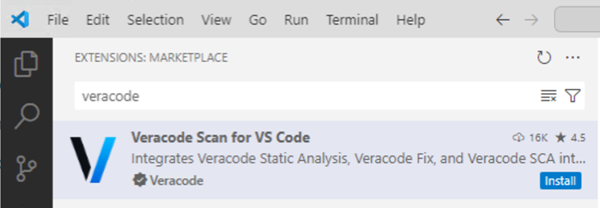
Veracode's CLI now records DASTDASTDynamic application security testing, probing a running application from the outside for vulnerabilities. It checks behavior exposed through the application's interfaces. login sequences without Selenium IDE, while DAST allowed URLs gain directory restrictions and Software Supply ChainSupply ChainThe network of vendors, dependencies, and build processes that produce and deliver software; cyber tools target it because a compromise anywhere upstream can silently backdoor every downstream consumer. Intelligence moves onto the unified REST APIREST APIA web API design style where clients interact with resources over HTTP using standard methods like GET, POST, and DELETE, giving cyber tools a predictable, language-agnostic way to integrate with external services..︀︄︇︀︅︉︀︅︀︀︃︀︀︅︅︀︅︊︀︄︆︀︃︄
Veracode is a cloud-based application security platform that scans code for vulnerabilities using static, dynamic, and software composition analysis testing methods.
Veracode's CLI now records DASTDASTDynamic application security testing, probing a running application from the outside for vulnerabilities. It checks behavior exposed through the application's interfaces. login sequences without Selenium IDE, while DAST allowed URLs gain directory restrictions and Software Supply ChainSupply ChainThe network of vendors, dependencies, and build processes that produce and deliver software; cyber tools target it because a compromise anywhere upstream can silently backdoor every downstream consumer. Intelligence moves onto the unified REST APIREST APIA web API design style where clients interact with resources over HTTP using standard methods like GET, POST, and DELETE, giving cyber tools a predictable, language-agnostic way to integrate with external services..︀︄︇︀︅︉︀︅︀︀︃︀︀︅︅︀︅︊︀︄︆︀︃︄
└──▷ WHAT SHIPPED ·
3 FEATURES0 OF 3 FEATURESmost completely described firstwhat's the number?
Each feature carries 0–100 for how completely the vendor documented
it — not how big or important the work is. A major capability
described in eight words scores low, and that is the finding.
depth0–40what it does and how it works or what changed
specificity0–30names real surfaces — APIs, flags, formats, limits, numbers
actionability0–30enough to go use it — a named endpoint, flag, or config key tops this; a UI path is a starting point
Code and config rank first by construction: a documented endpoint,
flag or config key scores at the top of specificity and actionability,
so it sorts above a feature described only in prose. Under
60 the notes go thin — everything below the “thinner
coverage” line is thinner documentation, not smaller work.
Hover any meter for that feature's three sub-scores.
0100
DAST login recording via CLINot checked yetnew85how completely this was documenteddepth30/40specificity25/30actionability30/3085 / 100
The new experimental veracode dynamic record command, shipped in Veracode CLI v2.56.0, records DAST login sequences in Chrome and saves them as a SIDE file for upload as a login script — no Selenium IDE installation required.︀︄︇︀︅︉︀︅︀︀︃︀︀︅︅︀︅︊︀︄︆︀︃︄
Record a login sequence for a web app so DAST can authenticate during a scan — without needing Selenium IDE installed.
Get started with Semgrep to help you catch, flag, and fix real vulnerabilities before they ship.
Semgrep's latest release adds structured JSON scan logging, expands the hosted MCPMCPModel Context Protocol, a standard for connecting AI applications to external tools and data sources. A compatible server exposes capabilities an assistant can use through a common interface. server with job execution, team management and audit logging, and extends Supply ChainSupply ChainThe network of vendors, dependencies, and build processes that produce and deliver software; cyber tools target it because a compromise anywhere upstream can silently backdoor every downstream consumer. to flag unpinned Python dependencies, alongside editor and Managed Scans improvements.︀︄︇︀︅︉︀︅︀︀︃︀︀︅︅︀︅︊︀︄︆︀︃︄
└──▷ WHAT SHIPPED ·
7 FEATURES0 OF 7 FEATURESmost completely described firstwhat's the number?
Each feature carries 0–100 for how completely the vendor documented
it — not how big or important the work is. A major capability
described in eight words scores low, and that is the finding.
depth0–40what it does and how it works or what changed
specificity0–30names real surfaces — APIs, flags, formats, limits, numbers
actionability0–30enough to go use it — a named endpoint, flag, or config key tops this; a UI path is a starting point
Code and config rank first by construction: a documented endpoint,
flag or config key scores at the top of specificity and actionability,
so it sorts above a feature described only in prose. Under
60 the notes go thin — everything below the “thinner
coverage” line is thinner documentation, not smaller work.
Hover any meter for that feature's three sub-scores.
0100
JSON scan logs via SEMGREP_LOG_JSON_FILENot checked yetnew85how completely this was documenteddepth30/40specificity25/30actionability30/3085 / 100
Setting the SEMGREP_LOG_JSON_FILE environment variable to a file path makes Semgrep write one JSON object per line for each phase start and finish, warning, and error, each tagged with the scan's details.︀︄︇︀︅︉︀︅︀︀︃︀︀︅︅︀︅︊︀︄︆︀︃︄
Pipe structured scan phase timings and errors into jq to diagnose why a large interfile scan timed out.
Hosted MCP server job, team, project and audit capabilitiesNot checked yetnew78how completely this was documenteddepth30/40specificity28/30actionability20/3078 / 100
The hosted MCP server can run scan and workflow jobs from any MCP client via the semgrep_run_job tool, including clients that don't support MCP tasks. It can also list, create, update, and delete teams when your organization uses Teams to manage project access, and filter projects by tag and edit projects including their tags. Audit logs now record when an action was taken through the hosted MCP server, naming the MCP tool and client, and write an audit event for data-changing tool calls even when the underlying action previously did not.
Supply Chain findings for version-range dependenciesNot checked yetnew75how completely this was documenteddepth30/40specificity30/30actionability15/3075 / 100
Semgrep Supply Chain now reports findings for Python dependencies declared with a version range (such as litellm>=1.10) or without a version (such as flask), labeled Needs review; requires Semgrep CLI version 1.184.0 or later.
SSRF-scoped memories in Agentic WorkflowsNot checked yetnew70how completely this was documenteddepth20/40specificity25/30actionability25/3070 / 100
Write memories scoped to SSRFSSRFServer-side request forgery, an attack that tricks a server into making requests chosen by an attacker. Those requests can reach internal services the attacker cannot access directly. triage in Agentic Workflows by selecting SSRF under AI Detection in Rules & Policies > Memories.
Open in editor links for Code findingsNot checked yetimproved55how completely this was documenteddepth25/40specificity15/30actionability15/3055 / 100
Rule-based Semgrep Code findings now include an Open in editor link, and a finding's rule modal now includes Edit rule, both opening the rule in Semgrep Editor with the finding's file as test code scrolled to the finding's line.
Paginated, filterable rule Library in Semgrep EditorNot checked yetimproved55how completely this was documenteddepth20/40specificity20/30actionability15/3055 / 100
Semgrep Editor's Library now loads rules in pages and supports filtering by language, source, severity, visibility, and ownership, and grouping by folder or ruleset.
Snyk Code is a static application security testing (SAST) tool that scans developer code in real time to identify and fix security vulnerabilities.
Snyk Code's biggest addition this window is Snyk Studio, a new way to wire AI coding assistants into Snyk via an agentic installer and a local MCPMCPModel Context Protocol, a standard for connecting AI applications to external tools and data sources. A compatible server exposes capabilities an assistant can use through a common interface. server, alongside a more thorough snyk fix --agentic that now chases down vulnerabilities its own upgrades introduce.︀︄︇︀︅︉︀︅︀︀︃︀︀︅︅︀︅︊︀︄︆︀︃︄
└──▷ WHAT SHIPPED ·
3 FEATURES0 OF 3 FEATURESmost completely described firstwhat's the number?
Each feature carries 0–100 for how completely the vendor documented
it — not how big or important the work is. A major capability
described in eight words scores low, and that is the finding.
depth0–40what it does and how it works or what changed
specificity0–30names real surfaces — APIs, flags, formats, limits, numbers
actionability0–30enough to go use it — a named endpoint, flag, or config key tops this; a UI path is a starting point
Code and config rank first by construction: a documented endpoint,
flag or config key scores at the top of specificity and actionability,
so it sorts above a feature described only in prose. Under
60 the notes go thin — everything below the “thinner
coverage” line is thinner documentation, not smaller work.
Hover any meter for that feature's three sub-scores.
0100
Snyk Studio installation and managementNot checked yetnew90how completely this was documenteddepth30/40specificity30/30actionability30/3090 / 100
Install Snyk Studio into AI coding assistants with snyk studio install --experimental, targeting specific assistants via --ade=claude,cursor, previewing changes with --dry-run, validating with --verify, and removing it with --uninstall or --uninstall --dry-run.︀︄︇︀︅︉︀︅︀︀︃︀︀︅︅︀︅︊︀︄︆︀︃︄ Debug output can be inspected with snyk studio logs --experimental --level=debug. The installer also now places VS Code Copilot hooks in the correct location, adds MCP support for Antigravity, and lets you exclude a specific assistant from every install.
Bootstrap Snyk Studio for Claude and Cursor at the same time, then verify the installation succeeded — useful for onboarding a team where both assistants are in use.
$ snyk studio install --experimental--ade=claude,cursor--verify
— Names every flag and subcommand with a runnable example.2026-11-22-a7b308dc
0200
Agentic fix for self-introduced transitive vulnerabilitiesNot checked yetimproved78how completely this was documenteddepth25/40specificity28/30actionability25/3078 / 100
snyk fix --agentic --auto-approve --issue-ids now also remediates new vulnerabilities introduced by its own upgrades when they match --severity-filter or --severity-threshold.
Automatically fix vulnerabilities flagged in an Agentic Security Review report, including transitive issues introduced by the fixes themselves, without prompting for approval.
— Names flags and the before/after behaviour change precisely.2026-11-22-a7b308dc
0300
Local MCP server in stdio modeNot checked yetnew75how completely this was documenteddepth20/40specificity25/30actionability30/3075 / 100
Run the local MCP server with snyk mcp -t stdio, or use a lighter profile via snyk mcp -t stdio --profile=lite, to give AI coding assistants direct access to Snyk tools.
Run the Snyk MCP server in lightweight mode for a local AI coding assistant that connects over stdio, reducing resource use on a developer machine.
$ snyk mcp -t stdio --profile=lite
— Exact command and flag given, but behaviour of 'lite' profile unexplained.2026-11-22-a7b308dc
Snyk Open Source is a developer security tool that finds, prioritizes, and fixes vulnerabilities in open source dependencies within your projects.
Snyk Open Source introduces Snyk Studio, an MCPMCPModel Context Protocol, a standard for connecting AI applications to external tools and data sources. A compatible server exposes capabilities an assistant can use through a common interface.-backed agentic scanning layer with its own install and diagnostics tooling, alongside a standalone local MCP server, new sbtsbtA build tool for Scala and Java projects, maintained by the open-source community, that handles compilation, dependency resolution, and packaging using an incremental build model to speed up iterative development. 2 support, deeper pip dependency resolution, and a breaking change to npm vulnerability reporting accuracy.︀︄︇︀︅︉︀︅︀︀︃︀︀︅︅︀︅︊︀︄︆︀︃︄
└──▷ WHAT SHIPPED ·
5 FEATURES1 OF 5 FEATURESmost completely described firstwhat's the number?
Each feature carries 0–100 for how completely the vendor documented
it — not how big or important the work is. A major capability
described in eight words scores low, and that is the finding.
depth0–40what it does and how it works or what changed
specificity0–30names real surfaces — APIs, flags, formats, limits, numbers
actionability0–30enough to go use it — a named endpoint, flag, or config key tops this; a UI path is a starting point
Code and config rank first by construction: a documented endpoint,
flag or config key scores at the top of specificity and actionability,
so it sorts above a feature described only in prose. Under
60 the notes go thin — everything below the “thinner
coverage” line is thinner documentation, not smaller work.
Hover any meter for that feature's three sub-scores.
0100
Snyk Studio installation and diagnosticsNot checked yetnew85how completely this was documenteddepth25/40specificity30/30actionability30/3085 / 100
Snyk Studio can be installed into AI-assisted development environments with snyk studio install --experimental, with optional flags --ade=claude,cursor, --dry-run, --verify, and --uninstall to customise or reverse the setup.︀︄︇︀︅︉︀︅︀︀︃︀︀︅︅︀︅︊︀︄︆︀︃︄ Diagnostic output can be streamed at configurable verbosity with snyk studio logs --experimental --level=debug.
Bootstrap Snyk Studio into Claude and Cursor on a developer machine, then confirm what will change before committing.
$ snyk studio install --experimental--ade=claude,cursor--dry-run
Tail verbose Snyk Studio logs while troubleshooting an agentic scan that is not triggering.
$ snyk studio logs --experimental--level=debug
— Exact flags and commands given, but underlying mechanism of Studio itself unexplained2026-11-22-54bda31e
0200
Local MCP server for AI assistantsNot checked yetnew85how completely this was documenteddepth25/40specificity30/30actionability30/3085 / 100
Snyk's local MCP server can run in stdio mode with snyk mcp -t stdio, or in a lighter footprint with snyk mcp -t stdio --profile=lite, and can be wired to any MCP-compatible assistant via args: ['mcp', '-t', 'stdio'].
Attach Snyk's MCP server to any stdio-compatible AI assistant so it can invoke Snyk tools directly during code generation.
$ snyk mcp -t stdio --profile=lite
— Exact command and config snippet provided for direct use2026-11-22-54bda31e
thinner coverage below
0300
sbt 2 project scanningNot checked yetnew55how completely this was documenteddepth20/40specificity20/30actionability15/3055 / 100
Snyk Open Source now scans sbt 2 projects via snyk test and snyk monitor, requiring Java 17 or later.
— Names commands and Java requirement but no further mechanism2026-11-22-54bda31e
0401
Accurate npm peer dependency reportingNot checked yetbreaking55how completely this was documenteddepth25/40specificity20/30actionability10/3055 / 100
npm scans of projects with lockfile v2 or v3 may now show new vulnerabilities on upgrade, due to peer dependency and duplicate-package version reporting now being accurate.
Deeper pip dependency resolutionNot checked yetimproved45how completely this was documenteddepth20/40specificity15/30actionability10/3045 / 100
pip scans now include packages pulled in through extras and respect environment markers on requirements.
— Describes what changed but no command or config to act on2026-11-22-54bda31e
└──▷ BREAKING ON UPGRADE
!
npm scans of projects with lockfile v2 or v3 may show new vulnerabilities on upgrade, due to peer dependency and duplicate-package version reporting now being accurate.
OpenQodex expanded graph references to catch more type-cast patterns across TypeScript, Python, and Go, improved floor caller-list reporting for test-only callers, and made killed-scanner errors and incomplete caller-list detection more precise.︀︄︇︀︅︉︀︅︀︀︃︀︀︅︅︀︅︊︀︄︆︀︃︄
OpenQodex is a join the world's most widely adopted, AI-powered developer platform where millions of developers, businesses, and the largest open source community build software that advances humanity.
OpenQodex expanded graph references to catch more type-cast patterns across TypeScript, Python, and Go, improved floor caller-list reporting for test-only callers, and made killed-scanner errors and incomplete caller-list detection more precise.︀︄︇︀︅︉︀︅︀︀︃︀︀︅︅︀︅︊︀︄︆︀︃︄
└──▷ WHAT SHIPPED ·
4 FEATURES0 OF 4 FEATURESmost completely described firstwhat's the number?
Each feature carries 0–100 for how completely the vendor documented
it — not how big or important the work is. A major capability
described in eight words scores low, and that is the finding.
depth0–40what it does and how it works or what changed
specificity0–30names real surfaces — APIs, flags, formats, limits, numbers
actionability0–30enough to go use it — a named endpoint, flag, or config key tops this; a UI path is a starting point
Code and config rank first by construction: a documented endpoint,
flag or config key scores at the top of specificity and actionability,
so it sorts above a feature described only in prose. Under
60 the notes go thin — everything below the “thinner
coverage” line is thinner documentation, not smaller work.
Hover any meter for that feature's three sub-scores.
0100
Cast-site coverage in graph referencesNot checked yetimproved80how completely this was documenteddepth30/40specificity30/30actionability20/3080 / 100
The graph references command now lists type usages in casts that were previously missed: TypeScript angle-bracket casts (<Row>x), import-type casts (x as import('./types').Row), Python typing.cast(Foo, x), cast('Foo', x), and cast(typ=Foo, val=x), and Go type assertions (v.(Bar)).︀︄︇︀︅︉︀︅︀︀︃︀︀︅︅︀︅︊︀︄︆︀︃︄
— Names every cast pattern and language it now coversopenqodex@0.22.1
0200
Test-only caller detection in floor listsNot checked yetimproved75how completely this was documenteddepth30/40specificity25/30actionability20/3075 / 100
Floor caller lists now report unknown.scope as tests and set unknown.note to a sentence naming up to three hiding files when every potential hidden caller is in a test, fixture, corpus, benchmark, or top-level script, with the CLI printing that sentence after floor:.
— Names exact fields and output format but no example shownopenqodex@0.22.1
thinner coverage below
0300
Signal-aware scanner kill errorsNot checked yetimproved50how completely this was documenteddepth20/40specificity20/30actionability10/3050 / 100
When a scanner is killed by a signal OpenQodex did not send, the error message now names the signal (for example, 'sqlfluff was killed by SIGKILL') instead of a generic sqlfluff was killed.
— Concrete example given but minor, no config surfaceopenqodex@0.22.1
0400
Fewer false-positive floors in JS/TS caller listsNot checked yetimproved50how completely this was documenteddepth25/40specificity15/30actionability10/3050 / 100
Caller lists of TypeScript and JavaScript functions are now less often marked incomplete: a callback elsewhere in the package no longer marks every function's list a floor, and timers given a provable local function no longer keep a floor.
— Explains behavior change but lacks a concrete named surfaceopenqodex@0.22.1
Cloudsmith made API key expiration rules generally available with independent schedules per account type, added CEP-16 sharded repodata support for Conda channels, and shipped CLI v1.31.0 with AI skills and build-tool credential helpers.︀︄︇︀︅︉︀︅︀︀︃︀︀︅︅︀︅︊︀︄︆︀︃︄
Cloudsmith is a fully-managed artifact management, software supply chain security, and software distribution platform.
Cloudsmith made API key expiration rules generally available with independent schedules per account type, added CEP-16 sharded repodata support for Conda channels, and shipped CLI v1.31.0 with AI skills and build-tool credential helpers.︀︄︇︀︅︉︀︅︀︀︃︀︀︅︅︀︅︊︀︄︆︀︃︄
└──▷ WHAT SHIPPED ·
3 FEATURES0 OF 3 FEATURESmost completely described firstwhat's the number?
Each feature carries 0–100 for how completely the vendor documented
it — not how big or important the work is. A major capability
described in eight words scores low, and that is the finding.
depth0–40what it does and how it works or what changed
specificity0–30names real surfaces — APIs, flags, formats, limits, numbers
actionability0–30enough to go use it — a named endpoint, flag, or config key tops this; a UI path is a starting point
Code and config rank first by construction: a documented endpoint,
flag or config key scores at the top of specificity and actionability,
so it sorts above a feature described only in prose. Under
60 the notes go thin — everything below the “thinner
coverage” line is thinner documentation, not smaller work.
Hover any meter for that feature's three sub-scores.
0100
Independent API key expiration rules per account typeNot checked yetnew60how completely this was documenteddepth25/40specificity20/30actionability15/3060 / 100
API key expiration and rotation rules are now generally available and can be set independently for user accounts and service accounts — for example, rotating user keys every 30 days while service account keys rotate every 60 days.︀︄︇︀︅︉︀︅︀︀︃︀︀︅︅︀︅︊︀︄︆︀︃︄
CEP-16 sharded repodata for Conda channelsNot checked yetnew55how completely this was documenteddepth25/40specificity20/30actionability10/3055 / 100
Conda channels now support CEP-16 sharded repodata, letting compatible clients resolve dependencies without downloading an entire channel metadata file.
CLI v1.31.0: AI skills and build-tool credential helpersNot checked yetimproved55how completely this was documenteddepth15/40specificity25/30actionability15/3055 / 100
CLI v1.31.0 adds AI skills, and credential helpers for Maven, Gradle, and sbt, plus warnings for renamed CLI options.
Abnormal AI's biggest release in this window adds interactive phishing coaching, three new AI agents for vendor, lateral, and mailbox-reported phishing, and a wave of new detectors spanning calendar invites, callback scams, prompt-injectionprompt-injectionAn attack where text the model reads, such as a web page, file or tool result, carries instructions that override the user's. It is the main security risk for agents with tools. text, coworker impersonation, and Microsoft 365/Entra IDEntra IDMicrosoft's cloud-based identity and access management service, formerly Azure Active Directory, used by cyber tools to authenticate users and enforce access policies in Microsoft 365 and Azure environments. identity threats.︀︄︇︀︅︉︀︅︀︀︃︀︀︅︅︀︅︊︀︄︆︀︃︄
Abnormal AI is a behavioral AI security platform that protects email, identity, and AI—and stops insider threats. Trusted by 5,000 organizations.
Abnormal AI's biggest release in this window adds interactive phishing coaching, three new AI agents for vendor, lateral, and mailbox-reported phishing, and a wave of new detectors spanning calendar invites, callback scams, prompt-injectionprompt-injectionAn attack where text the model reads, such as a web page, file or tool result, carries instructions that override the user's. It is the main security risk for agents with tools. text, coworker impersonation, and Microsoft 365/Entra IDEntra IDMicrosoft's cloud-based identity and access management service, formerly Azure Active Directory, used by cyber tools to authenticate users and enforce access policies in Microsoft 365 and Azure environments. identity threats.︀︄︇︀︅︉︀︅︀︀︃︀︀︅︅︀︅︊︀︄︆︀︃︄
└──▷ WHAT SHIPPED ·
7 FEATURES3 OF 7 FEATURESmost completely described firstwhat's the number?
Each feature carries 0–100 for how completely the vendor documented
it — not how big or important the work is. A major capability
described in eight words scores low, and that is the finding.
depth0–40what it does and how it works or what changed
specificity0–30names real surfaces — APIs, flags, formats, limits, numbers
actionability0–30enough to go use it — a named endpoint, flag, or config key tops this; a UI path is a starting point
Code and config rank first by construction: a documented endpoint,
flag or config key scores at the top of specificity and actionability,
so it sorts above a feature described only in prose. Under
60 the notes go thin — everything below the “thinner
coverage” line is thinner documentation, not smaller work.
Hover any meter for that feature's three sub-scores.
0101
Microsoft 365 and Entra ID identity threat detectionsNot checked yetnew70how completely this was documenteddepth35/40specificity25/30actionability10/3070 / 100
Adds compromised internal-sender detection from user phishing reports for Microsoft 365 (employee-reported phishing from a colleague's account feeds compromise detection even when the message itself scored safe), login-timing (time-of-week) anomaly detection that profiles each user's typical weekly login pattern and flags sign-ins outside normal hours, and low-and-slow brute-force detection for Identity Threat Protection customers that evaluates failed sign-in patterns across up to 7-day windows to catch paced credential-guessing campaigns.︀︄︇︀︅︉︀︅︀︀︃︀︀︅︅︀︅︊︀︄︆︀︃︄
New phishing detection models and signalsNot checked yetnew65how completely this was documenteddepth30/40specificity25/30actionability10/3065 / 100
Adds a detector for phishing hidden inside calendar invite files, including fake invites that prior detection missed; a callback scam model that catches emails and attachments pushing recipients to call an attacker's phone number; new signals for punycode lookalike subdomains and invisible Unicode characters that may carry prompt-injection instructions; and a new detection layer for emails impersonating real coworkers such as fake file-sharing notifications and messages from lookalike personal email accounts. Also improves detection of phishing phrases and phone numbers disguised with invisible characters or look-alike digits.
Expanded attachment text and visual analysisNot checked yetimproved60how completely this was documenteddepth25/40specificity25/30actionability10/3060 / 100
Expands attachment text detection to HTML, EML, calendar invites, and Office documents, and adds visual attachment analysis that scans QR codes and links inside attachments.
New AI AgentsNot checked yetnew55how completely this was documenteddepth30/40specificity15/30actionability10/3055 / 100
Adds three new AI agents: a vendor AI agent for vendor email compromise that compares suspicious vendor emails against past correspondence and inspects links and attachments to automatically detect and remediate vendor email compromise, opening a vendor case on high-confidence verdicts; a lateral AI agent for internal phishing that reads email threads and weighs sender relationships and account takeover status to automatically triage and remediate internal phishing, opening an account takeover case on the sending account; and an AI agent classifier inside AI Security Mailbox that triages user-reported emails.
— Clear mechanism, no exposed config surface Clear mechanism, automatic trigger not user-invoked Names the product area but mechanism is thinchangelog-20261122-7cc9efbf
0500
Interactive Coaching in Just-in-Time Coaching pagesNot checked yetnew50how completely this was documenteddepth25/40specificity15/30actionability10/3050 / 100
Employees who click a risky email are walked back through it, review each red flag they missed, and retake a closing quiz with immediate feedback — the feature requires no setup.
Spam bomb protection extended to low-volume attacksNot checked yetimproved40how completely this was documenteddepth20/40specificity15/30actionability5/3040 / 100
Extends spam bomb protection to lower-volume attacks and to government customers, now remediating messages even when they resemble graymail.
Snyk Container now reports image digests and can automatically reuse existing Docker credentials when testing or monitoring images.︀︄︇︀︅︉︀︅︀︀︃︀︀︅︅︀︅︊︀︄︆︀︃︄
Snyk Container scans container images and Dockerfiles for vulnerabilities, helping developers identify and fix security issues in their containerized applications.
Snyk Container now reports image digests and can automatically reuse existing Docker credentials when testing or monitoring images.︀︄︇︀︅︉︀︅︀︀︃︀︀︅︅︀︅︊︀︄︆︀︃︄
└──▷ WHAT SHIPPED ·
2 FEATURES0 OF 2 FEATURESmost completely described firstwhat's the number?
Each feature carries 0–100 for how completely the vendor documented
it — not how big or important the work is. A major capability
described in eight words scores low, and that is the finding.
depth0–40what it does and how it works or what changed
specificity0–30names real surfaces — APIs, flags, formats, limits, numbers
actionability0–30enough to go use it — a named endpoint, flag, or config key tops this; a UI path is a starting point
Code and config rank first by construction: a documented endpoint,
flag or config key scores at the top of specificity and actionability,
so it sorts above a feature described only in prose. Under
60 the notes go thin — everything below the “thinner
coverage” line is thinner documentation, not smaller work.
Hover any meter for that feature's three sub-scores.
0100
Automatic Docker credential fallbackNot checked yetimproved65how completely this was documenteddepth20/40specificity20/30actionability25/3065 / 100
snyk container test and snyk container monitor can now be used without passing registry credentials explicitly — both commands fall back to your existing docker login credentials automatically.︀︄︇︀︅︉︀︅︀︀︃︀︀︅︅︀︅︊︀︄︆︀︃︄
Give feedback to the Huntress team so we can make more informed product decisions. Powered by Canny.
Huntress shipped per-client overrides for RMM Guard, portal credential sign-in for its MCPMCPModel Context Protocol, a standard for connecting AI applications to external tools and data sources. A compatible server exposes capabilities an assistant can use through a common interface. integration, general availability of the redesigned Security Insights Report (replacing the legacy Threat Report), and a generally available ConnectWise Manage PSA Response Pod for in-ticket incident handling.︀︄︇︀︅︉︀︅︀︀︃︀︀︅︅︀︅︊︀︄︆︀︃︄
└──▷ WHAT SHIPPED ·
3 FEATURES1 OF 3 FEATURESmost completely described firstwhat's the number?
Each feature carries 0–100 for how completely the vendor documented
it — not how big or important the work is. A major capability
described in eight words scores low, and that is the finding.
depth0–40what it does and how it works or what changed
specificity0–30names real surfaces — APIs, flags, formats, limits, numbers
actionability0–30enough to go use it — a named endpoint, flag, or config key tops this; a UI path is a starting point
Code and config rank first by construction: a documented endpoint,
flag or config key scores at the top of specificity and actionability,
so it sorts above a feature described only in prose. Under
60 the notes go thin — everything below the “thinner
coverage” line is thinner documentation, not smaller work.
Hover any meter for that feature's three sub-scores.
0100
Per-client overrides in RMM GuardNot checked yetnew90how completely this was documenteddepth30/40specificity30/30actionability30/3090 / 100
Approve or reject an RMM tool for a single client organization without affecting the account-level decision for other clients.︀︄︇︀︅︉︀︅︀︀︃︀︀︅︅︀︅︊︀︄︆︀︃︄ Use the Overridden filter in the RMM Tools Inventory to list all tools with organization-level decisions, and Reset to account default to remove an override; per-organization RMM Guard dashboards and tools inventory are now accessible under ESPM in the left navigation while viewing an organization.
Reject a specific RMM tool for one client without affecting other organizations — open that client's RMM Guard dashboard and act from the tool drawer.
📍In the Huntress portal, navigate to the target organization › ESPM › RMM Guard. Open the tool drawer for the RMM tool and select Reject. To revert, choose Reset to account default.
Audit which RMM tools have organization-level overrides across your account to spot inconsistent decisions.
📍In the Huntress portal, go to the account-level RMM Tools Inventory and apply the Overridden filter. Open any flagged tool to see each organization's decision and which ones show an Org override badge.
Security Insights Report general availabilityNot checked yetbreaking85how completely this was documenteddepth35/40specificity30/30actionability20/3085 / 100
Security Insights Report is now generally available for all accounts, replacing the legacy Threat Report, with monthly and quarterly views covering detection and response activity, security coverage, and SOCSOCA security operations center, the team or function that monitors threats, investigates alerts and coordinates incident response. Its work can be internal, outsourced or shared. work; find it on the Reports page or receive it by email to the same recipients as the legacy report. It adds two new EDREDREndpoint detection and response, monitoring computers for suspicious behavior and providing investigation and response controls, such as isolating a device. pages, Firewall Status Monitoring and External Recon, plus product-level breakdowns for Managed EDR, ITDRITDRIdentity Threat Detection and Response: a discipline focused on detecting and responding to attacks that abuse identity systems such as Active Directory or IAM platforms, giving cyber tools visibility into credential-based intrusions., SIEMSIEMSecurity information and event management, collecting logs from many systems and correlating events to find suspicious activity. Analysts use it to investigate alerts and incidents., and ISPMISPMIdentity Security Posture Management: a discipline for continuously discovering, assessing, and remediating identity-related risks across users, accounts, and entitlements, giving cyber tools a unified view of identity exposure. and a cross-product Incident Summary page. Starting March 1, 2027, only the Security Insights Report will be generated and the legacy Threat Report will no longer be produced, so any workflow that forwards, parses, or archives the legacy report must be updated before that date.
ConnectWise Response Pod for incident responseNot checked yetnew80how completely this was documenteddepth30/40specificity25/30actionability25/3080 / 100
ConnectWise Manage PSA Response Pod is now generally available, letting technicians approve or reject remediation plans, mark manual remediations complete, add comments, and resolve incident reports and escalations directly from a ConnectWise service ticket without switching to the Huntress portal.
Respond to a Huntress incident without leaving ConnectWise — approve remediation and resolve the escalation directly from the service ticket.
📍In ConnectWise Manage (web or desktop), open the Huntress-generated service ticket. Use the Response Pod panel to review the remediation plan, select Approve, and then Resolve incident report once manual steps are complete.
Starting March 1, 2027, only the Security Insights Report will be generated; the legacy Threat Report will no longer be produced. Any workflow that forwards, parses, or archives the legacy report must be updated before that date.
pySigma v2.1.1 adds duplicate rule-name detection during collection validation and introduces a configurable regex engine policy for SigmaMatcher.︀︄︇︀︅︉︀︅︀︀︃︀︀︅︅︀︅︊︀︄︆︀︃︄
pySigma is a Python library for parsing, transforming, and converting Sigma detection rules into backend-specific query languages for SIEM platforms.
pySigma v2.1.1 adds duplicate rule-name detection during collection validation and introduces a configurable regex engine policy for SigmaMatcher.︀︄︇︀︅︉︀︅︀︀︃︀︀︅︅︀︅︊︀︄︆︀︃︄
└──▷ WHAT SHIPPED ·
2 FEATURES1 OF 2 FEATURESmost completely described firstwhat's the number?
Each feature carries 0–100 for how completely the vendor documented
it — not how big or important the work is. A major capability
described in eight words scores low, and that is the finding.
depth0–40what it does and how it works or what changed
specificity0–30names real surfaces — APIs, flags, formats, limits, numbers
actionability0–30enough to go use it — a named endpoint, flag, or config key tops this; a UI path is a starting point
Code and config rank first by construction: a documented endpoint,
flag or config key scores at the top of specificity and actionability,
so it sorts above a feature described only in prose. Under
60 the notes go thin — everything below the “thinner
coverage” line is thinner documentation, not smaller work.
Hover any meter for that feature's three sub-scores.
0101
Configurable regex engine via SigmaMatcher policyNot checked yetbreaking90how completely this was documenteddepth35/40specificity25/30actionability30/3090 / 100
SigmaMatcher now accepts a policy argument to control which regex engine is used when compiling rule patterns, defaulting to the pipeline's policy.︀︄︇︀︅︉︀︅︀︀︃︀︀︅︅︀︅︊︀︄︆︀︃︄ For example, passing SafePolicy() from sigma.processing.conditions enforces RE2RE2A regular-expression engine developed by Google that guarantees linear-time matching, preventing the catastrophic backtracking that plagues PCRE-style engines and making it safe to run untrusted patterns. outside a full pipeline context. Under SafePolicy, rules using backreferences or lookaround now raise an error when the matcher is created.
Pass an explicit policy to SigmaMatcher to control the regex engine used when compiling rule patterns, for example to enforce RE2 outside of a full pipeline context.
python
from sigma.matching import SigmaMatcher
from sigma.processing.conditions import SafePolicy

matcher = SigmaMatcher(rule, policy=SafePolicy())
— Names exact class, argument, policy, and breaking behaviour with runnable codev2.1.1
thinner coverage below
0200
Duplicate rule name detection in validationNot checked yetnew35how completely this was documenteddepth15/40specificity10/30actionability10/3035 / 100
Sigma rule collection validation now reports duplicate rule names, helping catch naming collisions across a rule set.
— States what changed but no mechanism or validation API shownv2.1.1
└──▷ BREAKING ON UPGRADE
!
Under SafePolicy, rules that use backreferences or lookaround now raise an error when the matcher is created.
ClickHouse is an open-source columnar database management system designed for real-time analytics and ultra-fast SQL queries on large datasets.
ClickHouse shipped clickhousectl v0.6.0, adding Git-style project-root discovery, password-free Cloud authentication, a command search subcommand, shell completions, and Postgres 19 support, alongside pg_clickhouse 0.11.1, which adds pgvector type mapping with distance-operator pushdown and extends DML and aggregate pushdown to PostgreSQL.︀︄︇︀︅︉︀︅︀︀︃︀︀︅︅︀︅︊︀︄︆︀︃︄
└──▷ WHAT SHIPPED ·
10 FEATURES1 OF 10 FEATURESmost completely described firstwhat's the number?
Each feature carries 0–100 for how completely the vendor documented
it — not how big or important the work is. A major capability
described in eight words scores low, and that is the finding.
depth0–40what it does and how it works or what changed
specificity0–30names real surfaces — APIs, flags, formats, limits, numbers
actionability0–30enough to go use it — a named endpoint, flag, or config key tops this; a UI path is a starting point
Code and config rank first by construction: a documented endpoint,
flag or config key scores at the top of specificity and actionability,
so it sorts above a feature described only in prose. Under
60 the notes go thin — everything below the “thinner
coverage” line is thinner documentation, not smaller work.
Hover any meter for that feature's three sub-scores.
0100
pgvector type mapping and distance-operator pushdownNot checked yetnew90how completely this was documenteddepth35/40specificity30/30actionability25/3090 / 100
ClickHouse Array(Float32) and Array(Float64) columns can be mapped to PostgreSQL's vector type via CREATE FOREIGN TABLE with explicit column type definitions.︀︄︇︀︅︉︀︅︀︀︃︀︀︅︅︀︅︊︀︄︆︀︃︄ pgvector distance operators <->, <+>, <=>, and <#>, plus equality = and <>, push down to ClickHouse's L2Distance, L1Distance, cosineDistance, and dotProduct respectively, and ClickHouse vector_similarity index usage (e.g. HNSWHNSWHierarchical Navigable Small World, a graph index that finds approximate nearest neighbours among millions of vectors in milliseconds. Most vector databases use it by default.) is reported in EXPLAIN (VERBOSE) output via Vector Index and Vector Index Not Used plan lines.
Run nearest-neighbour vector search from PostgreSQL against a ClickHouse table backed by an HNSW index, using the pgvector L2 distance operator.
$ SELECT id FROM items ORDER BY v <-> '[0.3,-0.2,0.5,0.1]' LIMIT 5;
Map a ClickHouse Array(Float32) column to a PostgreSQL vector column so pgvector operators work over the foreign table.
$ CREATE EXTENSION vector;
CREATE FOREIGN TABLE items (
  id int NOT NULL,
  category text NOT NULL,
  v vector(4) NOT NULL
) SERVER ch_server;
Project-root discovery and config merging for local commandsNot checked yetnew86how completely this was documenteddepth30/40specificity28/30actionability28/3086 / 100
Running clickhousectl local init once marks a project root via .clickhouse/, and any local command run from a subdirectory walks up to find it the way Git walks up to .git/. The CLICKHOUSECTL_PROJECT_DIR environment variable pins a root for CI and monorepos, skipping directory-walk discovery, and server config is automatically merged from ~/.clickhouse/config.d/ (machine-wide) and clickhouse/config.d/ in the project root before every local clickhouse start, so team config can be checked into the repo.
Initialise a project root so all local commands resolve correctly from any subdirectory, then start a named server and query it from a nested directory.
$ clickhousectl local init
clickhousectl local clickhouse start dev
cd src/app
clickhousectl local client dev --query "SELECT version()"
Password-free Cloud authentication and connection handlingNot checked yetnew86how completely this was documenteddepth30/40specificity28/30actionability28/3086 / 100
cloud clickhouse client signs in through the browser as your Cloud user over native TLS without a password (requires ClickHouse 25.12+). cloud clickhouse create --dotenv writes a new service's connection settings and one-time password to a .env file instead of terminal output, and cloud clickhouse dotenv <service-id> retrieves an existing service's settings without a password, writing CLICKHOUSE_HOST, CLICKHOUSE_PORT, CLICKHOUSE_HTTP_PORT, CLICKHOUSE_USER, and CLICKHOUSE_SECURE=true to a file.
Create a new Cloud ClickHouse service and write its connection settings and one-time password to .env.local so the credential never appears in terminal output.
Keyword search for CLI commands and flagsNot checked yetnew72how completely this was documenteddepth25/40specificity22/30actionability25/3072 / 100
A new top-level search subcommand finds any command or flag by keyword, with --limit (default 5) controlling result count and --json producing machine-readable output.
Find which flags control IP access lists when you know the console term but not the CLI flag name.
JSONB, timezone and numeric pushdown fixesNot checked yetimproved55how completely this was documenteddepth20/40specificity25/30actionability10/3055 / 100
JSONB subscript syntax data['a']['b'] now pushes down to ClickHouse column dot notation. On ClickHouse 23.6+, session_timezone is always set to match the PostgreSQL TimeZone and passed to DateTime functions. Bare NUMERIC columns now use Decimal(76, 38), the largest possible ClickHouse decimal size, with trailing zeros trimmed from results.
NULL-returning aggregate pushdownNot checked yetimproved50how completely this was documenteddepth20/40specificity20/30actionability10/3050 / 100
Aggregate functions like sum, avg, and min now push down as sumOrNull, avgOrNull, and minOrNull, returning NULL instead of a ClickHouse default value (e.g. 0) when aggregating no values.
Shell completions and feedback subcommandNot checked yetnew45how completely this was documenteddepth15/40specificity15/30actionability15/3045 / 100
clickhousectl completions <shell> enables Tab completion for clickhousectl and chctl in bash, zsh, or fish when added to a shell startup file. A new feedback subcommand sends free-text feedback, up to 500 characters, directly to the ClickHouse team.
OAuth re-login required after v0.6.0 upgradeNot checked yetbreaking30how completely this was documenteddepth10/40specificity10/30actionability10/3030 / 100
OAuth logins saved by clickhousectl v0.5.x require one fresh login after upgrading to v0.6.0.
ClickHouse adds an Arrow Flight SQLArrow Flight SQLAn Apache Arrow protocol that lets clients query databases and stream results as Arrow-format columnar data over gRPC, giving cyber tools high-throughput, zero-copy data transfer without custom connectors. connector for Power BI in public preview, enabling direct columnar transfer via gRPCgRPCAn open-source remote procedure call framework from Google that uses HTTP/2 and Protocol Buffers to let services call each other's functions across a network, giving tools low-latency, strongly typed inter-process communication./TLS with no gateway, query folding, and faithful Decimal/UInt64 types.
Enable the Arrow Flight interface on self-managed ClickHouse (26.5 or later) via <arrowflight_port>, <enable_ssl>, <ssl_cert_file>, and <ssl_key_file> in clickhouse config to expose a gRPC/TLS endpoint on port 9090. Not checked yet
ClickHouse adds an Arrow Flight SQL connector for Power BI, now in public preview, that connects Power BI directly to ClickHouse over Arrow Flight SQL with no on-premises data gateway required. Not checked yet
Query folding pushes filters, sorts, group-bys, and inner joins from Power Query down to ClickHouse as SQL, so only needed results are returned. Not checked yet
Pass arbitrary SQL directly through Power Query using Value.NativeQuery for full control over what ClickHouse executes. Not checked yet
Decimal and UInt64 column values now reach Power Query without floating-point conversion. Not checked yet
+1 moreshow less
Every Arrow Flight connection is gRPC over TLS with full certificate validation and no plaintext mode. Not checked yet
JumpCloud makes it simple to manage Windows, Apple, Linux, and Android devices and to deliver secure access with SSO, MFA, Zero Trust, RADIUS, and more.
JumpCloud adds separate DDM enforcement settings for major and minor macOS updates, and a consolidated Restrictions policy for macOS and iOS/iPadOS under Device Management > Policy Management.
Updated supported platformConfigure enforcement for major macOS upgrades and minor macOS updates independently in the declarative device management (DDM) Automatic macOS Updates policy, with separate grace periods and local enforcement times for each update type. Not checked yet
New supported platformManage Apple device restrictions for macOS and iOS/iPadOS through a single Restrictions policy under Device Management > Policy Management, covering system settings, privacy and security, biometrics, iCloud, and Apple Intelligence & Siri. Not checked yet
Compyl is the AI-powered GRC platform that maps one control library to SOC 2, ISO 27001, HIPAA, PCI DSS and 70+ frameworks, so you stay audit-ready year-round.
Compyl adds custom fields on Questionnaires and Controls, bulk blueprint scheduling, Trust Center access-request workflows, and Google Drive policy publishing.
Add custom fields to Questionnaires: admins can create an extension form, and the fields appear on each questionnaire and can be queried in Query Builder. Not checked yet
Add custom fields to Controls: admins can define them, users can view and edit them in the control drawer, see them as columns in the Controls grid, and fill them in through CSV import. Not checked yet
Set a bulk run schedule for blueprints to move many blueprints to a new cadence (for example, monthly to daily) in one step. Not checked yet
Trust Center Admin module now lives at /trust-center-admin in the navigation, breadcrumb, and page title, freeing up /trust-center for the public Trust Center page. Not checked yet
Trust Center access requests now reach reviewers: requests go straight to Pending, reviewers are emailed on arrival, and visitors are notified when a decision is made. Not checked yet
+3 moreshow less
Configure Google Drive publishing through the new External Publishing section on policies, which also shows which publishing providers are currently set up. Not checked yet
Complexity is no longer required on risks: risks save without it from the form, import, and the API, and inherent and residual scores are calculated as before. Not checked yet
Machine inventory now includes antivirus health: signature version, last signature update, antivirus mode, engine version, and whether signatures are current. Not checked yet
Minimal is a secure, declarative runtimes for Claude Code, Gemini, Codex, Pi and more, so you can run multiple agents safely on your stack from a verified software supply chain.
Minimal shipped a Box Egress Proxy (bep) with hash-chained audit records, leaf certificates, CA rotation and hardware-backed key storage, alongside new min secret and min box audit commands, opt-in OpenTelemetryOpenTelemetryAn open standard and set of tools for collecting traces, metrics and logs from applications. It lets services export observability data without tying instrumentation to one monitoring vendor. tracing across its binaries, and a breaking removal of the old min stop and min task run --path verbs.︀︄︇︀︅︉︀︅︀︀︃︀︀︅︅︀︅︊︀︄︆︀︃︄
└──▷ WHAT SHIPPED ·
9 FEATURES2 OF 9 FEATURESmost completely described firstwhat's the number?
Each feature carries 0–100 for how completely the vendor documented
it — not how big or important the work is. A major capability
described in eight words scores low, and that is the finding.
depth0–40what it does and how it works or what changed
specificity0–30names real surfaces — APIs, flags, formats, limits, numbers
actionability0–30enough to go use it — a named endpoint, flag, or config key tops this; a UI path is a starting point
Code and config rank first by construction: a documented endpoint,
flag or config key scores at the top of specificity and actionability,
so it sorts above a feature described only in prose. Under
60 the notes go thin — everything below the “thinner
coverage” line is thinner documentation, not smaller work.
Hover any meter for that feature's three sub-scores.
0101
Box Egress Proxy (bep) with hardware-backed keysNot checked yetnew93how completely this was documenteddepth38/40specificity30/30actionability25/3093 / 100
Adds the Box Egress Proxy (bep) with hash-chained audit records, leaf certificates issued under a name-constrained root, CA rotation through a control socket, and store-rule enforcement.︀︄︇︀︅︉︀︅︀︀︃︀︀︅︅︀︅︊︀︄︆︀︃︄ bep serve takes --max-client-keys to bind client keys, store rules live under min --config-dir in step with bep serve, and proxy keys are held in the host keychain, Secure Enclave (macOS), TPMTPMA dedicated hardware chip, standardized by the Trusted Computing Group, that stores cryptographic keys and measurements in tamper-resistant silicon, giving cyber tools a root of trust that software alone cannot fake. (Linux), or Secret Service (Linux, when no usable TPM) depending on platform. A signed, notarized bep binary ships beside minvmd on macOS and starts alongside gvproxy so git and gh reach GitHub from inside a VM, proxying runtime-published ports like a direct connection.
Structured output and network view for box showNot checked yetimproved70how completely this was documenteddepth20/40specificity25/30actionability25/3070 / 100
min box show <box> -o json or -o yaml returns a box's current spec, including its declared execs, for programmatic inspection, and min box show <box> --network shows the box's network effect to verify egress policy before running an agent.
Export a box's current spec as JSON for programmatic inspection of its declared execs and store references
$ min box show mybox -o json
Inspect a box's declared network effect to verify egress policy before running an agent.
Box audit trail commandNot checked yetnew65how completely this was documenteddepth20/40specificity20/30actionability25/3065 / 100
min box audit <box> --parent inspects a box's full audit trail, merging in its parent box's records, to review every proxy decision after a suspected policy violation.
Inspect a box's full audit trail, merging in its parent box's records, to review every proxy decision
$ min box audit mybox --parent
Audit a box's egress history and merge its parent chain in one view — useful after a suspected policy violation.
QUIC block helper naming in finalize-installNot checked yetimproved20how completely this was documenteddepth5/40specificity10/30actionability5/3020 / 100
Names the QUICQUICA UDP-based transport protocol standardized by the IETF that bakes in TLS 1.3, multiplexed streams, and connection migration, giving cyber tools low-latency encrypted transport without head-of-line blocking. block helper in min finalize-install.
— One-line change with little mechanism explainedrelease-97724242
└──▷ BREAKING ON UPGRADE
!
The old session verbs min stop and min task run --path are removed; use min host stop and -C <dir> instead.
!
The bare min stop and min task run --path commands are removed; use min host stop and -C <dir> instead.
 THE CYBER TOOLCHAIN