The Cyber Toolchain — issue 065, September 5, 2026
THE CYBER TOOLCHAIN
NO. 065
Tail
THE DAILY RELEASE FIREHOSE
PUBLISHED SEPTEMBER 5, 2026 · EVERY DAY
EDITIONStail|grep|head|ls|diff|uniq
The daily firehose — everything the toolchain shipped today, already filtered.
We read every release from the 1309 tools on our watchlist at the source — GitHub and GitLab release notes, vendor release pages and changelogs, project blogs and feeds, vendor press releases, and the source code behind the tag. Bug-fix-only releases and non-product newsroom noise are dropped; what's left is summarized down to the new capability, how to try it, and any screenshots or videos the release itself published. Every entry links to the sources it was built from.
READ AS
Focus:What features shipped and what problems they solve, plus launches, packaging and where the market is moving.
Leaves out:Command-line flags, API-only deltas, usage examples, and releases that are only refinements.
Focus:New security controls, new APIs, and product improvements you can put to work, plus anything an upgrade breaks.
Leaves out:Launch and marketing news, governance, pricing, and documentation changes with no operational effect.
Focus:Dashboards, reporting, and anything you can quantify: metrics, coverage, risk scores, compliance impact, vendor moves.
Leaves out:Settings, flags, API and command-line detail, library bumps, and minor releases with no reporting or posture angle.
Focus:API, SDK and MCP changes, new libraries, breaking changes in what you import, and cyber tooling.
Leaves out:Governance, SOC operations, and vendor launches with no developer surface.
AMOUNT
DETAIL
ORDER
This issue came out before editions were ranked, so it shows the Standard edition in issue order.
What stands out across today's releases, grouped by what it lets you do. Every tool named links to its entry below.
Three unrelated things stand out. Aurascape stops secrets and destructive commands inside a live Claude Code or Cursor session, before any artifact exists to scan. GitGuardian now runs its full detection engine against vaulted secrets, classifying them by what they actually are. And Arnica names every human and service account with code access across SCMs.
protect
Catch a bad AI coding action while the session is running, not after the commit
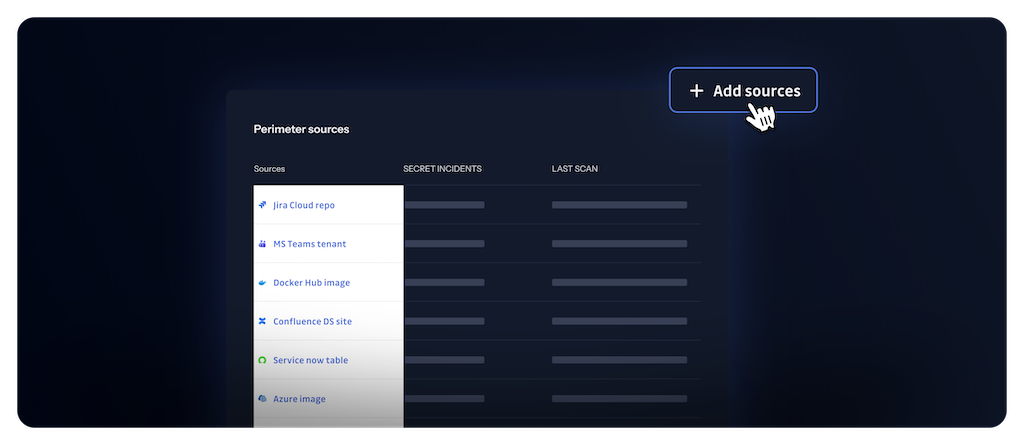
Aurascape inspects live sessions in Claude Code, GitHub Copilot and Cursor and blocks secrets, destructive commands and prompt injectionprompt injectionAn attack where text the model reads, such as a web page, file or tool result, carries instructions that override the user's. It is the main security risk for agents with tools. at the moment they happen — conventional scanning has nothing to look at until a file or commit exists. Aikido's Deep Review works the other end, reasoning across the whole codebase on a PR and remembering earlier review decisions so the same finding isn't re-litigated every cycle.
Know what's really in a vault entry, and who can reach your code
GitGuardian scans ggscout-collected vaulted secrets with its full Secrets Detection Engine and classifies by actual value rather than the name or path someone typed years ago, so a key mislabeled as a config string stops hiding. Arnica's cross-SCMSCMSource Code Management: version-control systems (Git, SVN, etc.) that track changes to code over time, giving cyber tools reproducible builds, audit trails, and collaborative development workflows. identity inventory answers the question most orgs cannot answer on demand: every person and service account that can push code, in one place.
Route and cap LLM traffic through one control point
The gateway puts guardrails, usage limits and model access controls in front of multi-workspace LLMLLMA large language model, a neural network trained on large amounts of text to recognize patterns and generate language. Applications use it for tasks such as answering, summarizing and writing code. traffic, plus SAMLSAMLA standard for passing signed identity assertions between a sign-in provider and an application. It lets a user sign in through their organization's identity provider.No access roles and default-deny project visibility. That turns AI usage policy into something enforced at the routing layer rather than documented in a wiki and hoped for.
Suppress a finding without it disappearing quietly
Ignored findings can now be gated behind an approval workflow in public beta, so a developer muting a result creates a reviewable decision instead of a silent hole. Read-only tokens and the is_partial_scan API filter also let you wire dashboards and automation without handing out write access or mistaking a partial scan for full coverage.
Three unrelated things stand out today: Aurascape can block risky AI-coding actions before code or secrets land, Semgrep adds approval gates for ignored findings, and GitGuardian now tests vaulted secrets by value instead of trusting labels.
protect
Stop AI coding sessions before they create exposure
Aurascape now enforces policy inside live Claude Code, GitHub Copilot, and Cursor sessions, including secrets, destructive commands, and prompt injectionprompt injectionAn attack where text the model reads, such as a web page, file or tool result, carries instructions that override the user's. It is the main security risk for agents with tools.. That moves control earlier than code scanning: the risky action can be blocked before an artifact exists to review.
Semgrep’s beta puts ignored findings behind an approval workflow instead of letting a developer suppress them unilaterally. That preserves the escape hatch for false positives while making accepted risk visible and reviewable.
GitGuardian now runs its full Secrets Detection Engine against vaulted secrets collected by ggscout, classifying them by actual value rather than name or path. Teams can find dangerous stored credentials even when the surrounding metadata is misleading or generic.
See every identity with code access across source-control systems
Arnica’s cross-SCMSCMSource Code Management: version-control systems (Git, SVN, etc.) that track changes to code over time, giving cyber tools reproducible builds, audit trails, and collaborative development workflows. identity inventory surfaces people and service accounts with repository access. That gives teams a single place to find stale users, unmanaged service accounts, and access sprawl instead of reconciling identities one SCM at a time.
Strix v1.6.2 adds a new web search provider for agent reconnaissance and sharpens error telemetry with more granular classification.
Open-source AI penetration testing tool to find and fix your app’s vulnerabilities.
Strix v1.6.2 adds a new web search provider for agent reconnaissance and sharpens error telemetry with more granular classification.
└──▷ WHAT SHIPPED ·
2 FEATURES0 OF 2 FEATURESmost completely described firstwhat's the number?
Each feature carries 0–100 for how completely the vendor documented
it — not how big or important the work is. A major capability
described in eight words scores low, and that is the finding.
depth0–40what it does and how it works or what changed
specificity0–30names real surfaces — APIs, flags, formats, limits, numbers
actionability0–30enough to go use it — a named endpoint, flag, or config key tops this; a UI path is a starting point
Code and config rank first by construction: a documented endpoint,
flag or config key scores at the top of specificity and actionability,
so it sorts above a feature described only in prose. Under
60 the notes go thin — everything below the “thinner
coverage” line is thinner documentation, not smaller work.
Hover any meter for that feature's three sub-scores.
0100
Exa web search provider for agentsnew38how completely this was documenteddepth15/40specificity15/30actionability8/3038 / 100
Strix now supports Exa as a web search provider alongside Perplexity, giving agent-driven reconnaissance an additional search backend to draw on.
— Names the provider but no config/flag to select itv1.6.2
0200
Phase and exception-class error telemetryimproved35how completely this was documenteddepth18/40specificity12/30actionability5/3035 / 100
Error beacons are now classified by phase and exception class, giving richer operational diagnostics for troubleshooting Strix runs.
— Describes the change but no surface a reader can act onv1.6.2
autonomous red teaming platform; multi-agent offensive-security meta-harness
T3MP3ST adds a WPScan JSON parser, known-debt adapter templates, a format-string CTFCTFCapture The Flag — a competitive hacking challenge format where participants exploit intentionally vulnerable systems or puzzles to retrieve hidden strings, used by cyber tools to practice and demonstrate offensive and defensive techniques. lab, and a synthetic memory-forensics fixture.
└──▷ TRY IT
Regenerate the memory-forensics fixture byte-for-byte to verify provenanceprovenanceEvidence recording where a software artifact came from and how it was built, including its source and build process. It helps a consumer check that the artifact matches a trusted build. before running the CTF challenge.
Adds parseWpscan to src/arsenal/parsers.ts, ingesting wpscan --format json output and mapping WordPress core, plugin, and theme vulnerabilities to structured ToolFinding records with severity levels (high for core insecure labels, medium for confirmed component vulns, info for interesting findings).
Adds ARG_TEMPLATES for five previously KNOWN_DEBT adapters — feroxbuster (-u/-w, --json -q), osv-scanner (--format json --recursive <path>), hashcat (receipt-gated with --potfile-disable), apktool (d -f <apk> -o apk-out), and yara (explicit ruleset required) — emptying the invocation-honesty guard's KNOWN_DEBT set.
Adds a reproducible native format-string CTF lab (ctf/docker/pwn/format-string/vuln.c) exposing an intentional dprintf format-string write primitive on port 9002, with digest-pinned images, loopback-only publish, and a deterministic solver.
Adds a deterministic synthetic memory-forensics fixture (ctf/challenges/artifacts/memory-forensics/memdump.raw) generated from generate.py, using FORMAT_VERSION = 'T3MP3ST-SYNTH-MEM-v1', a fixed 32 768-byte size, and SHA-256SHA-256A cryptographic hash function that turns data into a fixed 256-bit fingerprint. It is used to check integrity; hashing does not encrypt the original data.-seeded deterministic noise — replacing an opaque host-mounted dump with a fully reproducible offline artifact.
Adds parseWpscan to src/arsenal/parsers.ts, ingesting wpscan --format json output and mapping WordPress core, plugin, and theme vulnerabilities to structured ToolFinding records with severity levels (high for core insecure labels, medium for confirmed component vulns, info for interesting findings).
Adds a reproducible native format-string CTF lab (ctf/docker/pwn/format-string/vuln.c) exposing an intentional dprintf format-string write primitive on port 9002, with digest-pinned images, loopback-only publish, and a deterministic solver.
Adds a deterministic synthetic memory-forensics fixture (ctf/challenges/artifacts/memory-forensics/memdump.raw) generated from generate.py, using FORMAT_VERSION = 'T3MP3ST-SYNTH-MEM-v1', a fixed 32 768-byte size, and SHA-256SHA-256A cryptographic hash function that turns data into a fixed 256-bit fingerprint. It is used to check integrity; hashing does not encrypt the original data.-seeded deterministic noise — replacing an opaque host-mounted dump with a fully reproducible offline artifact.
Hacktron split billing into separate Automation and Whitebox Scan credit accounts, expanded on-premises deployments with source archive uploads and air-gapped Git support, and added Microsoft account linking plus glob-based author filters.
Hacktron is an AI-powered security code-review platform. Our AI agents review your repositories for exploitable vulnerabilities and surface them as pull-request comments and dashboard findings.
Hacktron split billing into separate Automation and Whitebox Scan credit accounts, expanded on-premises deployments with source archive uploads and air-gapped Git support, and added Microsoft account linking plus glob-based author filters.
└──▷ WHAT SHIPPED ·
6 FEATURES0 OF 6 FEATURESmost completely described firstwhat's the number?
Each feature carries 0–100 for how completely the vendor documented
it — not how big or important the work is. A major capability
described in eight words scores low, and that is the finding.
depth0–40what it does and how it works or what changed
specificity0–30names real surfaces — APIs, flags, formats, limits, numbers
actionability0–30enough to go use it — a named endpoint, flag, or config key tops this; a UI path is a starting point
Code and config rank first by construction: a documented endpoint,
flag or config key scores at the top of specificity and actionability,
so it sorts above a feature described only in prose. Under
60 the notes go thin — everything below the “thinner
coverage” line is thinner documentation, not smaller work.
Hover any meter for that feature's three sub-scores.
0100
On-premises Whitebox Scan source optionsnew75how completely this was documenteddepth25/40specificity25/30actionability25/3075 / 100
On-premises deployments can now select enabled GitHub Enterprise Server repositories or upload source archives in .zip, .7z, .tar.gz, and .tgz formats when starting a Whitebox Scan.
Run a Whitebox Scan on an air-gapped codebase by uploading a source archive directly from the on-premises deployment UI.
📍When starting a Whitebox Scan in the on-premises deployment, choose Upload source archive and select your prepared .tar.gz (or .zip, .7z, .tgz) file containing the repository source.
Microsoft account linking for Azure DevOps attributionnew70how completely this was documenteddepth25/40specificity20/30actionability25/3070 / 100
Users can link a Microsoft account so Azure DevOps pull request activity is attributed to the correct Hacktron member and counts toward their Code Review seat.
Link a Microsoft account so Azure DevOps pull request activity is attributed to the correct Hacktron member and counts toward their Code Review seat.
📍In Hacktron, go to Personal settings › Connected accounts and select Connect Microsoft account, then sign in with the Azure DevOps identity whose UPN matches your pull request author email.
Glob patterns in author filtersimproved65how completely this was documenteddepth25/40specificity25/30actionability15/3065 / 100
Repository and organization author filters now accept glob patterns (*, **, ?, {a,b}) in addition to exact names, with bounded limits on pattern length, wildcard count, and brace alternatives.
Separate Automation and Whitebox credit accountsnew63how completely this was documenteddepth28/40specificity20/30actionability15/3063 / 100
Billing now shows separate accounts for Automation credits and Whitebox Scan Credits, each with its own balance, current-period usage, purchase flow, and history. Auto top-up is available for Automation credits only.
Air-gapped appliance connectivity controlsnew50how completely this was documenteddepth20/40specificity20/30actionability10/3050 / 100
Appliance operators can allow specific private Git hosts, add trusted CA certificates, and collect masked support bundles without an outbound internet connection, enabling air-gapped support.
Automation deletion and incomplete-config safeguardsimproved35how completely this was documenteddepth15/40specificity10/30actionability10/3035 / 100
Deleting an automation now shows a confirmation dialog with its name, and attempting to enable an incomplete automation identifies the missing configuration.
Semgrep rolled out a public beta for gating ignored findings behind an approval workflow, added read-only tokens, multi-webhook remediation policies, and a new is_partial_scan filter on the scans API, alongside smaller platform UI changes.
Get started with Semgrep to help you catch, flag, and fix real vulnerabilities before they ship.
Semgrep rolled out a public beta for gating ignored findings behind an approval workflow, added read-only tokens, multi-webhook remediation policies, and a new is_partial_scan filter on the scans API, alongside smaller platform UI changes.
└──▷ WHAT SHIPPED ·
4 FEATURES1 OF 4 FEATURESmost completely described firstwhat's the number?
Each feature carries 0–100 for how completely the vendor documented
it — not how big or important the work is. A major capability
described in eight words scores low, and that is the finding.
depth0–40what it does and how it works or what changed
specificity0–30names real surfaces — APIs, flags, formats, limits, numbers
actionability0–30enough to go use it — a named endpoint, flag, or config key tops this; a UI path is a starting point
Code and config rank first by construction: a documented endpoint,
flag or config key scores at the top of specificity and actionability,
so it sorts above a feature described only in prose. Under
60 the notes go thin — everything below the “thinner
coverage” line is thinner documentation, not smaller work.
Hover any meter for that feature's three sub-scores.
0101
Developer exception requests for ignored findingsnew50how completely this was documenteddepth20/40specificity15/30actionability15/3050 / 100
A public beta lets admins gate ignored findings behind an approval workflow by adding Require exception requests to any policy, so developers must request an exception rather than silently ignoring a finding.
Separate Usage and Billing tabs in platform settingsimproved50how completely this was documenteddepth20/40specificity15/30actionability15/3050 / 100
AppSecAppSecApplication security: the practice of finding and fixing vulnerabilities in software during design, development, and testing. Cyber tools build on AppSec workflows to shift vulnerability detection earlier in the development lifecycle. Platform Settings splits Usage and Billing into separate tabs; credit usage is now visible to all users, and self-serve product purchasing is available.
The official changelog for the Snyk AI Trust Platform. Discover what's new in our security intelligence, AI-powered tools, and latest product enhancements.
Snyk shipped Snyk Assist, an AI-powered assistant embedded in the new Snyk UI that answers product and vulnerability questions, retrieves account data, and can file support cases without leaving the product.
└──▷ WHAT SHIPPED ·
1 FEATURE0 OF 1 FEATUREmost completely described firstwhat's the number?
Each feature carries 0–100 for how completely the vendor documented
it — not how big or important the work is. A major capability
described in eight words scores low, and that is the finding.
depth0–40what it does and how it works or what changed
specificity0–30names real surfaces — APIs, flags, formats, limits, numbers
actionability0–30enough to go use it — a named endpoint, flag, or config key tops this; a UI path is a starting point
Code and config rank first by construction: a documented endpoint,
flag or config key scores at the top of specificity and actionability,
so it sorts above a feature described only in prose. Under
60 the notes go thin — everything below the “thinner
coverage” line is thinner documentation, not smaller work.
Hover any meter for that feature's three sub-scores.
0100
Snyk Assist AI assistant in the UInew76how completely this was documenteddepth32/40specificity24/30actionability20/3076 / 100
Snyk Assist is an AI-powered assistant accessible from the top right of every page in the new Snyk UI, answering product, setup, and troubleshooting questions grounded in Snyk documentation, release notes, and support knowledge articles; it is available on Team, Ignite, and Enterprise plans. It can retrieve read-only account information scoped to the current organization and group using existing permissions — issue summaries by severity, issue triage and single-issue detail, projects and import targets, collections and container images, scan settings, integrations and their connectivity status, members and their roles, and a project's current ignore rules. It can also look up known vulnerabilities for a package or specific package version against the Snyk Vulnerability Database, and can suggest and create a support case from within the conversation (returning the case ID and link) or capture unsupported capabilities as feature requests.
When onboarding a new team and unsure which GitHub permissions Snyk requires, ask Assist in plain language to get a documentation-grounded answer without leaving the product.
📍In the Snyk UI (new navigation), click the Snyk Assist icon in the top right corner, then type: 'What permissions does Snyk need for my GitHub org?'
When you need to audit which integrations are connected and their status for your current org, query Snyk Assist instead of navigating through settings screens.
📍In the Snyk Assist panel, type: 'Show me the integrations and their connectivity status for my current organization.'
When triaging a dependency and needing quick vulnerability data, ask Snyk Assist to look up known CVEs for a specific package version against the Snyk Vulnerability Database.
📍In the Snyk Assist panel, type: 'What known vulnerabilities exist for lodash version 4.17.20?'
— Full capability list and mechanism given; only UI path, not a command, for access.2026-09-05-5fea215a
Aikido Security is a developer-focused platform that identifies and helps remediate security vulnerabilities in code and infrastructure.
Aikido launches Deep Review, an agentic pull request reviewer that reasons across full codebases to catch deep security issues and remembers past review decisions, priced per PR from a spend-capped wallet.
└──▷ WHAT SHIPPED ·
1 FEATURE0 OF 1 FEATUREmost completely described firstwhat's the number?
Each feature carries 0–100 for how completely the vendor documented
it — not how big or important the work is. A major capability
described in eight words scores low, and that is the finding.
depth0–40what it does and how it works or what changed
specificity0–30names real surfaces — APIs, flags, formats, limits, numbers
actionability0–30enough to go use it — a named endpoint, flag, or config key tops this; a UI path is a starting point
Code and config rank first by construction: a documented endpoint,
flag or config key scores at the top of specificity and actionability,
so it sorts above a feature described only in prose. Under
60 the notes go thin — everything below the “thinner
coverage” line is thinner documentation, not smaller work.
Hover any meter for that feature's three sub-scores.
0100
Deep Review agentic PR reviewernew85how completely this was documenteddepth35/40specificity28/30actionability22/3085 / 100
Deep Review is an agentic pull request reviewer that reasons across your full codebase — including middleware, global config, and linked repositories — to catch deeply nested security issues, broken access control, business logic flaws, and cross-tenant data leaks, posting findings with suggested fixes directly on PRs. It saves accepted-risk and false-positive decisions to memory so future reviews on the same repository learn from prior feedback, and runs after existing SASTSASTStatic application security testing, analyzing source code or compiled code for vulnerabilities without running the application. It helps developers find problems before deployment. and dependency checks to build on their findings rather than repeat them. It is enabled and configured per repository, with linkable related repos and a configurable review level, and is priced at 1 credit ($1) per PR from the Aikido Wallet with unlimited re-reviews on the same PR and a configurable monthly spend cap.
Enable Deep Review on a repository and link a related repo so it reasons across both codebases when reviewing PRs.
📍In the Aikido console, go to your repository settings, enable Deep Review, link related repositories under Linked repos, and set the review level that fits your team.
Keep monthly spend predictable by setting a cap on how many credits Deep Review can consume across your repos.
📍In the Aikido console, open Aikido Wallet settings and set a monthly credit cap to limit Deep Review spend across all enabled repositories.
Join the world's most widely adopted, AI-powered developer platform where millions of developers, businesses, and the largest open source community build software that advances humanity.
GitHub shipped GPT-6 Astra as a generally available Copilot model across every major IDE and surface, alongside new Claude Fable 5.1 and Gemini 3.8 Flash model options, a public preview of Agent Merge in VS Code, and a new privacy-safe star history REST APIREST APIA web API design style where clients interact with resources over HTTP using standard methods like GET, POST, and DELETE, giving cyber tools a predictable, language-agnostic way to integrate with external services. endpoint.
└──▷ WHAT SHIPPED ·
6 FEATURES2 OF 6 FEATURESmost completely described firstwhat's the number?
Each feature carries 0–100 for how completely the vendor documented
it — not how big or important the work is. A major capability
described in eight words scores low, and that is the finding.
depth0–40what it does and how it works or what changed
specificity0–30names real surfaces — APIs, flags, formats, limits, numbers
actionability0–30enough to go use it — a named endpoint, flag, or config key tops this; a UI path is a starting point
Code and config rank first by construction: a documented endpoint,
flag or config key scores at the top of specificity and actionability,
so it sorts above a feature described only in prose. Under
60 the notes go thin — everything below the “thinner
coverage” line is thinner documentation, not smaller work.
Hover any meter for that feature's three sub-scores.
0101
GPT-6 Astra generally available in Copilotnew90how completely this was documenteddepth35/40specificity30/30actionability25/3090 / 100
GPT-6 Astra, OpenAI's agentic long-horizon coding model, is now selectable in the Copilot model picker across VS Code, Visual Studio, Copilot CLI, GitHub Copilot coding agent, the Copilot app, github.com, GitHub Mobile (iOS and Android), JetBrains IDEs, Xcode, and Eclipse. Copilot Enterprise and Business admins can enable or restrict access via the default model enablement control under the model policy in Copilot settings.
New Copilot models: Claude Fable 5.1 and Gemini 3.8 Flashnew50how completely this was documenteddepth20/40specificity20/30actionability10/3050 / 100
Copilot adds Claude Fable 5.1 for Pro+, Max, Business, and Enterprise users, and Gemini 3.8 Flash rolling out to Pro, Pro+, Max, Business, and Enterprise users.
VS Code chat and agent workspace enhancementsnew45how completely this was documenteddepth20/40specificity15/30actionability10/3045 / 100
VS Code's Copilot chat and Agents experience gains three additions: experimental multi-root workspaces that bring Copilot and Claude agent sessions to every folder in a workspace, experimental chat backgrounds that let you personalize the Agents window with built-in patterns or custom images, and chat sessions that now organize related chats into a hierarchy and surface which ones need attention.
Caido v0.58.3 improves the request editing workflow with inline autocomplete and tighter integration between Replay and pipeline sessions.
Caido releases, wiki and roadmap
Caido v0.58.3 improves the request editing workflow with inline autocomplete and tighter integration between Replay and pipeline sessions.
└──▷ WHAT SHIPPED ·
2 FEATURES0 OF 2 FEATURESmost completely described firstwhat's the number?
Each feature carries 0–100 for how completely the vendor documented
it — not how big or important the work is. A major capability
described in eight words scores low, and that is the finding.
depth0–40what it does and how it works or what changed
specificity0–30names real surfaces — APIs, flags, formats, limits, numbers
actionability0–30enough to go use it — a named endpoint, flag, or config key tops this; a UI path is a starting point
Code and config rank first by construction: a documented endpoint,
flag or config key scores at the top of specificity and actionability,
so it sorts above a feature described only in prose. Under
60 the notes go thin — everything below the “thinner
coverage” line is thinner documentation, not smaller work.
Hover any meter for that feature's three sub-scores.
0100
Add existing Replay requests to pipeline sessionsimproved40how completely this was documenteddepth15/40specificity10/30actionability15/3040 / 100
Users can now add existing Replay requests directly to a pipeline session, rather than only creating new ones.
— Describes the workflow change but lacks UI path or command detailv0.58.3
0200
Inline autocomplete in HTTP request editorimproved30how completely this was documenteddepth10/40specificity10/30actionability10/3030 / 100
The HTTP request editor now shows inline autocomplete hints while typing requests.
— Names the feature but no mechanism or scope detailv0.58.3
ⓘSourcesBlog / feed →1 release · 2026-09-04Blog ↗RankWhy this ranktop features scored 85/36, +10 product media, +6 runnable example — 76.5How ranking works →
GitGuardian now runs its full Secrets Detection Engine against vaulted secrets collected by ggscout, classifying them by actual value rather than name or path, and adds finer-grained per-team incident permission controls in Teams Management.
GitGuardian SaaS scans git repositories and code to detect and prevent secrets, credentials, and sensitive data from being exposed.
GitGuardian now runs its full Secrets Detection Engine against vaulted secrets collected by ggscout, classifying them by actual value rather than name or path, and adds finer-grained per-team incident permission controls in Teams Management.
└──▷ WHAT SHIPPED ·
2 FEATURES1 OF 2 FEATURESmost completely described firstwhat's the number?
Each feature carries 0–100 for how completely the vendor documented
it — not how big or important the work is. A major capability
described in eight words scores low, and that is the finding.
depth0–40what it does and how it works or what changed
specificity0–30names real surfaces — APIs, flags, formats, limits, numbers
actionability0–30enough to go use it — a named endpoint, flag, or config key tops this; a UI path is a starting point
Code and config rank first by construction: a documented endpoint,
flag or config key scores at the top of specificity and actionability,
so it sorts above a feature described only in prose. Under
60 the notes go thin — everything below the “thinner
coverage” line is thinner documentation, not smaller work.
Hover any meter for that feature's three sub-scores.
0101
Secrets Detection Engine classification for vaulted secretsnew85how completely this was documenteddepth35/40specificity28/30actionability22/3085 / 100
Requires ggscout version 0.32.0 or later. Runs the Secrets Detection Engine — the same 550+ detectors used for code scanning, including multi-match detectors — against every value ggscout collects from vaults, CI systems, and Kubernetes clusters, classifying each secret by its actual value as a real credential, noise, or Unknown rather than by its name or path. Adds a Detector column and filter controls to the NHI GovernanceNHI GovernanceThe policies, controls, and lifecycle management applied to Non-Human Identities — service accounts, API keys, tokens, and certificates — to enforce least-privilege access and reduce credential sprawl across systems. → Identities inventory, filterable by detector, detector type, secret family, secret category, and secret provider — the same filter set used for code-scanning incidents. Groups sibling fields that form a single credential (e.g. PostgreSQL username, password, host, and port) into one inventory entry instead of four separate items, and retains unmatched secrets labeled Unknown so they stay visible and filterable rather than being silently dropped.
Filter your NHINHIA non-human identity, an account or credential used by software or a device rather than a person. Service accounts, workload identities and automation tokens need their own permissions and lifecycle controls. inventory down to real credentials by detector type and secret provider, excluding noise and unknowns.
📍In the NHI inventory, open the Detector column filter and select the desired detector type, secret family, secret category, or secret provider to isolate real credentials from placeholders and feature flags.
Review classified vault secrets filtered to a specific provider in the NHI inventory after ggscout has run.
📍In the GitGuardian console, go to NHI Governance → Identities, click the Detector column header to sort, then open the filter panel and select a value under Secret provider to scope the inventory to credentials from that provider.
Per-team incident permissions in Teams Managementnew36how completely this was documenteddepth18/40specificity10/30actionability8/3036 / 100
When promoting a user to Member, admins can now set per-team incident permissions, apply one permission in bulk across teams, and edit team rights after promotion.
Quark-Engine is a mobile security analysis framework that detects malicious behaviors in Android applications through rule-based pattern matching.
Quark-Engine made DexTrace the default core analysis library for APK scanning, requiring a flag to restore the previous Androguard-based behaviour.
└──▷ WHAT SHIPPED ·
1 FEATURE1 OF 1 FEATUREmost completely described firstwhat's the number?
Each feature carries 0–100 for how completely the vendor documented
it — not how big or important the work is. A major capability
described in eight words scores low, and that is the finding.
depth0–40what it does and how it works or what changed
specificity0–30names real surfaces — APIs, flags, formats, limits, numbers
actionability0–30enough to go use it — a named endpoint, flag, or config key tops this; a UI path is a starting point
Code and config rank first by construction: a documented endpoint,
flag or config key scores at the top of specificity and actionability,
so it sorts above a feature described only in prose. Under
60 the notes go thin — everything below the “thinner
coverage” line is thinner documentation, not smaller work.
Hover any meter for that feature's three sub-scores.
0101
DexTrace as default core librarybreaking75how completely this was documenteddepth25/40specificity25/30actionability25/3075 / 100
The --core-library flag now accepts [androguard|rizin|radare2|shuriken|dextrace], and dextrace is the new default for APK analysis, replacing Androguard. Workflows relying on the previous Androguard-based default behaviour must explicitly pass --core-library androguard to preserve it, e.g. quark --core-library androguard -a <sample.apk>.
Analyse an APK with the legacy Androguard library when DexTrace produces different results for your sample.
The default analysis library is now DexTrace instead of Androguard; workflows that relied on Androguard behaviour by default must add --core-library androguard to preserve the previous behaviour.
ⓘSourcesBlog / feed →2 releases · 2026-08-24 → 2026-08-27Blog ↗RankWhy this ranktop features scored 70/65/50, +6 runnable example — 67.67How ranking works →
Finite State Platform expanded firmware unpacking to ESP32 and Airoha Bluetooth-audio images, upgraded binary scan SBOMSBOMA software bill of materials, an inventory of the components and versions inside an application. It helps teams find affected software when a dependency has a vulnerability or licensing issue. exports to CycloneDX 1.6CycloneDX 1.6An OWASP-maintained Software Bill of Materials standard that catalogs components, dependencies, and supply-chain metadata; tools use it to produce or consume machine-readable SBOMs in a widely supported schema. with author metadata, and added a License Policy setting for components with no license.
Finite State Platform is a software supply chain security platform that analyzes and monitors firmware and software for vulnerabilities and compliance risks.
Finite State Platform expanded firmware unpacking to ESP32 and Airoha Bluetooth-audio images, upgraded binary scan SBOMSBOMA software bill of materials, an inventory of the components and versions inside an application. It helps teams find affected software when a dependency has a vulnerability or licensing issue. exports to CycloneDX 1.6CycloneDX 1.6An OWASP-maintained Software Bill of Materials standard that catalogs components, dependencies, and supply-chain metadata; tools use it to produce or consume machine-readable SBOMs in a widely supported schema. with author metadata, and added a License Policy setting for components with no license.
└──▷ WHAT SHIPPED ·
4 FEATURES0 OF 4 FEATURESmost completely described firstwhat's the number?
Each feature carries 0–100 for how completely the vendor documented
it — not how big or important the work is. A major capability
described in eight words scores low, and that is the finding.
depth0–40what it does and how it works or what changed
specificity0–30names real surfaces — APIs, flags, formats, limits, numbers
actionability0–30enough to go use it — a named endpoint, flag, or config key tops this; a UI path is a starting point
Code and config rank first by construction: a documented endpoint,
flag or config key scores at the top of specificity and actionability,
so it sorts above a feature described only in prose. Under
60 the notes go thin — everything below the “thinner
coverage” line is thinner documentation, not smaller work.
Hover any meter for that feature's three sub-scores.
0100
License Policy for unlicensed componentsnew70how completely this was documenteddepth25/40specificity20/30actionability25/3070 / 100
Adds a License Policy setting for Components with no license on the Bill of MaterialsBill of MaterialsA structured list of every component, library, and dependency that makes up a piece of software or hardware, used by cyber tools to track what is inside a product and surface known vulnerabilities in its parts., letting you assign a severity and a label; the label then appears on those Components in the Bill of Materials.
Flag unlicensed components during a compliance review by configuring a severity and label for them in License Policy.
📍In the Finite State Platform, go to License Policy, add a rule for Components with no license, and set a severity and label — the label will then appear on those Components in the Bill of Materials.
ESP32 and Airoha Bluetooth-audio firmware unpackingnew65how completely this was documenteddepth30/40specificity25/30actionability10/3065 / 100
Unpacks Espressif ESP32 firmware images, including full flash dumps, so those devices are analyzed as firmware rather than as an unidentified blob. Also unpacks Airoha Bluetooth-audio firmware, identifying the vendor SDK and DSP components and producing a complete SBOM for those images.
CycloneDX 1.6 SBOM export with author metadataimproved45how completely this was documenteddepth15/40specificity20/30actionability10/3045 / 100
Exports binary scan SBOMsSBOMsA software bill of materials, an inventory of the components and versions inside an application. It helps teams find affected software when a dependency has a vulnerability or licensing issue. as CycloneDX 1.6 with author metadata included.
Sophos Email Security added configurable notification recipients for Data Control rule actions and automatic Intelix-based release of cleared quarantined emails.
Sophos Email Security is a cloud-based email protection solution that defends against phishing, malware, ransomware, and spam threats.
Sophos Email Security added configurable notification recipients for Data Control rule actions and automatic Intelix-based release of cleared quarantined emails.
└──▷ WHAT SHIPPED ·
2 FEATURES1 OF 2 FEATURESmost completely described firstwhat's the number?
Each feature carries 0–100 for how completely the vendor documented
it — not how big or important the work is. A major capability
described in eight words scores low, and that is the finding.
depth0–40what it does and how it works or what changed
specificity0–30names real surfaces — APIs, flags, formats, limits, numbers
actionability0–30enough to go use it — a named endpoint, flag, or config key tops this; a UI path is a starting point
Code and config rank first by construction: a documented endpoint,
flag or config key scores at the top of specificity and actionability,
so it sorts above a feature described only in prose. Under
60 the notes go thin — everything below the “thinner
coverage” line is thinner documentation, not smaller work.
Hover any meter for that feature's three sub-scores.
0101
Automatic quarantine release via Intelix scanningnew63how completely this was documenteddepth25/40specificity18/30actionability20/3063 / 100
Emails held in quarantine are automatically released when an Intelix scan determines the email is not malicious or suspicious, removing the need for manual review. Enabled via Sophos Central under Email Security > Policies > Scan Attachments with Intelix by turning on Automatically release from quarantine.
Enable automatic quarantine release so emails cleared by Intelix are freed without manual review, reducing analyst workload.
📍In Sophos Central, go to Email Security › Policies › Scan Attachments with Intelix, enable Automatically release from quarantine for emails Intelix determines are not malicious or suspicious.
Sophos Mobile added support for Apple declarative device management (DDM) policies, letting managed iOS devices self-enforce compliance and report status changes in real time.
Sophos Mobile is an enterprise mobile device management and security platform protecting iOS and Android devices with threat defense and compliance controls.
Sophos Mobile added support for Apple declarative device management (DDM) policies, letting managed iOS devices self-enforce compliance and report status changes in real time.
└──▷ WHAT SHIPPED ·
1 FEATURE1 OF 1 FEATUREmost completely described firstwhat's the number?
Each feature carries 0–100 for how completely the vendor documented
it — not how big or important the work is. A major capability
described in eight words scores low, and that is the finding.
depth0–40what it does and how it works or what changed
specificity0–30names real surfaces — APIs, flags, formats, limits, numbers
actionability0–30enough to go use it — a named endpoint, flag, or config key tops this; a UI path is a starting point
Code and config rank first by construction: a documented endpoint,
flag or config key scores at the top of specificity and actionability,
so it sorts above a feature described only in prose. Under
60 the notes go thin — everything below the “thinner
coverage” line is thinner documentation, not smaller work.
Hover any meter for that feature's three sub-scores.
0101
Apple declarative device management (DDM) policiesnew50how completely this was documenteddepth25/40specificity15/30actionability10/3050 / 100
Sophos Mobile now supports Apple declarative device management (DDM) policies, enabling desired-state configuration where devices self-enforce compliance and report changes immediately rather than waiting for a periodic sync.
Sophos Anti-Virus for macOS 2026.2.0 adds support for the upcoming macOS 27 Golden Gate release and updates its threat detection engine.
Sophos Anti-Virus for macOS is endpoint security software that detects and removes malware, viruses, and threats on Apple computers.
Sophos Anti-Virus for macOS 2026.2.0 adds support for the upcoming macOS 27 Golden Gate release and updates its threat detection engine.
└──▷ WHAT SHIPPED ·
2 FEATURES0 OF 2 FEATURESmost completely described firstwhat's the number?
Each feature carries 0–100 for how completely the vendor documented
it — not how big or important the work is. A major capability
described in eight words scores low, and that is the finding.
depth0–40what it does and how it works or what changed
specificity0–30names real surfaces — APIs, flags, formats, limits, numbers
actionability0–30enough to go use it — a named endpoint, flag, or config key tops this; a UI path is a starting point
Code and config rank first by construction: a documented endpoint,
flag or config key scores at the top of specificity and actionability,
so it sorts above a feature described only in prose. Under
60 the notes go thin — everything below the “thinner
coverage” line is thinner documentation, not smaller work.
Hover any meter for that feature's three sub-scores.
0100
macOS 27 Golden Gate supportnew30how completely this was documenteddepth10/40specificity15/30actionability5/3030 / 100
Sophos Anti-Virus for macOS 2026.2.0 adds support for macOS 27 Golden Gate.
Sophos Central adds on-premises Active DirectoryActive DirectoryMicrosoft's directory service for Windows networks that centralises authentication and authorisation; cyber tools target or integrate with it because it controls identity and access across most enterprise environments. support to ITDRITDRIdentity Threat Detection and Response: a discipline focused on detecting and responding to attacks that abuse identity systems such as Active Directory or IAM platforms, giving cyber tools visibility into credential-based intrusions. and rolls out guided Zero Trust workflows for securing SaaSSaaSSoftware delivered over the internet and run on the provider's infrastructure, so the buyer pays a subscription instead of installing or operating anything locally. apps, alongside redesigned Identity Overview, Posture Check, and threat protection policy pages.
Sophos Central is a cloud-based endpoint protection and management platform that delivers security, threat detection, and device management across organizations.
Sophos Central adds on-premises Active DirectoryActive DirectoryMicrosoft's directory service for Windows networks that centralises authentication and authorisation; cyber tools target or integrate with it because it controls identity and access across most enterprise environments. support to ITDRITDRIdentity Threat Detection and Response: a discipline focused on detecting and responding to attacks that abuse identity systems such as Active Directory or IAM platforms, giving cyber tools visibility into credential-based intrusions. and rolls out guided Zero Trust workflows for securing SaaSSaaSSoftware delivered over the internet and run on the provider's infrastructure, so the buyer pays a subscription instead of installing or operating anything locally. apps, alongside redesigned Identity Overview, Posture Check, and threat protection policy pages.
└──▷ WHAT SHIPPED ·
5 FEATURES2 OF 5 FEATURESmost completely described firstwhat's the number?
Each feature carries 0–100 for how completely the vendor documented
it — not how big or important the work is. A major capability
described in eight words scores low, and that is the finding.
depth0–40what it does and how it works or what changed
specificity0–30names real surfaces — APIs, flags, formats, limits, numbers
actionability0–30enough to go use it — a named endpoint, flag, or config key tops this; a UI path is a starting point
Code and config rank first by construction: a documented endpoint,
flag or config key scores at the top of specificity and actionability,
so it sorts above a feature described only in prose. Under
60 the notes go thin — everything below the “thinner
coverage” line is thinner documentation, not smaller work.
Hover any meter for that feature's three sub-scores.
0100
Posture Check page redesign with filtering and searchimproved70how completely this was documenteddepth30/40specificity25/30actionability15/3070 / 100
The Posture Check page is redesigned with filtering, sorting, and searching by category, provider type, and status, plus tag chips, a live match counter, and a NEW badge for recently published checks.
Guided ZTNA workflows for SaaS apps via Protected Browsernew70how completely this was documenteddepth30/40specificity25/30actionability15/3070 / 100
New guided Zero Trust Network Access workflows help secure SaaS apps via Protected Browser, including data boundaries, device posture checks, and in-browser RDPRDPA Microsoft protocol that lets a user view and control a remote Windows desktop over a network, giving cyber tools a standard channel to audit, attack-simulate, or monitor Windows systems remotely. and SSH access, available under the Workspace Protection license.
On-premises Active Directory support in ITDRnew55how completely this was documenteddepth25/40specificity15/30actionability15/3055 / 100
Sophos ITDR now supports on-premises Active Directory (AD) via a new sensor deployed to an AD server, extending identity monitoring and posture assessments beyond cloud identity sources.
Redesigned Identity Overview dashboardimproved50how completely this was documenteddepth20/40specificity20/30actionability10/3050 / 100
The Identity Overview dashboard is redesigned with new widgets covering risk trends, MFAMFAMulti-factor authentication, requiring proof from different categories, such as a password and a hardware key, to sign in. It reduces reliance on a password alone. coverage, dormant accounts, credential leaks, and VIPVIPA Virtual IP address — a single IP shared across multiple hosts or services, commonly used for load balancing or failover so traffic can be rerouted without changing the client-facing address. users.
Iru shipped directory sync scheduling controls in Iru Identity, new Android work profile account management options, and hardware health visibility for Apple mobile devices.
Manage devices and everything they touch. See how security, IT, and compliance get easier when unified around devices with Iru.
Iru shipped directory sync scheduling controls in Iru Identity, new Android work profile account management options, and hardware health visibility for Apple mobile devices.
└──▷ WHAT SHIPPED ·
3 FEATURES0 OF 3 FEATURESmost completely described firstwhat's the number?
Each feature carries 0–100 for how completely the vendor documented
it — not how big or important the work is. A major capability
described in eight words scores low, and that is the finding.
depth0–40what it does and how it works or what changed
specificity0–30names real surfaces — APIs, flags, formats, limits, numbers
actionability0–30enough to go use it — a named endpoint, flag, or config key tops this; a UI path is a starting point
Code and config rank first by construction: a documented endpoint,
flag or config key scores at the top of specificity and actionability,
so it sorts above a feature described only in prose. Under
60 the notes go thin — everything below the “thinner
coverage” line is thinner documentation, not smaller work.
Hover any meter for that feature's three sub-scores.
0100
Customizable directory sync schedules and on-demand syncnew35how completely this was documenteddepth15/40specificity10/30actionability10/3035 / 100
Iru Identity now supports customizable directory sync schedules and the ability to trigger sync on demand, rather than relying solely on a fixed automatic interval.
ⓘSourcesBlog / feed →1 release · 2026-09-03Blog ↗RankWhy this ranktop features scored 80, +10 product media, +6 runnable example — 96How ranking works →
Meet your business challenges head on with AI and cloud computing services from Google, including security, data management, and hybrid & multi-cloud.
Google SecOps added self-service access to the Bindplane Enterprise license key directly from the platform console, removing the need to file a support ticket for Enterprise Plus and GUS customers.
└──▷ WHAT SHIPPED ·
1 FEATURE0 OF 1 FEATUREmost completely described firstwhat's the number?
Each feature carries 0–100 for how completely the vendor documented
it — not how big or important the work is. A major capability
described in eight words scores low, and that is the finding.
depth0–40what it does and how it works or what changed
specificity0–30names real surfaces — APIs, flags, formats, limits, numbers
actionability0–30enough to go use it — a named endpoint, flag, or config key tops this; a UI path is a starting point
Code and config rank first by construction: a documented endpoint,
flag or config key scores at the top of specificity and actionability,
so it sorts above a feature described only in prose. Under
60 the notes go thin — everything below the “thinner
coverage” line is thinner documentation, not smaller work.
Hover any meter for that feature's three sub-scores.
0100
Self-serve Bindplane Enterprise license keynew80how completely this was documenteddepth25/40specificity25/30actionability30/3080 / 100
Enterprise Plus and GUS customers can now download their Bindplane Enterprise (Google Edition) license key directly from the console under SIEM Settings > Collection Agents, instead of requesting it through support. This is a Preview feature currently available in US and EU regions only.
Retrieve your Bindplane Enterprise (Google Edition) license key without opening a support ticket — useful when spinning up new collection agents.
📍In the Google SecOps console, go to SIEM Settings › Collection Agents, then locate and download your Bindplane Enterprise (Google Edition) license key.
SailPoint is an identity governance platform that manages user access, permissions, and compliance across enterprise applications and systems.
SailPoint's Delimited File Connector gained certificate-based authentication for SFTPSFTPSSH File Transfer Protocol, a file transfer standard built on top of SSH that provides encrypted upload, download, and remote file management; cyber tools use it to move files or exfiltrate data over an authenticated, encrypted channel. and FTPSFTPSFTP with TLS/SSL encryption layered on top, standardized in RFC 4217, used by tools that need to transfer files over authenticated, encrypted channels while staying compatible with legacy FTP infrastructure. sources, and Identity Security Cloud added 11 new connectors for compliance coverage.
└──▷ WHAT SHIPPED ·
3 FEATURES1 OF 3 FEATURESmost completely described firstwhat's the number?
Each feature carries 0–100 for how completely the vendor documented
it — not how big or important the work is. A major capability
described in eight words scores low, and that is the finding.
depth0–40what it does and how it works or what changed
specificity0–30names real surfaces — APIs, flags, formats, limits, numbers
actionability0–30enough to go use it — a named endpoint, flag, or config key tops this; a UI path is a starting point
Code and config rank first by construction: a documented endpoint,
flag or config key scores at the top of specificity and actionability,
so it sorts above a feature described only in prose. Under
60 the notes go thin — everything below the “thinner
coverage” line is thinner documentation, not smaller work.
Hover any meter for that feature's three sub-scores.
0100
SSH key authentication for SFTP in Delimited File Connectorimproved93how completely this was documenteddepth35/40specificity28/30actionability30/3093 / 100
Adds a Public Key option to the Authentication Type dropdown when File Transport is set to SFTP, enabling SSH private key authentication via the SSH Private Key field (accepting PEM, OpenSSH, or OpenSSH v1 format) with an optional SSH Private Key Passphrase. Keys and passphrases are stored as encrypted attributes in Identity Security Cloud source configuration rather than uploaded to the Virtual Appliance filesystem, and Test Connection now validates the SSH key auth (invalid keys, wrong passphrases, network errors) before aggregation is scheduled.
Configure a Delimited File source to authenticate to a hardened SFTP server using an SSH private key instead of a password.
📍In the Identity Security Cloud admin console, open the Delimited File source › Connection Settings. Set File Transport to SFTP, then set Authentication Type to Public Key. Enter the Host, Port, and Username (SSH account). Paste your PEM or OpenSSH private key into SSH Private Key. If the key is passphrase-protected, enter it in SSH Private Key Passphrase. Click Test Connection to confirm before saving.
TLS client certificate authentication for FTPS in Delimited File Connectorimproved93how completely this was documenteddepth35/40specificity28/30actionability30/3093 / 100
Adds a Client Certificate option to the Authentication Type dropdown when File Transport is set to FTPS, enabling TLS mutual authentication via a Base64-encoded PKCS12PKCS12A file format standard from RSA Labs, now maintained under IETF, that bundles a private key, certificate, and chain into one encrypted container, letting cyber tools ship or load credentials as a single portable file. (.p12) certificate pasted into FTPS Client Certificate, with an optional FTPS Client Certificate Passphrase. The certificate and passphrase are stored as encrypted attributes in source configuration, and Test Connection validates the FTPS TLS handshake and FTP login before aggregation is scheduled.
Configure a Delimited File source to authenticate to an FTPS server using a TLS client certificate (hybrid model: certificate for the TLS layer, credentials for the FTP layer).
📍In the Identity Security Cloud admin console, open the Delimited File source › Connection Settings. Set File Transport to FTPS, then set Authentication Type to Client Certificate. Enter Host, Port, Username, and Password (FTP account). Paste the Base64-encoded PKCS12 (.p12) content into FTPS Client Certificate. If the keystore is protected, enter the passphrase in FTPS Client Certificate Passphrase. Click Test Connection to validate the TLS handshake and FTP login before saving.
1Password SaaSSaaSSoftware delivered over the internet and run on the provider's infrastructure, so the buyer pays a subscription instead of installing or operating anything locally. Manager adds per-API-key cost attribution for OpenAI, Google Gemini provisioning, configurable duplicate access policies, and fixes New Relic user import pagination, while requiring a reconnect for Greenhouse users on the old API version.
All the latest releases from the 1Password team
1Password SaaSSaaSSoftware delivered over the internet and run on the provider's infrastructure, so the buyer pays a subscription instead of installing or operating anything locally. Manager adds per-API-key cost attribution for OpenAI, Google Gemini provisioning, configurable duplicate access policies, and fixes New Relic user import pagination, while requiring a reconnect for Greenhouse users on the old API version.
└──▷ WHAT SHIPPED ·
5 FEATURES0 OF 5 FEATURESmost completely described firstwhat's the number?
Each feature carries 0–100 for how completely the vendor documented
it — not how big or important the work is. A major capability
described in eight words scores low, and that is the finding.
depth0–40what it does and how it works or what changed
specificity0–30names real surfaces — APIs, flags, formats, limits, numbers
actionability0–30enough to go use it — a named endpoint, flag, or config key tops this; a UI path is a starting point
Code and config rank first by construction: a documented endpoint,
flag or config key scores at the top of specificity and actionability,
so it sorts above a feature described only in prose. Under
60 the notes go thin — everything below the “thinner
coverage” line is thinner documentation, not smaller work.
Hover any meter for that feature's three sub-scores.
0100
Greenhouse integration migrated to API v3breaking50how completely this was documenteddepth20/40specificity15/30actionability15/3050 / 100
The Greenhouse integration has migrated to API v3; users who originally connected via API v2 must reconnect Greenhouse using OAuth.
fhEVM v0.13.4 backports Polygon CLI support to the stable 0.13.x branch and updates the relayer to return the full set of user-decrypt shares per request.
FHEVM, a full-stack framework for integrating Fully Homomorphic Encryption (FHE) with blockchain applications
fhEVM v0.13.4 backports Polygon CLI support to the stable 0.13.x branch and updates the relayer to return the full set of user-decrypt shares per request.
└──▷ WHAT SHIPPED ·
2 FEATURES0 OF 2 FEATURESmost completely described firstwhat's the number?
Each feature carries 0–100 for how completely the vendor documented
it — not how big or important the work is. A major capability
described in eight words scores low, and that is the finding.
depth0–40what it does and how it works or what changed
specificity0–30names real surfaces — APIs, flags, formats, limits, numbers
actionability0–30enough to go use it — a named endpoint, flag, or config key tops this; a UI path is a starting point
Code and config rank first by construction: a documented endpoint,
flag or config key scores at the top of specificity and actionability,
so it sorts above a feature described only in prose. Under
60 the notes go thin — everything below the “thinner
coverage” line is thinner documentation, not smaller work.
Hover any meter for that feature's three sub-scores.
0100
Relayer returns all user-decrypt sharesimproved45how completely this was documenteddepth20/40specificity15/30actionability10/3045 / 100
The relayer now returns all user-decrypt shares per request, rather than a subset as before.
— States before/after behavior but no config or commandv0.13.4
0200
Polygon CLI backported to 0.13.x lineimproved40how completely this was documenteddepth15/40specificity15/30actionability10/3040 / 100
The Polygon CLI has been backported to the 0.13.x release line, enabling Polygon-targeted workflows on the stable branch.
— Names the surface but no usage detail or commandsv0.13.4
AI SAFE² v3.1 introduces a unified safe2 CLI, structured AISM Decision Cards, new evidence-source integrations with NEXUS and NVIDIA SkillSpector, and a 27-requirement Unbiased AI Standard regulatory profile.
The Universal Governance, Risk, Compliance (GRC) Operating System with Integrated Security for Agentic AI, Non-Human Identities, and Swarm Governance. AI SAFE² + AI Sovereignty Maturity Model (AISM), NEXUS-A2A Protocol, FORGE-Act, Marshal Plan for AI [Dual License: MIT + CC-BY-SA]
AI SAFE² v3.1 introduces a unified safe2 CLI, structured AISM Decision Cards, new evidence-source integrations with NEXUS and NVIDIA SkillSpector, and a 27-requirement Unbiased AI Standard regulatory profile.
└──▷ WHAT SHIPPED ·
4 FEATURES0 OF 4 FEATURESmost completely described firstwhat's the number?
Each feature carries 0–100 for how completely the vendor documented
it — not how big or important the work is. A major capability
described in eight words scores low, and that is the finding.
depth0–40what it does and how it works or what changed
specificity0–30names real surfaces — APIs, flags, formats, limits, numbers
actionability0–30enough to go use it — a named endpoint, flag, or config key tops this; a UI path is a starting point
Code and config rank first by construction: a documented endpoint,
flag or config key scores at the top of specificity and actionability,
so it sorts above a feature described only in prose. Under
60 the notes go thin — everything below the “thinner
coverage” line is thinner documentation, not smaller work.
Hover any meter for that feature's three sub-scores.
0100
Unified `safe2` CLI for scanning and verificationnew80how completely this was documenteddepth25/40specificity25/30actionability30/3080 / 100
Adds the safe2 CLI with subcommands including safe2 scan project and safe2 example verify for scanning AI implementations, evaluating evidence, and validating packaged examples, intended for use in CI/CD pipelines and automated agent workflows.
Unbiased AI Standard (UAS) regulatory profilenew65how completely this was documenteddepth30/40specificity25/30actionability10/3065 / 100
Adds the Unbiased AI Standard (UAS) as a 27-requirement regulatory profile extension, comprising 14 system, 8 human, and 5 bridge requirements, without altering the core 161-control structure or creating CP.11.
Evidence source integrations for NEXUS and NVIDIA SkillSpectornew55how completely this was documenteddepth25/40specificity20/30actionability10/3055 / 100
Adds NEXUS integration so NEXUS findings can be incorporated as structured evidence within AI SAFE² assessments, connecting implementation observations to governance and assurance requirements. Also adds NVIDIA SkillSpector as an evidence source for assessing agent skills and implementation risks, with source attribution and evidence context retained.
Aurascape launched Coding Assistant Guardrails, a new solution that inspects and enforces policy on live AI coding sessions across Claude Code, GitHub Copilot, and Cursor, blocking secrets, destructive commands, and prompt injectionprompt injectionAn attack where text the model reads, such as a web page, file or tool result, carries instructions that override the user's. It is the main security risk for agents with tools. in real time before any artifact exists to scan.
Aurascape is the AI-native security platform that empowers enterprises with real-time visibility, intent-based controls, and protection for every AI interaction—securing innovation without slowing it down.
Aurascape launched Coding Assistant Guardrails, a new solution that inspects and enforces policy on live AI coding sessions across Claude Code, GitHub Copilot, and Cursor, blocking secrets, destructive commands, and prompt injectionprompt injectionAn attack where text the model reads, such as a web page, file or tool result, carries instructions that override the user's. It is the main security risk for agents with tools. in real time before any artifact exists to scan.
└──▷ WHAT SHIPPED ·
11 FEATURES1 OF 11 FEATURESmost completely described firstwhat's the number?
Each feature carries 0–100 for how completely the vendor documented
it — not how big or important the work is. A major capability
described in eight words scores low, and that is the finding.
depth0–40what it does and how it works or what changed
specificity0–30names real surfaces — APIs, flags, formats, limits, numbers
actionability0–30enough to go use it — a named endpoint, flag, or config key tops this; a UI path is a starting point
Code and config rank first by construction: a documented endpoint,
flag or config key scores at the top of specificity and actionability,
so it sorts above a feature described only in prose. Under
60 the notes go thin — everything below the “thinner
coverage” line is thinner documentation, not smaller work.
Hover any meter for that feature's three sub-scores.
0100
Destructive command and unauthorized git push interceptionnew80how completely this was documenteddepth35/40specificity25/30actionability20/3080 / 100
Intercepts destructive shell commands and unauthorized git pushes at the wire level, in the tool call the model streams back, before the client executes them — with configurable block or confirmation-checkpoint policy.
Inline decoding of coding-assistant streaming protocolsnew75how completely this was documenteddepth30/40specificity30/30actionability15/3075 / 100
Decodes coding-assistant streaming protocols — Server-Sent Events, WebSockets, Protobuf, gRPCgRPCAn open-source remote procedure call framework from Google that uses HTTP/2 and Protocol Buffers to let services call each other's functions across a network, giving tools low-latency, strongly typed inter-process communication., and MCPMCPModel Context Protocol, a standard for connecting AI applications to external tools and data sources. A compatible server exposes capabilities an assistant can use through a common interface. — inline without buffering, preserving native streaming speed for developers while enabling content inspection.
Continuous discovery of IDE plugins and MCP serversnew70how completely this was documenteddepth30/40specificity25/30actionability15/3070 / 100
Provides continuous discovery of IDE plugins, extensions, and MCP servers as they appear, with new or uncataloged apps receiving signatures on a 48-hour SLASLAA formal agreement between a service provider and customer that defines expected uptime, response times, and remedies for failures, giving cyber tools a contractual baseline for availability and support commitments. — removing the need for hand-maintained allowlists.
Coding Assistant Guardrails for live sessionsnew65how completely this was documenteddepth25/40specificity25/30actionability15/3065 / 100
Aurascape launches Coding Assistant Guardrails, a new solution that inspects and enforces policy on live AI coding-assistant sessions — covering Claude Code, GitHub Copilot, and Cursor — before any artifact exists to scan.
In-flight secrets detection in promptsnew65how completely this was documenteddepth30/40specificity20/30actionability15/3065 / 100
Detects and blocks or redacts secrets and credentials pasted into prompts in flight, before the model receives them, with the event captured as auditable evidence.
Auditable conversation logs with RBACnew60how completely this was documenteddepth25/40specificity20/30actionability15/3060 / 100
Delivers auditable conversation logs — capturing prompts, responses, connections, and tool calls behind each policy flag — under role-based access controlrole-based access controlRole-based access control, where permissions are assigned to roles such as reader or administrator and users receive those roles. It makes access easier to manage than individual permission lists. for security investigations.
Obsidian 1.14.0 brings native iOS Quick Capture with Live Activity support, alongside a kanban layout in Bases, editor color-highlight swatches, and RTLRTLRegister Transfer Level, a hardware design abstraction describing how data moves between registers each clock cycle; cyber tools use it to analyze or synthesize digital circuits from HDL source. workspace support.
The free and flexible app for your private thoughts.
Obsidian 1.14.0 brings native iOS Quick Capture with Live Activity support, alongside a kanban layout in Bases, editor color-highlight swatches, and RTLRTLRegister Transfer Level, a hardware design abstraction describing how data moves between registers each clock cycle; cyber tools use it to analyze or synthesize digital circuits from HDL source. workspace support.
└──▷ WHAT SHIPPED ·
3 FEATURES0 OF 3 FEATURESmost completely described firstwhat's the number?
Each feature carries 0–100 for how completely the vendor documented
it — not how big or important the work is. A major capability
described in eight words scores low, and that is the finding.
depth0–40what it does and how it works or what changed
specificity0–30names real surfaces — APIs, flags, formats, limits, numbers
actionability0–30enough to go use it — a named endpoint, flag, or config key tops this; a UI path is a starting point
Code and config rank first by construction: a documented endpoint,
flag or config key scores at the top of specificity and actionability,
so it sorts above a feature described only in prose. Under
60 the notes go thin — everything below the “thinner
coverage” line is thinner documentation, not smaller work.
Hover any meter for that feature's three sub-scores.
0100
iOS Quick Capture with Live Activitynew75how completely this was documenteddepth30/40specificity25/30actionability20/3075 / 100
Adds native Quick Capture on iOS 26, allowing note capture from the Lock Screen, Control Center, or Shortcuts without loading the vault; active captures appear as a Live Activity on the Lock Screen and Dynamic Island. Quick Capture templates also gain {{latitude}} and {{longitude}} variables for inserting the current GPS position into captured notes.
Tag a field-note highlight with a location when capturing outdoors, so coordinates are embedded automatically via Quick Capture.
📍In Quick Capture, create a Location pointing to today's daily note and set the template body to: ==🔴 GPS fix at {{latitude}}, {{longitude}}==
 THE CYBER TOOLCHAIN