The Cyber Toolchain — issue 073, September 13, 2026
THE CYBER TOOLCHAIN
NO. 073
Tail
THE DAILY RELEASE FIREHOSE
PUBLISHED SEPTEMBER 13, 2026 · EVERY DAY
EDITIONStail|grep|head|ls|diff|uniq
The daily firehose — everything the toolchain shipped today, already filtered.
We read every release from the 1309 tools on our watchlist at the source — GitHub and GitLab release notes, vendor release pages and changelogs, project blogs and feeds, vendor press releases, and the source code behind the tag. Bug-fix-only releases and non-product newsroom noise are dropped; what's left is summarized down to the new capability, how to try it, and any screenshots or videos the release itself published. Every entry links to the sources it was built from.
READ AS
Focus:What features shipped and what problems they solve, plus launches, packaging and where the market is moving.
Leaves out:Command-line flags, API-only deltas, usage examples, and releases that are only refinements.
Focus:New security controls, new APIs, and product improvements you can put to work, plus anything an upgrade breaks.
Leaves out:Launch and marketing news, governance, pricing, and documentation changes with no operational effect.
Focus:Dashboards, reporting, and anything you can quantify: metrics, coverage, risk scores, compliance impact, vendor moves.
Leaves out:Settings, flags, API and command-line detail, library bumps, and minor releases with no reporting or posture angle.
Focus:API, SDK and MCP changes, new libraries, breaking changes in what you import, and cyber tooling.
Leaves out:Governance, SOC operations, and vendor launches with no developer surface.
AMOUNT
DETAIL
ORDER
This issue came out before editions were ranked, so it shows the Standard edition in issue order.
What stands out across today's releases, grouped by what it lets you do. Every tool named links to its entry below.
Three unrelated things stand out. JumpCloud gave AI agents their own identity records and shipped a password vault, so agent access stops riding on a human's credentials. Veracode's veracode fix sca writes the dependency patch and safe upgrade path from the terminal. RegScale added 60+ CLI integration commands, pulling SIEMSIEMSecurity information and event management, collecting logs from many systems and correlating events to find suspicious activity. Analysts use it to investigate alerts and incidents., CNAPPCNAPPA cloud-native application protection platform that combines checks across cloud configuration, workloads and development. It helps teams connect risks that separate tools might report apart. and scan-file evidence into compliance work without the console.
protect
Fix a vulnerable dependency from the terminal instead of hand-reading the upgrade matrix
veracode fix sca generates patches and safe upgrade paths for vulnerable dependencies at the command line, and Semgrep's Autofix is now on for everyone — the step that disappears is a developer manually working out which minor bump actually clears the CVE without breaking the build. Socket's Coana engine adds PHP/Composer, Rust/Cargo and multi-root JVMJVMThe Java Virtual Machine, a runtime maintained by Oracle (and implemented by others) that executes Java bytecode on any OS, giving cyber tools a portable, garbage-collected environment with a large ecosystem of libraries. reachability, so the triage list shrinks to dependencies whose vulnerable code is actually called.
Give an AI agent its own identity rather than letting it borrow a human's
JumpCloud's Agent Identities create a non-human identitynon-human identityA non-human identity, an account or credential used by software or a device rather than a person. Service accounts, workload identities and automation tokens need their own permissions and lifecycle controls. layer for AI agents, with MCPMCPModel Context Protocol, a standard for connecting AI applications to external tools and data sources. A compatible server exposes capabilities an assistant can use through a common interface. usage discovery to surface where agents are already reaching; ConductorOne adds call-time classifiers on agent actions. Until now agents typically ran on a service account or a developer's token, which means no way to revoke one agent, and no audit trail that distinguishes it from the person it borrowed from.
Cover the login surfaces that a single-target scan or a password-only vault misses
Intruder's Additional domains field lets an authenticated web app scan reach the API backend and auth provider on separate subdomains in one run, instead of leaving the parts of the app that actually hold the session untested. 1Password now creates, manages and shares passkeyspasskeysPhishing-resistant sign-in credentials built on FIDO2/WebAuthn: the device holds a private key and proves possession instead of the user typing a password. They sync across a user's devices. across extension and native apps, with Watchtower flagging logins ready to move off passwords.
evil-winrm-py v1.7.0 adds an MCPMCPModel Context Protocol, a standard for connecting AI applications to external tools and data sources. A compatible server exposes capabilities an assistant can use through a common interface. server mode that exposes WinRM sessions as tools for AI agents, plus support for connecting to constrained JEAJEAA PowerShell feature from Microsoft that lets administrators constrain remote sessions to a defined set of commands and roles, limiting what any user or service account can do on a Windows system. endpoints.︀︄︇︀︅︉︀︅︀︀︃︀︀︅︅︀︅︊︀︄︆︀︃︄︀︄︇︀︅︉︀︅︀︀︃︀︀︅︅︀︅︊︀︄︆︀︃︄︀︄︇︀︅︉︀︅︀︀︃︀︀︅︅︀︅︊︀︄︆︀︃︄︀︄︇︀︅︉︀︅︀︀︃︀︀︅︅︀︅︊︀︄︆︀︃︄
Execute commands interactively on remote Windows machines using the WinRM protocol (just faster)
evil-winrm-py v1.7.0 adds an MCPMCPModel Context Protocol, a standard for connecting AI applications to external tools and data sources. A compatible server exposes capabilities an assistant can use through a common interface. server mode that exposes WinRM sessions as tools for AI agents, plus support for connecting to constrained JEAJEAA PowerShell feature from Microsoft that lets administrators constrain remote sessions to a defined set of commands and roles, limiting what any user or service account can do on a Windows system. endpoints.︀︄︇︀︅︉︀︅︀︀︃︀︀︅︅︀︅︊︀︄︆︀︃︄︀︄︇︀︅︉︀︅︀︀︃︀︀︅︅︀︅︊︀︄︆︀︃︄︀︄︇︀︅︉︀︅︀︀︃︀︀︅︅︀︅︊︀︄︆︀︃︄︀︄︇︀︅︉︀︅︀︀︃︀︀︅︅︀︅︊︀︄︆︀︃︄
└──▷ WHAT SHIPPED ·
4 FEATURES1 OF 4 FEATURESmost completely described firstwhat's the number?
Each feature carries 0–100 for how completely the vendor documented
it — not how big or important the work is. A major capability
described in eight words scores low, and that is the finding.
depth0–40what it does and how it works or what changed
specificity0–30names real surfaces — APIs, flags, formats, limits, numbers
actionability0–30enough to go use it — a named endpoint, flag, or config key tops this; a UI path is a starting point
Code and config rank first by construction: a documented endpoint,
flag or config key scores at the top of specificity and actionability,
so it sorts above a feature described only in prose. Under
60 the notes go thin — everything below the “thinner
coverage” line is thinner documentation, not smaller work.
Hover any meter for that feature's three sub-scores.
0101
MCP server mode for AI agent accessnew90how completely this was documenteddepth30/40specificity30/30actionability30/3090 / 100
A new --mcp flag starts evil-winrm-py as an MCP server in streamable HTTP mode, configurable with --mcp-host (default 127.0.0.1) and --mcp-port (default 8000).︀︄︇︀︅︉︀︅︀︀︃︀︀︅︅︀︅︊︀︄︆︀︃︄ It exposes four MCP tools — winrm_login, winrm_execute, winrm_logout, and list_sessions — supporting multiple concurrent WinRM sessions each tracked by a session_id.︀︄︇︀︅︉︀︅︀︀︃︀︀︅︅︀︅︊︀︄︆︀︃︄︀︄︇︀︅︉︀︅︀︀︃︀︀︅︅︀︅︊︀︄︆︀︃︄︀︄︇︀︅︉︀︅︀︀︃︀︀︅︅︀︅︊︀︄︆︀︃︄
Expose a WinRM session as MCP tools for an AI agent to authenticate and run commands against a Windows host.
— Names exact flags, defaults, and all four MCP tools with a runnable example.v1.7.0
0200
JEA endpoint support via -c flagnew85how completely this was documenteddepth30/40specificity25/30actionability30/3085 / 100
A new -c/--configuration-name CLI flag connects to a constrained JEA endpoint instead of the default Microsoft.PowerShell full PowerShell session, available in both interactive shell and MCP server modes. Remote tab-completion adapts to the commands available on the connected JEA endpoint, and menu commands unsupported under JEA are automatically disabled in the interactive shell.
Connect to a restricted JEA endpoint on a Windows host to operate within a least-privilege PowerShell session configuration.
ⓘSourcesChangelog →1 release · 2026-09-13Changelog ↗RankWhy this ranktop features scored 85/75/75, +15 breaking change, +6 runnable example — 99.33How ranking works →
ZeroPath is an AI-native SAST platform that finds 2x more real vulnerabilities with 75% fewer false positives.
ZeroPath shipped a remote MCPMCPModel Context Protocol, a standard for connecting AI applications to external tools and data sources. A compatible server exposes capabilities an assistant can use through a common interface. server for AI coding assistants, a Continuous Scanning mode that rescans on every commit, and a new Assistant skills/plan-first system, alongside Microsoft Teams notifications, scanner workspace and permission reorganization, higher validation coverage, broader language support for repo sizing, and several breaking API response changes.︀︄︇︀︅︉︀︅︀︀︃︀︀︅︅︀︅︊︀︄︆︀︃︄︀︄︇︀︅︉︀︅︀︀︃︀︀︅︅︀︅︊︀︄︆︀︃︄︀︄︇︀︅︉︀︅︀︀︃︀︀︅︅︀︅︊︀︄︆︀︃︄︀︄︇︀︅︉︀︅︀︀︃︀︀︅︅︀︅︊︀︄︆︀︃︄
└──▷ WHAT SHIPPED ·
10 FEATURES3 OF 10 FEATURESmost completely described firstwhat's the number?
Each feature carries 0–100 for how completely the vendor documented
it — not how big or important the work is. A major capability
described in eight words scores low, and that is the finding.
depth0–40what it does and how it works or what changed
specificity0–30names real surfaces — APIs, flags, formats, limits, numbers
actionability0–30enough to go use it — a named endpoint, flag, or config key tops this; a UI path is a starting point
Code and config rank first by construction: a documented endpoint,
flag or config key scores at the top of specificity and actionability,
so it sorts above a feature described only in prose. Under
60 the notes go thin — everything below the “thinner
coverage” line is thinner documentation, not smaller work.
Hover any meter for that feature's three sub-scores.
0101
Remote MCP server for AI assistantsnew85how completely this was documenteddepth30/40specificity25/30actionability30/3085 / 100
Adds a remote MCP server at https://zeropath.com/mcp supporting Streamable HTTPStreamable HTTPAn MCP transport protocol that lets a client send JSON-RPC requests over HTTP POST while the server streams responses back using Server-Sent Events, replacing the older stdio and SSE transports for remote tool communication. clients such as Claude, Cursor, and Codex.︀︄︇︀︅︉︀︅︀︀︃︀︀︅︅︀︅︊︀︄︆︀︃︄ Connections are read-only until explicitly approved, and administrators can view and revoke all connections organization-wide.︀︄︇︀︅︉︀︅︀︀︃︀︀︅︅︀︅︊︀︄︆︀︃︄︀︄︇︀︅︉︀︅︀︀︃︀︀︅︅︀︅︊︀︄︆︀︃︄︀︄︇︀︅︉︀︅︀︀︃︀︀︅︅︀︅︊︀︄︆︀︃︄
Connect an AI coding assistant to your ZeroPath findings without installing anything or managing API keys.
📍# In Claude, Cursor, Codex, or any Streamable HTTP MCP client,
# set the MCP server URL to:
https://zeropath.com/mcp
# Then authenticate via browser when prompted. The session is read-only until you explicitly approve changes.
Continuous Scanning modenew75how completely this was documenteddepth35/40specificity25/30actionability15/3075 / 100
Adds Continuous Scanning mode: triggers a full scan on every meaningful commit to a repository's default branch (including merged pull requests), re-examines what changed on follow-up scans, and closes findings fixed by those commits. Available on GitHub, GitLab, Bitbucket Cloud, and Bitbucket Server, and configurable per organization, tag, or repository.
Breaking changes to API response fieldsbreaking75how completely this was documenteddepth30/40specificity25/30actionability20/3075 / 100
On repository objects, lastScanError is replaced by lastScanFailure; consumers reading lastScanError will receive no value and must switch. Eleven measurements on the security posture endpoint now return no value where there is nothing to measure, so consumers must treat these fields as optional. On secret findings, the dismissal explanation generated by ZeroPath is withheld from API responses; only a reviewer's own note is returned.
Microsoft Teams notifications via Adaptive Cardsnew65how completely this was documenteddepth30/40specificity20/30actionability15/3065 / 100
Adds Microsoft Teams channel notifications rendered as Adaptive CardsAdaptive CardsAn open-source card schema from Microsoft that lets apps render structured UI snippets — buttons, text, images — natively inside any host surface, so a tool can push rich, interactive notifications without owning the renderer.; a channel owner pastes an incoming webhook URL into ZeroPath with no Azure AD app registration required, and notification rules control which events reach which channels.
Consolidated Scanner workspaceimproved60how completely this was documenteddepth20/40specificity25/30actionability15/3060 / 100
Adds a Scanner workspace consolidating all scan-configuration pages under a single sidebar entry: Configuration (scanner settings and scan locations) and Detection (repository context, rules, sources and sinks).
Scoped scanner permissionsnew60how completely this was documenteddepth25/40specificity20/30actionability15/3060 / 100
Adds scoped scanner permissions so that rules, repository context, and scan location pages reflect the actions a member holds; the Teams permission editor now lists every grantable permission.
Plan-first mode for Assistantnew55how completely this was documenteddepth25/40specificity15/30actionability15/3055 / 100
Adds Plan first mode for the Assistant: proposes an editable plan before anything runs, with the option to save the approved plan as a schedule, trigger, or playbook.
Repository size measurement for more languagesnew50how completely this was documenteddepth20/40specificity25/30actionability5/3050 / 100
Adds Terraform, Svelte, Vue, Solidity, Elixir, Dart, protobuf, and Genero to repository size measurement, enabling analysis-depth scaling for those codebases.
On repository objects, lastScanError is replaced by lastScanFailure; any API consumer or integration reading lastScanError will receive no value and must update to lastScanFailure.
!
Eleven measurements on the security posture endpoint now return no value where there is nothing to measure — consumers must treat these fields as optional.
!
On secret findings, the dismissal explanation generated by ZeroPath is withheld from API responses; only a reviewer's own note is returned.
ⓘSourcesChangelog →1 release · 2026-09-13Changelog ↗RankWhy this ranktop features scored 75/50/45, +15 breaking change, +6 runnable example — 77.67How ranking works →
Veracode's biggest addition this cycle is a veracode fix sca CLI command that generates patches and safe upgrade paths for vulnerable dependencies directly from the command line, alongside new language support in Static Analysis and a usage analytics dashboard; the legacy eLearning REST APIREST APIA web API design style where clients interact with resources over HTTP using standard methods like GET, POST, and DELETE, giving cyber tools a predictable, language-agnostic way to integrate with external services. has reached end of support.︀︄︇︀︅︉︀︅︀︀︃︀︀︅︅︀︅︊︀︄︆︀︃︄︀︄︇︀︅︉︀︅︀︀︃︀︀︅︅︀︅︊︀︄︆︀︃︄︀︄︇︀︅︉︀︅︀︀︃︀︀︅︅︀︅︊︀︄︆︀︃︄︀︄︇︀︅︉︀︅︀︀︃︀︀︅︅︀︅︊︀︄︆︀︃︄
Veracode is a cloud-based application security platform that performs static, dynamic, and software composition analysis to identify vulnerabilities in code.
Veracode's biggest addition this cycle is a veracode fix sca CLI command that generates patches and safe upgrade paths for vulnerable dependencies directly from the command line, alongside new language support in Static Analysis and a usage analytics dashboard; the legacy eLearning REST APIREST APIA web API design style where clients interact with resources over HTTP using standard methods like GET, POST, and DELETE, giving cyber tools a predictable, language-agnostic way to integrate with external services. has reached end of support.︀︄︇︀︅︉︀︅︀︀︃︀︀︅︅︀︅︊︀︄︆︀︃︄︀︄︇︀︅︉︀︅︀︀︃︀︀︅︅︀︅︊︀︄︆︀︃︄︀︄︇︀︅︉︀︅︀︀︃︀︀︅︅︀︅︊︀︄︆︀︃︄︀︄︇︀︅︉︀︅︀︀︃︀︀︅︅︀︅︊︀︄︆︀︃︄
└──▷ WHAT SHIPPED ·
4 FEATURES1 OF 4 FEATURESmost completely described firstwhat's the number?
Each feature carries 0–100 for how completely the vendor documented
it — not how big or important the work is. A major capability
described in eight words scores low, and that is the finding.
depth0–40what it does and how it works or what changed
specificity0–30names real surfaces — APIs, flags, formats, limits, numbers
actionability0–30enough to go use it — a named endpoint, flag, or config key tops this; a UI path is a starting point
Code and config rank first by construction: a documented endpoint,
flag or config key scores at the top of specificity and actionability,
so it sorts above a feature described only in prose. Under
60 the notes go thin — everything below the “thinner
coverage” line is thinner documentation, not smaller work.
Hover any meter for that feature's three sub-scores.
0101
`veracode fix sca` CLI commandnew75how completely this was documenteddepth25/40specificity20/30actionability30/3075 / 100
A new CLI command, veracode fix sca, remediates vulnerable SCASCASoftware composition analysis, identifying third-party dependencies and checking them for known vulnerabilities and license issues. It covers software a team uses rather than writes itself. dependencies identified in a scan by generating patches and safe upgrade paths directly from the CLI.︀︄︇︀︅︉︀︅︀︀︃︀︀︅︅︀︅︊︀︄︆︀︃︄︀︄︇︀︅︉︀︅︀︀︃︀︀︅︅︀︅︊︀︄︆︀︃︄︀︄︇︀︅︉︀︅︀︀︃︀︀︅︅︀︅︊︀︄︆︀︃︄︀︄︇︀︅︉︀︅︀︀︃︀︀︅︅︀︅︊︀︄︆︀︃︄
Remediate vulnerable SCA dependencies identified in a scan by generating patches and safe upgrade paths directly from the CLI.
Improved CWE-80 detection for React useStateimproved45how completely this was documenteddepth20/40specificity20/30actionability5/3045 / 100
Improves detection of CWECWECommon Weakness Enumeration, a catalog of recurring software and hardware weakness types. It describes classes of mistakes, such as injection, rather than individual vulnerability instances.-80 (basic XSSXSSCross-site scripting, an attack that runs malicious script in another user's browser through a trusted site. It can steal data or perform actions using the user's session.) flaws involving React useState in Static Analysis.
Get started with Semgrep to help you catch, flag, and fix real vulnerabilities before they ship.
Semgrep rolled out Autofix to all customers, added webhook notifications for Supply Chain incident policies, and made several smaller improvements to the Issues API, Agentic Workflows triage, and Workflow jobs filtering, while dropping Homebrew support on Intel Macs.︀︄︇︀︅︉︀︅︀︀︃︀︀︅︅︀︅︊︀︄︆︀︃︄︀︄︇︀︅︉︀︅︀︀︃︀︀︅︅︀︅︊︀︄︆︀︃︄︀︄︇︀︅︉︀︅︀︀︃︀︀︅︅︀︅︊︀︄︆︀︃︄︀︄︇︀︅︉︀︅︀︀︃︀︀︅︅︀︅︊︀︄︆︀︃︄
└──▷ WHAT SHIPPED ·
7 FEATURES1 OF 7 FEATURESmost completely described firstwhat's the number?
Each feature carries 0–100 for how completely the vendor documented
it — not how big or important the work is. A major capability
described in eight words scores low, and that is the finding.
depth0–40what it does and how it works or what changed
specificity0–30names real surfaces — APIs, flags, formats, limits, numbers
actionability0–30enough to go use it — a named endpoint, flag, or config key tops this; a UI path is a starting point
Code and config rank first by construction: a documented endpoint,
flag or config key scores at the top of specificity and actionability,
so it sorts above a feature described only in prose. Under
60 the notes go thin — everything below the “thinner
coverage” line is thinner documentation, not smaller work.
Hover any meter for that feature's three sub-scores.
0100
Webhook actions on Supply Chain incident policiesnew70how completely this was documenteddepth25/40specificity20/30actionability25/3070 / 100
You can now add a webhook action to Supply Chain incident policies, such as the Early notification for Supply Chain incidents policy, so your security team is notified of new incidents in real time.︀︄︇︀︅︉︀︅︀︀︃︀︀︅︅︀︅︊︀︄︆︀︃︄ Configure it in the console via Policies > [policy name] > Actions > Add action > Webhook, entering your webhook URL.︀︄︇︀︅︉︀︅︀︀︃︀︀︅︅︀︅︊︀︄︆︀︃︄︀︄︇︀︅︉︀︅︀︀︃︀︀︅︅︀︅︊︀︄︆︀︃︄︀︄︇︀︅︉︀︅︀︀︃︀︀︅︅︀︅︊︀︄︆︀︃︄
Add a webhook action to the Early notification for Supply Chain incidents policy so your security team is notified of new incidents in real time.
📍In the Semgrep console, go to Policies › Early notification for Supply Chain incidents › Actions, click Add action, select Webhook, and enter your webhook URL.
Supply Chain Autofix decoupled from Upgrade Guidanceimproved55how completely this was documenteddepth30/40specificity15/30actionability10/3055 / 100
Supply Chain Autofix is now independent of Upgrade Guidance, allowing Autofix pull requests to be opened even when Upgrade Guidance is disabled or has not yet run.
Hayabusa (隼) is a sigma-based threat hunting and fast forensics timeline generator for Windows event logs.
Hayabusa v4.1.0 adds a sort-csv command for merging and deduplicating scan output, enriches logon-summary with GeoIPGeoIPA database that maps IP addresses to geographic locations; tools use it to attribute traffic or alerts to countries, cities, or ASNs without querying external services. and RDPRDPA Microsoft protocol that lets a user view and control a remote Windows desktop over a network, giving cyber tools a standard channel to audit, attack-simulate, or monitor Windows systems remotely. session data, and widens extract-base64 PowerShell coverage.︀︄︇︀︅︉︀︅︀︀︃︀︀︅︅︀︅︊︀︄︆︀︃︄︀︄︇︀︅︉︀︅︀︀︃︀︀︅︅︀︅︊︀︄︆︀︃︄︀︄︇︀︅︉︀︅︀︀︃︀︀︅︅︀︅︊︀︄︆︀︃︄︀︄︇︀︅︉︀︅︀︀︃︀︀︅︅︀︅︊︀︄︆︀︃︄
└──▷ WHAT SHIPPED ·
5 FEATURES0 OF 5 FEATURESmost completely described firstwhat's the number?
Each feature carries 0–100 for how completely the vendor documented
it — not how big or important the work is. A major capability
described in eight words scores low, and that is the finding.
depth0–40what it does and how it works or what changed
specificity0–30names real surfaces — APIs, flags, formats, limits, numbers
actionability0–30enough to go use it — a named endpoint, flag, or config key tops this; a UI path is a starting point
Code and config rank first by construction: a documented endpoint,
flag or config key scores at the top of specificity and actionability,
so it sorts above a feature described only in prose. Under
60 the notes go thin — everything below the “thinner
coverage” line is thinner documentation, not smaller work.
Hover any meter for that feature's three sub-scores.
0100
sort-csv command for CSV deduplicationnew90how completely this was documenteddepth30/40specificity30/30actionability30/3090 / 100
New sort-csv command sorts a Hayabusa CSV by Timestamp and deduplicates detections by comparing every column except EvtxFile.︀︄︇︀︅︉︀︅︀︀︃︀︀︅︅︀︅︊︀︄︆︀︃︄ It accepts a single file via -f, --file, a directory of CSVs via -d, --directory, an output path via -o, --output, and -C, --clobber to overwrite existing output.︀︄︇︀︅︉︀︅︀︀︃︀︀︅︅︀︅︊︀︄︆︀︃︄︀︄︇︀︅︉︀︅︀︀︃︀︀︅︅︀︅︊︀︄︆︀︃︄︀︄︇︀︅︉︀︅︀︀︃︀︀︅︅︀︅︊︀︄︆︀︃︄
Merge and deduplicate CSVs collected from multiple endpoints (e.g. via Velociraptor) into a single chronologically sorted output file.
— Full command, flags, and dedup mechanism given with a runnable example.v4.1.0
0200
GeoIP enrichment and expanded logon-summary aggregationimproved90how completely this was documenteddepth35/40specificity30/30actionability25/3090 / 100
The logon-summary command gains a -G, --geo-ip option that appends Source ASN, Source Country, and Source City columns for the source IP of each summarized logon. It also adds First Logon/Last Logon columns to the successful logon table and First Attempt/Last Attempt columns to the failed logon table, and now aggregates RDP session events from Security event IDs 4778/4779, Terminal Services RemoteConnectionManager/Operational 1149, and LocalSessionManager/Operational 25, in addition to the existing 21 and 302 sources.
Enrich a logon summary with GeoIP data to surface foreign source countries and ASNs for each summarized logon event.
— Names flag, new columns, and event IDs with an example command.v4.1.0
0300
Expanded PowerShell coverage in extract-base64improved75how completely this was documenteddepth30/40specificity30/30actionability15/3075 / 100
extract-base64 now scans PowerShell event IDs 4100 and 4102 (Microsoft-Windows-PowerShell/Operational and PowerShellCore/Operational) and classic Windows PowerShell events 403/600, checking the ContextInfo and Payload fields for 4100/4102 and EventData.Data detail blocks for 403/600.
— Names exact event IDs and fields but no usage example.v4.1.0
thinner coverage below
0400
Linux ARM64 musl release binarynew50how completely this was documenteddepth15/40specificity20/30actionability15/3050 / 100
Adds a Linux aarch64 (ARM64ARM64The 64-bit instruction set architecture from ARM Holdings, used in modern mobile chips, Apple Silicon, and cloud server CPUs; tools target it to run natively on those platforms without emulation overhead.) musl release binary (hayabusa-<ver>-lin-aarch64-musl), built with a correct aarch64 musl cross-toolchain.
— Names the binary artifact but little else to act on.v4.1.0
0500
Embedded VERSIONINFO metadata in Windows binariesimproved50how completely this was documenteddepth20/40specificity20/30actionability10/3050 / 100
Windows executables now embed VERSIONINFO metadata (product name, file description, company name, copyright, original filename), with file and product versions auto-generated from Cargo.toml.
— Describes embedded fields but offers no user action.v4.1.0
Network forensics, packet sniffers and IT security products. Download NetworkMiner and other free software for network security analysis.
NetResec's PolarProxy gains an outbound SOCKSSOCKSA proxy protocol that relays TCP (and optionally UDP) connections through an intermediary server, letting cyber tools route traffic through a pivot host or anonymizing layer without needing raw network access. proxy client for routing decrypted traffic (e.g.︀︄︇︀︅︉︀︅︀︀︃︀︀︅︅︀︅︊︀︄︆︀︃︄ through Tor), a set of connection-timeout controls, and environment-variable configuration support.︀︄︇︀︅︉︀︅︀︀︃︀︀︅︅︀︅︊︀︄︆︀︃︄︀︄︇︀︅︉︀︅︀︀︃︀︀︅︅︀︅︊︀︄︆︀︃︄︀︄︇︀︅︉︀︅︀︀︃︀︀︅︅︀︅︊︀︄︆︀︃︄
└──▷ WHAT SHIPPED ·
1 FEATURE0 OF 1 FEATUREmost completely described firstwhat's the number?
Each feature carries 0–100 for how completely the vendor documented
it — not how big or important the work is. A major capability
described in eight words scores low, and that is the finding.
depth0–40what it does and how it works or what changed
specificity0–30names real surfaces — APIs, flags, formats, limits, numbers
actionability0–30enough to go use it — a named endpoint, flag, or config key tops this; a UI path is a starting point
Code and config rank first by construction: a documented endpoint,
flag or config key scores at the top of specificity and actionability,
so it sorts above a feature described only in prose. Under
60 the notes go thin — everything below the “thinner
coverage” line is thinner documentation, not smaller work.
Hover any meter for that feature's three sub-scores.
0100
Outbound SOCKS proxy client via --connectnew88how completely this was documenteddepth30/40specificity28/30actionability30/3088 / 100
PolarProxy adds an outbound SOCKS proxy client using --connect socks5:<host>:<port> (or socks4:<host>:<port>), supporting both SOCKS4 and SOCKS5SOCKS5A proxy protocol that relays TCP and UDP traffic through an intermediary server without inspecting it, letting cyber tools tunnel connections through firewalls or pivot hosts with minimal overhead., enabling use cases such as routing inspected TLS traffic through Tor.︀︄︇︀︅︉︀︅︀︀︃︀︀︅︅︀︅︊︀︄︆︀︃︄ For example, PolarProxy --socks 1080 --connect socks5:127.0.0.1:9050 --nontls allow --pcapoverip 57012 --writeall intercepts and decrypts HTTPSHTTPSHTTP carried over an encrypted TLS connection. It protects traffic in transit and lets a browser verify the server's certificate. traffic before it exits through Tor, capturing all proxied traffic (including non-TLS) to a PCAPPCAPA packet capture, recorded network packets that can be inspected later. Analysts use it to reconstruct communication and investigate protocol behavior or suspicious traffic.-over-IP stream for live analysis.︀︄︇︀︅︉︀︅︀︀︃︀︀︅︅︀︅︊︀︄︆︀︃︄︀︄︇︀︅︉︀︅︀︀︃︀︀︅︅︀︅︊︀︄︆︀︃︄︀︄︇︀︅︉︀︅︀︀︃︀︀︅︅︀︅︊︀︄︆︀︃︄
Intercept and decrypt HTTPS traffic before it exits through the Tor network, capturing all proxied traffic (including non-TLS) to a PCAP-over-IP stream for live analysis.
Chainguard shipped a deployment-time FIPSFIPSA set of US federal standards published by NIST that define approved cryptographic algorithms and modules; cyber tools use it to meet compliance requirements in government and regulated environments.-selectable Go/OpenSSL image, bumped Go to 1.27 across its Go image line, integrated Chainguard Libraries with JFrog Catalog, and added 39 new container images including a set of Kubeflow Pipelines FIPS variants.︀︄︇︀︅︉︀︅︀︀︃︀︀︅︅︀︅︊︀︄︆︀︃︄
Chainguard provides trusted open source artifacts for every layer of your modern software stack—containers, language libraries, and VM images.
Chainguard shipped a deployment-time FIPSFIPSA set of US federal standards published by NIST that define approved cryptographic algorithms and modules; cyber tools use it to meet compliance requirements in government and regulated environments.-selectable Go/OpenSSL image, bumped Go to 1.27 across its Go image line, integrated Chainguard Libraries with JFrog Catalog, and added 39 new container images including a set of Kubeflow Pipelines FIPS variants.︀︄︇︀︅︉︀︅︀︀︃︀︀︅︅︀︅︊︀︄︆︀︃︄
└──▷ WHAT SHIPPED ·
4 FEATURES2 OF 4 FEATURESmost completely described firstwhat's the number?
Each feature carries 0–100 for how completely the vendor documented
it — not how big or important the work is. A major capability
described in eight words scores low, and that is the finding.
depth0–40what it does and how it works or what changed
specificity0–30names real surfaces — APIs, flags, formats, limits, numbers
actionability0–30enough to go use it — a named endpoint, flag, or config key tops this; a UI path is a starting point
Code and config rank first by construction: a documented endpoint,
flag or config key scores at the top of specificity and actionability,
so it sorts above a feature described only in prose. Under
60 the notes go thin — everything below the “thinner
coverage” line is thinner documentation, not smaller work.
Hover any meter for that feature's three sub-scores.
0101
go-openssl-fips deployment-time FIPS selectionnew72how completely this was documenteddepth32/40specificity22/30actionability18/3072 / 100
The new go-openssl-fips container image selects its FIPS-validated cryptographic module at deployment time rather than at compile time, letting a single artifact satisfy both OpenSSL FIPS and Go Cryptographic Module requirements without recompilation.︀︄︇︀︅︉︀︅︀︀︃︀︀︅︅︀︅︊︀︄︆︀︃︄
39 new container images including Kubeflow Pipelines FIPS variantsnew63how completely this was documenteddepth15/40specificity30/30actionability18/3063 / 100
Adds 39 new container images including 10 kubeflow-pipelines-* FIPS variants (kubeflow-pipelines-api-server-fips, kubeflow-pipelines-cache-deployer-fips, kubeflow-pipelines-cache-server-fips, kubeflow-pipelines-driver-fips, kubeflow-pipelines-frontend-fips, kubeflow-pipelines-metadata-envoy-fips, kubeflow-pipelines-metadata-writer-fips, kubeflow-pipelines-persistenceagent-fips, kubeflow-pipelines-scheduledworkflow-fips, kubeflow-pipelines-viewer-crd-controller-fips) plus dbmate, hadolint, jruby, gubernator, fortiotel, packer, security-profiles-operator, opentelemetry-go-instrumentation, redpanda-console-fips, and others.
JFrog Catalog integration for Chainguard Librariesnew62how completely this was documenteddepth28/40specificity22/30actionability12/3062 / 100
Chainguard Libraries integrates with JFrog Catalog, allowing joint customers to pull Chainguard-built packages through JFrog and enabling JFrog Zero-Touch Remediation to substitute patched Chainguard packages without changing developer workflows. Java support ships now, with JavaScript and Python to follow by end of September 2026.
Tines' 43.2.0 release expands the Cases workspace with API-driven field updates, priority labels and comment notifications, adds a new Cases surface to the Tines MCPMCPModel Context Protocol, a standard for connecting AI applications to external tools and data sources. A compatible server exposes capabilities an assistant can use through a common interface. for AI-driven workflows, and introduces change control comments, audit log retention configuration, formula-driven AI provider URLs, and dashboard draft mode.︀︄︇︀︅︉︀︅︀︀︃︀︀︅︅︀︅︊︀︄︆︀︃︄
Tines lets teams put AI to work across their most sensitive systems, data, and processes, with the security and governance to do it safely.
Tines' 43.2.0 release expands the Cases workspace with API-driven field updates, priority labels and comment notifications, adds a new Cases surface to the Tines MCPMCPModel Context Protocol, a standard for connecting AI applications to external tools and data sources. A compatible server exposes capabilities an assistant can use through a common interface. for AI-driven workflows, and introduces change control comments, audit log retention configuration, formula-driven AI provider URLs, and dashboard draft mode.︀︄︇︀︅︉︀︅︀︀︃︀︀︅︅︀︅︊︀︄︆︀︃︄
└──▷ WHAT SHIPPED ·
6 FEATURES0 OF 6 FEATURESmost completely described firstwhat's the number?
Each feature carries 0–100 for how completely the vendor documented
it — not how big or important the work is. A major capability
described in eight words scores low, and that is the finding.
depth0–40what it does and how it works or what changed
specificity0–30names real surfaces — APIs, flags, formats, limits, numbers
actionability0–30enough to go use it — a named endpoint, flag, or config key tops this; a UI path is a starting point
Code and config rank first by construction: a documented endpoint,
flag or config key scores at the top of specificity and actionability,
so it sorts above a feature described only in prose. Under
60 the notes go thin — everything below the “thinner
coverage” line is thinner documentation, not smaller work.
Hover any meter for that feature's three sub-scores.
0100
Cases workspace field API, priority labels, notificationsnew57how completely this was documenteddepth25/40specificity20/30actionability12/3057 / 100
Tines added the ability to Update case fields via the API, enabling programmatic updates to case fields through the Tines API.︀︄︇︀︅︉︀︅︀︀︃︀︀︅︅︀︅︊︀︄︆︀︃︄ The cases list view now surfaces priority labels for at-a-glance triage, and users receive case notifications when comments on a case are updated.
Cases tools in Tines MCPnew40how completely this was documenteddepth15/40specificity15/30actionability10/3040 / 100
Tines MCP (Model Context ProtocolModel Context ProtocolModel Context Protocol, a standard for connecting AI applications to external tools and data sources. A compatible server exposes capabilities an assistant can use through a common interface.) now includes Cases tools, exposing case management surfaces so AI-driven workflows can interact with cases.
runZero's latest release focuses on tightening API access control with granular custom roles, while also improving asset visibility and task management in the UI, alongside a notable change to hostname discovery behavior.︀︄︇︀︅︉︀︅︀︀︃︀︀︅︅︀︅︊︀︄︆︀︃︄︀︄︇︀︅︉︀︅︀︀︃︀︀︅︅︀︅︊︀︄︆︀︃︄︀︄︇︀︅︉︀︅︀︀︃︀︀︅︅︀︅︊︀︄︆︀︃︄︀︄︇︀︅︉︀︅︀︀︃︀︀︅︅︀︅︊︀︄︆︀︃︄
runZero is a cloud-based asset discovery and inventory platform that identifies and maps all connected devices across networks without agents.
runZero's latest release focuses on tightening API access control with granular custom roles, while also improving asset visibility and task management in the UI, alongside a notable change to hostname discovery behavior.︀︄︇︀︅︉︀︅︀︀︃︀︀︅︅︀︅︊︀︄︆︀︃︄︀︄︇︀︅︉︀︅︀︀︃︀︀︅︅︀︅︊︀︄︆︀︃︄︀︄︇︀︅︉︀︅︀︀︃︀︀︅︅︀︅︊︀︄︆︀︃︄︀︄︇︀︅︉︀︅︀︀︃︀︀︅︅︀︅︊︀︄︆︀︃︄
└──▷ WHAT SHIPPED ·
3 FEATURES1 OF 3 FEATURESmost completely described firstwhat's the number?
Each feature carries 0–100 for how completely the vendor documented
it — not how big or important the work is. A major capability
described in eight words scores low, and that is the finding.
depth0–40what it does and how it works or what changed
specificity0–30names real surfaces — APIs, flags, formats, limits, numbers
actionability0–30enough to go use it — a named endpoint, flag, or config key tops this; a UI path is a starting point
Code and config rank first by construction: a documented endpoint,
flag or config key scores at the top of specificity and actionability,
so it sorts above a feature described only in prose. Under
60 the notes go thin — everything below the “thinner
coverage” line is thinner documentation, not smaller work.
Hover any meter for that feature's three sub-scores.
0100
Custom roles for API keys and MCP connectionsnew50how completely this was documenteddepth25/40specificity15/30actionability10/3050 / 100
Account-level API clients can now use granular authentication scopes in addition to predefined roles, with permissions capped by the creator's own access rights.︀︄︇︀︅︉︀︅︀︀︃︀︀︅︅︀︅︊︀︄︆︀︃︄ Custom roles are also being extended to MCPMCPModel Context Protocol, a standard for connecting AI applications to external tools and data sources. A compatible server exposes capabilities an assistant can use through a common interface. connections.︀︄︇︀︅︉︀︅︀︀︃︀︀︅︅︀︅︊︀︄︆︀︃︄︀︄︇︀︅︉︀︅︀︀︃︀︀︅︅︀︅︊︀︄︆︀︃︄︀︄︇︀︅︉︀︅︀︀︃︀︀︅︅︀︅︊︀︄︆︀︃︄
NetBIOS hostname fallback removedbreaking50how completely this was documenteddepth25/40specificity15/30actionability10/3050 / 100
Hostname discovery no longer falls back to NetBIOS domains — assets that previously resolved hostnames via NetBIOS domain fallback will no longer do so, changing hostname resolution behavior for affected assets.
Hostname discovery no longer falls back to NetBIOS domains — assets that previously resolved hostnames via NetBIOS domain fallback will no longer do so.
ⓘSourcesChangelog →1 release · 2026-09-13Changelog ↗RankWhy this ranktop features scored 55/50/50, +15 breaking change, +10 product media — 76.67How ranking works →
ConductorOne's latest release centers on AI agent governance with new call-time classifiers, alongside a guided MCPMCPModel Context Protocol, a standard for connecting AI applications to external tools and data sources. A compatible server exposes capabilities an assistant can use through a common interface. server registration flow, finer-grained access request controls, and two breaking changes to automation expressions and finding field names that API and SIEMSIEMSecurity information and event management, collecting logs from many systems and correlating events to find suspicious activity. Analysts use it to investigate alerts and incidents. consumers must account for.︀︄︇︀︅︉︀︅︀︀︃︀︀︅︅︀︅︊︀︄︆︀︃︄︀︄︇︀︅︉︀︅︀︀︃︀︀︅︅︀︅︊︀︄︆︀︃︄︀︄︇︀︅︉︀︅︀︀︃︀︀︅︅︀︅︊︀︄︆︀︃︄︀︄︇︀︅︉︀︅︀︀︃︀︀︅︅︀︅︊︀︄︆︀︃︄
Govern workforce access, deploy AI agents, and get work done with C1.
ConductorOne's latest release centers on AI agent governance with new call-time classifiers, alongside a guided MCPMCPModel Context Protocol, a standard for connecting AI applications to external tools and data sources. A compatible server exposes capabilities an assistant can use through a common interface. server registration flow, finer-grained access request controls, and two breaking changes to automation expressions and finding field names that API and SIEMSIEMSecurity information and event management, collecting logs from many systems and correlating events to find suspicious activity. Analysts use it to investigate alerts and incidents. consumers must account for.︀︄︇︀︅︉︀︅︀︀︃︀︀︅︅︀︅︊︀︄︆︀︃︄︀︄︇︀︅︉︀︅︀︀︃︀︀︅︅︀︅︊︀︄︆︀︃︄︀︄︇︀︅︉︀︅︀︀︃︀︀︅︅︀︅︊︀︄︆︀︃︄︀︄︇︀︅︉︀︅︀︀︃︀︀︅︅︀︅︊︀︄︆︀︃︄
└──▷ WHAT SHIPPED ·
8 FEATURES1 OF 8 FEATURESmost completely described firstwhat's the number?
Each feature carries 0–100 for how completely the vendor documented
it — not how big or important the work is. A major capability
described in eight words scores low, and that is the finding.
depth0–40what it does and how it works or what changed
specificity0–30names real surfaces — APIs, flags, formats, limits, numbers
actionability0–30enough to go use it — a named endpoint, flag, or config key tops this; a UI path is a starting point
Code and config rank first by construction: a documented endpoint,
flag or config key scores at the top of specificity and actionability,
so it sorts above a feature described only in prose. Under
60 the notes go thin — everything below the “thinner
coverage” line is thinner documentation, not smaller work.
Hover any meter for that feature's three sub-scores.
0100
SSO handling of OIDC silent/fresh and SAML passive requestsimproved55how completely this was documenteddepth25/40specificity20/30actionability10/3055 / 100
SSOSSOSingle sign-on, using one identity provider to sign in to multiple applications. It reduces separate passwords and centralizes account and access management. applications now honor OIDCOIDCOpenID Connect, a sign-in protocol built on OAuth 2.0. An application uses identity information from a trusted provider instead of maintaining a separate password for each user. silent and fresh authentication requests, and SAMLSAMLA standard for passing signed identity assertions between a sign-in provider and an application. It lets a user sign in through their organization's identity provider. passive requests, returning an error instead of silently reusing a session when a request cannot be completed safely.︀︄︇︀︅︉︀︅︀︀︃︀︀︅︅︀︅︊︀︄︆︀︃︄︀︄︇︀︅︉︀︅︀︀︃︀︀︅︅︀︅︊︀︄︆︀︃︄︀︄︇︀︅︉︀︅︀︀︃︀︀︅︅︀︅︊︀︄︆︀︃︄︀︄︇︀︅︉︀︅︀︀︃︀︀︅︅︀︅︊︀︄︆︀︃︄
Manual deprovisioning routing for revoke failuresimproved50how completely this was documenteddepth25/40specificity15/30actionability10/3050 / 100
Revokes on connectors that cannot deprovision a given entitlement now route to manual deprovisioning instead of closing the task as Revoked while leaving the source unchanged.
Full owner list toggle in app owner pickerimproved50how completely this was documenteddepth20/40specificity15/30actionability15/3050 / 100
The app details page Edit owners picker adds an All users / Owners toggle so admins can see and manage the full owner list, including suspended or filtered-out users.
Slack email-match account linking disabledbreaking50how completely this was documenteddepth25/40specificity15/30actionability10/3050 / 100
External Slack accounts (including Slack Connect members) can no longer be linked to a C1 user account by email match; notifications for affected users are skipped with a warning rather than silently bound.
Duration limits surfaced in access request formsimproved40how completely this was documenteddepth20/40specificity10/30actionability10/3040 / 100
Duration limits are now shown up front in access request forms, suppressing the Indefinite option when a max is set and auto-adjusting invalid existing durations.
Automation expressions that reference the bare workflow context, or pass it to a function, no longer compile — expressions must name the step and field directly. Existing running automations are unaffected until next saved, at which point indirect-reference expressions must be rewritten to a static path before saving.
!
The Owner column, filter, and detail field on findings are renamed Assignee. API consumers, webhook consumers, and SIEM integrations reading the Finding object or audit log must update to the new field and event names.
The easiest way to add authentication and user management to your application. Purpose-built for React, Next.js, Remix, and “The Modern Web”.
Clerk added beta support for the OAuth 2.0 Device Authorization GrantOAuth 2.0 Device Authorization GrantAn OAuth 2.0 extension that lets a device with no browser obtain an access token by directing the user to authenticate on a separate device, making it useful for CLIs and headless cyber tools., enabling authentication flows for browserless devices like CLIs, TVs, and game consoles.︀︄︇︀︅︉︀︅︀︀︃︀︀︅︅︀︅︊︀︄︆︀︃︄
└──▷ WHAT SHIPPED ·
1 FEATURE1 OF 1 FEATUREmost completely described firstwhat's the number?
Each feature carries 0–100 for how completely the vendor documented
it — not how big or important the work is. A major capability
described in eight words scores low, and that is the finding.
depth0–40what it does and how it works or what changed
specificity0–30names real surfaces — APIs, flags, formats, limits, numbers
actionability0–30enough to go use it — a named endpoint, flag, or config key tops this; a UI path is a starting point
Code and config rank first by construction: a documented endpoint,
flag or config key scores at the top of specificity and actionability,
so it sorts above a feature described only in prose. Under
60 the notes go thin — everything below the “thinner
coverage” line is thinner documentation, not smaller work.
Hover any meter for that feature's three sub-scores.
0101
OAuth 2.0 Device Authorization Grant (beta)new76how completely this was documenteddepth30/40specificity28/30actionability18/3076 / 100
Implements RFC 8628RFC 8628An IETF standard defining the OAuth 2.0 Device Authorization Grant, letting input-constrained devices obtain tokens by having the user authenticate on a separate device with a browser.Device Authorization GrantDevice Authorization GrantAn OAuth 2.0 flow for devices that lack a browser or keyboard: the device gets a short code, displays it to the user, and polls the authorization server while the user approves on a separate device. so applications that cannot open a browser or accept text input — CLIs, TVs, game consoles — can let users approve access from a separate browser-capable device.︀︄︇︀︅︉︀︅︀︀︃︀︀︅︅︀︅︊︀︄︆︀︃︄ Supports both public clients (Client ID only) and confidential clients (Client ID + Client Secret), and automatically advertises device_authorization_endpoint and urn:ietf:params:oauth:grant-type:device_code in OAuth 2.0OAuth 2.0An open authorization framework (IETF RFC 6749) that lets a service grant limited API access to a third party without sharing credentials, giving cyber tools a standard way to authenticate against external platforms. and OpenID ConnectOpenID ConnectOpenID Connect, a sign-in protocol built on OAuth 2.0. An application uses identity information from a trusted provider instead of maintaining a separate password for each user. metadata when the Device Authorization Grant is available and the verification page is reachable.
ⓘSourcesChangelog →1 release · 2026-09-13Changelog ↗RankWhy this ranktop features scored 90/70/60, +15 breaking change, +10 product media, +6 runnable example — 104.33How ranking works →
JumpCloud makes it simple to manage Windows, Apple, Linux, and Android devices and to deliver secure access with SSO, MFA, Zero Trust, RADIUS, and more.
JumpCloud's biggest release of the window introduces Agent Identities as a non-human identitynon-human identityA non-human identity, an account or credential used by software or a device rather than a person. Service accounts, workload identities and automation tokens need their own permissions and lifecycle controls. layer for AI agents alongside a new Password Vault and GA'd Access Risk Detection, while also adding a natural-language Custom Query Builder for reports, MCPMCPModel Context Protocol, a standard for connecting AI applications to external tools and data sources. A compatible server exposes capabilities an assistant can use through a common interface. usage discovery, SCIMSCIMA standard for creating, updating and removing user accounts and groups across applications. It helps an identity provider keep access in sync when people join, change roles or leave. mapping improvements, third-party MDMMDMMobile device management, centrally configuring and managing enrolled devices. Administrators use it to apply settings, distribute applications and enforce device security policies. device trust, and Self Service App Catalog GA.︀︄︇︀︅︉︀︅︀︀︃︀︀︅︅︀︅︊︀︄︆︀︃︄︀︄︇︀︅︉︀︅︀︀︃︀︀︅︅︀︅︊︀︄︆︀︃︄︀︄︇︀︅︉︀︅︀︀︃︀︀︅︅︀︅︊︀︄︆︀︃︄︀︄︇︀︅︉︀︅︀︀︃︀︀︅︅︀︅︊︀︄︆︀︃︄
└──▷ WHAT SHIPPED ·
5 FEATURES2 OF 5 FEATURESmost completely described firstwhat's the number?
Each feature carries 0–100 for how completely the vendor documented
it — not how big or important the work is. A major capability
described in eight words scores low, and that is the finding.
depth0–40what it does and how it works or what changed
specificity0–30names real surfaces — APIs, flags, formats, limits, numbers
actionability0–30enough to go use it — a named endpoint, flag, or config key tops this; a UI path is a starting point
Code and config rank first by construction: a documented endpoint,
flag or config key scores at the top of specificity and actionability,
so it sorts above a feature described only in prose. Under
60 the notes go thin — everything below the “thinner
coverage” line is thinner documentation, not smaller work.
Hover any meter for that feature's three sub-scores.
0101
Agent Identities for AI agents (Public Preview)new90how completely this was documenteddepth30/40specificity30/30actionability30/3090 / 100
Introduces Agent Identities (Public Preview) under Identity Management > Agents for managing AI agents as non-human identitiesnon-human identitiesA non-human identity, an account or credential used by software or a device rather than a person. Service accounts, workload identities and automation tokens need their own permissions and lifecycle controls., with OAuth-based authentication via the JumpCloud AI Gateway and group-based access control through Identity Management > Agent Groups.︀︄︇︀︅︉︀︅︀︀︃︀︀︅︅︀︅︊︀︄︆︀︃︄ Existing AI Gateway MCP servers created without an associated SSOSSOSingle sign-on, using one identity provider to sign in to multiple applications. It reduces separate passwords and centralizes account and access management. application or bookmark must now have one assigned, since access is not scoped by User Groups until an application is assigned.︀︄︇︀︅︉︀︅︀︀︃︀︀︅︅︀︅︊︀︄︆︀︃︄︀︄︇︀︅︉︀︅︀︀︃︀︀︅︅︀︅︊︀︄︆︀︃︄︀︄︇︀︅︉︀︅︀︀︃︀︀︅︅︀︅︊︀︄︆︀︃︄
Register an AI agent identity and issue it OAuth credentials so it can authenticate to the JumpCloud AI Gateway independently of any human account.
📍In the Admin Portal, go to Identity Management › Agents and click + Add. Fill in the agent name, owner, and company email on the Details tab, then open the Authentication tab and generate OAuth client credentials for the JumpCloud AI Gateway.
SCIM group management and mapping UIimproved70how completely this was documenteddepth30/40specificity25/30actionability15/3070 / 100
Expands SCIM group management for prebuilt and custom SCIM applications with a dedicated mapping UI for name overrides, extended schema mapping, side-by-side object transformation preview, and custom activation validation with selectable test users and groups, logging all sync rules to Directory Insights.
Password Vault across portals and mobilenew60how completely this was documenteddepth20/40specificity25/30actionability15/3060 / 100
Introduces Password Vault across Admin Portal, User Portal, JumpCloud Protect mobile app, and JumpCloud Go browser extension, enabling credential sharing, autofill, and bulk CSV/Excel import.
Self Service App Catalog reaches GAimproved55how completely this was documenteddepth20/40specificity20/30actionability15/3055 / 100
Self Service App Catalog reaches GA, letting users install and manage JumpCloud App Catalog applications directly on macOS and Windows devices from within Software Management.
Existing AI Gateway MCP servers created without an associated SSO application or bookmark must have one assigned; access is not scoped by User Groups until an application is assigned.
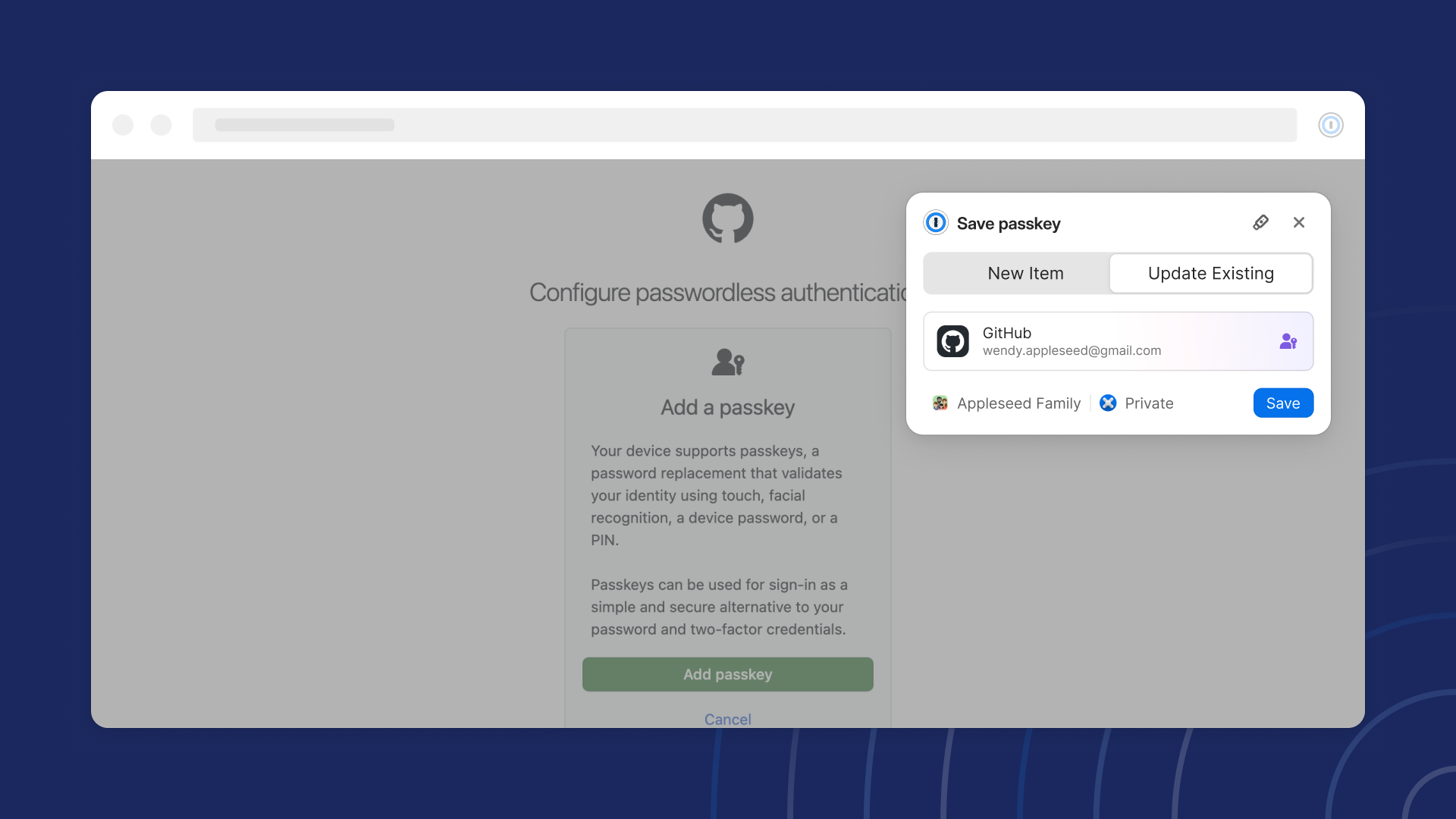
1Password rolled out full passkeypasskeyPhishing-resistant sign-in credentials built on FIDO2/WebAuthn: the device holds a private key and proves possession instead of the user typing a password. They sync across a user's devices. support across its browser extension and native apps, letting users create, manage, and share passkeyspasskeysPhishing-resistant sign-in credentials built on FIDO2/WebAuthn: the device holds a private key and proves possession instead of the user typing a password. They sync across a user's devices. everywhere, while Watchtower now helps identify logins ready to upgrade.︀︄︇︀︅︉︀︅︀︀︃︀︀︅︅︀︅︊︀︄︆︀︃︄︀︄︇︀︅︉︀︅︀︀︃︀︀︅︅︀︅︊︀︄︆︀︃︄︀︄︇︀︅︉︀︅︀︀︃︀︀︅︅︀︅︊︀︄︆︀︃︄
All the latest releases from the 1Password team
1Password rolled out full passkeypasskeyPhishing-resistant sign-in credentials built on FIDO2/WebAuthn: the device holds a private key and proves possession instead of the user typing a password. They sync across a user's devices. support across its browser extension and native apps, letting users create, manage, and share passkeyspasskeysPhishing-resistant sign-in credentials built on FIDO2/WebAuthn: the device holds a private key and proves possession instead of the user typing a password. They sync across a user's devices. everywhere, while Watchtower now helps identify logins ready to upgrade.︀︄︇︀︅︉︀︅︀︀︃︀︀︅︅︀︅︊︀︄︆︀︃︄︀︄︇︀︅︉︀︅︀︀︃︀︀︅︅︀︅︊︀︄︆︀︃︄︀︄︇︀︅︉︀︅︀︀︃︀︀︅︅︀︅︊︀︄︆︀︃︄
└──▷ WHAT SHIPPED ·
2 FEATURES0 OF 2 FEATURESmost completely described firstwhat's the number?
Each feature carries 0–100 for how completely the vendor documented
it — not how big or important the work is. A major capability
described in eight words scores low, and that is the finding.
depth0–40what it does and how it works or what changed
specificity0–30names real surfaces — APIs, flags, formats, limits, numbers
actionability0–30enough to go use it — a named endpoint, flag, or config key tops this; a UI path is a starting point
Code and config rank first by construction: a documented endpoint,
flag or config key scores at the top of specificity and actionability,
so it sorts above a feature described only in prose. Under
60 the notes go thin — everything below the “thinner
coverage” line is thinner documentation, not smaller work.
Hover any meter for that feature's three sub-scores.
0100
Passkey support in browser extension and appsnew62how completely this was documenteddepth25/40specificity22/30actionability15/3062 / 100
1Password now supports creating, saving, and authenticating with passkeys directly in the browser extension across Chrome, Firefox, Edge, Brave, and Safari for sites that support passkey login.︀︄︇︀︅︉︀︅︀︀︃︀︀︅︅︀︅︊︀︄︆︀︃︄ Saved passkeys can also be viewed, edited, moved, deleted, and shared from the native apps on Mac, iOS, Windows, Android, and Linux.︀︄︇︀︅︉︀︅︀︀︃︀︀︅︅︀︅︊︀︄︆︀︃︄︀︄︇︀︅︉︀︅︀︀︃︀︀︅︅︀︅︊︀︄︆︀︃︄
Watchtower flags passkey-upgrade-eligible loginsnew40how completely this was documenteddepth15/40specificity10/30actionability15/3040 / 100
Watchtower now flags existing saved logins that are eligible to be upgraded to a passkey, so users can review the list and create a passkey for each flagged site via the browser extension.
Identify which saved logins in your vault can be upgraded to a passkey without manually reviewing each site.
📍In 1Password, open Watchtower. Review the list of logins flagged as passkey-eligible, then visit each site to create and save a passkey via the browser extension.
Didit provides identity verification, fraud prevention, and transaction-monitoring APIs, SDKs, and MCP tools.
Didit's ID Verification step gains non-document identity checks — national ID-number lookups and digital wallet sign-in — with per-country controls, configurable failure fallbacks, and matching support across the mobile SDKs and console sandbox, while the AMLAMLAnti-Money Laundering: a set of laws, regulations, and procedures that financial institutions must follow to detect and report suspicious financial activity; cyber tools use it to automate transaction monitoring and compliance workflows. Screening node gets flexible entity-field mapping for non-standard documents.︀︄︇︀︅︉︀︅︀︀︃︀︀︅︅︀︅︊︀︄︆︀︃︄
└──▷ WHAT SHIPPED ·
6 FEATURES0 OF 6 FEATURESmost completely described firstwhat's the number?
Each feature carries 0–100 for how completely the vendor documented
it — not how big or important the work is. A major capability
described in eight words scores low, and that is the finding.
depth0–40what it does and how it works or what changed
specificity0–30names real surfaces — APIs, flags, formats, limits, numbers
actionability0–30enough to go use it — a named endpoint, flag, or config key tops this; a UI path is a starting point
Code and config rank first by construction: a documented endpoint,
flag or config key scores at the top of specificity and actionability,
so it sorts above a feature described only in prose. Under
60 the notes go thin — everything below the “thinner
coverage” line is thinner documentation, not smaller work.
Hover any meter for that feature's three sub-scores.
0100
Non-document national ID lookup and digital ID wallet supportnew90how completely this was documenteddepth35/40specificity30/30actionability25/3090 / 100
Adds non-document national ID-number lookup: the user submits their national ID number and personal details, checked against an authoritative source (government register, credit bureau, or similar) with no photo or upload required.︀︄︇︀︅︉︀︅︀︀︃︀︀︅︅︀︅︊︀︄︆︀︃︄ Per-country method controls are configurable via the Countries tab on the ID Verification step (and the API) to enable or disable document capture, national ID lookup, and digital ID wallets country by country. Fallback behaviour is configurable per failure mode — partial match, no match, no source response, or cancelled/timed-out wallet sign-in — each routing the user to document capture or declining the session. Lookup retry count is configurable from one to five attempts (default two), with only source-answered attempts counted toward billing and format-invalid numbers never reaching the source. Digital ID wallet support is on the roadmap for MitID, BankID, itsme, Vipps, iDIN, UAE PASS, gov.br, and EUDI Wallet, configurable in the console as Coming soon but not yet enabled for production; sandbox applications can already test every wallet in the catalog with simulated results independent of production availability. Mobile SDKs 4.8.0 (iOS, Android, React Native, Flutter) surface national ID lookup and digital ID wallet sign-in on a single entry screen alongside document capture, with on-device field validation before submission.
Enable national ID-number lookup for a specific country so users in that country can verify without uploading a document — useful when reducing drop-off in markets with high government-register coverage.
📍In the Didit console, open your workflow, select the ID Verification step, go to the Countries tab, find the target country, and toggle Non-document lookup on. Configure the failure-mode switches (partial match, no match, no source response) to either fall back to document capture or decline the session, then save.
Upgrade the Web SDK to 4.8.0 to pick up the non-document lookup flow and the corrected SDK_VERSION constant in your CI pipeline.
Screened entity mapping in AML Screening nodenew80how completely this was documenteddepth30/40specificity25/30actionability25/3080 / 100
Adds a Screened entity tab to the AML Screening node so practitioners can map screening inputs (name, date of birth, country, document number) directly from Document AI fields, questionnaire answers, expected_details, or metadata — enabling AML screening on flows using non-standardised documents such as tax certificates or notarised incorporation deeds, without an ID Verification or KYBKYBKnow Your Business — a regulatory compliance process for verifying the legal identity, ownership, and legitimacy of a business entity, used by cyber tools to screen counterparties or customers against fraud and sanctions risk. Registry step. Adds an Entity type selector to screen either a person or company, routing company searches against company records, and an Incomplete screening data control (default Review, with a No action option) for flows that knowingly hold only partial identity data.
When your AML screening flow is built around a Document AI step (e.g. a notarised deed) rather than an ID Verification step, configure the Screened entity tab to pull identity fields — including the automatically-detected full_name — into the screening node.
📍In the workflow console, select your AML Screening node › open the Screened entity tab › set Entity type to person › under Field sources, map name to your Document AI field (e.g. full_name), date of birth to dob, and country to country_of_issue › set Incomplete screening data to Review › publish the workflow.
— Names tab, selector and control with exact console stepsproduct docs
0300
Verification method and assurance tier on webhooks and decision APInew60how completely this was documenteddepth20/40specificity25/30actionability15/3060 / 100
Adds status.updated webhook and decision API fields carrying the verification method (Documentary, Data match, Cryptographic) and assurance tier for every ID Verification session.
Specific rejection reason on questionnaire failureimproved30how completely this was documenteddepth15/40specificity10/30actionability5/3030 / 100
Surfaces the server-provided rejection reason to users when a questionnaire submission fails, replacing the previous generic error message; the mobile SDKs also adopt this improved questionnaire error messaging.
— States the before/after but no named surface or examplesnapshot-20260913
CISO Assistant's v4.0.2 release adds AI-driven workflow steps, full TPRMTPRMAssessing and monitoring the security risk an organization takes on through its vendors, suppliers and service providers. It covers the questionnaires, evidence and continuous checks behind letting a third party hold your data. data support in domain export/import, a unified PDF report engine, and a batch of smaller UI, filtering and localization improvements.︀︄︇︀︅︉︀︅︀︀︃︀︀︅︅︀︅︊︀︄︆︀︃︄︀︄︇︀︅︉︀︅︀︀︃︀︀︅︅︀︅︊︀︄︆︀︃︄︀︄︇︀︅︉︀︅︀︀︃︀︀︅︅︀︅︊︀︄︆︀︃︄︀︄︇︀︅︉︀︅︀︀︃︀︀︅︅︀︅︊︀︄︆︀︃︄
CISO Assistant is a one-stop-shop GRC platform for Risk Management, AppSec, Compliance & Audit, TPRM, BIA, Privacy, and Reporting. It supports 200+ global frameworks with automatic control mapping, including ISO 27001, NIST CSF, SOC 2, CIS, PCI DSS, NIS2, DORA, GDPR, HIPAA, CMMC, and more.
CISO Assistant's v4.0.2 release adds AI-driven workflow steps, full TPRMTPRMAssessing and monitoring the security risk an organization takes on through its vendors, suppliers and service providers. It covers the questionnaires, evidence and continuous checks behind letting a third party hold your data. data support in domain export/import, a unified PDF report engine, and a batch of smaller UI, filtering and localization improvements.︀︄︇︀︅︉︀︅︀︀︃︀︀︅︅︀︅︊︀︄︆︀︃︄︀︄︇︀︅︉︀︅︀︀︃︀︀︅︅︀︅︊︀︄︆︀︃︄︀︄︇︀︅︉︀︅︀︀︃︀︀︅︅︀︅︊︀︄︆︀︃︄︀︄︇︀︅︉︀︅︀︀︃︀︀︅︅︀︅︊︀︄︆︀︃︄
└──▷ WHAT SHIPPED ·
10 FEATURES0 OF 10 FEATURESmost completely described firstwhat's the number?
Each feature carries 0–100 for how completely the vendor documented
it — not how big or important the work is. A major capability
described in eight words scores low, and that is the finding.
depth0–40what it does and how it works or what changed
specificity0–30names real surfaces — APIs, flags, formats, limits, numbers
actionability0–30enough to go use it — a named endpoint, flag, or config key tops this; a UI path is a starting point
Code and config rank first by construction: a documented endpoint,
flag or config key scores at the top of specificity and actionability,
so it sorts above a feature described only in prose. Under
60 the notes go thin — everything below the “thinner
coverage” line is thinner documentation, not smaller work.
Hover any meter for that feature's three sub-scores.
0100
Folder-level `is_published` fieldnew65how completely this was documenteddepth20/40specificity25/30actionability20/3065 / 100
A new is_published field, controlled at the Folder level, manages publication state for folder-level objects.︀︄︇︀︅︉︀︅︀︀︃︀︀︅︅︀︅︊︀︄︆︀︃︄︀︄︇︀︅︉︀︅︀︀︃︀︀︅︅︀︅︊︀︄︆︀︃︄︀︄︇︀︅︉︀︅︀︀︃︀︀︅︅︀︅︊︀︄︆︀︃︄︀︄︇︀︅︉︀︅︀︀︃︀︀︅︅︀︅︊︀︄︆︀︃︄
— Names the exact field and its scope for direct usev4.0.2
0200
TPRM data in domain export/importimproved60how completely this was documenteddepth25/40specificity20/30actionability15/3060 / 100
Domain export/import operations now carry the full TPRM (third-party risk management) data set, so third-party risk records travel with other domain data during export/import.
— Clear scope but no exact command or endpoint namedv4.0.2
thinner coverage below
0300
Bulk import of applied controls and ownersimproved55how completely this was documenteddepth20/40specificity20/30actionability15/3055 / 100
The data-wizard now supports importing applied controls and owners together with findings, enabling richer bulk data intake in a single operation.
— Names data-wizard and the imported entities togetherv4.0.2
0400
Quick-add custom metric samplenew50how completely this was documenteddepth15/40specificity20/30actionability15/3050 / 100
A new context menu action lets users quickly add a custom-metric-sample directly from the UI.
— Names the exact object type added via UI actionv4.0.2
0500
Unified PDF report rendering engineimproved50how completely this was documenteddepth25/40specificity15/30actionability10/3050 / 100
PDF report exports are now unified under a single new rendering engine, producing a consistent layout across all report types.
— Explains mechanism but no format/version specificsv4.0.2
0600
AI call support in workflowsnew45how completely this was documenteddepth20/40specificity15/30actionability10/3045 / 100
Workflow definitions can now include AI-driven steps via new AI call support, enabling automated AI-driven steps within CISO Assistant workflow definitions.
— Names the capability but no config/flag detail givenv4.0.2
0700
Date filters across the platformnew40how completely this was documenteddepth15/40specificity10/30actionability15/3040 / 100
Date filters have been added across the platform, allowing users to narrow object lists by date ranges.
— Prose description, no specific fields or UI path namedv4.0.2
0800
Requests management via quick formsnew40how completely this was documenteddepth15/40specificity10/30actionability15/3040 / 100
A new requests management system is accessible through quick forms, enabling streamlined intake of requests.
— Names the feature but not the underlying form/configv4.0.2
0900
Audit table-mode reworkimproved35how completely this was documenteddepth15/40specificity10/30actionability10/3035 / 100
The audit table-mode in the frontend has been reworked with an updated layout and interaction model.
— Describes change but no specifics on new interactionsv4.0.2
1000
German NIS2 ENISA translationsnew35how completely this was documenteddepth10/40specificity15/30actionability10/3035 / 100
German NIS2NIS2EU directive that expands mandatory cybersecurity requirements to more sectors and member states than its predecessor, giving cyber tools a compliance framework to map controls and reporting obligations against.ENISAENISAThe European Union Agency for Cybersecurity, an EU body that publishes threat landscapes, guidelines, and standards to help member states and organisations raise their cyber defences. translations have been added to the framework library.
— Simple addition with no further mechanism describedv4.0.2
Obsidian's 1.14.1 update focuses on small quality-of-life additions: configurable Quick Capture widget locations on iOS, OpenStreetMapOpenStreetMapA free, community-maintained world map database anyone can query or download, giving cyber tools access to geographic and infrastructure data without licensing fees or API rate limits tied to commercial providers. templates, an updated math renderer, and right-to-left support in Bases tables.︀︄︇︀︅︉︀︅︀︀︃︀︀︅︅︀︅︊︀︄︆︀︃︄︀︄︇︀︅︉︀︅︀︀︃︀︀︅︅︀︅︊︀︄︆︀︃︄︀︄︇︀︅︉︀︅︀︀︃︀︀︅︅︀︅︊︀︄︆︀︃︄︀︄︇︀︅︉︀︅︀︀︃︀︀︅︅︀︅︊︀︄︆︀︃︄
The free and flexible app for your private thoughts.
Obsidian's 1.14.1 update focuses on small quality-of-life additions: configurable Quick Capture widget locations on iOS, OpenStreetMapOpenStreetMapA free, community-maintained world map database anyone can query or download, giving cyber tools access to geographic and infrastructure data without licensing fees or API rate limits tied to commercial providers. templates, an updated math renderer, and right-to-left support in Bases tables.︀︄︇︀︅︉︀︅︀︀︃︀︀︅︅︀︅︊︀︄︆︀︃︄︀︄︇︀︅︉︀︅︀︀︃︀︀︅︅︀︅︊︀︄︆︀︃︄︀︄︇︀︅︉︀︅︀︀︃︀︀︅︅︀︅︊︀︄︆︀︃︄︀︄︇︀︅︉︀︅︀︀︃︀︀︅︅︀︅︊︀︄︆︀︃︄
└──▷ WHAT SHIPPED ·
4 FEATURES0 OF 4 FEATURESmost completely described firstwhat's the number?
Each feature carries 0–100 for how completely the vendor documented
it — not how big or important the work is. A major capability
described in eight words scores low, and that is the finding.
depth0–40what it does and how it works or what changed
specificity0–30names real surfaces — APIs, flags, formats, limits, numbers
actionability0–30enough to go use it — a named endpoint, flag, or config key tops this; a UI path is a starting point
Code and config rank first by construction: a documented endpoint,
flag or config key scores at the top of specificity and actionability,
so it sorts above a feature described only in prose. Under
60 the notes go thin — everything below the “thinner
coverage” line is thinner documentation, not smaller work.
Hover any meter for that feature's three sub-scores.
0100
Accessibility text scaling CSS variablenew70how completely this was documenteddepth20/40specificity25/30actionability25/3070 / 100
Themes and snippets can override text scaling for specific elements to respect the user's mobile accessibility text size preference using the --font-preferred-size CSS variable, e.g.︀︄︇︀︅︉︀︅︀︀︃︀︀︅︅︀︅︊︀︄︆︀︃︄ .my-element { font-size: var(--font-preferred-size); }.︀︄︇︀︅︉︀︅︀︀︃︀︀︅︅︀︅︊︀︄︆︀︃︄︀︄︇︀︅︉︀︅︀︀︃︀︀︅︅︀︅︊︀︄︆︀︃︄︀︄︇︀︅︉︀︅︀︀︃︀︀︅︅︀︅︊︀︄︆︀︃︄
Override text scaling in a theme or snippet so specific elements respect the user's accessibility text size preference on mobile.
iOS Quick Capture widgets can target a Locationimproved50how completely this was documenteddepth20/40specificity15/30actionability15/3050 / 100
The iOS Lock Screen and Control Center Quick Capture widgets can now be configured to open a specific Location, rather than only a fixed default capture target.
MathJax updated to 4.1.3improved25how completely this was documenteddepth10/40specificity15/30actionability0/3025 / 100
The bundled MathJaxMathJaxAn open-source JavaScript library that renders LaTeX and MathML math notation in web browsers, giving cyber tools a reliable way to display formatted equations without server-side processing. math rendering library was updated to version 4.1.3.
 THE CYBER TOOLCHAIN