Ubiq Security
changelog-20260926-d6c55ad6 commercialThe section your link pointed to isn't on Ubiq Security's page any more, so we've brought you to the top.
keyNum, err := ubiq.GetKeyNumber(ciphertext)
if err != nil {
    log.Fatal(err)
}
fmt.Printf("Key number: %d\n", keyNum)
# Cargo.toml
[dependencies]
ubiq-rust = "1.0.0"
# Cargo.toml
[dependencies]
ubiq-rust = "1.0.0"
keyNum, err := ubiq.GetKeyNumber(ciphertext)
if err != nil {
    log.Fatal(err)
}
fmt.Printf("Key number: %d\n", keyNum)
\Ubiq\loadCache($credentials, ['SSN', 'FIRST_NAME', 'LAST_NAME']);
$cipher = \Ubiq\encrypt($credentials, '123-45-6789', 'SSN'); // served from cache
$cipher_int = \Ubiq\encryptInteger($credentials, -493356814481025, 'integer64');
$plain_int  = \Ubiq\decryptInteger($credentials, $cipher_int, 'integer64');
$plain_date   = new \DateTimeImmutable('1530-09-21T00:00:00Z');
$cipher_dates = \Ubiq\encryptDateForSearch($credentials, $plain_date, 'date_2keys');
// $cipher_dates contains one entry per active key rotation
const credentials = ubiq.UbiqFactory.readCredentialsFromFile('./credentials', 'default');
const configuration = ubiq.UbiqFactory.defaultConfiguration();
const ubiqEncryptDecrypt = await (new ubiq.CryptographyBuilder())
  .withCredentialsObject(credentials)
  .withConfigurationObject(configuration)
  .buildStructuredAsync();

const int32 = await ubiqEncryptDecrypt.EncryptNumberAsync('int32', 9, []);
const search32 = await ubiqEncryptDecrypt.encryptNumberForSearchAsync('int32', 9, []);
const credentials = ubiq.UbiqFactory.readCredentialsFromFile('./credentials', 'default');
const configuration = ubiq.UbiqFactory.defaultConfiguration();
const ubiqEncryptDecrypt = await (new ubiq.CryptographyBuilder())
  .withCredentialsObject(credentials)
  .withConfigurationObject(configuration)
  .buildStructuredAsync();

const plainDateTime = new Date(new Date().setUTCMilliseconds(0));
const ct = await ubiqEncryptDecrypt.EncryptDateTimeAsync('datetime', plainDateTime, []);
const search = await ubiqEncryptDecrypt.encryptDateTimeForSearchAsync('datetime', plainDateTime, []);
const ubiqEncryptDecrypt = await (new ubiq.CryptographyBuilder())
  .withCredentialsObject(credentials)
  .withConfigurationObject(configuration)
  .buildStructuredAsync();

ubiqEncryptDecrypt.addReportingUserDefinedMetadata('{"tenant":"acme","env":"prod"}');
String[] datasets = {"dataset1", "dataset2"};
ubiqEncryptDecrypt.loadCache(datasets);
// Or load every dataset for the active API key:
ubiqEncryptDecrypt.loadCache(new String[0]);
String int32DatasetName = "Int32";
int intVal = 9;
int int32 = ubiqEncryptDecrypt.encryptInt(int32DatasetName, intVal, null);
int[] search32 = ubiqEncryptDecrypt.encryptIntForSearch(int32DatasetName, intVal, null);
{
  "java_options": {
    "always_bubble_exceptions": true
  }
}
enc, _ := ubiq.NewStructuredEncryption(creds)
dec, _ := ubiq.NewStructuredDecryption(creds)

currentKey, _ := enc.GetCurrentKeyNumber("SSN")
recordKey, _ := dec.GetKeyNumber("SSN", cipherText)
if recordKey != currentKey {
    // re-encrypt: decipher then CipherAndKeyNumber
    plain, _ := dec.Decipher("SSN", cipherText, nil)
    newCipher, newKey, _ := enc.CipherAndKeyNumber("SSN", plain, nil)
    fmt.Printf("re-encrypted with key %d: %s\n", newKey, newCipher)
}
enc, _ := ubiq.NewStructuredEncryption(creds)
defer enc.Close()

cipherInt, _ := enc.CipherInt64("BIRTH_YEAR", int64(1985), nil)
cipherDate, _ := enc.CipherDate("BIRTH_DATE", time.Date(1985, 6, 15, 0, 0, 0, 0, time.UTC), nil)

dec, _ := ubiq.NewStructuredDecryption(creds)
plainInt, _ := dec.DecipherInt64("BIRTH_YEAR", cipherInt, nil)
plainDate, _ := dec.DecipherDate("BIRTH_DATE", cipherDate, nil)
enc, _ := ubiq.NewStructuredEncryption(creds)
defer enc.Close()

// Pre-load specific datasets
enc.LoadCache([]string{"SSN", "BIRTH_DATE", "BIRTH_YEAR"})

// Alternatively, pre-load all datasets on the decryption side
dec, _ := ubiq.NewStructuredDecryption(creds)
dec.LoadCache([]string{})
export UBIQ_IDP_USERNAME=user@example.com
export UBIQ_IDP_PASSWORD=s3cr3t
{
  "idp": {
    "provider": "okta",
    "ubiq_customer_id": "f6f.....08c5",
    "idp_token_endpoint_url": "https://dev-<domain>.okta.com/oauth2/v1/token",
    "idp_tenant_id": "0o....d7",
    "idp_client_secret": "yro.....2Db"
  }
}
ubiq::platform::builder builder;
ubiq::platform::credentials creds;
ubiq::platform::configuration config;

ubiq::platform::structured::encryption e = builder.with(creds).with(config).buildStructuredEncryption();
ubiq::platform::structured::decryption d = builder.with(creds).with(config).buildStructuredDecryption();
from operators.ubiq_encrypt_operator import UbiqEncryptOperator
from operators.ubiq_decrypt_operator import UbiqDecryptOperator
import ubiq_security as ubiq

creds = ubiq.configCredentials(config_file="ubiq-credentials", profile="default")

get_data = BigQueryGetDataOperator(
    task_id="get_data",
    dataset_id=DATASET_NAME,
    table_id=TABLE_NAME,
    max_results=10,
    selected_fields="name,email,ssn,birthday",
)

enc_task = UbiqEncryptOperator(
    task_id="enc_task",
    credentials=creds,
    data_task=get_data.task_id,
    dataset_names=["", "", "SSN", "Birthdate"]
)

dec_task = UbiqDecryptOperator(
    task_id="ubiq_dec_task",
    credentials=creds,
    data_task=enc_task.task_id,
    dataset_names=["", "", "SSN", "Birthdate"]
)

get_data >> enc_task >> dec_task
cd ubiq-broker/ubiq_idp_auth && gcloud functions deploy ubiq_idp_auth --gen2 --runtime=nodejs20 --source=. --entry-point=ubiq_idp_auth --trigger-http
CALL BQ_DATASET.begin_idp_session('my_dataset');
IDP_CUSTOMER_ID=<your-ubiq-customer-id>
IDP_PRIVATE_KEY_PATH=/idp/idp_private_key
encrypted, err := client.CipherInt64(plaintextInt64)
long encrypted = ubiqEncrypt.encryptLong(plaintextLong);
keyNum, err := ubiq.GetKeyNumber(ciphertext)
if err != nil {
    log.Fatal(err)
}
fmt.Printf("Key number: %d\n", keyNum)
ubiq-rust = "1.0.0"
keyNum, err := ubiq.GetKeyNumber(ciphertext)
if err != nil {
    log.Fatal(err)
}
fmt.Printf("Encrypted with key number: %d\n", keyNum)
# Cargo.toml
[dependencies]
ubiq-rust = "1.0.0"
\Ubiq\loadCache($credentials, ["SSN", "FIRST_NAME", "LAST_NAME"]);
$cipher_int = \Ubiq\encryptInteger($credentials, -493356814481025, "integer64");
$plain_int  = \Ubiq\decryptInteger($credentials, $cipher_int, "integer64");
$plain_date   = new \DateTimeImmutable('1530-09-21T00:00:00Z');
$cipher_dates = \Ubiq\encryptDateForSearch($credentials, $plain_date, "date_2keys");
// $cipher_dates is an array — query WHERE encrypted_col IN ($cipher_dates)
const credentials = ubiq.UbiqFactory.readCredentialsFromFile('./credentials', 'default');
const configuration = ubiq.UbiqFactory.defaultConfiguration();
const ubiqEncryptDecrypt = await (new ubiq.CryptographyBuilder()).withCredentialsObject(credentials).withConfigurationObject(configuration).buildStructuredAsync();
const intVal = 12345678;
const encrypted = await ubiqEncryptDecrypt.EncryptNumberAsync('int32', intVal, []);
const searchValues = await ubiqEncryptDecrypt.encryptNumberForSearchAsync('int32', intVal, []);
const credentials = ubiq.UbiqFactory.createCredentialsWithIdp(<username>, <password>, <host>);
const ubiqEncryptDecrypt = await (new ubiq.CryptographyBuilder()).withCredentialsObject(credentials).buildStructuredAsync();
const ubiqEncryptDecrypt = await (new ubiq.CryptographyBuilder()).withCredentialsObject(credentials).withConfigurationObject(configuration).buildStructuredAsync();
ubiqEncryptDecrypt.addReportingUserDefinedMetadata('{"team": "security", "env": "prod"}');
// Load cache for specific datasets at startup
String[] datasets = {"dataset1", "dataset2"};
ubiqEncryptDecrypt.loadCache(datasets);

// Or load all datasets associated with the credentials
ubiqEncryptDecrypt.loadCache(new String[0]);
{
  "java_options": {
    "always_bubble_exceptions": true
  }
}
docker run --rm -it -p 8080:8080 mitmproxy/mitmproxy mitmproxy --mode regular --listen-port 8080
enc, _ := ubiq.NewStructuredEncryption(creds)
dec, _ := ubiq.NewStructuredDecryption(creds)

currentKey, _ := enc.GetCurrentKeyNumber("SSN")
cipherKey, _ := dec.GetKeyNumber("SSN", storedCipherText)
if cipherKey != currentKey {
    // re-encrypt storedCipherText with the current key
}
enc, _ := ubiq.NewStructuredEncryption(creds)
defer enc.Close()
cipherInt, err := enc.CipherInt64("BIRTH_YEAR", int64(1985), nil)

dec, _ := ubiq.NewStructuredDecryption(creds)
plainInt, err := dec.DecipherInt64("BIRTH_YEAR", cipherInt, nil)
{
  "golang": {
    "cache_hard_max_size_mb": 256
  }
}
export UBIQ_IDP_USERNAME=user@example.com
export UBIQ_IDP_PASSWORD=s3cr3t
{
  "idp": {
    "provider": "okta",
    "ubiq_customer_id": "f6f.....08c5",
    "idp_token_endpoint_url": "https://dev-<domain>.okta.com/oauth2/v1/token",
    "idp_tenant_id": "0o....d7",
    "idp_client_secret": "yro.....2Db"
  }
}
ubiq::platform::builder builder;
ubiq::platform::credentials creds;
ubiq::platform::configuration config;
ubiq::platform::structured::encryption e = builder.with(creds).with(config).buildStructuredEncryption();
ubiq::platform::structured::decryption d = builder.with(creds).with(config).buildStructuredDecryption();
import ubiq_security as ubiq
from operators.ubiq_encrypt_operator import UbiqEncryptOperator
from operators.ubiq_decrypt_operator import UbiqDecryptOperator

creds = ubiq.configCredentials(config_file='ubiq-credentials', profile='default')

get_data = BigQueryGetDataOperator(
    task_id='get_data',
    dataset_id=DATASET_NAME,
    table_id=TABLE_NAME,
    max_results=10,
    selected_fields='name,email,ssn,birthday',
)

enc_task = UbiqEncryptOperator(
    task_id='enc_task',
    credentials=creds,
    data_task=get_data.task_id,
    dataset_names=['', '', 'SSN', 'Birthdate'],
)

dec_task = UbiqDecryptOperator(
    task_id='ubiq_dec_task',
    credentials=creds,
    data_task=enc_task.task_id,
    dataset_names=['', '', 'SSN', 'Birthdate'],
)

get_data >> enc_task >> dec_task
cd ubiq-broker/ubiq_idp_auth && gcloud functions deploy ubiq_idp_auth --gen2 --runtime=nodejs20 --source=. --entry-point=ubiq_idp_auth --trigger-http
CALL BQ_DATASET.begin_idp_session('dataset_names');
keyNum, err := ubiq.GetKeyNumber(ciphertext)
if err != nil {
    log.Fatal(err)
}
fmt.Printf("Protected by key number: %d\n", keyNum)
keyNum, err := ubiq.GetKeyNumber(ciphertext)
if err != nil {
    log.Fatal(err)
}
fmt.Println('Key number:', keyNum)
\Ubiq\loadCache($credentials, ["SSN", "FIRST_NAME", "LAST_NAME"]);
$cipher = \Ubiq\encrypt($credentials, $plaintext, "SSN");
$cipher_int = \Ubiq\encryptInteger($credentials, -493356814481025, "integer64");
$plain_int  = \Ubiq\decryptInteger($credentials, $cipher_int, "integer64");
$plain_date   = new \DateTimeImmutable('1530-09-21T00:00:00Z');
$cipher_dates = \Ubiq\encryptDateForSearch($credentials, $plain_date, "date_2keys");
// $cipher_dates contains one entry per active key rotation
const credentials = ubiq.UbiqFactory.readCredentialsFromFile('./credentials', 'default');
const configuration = ubiq.UbiqFactory.defaultConfiguration();
const ubiqEncryptDecrypt = await (new ubiq.CryptographyBuilder())
  .withCredentialsObject(credentials)
  .withConfigurationObject(configuration)
  .buildStructuredAsync();

const tweakFF1 = [];
const int32 = await ubiqEncryptDecrypt.EncryptNumberAsync('int32', 9, tweakFF1);
const searchValues = await ubiqEncryptDecrypt.encryptNumberForSearchAsync('int32', 9, tweakFF1);
// searchValues contains all ciphertexts needed for an encrypted search
const credentials = ubiq.UbiqFactory.createCredentialsWithIdp(<username>, <password>, <host>);
const ubiqEncryptDecrypt = await (new ubiq.CryptographyBuilder())
  .withCredentialsObject(credentials)
  .withConfigurationObject(ubiq.UbiqFactory.defaultConfiguration())
  .buildStructuredAsync();
const ubiqEncryptDecrypt = await (new ubiq.CryptographyBuilder())
  .withCredentialsObject(credentials)
  .withConfigurationObject(configuration)
  .buildStructuredAsync();

ubiqEncryptDecrypt.addReportingUserDefinedMetadata('{"pipeline": "ingest", "team": "data-eng"}');
const ct = await ubiqEncryptDecrypt.EncryptAsync('token64', 'abc', []);
String[] datasets = {"dataset1", "dataset2"};
ubiqEncryptDecrypt.loadCache(datasets);

// Or load all datasets for the active API key:
ubiqEncryptDecrypt.loadCache(new String[0]);
{
  "java_options": {
    "always_bubble_exceptions": true
  }
}
mitmproxy --mode regular --listen-port 8080
enc, _ := ubiq.NewStructuredEncryption(creds)
dec, _ := ubiq.NewStructuredDecryption(creds)

currentKey, _ := enc.GetCurrentKeyNumber("SSN")
usedKey, _ := dec.GetKeyNumber("SSN", existingCipherText)

if usedKey != currentKey {
    plain, _ := dec.Cipher("SSN", existingCipherText, nil)
    newCipher, _, _ := enc.CipherAndKeyNumber("SSN", plain, nil)
    // persist newCipher
}
enc, _ := ubiq.NewStructuredEncryption(creds)
defer enc.Close()

cipherYear, err := enc.CipherInt64("BIRTH_YEAR", int64(1985), nil)
cipherDate, err := enc.CipherDate("BIRTH_DATE", time.Date(1985, 6, 15, 0, 0, 0, 0, time.UTC), nil)

dec, _ := ubiq.NewStructuredDecryption(creds)
plainYear, _ := dec.DecipherInt64("BIRTH_YEAR", cipherYear, nil)
plainDate, _ := dec.DecipherDate("BIRTH_DATE", cipherDate, nil)
cache_hard_max_size_mb: 256
export UBIQ_IDP_USERNAME='alice@example.com'
export UBIQ_IDP_PASSWORD='s3cr3t'
{
  "idp": {
    "provider": "okta",
    "ubiq_customer_id": "f6f.....08c5",
    "idp_token_endpoint_url": "https://dev-<domain>.okta.com/oauth2/v1/token",
    "idp_tenant_id": "0o....d7",
    "idp_client_secret": "yro.....2Db"
  }
}
ubiq::platform::builder builder;
ubiq::platform::credentials creds;
ubiq::platform::configuration config;
ubiq::platform::structured::encryption e = builder.with(creds).with(config).buildStructuredEncryption();
ubiq::platform::structured::decryption d = builder.with(creds).with(config).buildStructuredDecryption();
import ubiq_security as ubiq
from operators.ubiq_encrypt_operator import UbiqEncryptOperator
from operators.ubiq_decrypt_operator import UbiqDecryptOperator

creds = ubiq.configCredentials(config_file='ubiq-credentials', profile='default')

get_data = BigQueryGetDataOperator(
    task_id='get_data',
    dataset_id=DATASET_NAME,
    table_id=TABLE_NAME,
    max_results=10,
    selected_fields='name,email,ssn,birthday',
)

enc_task = UbiqEncryptOperator(
    task_id='enc_task',
    credentials=creds,
    data_task=get_data.task_id,
    dataset_names=['', '', 'SSN', 'Birthdate'],
)

dec_task = UbiqDecryptOperator(
    task_id='dec_task',
    credentials=creds,
    data_task=enc_task.task_id,
    dataset_names=['', '', 'SSN', 'Birthdate'],
)

get_data >> enc_task >> dec_task
cd ubiq-broker/ubiq_idp_auth && gcloud functions deploy ubiq_idp_auth --gen2 --runtime=nodejs20 --source=. --entry-point=ubiq_idp_auth --trigger-http
CALL BQ_DATASET.begin_idp_session('dataset_names');
IDP_CUSTOMER_ID=<your-ubiq-customer-id>
IDP_PRIVATE_KEY_PATH=/idp/idp_private_key
keyNum, err := ubiq.GetKeyNumber(ciphertext)
if err != nil {
    log.Fatal(err)
}
fmt.Printf('Key number: %d\n', keyNum)
# Cargo.toml
[dependencies]
ubiq-rust = '*'
// Prefetch every dataset the API key can access:
\Ubiq\loadCache($credentials);

// Or scope to just the datasets you need:
\Ubiq\loadCache($credentials, ['SSN', 'FIRST_NAME', 'LAST_NAME']);

// Subsequent calls hit the cache — no per-dataset network round-trip:
$cipher = \Ubiq\encrypt($credentials, '123-45-6789', 'SSN');
$cipher_int = \Ubiq\encryptInteger($credentials, -493356814481025, 'integer64');
$plain_int   = \Ubiq\decryptInteger($credentials, $cipher_int, 'integer64');

// Search across all active key rotations:
$cipher_ints = \Ubiq\encryptIntegerForSearch($credentials, -493356814481025, 'integer64');
$plain_date   = new \DateTimeImmutable('1530-09-21T00:00:00Z');
$cipher_date  = \Ubiq\encryptDate($credentials, $plain_date, 'date_2keys');
$cipher_dates = \Ubiq\encryptDateForSearch($credentials, $plain_date, 'date_2keys');

$plain_dt   = new \DateTimeImmutable('2092-11-22T22:38:20Z');
$cipher_dt  = \Ubiq\encryptDateTime($credentials, $plain_dt, 'datetime');
$cipher_dts = \Ubiq\encryptDateTimeForSearch($credentials, $plain_dt, 'datetime');
const credentials = ubiq.UbiqFactory.readCredentialsFromFile('./credentials', 'default');
const configuration = ubiq.UbiqFactory.defaultConfiguration();
const ubiqEncryptDecrypt = await (new ubiq.CryptographyBuilder())
  .withCredentialsObject(credentials)
  .withConfigurationObject(configuration)
  .buildStructuredAsync();

const tweakFF1 = [];
const encrypted = await ubiqEncryptDecrypt.EncryptNumberAsync('int32', 12345, tweakFF1);
const searchTokens = await ubiqEncryptDecrypt.encryptNumberForSearchAsync('int32', 12345, tweakFF1);
// Use searchTokens to query the database for all matching encrypted values
const credentials = ubiq.UbiqFactory.createCredentialsWithIdp('<username>', '<password>', '<host>');
const ubiqEncryptDecrypt = await (new ubiq.CryptographyBuilder())
  .withCredentialsObject(credentials)
  .withConfigurationObject(ubiq.UbiqFactory.defaultConfiguration())
  .buildStructuredAsync();
const ubiqEncryptDecrypt = await (new ubiq.CryptographyBuilder())
  .withCredentialsObject(credentials)
  .withConfigurationObject(configuration)
  .buildStructuredAsync();

ubiqEncryptDecrypt.addReportingUserDefinedMetadata('{"tenant": "acme-corp", "job": "nightly-batch"}');
// Load cache for two specific datasets at application startup
String[] datasets = {"Int32", "datetime"};
ubiqEncryptDecrypt.loadCache(datasets);

// Or load all datasets associated with the active API key
ubiqEncryptDecrypt.loadCache(new String[0]);
{
  "java_options": {
    "always_bubble_exceptions": true
  }
}
docker run --rm -it -p 8080:8080 mitmproxy/mitmproxy mitmproxy --mode regular --listen-port 8080
cipherKeyNum, err := dec.GetKeyNumber(datasetName, cipherText)
currentKeyNum, err := enc.GetCurrentKeyNumber(datasetName)
if cipherKeyNum != currentKeyNum {
    // re-encrypt with current key
}
enc, _ := ubiq.NewStructuredEncryption(creds)
defer enc.Close()
cipherInt, err := enc.CipherInt64("BIRTH_YEAR", int64(1985), nil)

dec, _ := ubiq.NewStructuredDecryption(creds)
plainInt, err := dec.DecipherInt64("BIRTH_YEAR", cipherInt, nil)
enc, _ := ubiq.NewStructuredEncryption(creds)
enc.LoadCache([]string{"SSN", "BIRTH_DATE", "BIRTH_YEAR"})

dec, _ := ubiq.NewStructuredDecryption(creds)
dec.LoadCache([]string{}) // empty slice loads ALL datasets
export UBIQ_IDP_USERNAME=user@example.com
export UBIQ_IDP_PASSWORD=s3cr3t
{
  "idp": {
    "provider": "okta",
    "ubiq_customer_id": "f6f.....08c5",
    "idp_token_endpoint_url": "https://dev-<domain>.okta.com/oauth2/v1/token",
    "idp_tenant_id": "0o....d7",
    "idp_client_secret": "yro.....2Db"
  }
}
ubiq::platform::builder builder;
ubiq::platform::credentials creds;
ubiq::platform::configuration config;

// Unstructured
ubiq::platform::encryption e = builder.with(creds).with(config).buildUnstructuredEncryption();
ubiq::platform::decryption d = builder.with(creds).with(config).buildUnstructuredDecryption();

// Structured
ubiq::platform::structured::encryption se = builder.with(creds).with(config).buildStructuredEncryption();
ubiq::platform::structured::decryption sd = builder.with(creds).with(config).buildStructuredDecryption();
import ubiq_security as ubiq
from operators.ubiq_encrypt_operator import UbiqEncryptOperator
from operators.ubiq_decrypt_operator import UbiqDecryptOperator

creds = ubiq.configCredentials(config_file='ubiq-credentials', profile='default')

enc_task = UbiqEncryptOperator(
    task_id='enc_task',
    credentials=creds,
    data_task=get_data.task_id,
    dataset_names=['', '', 'SSN', 'Birthdate']
)

dec_task = UbiqDecryptOperator(
    task_id='dec_task',
    credentials=creds,
    data_task=enc_task.task_id,
    dataset_names=['', '', 'SSN', 'Birthdate']
)

get_data >> enc_task >> dec_task
cd ubiq-broker/ubiq_idp_auth && gcloud functions deploy ubiq_idp_auth --gen2 --runtime=nodejs20 --source=. --entry-point=ubiq_idp_auth --trigger-http
CREATE OR REPLACE FUNCTION PROJECT_ID.BQ_DATASET.ubiq_idp_auth(dataset_names STRING) RETURNS JSON
REMOTE WITH CONNECTION PROJECT_ID.CONNECTION_ID
options (
  endpoint = 'URL TO UBIQ_IDP_AUTH'
);

CREATE OR REPLACE PROCEDURE PROJECT_ID.BQ_DATASET.ubiq_begin_idp_session(datasetNames STRING)
BEGIN
  SELECT PROJECT_ID.BQ_DATASET.ubiq_idp_auth(datasetNames);
END;
CALL BQ_DATASET.begin_idp_session('dataset_names');
// Java: encrypt a long value using a 64-bit Integer dataset
long encrypted = ubiqEncrypt.encryptLong("my-integer-dataset", 1234567890L);
long decrypted = ubiqDecrypt.encryptLong("my-integer-dataset", encrypted);
// Go: encrypt a time.Time value using a Date & Time dataset
encrypted, err := ubiqEncrypt.CipherDateTime("my-datetime-dataset", originalTimestamp)
decrypted, err := ubiqDecrypt.CipherDateTime("my-datetime-dataset", encrypted)
\Ubiq\loadCache($credentials, ['SSN', 'FIRST_NAME', 'LAST_NAME']);
// subsequent calls hit the cache — no per-dataset network call
$cipher = \Ubiq\encrypt($credentials, '123-45-6789', 'SSN');
$cipher_int = \Ubiq\encryptInteger($credentials, -493356814481025, 'integer64');
$plain_int  = \Ubiq\decryptInteger($credentials, $cipher_int, 'integer64');
$plain_date   = new \DateTimeImmutable('1530-09-21T00:00:00Z');
$cipher_dates = \Ubiq\encryptDateForSearch($credentials, $plain_date, 'date_2keys');
// $cipher_dates is an array — use it in a WHERE IN (...) query
const credentials = ubiq.UbiqFactory.readCredentialsFromFile('./credentials', 'default');
const configuration = ubiq.UbiqFactory.defaultConfiguration();
const ubiqEncryptDecrypt = await (new ubiq.CryptographyBuilder())
  .withCredentialsObject(credentials)
  .withConfigurationObject(configuration)
  .buildStructuredAsync();

const tweakFF1 = [];
const int32 = await ubiqEncryptDecrypt.EncryptNumberAsync('int32', 9, tweakFF1);
const searchValues = await ubiqEncryptDecrypt.encryptNumberForSearchAsync('int32', 9, tweakFF1);
// use searchValues to query encrypted column
const ubiqEncryptDecrypt = await (new ubiq.CryptographyBuilder())
  .withCredentialsObject(credentials)
  .withConfigurationObject(configuration)
  .buildStructuredAsync();

ubiqEncryptDecrypt.addReportingUserDefinedMetadata('{"app":"payments-service","tenant":"acme-corp"}');
const credentials = ubiq.UbiqFactory.createCredentialsWithIdp(<username>, <password>, <host>);
const ubiqEncryptDecrypt = await (new ubiq.CryptographyBuilder())
  .withCredentialsObject(credentials)
  .withConfigurationObject(ubiq.UbiqFactory.defaultConfiguration())
  .buildStructuredAsync();
String[] datasets = {"dataset1", "dataset2"};
ubiqEncryptDecrypt.loadCache(datasets);
{
  "java_options": {
    "always_bubble_exceptions": true
  }
}
mitmproxy --mode regular --listen-port 8080
// Check whether a stored ciphertext is behind the current key
currentKey, err := enc.GetCurrentKeyNumber(datasetName)
recordKey, err := dec.GetKeyNumber(datasetName, cipherText)
if recordKey != currentKey {
    // re-encrypt: decipher with old key, cipher with current key
}
enc, _ := ubiq.NewStructuredEncryption(creds)
defer enc.Close()
cipherInt, err := enc.CipherInt64("BIRTH_YEAR", int64(1985), nil)

dec, _ := ubiq.NewStructuredDecryption(creds)
plainInt, err := dec.DecipherInt64("BIRTH_YEAR", cipherInt, nil)
enc, _ := ubiq.NewStructuredEncryption(creds)
enc.LoadCache([]string{"SSN", "BIRTH_DATE", "EVENT_TS"})

dec, _ := ubiq.NewStructuredDecryption(creds)
dec.LoadCache([]string{}) // empty slice loads all datasets
export UBIQ_IDP_USERNAME='alice@example.com'
export UBIQ_IDP_PASSWORD='s3cr3t'
# Then in C, configure the IDP provider details:
ubiq_platform_credentials_set_idp(credentials, "alice@example.com", "s3cr3t", "<host>");
ubiq_platform_configuration_set_idp(configuration, "okta", "f6f.....08c5", "https://dev-<domain>.okta.com/oauth2/v1/token", "0o....d7", "yro.....2Db");
ubiq::platform::builder builder;
ubiq::platform::credentials creds;
ubiq::platform::configuration config;
ubiq::platform::structured::encryption e = builder.with(creds).with(config).buildStructuredEncryption();
ubiq::platform::structured::decryption d = builder.with(creds).with(config).buildStructuredDecryption();
struct ubiq_platform_encryption_session * session = NULL;
ubiq_platform_encryption_init_session(enc, &session);
// First message
ubiq_platform_encryption_begin(enc, session, &buf, &len);
ubiq_platform_encryption_update(enc, session, ptbuf1, ptsize1, &buf, &len);
ubiq_platform_encryption_end(enc, session, &buf, &len);
// Second message — reuse session
ubiq_platform_encryption_begin(enc, session, &buf, &len);
ubiq_platform_encryption_update(enc, session, ptbuf2, ptsize2, &buf, &len);
ubiq_platform_encryption_end(enc, session, &buf, &len);
ubiq_platform_encryption_destroy_session(session);
from operators.ubiq_encrypt_operator import UbiqEncryptOperator
from operators.ubiq_decrypt_operator import UbiqDecryptOperator
import ubiq_security as ubiq

creds = ubiq.configCredentials(config_file='ubiq-credentials', profile='default')

get_data = BigQueryGetDataOperator(
    task_id='get_data',
    dataset_id=DATASET_NAME,
    table_id=TABLE_NAME,
    max_results=10,
    selected_fields='name,email,ssn,birthday',
)

enc_task = UbiqEncryptOperator(
    task_id='enc_task',
    credentials=creds,
    data_task=get_data.task_id,
    dataset_names=['', '', 'SSN', 'Birthdate'],
)

dec_task = UbiqDecryptOperator(
    task_id='ubiq_dec_task',
    credentials=creds,
    data_task=enc_task.task_id,
    dataset_names=['', '', 'SSN', 'Birthdate'],
)

get_data >> enc_task >> dec_task
# Deploy the IDP auth broker
(cd ubiq-broker/ubiq_idp_auth && gcloud functions deploy ubiq_idp_auth --gen2 --runtime=nodejs20 --source=. --entry-point=ubiq_idp_auth --trigger-http)

# Then in BigQuery, start a session without API keys
CALL BQ_DATASET.begin_idp_session('my_dataset');
IDP_CUSTOMER_ID=<customer_id_from_ubiq>
IDP_PRIVATE_KEY_PATH=/idp/idp_private_key
[dependencies]
ubiq-rust = "1.0.0"
$ubiq->loadCache($datasetNames);
keyNum, err := ubiq.GetKeyNumber(ciphertext)
{
  "idp": {
    "type": "okta",
    "customer_id": "<ubiq-customer-id-from-scim-url>",
    "token_endpoint_url": "https://<your-okta-domain>/oauth2/v1/token",
    "tenant_id": "<okta-oidc-client-id>",
    "client_secret": "<okta-oidc-client-secret>"
  }
}
[idp]
SERVER=https://api.ubiqsecurity.com
IDP_USERNAME=alice@example.com
IDP_PASSWORD=<okta-password>
Tenant URL: https://api.ubiqsecurity.com/<YOUR_UBIQ_GUID>/api/v3/scim/?aadOptscim062020
Secret Token: <Ubiq SCIM Secret Token from Ubiq IDP Integration screen>
ubiqClient.loadCache();
ubiqSession.loadCache();
curl -H "Authorization: Bearer <auth_token>" https://<ubiq-prometheus-endpoint>/healthcheck
{
  "type": "local",
  "proxy_host": "proxy.internal.corp",
  "proxy_port": 8080
}
var options = new UbiqOptions() {
  EncryptKeysInCache = true,
  CacheTtl = TimeSpan.FromHours(1),
  EnableCachingForStructuredKeys = true
};
composer require ubiq/php-client-lib:^2.0
from ubiq import Ubiq
ciphertext = Ubiq.encrypt_for_search('my_dataset', sensitive_value)
Summary
Ubiq Security is a commercial data security platform run as a hosted service, with client libraries (Java, Go, C, and others) that applications call to encrypt, tokenize, or mask fields at runtime. It discovers and classifies sensitive data across databases, warehouses, APIs, and pipelines, then maps which identities and groups can reach that data before applying protection policy based on who is asking and why. It's built for teams securing data access across applications and infrastructure rather than network or endpoint security, particularly those needing runtime enforcement tied to identity rather than static encryption at rest. It fits the identity-driven data security category, sitting alongside IAMIAMIdentity and Access Management — a framework of policies and services for controlling who can authenticate to systems and what resources they are authorized to use, letting cyber tools enforce least-privilege and audit access. and IGAIGAIdentity Governance and Administration: a framework for managing user access rights, roles, and lifecycle across systems, giving cyber tools a structured data source for detecting privilege abuse or access anomalies. tools without replacing them, per its own documentation. Recent releases add Access Groups, SIEMSIEMSecurity information and event management, collecting logs from many systems and correlating events to find suspicious activity. Analysts use it to investigate alerts and incidents. streaming to Splunk, and dashboard SSOSSOSingle sign-on, using one identity provider to sign in to multiple applications. It reduces separate passwords and centralizes account and access management., and with 8 releases tracked and the last one 34 days ago, the project is actively maintained.
How Ubiq Security helps
Where does sensitive data actually live across our databases, warehouses, and pipelines, and is it already protected?
scans supported enterprise data sources and reports which datasets, tables, fields, objects, or files contain sensitive data, what type it is, whether it's protected or unprotected, and a confidence score for each finding
Which identities and groups can actually reach a given sensitive dataset today?
builds a map from identity, group membership, and activity data showing which human and non-human identities touch which datasets, surfacing new or unexpected access patterns without altering the underlying IAM or database permissions
Should this particular request see the real value, a masked version, or a token?
evaluates the requester's identity, group membership, dataset policy, and requested operation at runtime and returns cleartext, a partial or full mask, a token, or encrypted output accordingly
How do I change encryption behavior for dates, numerics, or large text fields without shipping new code?
lets the behavior be defined at the dataset policy level through the dashboard, so the client library picks up the new handling on its next call instead of requiring a code change
Who should lose or gain access when someone's role changes, without me touching every dataset?
ties dataset access to Access Groups matched against IDP roles, so membership changes in the identity provider are what grant or remove dataset access
Can our security team watch encryption and access activity in the SIEM we already use?
streams activity and usage events to Splunk so access and protection decisions show up alongside other monitored logs rather than only in the platform's own dashboard
Languages
Features
Built from Ubiq Security's releases, docs, README and our own runs. “Seen” marks the month we first spotted a release the vendor didn't date. Group names and tags are our labels.
- Ubiq Security covers 2 of the 8 data discovery and protection capabilities we track.
What Ubiq Security offers you
- Client SDKs7
- Web management console3
- CSV data export1
- Multi-factor authentication1
- OIDC SSO1
- Python scripting support1
- SAML SSO1
- Scripting language support1
- SIEM forwarding1
- Single sign-on1
- REST API
No capabilities match.
Encryption at rest 4 features Data discovery and protection since 2022
Format-preserving structured encryption shipped Encrypts typed data fields such as integers, dates, and strings while keeping the output in the same format as the original.
Shared capability: Encryption at rest
Also counts toward: Web management console
release 27 total
- Go library now validates input against the dataset character set before encryption, returning a clear error instead of failing silently. changelog · Sep 2026 · source · release history
-
Expands dataset type support in the C 2.3.0.0 library to include
int32,int64,date,datetime,token(64/128-byte), and generic strings with Base32, Base64, or no encoding, including support for the dataset creation wizard. changelog · Sep 2026 · source · release history -
Enables
dateanddatetimedatasets to work with input character sets other than0-9in the C library and platform. changelog · Sep 2026 · source · release history -
Expands dataset type support in the Node.js 2.4.0 library to include
int32,int64,date,datetime,token(64/128-byte), and generic strings with Base32, Base64, or no encoding. changelog · Sep 2026 · source · release history -
Updates structured encryption in the .NET library to use the
BITLENfunction in place ofLOGper NIST FF1 updated recommendations. changelog · Sep 2026 · source · release history -
Expands dataset type support in the Python 2.4.0 library to include
int32,int64,date,datetime,token(64/128-byte), and generic strings with Base32, Base64, or no encoding. changelog · Sep 2026 · source · release history
docs
-
Structured has multiple sub-types available for commonly used data patterns. Choose the one that best suits your data. (Most common is Formatted String.) See Structured Data Types below for what each one is for.
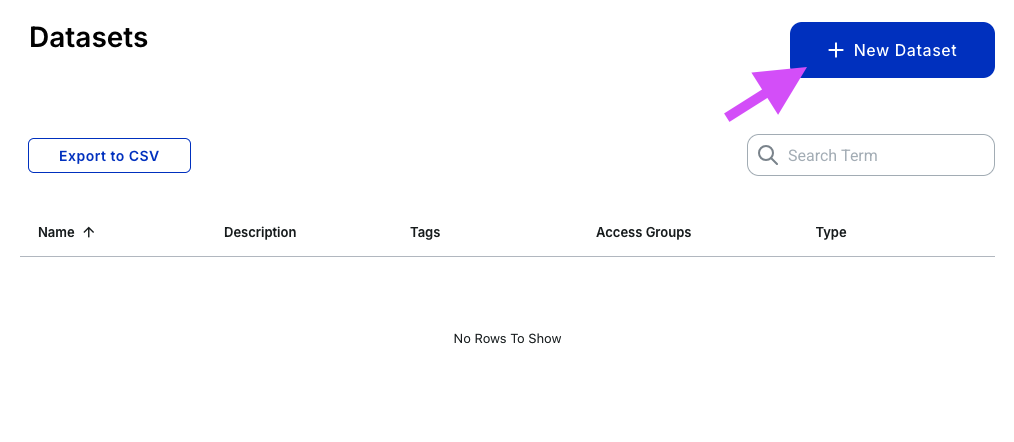 docs update · Sep 2026
· source
- September 2026 C 2.3.0.0 Release Expanded dataset type support (C Library) added support for int32, int64, date, datetime, token (64/128-byte), and generic strings with Base32, Base64, or no encoding. changelog · Sep 2026 · source
example
-
Create a structured dataset with spaces without validation errors or invisible chars.
In the Dataset wizard, define a string field with a space and complete the creation.April 2023 · Apr 2023 · source
PHP Client Library v2 with Key Caching shipped Provides a PHP SDK supporting structured data encryption, key caching with TTL management, and Composer installation.
Shared capability: Encryption at rest
Also counts toward: Scripting language support, Client SDKs
release
-
Expands dataset type support in the PHP 2.1.0 library to include
int32,int64,date,datetime,token(64/128-byte), and generic strings with Base32, Base64, or no encoding; also prefetches dataset configuration and encryption keys for many datasets in a single call to reduce first-use latency. changelog · Sep 2026 · source · release history -
Adds new
loadCachefunction to the PHP library to prefetch dataset configuration and encryption keys for many datasets in a single call, reducing first-use latency.︀︄︇︀︅︉︀︅︀︀︃︀︀︅︅︀︅︊︀︄︆︀︃︄ updated · seen Sep 2026 · source · release history -
Adds
loadCachefunction in the PHP SDK 2.1.0 to prefetch dataset configuration and encryption keys for many datasets in a single call September 2026 · Sep 2026 · source · release history - Released version 2.0 of the PHP Client Library with structured data encryption, key caching with TTL management, and Composer support January 2025 · Jan 2025 · source · release history
docs
- Ubiq Security Ruby Library The Ubiq Security Ruby library provides convenient interaction with the Ubiq Security Platform API from applications written in the Ruby language. It includes a pre-defined set of classes that will provide simple interfaces to encrypt and decrypt data Documentation See the Ruby API docs . seen Jul 2026 · source
example
-
Warm up all dataset keys at PHP application startup with
loadCacheto eliminate per-request key-fetch latency when encrypting across many datasets.$ubiq->loadCache($datasetNames);updated · seen Sep 2026 · source -
Install the new PHP library via Composer.
composer require ubiq/php-client-lib:^2.0January 2025 · Jan 2025 · source
Key rotation audit support shipped Enables inspection of the key version used to produce a ciphertext without decrypting it, facilitating key rotation audits across supported client libraries.
Shared capability: Encryption at rest
docs
- For everyone else, there is some initial configuration that happens in the Ubiq app to create datasets, configure their encryption rules, and provision access via Identities. seen Sep 2026 · source
example
-
Inspect the key number behind a Go ciphertext for key-rotation auditing without performing a full decryption.
keyNum, err := ubiq.GetKeyNumber(ciphertext) if err != nil { log.Fatal(err) } fmt.Printf("Key number: %d\n", keyNum)changelog · Sep 2026 · source -
Inspect which encryption key version was used to produce a ciphertext — without decrypting — to audit key rotation coverage across a dataset.
keyNum, err := ubiq.GetKeyNumber(ciphertext) if err != nil { log.Fatal(err) } fmt.Printf("Key number: %d\n", keyNum)changelog · Sep 2026 · source
.NET Client Library with Native Cryptography shipped Provides a .NET SDK using built-in cryptography for structured encryption and cache configuration options including key encryption and TTL.
Shared capability: Encryption at rest
Also counts toward: Client SDKs
release
-
Introduces
.netlibrary built-in cryptography for structured encryption, replacing external dependencies March 2025 · Mar 2025 · source · release history - Adds cache configuration options (encrypt keys in cache, set cache TTL, enable/disable caching for structured keys) to .NET and Node.js libraries March 2025 · Mar 2025 · source · release history
example
-
Use the new Rust SDK to encrypt a sensitive field with structured encryption in a Rust service — install the crate then call encrypt on a dataset.
[dependencies] ubiq-rust = "1.0.0"updated · seen Sep 2026 · source
Data access governance 2 features Data discovery and protection since 2026
Unified Identities dashboard shipped Shows all API keys and IDP-managed users in one place, with a per-identity graph of which access groups and datasets each identity can reach.
Shared capability: Data access governance
release
- Extends the Access Graph to include IDP groups and enables bidirectional filtering so access can be traced from either an identity or a dataset. changelog · Sep 2026 · source · release history
- Expands the Access Graph to include IDP groups and filter related nodes in both directions, enabling access tracing from either an identity or a dataset. updated · seen Sep 2026 · source · release history
- Updates Identities section to consolidate API Keys and IDP-managed users with an access graph for at-a-glance visibility. updated · seen Jul 2026 · source · release history
- Unified Identities section consolidates API Keys and IDP-managed users, with a new per-identity access graph for at-a-glance visibility into access groups and datasets. updated · seen Jul 2026 · source · release history
- Adds Identities section in the dashboard consolidating API Keys and IDP-managed users, with an access graph for at-a-glance visibility. updated · seen Jul 2026 · source · release history
Access Groups for dataset access control shipped Grants API keys or identity-provider users access to specific datasets through Access Groups, independently of how those datasets are organised.
Shared capability: Data access governance
release
- Dataset access is now managed through Access Groups instead of Dataset Groups; the identity-to-dataset relationship has changed from Dataset → Dataset Group → Identity to Identity → Access Group → Dataset. updated · seen Jul 2026 · source · release history
- Introduces Access Groups to replace Dataset Groups for identity-to-dataset access control, separating organization from access management. updated · seen Jul 2026 · source · release history
- Introduces Access Groups to replace the Dataset Group → Identity model, granting dataset access to API Keys or IDP users independently of dataset organization. updated · seen Jul 2026 · source · release history
- Introduces Access Groups to manage dataset access for identities (API Keys and IDP users), replacing the previous Dataset Group → Identity hierarchy. updated · seen Jul 2026 · source · release history
example
-
Enable automatic IDP role-based dataset access by creating an Access Group whose name matches an IDP role — members gain dataset access without manual assignment.
In the Ubiq Dashboard, go to Identities > Access Groups > Create Access Group, name the group to match your IDP role, assign the target Datasets, and save.updated · seen Jul 2026 · source
SAML SSO 1 feature Identity and access since 2020
Dashboard SSO via SAML/OIDC shipped Lets teams log in to the Ubiq Dashboard through any enterprise SAML or OIDC provider such as Okta, Google Workspace, or Microsoft Entra.
Shared capability: SAML SSO
Also counts toward: Single sign-on, OIDC SSO, SAML SSO
release 14 total
- Adds new library guides for Apache Airflow and Self-Signed IDP authentication alongside updated guides for Go, Java, Node.js, PHP, C/C++, BigQuery, and Snowflake. changelog · Sep 2026 · source · release history
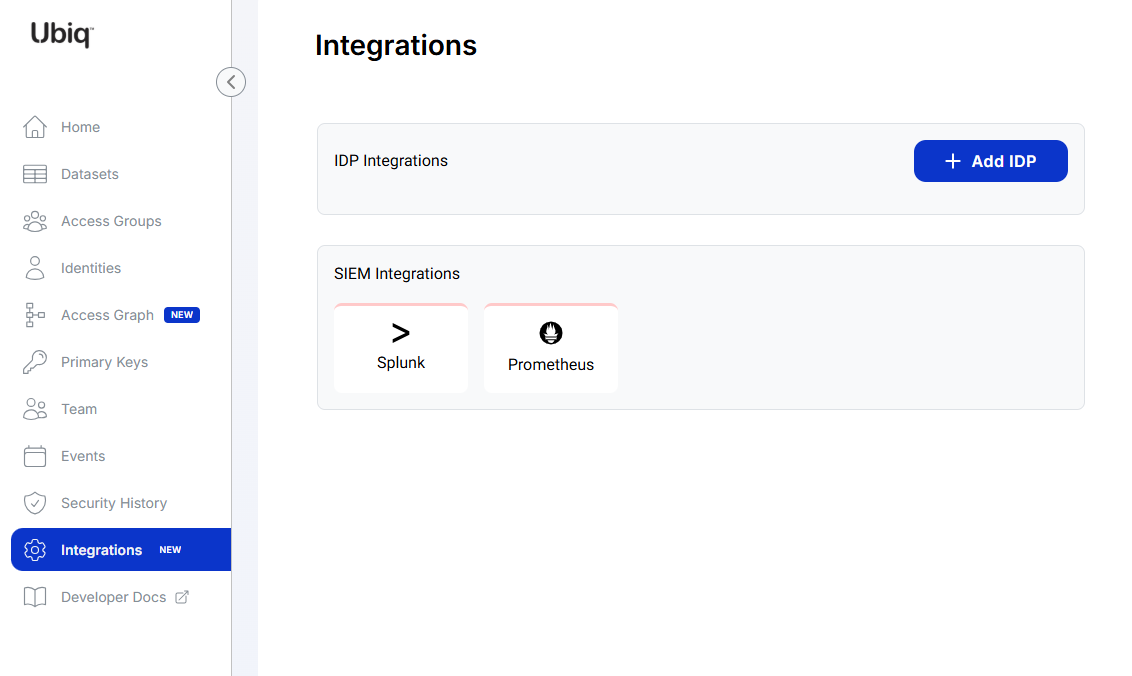
- Adds IDP group-to-Access-Group mapping, SCIM provisioning, and self-signed IDP support, all configurable from a unified Integrations page. changelog · Sep 2026 · source · release history
-
Surfaces privileged, broad, excessive, or otherwise risky access relationships where supported by source data, including coverage of non-human identities such as service accounts, workloads, applications, and AI agents.
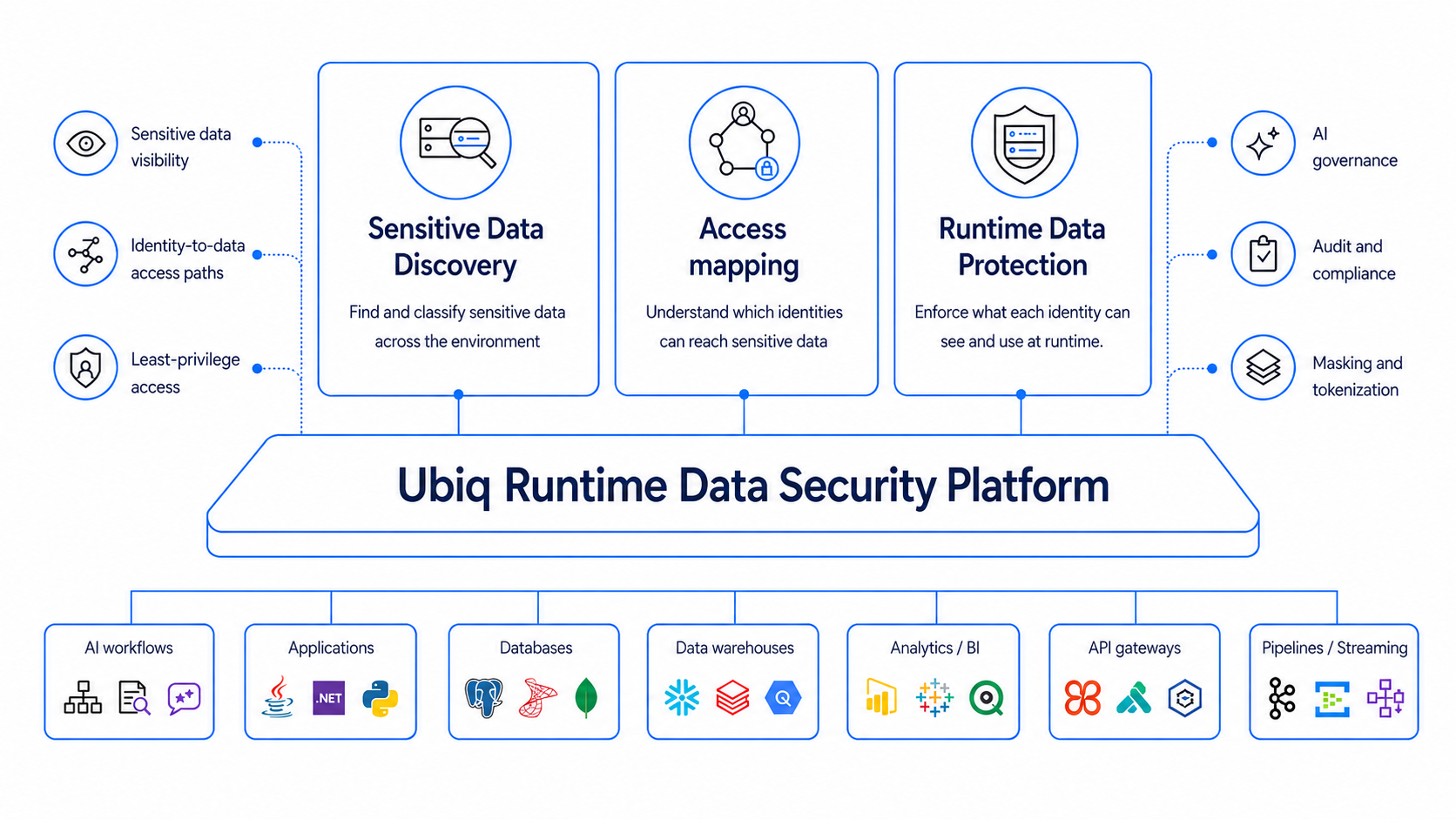 api-docs-fd9ef30414b8 · Aug 2026
· source
· release history
- Surfaces privileged, broad, excessive, or otherwise risky access relationships where supported by connected source data, and exposes the full authorization path explaining why access exists. api-docs-285b141a9825 · Aug 2026 · source · release history
- Adds Access Intelligence, a new capability that ingests and normalizes authorization metadata from identity providers, IGA platforms, cloud environments, databases, data warehouses, and applications to build an identity-to-resource access graph. api-docs-285b141a9825 · Aug 2026 · source · release history
- Adds Dashboard SSO support via any enterprise SAML or OpenID provider, including Google Workspace, Microsoft Entra, and Okta. updated · seen Jul 2026 · source · release history
example
-
Enable SSO for the Ubiq Dashboard using an existing enterprise SAML/OIDC provider so users authenticate without separate Ubiq credentials.
In the Ubiq Dashboard, go to Account Administration > SSO and configure your SAML or OpenID provider (Google Workspace, Microsoft Entra, or Okta).updated · seen Jul 2026 · source -
Enable SSO for the Ubiq Dashboard using your existing enterprise identity provider to centralize access control.
In the Ubiq Dashboard, go to Administration > SSO for the Ubiq Dashboard and configure your SAML or OpenID Connect provider (Google Workspace, Microsoft Entra, or Okta).updated · seen Jul 2026 · source -
Reset the encryption graph date range to analyze past periods.
In the Dashboard, navigate to the encryption/decryption graph and click the reset button for the date-range filter.December 2020 · Dec 2020 · source
Multi-factor authentication 1 feature Identity and access since 2023
MFA revalidation on removal shipped Requires users to confirm their MFA credential before they are permitted to remove it from their account.
Shared capability: Multi-factor authentication
release
- Requires MFA revalidation before users can remove MFA from their account. updated · seen Jul 2026 · source · release history
-
teamspage displays MFA status for all team members November 2023 · Nov 2023 · source · release history
example
-
Monitor MFA adoption across the organization to ensure compliance.
In the dashboard, navigate to Teams to view MFA status for each member.November 2023 · Nov 2023 · source
Other / not yet classified 25 features Features we have not matched to a capability yet. A suggested match is marked.
Searchable encryption (EncryptForSearch) shipped Enables generation of all possible ciphertexts for structured data fields in supported languages to facilitate exact-match searching without decrypting the primary value.
Also counts toward: Python scripting support, Client SDKs
release 10 total
-
Adds new Ubiq Rust SDK (Beta), available on crates.io as
ubiq-rust, supporting structured and unstructured encryption, integer and date/time datasets,encrypt_for_search, and key zeroization. changelog · Sep 2026 · source · release history -
Adds
CipherAndKeyNumber,GetCurrentKeyNumber, andGetKeyNumberfunctions to the Go library to retrieve the key number behind a ciphertext without decrypting it.︀︄︇︀︅︉︀︅︀︀︃︀︀︅︅︀︅︊︀︄︆︀︃︄ changelog · Sep 2026 · source · release history -
Adds new Ubiq Rust SDK (Beta) — available on crates.io as
ubiq-rust— supporting structured and unstructured encryption, integer and date/time datasets,encrypt_for_search, and key zeroization. updated · seen Sep 2026 · source · release history -
Adds
EncryptforSearchsupport to the Go Client Library. updated · seen Sep 2026 · source · release history -
Introduces the
ubiq-rustSDK (Beta) on crates.io with structured/unstructured encryption, integer/date-time datasets, key zeroization, andencrypt_for_searchSeptember 2026 · Sep 2026 · source · release history -
Adds the
EncryptForSearchcapability to the Go Client Library (v2.1.0) to allow exact-match searching on structured data. December 2023 · Dec 2023 · source · release history
example 9 total
-
Add the Ubiq Rust SDK to a project to encrypt structured data without decrypting to retrieve the key number.
# Cargo.toml [dependencies] ubiq-rust = "1.0.0"changelog · Sep 2026 · source -
Inspect the key number used to produce a ciphertext in Go without performing a full decryption — useful for key rotation audits.
keyNum, err := ubiq.GetKeyNumber(ciphertext) if err != nil { log.Fatal(err) } fmt.Printf("Encrypted with key number: %d\n", keyNum)changelog · Sep 2026 · source -
Bootstrap a new Go project using the Rust SDK to encrypt a sensitive field with
encrypt_for_search, enabling ciphertext lookups across a dataset.# Cargo.toml [dependencies] ubiq-rust = "1.0.0"changelog · Sep 2026 · source -
Add the
ubiq-rustcrate to a Rust project to start encrypting data with the new beta SDK, including search-compatible encryption.ubiq-rust = "1.0.0"changelog · Sep 2026 · source -
Inspect the key number behind an existing ciphertext in Go without decrypting it — useful for key rotation audits.
keyNum, err := ubiq.GetKeyNumber(ciphertext) if err != nil { log.Fatal(err) } fmt.Println('Key number:', keyNum)changelog · Sep 2026 · source -
Inspect which key number protects a ciphertext in Go — useful for key-rotation audits — without triggering a full decrypt.
keyNum, err := ubiq.GetKeyNumber(ciphertext) if err != nil { log.Fatal(err) } fmt.Printf("Protected by key number: %d\n", keyNum)changelog · Sep 2026 · source
Long-term event storage with rollups shipped Keeps encryption activity events for years by rolling up older records while retaining high-granularity data for recent activity.
release 10 total
- Security History events are now attributed to the IDP identity that performed them, and event details show the Access Group field in place of the retired Dataset Group field. changelog · Sep 2026 · source · release history
- Adds attribution of Security History events to the IDP identity that performed them, and records SCIM sync and attribute-mapping failures as events. changelog · Sep 2026 · source · release history
- Enhanced data retention with long-term event storage and automatic rollups, extending historical visibility to years while preserving high-granularity recent data. updated · seen Jul 2026 · source · release history
- Adds long-term event storage with automatic rollups, preserving high-granularity recent data while extending historical visibility to years. updated · seen Jul 2026 · source · release history
- Dashboard chart added: view usage by Dataset and Dataset Group (requires Client Libraries v2.0+) July 2023 · Jul 2023 · source · release history
- Introduces Primary Keys to replace Master Encryption Keys, allowing reuse when creating new Datasets November 2022 · Nov 2022 · source · release history
SIEM log forwarding (Splunk) shipped Streams encryption activity and usage events to Splunk in real time for use in SIEM monitoring workflows.
Also counts toward: SIEM forwarding
release
- Adds Grafana Loki as a SIEM destination for Ubiq activity and usage events (enterprise customers; previously Splunk only). changelog · Sep 2026 · source · release history
- Enables Event Streaming (SIEM Log Forwarding) for Enterprise customers to push activity and usage events to Splunk. updated · seen Jul 2026 · source · release history
- Adds Event Streaming (SIEM Log Forwarding) for Enterprise customers to push activity and usage events to Splunk. updated · seen Jul 2026 · source · release history
example 7 total
-
Enable Grafana Loki as a SIEM destination to stream Ubiq activity events into your existing Loki stack.
In the Ubiq console, go to Settings > Integrations > SIEM and add a new Grafana Loki connection. Contact Ubiq support to enable the Loki destination for your enterprise account.changelog · Sep 2026 · source -
Enable Grafana Loki as a SIEM destination for Ubiq activity events alongside an existing Splunk integration.
In the Ubiq console, go to Integrations > SIEM, add a new Grafana Loki connection, enter your Loki push endpoint and credentials, then save.changelog · Sep 2026 · source -
Enable Grafana Loki as a SIEM destination so Ubiq activity events flow into your existing Loki stack alongside Splunk.
In the Ubiq console, go to Settings > Integrations, select 'Grafana Loki', enter your Loki endpoint and credentials, then save.changelog · Sep 2026 · source -
Enable Grafana Loki as a SIEM destination for Ubiq activity events so SOC dashboards receive tokenization audit trails alongside other log streams.
1. Contact Ubiq support to enable Grafana Loki for your enterprise account. 2. In the Ubiq dashboard, go to Settings > Integrations. 3.changelog · Sep 2026 · source -
Enable Grafana Loki as a SIEM destination for Ubiq activity events — navigate the console to reach the new unified Integrations page.
In the Ubiq console, go to Settings > Integrations, select 'Grafana Loki' under SIEM, and follow the prompts to supply your Loki endpoint and credentials.changelog · Sep 2026 · source -
Stream Ubiq encryption activity events to Splunk for real-time SIEM monitoring of data access.
In the Ubiq Dashboard, go to Administration > Observability Integration Setup and configure your Splunk endpoint to enable Event Streaming.updated · seen Jul 2026 · source
SDK key cache management shipped Lets teams configure how many encryption keys the SDK holds in memory and pre-load the cache to reduce latency on first use.
release 7 total
- Adds bulk prefetch of dataset configuration and encryption keys in a single call in the PHP 2.1.0 library, reducing first-use latency. changelog · Sep 2026 · source · release history
-
Java 2.3.1 adds
loadCachefunction for on-demand cache hydration and refresh to reduce first-use latency. updated · seen Jul 2026 · source · release history - Go 2.2.5 adds configurable max cache size for strict memory management of the internal key cache. updated · seen Jul 2026 · source · release history
- Go 2.2.5: Adds configurable max cache size for strict memory management of the internal key cache. updated · seen Jul 2026 · source · release history
-
Java 2.3.1: Adds
loadCachefunction for on-demand cache hydration and refresh, reducing first-use latency and minimizing unexpected network traffic. updated · seen Jul 2026 · source · release history -
Adds
MaxCacheSizeoption to Go client library for internal key cache memory management July 2025 · Jul 2025 · source · release history
example
-
Warm the SDK key cache on startup to eliminate first-use latency in latency-sensitive Java services.
ubiqClient.loadCache();updated · seen Jul 2026 · source -
Pre-warm the key cache on startup to eliminate first-use latency in latency-sensitive Java services before any encrypt/decrypt calls.
ubiqSession.loadCache();updated · seen Jul 2026 · source -
Route Ubiq SDK client traffic through an internal corporate proxy.
{ "type": "local", "proxy_host": "proxy.internal.corp", "proxy_port": 8080 }June 2025 · Jun 2025 · source
Multi-threaded encryption support shipped Provides thread-safe encryption and decryption methods for use in multi-threaded applications written in C or Java.
Also counts toward: Client SDKs
release 7 total
-
Adds new Ubiq
encryptanddecryptoperators for Apache Airflow to protect data inside Airflow DAGs. updated · seen Sep 2026 · source · release history -
Adds new
CipherAndKeyNumber,GetCurrentKeyNumber, andGetKeyNumberfunctions to the Go library to return the key number behind a ciphertext without decrypting it. updated · seen Sep 2026 · source · release history - Provides new Ubiq encrypt and decrypt operators to protect data inside Apache Airflow DAGs September 2026 · Sep 2026 · source · release history
- C 2.2.4.0 introduces new thread-safe methods for encrypting and decrypting data across multiple threads using shared resources. updated · seen Jul 2026 · source · release history
- Java 2.3.1 encryption and decryption calls are verified thread-safe for concurrent workloads. updated · seen Jul 2026 · source · release history
- C 2.2.4.0: Adds new thread-safe methods for encrypting and decrypting data in multi-threaded environments using shared resources. updated · seen Jul 2026 · source · release history
docs
- Ubiq Encryption for Airflow Included is a set of two Airflow Operators for use in your DAGs as a simple interface for performing structured encrypt and decrypt operations. docs update · Sep 2026 · source
example
-
Retrieve the key number behind a ciphertext in Go without performing a full decryption — useful for key-rotation auditing or ciphertext provenance checks.
keyNum, err := ubiq.GetKeyNumber(ciphertext) if err != nil { log.Fatal(err) } fmt.Printf('Key number: %d\n', keyNum)changelog · Sep 2026 · source -
Inspect the key number behind a ciphertext in Go without decrypting, useful for key rotation auditing.
keyNum, err := ubiq.GetKeyNumber(ciphertext)updated · seen Sep 2026 · source
API key expiration and cloning shipped suggested Allows API keys to be given an expiration date and duplicated quickly to create additional keys with the same permissions.
Suggested capability: Data access governance. This is our guess, not confirmed.
release 8 total
- Adds API Key Expiration, allowing users to set expiration dates on newly created API keys. updated · seen Jul 2026 · source · release history
- Adds API Key Cloning to quickly create additional API keys sharing the same permissions. updated · seen Jul 2026 · source · release history
- Adds API Key Expiration capability allowing users to set expiration dates on newly created API keys in the Dashboard August 2025 · Aug 2025 · source · release history
- Adds API key cloning feature in the Dashboard wizard July 2025 · Jul 2025 · source · release history
- Adds support for authentication with Okta and Entra user tokens to C/C++ (.NET, Go, Java, Node.js, Python) client libraries March 2025 · Mar 2025 · source · release history
-
dashboardnow shows number of days between rotations and allows custom intervals up to 10 years November 2023 · Nov 2023 · source · release history
example
-
Set an expiration date when creating a new API key to enforce automated rotation policies.
In the Ubiq Dashboard, create a new API key and specify the desired expiration date in the 'API Key Expiration' field.August 2025 · Aug 2025 · source -
Modify an existing API key to switch its permission scope without losing history or associated secrets.
In the Dashboard, navigate to Settings > API Keys, select the target key, and edit permissions directly instead of deleting and recreating it.July 2023 · Jul 2023 · source
Dataset wizard improvements shipped Allows a dataset to be created and named without requiring an API key to be created at the same time, cutting down on post-creation cleanup.
release 8 total
- Adds search and multi-select to the Dataset Association dropdown, and displays maximum input length for generic string datasets. updated · seen Sep 2026 · source · release history
- Adds Primary Key Naming during dataset wizard creation, eliminating the need to rename keys post-creation. updated · seen Jul 2026 · source · release history
- Enables dataset creation via the wizard without requiring simultaneous API key creation. updated · seen Jul 2026 · source · release history
- Allows naming primary keys during dataset creation in the dataset wizard. updated · seen Jul 2026 · source · release history
- Allows creation of a dataset without requiring simultaneous API key creation in the dataset wizard. updated · seen Jul 2026 · source · release history
- Allows dataset creation without generating an API key in the Dashboard wizard July 2025 · Jul 2025 · source · release history
example
-
Guide new users through the structured data encryption setup process using the new wizard interface.
Navigate to Datasets > Create New > Select Structured Data > Follow the Dataset Creation Wizard promptsNovember 2022 · Nov 2022 · source
Custom IDP integration shipped Connects Ubiq to identity providers that do not follow SCIM or standard IAM conventions, including MSSQL built-in authentication.
Also counts toward: Web management console
release
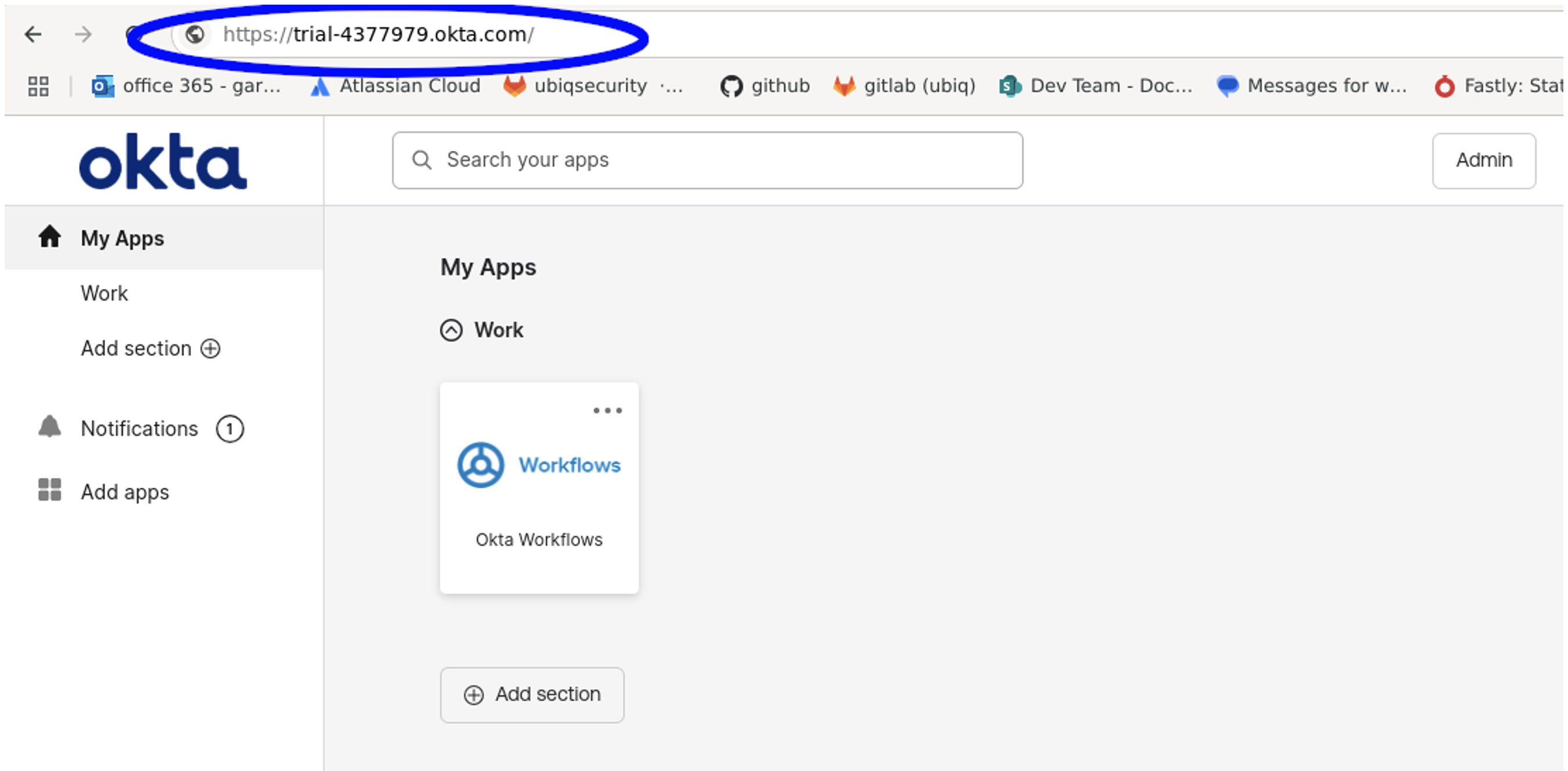
- Consolidates IDP and SIEM connections onto a single Integrations page, adding support for self-signed IDPs, direct IDP-group-to-Access-Group mapping, and new Apache Airflow and Self-Signed IDP authentication library guides. changelog · Sep 2026 · source · release history
- Adds new integration guides for Apache Airflow and Self-Signed IDP authentication. updated · seen Sep 2026 · source · release history
- Adds custom IDP integration support for MSSQL authentication, enabling Ubiq Libraries and Dashboard to manage non-SCIM, non-standard IAM integrations. updated · seen Jul 2026 · source · release history
- Adds support for custom IDP integrations (non-SCIM, non-standard IAM) within Ubiq Libraries and Dashboard, including MSSQL built-in authentication. updated · seen Jul 2026 · source · release history
- Adds new UI configuration for managing custom IDP integrations in the Ubiq Dashboard, supporting MSSQL without SCIM August 2025 · Aug 2025 · source · release history
MaxCompute native integration shipped suggested Makes Ubiq encryption and decryption available inside MaxCompute SQL queries through User-Defined Functions.
Suggested capability: Encryption at rest. This is our guess, not confirmed.
release
- Adds native integration for Postgres and Greenplum enabling on-database column-level encrypt/decrypt directly from SQL. updated · seen Sep 2026 · source · release history
- New MaxCompute native integration enables Ubiq encrypt/decrypt capabilities within MaxCompute SQL via User-Defined Functions. updated · seen Jul 2026 · source · release history
- Adds MaxCompute native integration, enabling Ubiq encrypt/decrypt capabilities within MaxCompute SQL via User-Defined Functions. updated · seen Jul 2026 · source · release history
- Adds native MaxCompute integration enabling encryption/decryption via User-Defined Functions in MaxCompute SQL July 2025 · Jul 2025 · source · release history
- Adds BigQuery integration with Okta-based authentication via integrated login flows, eliminating API key requirements March 2025 · Mar 2025 · source · release history
Usage record metadata correlation shipped Allows users to attach custom metadata to usage and billing records in client libraries for environment correlation.
Also counts toward: Client SDKs
release
- Adds a wrapper capability for the Python Client Library enabling customer-defined metadata in billing records. updated · seen Sep 2026 · source · release history
- Adds wrapper capability in Python Client Library to enable customer-defined metadata in billing records May 2024 · May 2024 · source · release history
- Adds custom metadata support in C Client Library (v2.1.1.1) for correlation with own environment/processes February 2024 · Feb 2024 · source · release history
- Adds ability to attach metadata to usage/billing records in Node.JS Client Library. January 2024 · Jan 2024 · source · release history
- Adds ability to attach customer metadata to event reporting in the Java Client Library for custom metrics tracking. January 2024 · Jan 2024 · source · release history
Dark mode support shipped Enables switching the dashboard interface to a dark theme to reduce eye strain and glare.
release
- Adds a new Ubiq plugin for the Kong API gateway providing field-level tokenization and detokenization of JSON request and response bodies with no application changes. updated · seen Sep 2026 · source · release history
- Adds a Ubiq plugin for the Kong API gateway providing field-level tokenization and detetokenization of JSON request/response bodies without application code changes September 2026 · Sep 2026 · source · release history
- Implemented Web Application Firewall (WAF) to monitor, filter, and block unauthorized HTTP traffic including XSS, SQLi, and CSRF April 2024 · Apr 2024 · source · release history
- Added user selectable dashboard dark-mode to improve aesthetics and help reduce glare, eye strain and blue-light exposure March 2024 · Mar 2024 · source · release history
Dataset tagging shipped Lets users attach free-form tags to datasets so they can be filtered and grouped by environment, application, or any other dimension.
release
- Existing Dataset Groups have been converted to Tags; workflows relying on Dataset Groups as an access control mechanism must be updated to use Access Groups. updated · seen Jul 2026 · source · release history
- Adds Dataset Tagging as a flexible, non-hierarchical replacement for Dataset Groups, supporting grouping by environment, application area, or custom structure. updated · seen Jul 2026 · source · release history
- Adds dataset tagging as a flexible, non-hierarchical replacement for Dataset Groups, allowing grouping by environment, application, or any custom structure. updated · seen Jul 2026 · source · release history
- Replaces Dataset Groups with non-hierarchical Dataset Tags for flexible dataset organization April 2026 · Apr 2026 · source · release history
Prometheus healthcheck endpoint shipped Exposes a Prometheus-compatible endpoint so teams can include Ubiq platform availability in their existing monitoring stacks.
release
- Adds Prometheus healthcheck endpoint for customers to monitor Ubiq availability within internal observability platforms. updated · seen Jul 2026 · source · release history
- Adds Prometheus healthcheck endpoint for customers to monitor Ubiq availability in internal observability platforms. updated · seen Jul 2026 · source · release history
- Adds a Prometheus healthcheck endpoint for internal observability platforms (requires Ubiq-generated auth token) October 2025 · Oct 2025 · source · release history
example
-
Monitor Ubiq platform availability within your internal observability stack using the Prometheus healthcheck endpoint.
curl -H "Authorization: Bearer <auth_token>" https://<ubiq-prometheus-endpoint>/healthcheckupdated · seen Jul 2026 · source
Customizable data exports shipped Allows exporting up to 100K rows of table data for various entities to CSV with custom column selection and persistence via the dashboard.
Also counts toward: CSV data export
release
- Adds IDP identity attribution to Security History events, records SCIM sync and attribute-mapping failures, and shows Access Group in event details. updated · seen Sep 2026 · source · release history
- Adds rate limit event logging to the Security History log, visible to the affected user. updated · seen Sep 2026 · source · release history
- Added ability to add or remove columns, customize them, and persist customizations for CSV reports to find data with fewer clicks September 2023 · Sep 2023 · source · release history
- Adds the ability to export up to 100K rows of table data to CSV for Datasets, Dataset Groups, API Keys, Primary Keys, Team, Events, and Security History via the dashboard. June 2023 · Jun 2023 · source · release history
Multi-environment deployment support shipped Supports running Ubiq across separate development, testing, staging, and production environments within a single organization.
release
- Enables adding non-administrator Users to accounts for improved Team Management November 2022 · Nov 2022 · source · release history
docs
- Environment Separation Ubiq supports deployments across multiple environments, including development, testing, staging, and production. seen Oct 2026 · source
example
-
Manage team access by granting non-admin privileges to additional users on your account.
Navigate to Team Management > Add User > Set role to Non-AdministratorNovember 2022 · Nov 2022 · source
Zero-downtime platform deployments shipped Applies updates to Ubiq APIs and encryption services without taking the platform offline.
release
- Platform resiliency upgrades enable core system changes with zero downtime to APIs and encryption services. updated · seen Jul 2026 · source · release history
- Platform resiliency upgrade enables zero-downtime deployment of core system changes to APIs and encryption services. updated · seen Jul 2026 · source · release history
- Deploys core system changes with zero downtime to APIs and encryption services. updated · seen Jul 2026 · source · release history
Proxy Traffic Routing shipped Allows SDK client traffic to be routed through internal corporate proxies for both .NET/Node.js cache settings and Java outbound connections.
release
-
Adds
localproxy configuration to the Ubiq Java SDK for outbound traffic routing June 2025 · Jun 2025 · source · release history
example
-
Configure cache TTL and encryption for structured keys in .NET
var options = new UbiqOptions() { EncryptKeysInCache = true, CacheTtl = TimeSpan.FromHours(1), EnableCachingForStructuredKeys = true };March 2025 · Mar 2025 · source
Customer-level request throttling shipped Implements configurable limits on requests per second for API endpoints to prevent service impact.
release
- Implemented flexible customer-level throttling limits (requests/sec) for Dashboard and Client Library API endpoints April 2024 · Apr 2024 · source · release history
example
-
Monitor API usage limits to ensure requests per second stay within the new customer-level throttling bounds to avoid service impact.
N/A (Throttling is enforced by the platform)April 2024 · Apr 2024 · source
Mandatory account-wide MFA shipped suggested Allows administrators to enforce Multi-Factor Authentication for all users in an account.
Suggested capability: Data access governance. This is our guess, not confirmed.
Also counts toward: Multi-factor authentication, Web management console
release
- Adds the ability for account administrators to require all account users to use Multi-Factor-Authentication (MFA) March 2024 · Mar 2024 · source · release history
example
-
Force MFA for all users via the admin console settings.
In the account settings, enable 'Require MFA for all users'.March 2024 · Mar 2024 · source
Unified table view customization shipped Allows users to customize data tables by selecting visible columns and grid view options across the dashboard.
release
- Improved user experience on all pages with tables by allowing for customization of grid views with column selection and other features March 2024 · Mar 2024 · source · release history
example
-
Customize which columns are visible in data tables.
Use the column picker icon on table headers to select desired columns.March 2024 · Mar 2024 · source
Zeroization on drop support shipped suggested Provides SDK support for zeroizing encryption keys upon object destruction to prevent memory leaks in confidential computing contexts.
Suggested capability: Encryption at rest. This is our guess, not confirmed.
Also counts toward: Client SDKs
example
-
Add the Ubiq Rust SDK to a new project to start encrypting structured data with key zeroization on drop.
# Cargo.toml [dependencies] ubiq-rust = "1.0.0"changelog · Sep 2026 · source
Go Client Library v2.2.0 with Config Overrides shipped Provides a Go SDK supporting runtime configuration overrides for key caching and logging, along with custom config file path support.
Also counts toward: Client SDKs
release
- Released version 2.2.0 of the Go Client Library adding runtime configuration override for key caching/logging and custom config file path support January 2025 · Jan 2025 · source · release history
Enhanced authentication security shipped Improves identity management with enhanced brute force detection and Auth0 integration.
release
- Improved Dashboard security with enhanced Auth0 access/identity management and brute force detection April 2024 · Apr 2024 · source · release history
Web Application Firewall (WAF) shipped Monitors, filters, and blocks unauthorized HTTP traffic including XSS, SQLi, and CSRF attacks.
release
- Implemented Web Application Firewall (WAF) to monitor, filter, and block unauthorized HTTP traffic including XSS, SQLi, and CSRF April 2024 · Apr 2024 · source · release history
Impending session timeout warning shipped Displays a pop-up warning before automatic logout to prevent data loss.
release
- Adds a pop-up warning for impending UI auto log-out in the Dashboard February 2024 · Feb 2024 · source · release history
Lines in monospace are the tool's own words: help text
parsed from its source, or an endpoint from its API document. Under
release, a line is our summary of a dated release. Under
docs, it is quoted from the tool's own documentation or
website. Each links back to the source it came from.
Command line
9 commands for Ubiq Security, each with where it came from. This tool has no source analysis yet, so there is no option reference and no captured run beside them.
No command matches.
Screenshots
From the release notes, newest first. Click one to see it full size.Score card
-
Shipping velocity releases a month, last 12 months
-
Documentation quality release-notes rubric, 0–100
-
Breaking-change discipline how rarely a release breaks users, and notice given
-
Maintenance risk quiet time against its own cadence, maintainers
-
Innovation & surface new capabilities, API and MCP surface
Five scores for Ubiq Security, each built from the releases, notes and API history this site tracks — and, on Researcher and Business, where it stands among every measured tool in its category and how that has moved.
Score cards are part of every paid plan.
See plans → Already subscribed? Sign in →Trajectory
Blank means never measured; nothing here is a filled-in zero.
Peer standings are included with Researcher and Business. See how this tool ranks against its competitors, using data we don't publish anywhere else.
See plans →Each score is 0–100 on a published rubric, derived from data this site already shows. A dimension we cannot measure says so — it is never scored 0 and never enters a rank.
How this is scored
- Shipping velocity — releases a month over the last 12 months, on a log scale where 16 a month scores 100. Needs 3 releases in the window.
- Documentation quality — the release-notes rubric published on the analytics page, unchanged.
- Breaking-change discipline — the share of releases carrying a breaking change (none scores 100, half or more scores 0). Only projects that label breaking changes are measured: a clean record cannot be told from an unlabelled one.
- Maintenance risk — quiet time measured against the tool's own release cadence (quiet longer than 90 days and three typical gaps scores 0), plus the number of active maintainers and whether contributors are growing, where known. Higher is lower risk.
- Innovation & surface — new capabilities in the feature ledger this year, API and MCP operations added, and the share of commits that are features: the mean of whichever we hold.
- Community health (open-source tools only) — each is a direction, not a size: contributors this year against last, the bus factor now against a year ago, and issues closed per issue opened, where steady scores 50, doubled 100 and halved 0; plus the median time to a maintainer's first reply (an hour scores about 100, a month or more 0). A commercial card has no repository and carries none of the four.
- Documented delivery (commercial tools) — when a vendor's documented new capabilities have slowed against its own baseline, that counts against the overall standing as heavily as two low dimensions. Steady delivery, or too little history to judge, leaves the standing alone; it is never a sixth score.
- Open-source tools are scored on repository signals; commercial tools on their published changelog. Ranks compare tools within one category and one profile and need at least five measured peers; the overall standing needs three ranked dimensions. Best-in-breed or consolidator is a shape, not a quality, and is never scored.
Release-note detail over time
See how much detail Ubiq Security puts in its release notes, quarter by quarter, and compare it with tracked tools in the same category. This history uses up to ten retained, reviewed notes per tool; sparse or blank older quarters may reflect that limit.
Checking release-note history…
Website history
ubiqsecurity.com, every changeUbiq Security's home page and 29 more pages as they looked each month from August 2021 to October 2026: 43 renders, 6 changes of tagline or palette. Step through them, play them, or put any two months side by side.
Website history is included with Researcher and Business.
See plans → Already subscribed? Sign in →← → or h l a month · Shift a year · [ ] previous / next change · Space play · 1 2 3 page · T whole page · C compare · F full size
← → or h l the right month · Shift the left · S swap · W wipe · T whole page · Esc back
Rebranding timeline
Dates bound when a change appeared between captures. Possible rebrands are AI suggestions; a redesign alone does not establish a rebrand.
Releases
84 entries
No entries match these filters.
- October 20261
- September 202649
- August 20264
- July 20263
- April 20261
- October 20251
- August 20251
- July 20251
- June 20251
- March 20251
- January 20251
- May 20241
- April 20241
- March 20241
- February 20241
- January 20241
- December 20231
- November 20231
- October 20231
- September 20231
- August 20231
- July 20231
- June 20231
- May 20231
- April 20231
- November 20221
- June 20221
- May 20221
- March 20211
- February 20211
- December 20201
Add the badge to your README
Maintain this project? The badge links readers straight to this page, so they can follow every release here.
 Choose a badge style and copy the code →