Horizon3 NodeZero is a commercial autonomous penetration testing platform delivered as a cloud-hosted portal, with local deployment options via an OVAOVAAn Open Virtualization Appliance file — a single portable package containing a virtual machine disk image and its configuration metadata, standardized by the DMTF, letting cyber tools ship as ready-to-run VM bundles. virtual machine for on-network testing. It is aimed at security analysts, system administrators, and DevOps engineers who need to identify, prioritize, and remediate weaknesses without running a manual red-team engagement, and it sits in the exploitation category alongside other automated pentesting and attack-surface validation tools rather than any single named competitor. Its scope covers internal and external pentests, web application testing, Active DirectoryActive DirectoryMicrosoft's directory service for Windows networks that centralises authentication and authorisation; cyber tools target or integrate with it because it controls identity and access across most enterprise environments.attack pathsattack pathsA possible sequence of steps an attacker could take to reach a valuable target. It connects weaknesses, permissions and reachable systems rather than treating each finding separately., and MSPMSPA managed service provider, a company that operates IT services for customers. It may manage systems, networks, backups or other ongoing technology needs.-oriented multi-tenant management, with results surfaced through Rapid Response exploitability scoring and a Real-Time View that distinguishes its own activity from genuine attacks. Launched in 2019 and still shipping regularly, with its most recent release 34 days ago, it shows sustained development.
NodeZero is Horizon3's autonomous penetration testing platform that identifies, prioritizes, and helps remediate weaknesses across your environment.
Which of the exploitable weaknesses in my environment should I fix first?
scores each finding by asset-level exploitability, adds remediation guidance and verification feedback, and separates true risk from routine vulnerability noise
Is that alert on my network the test running or a real attacker?
the Real-Time View lays out a visual timeline and event-log details of every action taken during the test, so an analyst can filter and confirm which activity is NodeZero-generated
Which paths through my Active Directory would let an attacker reach domain admin?
runs enumeration, NTLM posture checks, DCSync detection, and cross-domain credential injection to trace and validate real attack paths across domains
Would anyone actually notice if an attacker touched my most sensitive assets?
plants decoy tripwire tokens on the assets identified as highest-risk from prior pentest results, and reports when they get touched
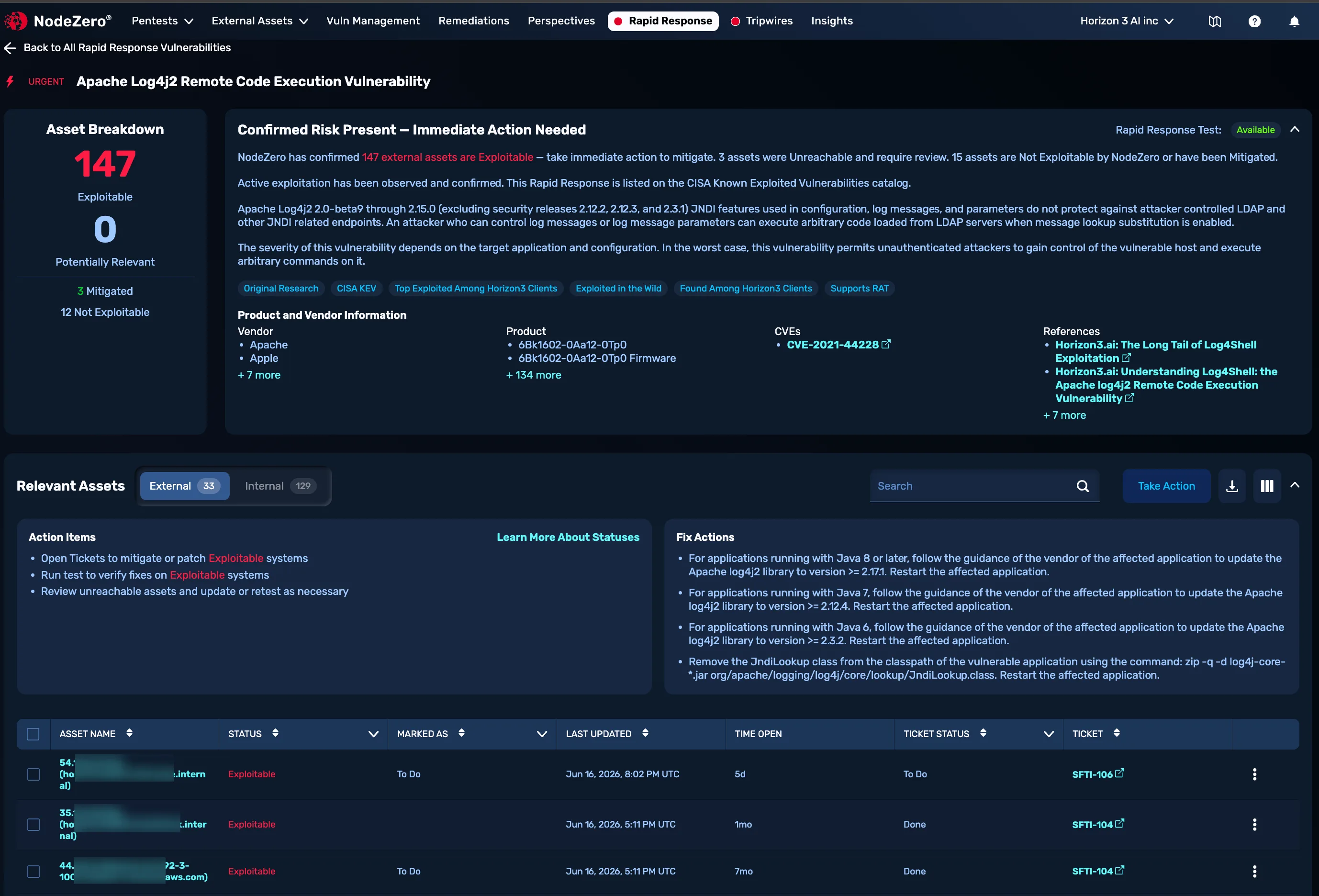
Which of my external-facing assets have known, actively exploited vulnerabilities?
tests exposed hosts against expanding coverage of named products and CVEs and marks the ones matching CISA KEV activity in the pentest summary
How are my subclients' environments doing across the accounts I manage?
rolls client asset allocations, pentest results, and branded reports up to a parent account view for MSPs managing multiple tenants
Built from Horizon3 NodeZero's releases, docs, README and our own runs.
“Seen” marks the month we first spotted a release the vendor didn't date.
Group names and tags are our labels.
+Autonomous Penetration Testing3 capabilitiesNodeZero's core function is running autonomous pentests against internal and external attack surfaces without requiring manual operator involvement. It simulates real attacker behaviour to find exploitable paths, including against Active Directory environments and large external perimeters.▸
+External Pentesting with ScopesshippedRuns automated pentests against external attack surfaces using reusable scope definitions that support bulk asset management.9 releases · 2 other sources · first seen Oct 2026▸
release
9 total
Scope tests with a new Scope > Exclude TCP Ports option to protect fragile assets from specific TCP ports during a pentest.︀︄︇︀︅︉︀︅︀︀︃︀︀︅︅︀︅︊︀︄︆︀︃︄
updated · seen Nov 2026
· source
· release history
Subdomain discovery now offers more user control over scope.
updated · seen Nov 2026
· source
· release history
Adds network pivoting for external tests, enabling NodeZero to reach additional hosts discovered during an operation beyond the originally configured scope.︀︄︇︀︅︉︀︅︀︀︃︀︀︅︅︀︅︊︀︄︆︀︃︄
changelog · Oct 2026
· source
· release history
Adds network pivoting for external tests, enabling NodeZero to pivot beyond the originally configured scope to include additional hosts discovered during an operation.︀︄︇︀︅︉︀︅︀︀︃︀︀︅︅︀︅︊︀︄︆︀︃︄
updated · seen Oct 2026
· source
· release history
Supports custom login fields and longer secrets in WebApp Pentest configuration, with clearer feedback when a Runner or read-only state limits an action.
updated · seen Oct 2026
· source
· release history
External Pentest workflow rebuilt: reusable Scopes replace Asset Groups, with improved bulk asset management and uploads for large external attack surfaces.
updated · seen Aug 2026
· source
· release history
example
Enable network pivoting on an external pentest to automatically enumerate and attack hosts discovered during the operation, beyond the originally scoped targets.$ In the NodeZero console, create or edit an External pentest operation, then under Attack Configuration enable 'Network Pivoting' to allow the operation to pivot to additional hosts discovered at…
changelog · Oct 2026
· source
Enable network pivoting on an external pentest to automatically chase newly discovered hosts beyond the originally scoped IP range.$ In the NodeZero console, create or edit an External pentest op, go to Attack Configuration, and enable 'Network Pivoting' to allow the op to pivot to additional hosts discovered during the operation.
updated · seen Oct 2026
· source
+Active Directory (AD) attack simulationshippedSimulates a range of Active Directory attacks, including cross-domain credential abuse, privilege escalation, and DCSync, to identify exploitable misconfigurations.5 releases · 1 other source▸
release
NodeZero now tests Microsoft SQL Server trusted links as part of its attack surface coverage.
updated · seen Nov 2026
· source
· release history
Adds new on/off and rate-limiting options for Password Spray, credential pivoting, and post-exploitation to control attack surface and minimize account lockouts.
updated · seen Oct 2026
· source
· release history
Active Directory enhancements improve group enumeration, NTLM posture assessment, and DCSync detection.
updated · seen Aug 2026
· source
· release history
Cross-domain credential injection added for more realistic modeling and validation of multi-domain attacks.
updated · seen Aug 2026
· source
· release history
Linux privilege escalation implants and NetBIOS support added for AD operations.
updated · seen Aug 2026
· source
· release history
example
Tune Password Spray aggressiveness to avoid account lockouts in a target Active Directory environment.$ In the NodeZero console, open Attack Configuration for your op, locate the 'Password Spray' section, and use the on/off toggle and rate-limiting controls to set an acceptable spray rate before…
updated · seen Oct 2026
· source
+Threat Actor IntelligenceshippedEnriches pentest findings with threat-actor intelligence to give broader context around the techniques and exposures discovered.1 release▸
release
Expanded Threat Actor Intelligence (Elite-tier feature) made available to Pro and Core accounts for a limited time.
updated · seen Aug 2026
· source
· release history
+Vulnerability and Weakness Management2 capabilitiesNodeZero tracks and prioritises vulnerabilities found across pentest runs, surfacing which weaknesses are actively exploitable rather than merely present. It includes rapid coverage of newly disclosed CVEs and a centralised hub for managing findings over time.▸
+Rapid Response vulnerability coverageshippedQuickly surfaces whether specific named CVEs are exploitable on assets in the environment and provides targeted remediation guidance.7 releases▸
release
7 total
Enables 1-Click Verify from within the remediation workflow to retest eligible findings and confirm whether they remain exploitable after a fix is applied.
announced · seen Oct 2026
· source
· release history
Expands Rapid Response and attack coverage to include PaperCut, GeoTools and GeoServer, Oracle E-Business Suite, Microsoft SharePoint, Citrix NetScaler, and GitLab.
updated · seen Oct 2026
· source
· release history
Expanded Rapid Response coverage adds exploitability testing for Cisco Unified Communications Manager, SonicWall SMA1000, Adobe ColdFusion, and ManageEngine ADAudit Plus.
updated · seen Aug 2026
· source
· release history
Rapid Response coverage added for Starlette/LiteLLM BadHost, Apache Solr, Palo Alto Networks PAN-OS, Nginx UI, Ivanti Sentry, Check Point Remote Access VPN, Splunk Enterprise, Cisco Unified Communications Manager, and Squid.
updated · seen Aug 2026
· source
· release history
Rapid Response now surfaces personalized asset-level exploitability status, remediation guidance, and verification feedback to distill vulnerability noise.
updated · seen Aug 2026
· source
· release history
Expands Rapid Response coverage to include Starlette/LiteLLM BadHost, Apache Solr, Palo Alto Networks PAN-OS, Nginx UI, Ivanti Sentry, Check Point Remote Access VPN, Splunk Enterprise, Cisco Unified Communications Manager, and Squid.
updated · seen Jul 2026
· source
· release history
+Vulnerability Management Hub (VMH)shippedAggregates vulnerabilities across all pentests into a single tracking view with filtering by host, weakness, and remediation status.2 releases▸
release
Vulnerability Management Hub adds port information and improved sorting for completed pentests.
updated · seen Aug 2026
· source
· release history
New No Longer Found status added to the Vulnerability Management Hub (VMH), with enhanced sorting and filtering by Host, Weakness ID, and Downstream Impact.
updated · seen Aug 2026
· source
· release history
+Pentest Monitoring and Reporting3 capabilitiesNodeZero gives operators real-time visibility into what the tool is doing during an active pentest so its activity can be distinguished from genuine attacker traffic. After a pentest, results are presented in structured reports that highlight the most critical attack paths.▸
+Real-Time View (RTV) pentest monitoringshippedShows a live timeline and filterable event log during an active pentest so operators can tell NodeZero activity apart from real attacker activity.2 releases · 1 other source▸
release
Real-Time View (RTV) redesigned with a visual timeline, event-log summaries, and granular event details with flexible filtering to help distinguish NodeZero testing from real attacks.
updated · seen Aug 2026
· source
· release history
Redesigns Real-Time View (RTV) with a visual timeline, event-log summaries, and granular event details to help distinguish NodeZero testing activity from real attacks.
updated · seen Jul 2026
· source
· release history
example
When an alert fires during an active pentest, use the redesigned Real-Time View timeline and event-log filters to quickly confirm whether activity is NodeZero-generated or a genuine threat actor.$ In the NodeZero Portal, open an active pentest and navigate to Real-Time View, then use the timeline scrubber and event-detail filters to isolate events by source and timestamp.
updated · seen Jul 2026
· source
+Pentest summary reportingshippedSummarises pentest results with annotated attack-path diagrams that flag vulnerabilities known to be actively exploited in the wild.2 releases▸
release
Engagement Reports now support filtering and sorting.
updated · seen Nov 2026
· source
· release history
Pentest summaries redesigned with Sankey diagrams carrying CISA KEV badges to highlight actively exploited vulnerabilities.
updated · seen Aug 2026
· source
· release history
+Runner visibility and managementshippedGives operators a history of commands run, credentials used, and past pentests associated with each runner node.1 release▸
release
Runner visibility upgraded with Command History, Credentials, and Past Pentests tabs.
updated · seen Aug 2026
· source
· release history
+Deception and Attacker Detection1 capabilityNodeZero can deploy honeytokens and decoy credentials onto assets that pentest results have identified as high-risk. Any attacker interaction with these tripwires is flagged, providing an early-warning layer that complements offensive testing.▸
+Tripwires (honeytokens)shippedPlants decoy credentials and tokens on high-risk assets and alerts when anything interacts with them, with options to rotate credentials and validate against Active Directory.2 releases · 2 other sources▸
Shared capability: Secrets management
Also counts toward: CSV data export
release
More-flexible Tripwire deployment reduces reliance on the Remote Access Tool (RAT), cutting Endpoint Detection and Response (EDR) noise during deployments.
updated · seen Aug 2026
· source
· release history
Tripwires gains CSV export, credential rotation, and improved Active Directory validation.
updated · seen Aug 2026
· source
· release history
docs
NodeZero Tripwires are included in the NodeZero Elite and Pro license packages, and are otherwise available as an add-on feature. integrate seamlessly with NodeZero autonomous pentesting, adding an extra layer of early threat detection to your security stack.
docs update · seen Aug 2026
· source
Tripwires are a form of honeytokens – decoys that look and feel like they belong in your network but are designed to attract attackers. These tokens are strategically deployed to assets at high risk, based on NodeZero autonomous pentest results.
docs update · seen Aug 2026
· source
+Multi-Tenant and MSP Administration1 capabilityNodeZero supports managed service providers and organisations running pentests across multiple clients from a single account. Parent accounts can control access, asset allocations, branding, and notifications for each client without switching between portals.▸
+MSP / multi-tenant managementshippedLets a parent account manage multiple clients' access, asset pools, co-branding, and notifications from one interface, with API support for automation.8 releases▸
Also counts toward: Multi-tenant management
release
8 total
MSP enhancements strengthen contract enforcement, asset allocation, and co-branding controls for managed service provider environments.
updated · seen Aug 2026
· source
· release history
MSP and license-management improvements let parent accounts manage clients' product access, asset allocations, and custom branding from a single pane.
updated · seen Aug 2026
· source
· release history
Multi-tenant email notifications now include account names to help MSPs and Enterprises triage alerts across subclients.
updated · seen Aug 2026
· source
· release history
Co-Branding now supports downloading co-branded sample reports in groups and enforcing parent branding across child accounts.
updated · seen Aug 2026
· source
· release history
Subclients can now draw from parent asset pools for more flexible MSP/MSSP resource management.
updated · seen Aug 2026
· source
· release history
Expanded API support for subclient management.
updated · seen Aug 2026
· source
· release history
+Integrations and API Access3 capabilitiesNodeZero exposes its findings and functionality through a public API, an MCP server, and direct integrations with SIEM and SOAR platforms. This allows pentest results to flow into existing security workflows and toolchains without manual export steps.▸
+Third-party SIEM / SOAR integrationsshippedPushes findings directly into SIEM and SOAR platforms such as Palo Alto Cortex XSOAR to feed automated response workflows.11 releases · 5 other sources · first seen Oct 2026▸
Also counts toward: Ticketing integration
release
11 total
Filter and route Integration Router workflows by entity type, letting you choose which entity types are sent to each destination.
updated · seen Nov 2026
· source
· release history
Adds a certified NodeZero integration on the Cortex Marketplace that automatically ingests NodeZero high- and critical-severity open findings into Cortex XSOAR as actionable incidents, complete with affected asset data, exploitation evidence, and remediation guidance.︀︄︇︀︅︉︀︅︀︀︃︀︀︅︅︀︅︊︀︄︆︀︃︄
announced · seen Oct 2026
· source
· release history
Supports continuous Find-Fix-Verify-Repeat workflows: remediated findings stop returning as open incidents in Cortex XSOAR, while unresolved exploitable weaknesses continue to surface for action.
announced · seen Oct 2026
· source
· release history
Adds a Torq integration that retrieves pentests, weaknesses, attack paths, hosts, and credentials from NodeZero via a Horizon3 API key and gateway URL.︀︄︇︀︅︉︀︅︀︀︃︀︀︅︅︀︅︊︀︄︆︀︃︄
announced · Oct 2026
· source
· release history
Enables Torq workflows to schedule 1-Click Verify retests of specific weaknesses, reusing the original pentest configuration, and retrieve resolution status for each weakness to drive automated ticket closure or re-escalation.
announced · Oct 2026
· source
· release history
Adds a new integration with CrowdStrike Falcon Next-Gen SIEM.
changelog · Oct 2026
· source
· release history
example
Send only critical findings to your SIEM integration while routing asset data to a separate ticketing workflow.$ In the Integration Router settings, open the target workflow, select 'Entity Types', and choose the specific entity types (e.g. findings, assets) to send to that destination.
updated · seen Nov 2026
· source
After applying a fix, use 1-Click Verify to retest a specific finding directly from Cortex XSOAR without re-running a full pentest.$ In Cortex XSOAR, open the NodeZero incident for the remediated finding > click 'Actions' > select '1-Click Verify' to trigger NodeZero to retest only that finding and update the incident status based…
announced · seen Oct 2026
· source
After installing the NodeZero integration from the Cortex Marketplace, route incoming NodeZero incidents through an existing XSOAR playbook for enrichment and remediation assignment.$ In Cortex XSOAR, go to Marketplace > search 'NodeZero' > Install. Then open Settings > Integrations > NodeZero and configure your NodeZero API credentials.
announced · seen Oct 2026
· source
After NodeZero completes an autonomous pentest, have XSOAR playbooks automatically receive and route the exploitable findings — then retest a patched asset without leaving the XSOAR workflow.$ In Cortex XSOAR, go to Marketplace > search 'NodeZero' > Install the certified NodeZero integration.
announced · Oct 2026
· source
After Torq remediates a credential exposure, use a User role API key to schedule a 1-Click Verify retest and confirm the weakness is no longer exploitable before closing the ticket.$ In Torq, add a 'Schedule NodeZero Verification Test' step using a User role Horizon3 API key and the gateway URL for your region, select '1-Click Verify' against the original pentest ID, then add a…
announced · Oct 2026
· source
+GraphQL public APIshippedProvides a public GraphQL API so teams can programmatically retrieve findings and trigger workflows from external systems.3 releases · 1 other source · first seen Oct 2026▸
Also counts toward: GraphQL API support, Role-based access control
release
Supports two API key permission levels: a User role key that can both retrieve results and schedule NodeZero verification tests, and a Read-only key that can retrieve results but cannot start tests.
announced · Oct 2026
· source
· release history
Exposes a GraphQL query step in Torq that opens the full Horizon3 API to workflow builders beyond the pre-built action steps.
announced · Oct 2026
· source
· release history
New public GraphQL API provides programmatic access to a subset of Horizon3 Portal functionality, enabling automation, integration, and advanced workflows.
api-docs-cfcbf60ea3eb · seen Aug 2026
· source
· release history
docs
Horizon3 provides a publicly accessible Application Programming Interface (API), powered by GraphQL. This API exposes a subset of the functionality available in the Horizon3 Portal, making it ideal for automation, integration, and advanced workflows.
api-docs-cfcbf60ea3eb · seen Aug 2026
· source
+MCP Server integrationshippedHosts an MCP server with authenticated multi-user access, allowing AI-assisted tooling to query NodeZero data and capabilities.2 releases · 1 other source▸
Shared capability: MCP server
Also counts toward: MCP server
release
MCP Server updates deliver stronger authentication, a streamlined toolset, and expanded documentation for safer integrations.
updated · seen Aug 2026
· source
· release history
FedRAMP High customers can now access the Horizon3-hosted MCP Server.
updated · seen Aug 2026
· source
· release history
docs
MCP Hosted by Horizon3 : An MCP Server hosted by Horizon3 is available, providing OAuth 2.1 authentication, support for multiple users, and more.
docs update · seen Aug 2026
· source
+Other5 capabilities▸
+WebApp Pentest configurationshippedSupports custom login fields and longer secrets when configuring WebApp pentests, with clearer feedback when a Runner or read-only state limits an action.5 releases · 2 other sources · first seen Oct 2026▸
release
Expanded target-app login now supports SSL VPNs and identity-gated portals, and maintains persistent authenticated sessions.
updated · seen Nov 2026
· source
· release history
WebApp Pentest now uses AI agents constrained by guardrails, plus new Risk Assessment and Safety Overrides features to identify potentially risky routes for blocking or testing.
updated · seen Nov 2026
· source
· release history
Adds custom login field configuration and support for longer secrets in WebApp pentest operations.
changelog · Oct 2026
· source
· release history
Adds clearer feedback in WebApp pentest when a Runner or read-only state limits an action.
changelog · Oct 2026
· source
· release history
Supports custom login fields and longer secrets in WebApp Pentest configuration, with clearer feedback when a Runner or read-only state limits an action.
updated · seen Oct 2026
· source
· release history
docs
(Required to support WebApp Internal tests:) bedrock-runtime.us-east-1.amazonaws.com bedrock-runtime.us-east-2.amazonaws.com (Deprecated:) *.docker.com (Deprecated:) *.docker.io (Deprecated:) docker-images-prod.6aa30f8b08e16409b46e0173d6de2f56.r2.cloudflarestorage.com (Required to support WebApp Internal tests:)…
docs update · Oct 2026
· source
As we transition into a new season, we're bringing expanded attack capabilities, stronger control over testing configurations, new WebApp test options, and enhanced integrations.
seen Oct 2026
· source
+Attack configuration controlsshippedProvides on/off toggles and rate-limiting options for password spray, credential pivoting, and post-exploitation phases to reduce the risk of account lockouts during a pentest.2 releases · 3 other sources · first seen Oct 2026▸
release
Control Nuclei scan intensity with a new Nuclei Scan Intensity (throttling) option to reduce load on sensitive targets.
updated · seen Nov 2026
· source
· release history
Adds new on/off and rate-limiting options for Password Spray, credential pivoting, and post-exploitation attack configuration to minimize account lockouts.
changelog · Oct 2026
· source
· release history
example
Throttle Nuclei scans against a production web app to avoid overwhelming it during active-hours testing.$ In the pentest configuration, locate the Nuclei Scan Intensity option and set it to a lower throttling level before launching the op.
updated · seen Nov 2026
· source
Protect a fragile OT device on a non-default port by excluding it from TCP scanning during a pentest.$ In the pentest scope configuration, go to Scope > Exclude TCP Ports and enter the port numbers (e.g. 102, 502) you want NodeZero to skip.
updated · seen Nov 2026
· source
Reduce account lockout risk during password spray campaigns by enabling rate-limiting controls in attack configuration before launching an operation.$ In the NodeZero console, open Attack Configuration for your operation and use the on/off toggle and rate-limiting options under 'Password Spray' to set a safe request cadence before launching.
changelog · Oct 2026
· source
+Azure Cloud PentestshippedRuns an assumed-breach, black-box assessment that combines Azure API enumeration with an internal pentest to evaluate both cloud resources and workloads running on Azure VMs in a single test.1 release · 1 other source▸
release
Azure tests now cover the contents of blobs and file shares inside Azure storage accounts and respect minimum runtimes.
updated · seen Nov 2026
· source
· release history
docs
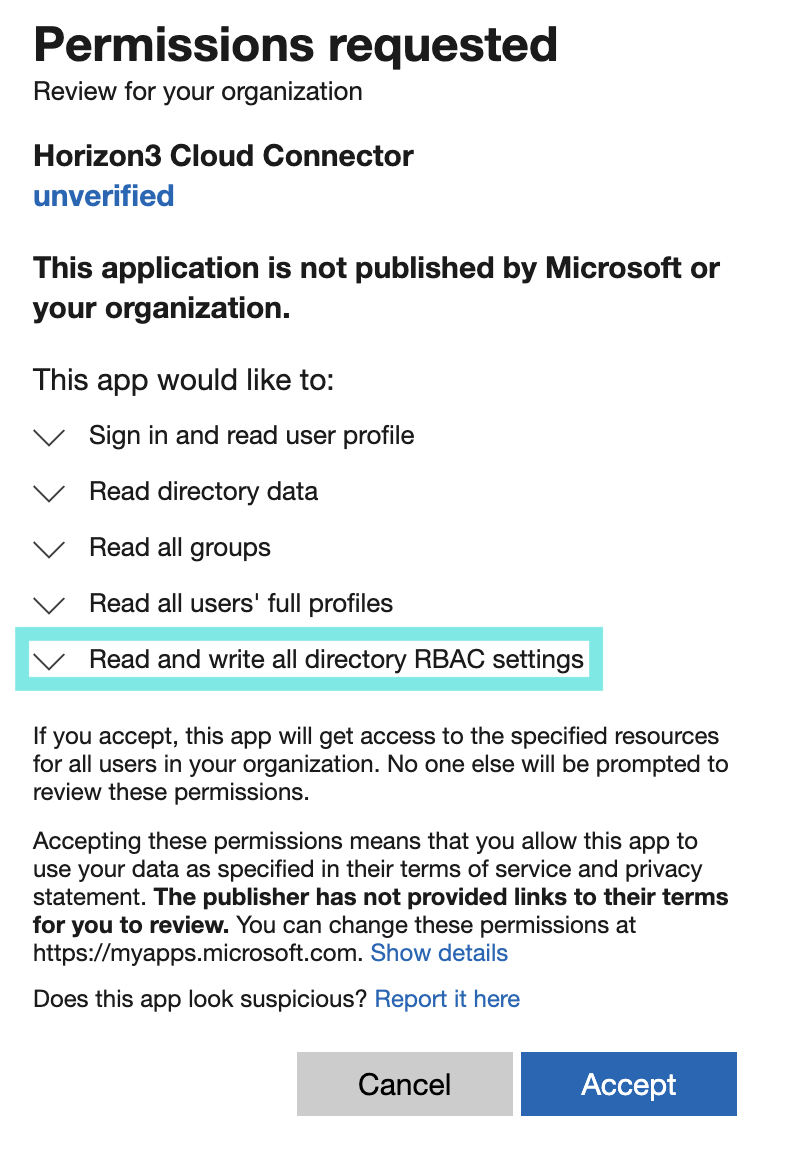
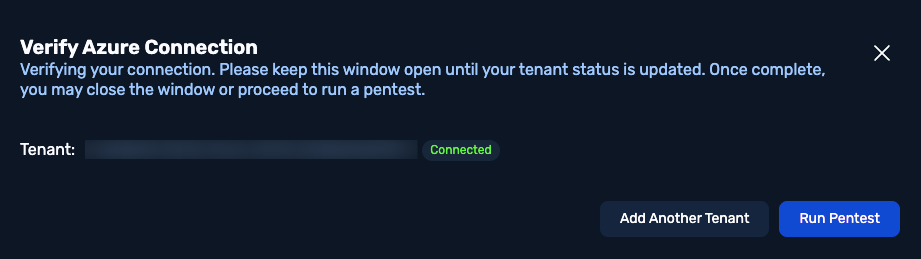
The NodeZero Azure Cloud Pentest is an assumed-breach, black-box assessment that combines Azure API enumeration with an Internal Pentest — letting you assess both your cloud resources and the workloads running on Azure VMs (virtual machines) in a single test.
seen Oct 2026
· source
+Cloud VM launch requirementsdocumentedEnforces minimum vCPU availability and outbound internet connectivity on the selected subnet before starting a NodeZero run in a cloud region, blocking the run if either condition is not met.2 other sources▸
docs
VM Family vCPUs At least 4 vCPUs are free in at least one of the VM families NodeZero can use in the region. at least one of the sizes NodeZero tries in the region must be included.
seen Oct 2026
· source
To set up a connection, you'll also need the following: The subnet you select at launch must have outbound internet connectivity. NodeZero validates this before the test starts, and will block the run if an NSG or private-subnet setting prevents outbound traffic.
seen Oct 2026
· source
+External Asset DiscoveryshippedExtends external attack surface reconnaissance by reconstructing exposed Git repositories and capturing service banners on nonstandard ports, with user-controlled subdomain scoping.2 releases▸
release
External Asset Discovery now reconstructs exposed Git repositories from discovered attack surface and captures service banners on nonstandard ports for broader visibility.
updated · seen Nov 2026
· source
· release history
Subdomain discovery now offers more user control over scope.
updated · seen Nov 2026
· source
· release history
Lines in monospace are the tool's own words: help text
parsed from its source, or an endpoint from its API document. Under
release, a line is our summary of a dated release. Under
docs, it is quoted from the tool's own documentation or
website. Each links back to the source it came from.
Screenshots
From the release notes, newest first. Click one to see it full size.
Breaking-change disciplinehow rarely a release breaks users, and notice given
Maintenance riskquiet time against its own cadence, maintainers
Innovation & surfacenew capabilities, API and MCP surface
Five scores for Horizon3 NodeZero, each built from the releases, notes and API history this site tracks — and, on Researcher and Business, where it stands among every measured tool in its category and how that has moved.
Each score is 0–100 on a published rubric, derived from data this site already shows.
A dimension we cannot measure says so — it is never scored 0 and never enters a rank.
How this is scored
Shipping velocity — releases a month over the last 12 months, on a log scale where 16 a month scores 100. Needs 3 releases in the window.
Documentation quality — the release-notes rubric published on the analytics page, unchanged.
Breaking-change discipline — the share of releases carrying a breaking change (none scores 100, half or more scores 0). Only projects that label breaking changes are measured: a clean record cannot be told from an unlabelled one.
Maintenance risk — quiet time measured against the tool's own release cadence (quiet longer than 90 days and three typical gaps scores 0), plus the number of active maintainers and whether contributors are growing, where known. Higher is lower risk.
Innovation & surface — new capabilities in the feature ledger this year, API and MCP operations added, and the share of commits that are features: the mean of whichever we hold.
Community health (open-source tools only) — each is a direction, not a size: contributors this year against last, the bus factor now against a year ago, and issues closed per issue opened, where steady scores 50, doubled 100 and halved 0; plus the median time to a maintainer's first reply (an hour scores about 100, a month or more 0). A commercial card has no repository and carries none of the four.
Documented delivery (commercial tools) — when a vendor's documented new capabilities have slowed against its own baseline, that counts against the overall standing as heavily as two low dimensions. Steady delivery, or too little history to judge, leaves the standing alone; it is never a sixth score.
Open-source tools are scored on repository signals; commercial tools on their published changelog. Ranks compare tools within one category and one profile and need at least five measured peers; the overall standing needs three ranked dimensions. Best-in-breed or consolidator is a shape, not a quality, and is never scored.
Release-note detail over time
See how much detail Horizon3 NodeZero puts in its release notes, quarter by quarter, and compare it with tracked tools in the same category. This history uses up to ten retained, reviewed notes per tool; sparse or blank older quarters may reflect that limit.
Horizon3.ai's home page and 40 more pages as they looked each month from September 2021 to October 2026: 52 renders, 7 changes of tagline or palette. Step through them, play them, or put any two months side by side.
Website history is included with Researcher and Business.
Nothing first seen in this window. That doesn't mean Horizon3 NodeZero shipped nothing, only that we found no record of it.
Changes per month New Updated Retired
2026-10
1
How we count
Read from 3 of 82 release notes and docs updates we hold for Horizon3 NodeZero. "First seen" is the earliest note that names something; "last" is the latest. Our history may start partway through Horizon3 NodeZero's life, so an old integration can show a recent first-seen date.
Each change counts once: "added 40 checks" is one line, so the numbers measure how often coverage moves, not how big the catalogue is or how well it detects.
Releases
Show
Coverage in all entries
82 entries
No entries match these filters.
November 20261
October 20267
September 202610
August 202620
July 20262
June 20261
May 20261
April 20261
March 20261
February 20261
January 20261
December 20251
November 20251
October 20251
September 20251
August 20251
July 20251
June 20251
May 20251
April 20251
March 20251
February 20251
January 20251
December 20241
November 20241
October 20241
September 20241
August 20241
July 20241
June 20241
May 20241
April 20241
March 20241
February 20241
January 20241
November 20231
October 20231
September 20231
August 20231
July 20231
June 20231
May 20231
April 20231
March 20232
February 20231
January 20231
Add the badge to your README
Maintain this project? The badge links readers straight to this page, so they can
follow every release here.
 updated · seen Nov 2026
· source
· release history
 seen Oct 2026
· source
 seen Oct 2026
· source
 Choose a badge style and copy the code →