Google SecOps is a commercial SIEMSIEMSecurity information and event management, collecting logs from many systems and correlating events to find suspicious activity. Analysts use it to investigate alerts and incidents. delivered as a cloud service, built on Google's infrastructure so security teams can store, search, and correlate security data in one place rather than running their own log-storage backend. It is aimed at SOCSOCA security operations center, the team or function that monitors threats, investigates alerts and coordinates incident response. Its work can be internal, outsourced or shared. analysts and detection engineers, who write threat detections in YARA-LYARA-LA rule language developed by Google for Chronicle that extends YARA syntax to express multi-event, time-windowed detections over log data rather than single-file pattern matching., manage cases and alerts, and query events through a web interface, CLI, chat, or Model Context ProtocolModel Context ProtocolModel Context Protocol, a standard for connecting AI applications to external tools and data sources. A compatible server exposes capabilities an assistant can use through a common interface., with usage now metered through Security Tokens for agentic features. Its own documentation frames it as a layer over core infrastructure rather than a bolt-on tool, and it competes in the space long occupied by traditional SIEM and log-management platforms. It ingests logs from a wide range of vendors, including Cisco, CyberArk, Wiz, and SentinelOne, and continues shipping new log types and parser updates. Launched in 2019, with 25 tracked releases and a release just 16 days ago, it remains under active development.
Which AI agent activity is happening against our environment right now?
ingests Model Context Protocol developer, modify, and view logs so agent-to-server interactions show up as events alongside other telemetry, letting an analyst correlate agent actions with the rest of the environment's activity
Is a storage-layer ransomware event connected to what we're seeing on endpoints and network?
correlates NetApp ransomware telemetry with endpoint and network detections in the same search, so a single storage signal can be tied to related events elsewhere
Which cloud posture issues need attention alongside our other alerts?
ingests CSPM findings and surfaces them next to existing detections so a posture issue can be triaged in the same workflow as a security event
Which custom and curated detection rules are active, and do any conflict?
brings custom and curated rules into one dashboard and editor so an analyst can review, compare, and manage both rule sets from a single place instead of switching tools
Are we close to hitting our detection rule limits as we add more use cases?
tracks rule counts against the per-tier ceiling (200 for Enterprise, 400 for Enterprise+), so a team can see how much headroom remains before onboarding more rules
Built from Google SecOps's releases, docs, README and our own runs.
“Seen” marks the month we first spotted a release the vendor didn't date.
Group names and tags are our labels.
+Log search7 featuresLogs and telemetrysince 2019▸
+UDM Search capabilityshippedA dedicated search interface for navigating UDM events, providing Quick Filters, an Event Viewer, and a Search Manager to streamline investigation workflows.17 releases · 2 other sources · first seen Nov 2022▸
Shared capability: Log search
release
17 total
Adds POST /v1beta/{parent}:search for new search session initiation.
api-docs-c62f0d21376d · Sep 2026
· source
· release history
Adds share custom column sets for the Events table to enable consistent analysis across teams
February 03, 2026 · Feb 2026
· source
· release history
Customizable column views: create, save, and share custom sets of columns in the Events table
October 31, 2025 · Oct 2025
· source
· release history
Adds condition clause to UDM search and dashboards for filtering aggregates
August 05, 2025 · Aug 2025
· source
· release history
Enables metrics functions in the outcome section of UDM searches
August 05, 2025 · Aug 2025
· source
· release history
Adds U (unenriched) and E (enriched) icon labels to each UDM field when viewing an event in Event Viewer.
August 10, 2023 · Aug 2023
· source
· release history
example
Scope a UDM search to events from a specific Google Cloud organization in a multi-org environment — no extra sink configuration needed.$ metadata.base_labels.ingestion_kv_labels["gcp_organization_id"] = "<YOUR_GCP_ORGANIZATION_ID>"
changelog · Sep 2026
· source
Filter UDM Search to a specific GCP organization in a multi-org environment, scoping investigation or detection results to only that org's logs.$ metadata.base_labels.ingestion_kv_labels["gcp_organization_id"] = "<YOUR_GCP_ORGANIZATION_ID>"
changelog · Sep 2026
· source
+Advanced Filtering in dashboardsshippedDashboard token variables let analysts inject dynamic filters, regex, or boolean logic directly into YARA-L detection queries at runtime without editing the underlying query.12 releases · 5 other sources · first seen Jan 2023▸
Shared capability: Log search
release
12 total
Multi-select support for token variables allows combining multiple values in a query using a configurable delimiter (e.g., |).
changelog · Jul 2026
· source
· release history
Customizable prefix/suffix wrappers on token values enable advanced patterns such as inline regular expressions within dashboard queries.
changelog · Jul 2026
· source
· release history
Adds Advanced Filtering in dashboards (Public Preview): security analysts can define Token Variables to inject dynamic values, complex regular expressions, or boolean logic directly into YARA-L queries at runtime.
changelog · Jul 2026
· source
· release history
Token values can be generated dynamically from YARA-L query results or entered as a static manual list.
changelog · Jul 2026
· source
· release history
Supports token values generated dynamically from YARA-L query results or entered as a static manual list.
July 15, 2026 (2026-07-15) · Jul 2026
· source
· release history
Enables customizable prefix/suffix wrappers around token values to express regex or other query logic.
July 15, 2026 (2026-07-15) · Jul 2026
· source
· release history
docs
Google SecOps Discrepancies between raw log volume and dashboard log volume The total ingestion.log_volume reported in Google SecOps dashboards (for example, when querying ingestion.component = Ingestion API ) can differ significantly from the total volume of raw logs stored in your instance.
seen Oct 2026
· source
Google SecOps Discrepancies between raw log volume and dashboard log volume The total ingestion.log_volume shown in a dashboard chart (for example, a query filtering on ingestion.component = Ingestion API for the last 365 days) can differ from your cumulative raw log volume for the following reasons: Time scope and…
seen Oct 2026
· source
example
Create a dashboard filter with a multi-value token to dynamically scope a YARA-L detection query by hostname at runtime, rather than hardcoding values.$ In the Google SecOps console, open a dashboard and select Advanced Filtering.
changelog · Jul 2026
· source
Enable a dashboard panel to dynamically filter YARA-L events by source IP using user-provided tokens.$ In the Dashboard UI, edit a panel and add an Advanced Filter. Define a token variable name matching `^[a-zA-Z0-9_]+$` (e.g., `src_ip`). In the YARA-L query field, reference the token as `$src_ip`.
July 15, 2026 (2026-07-15) · Jul 2026
· source
When investigating across multiple threat actor IPs, use a multi-select advanced filter token to fan out a single YARA-L dashboard query across all selected values without editing the query manually.$ In the dashboard editor, go to Filters > Add Advanced Filter, define a Token Variable (e.g., `source_ip`), set Filter Value Generation to a YARA-L query result or static list, enable Multi-Select,…
July 15, 2026 (2026-07-15) · Jul 2026
· source
+Raw log analysisshippedAnalysts can scan raw, unparsed logs and perform regular expression searches on them for detailed inspection.4 releases · 3 other sources · first seen Jul 2019▸
Shared capability: Log search
release
Adds latencyMetrics object with oldestIngestionTime, newestIngestionTime, oldestEventTime, and newestEventTime timestamps to detection and alert metadata
February 09, 2026 · Feb 2026
· source
· release history
Access new legacySearchRawLogsV2 API method for programmatic raw log searching
November 13, 2025 · Nov 2025
· source
· release history
Adds Raw Log Scan to examine raw, unparsed logs.
July 01, 2019 · Jul 2019
· source
· release history
Enables regular expression search capabilities on raw logs
July 01, 2019 · Jul 2019
· source
· release history
example
Extract all potential IP addresses or emails from a log message for further analysis instead of just the first occurrence.$ rule extract_all_ips { condition: re.capture_all(log.message, r'\b(\d{1,3}\.){3}\d{1,3}\b') }
February 04, 2026 · Feb 2026
· source
Filter raw logs by parsing status to isolate unprocessed entries.$ In the Raw Log Search UI, apply a filter for `parsingStatus: 'unparsed'` and a specific log source to narrow results before viewing or downloading.
November 13, 2025 · Nov 2025
· source
Programmatically query raw logs using the new API endpoint.$ curl -X POST 'https://chronicle.googleapis.com/v1alpha/projects/<project>/locations/<location>/instances/<instance>/legacySearchRawLogsV2' -H 'Authorization: Bearer <token>' -d '{"query": "error",…
November 13, 2025 · Nov 2025
· source
+Procedural filtering in enterprise insightsshippedAdvanced procedural filtering options are available within the Enterprise Insights interface to refine data views.5 releases · 1 other source · first seen Mar 2019▸
Shared capability: Log search
release
Supports earliest and latest timestamps for time range extraction in aggregation
August 05, 2025 · Aug 2025
· source
· release history
Increases element limit for array and array_distinct aggregation functions to 1,000
August 05, 2025 · Aug 2025
· source
· release history
Enterprise Insights page now includes a dedicated Uppercase Alert view displaying alerts derived from Google's internal threat detection and Uppercase security analysts research. Available to Chronicle customers who are also Uppercase customers.
June 21, 2021 · Jun 2021
· source
· release history
Adds Enterprise Insights column sorting capability
March 30, 2020 · Mar 2020
· source
· release history
Adds a Procedural Filtering menu to Enterprise Insights
March 01, 2019 · Mar 2019
· source
· release history
docs
August 24, 2026 [Spotlight Feature] Operations in Emerging Threats Center Operations in the feed to provide rapid visibility into threat activity details involving the targeting of a single organization.
docs update · Aug 2026
· source
+Query editor auto-collapseshippedAn auto-collapse setting hides the query editor after a search runs, freeing up screen space for results.4 releases · 2 other sources · first seen Oct 2025▸
Shared capability: Log search
release
Adds autoCollapse configuration option to control whether the query editor collapses automatically after a search.
June 17, 2026 · Jun 2026
· source
· release history
New Auto-collapse setting for the query editor automatically hides the editor after a search runs, giving more screen real estate to results.
June 17, 2026 (2026-06-17) · Jun 2026
· source
· release history
API calls to IocService and ThreatCollectionService now require global scope; direct CLI/client library calls fail without it
February 03, 2026 · Feb 2026
· source
· release history
Search editor now automatically collapses after a query runs; View Options list controls Charts and Aggregations panels visibility
October 31, 2025 · Oct 2025
· source
· release history
example
Maximize visible search results during investigations by collapsing the query editor automatically after each query runs.$ In the console, go to the query editor settings and enable the Auto-collapse option so the editor collapses after you run a search.
June 17, 2026 (2026-06-17) · Jun 2026
· source
Reduce UI clutter by collapsing the search editor and toggling result panels.$ After running a query, use the View Options list to hide or show Charts and Aggregations panels
October 31, 2025 · Oct 2025
· source
+Search summarizationshippedAutomatic summaries of search results and contextual follow-up Q&A after search actions.2 releases · first seen May 2024▸
Shared capability: Log search
release
Adds the Change MITRE ATT&CK coverage dashboard for assessing threat coverage against the MITRE ATT&CK framework
August 29, 2025 · Aug 2025
· source
· release history
Adds automatic Search summaries of results and contextual follow-up Q&A after search or filter actions
May 06, 2024 · May 2024
· source
· release history
+Search performance optimizationshippedCapabilities to limit search result sets for performance testing and optimize rule execution windows.1 other source · first seen Aug 2025▸
Shared capability: Log search
example
Use the limit keyword to quickly preview a subset of search results for performance testing.$ search kind=udm | limit 50
August 05, 2025 · Aug 2025
· source
+Log enrichment5 featuresLogs and telemetrysince 2019▸
+Unified Data Model enrichment and extensionshippedThe Unified Data Model supports new enumerated types, object properties, and nested threat context structures to enrich entity data and investigation outcomes.24 releases · first seen Jan 2023▸
Shared capability: Log enrichment
release
24 total
Includes source-of-enrichment metadata values within enriched UDM fields
June 09, 2026 · Jun 2026
· source
· release history
Enrichment settings are controlled via the new EnrichmentControl and EnrichmentCombination resources in v1
May 28, 2026 · May 2026
· source
· release history
Adds detectionTimingDetails enum field to detection and alert objects for tracking run type (REPROCESSING, RETROHUNT, UNSPECIFIED)
February 09, 2026 · Feb 2026
· source
· release history
Adds new fields to SecurityResult.Association: sponsor_region, targeted_regions, and tags
January 17, 2024 · Jan 2024
· source
· release history
Adds NONE as a valid value for SecurityResult.ProductSeverity
January 17, 2024 · Jan 2024
· source
· release history
Adds new Unified Data Model objects: DNSRecord, Favicon, ThreatVerdict, PopularityRank, SSLCertificate hierarchy (SSLCertificate.AuthorityKeyId, SSLCertificate.CertSignature, SSLCertificate.DSA, SSLCertificate.EC, SSLCertificate.Extension, SSLCertificate.PublicKey, SSLCertificate.RSA,…
January 17, 2024 · Jan 2024
· source
· release history
+Entity aliasing and identity mappingshippedCapabilities to list and manage aliases for users and assets, as well as enrich entities with prevalence statistics and Safe Browsing data.6 releases · first seen Sep 2022▸
Shared capability: Log enrichment
Also counts toward: REST API
release
Adds Enhanced log events with Google Safe Browsing context for Chrome logs
October 29, 2025 · Oct 2025
· source
· release history
Adds capability to map individual user emails on the IdP group mapping page for Cloud Identity Provider customers
January 28, 2025 · Jan 2025
· source
· release history
Provides precomputed first-seen occurrence for assets and users
April 19, 2023 · Apr 2023
· source
· release history
Enables contextual enrichment in events and entities by calculating prevalence statistics and ingesting Safe Browsing threat list data for file hashes
September 26, 2022 · Sep 2022
· source
· release history
Adds ListUserAliases API method to list all aliases of a user in an enterprise
September 21, 2022 · Sep 2022
· source
· release history
Adds ListAssetAliases API method to list all aliases of an asset in an enterprise
September 21, 2022 · Sep 2022
· source
· release history
+Domain context analyticsshippedThe tool provides context on domains using third-party intelligence sources including VirusTotal, EmergingThreats, WHOIS, and DHS AIS.6 releases · first seen Mar 2019▸
Shared capability: Log enrichment
release
Adds support for collecting DomainTools Iris Investigate results via a new parser
September 08, 2025 · Sep 2025
· source
· release history
Adds the GCTI Remote Access Tools data source to provide contextual information about files used by malicious actors.
June 16, 2023 · Jun 2023
· source
· release history
Enables geolocation data enrichment (GeoIP data) for external IP addresses using Google location data to provide approximate geographic context
January 31, 2023 · Jan 2023
· source
· release history
Adds VT Context button in Chronicle's Asset, Domain, and IP Address views to pivot directly to VirusTotal data Some VirusTotal information requires a VirusTotal Enterprise account.
August 18, 2022 · Aug 2022
· source
· release history
Adds Emerging Threats Pro IoC data support via the IoC data set integration
May 08, 2020 · May 2020
· source
· release history
Includes Domain Context Analytics using VirusTotal, EmergingThreats, WHOIS, and DHS AIS sources
March 01, 2019 · Mar 2019
· source
· release history
+Google Cloud organization ID enrichmentshippedLogs ingested via Google Cloud direct ingestion are automatically enriched with the originating Google Cloud organization ID for filtering and scoping.1 release · 1 other source · first seen Sep 2026▸
Shared capability: Log enrichment
release
Adds gcp_organization_id under metadata.base_labels.ingestion_kv_labels in UDM events for logs ingested via Google Cloud direct ingestion, enabling multi-organization filtering, detection rule scoping, and Data RBAC without additional sink or feed configuration.︀︄︇︀︅︉︀︅︀︀︃︀︀︅︅︀︅︊︀︄︆︀︃︄
September 21, 2026 (2026-09-21) · Sep 2026
· source
· release history
docs
September 21, 2026 Google Cloud organization ID enrichment for direct ingestion Google SecOps now automatically enriches logs ingested through Google Cloud direct ingestion with the originating Google Cloud organization ID.
changelog · Sep 2026
· source
+Geolocation data enrichmentshippedThe tool provides geographic context for external IP addresses by ingesting and correlating GeoIP location data.2 releases · first seen Jan 2023▸
Shared capability: Log enrichment
release
Adds VirusTotal file metadata enrichment to events
April 19, 2023 · Apr 2023
· source
· release history
Enables geolocation data enrichment (GeoIP data) for external IP addresses using Google location data to provide approximate geographic context
January 31, 2023 · Jan 2023
· source
· release history
+Response playbook automation5 featuresInvestigation and responsesince 2024▸
+Automated remediation plans and actionsshippedUsers can generate, execute, and manage AI-driven remediation plans and manual remediation actions with execution tracking for incident response.13 releases · 5 other sources · first seen Aug 2026▸
Shared capability: Response playbook automation
Also counts toward: REST API
release
13 total
Adds GET /v1alpha/{parent}/remediationPlans to list Remediation Plans with optional filtering.
api-docs-c62f0d21376d · Sep 2026
· source
· release history
Adds PATCH /v1alpha/{remediationPlan.name} to update a Remediation Plan.
api-docs-c62f0d21376d · Sep 2026
· source
· release history
Adds GET /v1alpha/{parent}/remediationActions to list Remediation Actions under a plan.
api-docs-c62f0d21376d · Sep 2026
· source
· release history
Adds POST /v1alpha/{name}:execute to execute a suggested Remediation Plan.
api-docs-c62f0d21376d · Sep 2026
· source
· release history
Adds POST /v1alpha/{parent}/remediationActions to create manual Remediation Actions, GET /v1alpha/{parent}/remediationActions to list them, and GET /v1alpha/{parent}/remediationActionExecutions to list execution records under a remediation action.
api-docs-ae690d223b15 · Sep 2026
· source
· release history
New endpoint documented: POST /v1alpha/{parent}/remediationActions
api-docs-ae690d223b15 · Sep 2026
· source
· release history
Trigger the Remediation agent on a case and store the resulting plan — the first step toward automated response in SecOps.$ curl -X POST \ 'https://chronicle.googleapis.com/v1alpha/projects/<project>/locations/<location>/instances/<instance>/remediationPlans:generate' \ -H 'Authorization: Bearer $(gcloud auth…
api-docs-c62f0d21376d · Sep 2026
· source
Trigger an AI-generated remediation plan for a case, then execute it — useful when responding to a confirmed incident and you want automated remediation steps applied immediately.$ # Step 1: generate a remediation plan curl -X POST \ 'https://chronicle.googleapis.com/v1alpha/projects/<project>/locations/<location>/instances/<instance>/remediationPlans:generate' \ -H…
api-docs-c62f0d21376d · Sep 2026
· source
Execute a previously generated remediation plan to kick off its automated response actions.$ curl -X POST \ 'https://chronicle.googleapis.com/v1alpha/projects/<project>/locations/<location>/instances/<instance>/remediationPlans/<plan_id>:execute' \ -H 'Authorization: Bearer $(gcloud auth…
api-docs-c62f0d21376d · Sep 2026
· source
Generate an AI-driven remediation plan for a case and immediately execute it — useful for automating response to high-confidence alerts.$ # 1. Trigger the Remediation agent and save its output as a plan curl -X POST \…
api-docs-ae690d223b15 · Sep 2026
· source
+Incident remediation suggestionsshippedFollow-on step recommendations for incidents based on returned event information.7 releases · 2 other sources · first seen May 2024▸
Shared capability: Response playbook automation
release
7 total
Adds a full remediation-plan lifecycle API under v1alpha.projects.locations.instances.remediationPlans: POST /v1alpha/{parent}/remediationPlans:generate to trigger the remediation agent, POST /v1alpha/{name}:execute to execute a plan, GET /v1alpha/{parent}/remediationPlans to list plans, and PATCH…
api-docs-c62f0d21376d · Sep 2026
· source
· release history
Adds the v1alpha.projects.locations.instances.remediationPlans resource with POST /v1alpha/{parent}/remediationPlans:generate to trigger the Remediation agent and save its output as a Remediation Plan.
api-docs-c62f0d21376d · Sep 2026
· source
· release history
Introduces the v1alpha.projects.locations.instances.remediationPlans resource with POST /v1alpha/{parent}/remediationPlans:generate to trigger the Remediation agent and save its output, POST /v1alpha/{name}:execute to execute a suggested plan, GET /v1alpha/{parent}/remediationPlans to list plans with optional…
api-docs-c62f0d21376d · Sep 2026
· source
· release history
Adds a full Remediation Plans API under v1alpha.projects.locations.instances.remediationPlans, including POST /v1alpha/{parent}/remediationPlans:generate to trigger the Remediation agent, POST /v1alpha/{name}:execute to execute a suggested plan, GET /v1alpha/{parent}/remediationPlans to list plans, and PATCH…
api-docs-ae690d223b15 · Sep 2026
· source
· release history
New endpoint documented: GET /v1alpha/{parent}/enrichmentAgent:fetchRemediationActions
api-docs-a2a002294402 · Aug 2026
· source
· release history
New POST /v1alpha/{parent}/enrichmentAgent:executeRemediationActions (executeRemediationActions) and GET /v1alpha/{parent}/enrichmentAgent:fetchRemediationActions (fetchRemediationActions) endpoints execute and list available remediation actions on a SIEM alert.
api-docs-a2a002294402 · Aug 2026
· source
· release history
example
Kick off the Remediation agent for a case and persist the resulting plan — useful immediately after triage to get AI-suggested remediation steps.$ curl -X POST \ 'https://chronicle.googleapis.com/v1alpha/projects/<project>/locations/<location>/instances/<instance>/remediationPlans:generate' \ -H 'Authorization: Bearer $(gcloud auth…
api-docs-c62f0d21376d · Sep 2026
· source
Trigger the Remediation agent for an open case and save its suggested plan — the first step before reviewing or executing automated fixes.$ curl -X POST \ 'https://chronicle.googleapis.com/v1alpha/projects/<project>/locations/<location>/instances/<instance>/remediationPlans:generate' \ -H 'Authorization: Bearer $(gcloud auth…
api-docs-c62f0d21376d · Sep 2026
· source
+Playbook and integration health monitoringshippedAnalysts can monitor playbook performance, automation efficiency, and integration health from within the platform.3 releases · 2 other sources · first seen Aug 2026▸
Shared capability: Response playbook automation
Also counts toward: REST API
release
New endpoint documented: POST /v1alpha/{parent}/actionExecutor:fetchActionDetails
api-docs-25616c54bbfe · Oct 2026
· source
· release history
Adds POST /v1alpha/{parent}/actionExecutor:fetchActionDetails and GET /v1alpha/{parent}/actionExecutor:fetchActions endpoints under v1alpha.projects.locations.instances.actionExecutor to fetch detailed descriptions and parameter schemas for specific actions on a SIEM alert.︀︄︇︀︅︉︀︅︀︀︃︀︀︅︅︀︅︊︀︄︆︀︃︄
api-docs-25616c54bbfe · Oct 2026
· source
· release history
New endpoint documented: GET /v1alpha/{parent}/actionExecutor:fetchActions
api-docs-25616c54bbfe · Oct 2026
· source
· release history
docs
Monitor response and playbook health Monitor playbook performance, automation efficiency, and integration health Last updated 2026-10-07 UTC.
seen Oct 2026
· source
example
Export playbook action results for post-incident review or offline analysis.$ curl -X GET 'https://chronicle.googleapis.com/v1alpha/<instance>/legacyPlaybooks:legacyExportActionResults' \ -H 'Authorization: Bearer $(gcloud auth print-access-token)'
api-docs-b766a114a6e1 · Aug 2026
· source
+AI-generated integration actionsshippedAn API endpoint uses Gemini AI to generate a new integration action definition, enabling users to create response and playbook actions without writing them manually.3 releases · first seen Aug 2026▸
Shared capability: Response playbook automation
Also counts toward: REST API
release
New endpoint documented: POST /v1alpha/{parent}/actions:aiGenerate
api-docs-fae944499cee · Oct 2026
· source
· release history
Adds POST /v1alpha/{parent}/actions:aiGenerate endpoint to generate a new integration action definition using Gemini AI.
api-docs-fae944499cee · Oct 2026
· source
· release history
New endpoint documented: GET /v1alpha/{parent}/integrations:fetchSupportedPythonVersions
api-docs-a2a002294402 · Aug 2026
· source
· release history
+Chrome Extension Management SOAR ActionsshippedProvides automated actions to block and delete Chrome extensions via SOAR playbooks.1 release · 1 other source · first seen Oct 2025▸
Shared capability: Response playbook automation
release
Adds Google Workspace SOAR actions Block Extension and Delete Extension to manage Chrome extension blocklist policies
October 29, 2025 · Oct 2025
· source
· release history
example
Use the new SOAR action to automatically block a malicious Chrome extension from your organization's devices.$ In the SOAR workflow, trigger the 'Block Extension' action for a specific extension ID.
October 29, 2025 · Oct 2025
· source
+Threat indicator matching5 featuresInvestigation and responsesince 2019▸
+Applied Threat Intelligence rule setsshippedProvides access to specialized Applied Threat Intelligence (ATI) detection rules, such as the 'Inbound IP Address Authentication' rule set, for identifying specific threat patterns.7 releases · 2 other sources · first seen Dec 2024▸
Shared capability: Threat indicator matching
release
7 total
Custom rules that reference the legacy MANDIANT_ACTIVE_BREACH_IOC, MANDIANT_FUSION_IOC, or OPEN_SOURCE_INTEL_IOC feeds must be manually updated to use the GTI_IOC feed; the deprecated feeds are being retired.
October 12, 2026 (2026-10-12) · Oct 2026
· source
· release history
Applied Threat Intelligence (ATI) curated detection rules now match against the GTI_IOC feed instead of the deprecated MANDIANT_ACTIVE_BREACH_IOC, MANDIANT_FUSION_IOC, and OPEN_SOURCE_INTEL_IOC feeds.︀︄︇︀︅︉︀︅︀︀︃︀︀︅︅︀︅︊︀︄︆︀︃︄
October 12, 2026 (2026-10-12) · Oct 2026
· source
· release history
Adds three new Mandiant Frontline Threats rule packs to the Content Hub: Mandiant Frontline Threats for Linux, Mandiant Frontline Threats for MacOS, and Mandiant Frontline Threats for Google Cloud.
changelog · Aug 2026
· source
· release history
New rule packs for Mandiant Frontline Threats detections are available in the Content Hub: Mandiant Frontline Threats for Linux, Mandiant Frontline Threats for MacOS, and Mandiant Frontline Threats for Google Cloud.
August 26, 2026 (2026-08-26) · Aug 2026
· source
· release history
Introduces the Emerging Threats page to align GTI intelligence with organizational telemetry and identify detection gaps
November 12, 2025 · Nov 2025
· source
· release history
Applied Threat Intelligence (ATI) prioritization in Google SecOps now uses the Google Threat Intelligence (GTI) score for IoC verdicts
October 22, 2025 · Oct 2025
· source
· release history
example
Deploy new Mandiant detections for Linux workloads directly from the Content Hub.$ In the Console, go to Content Hub and search for 'Mandiant Frontline Threats for Linux'.
August 26, 2026 (2026-08-26) · Aug 2026
· source
Monitor your SIEM dashboard for the new ATI rule set to detect inbound authentication attempts from external IPs.$ In Google SecOps, go to Applied Threat Intelligence and view queries for 'Inbound IP Address Authentication'.
December 27, 2024 · Dec 2024
· source
+External entity correlationshippedThe platform supports searching for external IP addresses and URLs when investigating domains and IPs.3 releases · first seen Mar 2019▸
Shared capability: Threat indicator matching
release
Adds enhanced Entity context panel to investigate indicators of compromise (IoC) by viewing point-in-time state and related cases.
April 08, 2026 · Apr 2026
· source
· release history
Adds Event-level enrichment ingesting IOCs curated by Mandiant Threat Intelligence (IC-Score > 80) into Chronicle telemetry
March 25, 2024 · Mar 2024
· source
· release history
Adds search for external IP addresses and URLs when investigating domains and IPs
March 01, 2019 · Mar 2019
· source
· release history
+Threat actor and campaign contextshippedViews showing associations between indicators, threat actors, campaigns, or malware to support investigation.2 releases · 1 other source · first seen Mar 2024▸
Shared capability: Threat indicator matching
release
Adds expanded campaign filtering in the Emerging Threats feed to filter by associated malware, tools, and threat actors.
April 08, 2026 · Apr 2026
· source
· release history
Adds Insights views showing associations between indicators, threat actors, campaigns, or malware
March 25, 2024 · Mar 2024
· source
· release history
example
Access the new curated views to investigate active breaches by identifying associations between current indicators and known threat actors or campaigns.$ In the Chronicle console, navigate to the Applied Threat Intelligence Insights section to view indicator-to-actor mappings and statistics.
March 25, 2024 · Mar 2024
· source
+Hash-based file investigationshippedUsers can investigate files by searching for and viewing them based on their hash values.2 releases · first seen Jul 2019▸
Shared capability: Threat indicator matching
release
Provides precomputed first-seen and last-seen occurrence for domains, IP addresses, and file hashes (SHA256, SHA1, MD5)
April 19, 2023 · Apr 2023
· source
· release history
Introduces Hash View for file investigation based on hash values
July 01, 2019 · Jul 2019
· source
· release history
+Browser-based indicator searchshippedA Chrome extension allows users to search security indicators directly from the browser.1 release · first seen Mar 2019▸
Shared capability: Threat indicator matching
release
Adds the Chronicle Chrome Extension for searching indicators
March 01, 2019 · Mar 2019
· source
· release history
+Log collection4 featuresLogs and telemetrysince 2020▸
+Log source ingestion coverageshippedThe platform ingests logs from a broad and growing set of sources, with new log types added regularly across multiple technology categories.641 releases · 15 other sources · first seen Mar 2020▸
Shared capability: Log collection
release
641 total
Adds the Unroll processor (event breaking) to Google SecOps data processing pipelines, which automatically expands log entries containing arrays or slices into multiple individual log events prior to parsing and ingestion.
August 24, 2026 (2026-08-24) · Aug 2026
· source
· release history
Requires structured input: raw string payloads must be converted first using a Transform processor (e.g., set(body, ParseJSON(body))) placed before the Unroll processor in the pipeline execution sequence.
August 24, 2026 (2026-08-24) · Aug 2026
· source
· release history
Adds OSTTRA_MARKITWIRE (OSTTRA MarkitWire) as a supported log ingestion source.
changelog · Aug 2026
· source
· release history
Adds PROOFPOINT_ADAPTIVE_EMAIL_SECURITY (Proofpoint Adaptive Email Security) as a supported log ingestion source.
changelog · Aug 2026
· source
· release history
Adds AUDIOCODES_SBC (AudioCodes Session Border Controller) as a supported log ingestion source.
changelog · Aug 2026
· source
· release history
Adds TXONE_EDGEIPS (TXOne EdgeIPS) as a supported log ingestion source.
changelog · Aug 2026
· source
· release history
example
15 total
Split JSON array log payloads into individual events in a pipeline — place the Transform processor before the Unroll processor so raw strings are parsed first.$ # Pipeline processor sequence (data processing pipeline config) processors: - type: Transform expression: set(body, ParseJSON(body)) - type: Unroll
August 24, 2026 (2026-08-24) · Aug 2026
· source
Onboard NetApp Ransomware Resilience telemetry to correlate storage-layer ransomware signals with endpoint and network detections.$ In the Google SecOps console, go to Settings > Log Ingestion, search for NETAPP_RANSOMWARE_RESILIENCE, and configure a feed pointing to your NetApp data source.
June 28, 2026 (2026-06-28) · Jun 2026
· source
Ingest Reco AI CSPM findings to surface cloud security posture issues alongside other SecOps detections.$ In the Google SecOps console, go to Settings > Log Ingestion, search for RECO_CSPM, and configure the feed with your Reco AI credentials and endpoint.
June 28, 2026 (2026-06-28) · Jun 2026
· source
Enable ingestion of Model Context Protocol logs to detect and investigate AI agent activity (dev, modify, and view actions) in your environment.$ In the Google SecOps console, go to Settings > Log Ingestion, search for log types MCPDEV, MCPMODIFY, or MCPVIEW, and configure the appropriate feed for your MCP deployment.
June 28, 2026 (2026-06-28) · Jun 2026
· source
Connect a new GCS bucket using the GA v2 feed type.$ In the console, go to Data Sources > Add Source and select 'Google Cloud Storage v2'.
January 30, 2026 · Jan 2026
· source
Ingest Model Armor logs directly into Google SecOps to monitor for prompt injection.$ In the GCP console, configure Cloud Logging export filters for the `GCP_MODEL_ARMOR` log type and route them to Google SecOps.
January 21, 2026 · Jan 2026
· source
+Feed Management UIshippedA user interface for configuring data feeds within the platform, including setting up authentication credentials and configuration files without support assistance.14 releases · 3 other sources · first seen Jun 2022▸
Shared capability: Log collection
release
14 total
Adds automatic credential validation for all 49 third-party API feed connectors during configuration
March 25, 2026 · Mar 2026
· source
· release history
Adds Search Filtering (using feed attributes) to the Feeds page
February 20, 2026 · Feb 2026
· source
· release history
Adds Feed Metadata Export to CSV capability on the Feeds page
February 20, 2026 · Feb 2026
· source
· release history
New steps in UI to configure Google Cloud Storage v2, Amazon S3 v2, Google Cloud Storage (Event Driven), Amazon SQS v2, and Azure Blobstore v2 data sources
January 30, 2026 · Jan 2026
· source
· release history
Enables configuring multiple log-type feeds for the same product type on a single page
June 19, 2025 · Jun 2025
· source
· release history
Customers can configure direct ingestion of Google Cloud data without using a one-time Google Security Operations access code
August 01, 2024 · Aug 2024
· source
· release history
example
Configure multiple log-type feeds for the same product type using the new in-product guided flow.$ Navigate to 'Configure feeds by product' and add multiple log-type feeds for the target product.
June 19, 2025 · Jun 2025
· source
Skip the manual access code step when setting up new Google Cloud data sources.$ In the console, go to Settings > Data Ingestion and enable 'Direct ingestion from Google Cloud'
August 01, 2024 · Aug 2024
· source
Configure a new webhook feed with a custom name and view its success status via the UI$ In the feed management UI, create a new feed, select 'Webhook' as the source type, assign a custom 'Feed name', and generate an API key for authentication.
April 26, 2024 · Apr 2024
· source
+Data compression for ingestionshippedThe platform enables default data compression for log ingestion, significantly reducing network bandwidth consumption.2 releases · first seen Apr 2023▸
Shared capability: Log collection
release
Enables data compression by default, reducing network bandwidth consumption by 80%
April 25, 2023 · Apr 2023
· source
· release history
Enables data compression by default, reducing network bandwidth consumption by 80%
April 21, 2023 · Apr 2023
· source
· release history
+High-availability syslog ingestionshippedThe Linux Forwarder provides load balancing and high-availability support for ingesting syslog data sources.2 releases · first seen Sep 2021▸
Shared capability: Log collection
release
The legacy Chronicle forwarder executable for Windows is deprecated and scheduled for shutdown on March 31, 2024
April 25, 2023 · Apr 2023
· source
· release history
Adds load balancing and high-availability support to the Linux Forwarder for syslog data sources
September 22, 2021 · Sep 2021
· source
· release history
+Log parsing and normalization4 featuresLogs and telemetrysince 2019▸
+Prebuilt parser updatesshippedDefault parsers for existing log sources are updated on a regular cadence to reflect format changes from major vendors such as AWS, Azure, Palo Alto, CrowdStrike, Okta, and Google Cloud.60 releases · 2 other sources · first seen Aug 2022▸
Shared capability: Log parsing and normalization
release
60 total
Updates parsers for FORTINET_SANDBOX, PURE_STORAGE, RSA_NETWITNESS, and UPTYCS_EDR log types.︀︄︇︀︅︉︀︅︀︀︃︀︀︅︅︀︅︊︀︄︆︀︃︄
changelog · Oct 2026
· source
· release history
Updates the list of supported default parsers across dozens of integrations (including Airlock, Azure AD, CrowdStrike, Microsoft Defender, etc.)
July 29, 2026 (2026-07-29) · Jul 2026
· source
· release history
Updates default parsers for 130+ existing log sources across major vendors including AWS, Azure, Palo Alto, CrowdStrike, Okta, and Google Cloud.
June 28, 2026 (2026-06-28) · Jun 2026
· source
· release history
Updates default parsers for existing integrations including AWS_AURORA, AZURE_AD_SIGNIN, CLOUDFLARE_WAF, CS_ALERTS, CYBERARK_EPM, FORTINET_FORTIANALYZER, GCP_SECURITYCENTER_THREAT, MISP_IOC, OFFICE_365, and ZSCALER_WEBPROXY.
March 05, 2026 · Mar 2026
· source
· release history
Adds granular control over pre-built parser versions in preview, allowing users to opt in or out of automatic updates, compare processing logic between versions, manually update parsers, and revert to previous stable versions.
October 07, 2025 · Oct 2025
· source
· release history
Provides updated Symantec Endpoint Protection parser with increased UDM field coverage and more-accurate mappings (Preview).
September 04, 2025 · Sep 2025
· source
· release history
docs
Parsers are updated gradually, so it might take one to four days before you see the changes reflected in your region. This list includes both released default parsers and pending parser updates.
docs update · Oct 2026
· source
example
Review and revert a specific pre-built parser to a previously stable version via the management interface.$ In the SecOps console, navigate to Parser Management > Pre-built Parsers > AZURE_AD_CONTEXT > Version History, select the previous stable version, and click 'Revert'.
October 07, 2025 · Oct 2025
· source
+Parser managementshippedAnalysts can view, compare, and extend parsers, including the ability to append or replace values on repeated UDM fields using parser extensions.10 releases · 1 other source · first seen Mar 2019▸
Shared capability: Log parsing and normalization
release
10 total
Adds GET /v1alpha/{name}:fetchParserAuditEvents to retrieve the unified parser and augmentation audit timeline for a LogType.
api-docs-ae690d223b15 · Sep 2026
· source
· release history
Adds match_all option within the Grok filter in parser syntax.
September 15, 2026 (2026-09-15) · Sep 2026
· source
· release history
Adds match_all option to the Grok filter in parser syntax
September 15, 2026 · Sep 2026
· source
· release history
Adds append and replace functionality for repeated UDM fields in code snippet parser extensions, previously limited to no-code extensions only.
changelog · Jul 2026
· source
· release history
View prebuilt parser preview version content for a log type even when a custom parser is active, enabling comparison before switching.
July 29, 2026 (2026-07-29) · Jul 2026
· source
· release history
SecOps parser validator allows immediate validation of log parsing from the snapshot view, returning parsed events or validation errors without waiting for data appearance.
March 18, 2026 · Mar 2026
· source
· release history
example
Fetch parser audit events for a log type to review the full ingestion-pipeline change history during an incident investigation.$ curl -X GET \ 'https://chronicle.googleapis.com/v1alpha/projects/<project>/locations/<location>/instances/<instance>/logTypes/<logType>:fetchParserAuditEvents' \ -H 'Authorization: Bearer $(gcloud…
api-docs-c62f0d21376d · Sep 2026
· source
+AI-assisted custom parser generation and refinementshippedAn autonomous multi-agent pipeline can generate a full custom parser from scratch for a given log type, and a separate endpoint allows iterative refinement of an existing parser or generation session based on user feedback.6 releases · 1 other source · first seen Aug 2026▸
Shared capability: Log parsing and normalization
Also counts toward: Built-in AI assistant, REST API
release
New endpoint documented: POST /v1alpha/{name}:refineAiCustomParser
api-docs-fae944499cee · Oct 2026
· source
· release history
Adds POST /v1alpha/{parent}/parsers:generateAiCustomParser endpoint to generate a full custom parser using an autonomous multi-agent pipeline.
api-docs-fae944499cee · Oct 2026
· source
· release history
Adds POST /v1alpha/{name}:refineAiCustomParser endpoint to refine an existing custom parser or generation session based on user feedback.
api-docs-fae944499cee · Oct 2026
· source
· release history
New endpoint documented: POST /v1alpha/{parent}/parsers:generateAiCustomParser
api-docs-fae944499cee · Oct 2026
· source
· release history
New POST /v1alpha/{parent}/parserExtensions:generateParserExtensionAi (generateParserExtensionAi) endpoint generates a parser extension using AI from a user prompt and optional raw log samples.
api-docs-a2a002294402 · Aug 2026
· source
· release history
New endpoint documented: POST /v1alpha/{parent}/parserExtensions:generateParserExtensionAi
api-docs-a2a002294402 · Aug 2026
· source
· release history
example
Bootstrap a custom log parser from scratch without writing UDM mapping logic by hand — let the multi-agent pipeline draft it.$ curl -X POST 'https://chronicle.googleapis.com/v1alpha/projects/<project>/locations/<location>/instances/<instance>/logTypes/<logType>/parsers:generateAiCustomParser' -H 'Authorization: Bearer…
api-docs-fae944499cee · Oct 2026
· source
+UDM field and enum visibility enhancementsshippedThe platform provides improved UDM field parsing, human-readable enum displays, expanded timestamp formats, and accurate location data for investigation.5 releases · 1 other source · first seen Jul 2023▸
Shared capability: Log parsing and normalization
release
Adds U (unenriched) and E (enriched) icons to UDM fields in the UI to visualize data provenance
June 09, 2026 · Jun 2026
· source
· release history
Enum fields such as UDM.network.ip_protocol now display human-readable values (e.g., ICMP, TCP, UDP) instead of numeric codes
July 06, 2023 · Jul 2023
· source
· release history
Udm Events Principal Hostname is now displayed as UDM principal.hostname to align with Detection Engine rules
July 06, 2023 · Jul 2023
· source
· release history
Timestamp fields are now available in multiple date formats beyond nano and second
July 06, 2023 · Jul 2023
· source
· release history
Location fields are parsed accurately and can be used in maps within UDM Events Explore
July 06, 2023 · Jul 2023
· source
· release history
example
Verify if a specific UDM field in an event has been enriched by checking the icon and metadata.$ Look for the 'E' icon next to the UDM field in the Chronicle UI event viewer and inspect the `source` metadata value.
June 09, 2026 · Jun 2026
· source
+Incident case management4 featuresInvestigation and responsesince 2026▸
+Incident investigation case managementshippedCapabilities to create, view, and manage incident cases with associated detections and evidence attachments.10 releases · 1 other source · first seen Feb 2026▸
Shared capability: Incident case management
Also counts toward: REST API
release
10 total
Adds GET /v1alpha/{name}:fetchWizRelatedIssues to fetch Wiz-related security issues for a specific case, enabling Wiz integration within SecOps case management.
api-docs-c62f0d21376d · Sep 2026
· source
· release history
New endpoint documented: GET /v1alpha/{name}:queryCaseViews
api-docs-ae690d223b15 · Sep 2026
· source
· release history
Adds GET /v1alpha/{name}:queryCaseViews to query available views for a case.
api-docs-ae690d223b15 · Sep 2026
· source
· release history
New endpoint documented: POST /v1alpha/{name}:batchAttachEvidence
api-docs-a2a002294402 · Aug 2026
· source
· release history
New v1alpha.projects.locations.instances.cases.events resource with GET /v1alpha/{parent}/events for listing all events associated with a case.
api-docs-a2a002294402 · Aug 2026
· source
· release history
New v1alpha.projects.locations.instances.cases.detections.events resource with GET /v1alpha/{parent}/events for listing events under a specific case detection.
api-docs-a2a002294402 · Aug 2026
· source
· release history
example
Pull Wiz-related security issues into a SecOps case to correlate cloud context with an active investigation.$ curl -X GET \ 'https://chronicle.googleapis.com/v1alpha/projects/<project>/locations/<location>/instances/<instance>/cases/<case_id>:fetchWizRelatedIssues' \ -H 'Authorization: Bearer $(gcloud auth…
api-docs-c62f0d21376d · Sep 2026
· source
+Case tagging for incident evidenceshippedUsers can add or remove tags on CaseWall records to categorize and manage incident evidence within a case.8 releases · first seen Sep 2026▸
Shared capability: Incident case management
release
8 total
Adds GET /v1alpha/{parent}/caseWallRecords:queryAvailableCaseWallRecordTags to list all available CaseActivityTags.
api-docs-c62f0d21376d · Sep 2026
· source
· release history
Adds POST /v1alpha/{name}:addCaseWallRecordTags and POST /v1alpha/{name}:removeCaseWallRecordTags to add or remove tags on a CaseWallRecord.
api-docs-c62f0d21376d · Sep 2026
· source
· release history
Adds POST /v1alpha/{name}:addCaseWallRecordTags to add a tag to a CaseWallRecord.
api-docs-c62f0d21376d · Sep 2026
· source
· release history
New endpoint documented: POST /v1alpha/{name}:addCaseWallRecordTags
api-docs-ae690d223b15 · Sep 2026
· source
· release history
Adds POST /v1alpha/{name}:addCaseWallRecordTags and POST /v1alpha/{name}:removeCaseWallRecordTags to add and remove tags on a CaseWallRecord.
api-docs-ae690d223b15 · Sep 2026
· source
· release history
New endpoint documented: POST /v1alpha/{name}:removeCaseWallRecordTags
api-docs-ae690d223b15 · Sep 2026
· source
· release history
+Wiz cloud posture correlationshippedSurfaces security issues from Wiz into SecOps cases for correlation with SIEM alerts and triage.2 releases · 4 other sources · first seen Sep 2026▸
Shared capability: Incident case management
Also counts toward: REST API
release
New endpoint documented: GET /v1alpha/{name}:fetchWizRelatedIssues
api-docs-ae690d223b15 · Sep 2026
· source
· release history
Adds GET /v1alpha/{name}:fetchWizRelatedIssues to surface Wiz security issues linked to a specific case.
api-docs-ae690d223b15 · Sep 2026
· source
· release history
example
Pull all Wiz security issues linked to a SecOps case to correlate cloud posture findings with SIEM alerts without leaving the platform.$ curl -X GET \ 'https://chronicle.googleapis.com/v1alpha/projects/<project>/locations/<location>/instances/<instance>/cases/<case>:fetchWizRelatedIssues' \ -H 'Authorization: Bearer $(gcloud auth…
api-docs-c62f0d21376d · Sep 2026
· source
Pull Wiz-related security issues into a SecOps case to correlate cloud posture findings with SIEM alerts without leaving the platform.$ curl -X GET \ 'https://chronicle.googleapis.com/v1alpha/<name>:fetchWizRelatedIssues' \ -H 'Authorization: Bearer $(gcloud auth print-access-token)'
api-docs-c62f0d21376d · Sep 2026
· source
Pull Wiz-linked security issues into a SecOps case so responders see cloud-side risk context without leaving the platform.$ curl -X GET \ 'https://chronicle.googleapis.com/v1alpha/projects/<project>/locations/<location>/instances/<instance>/cases/<case>:fetchWizRelatedIssues' \ -H 'Authorization: Bearer $(gcloud auth…
api-docs-c62f0d21376d · Sep 2026
· source
Pull all Wiz-linked security issues for a case during triage to correlate cloud posture findings without leaving SecOps.$ curl -X GET \ 'https://chronicle.googleapis.com/v1alpha/<name>:fetchWizRelatedIssues' \ -H 'Authorization: Bearer $(gcloud auth print-access-token)'
api-docs-ae690d223b15 · Sep 2026
· source
+Agentic case reportsshippedUsers can generate, manage, publish, and download AI-produced case reports for incidents, and define reusable templates that control how those reports are structured.3 releases · 1 other source · first seen Oct 2026▸
Shared capability: Incident case management
release
Adds POST /v1alpha/{parent}/agenticCaseReports:generate, POST /v1alpha/{name}:publish, list, retrieve, update, download, and delete endpoints under v1alpha.projects.locations.instances.cases.agenticCaseReports to generate, manage, and publish agentic case reports.
api-docs-25616c54bbfe · Oct 2026
· source
· release history
Adds full CRUD API under v1alpha.projects.locations.instances.agenticCaseReportTemplates — POST, GET, PATCH, and delete — to create, list, retrieve, update, and delete agentic case report templates.
api-docs-25616c54bbfe · Oct 2026
· source
· release history
New endpoint documented: POST /v1alpha/{parent}/agenticCaseReportTemplates
api-docs-25616c54bbfe · Oct 2026
· source
· release history
docs
REST Resource: v1alpha.projects.locations.instances.actionExecutorv1alpha.projects.locations.instances.agenticCaseReportTemplates REST Resource: v1alpha.projects.locations.instances.cases.agenticCaseReportsv1.projects.locations.instances.searchSessions.searchedResults getAiBillingSettings Gets the AI billing…
api-docs-25616c54bbfe · Oct 2026
· source
+Log routing2 featuresLogs and telemetrysince 2024▸
+Cloud Logging integration for ingestion pipeline observabilityshippedA Cloud Logging integration routes ingestion pipeline and feed telemetry to Logs Explorer, with a shortcut that opens Logs Explorer pre-filtered for a specific feed directly from the Feed Management page.7 releases · 5 other sources · first seen Jun 2024▸
Shared capability: Log routing
release
7 total
Adds Cloud Logging integration (public preview, requires Bring Your Own Project/BYOP Google Cloud project) to monitor, debug, and troubleshoot Google SecOps SIEM ingestion pipelines and feeds via Logs Explorer.
changelog · Aug 2026
· source
· release history
Adds Analyze feed activity with Cloud Logging feature for public preview to monitor SIEM ingestion pipelines
August 12, 2026 · Aug 2026
· source
· release history
Enables Debug with logs option on Feed management page to open pre-filtered Logs Explorer
August 12, 2026 · Aug 2026
· source
· release history
Adds Cloud Logging integration (public preview, requires BYOP Google Cloud project) to monitor, debug, and troubleshoot SIEM ingestion pipelines and feeds via Logs Explorer, supporting both push- and pull-based ingestion mechanisms.
August 12, 2026 (2026-08-12) · Aug 2026
· source
· release history
Adds Debug with logs option on the Feed management page that opens Logs Explorer pre-filtered for a specific feed.
August 12, 2026 (2026-08-12) · Aug 2026
· source
· release history
Adds Debug with logs option on the Feed management page to open Logs Explorer pre-filtered for a specific feed.
August 12, 2026 (2026-08-12) · Aug 2026
· source
· release history
docs
August 12, 2026 [Spotlight Feature] Analyze feed activity with Cloud Logging This feature is in public preview. To use this feature, your Google SecOps instance must be configured with a Bring Your Own Project (BYOP) Google Cloud project.
changelog · Aug 2026
· source
example
Quickly jump from a failing feed to its pre-filtered Logs Explorer view to diagnose missing or delayed log delivery.$ In the Google SecOps console, go to Feed management, locate the feed you want to debug, and select 'Debug with logs' to open Logs Explorer pre-filtered for that feed.
changelog · Aug 2026
· source
Prevent noisy STS logs from cluttering ingestion monitoring in Cloud Logging$ Configure exclusion filters in the Log Router to exclude Storage Transfer Service logs
August 12, 2026 · Aug 2026
· source
Quickly debug feed delivery issues by opening Logs Explorer directly from the console$ Go to Feed management > Select your feed > Click 'Debug with logs'
August 12, 2026 · Aug 2026
· source
Diagnose delivery issues for a specific feed by opening pre-filtered Logs Explorer.$ In the console, go to Feed management > [Feed Name] > Debug with logs
August 12, 2026 (2026-08-12) · Aug 2026
· source
+Log Router exclusion filtersshippedAnalysts can set up exclusion filters in the Log Router to stop specific log types from being routed to Cloud Logging.3 releases · first seen Aug 2026▸
Shared capability: Log routing
release
Allows configuring exclusion filters in the Log Router to exclude specific logs (e.g., Storage Transfer Service) from being routed to Cloud Logging.
August 12, 2026 (2026-08-12) · Aug 2026
· source
· release history
Supports configuring exclusion filters in the Log Router to exclude specific logs (e.g., Storage Transfer Service (STS) logs) from being routed to Cloud Logging.
August 12, 2026 (2026-08-12) · Aug 2026
· source
· release history
Supports filtering routed logs via exclusion filters in Log Router for specific sources like STS
August 12, 2026 · Aug 2026
· source
· release history
+Metrics collection1 featureLogs and telemetrysince 2026▸
+Query performance monitoringshippedRetrieval of aggregated query performance time series data to monitor search efficiency.3 releases · 1 other source · first seen Feb 2026▸
Shared capability: Metrics collection
release
New endpoint documented: GET /v1alpha/{parent}/queryMetrics:fetchTimeSeries
api-docs-a2a002294402 · Aug 2026
· source
· release history
New endpoint documented: GET /v1alpha/{parent}/queryMetrics
api-docs-a2a002294402 · Aug 2026
· source
· release history
New v1alpha.projects.locations.instances.queryMetrics resource with GET /v1alpha/{parent}/queryMetrics:fetchTimeSeries (fetchTimeSeries) and GET /v1alpha/{parent}/queryMetrics for retrieving aggregated query performance time series data.
api-docs-a2a002294402 · Aug 2026
· source
· release history
example
Query detection latency via API using new timing fields$ GET /v1/detections?filter=latencyMetrics.oldestIngestionTime > "2026-01-01T00:00:00Z"
February 09, 2026 · Feb 2026
· source
+Forensic timeline analysis1 featureInvestigation and responsesince 2019▸
+Endpoint detection and response (EDR) timelineshippedSecurity data from EDR sources can be visualized in a timeline view for incident investigation.1 release · first seen Mar 2019▸
Shared capability: Forensic timeline analysis
release
Enables viewing Endpoint Detection and Response (EDR) data in the timeline
March 01, 2019 · Mar 2019
· source
· release history
+Other / not yet classified55 featuresFeatures we have not matched to a capability yet. A suggested match is marked.▸
+SIEM SearchshippedsuggestedSecurity analysts can query, correlate, and analyze security data across their enterprise using the SIEM Search page.58 releases · 11 other sources · first seen Mar 2019▸
Suggested capability: Log search. This is our guess, not confirmed.
release
58 total
Adds GET /v1/{parent}/searchedResults endpoint under v1.projects.locations.instances.searchSessions.searchedResults to retrieve results from a search session.
api-docs-25616c54bbfe · Oct 2026
· source
· release history
Adds GET /v1alpha/{name}:suggestQueryFields to retrieve query field autosuggestions based on user and tenant-level usage.
api-docs-c62f0d21376d · Sep 2026
· source
· release history
Adds POST /v1beta/{parent}:search to initiate search sessions, plus GET /v1beta/{parent}/searchedResults under the new v1beta.projects.locations.instances.searchSessions.searchedResults resource to page through results.︀︄︇︀︅︉︀︅︀︀︃︀︀︅︅︀︅︊︀︄︆︀︃︄
api-docs-c62f0d21376d · Sep 2026
· source
· release history
Adds GET /v1beta/{parent}/searchedResults to retrieve results from an existing search session.
api-docs-c62f0d21376d · Sep 2026
· source
· release history
Adds GET /v1alpha/{name}:suggestQueryFields to retrieve query field autosuggestions based on user and tenant level usage.
api-docs-c62f0d21376d · Sep 2026
· source
· release history
New endpoint documented: POST /v1beta/{parent}:search
api-docs-ae690d223b15 · Sep 2026
· source
· release history
docs
Google SecOps This guide is for security analysts who want to query, correlate, and analyze security data across their enterprise within Google Security Operations using the SIEM Search page.
docs update · Oct 2026
· source
[Spotlight Feature] GoogleSQL query support in Search This feature is in public preview. You can now use GoogleSQL in to query your security data in Google SecOps, offering a flexible and powerful industry-standard alternative to YARA-L 2.0.
docs update · Sep 2026
· source
example
9 total
Retrieve paginated results from an existing search session to integrate UDM search output into an external pipeline.$ curl -X GET 'https://chronicle.googleapis.com/v1/{parent}/searchedResults' \ -H 'Authorization: Bearer $(gcloud auth print-access-token)'
api-docs-25616c54bbfe · Oct 2026
· source
Split multi-event JSON array log entries into discrete events in a pipeline — parse the raw body first, then unroll it before ingestion.$ In the Google SecOps pipeline editor, add a Transform processor with expression `set(body, ParseJSON(body))`, then add an Unroll processor immediately after it in the pipeline execution sequence.
changelog · Aug 2026
· source
View detections alongside events in the Google SecOps Search UI to streamline threat investigation.$ In Google SecOps Search, run a query for an entity or event, then check the 'Alerts and Detections' tab for matching system-generated findings.
June 12, 2026 · Jun 2026
· source
Use context-aware suggestions to build queries faster.$ In the Search query editor, start typing a field name to see auto-suggestions
April 07, 2026 · Apr 2026
· source
Perform a search across the entire data retention period to find historical anomalies.$ In the Search editor panel, click the Time Picker and select 'All Time'.
January 16, 2026 · Jan 2026
· source
Configure the search scope to cover all historical data for long-term threat hunting.$ In the Search editor, select 'All Time' from the time range picker
October 31, 2025 · Oct 2025
· source
+Unified rules interfaceshippedA single interface lets analysts manage both custom and curated detection rules, with an improved editor and higher rule limits depending on plan tier.41 releases · 3 other sources · first seen May 2020▸
Also counts toward: User-defined detection rules, REST API, Web management console
release
41 total
New v1alpha.projects.locations.instances.cases.detections resource with GET /v1alpha/{parent}/detections for listing detections associated with a case.
api-docs-a2a002294402 · Aug 2026
· source
· release history
New POST /v1alpha/{parent}/calculatedFieldDefinitions:validateDependency endpoint validates calculated field definition dependencies.
api-docs-a2a002294402 · Aug 2026
· source
· release history
New endpoint documented: POST /v1alpha/{instance}:evaluateRuleCoverageLongRunning
api-docs-a2a002294402 · Aug 2026
· source
· release history
Multiple event rule limits increased to 200 for Enterprise and 400 for Enterprise+ customers
June 30, 2026 (2026-06-30) · Jun 2026
· source
· release history
Increases multiple event rule limits to 200 for Enterprise customers and 400 for Enterprise+ customers.
June 30, 2026 (2026-06-30) · Jun 2026
· source
· release history
Introduces unified rules interface (public preview) combining custom and curated rule management into a single workflow with a redesigned dashboard, advanced rule editor, and expanded API capabilities.
June 30, 2026 (2026-06-30) · Jun 2026
· source
· release history
docs
Monitor response and playbook health Monitor playbook performance, automation efficiency, and integration health Last updated 2026-10-06 UTC.
seen Oct 2026
· source
example
Access the new unified rules interface via UI navigation.$ At the top right of the screen, click 'Switch to the legacy experience' to revert or access the new unified view
June 30, 2026 (2026-06-30) · Jun 2026
· source
Access the new unified rules interface to manage both custom and curated detection rules from a single dashboard.$ In the Google SecOps console, navigate to Detection > Rules. The unified rules interface loads by default in public preview.
June 30, 2026 (2026-06-30) · Jun 2026
· source
+Curated detection content libraryshippedsuggestedOut-of-the-box threat detection rules built by Google Cloud Threat Intelligence researchers, covering Windows threats, cloud attacks, and specific techniques like Living off the land.25 releases · 3 other sources · first seen Aug 2022▸
Suggested capability: Security event correlation. This is our guess, not confirmed.
release
25 total
Adds the Non-prioritized IoC Matching rules category to Curated Detections for matching IPs, domains, and file hashes against Google IoC feeds
June 13, 2026 · Jun 2026
· source
· release history
Enables detection of cryptomining, Command and Control (C2) communications, and malicious anonymization services via non-prioritized IoCs
June 13, 2026 · Jun 2026
· source
· release history
Enables viewing YARA-L text of curated rules and toggling their status independently
March 02, 2026 · Mar 2026
· source
· release history
Adds composite detection content for Mandiant Hunt Cloud Classification covering AWS, GCP, and Azure to enhanced curated detections
August 21, 2025 · Aug 2025
· source
· release history
Adds Chrome Enterprise Premium Browser Threat detections to Curated detections rule pack
August 04, 2025 · Aug 2025
· source
· release history
Adds new Okta detection rule pack for Cloud Threats to Curated Detections.
April 21, 2025 · Apr 2025
· source
· release history
example
View the newly available non-prioritized IoC rules in your curated detections list to assess coverage.$ In the console, go to Security > Detections > Curated Detections and filter by category 'Non-prioritized IoC Matching rules'.
June 13, 2026 · Jun 2026
· source
Monitor for malicious Chrome extensions or browser-based attacks using the new dedicated rule set.$ In the console, go to Analytics > Detections and filter by 'Chrome Enterprise Threats' category.
April 18, 2025 · Apr 2025
· source
Enable monitoring of Sensitive Actions Service findings in your threat detection rule sets.$ In the Chronicle console, navigate to Threat Detections and configure 'Sensitive Actions Service' as an input source for existing or new CDIR SCC rule sets (e.g., CDIR SCC Enhanced Defense Evasion).
March 15, 2024 · Mar 2024
· source
+YARA-L language enhancementsshippedThe YARA-L rule engine supports advanced syntax including case-insensitive keywords, mathematical operations in events/outcomes, arrays.length() function, bracket notation array indexing, coalesce() string function, and expanded limits for reference lists and evaluation statements.18 releases · 2 other sources · first seen Mar 2023▸
release
18 total
Multi-stage queries in YARA-L are now generally available, enabling feeding the output of one query stage into another for granular data transformation.
March 31, 2026 · Mar 2026
· source
· release history
Adds re.capture_all YARA-L 2.0 function to extract every non-overlapping regex match from a string
February 04, 2026 · Feb 2026
· source
· release history
strings.ends_with function allows suffix matching in YARA-L rules.
October 30, 2025 · Oct 2025
· source
· release history
strings.split function splits strings by delimiter in YARA-L rules.
October 30, 2025 · Oct 2025
· source
· release history
Adds join capability to YARA-L statistical Search queries that include a match section
September 27, 2025 · Sep 2025
· source
· release history
Adds string processing functions (strings.contains, strings.count_substrings, strings.extract_domain, strings.extract_hostname, strings.from_hex, strings.ltrim, strings.reverse, strings.rtrim, strings.trim, strings.url_decode) to YARA-L 2.0 Rules and Search
September 09, 2024 · Sep 2024
· source
· release history
example
Split a comma-separated field into an array for analysis.$ strings.split(tags, ",")
October 30, 2025 · Oct 2025
· source
Access the min/max values of numeric input fields in a window.$ window.range(bytes_sent)
October 30, 2025 · Oct 2025
· source
+Infrastructure-as-code and programmatic managementshippedA Terraform provider and Google Cloud client libraries let users manage Google SecOps resources — including Feeds, Parsers, Rules, Dashboards, Retrohunts, Watchlists, and more — as code or via custom programmatic integrations through the Chronicle API.16 releases · 1 other source · first seen Jan 2021▸
Also counts toward: Scripting API, Client SDKs, Terraform provider
release
16 total
Adds GET /v1alpha/{parent}:fetchShareableObjects endpoint to list all Object RBAC-enabled objects within an instance.︀︄︇︀︅︉︀︅︀︀︃︀︀︅︅︀︅︊︀︄︆︀︃︄
api-docs-fae944499cee · Oct 2026
· source
· release history
Adds POST /v1alpha/{name}:transferOwnership endpoint to transfer ownership of a specified resource to a new principal.
api-docs-fae944499cee · Oct 2026
· source
· release history
New endpoint documented: GET /v1alpha/{parent}:fetchShareableObjects
api-docs-fae944499cee · Oct 2026
· source
· release history
New endpoint documented: POST /v1alpha/{name}:transferOwnership
api-docs-fae944499cee · Oct 2026
· source
· release history
Adds Terraform provider support for managing Google SecOps resources as code across Feeds, Parsers, Rules, Findings Refinements, Retrohunts, Dashboards, Data Tables, Watchlists, Custom Lists, Environments, Environment Groups, Data Export, SOAR Domains, and SOAR Networks via the Chronicle API.︀︄︇︀︅︉︀︅︀︀︃︀︀︅︅︀︅︊︀︄︆︀︃︄
October 05, 2026 (2026-10-05) · Oct 2026
· source
· release history
Adds Google Cloud client library support for building custom integrations and automating Google SecOps workflows programmatically across the same Chronicle API resource types: Feeds, Parsers, Rules, Findings Refinements, Retrohunts, Dashboards, Data Tables, Watchlists, Custom Lists, Environments, Environment Groups,…
October 05, 2026 (2026-10-05) · Oct 2026
· source
· release history
docs
October 05, 2026 [Spotlight Feature] Terraform and client libraries for multiple features using Chronicle API Terraform providers and Google Cloud client libraries are now available for several Google SecOps features using Chronicle API including Feeds, Parsers, Rules, Findings Refinements, Retrohunts, Dashboards,…
seen Oct 2026
· source
+Enterprise alert and IOC visibilityshippedCentralized pages for viewing alerts, indicators of compromise (IOCs), and asset-based alert lists across the enterprise.15 releases · first seen Nov 2022▸
release
15 total
Alerts and UEBA: Threat Collection resources are now part of the stable v1 Chronicle API for production use
May 28, 2026 · May 2026
· source
· release history
Adds GTI-associated IoC category filtering to filter by Files, URLs, Domains, and IPs.
April 08, 2026 · Apr 2026
· source
· release history
Adds detectionTimingDetails as a filterable facet on the Alerts lister page
February 09, 2026 · Feb 2026
· source
· release history
Indicator Details tab on the IOC details page no longer populates for users without global scope
February 03, 2026 · Feb 2026
· source
· release history
Threat details page no longer shows related entities, IOC matches, or GTI IOC tables for users without global scope
February 03, 2026 · Feb 2026
· source
· release history
Entity widget overlay hides the Indicators table or shows it empty for users without global scope
February 03, 2026 · Feb 2026
· source
· release history
+Bindplane Enterprise self-service license downloadshippedsuggestedEligible customers can download their Bindplane Enterprise license key directly from the console without raising a support ticket.6 releases · 7 other sources · first seen Feb 2026▸
Suggested capability: Log collection. This is our guess, not confirmed.
Also counts toward: Web management console
release
Enables download of the Bindplane Enterprise (Google Edition) license key directly from the platform console under SIEM Settings > Collection Agents > Bindplane Enterprise (Google Edition) for Enterprise Plus and Google Unified Security (GUS) customers.
changelog · Sep 2026
· source
· release history
Enables self-service download of the Bindplane Enterprise (Google Edition) license key directly from the platform console under SIEM Settings > Collection Agents (Preview, US and EU regions; Enterprise Plus and GUS customers only).
September 03, 2026 (2026-09-03) · Sep 2026
· source
· release history
Allows Enterprise Plus and GUS tenants in US/EU regions to download their Bindplane Enterprise (Google Edition) license key directly from the platform console under SIEM Settings > Collection Agents
September 03, 2026 · Sep 2026
· source
· release history
New endpoint documented: POST /v1alpha/{parent}:generateBindplaneLicense
api-docs-a2a002294402 · Aug 2026
· source
· release history
Adds self-service Bindplane Enterprise (Google Edition) license key download directly from SIEM Settings > Collection Agents for Enterprise Plus and Google Unified Security (GUS) customers (Preview).
changelog · Aug 2026
· source
· release history
Entity summary widget excludes GTI scores for users without global scope
February 03, 2026 · Feb 2026
· source
· release history
docs
Contact your account team or partner team to deploy additional instances. instances, contact your account team or partner team. Last updated 2026-10-04 UTC.
seen Oct 2026
· source
September 03, 2026 Self-service Bindplane Enterprise license download This feature is currently in Preview for Google Security Operations tenants in the US and EU regions.
changelog · Sep 2026
· source
August 03, 2026 Self-service Bindplane Enterprise license download This feature is currently in Preview. Google SecOps Enterprise Plus and Google Unified Security (GUS) customers can now download their Bindplane Enterprise (Google Edition) license key directly from the platform console under SIEM Settings > Collection…
changelog · Aug 2026
· source
example
Download your Bindplane Enterprise license key from the Google SecOps console to activate a self-managed Bindplane Enterprise (Google Edition) deployment.$ In the Google SecOps console, navigate to SIEM Settings > Collection Agents > Bindplane Enterprise (Google Edition) and download your license key.
changelog · Sep 2026
· source
Retrieve your Bindplane Enterprise (Google Edition) license key without opening a support ticket — useful when spinning up new collection agents.$ In the Google SecOps console, go to SIEM Settings > Collection Agents, then locate and download your Bindplane Enterprise (Google Edition) license key.
September 03, 2026 (2026-09-03) · Sep 2026
· source
Retrieve the license key for Bindplane Enterprise without opening a support ticket.$ In the console, navigate to SIEM Settings > Collection Agents and locate the 'Download License' button.
September 03, 2026 · Sep 2026
· source
Retrieve your Bindplane Enterprise license key from the console so you can activate a self-managed collection agent without opening a support ticket.$ In the Google SecOps console, go to SIEM Settings > Collection Agents and download the Bindplane Enterprise (Google Edition) license key.
changelog · Aug 2026
· source
+Regional infrastructure supportshippedThe tool supports multi-region deployment, including specific regional API endpoints and data storage locations such as Australia (Sydney).10 releases · 3 other sources · first seen Apr 2023▸
Also counts toward: REST API
release
10 total
Adds https://asia-northeast1-backstory.googleapis.com as a new regional endpoint for Chronicle APIs in the Tokyo (Japan) region.
February 20, 2024 · Feb 2024
· source
· release history
Enables storing customer data in the newly added Tokyo (Japan) region for Chronicle customers.
February 20, 2024 · Feb 2024
· source
· release history
Adds http://asia-south1-backstory.googleapis.com as a new regional API endpoint for Chronicle in the India (Mumbai) region
December 15, 2023 · Dec 2023
· source
· release history
Adds https://me-central2-backstory.googleapis.com as a new regional API endpoint for Chronicle in the KSA (Dammam) region
December 15, 2023 · Dec 2023
· source
· release history
Adds https://europe-west3-backstory.googleapis.com and https://europe-west6-backstory.googleapis.com as new regional API endpoints.
October 27, 2023 · Oct 2023
· source
· release history
Adds europe-west3 (Frankfurt) and europe-west6 (Zurich) as new data residency regions for Chronicle customers.
October 27, 2023 · Oct 2023
· source
· release history
example
Configure API client to point to the new Tokyo region endpoint$ export CHRONICLE_API_ENDPOINT=https://asia-northeast1-backstory.googleapis.com
February 20, 2024 · Feb 2024
· source
Use the Chronicle API endpoint for the Tel Aviv region.$ https://me-west1-backstory.googleapis.com
June 29, 2023 · Jun 2023
· source
Configure Chronicle clients to route requests to the new Sydney regional endpoint.$ https://australia-southeast1-backstory.googleapis.com/
April 03, 2023 · Apr 2023
· source
+Personalized dashboardsshippedThe platform supports the creation of custom personal and shared dashboards alongside default monitoring views.11 releases · 1 other source · first seen Dec 2021▸
release
11 total
Adds POST /v1alpha/{parent}/nativeDashboards:manageLease endpoint to manage dashboard leases for auto-refreshing charts.
api-docs-25616c54bbfe · Oct 2026
· source
· release history
New GET /v1alpha/{parent}/dashboardCharts endpoint lists all dashboard charts for a given parent resource.
api-docs-b766a114a6e1 · Aug 2026
· source
· release history
Native dashboard components (NativeDashboard, DashboardChart, DashboardQuery) are exposed via the stable v1 API
May 28, 2026 · May 2026
· source
· release history
Provides 51 curated dashboards covering broad security categories
July 07, 2025 · Jul 2025
· source
· release history
Enables access to SOAR data within dashboards
July 07, 2025 · Jul 2025
· source
· release history
Adds Feature Dashboards for enhanced visualizations and threat hunting
July 07, 2025 · Jul 2025
· source
· release history
example
Enumerate all dashboard charts for a given instance to audit or replicate dashboard configurations.$ curl -X GET 'https://chronicle.googleapis.com/v1alpha/<parent>/dashboardCharts' \ -H 'Authorization: Bearer $(gcloud auth print-access-token)'
api-docs-b766a114a6e1 · Aug 2026
· source
+AI assistant in Feed ManagementshippedAn AI assistant built into the Feed Management UI answers questions about feed configuration, ingestion prerequisites, and common setup issues.6 releases · 4 other sources · first seen Sep 2025▸
Also counts toward: Built-in AI assistant
release
Adds Gemini Cloud Assist capability to investigate logging and metrics telemetry directly from the Google SecOps console.
August 12, 2026 (2026-08-12) · Aug 2026
· source
· release history
Enables Gemini Cloud Assist to investigate logging and metrics telemetry directly from the Google SecOps console.
August 12, 2026 (2026-08-12) · Aug 2026
· source
· release history
Adds an Ask Gemini Cloud Assist button to the Feed Management UI for feed configuration guidance and troubleshooting.
June 23, 2026 · Jun 2026
· source
· release history
Adds an Ask Gemini Cloud Assist button in the Feed Management interface, opening an AI assistant panel for feed configuration guidance, ingestion prerequisites, and common setup troubleshooting.
June 23, 2026 (2026-06-23) · Jun 2026
· source
· release history
Adds Ask Gemini Cloud Assist button to the Feed Management interface for feed creation and troubleshooting guidance
June 23, 2026 (2026-06-23) · Jun 2026
· source
· release history
CBN alerts functionality is removed from all prebuilt parsers; existing CBN rules will no longer trigger.
September 04, 2025 · Sep 2025
· source
· release history
docs
Stay organized with collections Save and categorize content based on your preferences. Access in-product help with Gemini Supported in: Google secops You can use Gemini to answer questions about Google SecOps based on the documentation.
docs update · Sep 2026
· source
example
Quickly isolate delivery failures for a specific feed without manually constructing Logs Explorer queries.$ In the Google SecOps console, go to Settings > Feed management, select a feed, and click 'Debug with logs' to open Logs Explorer pre-filtered for that feed.
August 12, 2026 (2026-08-12) · Aug 2026
· source
Open the Gemini Cloud Assist panel in Feed Management to get help with log source setup.$ In the Google SecOps console, go to Feed Management and click 'Ask Gemini Cloud Assist' on the right side.
June 23, 2026 (2026-06-23) · Jun 2026
· source
Get AI-guided help configuring a new data feed without leaving the Feed Management UI.$ In Google SecOps, go to Feed Management, then click the 'Ask Gemini Cloud Assist' button to open the Gemini Cloud Assist panel and ask questions about feed configuration, ingestion prerequisites, or…
June 23, 2026 (2026-06-23) · Jun 2026
· source
+Object RBACshippedAdministrators can manage role-based access control at the object level, including fetching the list of all Object RBAC-enabled objects within an instance.7 releases · 2 other sources · first seen Dec 2021▸
Also counts toward: Role-based access control
release
7 total
Requires chronicle.events.fetchEnrichedEvent IAM permission for access
June 09, 2026 · Jun 2026
· source
· release history
Adds support for Google Cloud VPC Service Controls in Preview to protect resources and data with perimeters.
February 25, 2026 · Feb 2026
· source
· release history
Adds Data RBAC self-service option for direct enablement
August 12, 2025 · Aug 2025
· source
· release history
Role-based access control (RBAC) for data_tables management
May 12, 2025 · May 2025
· source
· release history
Introduces data RBAC to control user access to data within Google SecOps based on assigned roles
June 18, 2024 · Jun 2024
· source
· release history
Adds the DeleteSubject method to the Chronicle Role-Based Access Control (RBAC) API, enabling removal of user and group role assignments
February 15, 2022 · Feb 2022
· source
· release history
docs
v1alpha.projects.locations.instances.logTypes.parserRuntimeErrors fetchShareableObjects GET /v1alpha/{parent}:fetchShareableObjects Allows administrators to fetch the list of all Object RBAC-enabled objects within an instance.
api-docs-fae944499cee · Oct 2026
· source
example
Manage access to data tables using RBAC in custom roles.$ Update custom role permissions in Google SecOps to grant access to `data_tables` via the new APIs if you encounter access errors on the detection UI page.
May 12, 2025 · May 2025
· source
+Security Tokens for agentic consumption meteringshippedsuggestedSecurity Tokens meter consumption by generally available security agents invoked through the web, CLI, chat, or MCP, while excluding assistive features and preview agents.7 releases · 1 other source · first seen Mar 2019▸
Suggested capability: Metrics collection. This is our guess, not confirmed.
Also counts toward: Command-line interface
release
7 total
Introduces Security Tokens for metering agentic consumption within Google SecOps, consumed by generally available security agents.
changelog · Jul 2026
· source
· release history
Adds Security Tokens as a new metering unit for tracking and billing consumption by generally available security agents.
July 01, 2026 (2026-07-01) · Jul 2026
· source
· release history
Supports agent invocation via web interface, CLI, chat, and Model Context Protocol (MCP) — all metered through Security Tokens.
July 01, 2026 (2026-07-01) · Jul 2026
· source
· release history
Excludes assistive features (standard chat panels, automated summaries) and preview agents from Security Token consumption.
July 01, 2026 (2026-07-01) · Jul 2026
· source
· release history
Security Tokens are now available for metering agentic consumption within Google SecOps, rolled out across all regions starting July 1.
July 01, 2026 · Jul 2026
· source
· release history
Security Tokens are consumed by generally available security agents invoked automatically or manually using the web interface, CLI, chat, or Model Context Protocol (MCP).
July 01, 2026 · Jul 2026
· source
· release history
docs
For customers provisioned after July 1, 2026, all daily included tokens are allocated to the first tenant. For customers provisioned before July 1, 2026, all daily included tokens are allocated on the tenant with the highest data ingestion per customer.
seen Oct 2026
· source
+Unified Data Model expansion and evolutionshippedThe Unified Data Model includes new enumerated types, relation definitions, file metadata fields (PE, signatures, PDF), and software object properties to enrich entity context, while marking specific legacy fields for deprecation.8 releases · first seen Jan 2023▸
release
8 total
Extends Metric.Dimension with PRINCIPAL_PROCESS_FILE_PATH, PRINCIPAL_PROCESS_FILE_HASH, SECURITY_RESULT_RULE_NAME and adds ALERT_EVENT_NAME_COUNT to Metric.MetricName
January 17, 2024 · Jan 2024
· source
· release history
The Resource.id field is deprecated; use resource.name or resource.product_object_id instead
June 06, 2023 · Jun 2023
· source
· release history
Adds new enumerated types Metric.AggregateFunction, Metric.Dimension, Metric.MetricName, and Relation.EntityLabel
June 06, 2023 · Jun 2023
· source
· release history
Adds security_result and network fields to Noun in the Unified Data Model
June 06, 2023 · Jun 2023
· source
· release history
Adds new enumerated type values DEVICE_FIRMWARE_UPDATE, DEVICE_CONFIG_UPDATE, DEVICE_PROGRAM_UPLOAD, and DEVICE_PROGRAM_DOWNLOAD to EventTypes
June 06, 2023 · Jun 2023
· source
· release history
Adds ICMP and SCTP to the Network.IpProtocol enumerated type
June 06, 2023 · Jun 2023
· source
· release history
+DIY detection engineeringshippedsuggestedCapabilities for customer-authored rules and response playbooks using Fusion intelligence.5 releases · 2 other sources · first seen Mar 2024▸
Suggested capability: Security event correlation. This is our guess, not confirmed.
Also counts toward: User-defined detection rules
release
Adds inline error highlights and UDM field definitions on hover in the rule editor
March 02, 2026 · Mar 2026
· source
· release history
Allows multi-event rules to analyze data over a maximum match window of 14 days
September 03, 2025 · Sep 2025
· source
· release history
Adds composite detections capability to link multiple YARA-L rules and detect complex, multistage threats
April 23, 2025 · Apr 2025
· source
· release history
Adds Rule generation creating new YARA-L rules directly from generated UDM search queries
May 06, 2024 · May 2024
· source
· release history
Adds DIY detection engineering via Fusion intelligence for customer-authored rules and response playbooks
March 25, 2024 · Mar 2024
· source
· release history
docs
Stay organized with collections Save and categorize content based on your preferences. Detection Engine This document explains how to use the Detection Engine API Methods to create, run, and manage security rules that search data stored in your Google Security Operations account.
docs update · Sep 2026
· source
example
Build sophisticated detection logic by chaining query stages directly within the UI.$ In the Search interface, create a new query and utilize 'Multi-stage queries' to feed output from one stage into another.
March 31, 2026 · Mar 2026
· source
+Raw Log Export via Column ManagershippedsuggestedAllows users to download raw log results to a CSV file with selectable columns.5 releases · 1 other source · first seen Nov 2025▸
Suggested capability: Log search. This is our guess, not confirmed.
Also counts toward: CSV data export
release
New scoped data filtering capability using namespaces and ingestion labels to limit which logs are included in an export job.
May 18, 2026 · May 2026
· source
· release history
Identity-aware extraction where export jobs automatically inherit the data RBAC scope of the user creating the job.
May 18, 2026 · May 2026
· source
· release history
The Data Export API reaches general availability (GA) as version 1 (v1), replacing the legacy v1alpha path for all export jobs.
May 18, 2026 · May 2026
· source
· release history
Customer-managed encryption keys via Google Cloud Key Management Service (KMS) for encrypted archival of exported security data.
May 18, 2026 · May 2026
· source
· release history
Download raw log results to a CSV file with selectable columns via Column Manager
November 13, 2025 · Nov 2025
· source
· release history
example
Download raw logs for offline analysis with custom columns.$ In Google SecOps UI, run a raw log search, apply filters, click Download, then use `Column Manager` to select Timestamp, Event Type, Raw log and any additional fields before saving as CSV.
November 13, 2025 · Nov 2025
· source
+Risk rule authoringshippedThe ability to author custom risk rules using YARA-L metric functions for tailored threat detection.4 releases · 2 other sources · first seen Feb 2024▸
Also counts toward: User-defined detection rules
release
window.range function exposes the value range of input fields in YARA-L rules.
October 30, 2025 · Oct 2025
· source
· release history
Adds ENTITY_RISK_CHANGE UDM event type to write YARA-L detection rules that trigger independently of ingested events, focusing on changes in an entity's risk score
October 28, 2025 · Oct 2025
· source
· release history
Adds hash and window aggregation functions (hash.sha256, window.avg, window.first, window.last, window.median, window.mode, window.stddev, window.variance) to YARA-L 2.0 Rules
September 09, 2024 · Sep 2024
· source
· release history
Adds YARA-L metric functions for authoring custom risk rules
February 12, 2024 · Feb 2024
· source
· release history
example
Check if a username ends with admin in a YARA-L rule.$ strings.ends_with(username, "admin")
October 30, 2025 · Oct 2025
· source
Author custom risk rules using YARA-L metric functions for tailored threat detection.$ Use `YARA-L metric functions` in the rule editor to define custom risk criteria beyond predefined detections.
February 12, 2024 · Feb 2024
· source
+Threat Hunt AgentshippedsuggestedAn AI-powered agent assists Enterprise Plus customers in carrying out threat hunting workflows from within the platform.3 releases · 2 other sources · first seen Aug 2026▸
Suggested capability: Log parsing and normalization. This is our guess, not confirmed.
Also counts toward: REST API
release
Adds GET /v1alpha/{parent}/parserRuntimeErrors endpoint to list parser runtime errors and diagnostics for a given log type and time window.
api-docs-fae944499cee · Oct 2026
· source
· release history
New endpoint documented: GET /v1alpha/{parent}/parserRuntimeErrors
api-docs-fae944499cee · Oct 2026
· source
· release history
New POST /v1beta/{parent}:runThreatHunt endpoint initiates a threat hunt programmatically via the v1beta API.
api-docs-a2a002294402 · Aug 2026
· source
· release history
docs
August 03, 2026 [Spotlight Feature] Threat Hunt Agent The Threat Hunt Agent is now available in Public Preview for Google SecOps Enterprise Plus customers.
docs update · Aug 2026
· source
example
Diagnose why logs are failing to parse by pulling recent runtime errors for a specific log type.$ curl -X GET 'https://chronicle.googleapis.com/v1alpha/projects/<project>/locations/<location>/instances/<instance>/logTypes/<logType>/parserRuntimeErrors' -H 'Authorization: Bearer $(gcloud auth…
api-docs-fae944499cee · Oct 2026
· source
+Monthly documentation changelogshippedA published monthly changelog summarises major documentation updates so users can keep track of significant platform changes at a glance.2 releases · 3 other sources · first seen Jun 2026▸
release
New POST /v1alpha/{instance}:evaluateRuleCoverageLongRunning endpoint (evaluateRuleCoverageLongRunning) evaluates whether detection rules provide coverage for input UDM events.
api-docs-a2a002294402 · Aug 2026
· source
· release history
New monthly documentation changelog published to capture major Google SecOps documentation updates.
June 16, 2026 (2026-06-16) · Jun 2026
· source
· release history
docs
This guide is for security analysts who want to query, correlate, and analyze security data across their enterprise within Google Security Operations using the SIEM Search page.
docs update · Oct 2026
· source
September 30, 2026 Expanded read-only permissions for Chronicle API Restricted Data Access Viewer Google SecOps has updated the predefined Chronicle API Restricted Data Access Viewer ( roles/chronicle.restrictedDataAccessViewer ) IAM role to include all read-only permissions available in the Chronicle API Viewer (…
docs update · Oct 2026
· source
example
Stay current on major Google SecOps documentation changes by bookmarking the new monthly changelog.$ In the Google SecOps docs, navigate to Release Notes > Documentation changelog to view the monthly summary of major documentation updates.
June 16, 2026 (2026-06-16) · Jun 2026
· source
+Data table bulk row deletionshippedUsers can perform synchronous and asynchronous bulk deletion of rows from data tables via API.3 releases · 2 other sources · first seen Sep 2026▸
release
New endpoint documented: POST /v1beta/{parent}/dataTableRows:bulkDeleteAsync
api-docs-ae690d223b15 · Sep 2026
· source
· release history
New endpoint documented: POST /v1beta/{parent}/dataTableRows:bulkDelete
api-docs-ae690d223b15 · Sep 2026
· source
· release history
Adds POST /v1beta/{parent}/dataTableRows:bulkDelete and POST /v1beta/{parent}/dataTableRows:bulkDeleteAsync for synchronous and asynchronous bulk deletion of data table rows.
api-docs-ae690d223b15 · Sep 2026
· source
· release history
example
Clean up stale rows from a data table at scale without blocking — then poll the returned operation for completion.$ curl -X POST \ 'https://chronicle.googleapis.com/v1beta/projects/<project>/locations/<location>/instances/<instance>/dataTables/<table>/dataTableRows:bulkDeleteAsync' \ -H 'Authorization: Bearer…
api-docs-c62f0d21376d · Sep 2026
· source
Asynchronously purge a large batch of stale data table rows in the background so the operation does not time out.$ curl -X POST \ 'https://chronicle.googleapis.com/v1beta/<parent>/dataTableRows:bulkDeleteAsync' \ -H 'Authorization: Bearer $(gcloud auth print-access-token)' \ -H 'Content-Type: application/json' \…
api-docs-ae690d223b15 · Sep 2026
· source
+Data table search integrationshippedsuggestedData tables are accessible from the Investigation menu and usable as a data source in YARA-L search queries.4 releases · 1 other source · first seen May 2025▸
Suggested capability: Log search. This is our guess, not confirmed.
release
Data table management is available through stable DataTable and DataTableRow resources in v1
May 28, 2026 · May 2026
· source
· release history
Support for the number data type in data table columns
June 30, 2025 · Jun 2025
· source
· release history
Support for repeated fields in data table columns
June 30, 2025 · Jun 2025
· source
· release history
data_tables are now accessible from the Investigation menu and usable as a data source in YARA-L search queries
May 12, 2025 · May 2025
· source
· release history
example
Use data tables as a source in YARA-L searches via the Investigation menu.$ Steps: In the web interface, go to Investigation > Data Tables. Run a YARA-L search using a selected data table as the data source.
May 12, 2025 · May 2025
· source
+MITRE ATT&CK coverage assessmentshippedDashboards to assess current threat coverage against the MITRE ATT&CK framework and identify gaps in security posture.3 releases · 2 other sources · first seen Aug 2025▸
release
Adds MITRE ATT&CK matrix visualization in the Associated Rules panel to evaluate detection rule coverage for specific tactics, techniques, and procedures (TTPs).
April 08, 2026 · Apr 2026
· source
· release history
The MITRE ATT&CK coverage dashboard is now available to measure security posture against the MITRE ATT&CK framework, helping assess threat coverage and identify gaps.
November 07, 2025 · Nov 2025
· source
· release history
Adds the Change MITRE ATT&CK coverage dashboard for assessing threat coverage against the MITRE ATT&CK framework
August 29, 2025 · Aug 2025
· source
· release history
example
Use the new dashboard to quickly visualize which MITRE techniques are covered by your detections and where critical gaps exist.$ In the console, go to Analytics > MITRE ATT&CK coverage dashboard
November 07, 2025 · Nov 2025
· source
Use this dashboard to quickly assess current threat coverage and identify gaps in your security posture.$ In the Google SecOps console, navigate to the MITRE ATT&CK coverage dashboard.
August 29, 2025 · Aug 2025
· source
+YARA-L rule configuration and execution controlsshippedThe YARA-L engine supports advanced logic for outcomes, resource-aware rule status management, and compiler warnings for syntactically valid but risky rules.5 releases · first seen Jul 2023▸
release
Replaces the 9-dot icon with a new expandable left-side navigation menu for easier access to commonly used features
October 03, 2023 · Oct 2023
· source
· release history
Adds warnings output to the YARA-L 2.0 compiler for syntactically valid rules with potential runtime risks
August 24, 2023 · Aug 2023
· source
· release history
Supports detection of multi-event non-distinct outcome section aggregations as a warning condition
August 24, 2023 · Aug 2023
· source
· release history
Adds Outcome field support for arithmetic expressions, including aggregations, event fields, constants, and other outcome variables.
July 05, 2023 · Jul 2023
· source
· release history
Enables deriving one Outcome variable's value from another within the same rule configuration.
July 05, 2023 · Jul 2023
· source
· release history
+Legacy SIEM API deprecationshippedThe legacy Backstory and Ingestion APIs are being retired on a published schedule, with new instances blocked from legacy calls from October 2026 and all access removed by July 2027.2 releases · 2 other sources · first seen Jul 2026▸
release
From July 20, 2027, all requests to legacy Backstory API and Ingestion API endpoints will fail for all existing instances as the legacy APIs are completely turned down.
changelog · Jul 2026
· source
· release history
From October 26, 2026, new Google SecOps instances will no longer accept legacy Backstory API or Ingestion API calls; only Chronicle API endpoints will be supported.
changelog · Jul 2026
· source
· release history
docs
July 20, 2026 [Spotlight Feature] Deprecation of Google Security Operations legacy SIEM APIs Google Security Operations is deprecating its legacy SIEM APIs— Backstory API (including Customer Management API ) and Ingestion API —in favor of the modern Key dates October 26, 2026: New Google SecOps instances provisioned…
docs update · Jul 2026
· source
July 20, 2026 [Spotlight Feature] Deprecation of Google Security Operations legacy SIEM APIs Google Security Operations is deprecating its legacy SIEM APIs— Backstory API (including Customer Management API ) and Ingestion API —in favor of the modern Key dates October 26, 2026: New Google SecOps instances provisioned…
changelog · Jul 2026
· source
+Emerging Threats Detection Gap AnalysisshippedIdentifies coverage gaps by aligning threat intelligence with organizational telemetry and automatically drafts new detection rules when gaps are found.2 releases · 1 other source · first seen Nov 2025▸
Also counts toward: Built-in AI assistant
release
Introduces the Emerging Threats page to align GTI intelligence with organizational telemetry and identify detection gaps
November 12, 2025 · Nov 2025
· source
· release history
Enables automatic drafting of new detection rules by Gemini when Emerging Threats identifies coverage gaps
November 12, 2025 · Nov 2025
· source
· release history
docs
August 18, 2026 [Spotlight Feature] Evaluate threat coverage and generate rules with the Detection Engineering Agent This feature is in public preview. You can now evaluate and strengthen your Google SecOps security posture against emerging threats using the Detection Engineering Agent.
docs update · Aug 2026
· source
+Tenant management for MSSPsshippedAPI endpoints to list and update tenants for multi-instance or partner use cases.3 releases · first seen Aug 2026▸
Also counts toward: Multi-tenant management, REST API
release
New endpoint documented: PATCH /v1beta/{tenant.name}
api-docs-a2a002294402 · Aug 2026
· source
· release history
New endpoint documented: GET /v1beta/{parent}/tenants
api-docs-a2a002294402 · Aug 2026
· source
· release history
New GET /v1beta/{parent}/tenants and PATCH /v1beta/{tenant.name} endpoints enable tenant listing and updates under the v1beta.projects.locations.instances.tenants resource for MSSP/partner management.
api-docs-a2a002294402 · Aug 2026
· source
· release history
+Multi-instance deploymentshippedAdditional Google SecOps instances can be deployed by contacting an account or partner team.1 release · 2 other sources · first seen Oct 2025▸
release
Adds Streamlined connection to Google SecOps for Chrome Enterprise Premium using recommended security defaults
October 29, 2025 · Oct 2025
· source
· release history
docs
Google SecOps Contact your account team or partner team to deploy additional instances. instances, contact your account team or partner team. Last updated 2026-10-07 UTC.
seen Oct 2026
· source
Contact your account team or partner team to deploy additional instances. instances, contact your account team or partner team. Last updated 2026-10-05 UTC.
seen Oct 2026
· source
+Silent host monitoringshippedCapability to detect silent or dormant hosts by monitoring for anomalies based on specific UDM fields and labels over a defined time window.2 releases · 1 other source · first seen Jun 2025▸
Also counts toward: User-defined detection rules
release
Enables detection rule-based Silent Host Monitoring using UDM fields or labels, configurable within a specified time window
July 22, 2025 · Jul 2025
· source
· release history
Adds BindPlane agent logging and health visualization widget for logging activity and agent health
June 18, 2025 · Jun 2025
· source
· release history
example
Configure Silent Host Monitoring to detect anomalies based on specific UDM fields and labels over a defined period.$ In the SecOps console, go to Settings > Silent Host Monitoring and enable detection rules using UDM fields or labels with a time window.
July 22, 2025 · Jul 2025
· source
+Detection listing by version timestampshippedsuggestedThe Detection Engine API allows efficient listing of detections across multiple rule versions using timestamp filters.3 releases · first seen Oct 2021▸
Suggested capability: Log search. This is our guess, not confirmed.
release
Deprecated UDM fields are now indicated by the [D] suffix in field names for easy identification
July 06, 2023 · Jul 2023
· source
· release history
Adds ListCuratedRuleDetections method to the Detection Engine API to list detections for a specific rule
January 20, 2023 · Jan 2023
· source
· release history
Chronicle's Detection Engine API now supports efficient listing of detections across multiple rule versions using timestamp filters.
October 15, 2021 · Oct 2021
· source
· release history
+Log filtering in Linux ForwardershippedsuggestedThe Linux Forwarder supports regular expression filters to selectively include or exclude logs based on content matches.3 releases · first seen Jul 2021▸
Suggested capability: Log collection. This is our guess, not confirmed.
release
Adds hot config loading to apply configuration changes within 5 minutes without restarting the forwarder
April 25, 2023 · Apr 2023
· source
· release history
For the Linux forwarder, changes to <FORWARDER_NAME>.conf or <FORWARDER_NAME>_auth.conf apply automatically within five minutes without restarting the container.
April 21, 2023 · Apr 2023
· source
· release history
Adds regular expression filters to the Linux Forwarder to filter logs based on regex matches
July 01, 2021 · Jul 2021
· source
· release history
+AI billing settings managementshippedAdministrators can read and update AI billing settings for a Google SecOps instance via dedicated API endpoints.2 releases · first seen Oct 2026▸
Also counts toward: REST API
release
New endpoint documented: PATCH /v1alpha/{aiBillingSettings.name}
api-docs-25616c54bbfe · Oct 2026
· source
· release history
Adds getAiBillingSettings and PATCH /v1alpha/{aiBillingSettings.name} (updateAiBillingSettings) endpoints to read and update AI billing settings for an instance.
api-docs-25616c54bbfe · Oct 2026
· source
· release history
+Feed status monitoringshippedVisibility into the last successful fetch time and current status of data feeds.1 release · 1 other source · first seen Apr 2024▸
release
Adds Health Hub as the central location to monitor status and health of configured data sources, including ingestion volumes, parsing volumes, and failed sources.
April 07, 2026 · Apr 2026
· source
· release history
example
Diagnostics: Check last successful fetch time and error details for a specific feed$ View the 'Last succeeded time' timestamp and access troubleshooting information (issue cause and recommendations) directly from the feed's detail page in the UI or via the feed management API.
April 26, 2024 · Apr 2024
· source
+Cloud identity provider user mappingshippedCapability to map individual user emails on the IdP group mapping page for Cloud Identity Provider customers.2 releases · first seen Jan 2025▸
Also counts toward: Single sign-on
release
Single sign-on with custom claims role mapping provides production-ready identity-provider access management for Bindplane.
March 18, 2026 · Mar 2026
· source
· release history
Adds capability to map individual user emails on the IdP group mapping page for Cloud Identity Provider customers
January 28, 2025 · Jan 2025
· source
· release history
+Chrome Enterprise Premium Security Posture MonitoringshippedA pre-built visualization monitors security posture and Safe Browsing events for Chrome Enterprise Premium.1 release · 1 other source · first seen Oct 2025▸
release
Adds Curated dashboards for Chrome Enterprise Premium in Google SecOps
October 29, 2025 · Oct 2025
· source
· release history
example
View the new pre-built visualization to monitor Chrome Enterprise Premium security posture and Safe Browsing events.$ Navigate to the Chrome Enterprise Premium dashboard in Google SecOps.
October 29, 2025 · Oct 2025
· source
+Risk AnalyticsshippedAn engine that assigns risk scores to entities and activities across the enterprise.1 release · 1 other source · first seen Feb 2024▸
release
Introduces Risk Analytics engine to assign risk scores to entities and activities across the enterprise
February 12, 2024 · Feb 2024
· source
· release history
example
Write a rule to alert when any entity's risk score increases significantly without needing specific log events.$ rule RiskChangeAlert { metadata { description: "Alerts on shifting entity risk levels" severity: high } condition: $event.event_type == 'ENTITY_RISK_CHANGE' }
October 28, 2025 · Oct 2025
· source
+Forwarder timezone configurationshippedsuggestedAbility to override the default time zone for logs ingested via a specific forwarder to ensure correct timestamp alignment.1 release · 1 other source · first seen Sep 2025▸
Suggested capability: Log collection. This is our guess, not confirmed.
release
Adds timeZone configuration option to forwarder collector settings to override the default log timestamp interpretation.
September 04, 2025 · Sep 2025
· source
· release history
example
Override the default time zone for logs ingested via a specific forwarder to ensure correct timestamp alignment.$ -- Set in the collector configuration JSON sent to the API: { "collector": { "type": "forwarder", "settings": { "timeZone": "America/New_York" } } }
September 04, 2025 · Sep 2025
· source
+Advanced aggregation functionsshippedEnhanced YARA-L aggregation capabilities including increased element limits for array operations and support for earliest/latest timestamp extraction.2 releases · first seen Aug 2025▸
release
Supports earliest and latest timestamps for time range extraction in aggregation
August 05, 2025 · Aug 2025
· source
· release history
Increases element limit for array and array_distinct aggregation functions to 1,000
August 05, 2025 · Aug 2025
· source
· release history
+Cloud Identity admin onboardingshippedAllows administrators to configure Google Cloud Identity or Google Workspace as the identity provider for admin access control during the initial Google SecOps instance setup.1 release · 1 other source · first seen Jun 2024▸
release
Configures Cloud Identity or Google Workspace as an identity provider during Google Security Operations onboarding steps to specify admin identity provider groups.
June 24, 2024 · Jun 2024
· source
· release history
example
Set up a new Google SecOps instance using Cloud Identity for admin access control instead of default local or other configured providers.$ During the Google Security Operations onboarding steps, select 'Cloud Identity' as the identity provider and specify the administrator groups to grant access to SOAR-related features.
June 24, 2024 · Jun 2024
· source
+Risk visualizationshippedA dashboard for visualizing entity risk trends and identifying unusual behavior.1 release · 1 other source · first seen Feb 2024▸
release
Adds Risk Analytics dashboard for visualizing entity risk trends and identifying unusual behavior
February 12, 2024 · Feb 2024
· source
· release history
example
Visualize risk trends for high-priority entities using the new dashboard.$ Navigate to Chronicle > Risk Analytics dashboard in the console to view entity risk scores.
February 12, 2024 · Feb 2024
· source
+Watchlist managementshippedUsers can create and manage watchlists to monitor specific or high-risk entities.1 release · 1 other source · first seen Feb 2024▸
release
Allows specification of watchlists to monitor high-risk entities
February 12, 2024 · Feb 2024
· source
· release history
example
Create a watchlist to monitor specific entities suspected of higher risk.$ In the Risk Analytics interface, create a new `watchlist` and add target entities for continuous monitoring.
February 12, 2024 · Feb 2024
· source
+Customizable multi-event rule schedulesdocumentedsuggestedSecurity teams can configure granular execution schedules for multi-event detection rules to control when and how they run.1 other source · first seen Sep 2026▸
Suggested capability: Security event correlation. This is our guess, not confirmed.
docs
August 31, 2026 [Spotlight Feature] Customizable schedules for multi-event rules general availability customizable schedules for multi-event rules Customizable schedules give security teams granular control and transparency over how multi-event rules execute in Google SecOps, and provide the following capabilities:…
docs update · Sep 2026
· source
+Self-service deprovisioningshippedAllows administrators to independently deprovision user access to the cyber tooling without requiring support intervention.1 release · first seen Jan 2026▸
release
Self-service deprovisioning feature reaches general availability
January 13, 2026 · Jan 2026
· source
· release history
+ThreatConnect IOC V3 ConnectorshippedsuggestedIngests Indicators of Compromise via the v3 REST API, replacing the legacy v2 integration.1 release · first seen Dec 2025▸
Suggested capability: Threat indicator matching. This is our guess, not confirmed.
Also counts toward: REST API
release
Adds a new ThreatConnect IOC V3 connector that ingests Indicators of Compromise via the v3 REST API, replacing the v2 integration.
December 24, 2025 · Dec 2025
· source
· release history
+Triage AgentshippedAn AI-powered investigation assistant that analyzes alerts to determine true or false positives and suggests next steps.1 release · first seen Nov 2025▸
Also counts toward: Built-in AI assistant
release
Adds the Triage Agent, an AI-powered investigation assistant that analyzes alerts to determine true/false positives and suggests next steps
November 12, 2025 · Nov 2025
· source
· release history
+CMEK encryption for data tablesshippedExtends Customer-Managed Encryption Key (CMEK) data-at-rest compliance and encryption controls to cover all platform data tables.1 release · first seen Oct 2025▸
release
CMEK compliance now covers data tables
October 03, 2025 · Oct 2025
· source
· release history
+Dashboard drilldown navigationshippedsuggestedProvides interactive drilldown capabilities within dashboards to explore underlying event data and refine investigations.1 release · first seen Jul 2025▸
Suggested capability: Log search. This is our guess, not confirmed.
release
Supports Custom drilldowns in dashboards
July 07, 2025 · Jul 2025
· source
· release history
+On-demand report downloadshippedEnables users to generate customized analytical reports and download them locally for review or sharing.1 release · first seen Jul 2025▸
release
Adds Downloadable reports capability
July 07, 2025 · Jul 2025
· source
· release history
+Environment grouping for MSSPshippedFeature Environment groups allow users to group environments specifically for multi-tenant or MSSP use cases.1 release · first seen Jan 2025▸
release
Introduces Feature Environment groups to group environments for MSSP use cases
January 28, 2025 · Jan 2025
· source
· release history
+RBAC to IAM migrationshippedAutomatically generates commands to migrate existing feature-based RBAC configurations to IAM permissions and roles when binding a Google SecOps instance to a Google Cloud project.1 release · first seen Jul 2024▸
release
Adds auto-generated commands to migrate existing feature RBAC configuration to IAM permissions and roles when binding an instance to a Google Cloud project.
July 18, 2024 · Jul 2024
· source
· release history
+Threat intelligence analysisshippedSummarization of threat actors, IOCs, and threat intel topics to assist investigators.1 release · first seen May 2024▸
release
Adds Security questions and threat intelligence analysis for summarizing threat actors, IOCs, and threat intel topics
May 06, 2024 · May 2024
· source
· release history
+Feed troubleshooting informationshippedAccess to issue cause and recommended actions for erroring feeds.1 release · first seen Apr 2024▸
release
Adds troubleshooting information access for error feeds, including issue cause and recommended actions.
April 26, 2024 · Apr 2024
· source
· release history
+Automated dashboard reportingshippedUsers can schedule the delivery of default or custom dashboard reports via email at configurable intervals with specific formatting and pagination options.1 release · first seen Mar 2023▸
release
Adds ability to schedule Chronicle dashboard reports (default and custom) via email with configurable interval, format, pagination, and test delivery
March 01, 2023 · Mar 2023
· source
· release history
+Chronicle CLI interfaceshippedA command-line interface providing text-based access to user workflows and resource management.1 release · first seen Oct 2022▸
Also counts toward: Command-line interface
release
Adds the Chronicle CLI to provide a text-based interface for all user workflows
October 13, 2022 · Oct 2022
· source
· release history
+Dashboard export formatsshippedUsers can convert dashboards into shareable files in PDF, Excel, and CSV formats.1 release · first seen Dec 2021▸
Also counts toward: CSV data export
release
Adds the ability to convert dashboards to shareable files in PDF, Excel, and CSV formats
December 08, 2021 · Dec 2021
· source
· release history
+Asset classification by namespaceshippedAnalysts can classify assets by network environment using namespaces and search by namespace within the UI.1 release · first seen Jul 2021▸
release
Adds asset namespaces feature to classify assets by network environment and search by namespace in the Chronicle UI
July 01, 2021 · Jul 2021
· source
· release history
+Asset alert visibilityshippedAnalysts can view a list of assets that have generated alerts within the enterprise view in Enterprise Insights.1 release · first seen Mar 2019▸
release
Lists all Assets with Alerts in the enterprise view within Enterprise Insights
March 01, 2019 · Mar 2019
· source
· release history
Lines in monospace are the tool's own words: help text
parsed from its source, or an endpoint from its API document. Under
release, a line is our summary of a dated release. Under
docs, it is quoted from the tool's own documentation or
website. Each links back to the source it came from.
Command line
16 commands for Google SecOps, each
with where it came from. This tool has no source analysis yet, so there
is no option reference and no captured run beside them.
View
Source
No command matches.
Screenshots
From the release notes, newest first. Click one to see it full size.
Breaking-change disciplinehow rarely a release breaks users, and notice given
Maintenance riskquiet time against its own cadence, maintainers
Innovation & surfacenew capabilities, API and MCP surface
Five scores for Google SecOps, each built from the releases, notes and API history this site tracks — and, on Researcher and Business, where it stands among every measured tool in its category and how that has moved.
Each score is 0–100 on a published rubric, derived from data this site already shows.
A dimension we cannot measure says so — it is never scored 0 and never enters a rank.
How this is scored
Shipping velocity — releases a month over the last 12 months, on a log scale where 16 a month scores 100. Needs 3 releases in the window.
Documentation quality — the release-notes rubric published on the analytics page, unchanged.
Breaking-change discipline — the share of releases carrying a breaking change (none scores 100, half or more scores 0). Only projects that label breaking changes are measured: a clean record cannot be told from an unlabelled one.
Maintenance risk — quiet time measured against the tool's own release cadence (quiet longer than 90 days and three typical gaps scores 0), plus the number of active maintainers and whether contributors are growing, where known. Higher is lower risk.
Innovation & surface — new capabilities in the feature ledger this year, API and MCP operations added, and the share of commits that are features: the mean of whichever we hold.
Community health (open-source tools only) — each is a direction, not a size: contributors this year against last, the bus factor now against a year ago, and issues closed per issue opened, where steady scores 50, doubled 100 and halved 0; plus the median time to a maintainer's first reply (an hour scores about 100, a month or more 0). A commercial card has no repository and carries none of the four.
Documented delivery (commercial tools) — when a vendor's documented new capabilities have slowed against its own baseline, that counts against the overall standing as heavily as two low dimensions. Steady delivery, or too little history to judge, leaves the standing alone; it is never a sixth score.
Open-source tools are scored on repository signals; commercial tools on their published changelog. Ranks compare tools within one category and one profile and need at least five measured peers; the overall standing needs three ranked dimensions. Best-in-breed or consolidator is a shape, not a quality, and is never scored.
Release-note detail over time
See how much detail Google SecOps puts in its release notes, quarter by quarter, and compare it with tracked tools in the same category. This history uses up to ten retained, reviewed notes per tool; sparse or blank older quarters may reflect that limit.
Google's 40 pages as they looked each month from August 2026 to October 2026: 79 renders, 1 change of tagline or palette. Step through them, play them, or put any two months side by side.
Website history is included with Researcher and Business.
What Google SecOps connects to, runs on and detects, read from its release notes and docs. So far: 2 updated integrations, 2 new integrations, 1 updated detection.
updatedApplied Threat Intelligence curated rules migrated to GTI_IOC feed
With MANDIANT_ACTIVE_BREACH_IOC, MANDIANT_FUSION_IOC, OPEN_SOURCE_INTEL_IOC
the Applied Threat Intelligence (ATI) curated detection rules are being updated to match against the GTI_IOC feed. You don't need to take any action for curated rules. Updated rules continue to match only on reviewed, stable indicators. If you have custom rules that still reference the legacy feeds, update them to use the GTI_IOC feed.
Covers 154: AIX_SYSTEM, APACHE, APPOMNI, ARMIS_ACTIVITIES, ATLASSIAN_AUDIT, ATLASSIAN_BITBUCKET and 148 more
The following supported default parsers have been updated. Each parser is listed by product name and log_type value, where applicable. This list includes both released default parsers and pending parser updates.
Adds AMAZON_BEDROCK_MODEL_INVOCATION_LOGGING, AWS_APPTRANA, AZURE_MACHINE_LEARNING, BITSTAMP, CLOUD9, CLOUDFLARE_BRAND_PROTECTION, CLOUDFLARE_BROWSER_ISOLATION, DELINEA_CLOUD_PLATFORM and 9 more. 17 in all.
The following log types were added without a default parser. Each parser is listed by product name and log_type value, where applicable.
Nothing first seen in this window. That doesn't mean Google SecOps shipped nothing, only that we found no record of it.
Changes per month New Updated Retired
2026-10
5
How we count
Read from 7 of 285 release notes and docs updates we hold for Google SecOps. "First seen" is the earliest note that names something; "last" is the latest. Our history may start partway through Google SecOps's life, so an old integration can show a recent first-seen date.
Each change counts once: "added 40 checks" is one line, so the numbers measure how often coverage moves, not how big the catalogue is or how well it detects.
Releases
Show
Coverage in all entries
285 entries
No entries match these filters.
October 202613
September 202647
August 202613
July 202613
June 202612
May 20264
April 20263
March 20265
February 20266
January 20265
December 20252
November 20253
October 20258
September 20256
August 20258
July 20252
June 20253
May 20254
April 20255
January 20252
December 20243
November 20241
October 20241
September 20241
August 20241
July 20242
June 20243
May 20242
April 20241
March 20244
February 20244
January 20244
December 20233
November 20233
October 20234
September 20231
August 20233
July 20235
June 20236
May 20234
April 20235
March 20234
February 20233
January 20236
December 20222
November 20225
October 20224
September 20224
August 20223
July 20223
June 20222
April 20223
February 20221
December 20212
October 20211
September 20211
July 20212
June 20214
April 20211
January 20211
June 20201
May 20202
March 20202
January 20201
July 20191
March 20191
Add the badge to your README
Maintain this project? The badge links readers straight to this page, so they can
follow every release here.
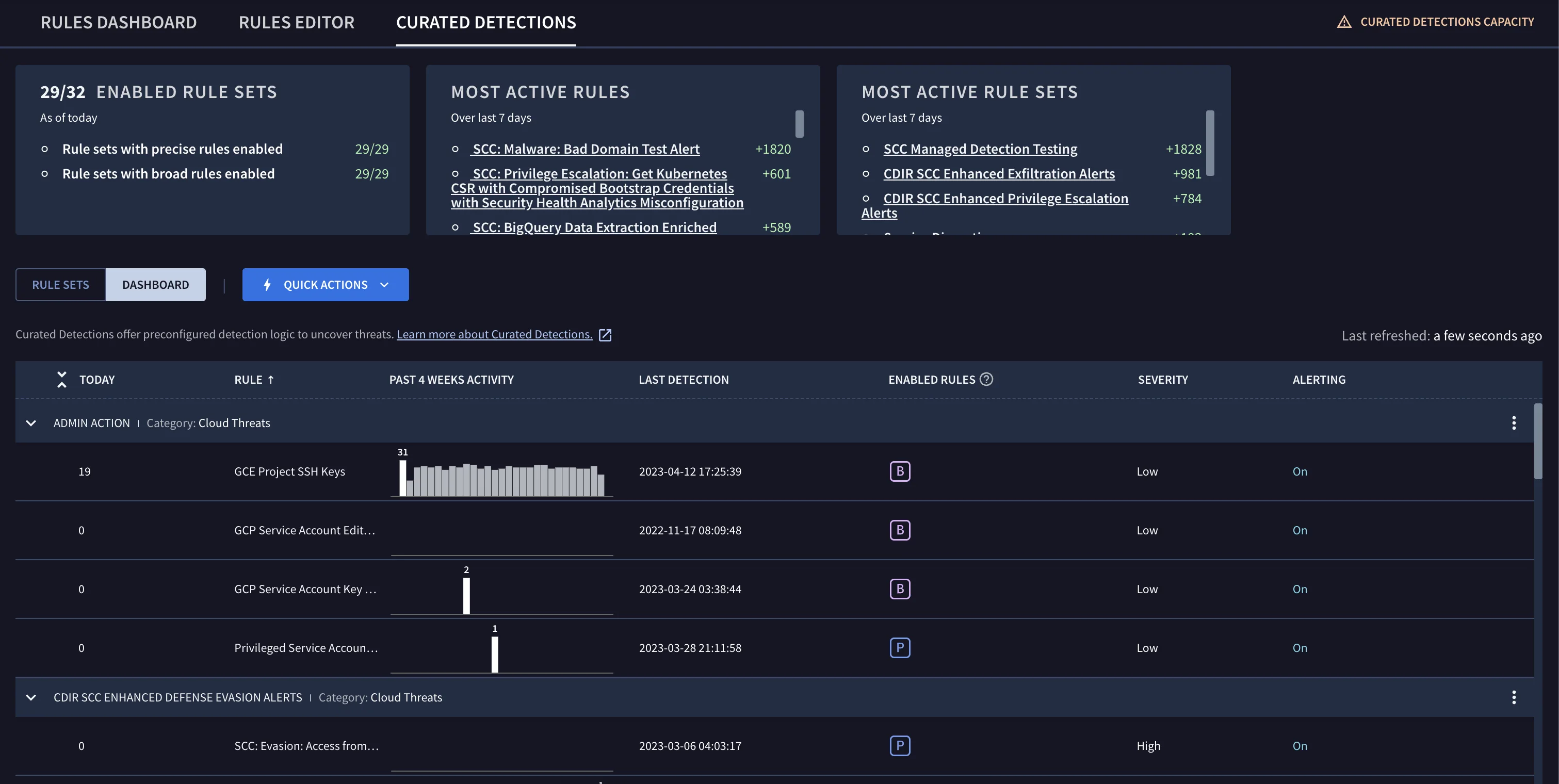 changelog · Sep 2026
· source
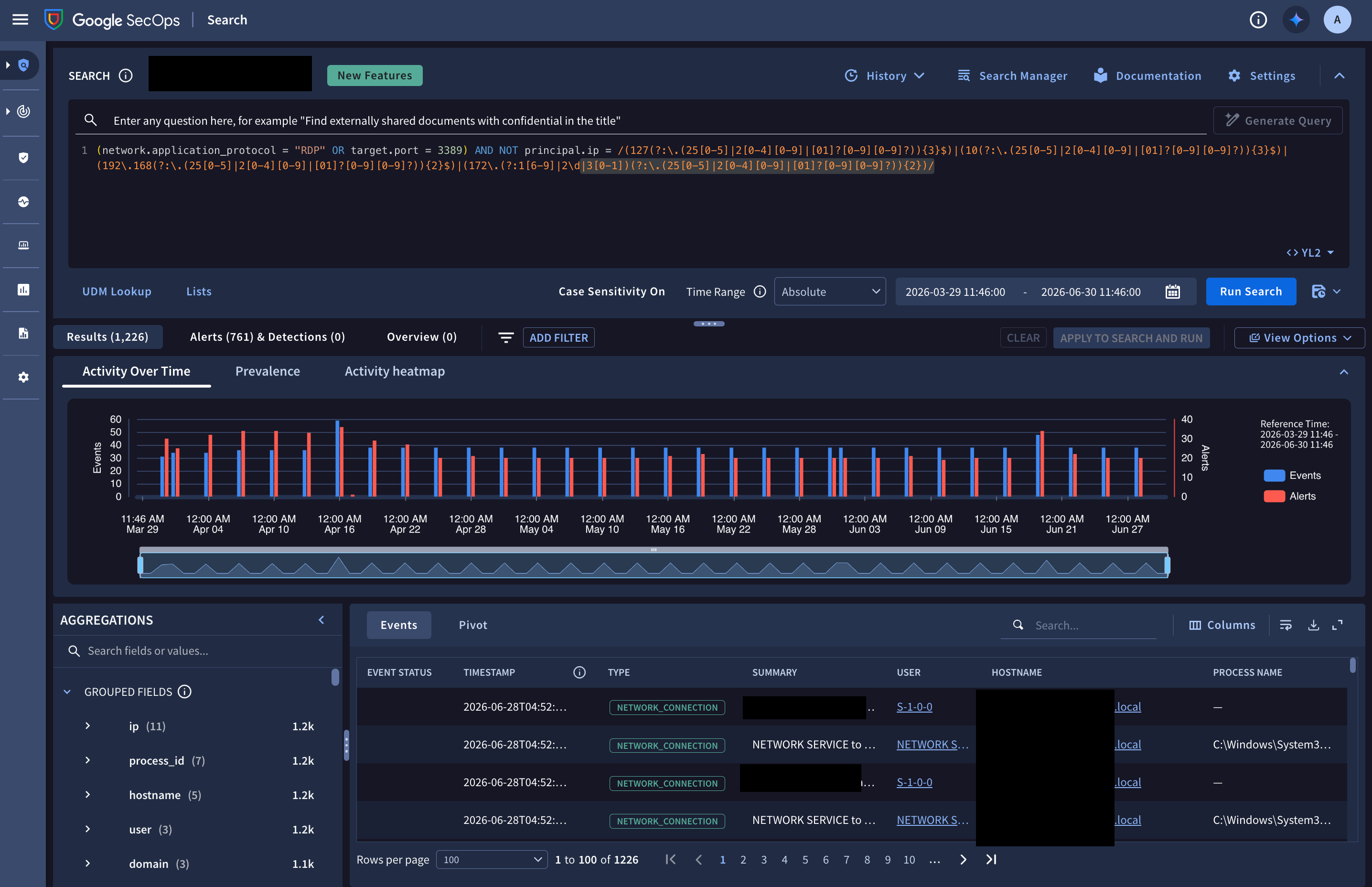 docs update · Oct 2026
· source
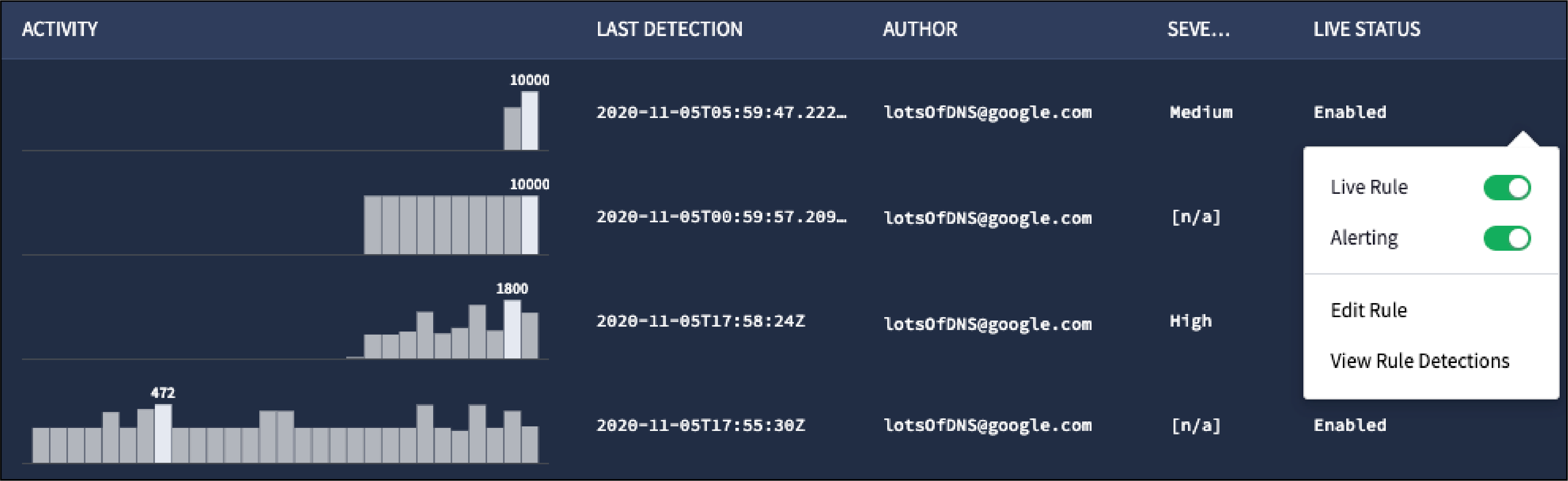 docs update · Sep 2026
· source
 Choose a badge style and copy the code →