The section your link pointed to isn't on defectdojo's page any more, so we've brought you to the top.
DefectDojo is a DevSecOps, ASPMASPMApplication security posture management, combining findings about applications from multiple tools and relating them to business context. It helps teams decide which fixes matter most., and vulnerability management tool that orchestrates end-to-end security testing, vulnerability tracking, deduplication, remediation, and reporting.
DefectDojo is an open-source vulnerability management tool, available free in its OWASPOWASPA nonprofit foundation that publishes open standards, guides, and ranked vulnerability lists—most famously the OWASP Top 10—giving cyber tools a vendor-neutral benchmark to test or report against.-backed Community Edition or as a paid Pro edition, that pulls together scan results from over 200 security scanners and handles deduplication, triage, and reporting from there. It's run as a self-hosted web application, with a hosted demo available to try either edition before committing, and it's aimed at application security teams tracking findings across many products and engagements rather than at individual developers. Its own documentation describes it as a DevSecOps and ASPM platform, spanning security testing orchestration, issue tracking into Jira or GitHub, and CI/CD integration via a REST APIREST APIA web API design style where clients interact with resources over HTTP using standard methods like GET, POST, and DELETE, giving cyber tools a predictable, language-agnostic way to integrate with external services.. First committed in 2015, it remains under heavy development, with over 600 contributors and a release this week.
DefectDojo is a DevSecOps, ASPM, and vulnerability management tool that orchestrates end-to-end security testing, vulnerability tracking, deduplication, remediation, and reporting.
Which scanner findings across my products are actually the same underlying issue?
matches results from over 200 scanners against existing findings using each scanner's identifying fields and marks repeats as duplicates instead of new items
Which of my open findings are past the fix window I committed to?
tracks each finding's SLA clock against its severity and flags breaches, with the deadline recalculated as risk acceptances or status changes are recorded
What is my actual exposure across all the products and engagements I'm running scans against?
rolls imported results up into per-product and per-engagement dashboards and reports, scoped to only the products the requesting user is authorized to see
Which findings have I already accepted the risk on, and when did that happen?
records each risk acceptance as an object with its own dates, so it can be filtered by when it was created or last updated to audit past approvals
Which findings already have an upstream fix available, so triage can prioritize them first?
reads the fix-availability fields some parsers (such as Govulncheck and GitHub Vulnerability) set on import and surfaces them on the finding for filtering
English, Arabic, Bengali, Chinese (Simplified), Chinese (Traditional), Dutch, French, German, Hebrew, Hindi, Indonesian, Italian, Japanese, Korean, Persian, Polish, Portuguese, Russian, Spanish, Thai, Turkish, Ukrainian, Vietnamese
Interface: English, Arabic, Bengali, Chinese (Simplified), Chinese (Traditional), Dutch, French, German, Hebrew, Hindi, Indonesian, Italian, Japanese, Korean, Persian, Polish, Portuguese, Russian, Spanish, Thai, Turkish, Ukrainian, Vietnamese · Documentation: English, Chinese (Simplified), French, German, Italian, Japanese, Portuguese, Spanish · Release notes: English, Chinese (Simplified), German, Italian, Portuguese, Russian
English added in 3.3.300 (Sep 28, 2026) · English, Russian added in 3.3.200 (Sep 21, 2026) · Chinese (Simplified), German, Italian, Portuguese added in 3.3.0 (Sep 8, 2026) · Chinese (Simplified), Italian, Portuguese added in 3.2.300 (Aug 24, 2026) · German added in 3.2.200 (Aug 17, 2026)
Features
121 capabilities
across 8 capability groups
Built from defectdojo's releases, docs, README and our own runs.
“Seen” marks the month we first spotted a release the vendor didn't date.
Group names and tags are our labels.
+Vulnerability entity and cross-finding correlationshippedNormalises vulnerability identifiers into a dedicated entity and enriches each one with KEV and EPSS data to support prioritisation.39 releases · 2 other sources · first seen Apr 2021▸
Shared capability: Vulnerability prioritization
release
39 total
Normalizes Vulnerability_Id into a dedicated Vulnerability entity with ordered references, enabling cross-finding vulnerability correlation.
3.2.0 · Aug 2026
· source
· release history
Introduces a normalized Vulnerability entity backed by Vulnerability_Id with ordered references, replacing the previous flat field model (entity-only cutover)
3.2.0 · Aug 2026
· source
· release history
Introduces per-vulnerability KEV/EPSS enrichment columns on the Vulnerability entity, surfacing exploit and prioritization data directly on findings.
3.2.0 · Aug 2026
· source
· release history
Adds per-vulnerability KEV (Known Exploited Vulnerabilities) and EPSS (Exploit Prediction Scoring System) enrichment columns on the Vulnerability entity
3.2.0 · Aug 2026
· source
· release history
Adds case-insensitive expression index on Vulnerability_Id.vulnerability_id for faster, case-insensitive vulnerability lookups.
3.1.300 · Jul 2026
· source
· release history
Stores Dependency Track UUID into unique_id_from_tool (previously used vuln_id_from_tool) for more accurate finding identity.
2.56.0 · Mar 2026
· source
· release history
docs
Upgrading to DefectDojo Version 3.2.x Vulnerability id type # Each Vulnerability_Id gains an autodetected vulnerability_id_type — the identifier’s leading prefix ( CVE-2024-1234 → CVE , GHSA-… → GHSA , RUSTSEC-… → RUSTSEC ).
docs update · Aug 2026
· source
example
Navigate to the Finding edit page in the UI to change its Vulnerability ID.$ Go to Findings > [Select Finding] > Edit. Change the 'Vulnerability ID' field value and save.
2.43.3 · Feb 2025
· source
+Vulnerability enrichments and EPSS supportshippedIngests and correlates external vulnerability data such as EPSS scores from multiple sources including AWS Inspector, DependencyTrack, and general EPSS feeds, linking them to findings for prioritisation.9 releases · first seen Mar 2024▸
Shared capability: Vulnerability prioritization
release
9 total
Sets finding mitigation automatically from Dependency Track affected version ranges.
3.3.0 · Sep 2026
· source
· release history
KSA Security Advisory source added to the advisory database.
3.0.0 · Jun 2026
· source
· release history
Adds Mozilla Foundation security advice lookup to vulnerability ID enrichment.
2.57.2 · Apr 2026
· source
· release history
Adds range filters for EPSS scores, enabling filtering findings by EPSS probability ranges.
2.42.2 · Jan 2025
· source
· release history
Adds EPSS score and percentile fields (epss_* parameters) to the generic CSV parser for vulnerability prioritization data.
2.42.0 · Jan 2025
· source
· release history
Adds EPSS score and percentile fields to the generic CSV parser, enabling risk-prioritization data to flow in during bulk imports.
2.41.4 · Dec 2024
· source
· release history
+Known Exploited Vulnerabilities (KEV) visibilityshippedDisplays KEV data on the findings listing page to indicate which vulnerabilities are actively exploited in the wild.5 releases · first seen Jul 2025▸
Shared capability: Vulnerability prioritization
release
Distinguishes between unenriched vulnerabilities (blank column) and confirmed non-exploited vulnerabilities (red ✗ under Known Exploited), making triage status unambiguous.
announced · Aug 2026
· source
· release history
Makes KEV (Known Exploited Vulnerabilities) data visible on the findings listing in the UI.
2.49.0 · Aug 2025
· source
· release history
Extends Mend Platform parser to include Ransomware, Exploitable, and KEV data.
2.49.0 · Aug 2025
· source
· release history
Makes KEV (Known Exploited Vulnerabilities) data visible on the findings listing page.
2.48.2 · Jul 2025
· source
· release history
Adds KEV-related data fields to the finding model.
2.48.0 · Jul 2025
· source
· release history
+Root cause correlationshippedGroups findings sharing the same vulnerable component, version, infrastructure resource, or weakness class into ranked clusters to identify and prioritize shared issues.1 release · 1 other source · first seen Aug 2026▸
Shared capability: Vulnerability prioritization
release
Adds Root Cause Correlation (Beta) to DefectDojo Pro, grouping findings that share the same component-at-version, CVE, infrastructure resource, or weakness class at the same URL into ranked clusters showing active findings, affected assets, and aggregate risk — enabled by a superuser under Settings > Feature Flags.
announced · Aug 2026
· source
· release history
example
Enable Root Cause Correlation (Beta) so that clusters of findings sharing the same vulnerable component are grouped and prioritized together.$ In DefectDojo Pro, navigate to Settings > Feature Flags and enable Root Cause Correlation (requires superuser account).
announced · Aug 2026
· source
+Anchore Grype EPSS integrationshippedEnables import of Anchore Grype scans with automatic capture of EPSS scores for vulnerability prioritization.1 release · 1 other source · first seen Jul 2025▸
Shared capability: Vulnerability prioritization
release
Adds EPSS (Exploit Prediction Scoring System) data import from Anchore Grype scans.
2.48.0 · Jul 2025
· source
· release history
+High-exploitation probability surfacingshippedHighlights highest-exploitation-probability CVEs across the portfolio for rapid same-day triage.1 other source · first seen Aug 2026▸
Shared capability: Vulnerability prioritization
example
Quickly surface the highest-exploitation-probability CVEs across your entire portfolio for same-day triage.$ In DefectDojo Pro, open the Vulnerability Explorer, click the 'EPSS Score' column header to sort descending, then click 'Total Findings' on the top row to jump directly to the filtered findings list…
announced · Aug 2026
· source
+Vulnerability ExplorershippedProvides a deduplicated, one-row-per-vulnerability-ID view with actionable columns like EPSS and KEV status, linking directly to filtered findings.1 release · first seen Aug 2026▸
Shared capability: Vulnerability prioritization
release
Adds the Vulnerability Explorer in DefectDojo Pro: a deduplicated, one-row-per-vulnerability-ID view that surfaces EPSS Score, EPSS Percentile, Known Exploited, Ransomware Used, and KEV Date columns alongside a Total Findings count that links directly to the filtered findings list.
announced · Aug 2026
· source
· release history
+AI/LLM security finding analysis (Sensei, Pro)shippedProvides AI-powered fix suggestions for source code and ingests findings from LLM vulnerability scanners.5 releases · 1 other source · first seen Jul 2026▸
Adds AI Model Settings with LLM provider configuration to the Sensei feature.
3.3.0 · Sep 2026
· source
· release history
Documents AI Model Settings and supported LLM providers in Sensei.
3.2.300 · Aug 2026
· source
· release history
Adds Garak (NVIDIA LLM vulnerability scanner) parser for AI/LLM security findings.
3.1.0 · Jul 2026
· source
· release history
docs
Sensei (Open Source) Note: Sensei is a DefectDojo Pro-only feature. Sensei , DefectDojo’s AI-powered scan-and-fix for source code repositories, is available only in DefectDojo Pro . It is not part of the open-source edition.
docs update · Jul 2026
· source
+PWN SAST parsershippedIntegrates with PWN SAST driver to import source code scan results.2 releases · first seen Aug 2022▸
+SBOM with vulnerabilities (VDR) formatshippedProvides an SBOM export format that embeds a VEX analysis block inside the CycloneDX inventory.1 release · first seen Sep 2026▸
Shared capability: SBOM generation
release
Adds a third export format — SBOM with vulnerabilities (VDR) — that embeds a VEX analysis block inside the CycloneDX SBOM inventory.
announced · Sep 2026
· source
· release history
+Versioned SBOM exportshippedExports an SBOM for a specific asset version to satisfy compliance or procurement requests.1 other source · first seen Sep 2026▸
Shared capability: SBOM generation
Also counts toward: JSON data export
example
Export a versioned SBOM in SPDX 2.3 JSON for a specific product release to satisfy a compliance or procurement request.$ curl -H 'Authorization: Token <your_token>' 'https://<your_instance>/api/v2/sbom/<asset_id>/?spec=spdx&version=5.2.0'
announced · Sep 2026
· source
+CycloneDX timestamp parsingshippedImplements timestamp parsing for CycloneDX JSON reports during ingestion.5 releases · first seen Mar 2022▸
Shared capability: CycloneDX SBOM
release
New Qualys Hacker Guardian parser for ingesting Hacker Guardian scan results.
2.38.3 · Sep 2024
· source
· release history
Adds support for the Invicti scanner via the existing Netsparker parser.
2.38.2 · Sep 2024
· source
· release history
Adds minimum severity flag support on import to filter out low-noise findings at ingest time.
2.37.0 · Aug 2024
· source
· release history
Applies the minimum severity flag during import to filter findings at ingestion time.
2.36.3 · Jul 2024
· source
· release history
APIv2 allows searching users by parameters is_active and is_superuser
2.8.0 · Mar 2022
· source
· release history
+SBOM and VEX exportshippedGenerates CycloneDX or SPDX SBOMs and VEX documents for assets, supporting version scoping and vulnerability analysis embedding.3 releases · first seen Sep 2026▸
Shared capability: CycloneDX SBOM
Also counts toward: JSON data export, REST API, Web management console
release
Adds GET /api/v2/sbom/{asset_id}/vex/ endpoint to export a CycloneDX VEX document derived from the Asset's triage findings.
announced · Sep 2026
· source
· release history
Adds GET /api/v2/sbom/{asset_id}/ endpoint to export a CycloneDX 1.6 or SPDX 2.3 JSON SBOM for an Asset.
announced · Sep 2026
· source
· release history
Adds an Export panel to every Asset page in the DefectDojo Pro UI with the three export options (SBOM, VEX, SBOM with vulnerabilities/VDR); requires V3 Locations to be enabled.
announced · Sep 2026
· source
· release history
+Anchorectl evaluations supportshippedAdds support for parsing 'evaluations' format data from Anchorectl parsers for enhanced container image assessment.2 releases · first seen May 2025▸
+SPDX output selectionshippedAllows selecting SPDX 2.3 JSON output instead of the default CycloneDX for SBOM exports.1 release · first seen Sep 2026▸
Shared capability: SPDX SBOM
Also counts toward: JSON data export
release
Adds GET /api/v2/sbom/{asset_id}/?spec=spdx parameter to select SPDX 2.3 JSON output instead of the default CycloneDX 1.6.
announced · Sep 2026
· source
· release history
+Role-based access control1 featureIdentity and accesssince 2016▸
+Role-based access control and authorizationshippedEnforces product-level and object-level permissions across all API endpoints, preventing unauthorised data access or privilege escalation.55 releases · 3 other sources · first seen Nov 2016▸
Shared capability: Role-based access control
Also counts toward: Role-based access control
release
55 total
Requires a login for the report cover page (new settings.dist.py / local_settings.py setting).
3.4.100 · Oct 2026
· source
· release history
Returns the v2 nested user shape from API v3 expand, giving callers richer user objects without a separate lookup.︀︄︇︀︅︉︀︅︀︀︃︀︀︅︅︀︅︊︀︄︆︀︃︄
3.4.0 · Oct 2026
· source
· release history
Adds type-scoped grants UI for organizations.
3.3.0 · Sep 2026
· source
· release history
Adds roles scoped to an organization type.
3.3.0 · Sep 2026
· source
· release history
Scopes GET /api/v2/location/ by RBAC instead of requiring superuser access, enabling non-superuser roles to query location data within their permissions.
3.2.200 · Aug 2026
· source
· release history
Scopes GET /api/v2/location/ by RBAC instead of restricting it to superuser-only, opening location data to appropriately permissioned users.
3.2.200 · Aug 2026
· source
· release history
docs
While you may also elect to represent these variations as Engagements within a single Asset, access can only be granted at the level of Assets or Organizations, which may limit users’ access to the appropriate Engagement (as well as the Tests and Findings within those Engagements) if they’re organized as such.
seen Oct 2026
· source
July 27, 2026: v3.1.300 Added user-defined Custom Roles. You can now create your own roles with a granular permission set per object type, instead of being limited to the built-in roles. Added another large batch of Connectors.
docs update · Jul 2026
· source
example
Retrieve findings using the new date filter parameters in the APIv2 endpoint.$ curl -s 'https://<defectdojo>/api/v2/findings/?date_from=2023-01-01&date_to=2023-01-31' -H 'Authorization: Token <token>'
2.32.0 · Mar 2024
· source
+Attack surface inventory1 featureNetwork discovery and scanningsince 2021▸
+Endpoint data managementshippedManages endpoint metadata including protocol, port, and userinfo with full APIv2 support.5 releases · 1 other source · first seen Jun 2021▸
Shared capability: Attack surface inventory
Also counts toward: REST API
release
Updates Endpoint_Status API with new enhancements.
3.0.100 · Jun 2026
· source
· release history
Allows sorting endpoints by active findings count via API and UI.
2.57.0 · Apr 2026
· source
· release history
Adds additional_banners support to the base UI template for custom banner injection.
2.56.2 · Mar 2026
· source
· release history
Show vulnerable hosts / endpoints in the Endpoint product tab for visibility into impacted assets
2.18.0 · Jan 2023
· source
· release history
Adds endpoint methods to APIv2 for managing endpoints including protocol size changes and userinfo support.
2.0.0 · Jun 2021
· source
· release history
example
Sort the endpoints list by active findings count to prioritize the most exposed hosts.$ curl -s -H 'Authorization: Token <api_token>' 'https://<defectdojo_host>/api/v2/endpoints/?ordering=-active_findings_count'
2.57.0 · Apr 2026
· source
+Other / not yet classified103 featuresFeatures we have not matched to a capability yet. A suggested match is marked.▸
+Vulnerability finding import and parsingshippedImports findings from a wide range of scanners, enriching each one with severity, location, and vulnerability reference data.292 releases · 9 other sources · first seen Apr 2015▸
release
292 total
The generic parser now accepts a Package URL (purl) for a finding's dependency, letting you link findings directly to a specific package.︀︄︇︀︅︉︀︅︀︀︃︀︀︅︅︀︅︊︀︄︆︀︃︄
3.4.304 · Oct 2026
· source
· release history
Reports the Qualys VMDR asset name as a host location for findings imported from Qualys VMDR.︀︄︇︀︅︉︀︅︀︀︃︀︀︅︅︀︅︊︀︄︆︀︃︄
3.4.201 · Oct 2026
· source
· release history
Stores the SonarQube issue key as unique_id_from_tool for REST API imports.
3.4.100 · Oct 2026
· source
· release history
Uses scoped endpoint choices on the import and re-import forms.
3.4.100 · Oct 2026
· source
· release history
Adds multi-Asset finding fan-out to Smart Upload.
3.3.0 · Sep 2026
· source
· release history
Documents multi-Asset finding fan-out in Smart Upload workflows.
3.2.300 · Aug 2026
· source
· release history
docs
Skip to content DefectDojo Documentation Official documentation for DefectDojo Pro and Open-Source editions, maintained by DefectDojo Inc. and the Open-Source community. Get Started Supported Tools What's new in 3.1.0 🌈 → Import Data Import scan results from 200+ security tools into DefectDojo.
seen 20260714T1
· source
example
8 total
Import Xygeni JSON results (SAST, SCA, or Secrets) into an engagement.$ curl -X POST 'https://<defectdojo>/api/v2/import-scan/' \ -H 'Authorization: Token <token>' \ -F 'scan_type=Xygeni Scan' \ -F 'file=@xygeni_results.json' \ -F 'engagement=<engagement_id>'
3.0.0 · Jun 2026
· source
Import Alert Logic CSV findings into an existing engagement.$ curl -X POST 'https://<defectdojo>/api/v2/import-scan/' \ -H 'Authorization: Token <token>' \ -F 'scan_type=Alert Logic CSV' \ -F 'file=@alertlogic_export.csv' \ -F 'engagement=<engagement_id>'
3.0.0 · Jun 2026
· source
Configure a connector to only ingest findings at High severity or above.$ minimum_severity: High
2.43.2 · Feb 2025
· source
Pass Active/Verified as None on reimport to leave those flags unchanged, matching UI behavior when no explicit state is desired.$ curl -X POST 'https://<defectdojo>/api/v2/reimport-scan/' \ -H 'Authorization: Token <token>' \ -F 'scan_type=Generic Findings Import' \ -F 'active=None' \ -F 'verified=None' \ -F 'file=@findings.csv'
2.41.4 · Dec 2024
· source
Enable verified-status enforcement after upgrading — requires running the accompanying database migration first.$ In the console, go to System Settings and enable the toggle to dictate enforcement of verified status.
2.40.0 · Nov 2024
· source
Ingest Infrastructure-as-Code findings from a Checkov JSON report.$ defectdojo import --file checkov-results.json --importer checkov
1.8.0 · Sep 2020
· source
+Finding filters and searchshippedLets users filter, search, and narrow findings by severity, date, mitigation status, and full-text terms.44 releases · 11 other sources · first seen Jul 2020▸
Also counts toward: REST API
release
44 total
Offers the engagement's findings on the risk acceptance forms.
3.4.100 · Oct 2026
· source
· release history
API now returns HTTP 409 instead of 500 on unique-constraint violations, enabling cleaner client-side error handling.
3.1.302 · Jul 2026
· source
· release history
New DD_WATSON_SEARCH_ENABLED setting in settings.dist.py / local_settings.py to gate Watson search indexing on or off.
3.1.101 · Jul 2026
· source
· release history
The FTS + trigram GIN indexes for global search require changes to settings.dist.py / local_settings.py and a database migration — existing deployments must apply both before upgrading.
3.1.100 · Jul 2026
· source
· release history
Adds full-text search (FTS) and trigram GIN indexes for global search, requiring a settings and database migration update.
3.1.100 · Jul 2026
· source
· release history
Adds full-text search (FTS) and trigram GIN indexes for global search, improving search performance and relevance.
3.1.100 · Jul 2026
· source
· release history
docs
This page covers what a Finding is made of, what each part of a Finding page shows, and common ways teams work with Findings. To mark Findings as Verified, False Positive, Risk Accepted or Mitigated, see . To record a decision to accept a risk, see .
seen Oct 2026
· source
DevSecOps and vulnerability management platform that orchestrates security testing, vulnerability tracking, deduplication, remediation, and reporting.
example
9 total
Disable Watson search indexing to reduce database load in environments where full-text search is not needed.$ DD_WATSON_SEARCH_ENABLED=False
3.1.101 · Jul 2026
· source
Filter risk acceptances created within a date range via the API to audit recent approvals.$ curl -H 'Authorization: Token <token>' 'https://<defectdojo>/api/v2/risk_acceptances/?created_after=2025-01-01&created_before=2025-06-30'
3.0.0 · Jun 2026
· source
Filter findings by an exact title match to quickly isolate a specific vulnerability across all products.$ curl -s -H 'Authorization: Token <api_token>' 'https://<defectdojo_host>/api/v2/findings/?exact_title=SQL+Injection+in+login+form'
2.57.0 · Apr 2026
· source
Fetch only specific fields to reduce payload size or match a downstream schema.$ curl -X 'GET' https://localhost/api/v2/findings/?response_fields=title,severity,description -H 'accept: application/json'
2.42.1 · Jan 2025
· source
Filter findings using text strings instead of complex query parameters.$ Use the new string based filtering field in the Findings UI to search by description or title.
2.33.7 · Apr 2024
· source
Filter tests by a specific scan type via the API.$ curl -s --header 'Authorization: Token <token>' http://<host>/api/v2/tests/?scan_type=Nessus
2.27.3 · Oct 2023
· source
+Jira integrationshippedKeeps findings synchronised with Jira issues, including status transitions and custom field updates on open and close events.47 releases · 7 other sources · first seen Sep 2020▸
Also counts toward: Ticketing integration
release
47 total
Adds feat(jira): unlink findings from Jira in bulk edit via the UI and API.
3.4.300 · Oct 2026
· source
· release history
Rules Engine and Rules Engine 2.0 can run side by side, with a converter available to migrate existing Rules Engine workflows to Rules Engine 2.0.
announced · Oct 2026
· source
· release history
Validates the Jira epic action body and rejects reserved dispatch kwargs.
3.3.0 · Sep 2026
· source
· release history
Supports custom fields on Jira close/reopen transitions via a new database migration.
3.1.100 · Jul 2026
· source
· release history
Supports multiple JIRA components in project settings.
3.1.0 · Jul 2026
· source
· release history
docs
October 2026: v3.4 October 5, 2026: v3.4.0 Webhook receivers let Jira and other tools send changes back to DefectDojo, and the Jira Downstream Connector gains two-way sync and Push Notes as Comments.
docs update · Oct 2026
· source
example
Filter findings that have at least one linked JIRA issue via the API — useful for auditing JIRA coverage across a product.$ curl -X GET 'https://<defectdojo>/api/v2/findings/?has_any_jira_issue=true' -H 'Authorization: Token <token>'
2.55.2 · Feb 2026
· source
Sync Jira labels to DefectDojo findings using the new Labeler command$ python manage.py labeler sync-labels
2.31.2 · Feb 2024
· source
Push a finding to a specific JIRA instance by providing its URL directly from the finding UI, bypassing default project settings.$ In the DefectDojo UI, navigate to a Finding > Actions > Push to JIRA, then enter the desired `JIRA_URL` in the prompted field.
2.20.2 · Mar 2023
· source
Create a new user in DefectDojo programmatically using the new API endpoint.$ curl -X POST http://localhost:8080/api/v2/users/ -H 'Authorization: Token YOUR_API_KEY' -d '{"username": "newuser", "email": "user@example.com"}'
1.8.0 · Sep 2020
· source
Add metadata to a finding via the API for custom tagging or categorization.$ curl -X PATCH http://localhost:8080/api/v2/findings/123/ -H 'Authorization: Token YOUR_API_KEY' -H 'Content-Type: application/json' -d '{"metadata": {"team": "backend", "priority": "high"}}'
1.8.0 · Sep 2020
· source
View request/response details for a specific finding in the DefectDojo web UI.$ Navigate to Findings > [Findings Name] and scroll to the 'Request/Response' section.
1.8.0 · Sep 2020
· source
+DeduplicationshippedCollapses duplicate findings across imports using configurable matching policies to keep the finding list accurate.28 releases · 3 other sources · first seen Sep 2017▸
release
28 total
Lets a caller decide what a batch dedupe match does, giving API consumers control over deduplication behaviour.
3.4.200 · Oct 2026
· source
· release history
Exposes effective dedupe matching policy on the Test API endpoint, giving API consumers visibility into deduplication behavior.
3.1.100 · Jul 2026
· source
· release history
Exposes the effective dedupe matching policy on the Test API endpoint.
3.1.100 · Jul 2026
· source
· release history
New setting allows import/reimport to wait for deduplication to complete before returning.
3.1.0 · Jul 2026
· source
· release history
Allows import/reimport to wait for deduplication to complete before returning.
3.1.0 · Jul 2026
· source
· release history
Deduplication of findings now runs in batches for improved scalability.
2.53.0 · Dec 2025
· source
· release history
docs
Distill duplicates within and across tools using DefectDojo’s deduplication algorithms
seen Sep 2026
· source
September 2026: v3.3 September 14, 2026: v3.3.100 Added Dedupe Pools: group the Assets that should deduplicate against each other, choose where their originals collect, preview what a membership change would link, and re-run deduplication over the Findings already in scope with Apply Now.
docs update · Sep 2026
· source
example
Trace duplicate findings back to their source.$ In the Pro UI, open a Finding Metadata table for a duplicate and click 'Original Finding'.
2.47.1 · Jun 2025
· source
+Rules Engine 2.0shippedA rebuilt automation engine (Beta) with an expanded node library, branching logic, egress actions to external systems, simulation and dry-run modes, per-run traceability, a deliveries log, finding provenance, a graph view, and asset-event triggers — running alongside the original Rules Engine with a migration converter.22 releases · 4 other sources · first seen Nov 2016▸
Also counts toward: Ticketing integration, Outbound webhooks (the product notifies you)
release
22 total
Adds Deliveries log, cataloguing every outbound action a Run sends, including payload, destination, status, retry count, destination response, and skips.
announced · Oct 2026
· source
· release history
Adds branching logic so a single Rule can evaluate a condition and route Findings down different action paths (e.g. Critical to a ticketing system, lower-severity to a weekly-review tag) within one workflow.
announced · Oct 2026
· source
· release history
Adds Provenance, surfacing which Rule, Run, or node caused a change directly on the Finding record.
announced · Oct 2026
· source
· release history
Adds Rules Engine 2.0 (Beta), enabled via the Feature Flags toggle in Settings sidebar, expanding automation nodes from 14 to 38 across five categories.︀︄︇︀︅︉︀︅︀︀︃︀︀︅︅︀︅︊︀︄︆︀︃︄
announced · Oct 2026
· source
· release history
Adds a graph view in Rules Engine 2.0 providing a bird's-eye view of every possible outcome for a Rule in a single place.
announced · Oct 2026
· source
· release history
Adds Runs traceability, recording every Rule execution with a node-by-node trace, trigger source, status, timing, and errors.
announced · Oct 2026
· source
· release history
docs
The page has three parts: a list of your Assets across the top, the diagram below it, and a panel on either side of the diagram. Selecting one or more Assets in the list draws them, and each Asset you select becomes a starting point that the diagram builds around.
docs update · Aug 2026
· source
example
Validate a new Rule against real Findings without firing Slack, Jira, or webhook actions until you are confident the logic is correct.$ In the Rule editor, run the Rule in Simulation mode: Finding changes will be applied and recorded in Runs, but all Egress actions (Slack messages, Jira tickets, webhooks) are logged in Deliveries as…
announced · Oct 2026
· source
Enable Rules Engine 2.0 Beta so you can build branching, egress-capable triage workflows.$ In DefectDojo, go to Settings > Feature Flags in the sidebar and toggle the Rules Engine 2.0 pill to on.
announced · Oct 2026
· source
Apply a Rule Engine 2.0 logic that triggers based on asset attributes.$ In Rules Engine 2.0 configuration, enable the 'Assets' scope option.
3.2.300 · Aug 2026
· source
+Report generationshippedGenerates vulnerability reports scoped to the requesting user's authorised products, including vulnerability reference IDs.19 releases · 5 other sources · first seen Nov 2020▸
Also counts toward: CSV data export, JSON data export, REST API
release
19 total
Shares cell handling between the CSV and Excel exports.
3.4.100 · Oct 2026
· source
· release history
Adds Quick Export dialog that produces a named report on the findings view.
3.3.0 · Sep 2026
· source
· release history
Adds Chart blocks to the reporting feature (no longer coming soon).
3.3.0 · Sep 2026
· source
· release history
Quick Export produces a named report via a new UI dialog
3.3.0 · Sep 2026
· source
· release history
Documents Quick Export dialog that produces a named report.
3.2.300 · Aug 2026
· source
· release history
Quick Export now opens a named report dialog
3.2.300 · Aug 2026
· source
· release history
docs
Generating Reports DefectDojo can generate a findings report through the API in JSON HTML CSV , or Excel format. A report is generated with a POST request to a generate_report/ action.
docs update · Aug 2026
· source
example
Export findings to a named report without downloading multiple individual files.$ Click 'Quick Export' in the findings list view and select the desired format from the dialog.
3.3.0 · Sep 2026
· source
Export findings with a specific report name for external sharing.$ Click Quick Export on the Findings page and configure the named report in the dialog.
3.2.300 · Aug 2026
· source
Export findings with the new status and notes columns for offline triage or reporting.$ In the DefectDojo UI, navigate to a Product or Engagement's findings list, then use Findings > Export > CSV (or Excel) — the exported file now includes 'status' and 'notes' columns automatically.
2.54.0 · Jan 2026
· source
Generate an HTML report for a product (assuming UI support for the reintroduced builder)$ In the console, go to Product > Reports and select 'HTML' as the format
1.10.0 · Nov 2020
· source
+Finding attachment supportshippedAllows users to attach images directly to individual findings via the UI or API to provide visual context.19 releases · 5 other sources · first seen Oct 2016▸
release
19 total
Updates file upload field to accept dynamic file types with validation for supported extensions.
2.55.0 · Feb 2026
· source
· release history
Updates file upload field to accept dynamic file types with validation for supported extensions.
2.54.3 · Jan 2026
· source
· release history
Supports whitelisted file extensions via the API.
2.49.0 · Aug 2025
· source
· release history
Adds more finding fields to the risk acceptance findings dropdown for better context.
2.49.0 · Aug 2025
· source
· release history
Shows date and author on the most recent note in the finding UI.
2.46.0 · May 2025
· source
· release history
Disallows multiple single-use notes on a single object (enforced via API).
2.42.0 · Jan 2025
· source
· release history
docs
Adding images You can paste a screenshot from your clipboard straight into a note, drag an image file onto the editor, or pick one with the Insert image toolbar button. DefectDojo stores the image and shows it inline in the notes feed and in generated reports.
docs update · Sep 2026
· source
Upgrading to DefectDojo Version 3.2.200 Locations is now a self-service toggle (DefectDojo Pro) # In DefectDojo Pro, Locations moves from an environment-managed setting to a database-backed toggle on the Settings > Feature Flags page.
docs update · Aug 2026
· source
example
Retrieve HTTP request/response evidence attached to a finding for triage or reporting.$ curl -X GET 'https://<defectdojo>/api/v2/request_response/?finding=<finding_id>' \ -H 'Authorization: Token <token>'
2.42.0 · Jan 2025
· source
Update a finding's reporter field via the API.$ curl -X PUT https://<defectdojo-host>/api/v2/findings/<id>/ \ -H "Authorization: Bearer <token>" \ -d '{"reporter": {"username": "jdoe"}}'
2.25.0 · Aug 2023
· source
Retrieve or update engagement checklists via the new API path.$ curl -X GET https://<defectdojo-host>/api/v2/engagements/<id>/checklists/ -H "Authorization: Bearer <token>"
2.20.1 · Mar 2023
· source
+UI (Dojo V3)shippedDelivers a rebuilt web interface with reorganised navigation, a filter accordion, and documented accessibility compliance notices.22 releases · 1 other source · first seen Jul 2015▸
release
22 total
Refreshes the DefectDojo UI theme to the updated DefectDojo brand.
3.4.0 · Oct 2026
· source
· release history
Adds customizable page layouts on view pages.
3.3.0 · Sep 2026
· source
· release history
New UI: animates collapse panels in the new UI.
3.1.0 · Jul 2026
· source
· release history
Folds Finding Groups under Findings in the sidebar navigation.
3.1.0 · Jul 2026
· source
· release history
Adds global required fields notice for WCAG H90 accessibility compliance.
3.1.0 · Jul 2026
· source
· release history
New UI: folds Finding Groups under Findings in the sidebar.
3.1.0 · Jul 2026
· source
· release history
docs
October 22, 2026: v3.4.202 Every Pro UI page that has documentation shows a Documentation button beside the breadcrumbs, which opens the matching docs page in a new tab. A page that belongs to a feature behind a flag links to that flag’s documentation.
docs update · Oct 2026
· source
+Location and endpoint data managementshippedsuggestedManages endpoint and location metadata for findings, keeping that data scoped to the owning product.17 releases · 4 other sources · first seen May 2015▸
Suggested capability: Attack surface inventory. This is our guess, not confirmed.
release
17 total
Adds feat(locations): attributes each location reference to the test that reported it, with a supporting database migration.
3.4.300 · Oct 2026
· source
· release history
Uses scoped endpoint choices on the import and re-import forms.
3.4.100 · Oct 2026
· source
· release history
Adds location inventory tracking from asset connectors.
3.3.0 · Sep 2026
· source
· release history
feat(locations): adds a cancel hook for the endpoints-to-locations backfill process
3.3.0 · Sep 2026
· source
· release history
Adds a cancel hook to the endpoints-to-locations backfill via feat(locations).
3.3.0 · Sep 2026
· source
· release history
Adds migrate_locations_to_endpoints operation — the reverse of the endpoint-to-location conversion — letting teams move location data back to endpoints.
3.2.100 · Aug 2026
· source
· release history
docs
Upgrading to DefectDojo Version 3.4.300 The endpoint field of /api/v2/endpoint_status/ # With Locations enabled, the endpoint field of /api/v2/endpoint_status/ now carries the id that /api/v2/endpoints/ lists for the Finding’s Asset, the same ID the ?endpoint= filter takes.
seen Oct 2026
· source
example
Fetch findings with their associated locations pre-loaded in a single API call, avoiding extra round-trips.$ curl -H 'Authorization: Token <your_api_token>' 'https://<defectdojo_host>/api/v2/findings/?prefetch=locations'
3.4.100 · Oct 2026
· source
Revert a previous endpoint migration by mapping findings back to their original locations.$ python manage.py migrate_locations_to_endpoints
3.2.100 · Aug 2026
· source
Migrate existing text-based endpoint data to the new structured Endpoint model before upgrading to v1.0.3.$ ./manage.py migrate_endpoints
v1.0.2 · May 2015
· source
+Asset hierarchy and product organisationshippedOrganises application assets within an extended product hierarchy, giving teams more flexibility in labelling and grouping what they own.14 releases · 6 other sources · first seen Jul 2020▸
release
14 total
Adds Bulk Edit action on the All Assets list.
3.3.0 · Sep 2026
· source
· release history
Adds Asset Versions and per-version claims in the UI.
3.3.0 · Sep 2026
· source
· release history
Adds asset-hierarchy relationship types and direct vs indirect vulnerability views.
3.3.0 · Sep 2026
· source
· release history
Documents the rebuilt Asset hierarchy page.
3.2.300 · Aug 2026
· source
· release history
Scopes endpoint delete and rename operations to the requesting product, restricting cross-product mutations.
3.2.300 · Aug 2026
· source
· release history
Scopes Location metadata and tags to the owning product via a database migration, enforcing product-level isolation on location data.
3.2.100 · Aug 2026
· source
· release history
docs
An Asset is the thing whose security posture you want to track over time, such as an application, an API or a cloud environment. It holds every Engagement, Test and Finding for that thing, and its settings decide the SLA, permissions and deduplication scope those Findings use.
seen Oct 2026
· source
Four relationship types ship by default: deploys_to Deployment: the source Asset runs on the target, as a service runs on a cluster. The diagram labels the edge deploys to one way and hosts the other.
docs update · Oct 2026
· source
enables parent/child relationships between Assets. The hierarchy is viewed and managed from Act > Explore > Assets > Hierarchy in the sidebar. support@defectdojo.com You can visualize the structure of Assets in DefectDojo, and change relationships using Act > Explore > Assets > Hierarchy in the sidebar.
docs update · Oct 2026
· source
enables parent/child relationships between Assets. The hierarchy is viewed and managed from Act > Explore > Assets > Hierarchy in the sidebar. You can visualize the structure of Assets in DefectDojo, and change relationships using Act > Explore > Assets > Hierarchy in the sidebar.
docs update · Oct 2026
· source
Asset Hierarchy (Pro) DefectDojo Pro is extending the Product/Product Type object classes to provide greater flexibility with the data model. Currently, this feature is in Beta.
docs update · Jul 2026
· source
example
Create a new application metadata record using the API to manage cyber tooling assets programmatically.$ curl -X POST http://localhost:8080/api/v2/applications/ ...
1.7.0 · Jul 2020
· source
+API token authenticationshippedEnables API token-based authentication for programmatic access via configuration.12 releases · 7 other sources · first seen Sep 2022▸
release
12 total
DefectDojo Pro now hides token-management controls site-wide when API tokens are disabled by policy: the account menu, Force Token Reset in user menus, Reset API Tokens in the Users list bulk actions, and the API Access walkthrough are all removed, and the MCP Service page notes that an AI provider cannot connect…
api-docs-7be342814ede · Oct 2026
· source
· release history
DefectDojo Pro now re-reads the active API key whenever its browser tab regains focus, showing an API Key Changed notice if the key was replaced in another tab or by an administrator — instead of silently using a stale key.︀︄︇︀︅︉︀︅︀︀︃︀︀︅︅︀︅︊︀︄︆︀︃︄
api-docs-7be342814ede · Oct 2026
· source
· release history
Introduces service user tokens in DefectDojo Pro, prefixed ddsu_, usable directly via Authorization: Token ddsu_<token> for API authentication.
api-docs-cf3a04800f5d · Oct 2026
· source
· release history
Applies API token settings to API v3 token auth and applies the token endpoint's account rules to HTTP Basic auth on the API (new settings.dist.py / local_settings.py setting).
3.4.100 · Oct 2026
· source
· release history
Token revocation endpoint returns 204 on success, deletes the token, clears any per-user expiry override, and notifies the token owner to generate a new token from the API v2 Token page.︀︄︇︀︅︉︀︅︀︀︃︀︀︅︅︀︅︊︀︄︆︀︃︄
api-docs-9db73511e919 · Oct 2026
· source
· release history
When API tokens are disabled, the API v2 Token page in DefectDojo Pro displays the reason 'API tokens are disabled.' instead of a key, making the disabled state explicit to users.
api-docs-9db73511e919 · Oct 2026
· source
· release history
example
7 total
Enforce a 90-day maximum token lifetime across all users and service accounts on the instance.$ DD_API_TOKEN_DEFAULT_EXPIRY_DAYS=90
api-docs-1f90ea491d7a · Sep 2026
· source
Revoke a compromised API token by key value without needing to identify the owning user account.$ curl -s -X POST https://defectdojo.example.com/api/v2/api-tokens/revoke/ \ -H 'Authorization: Token <api_key>' \ -H 'Content-Type: application/json' \ -d '{"key": "<token_to_revoke>"}'
api-docs-1f90ea491d7a · Sep 2026
· source
Enforce a 90-day token lifetime across the entire instance so that no long-lived tokens accumulate.$ DD_API_TOKEN_DEFAULT_EXPIRY_DAYS=90
api-docs-1f90ea491d7a · Sep 2026
· source
Revoke a compromised API token by its key value without knowing which user owns it.$ curl -X POST https://<defectdojo>/api/v2/api-tokens/revoke/ \ -H 'Authorization: Token <api_key>' \ -H 'Content-Type: application/json' \ -d '{"key": "<token_to_revoke>"}'
api-docs-1f90ea491d7a · Sep 2026
· source
Pin an expiry date on a specific user's token so it automatically stops working after a deadline.$ curl -X PATCH https://<defectdojo>/api/v2/user_contact_infos/42/ \ -H 'Authorization: Token <api_key>' \ -H 'Content-Type: application/json' \ -d '{"token_expiry": "2026-12-31T23:59:59Z"}'
api-docs-1f90ea491d7a · Sep 2026
· source
Pin an expiry date on a specific user's token so it stops working after a project ends.$ curl -s -X PATCH https://defectdojo.example.com/api/v2/user_contact_infos/42/ \ -H 'Authorization: Token <admin_api_key>' \ -H 'Content-Type: application/json' \ -d '{"token_expiry":…
api-docs-1f90ea491d7a · Sep 2026
· source
+Vulnerability ID support extensionsshippedsuggestedAdds support for parsing and correlating GSD and ICSA vulnerability identifiers.17 releases · first seen Nov 2024▸
Suggested capability: Vulnerability database matching. This is our guess, not confirmed.
release
17 total
Adds Siemens SSB VulnID support via settings.dist.py / local_settings.py.
3.4.300 · Oct 2026
· source
· release history
Adds ICSA vulnerability ID support via new settings.dist.py / local_settings.py configuration.
2.53.2 · Dec 2025
· source
· release history
Adds MSRC vulnerability ID (msrc_vulnid) support via a new settings configuration.
2.51.3 · Oct 2025
· source
· release history
Adds OXAS-ADV-, VAR, and NN vulnerability ID namespaces for enriched vuln tracking.
2.51.0 · Oct 2025
· source
· release history
Adds support for OXAS-ADV- vulnerability ID prefix in vulnerability tracking.
2.50.2 · Sep 2025
· source
· release history
New VAR vulnid variable added to settings.dist.py / local_settings.py.
2.50.1 · Sep 2025
· source
· release history
+Tool configuration and credential encryptionshippedEncrypts credentials stored for external cyber tool configurations using AES-256-GCM.15 releases · 2 other sources · first seen Oct 2016▸
release
15 total
Aligns JIRA configuration editing with tool configuration editing.
3.4.100 · Oct 2026
· source
· release history
Deprecates API-based pull parsers, Tool Type/Configuration, and dbbackup (EOL 3.5.0), signaling the removal timeline from 3.2.0 onward.
3.2.0 · Aug 2026
· source
· release history
API-based pull parsers, Tool Type/Configuration, and dbbackup are deprecated as of 3.2.0 with end-of-life set at 3.5.0; integrations relying on these surfaces should begin migration now.
3.2.0 · Aug 2026
· source
· release history
Applies login rate limiter to the API token authentication endpoint, reducing brute-force exposure on token-based logins.
3.1.302 · Jul 2026
· source
· release history
Modernizes Tool Config credential encryption to AES-256-GCM.
3.1.0 · Jul 2026
· source
· release history
Pickle removed from forms and Celery serializer (settings change required).
2.58.0 · May 2026
· source
· release history
docs
August 2026: v3.2 August 4, 2026: v3.2.0 NOTE: We have deprecated API-based pull parsers, Tool Type/Tool Configuration, and dbbackup, with end-of-life scheduled for 3.5.0. This release added many entries to the Feature Flags list: features that can be opted into.
docs update · Aug 2026
· source
example
Configure the application to run behind a reverse proxy at /secure-app.$ docker run -e URL_PREFIX=/secure-app -p 8080:8080 defectdojo/django-defectdojo
1.1.0 · Oct 2016
· source
+External connector integrations (Pro)shippedConnects to third-party platforms such as bug bounty programs and asset discovery tools to pull findings and assets into DefectDojo.12 releases · 5 other sources · first seen Apr 2015▸
Also counts toward: Ticketing integration
release
12 total
Add Google Cloud asset connector for importing assets
3.4.0 · Oct 2026
· source
· release history
Adds GMP over SSH support for the OpenVAS / Greenbone connector.
3.3.0 · Sep 2026
· source
· release history
Adds a Qualys Host Tags filter to the Qualys connector.
3.3.0 · Sep 2026
· source
· release history
Adds Wiz imports without Projects via a tenant-level Record.
3.3.0 · Sep 2026
· source
· release history
Documents GMP over SSH support for OpenVAS / Greenbone connectors.
3.2.300 · Aug 2026
· source
· release history
Adds KSA Security Advisory integration via new settings in settings.dist.py / local_settings.py.
2.58.2 · May 2026
· source
· release history
docs
About Connectors Note: Connectors are a DefectDojo Pro-only feature. Connectors is the single home in the DefectDojo Pro UI for every tool DefectDojo talks to, in either direction.
docs update · Aug 2026
· source
July 29, 2026: v3.1.302 Added another large batch of Connectors to the Pro UI. New findings connectors: AppCheck, CyCognito, Picus, Red Hat Satellite, ImmuniWeb, Trustwave Fusion, Scantist, Black Duck Continuous Dynamic, Finite State, SOOS, Ostorlab, Automox, Qwiet AI, HiddenLayer, Nozomi Networks, NetRise, Uptycs,…
docs update · Jul 2026
· source
Azure DevOps Boards Bitbucket Freshservice GitLab Linear PagerDuty ServiceDesk Plus Shortcut Zendesk
docs update · Jul 2026
· source
July 27, 2026: v3.1.300 Added user-defined Custom Roles. You can now create your own roles with a granular permission set per object type, instead of being limited to the built-in roles. Added another large batch of Connectors.
docs update · Jul 2026
· source
July 22, 2026: v3.1.202 Registered the Intigriti bug bounty connector and the runZero asset connector in the Pro UI. The Qualys connector now sizes its request timeout for large detection exports.
docs update · Jul 2026
· source
+Import and reimport performanceshippedSpeeds up finding ingestion and API queries through batched inserts and targeted database indexing.16 releases · 1 other source · first seen Feb 2023▸
release
16 total
Eliminates N+1 queries on the product and asset list endpoints, enabling performant large-scale asset enumeration.
3.4.0 · Oct 2026
· source
· release history
New FTS and trigram GIN indexes require changes to settings.dist.py / local_settings.py and a database migration — consult the upgrade guide before deploying.
3.1.100 · Jul 2026
· source
· release history
Performance: batch Vulnerability_Id inserts during import for faster ingestion.
3.1.0 · Jul 2026
· source
· release history
Performance: adds SLA expiration date index for global finding list queries.
3.1.0 · Jul 2026
· source
· release history
Adds partial indexes for authorized finding-list queries and an SLA expiration date index for improved performance.
3.1.0 · Jul 2026
· source
· release history
Performance: drops blanket DISTINCT from FindingViewSet list for faster API responses.
3.1.0 · Jul 2026
· source
· release history
example
Run a non-blocking import so the CLI returns immediately while processing continues in the background.$ defectdojo-cli import --background-import
2.43.2 · Feb 2025
· source
+User authentication policy controlsshippedEnforces requirements for user accounts to have an email address and a password at all times, exposing this as a configurable toggle via API and settings.14 releases · 2 other sources · first seen Sep 2024▸
release
14 total
Limits account-recovery emails per address (new settings.dist.py / local_settings.py setting).
3.4.100 · Oct 2026
· source
· release history
SOCIAL_AUTH_USERNAME_IS_FULL_EMAIL is now a configurable setting.
2.51.0 · Oct 2025
· source
· release history
New SOCIAL_AUTH_OIDC_LOGIN_BUTTON_TEXT setting to customize the OIDC login button label.
2.51.0 · Oct 2025
· source
· release history
Adds SOCIAL_AUTH_OIDC_LOGIN_BUTTON_TEXT setting to customize the OIDC SSO login button label in the UI.
2.50.2 · Sep 2025
· source
· release history
Disables password reset for SSO users via the API, preventing credential confusion.
2.50.1 · Sep 2025
· source
· release history
Allows users with edit/add user permission to force password resets.
2.49.0 · Aug 2025
· source
· release history
example
Customize the OIDC login button text shown on the login page for your identity provider.$ SOCIAL_AUTH_OIDC_LOGIN_BUTTON_TEXT = "Login with Okta"
2.51.0 · Oct 2025
· source
Customize the OIDC SSO login button text shown to users on the DefectDojo login page.$ SOCIAL_AUTH_OIDC_LOGIN_BUTTON_TEXT: "Login with Corporate SSO"
2.50.2 · Sep 2025
· source
+Import parser extensions (Release 2021-07-27)shippedAdds support for parsing findings from Acunetix 360, GitLab Secret Detection, and Jfrog Xray Unified reports.15 releases · 1 other source · first seen Jun 2021▸
release
15 total
Adds PICUS Breach and Attack Simulation CSV parser for BAS tool ingestion.
3.0.100 · Jun 2026
· source
· release history
New JFrog Xray API Summary Artifact Scan configuration support.
2.57.0 · Apr 2026
· source
· release history
Adds fix_available field to Legitify scan report imports, surfacing remediation availability directly in findings.
2.53.1 · Dec 2025
· source
· release history
Adds fix_available field to Kubeaudit, Dawnscanner, IBM App, PWN SAST, and Zora parsers; reimport now updates fix_available in existing findings.
2.53.0 · Dec 2025
· source
· release history
Adds fix_available information to the BlackDuck binary analysis, BlackDuck component risk, JFrog On-Demand, JFrog Xray Unified, JFrog, WPScan, Mend, Aqua, and KrakenD Audit parsers.
2.51.0 · Oct 2025
· source
· release history
Adds fix_available information to the BlackDuck Binary Analysis parser, surfacing remediation status in findings.
2.50.4 · Sep 2025
· source
· release history
example
Import a Mayhem SARIF report to track Mayhem fuzzing findings alongside other tool results.$ curl -X POST 'https://<defectdojo>/api/v2/import-scan/' \ -H 'Authorization: Token <token>' \ -F 'scan_type=Mayhem Scan' \ -F 'file=@mayhem-results.sarif' \ -F 'engagement=<engagement_id>'
2.49.0 · Aug 2025
· source
+Finding date managementshippedAllows bulk modification of finding dates (such as open, close, or expiration dates) within a test via UI and API to manage SLA timelines.11 releases · 2 other sources · first seen Jan 2023▸
release
11 total
SLA breach notification format and display improved in the UI.
2.58.0 · May 2026
· source
· release history
Improves SLA breach notification format and display in the UI.
2.57.3 · Apr 2026
· source
· release history
Ensures consistent Close old findings behavior between UI and API.
2.49.0 · Aug 2025
· source
· release history
API spec now correctly documents that SLA days remaining can be null.
2.43.1 · Feb 2025
· source
· release history
New SLA Config option that does not enforce SLA, allowing teams to track findings without triggering SLA violations.
2.39.2 · Oct 2024
· source
· release history
Optionally Enforce SLA Remediation Days (database migration and settings)
2.35.0 · Jun 2024
· source
· release history
example
Configure an SLA policy that tracks findings without enforcing SLA deadlines — useful for informational or low-priority finding types.$ In the console, go to Configuration > SLA Configuration and create a new SLA Config with enforcement disabled.
2.39.2 · Oct 2024
· source
Bulk update expiration dates for findings in a specific test to manage SLAs.$ Navigate to the Test view, select multiple findings, and use the 'Bulk Change Dates' action.
2.24.0 · Jul 2023
· source
+Localisation and internationalisationshippedProvides translated UI strings for multiple locales so teams can use DefectDojo in their preferred language.9 releases · 3 other sources · first seen Jun 2021▸
release
9 total
Adds per-user Language field on the Community Edition profile page for the same per-account language preference.
announced · Oct 2026
· source
· release history
Adds per-user language selection in DefectDojo Pro via the globe icon in the sidebar — no page reload required and the choice persists across devices.
announced · Oct 2026
· source
· release history
Adds DD_LANGUAGE_CODE environment variable to set the instance-wide default language (defaults to en-us), applying to unauthenticated contexts such as scheduled notifications.︀︄︇︀︅︉︀︅︀︀︃︀︀︅︅︀︅︊︀︄︆︀︃︄
announced · Oct 2026
· source
· release history
Supports 27 languages in the Pro UI — including German, Japanese, French, Italian, Spanish, Dutch, Portuguese (Brazil), Russian, Hindi, Bengali, Marathi, Tamil, Telugu, Hebrew, Arabic, Persian, and Urdu — with fully reviewed translations before a language appears in the menu.
announced · Oct 2026
· source
· release history
Translates notifications into the recipient's chosen language rather than the language of the user who triggered the action.
announced · Oct 2026
· source
· release history
Adds Brazilian Portuguese (pt-BR) and Russian locale translations.
3.0.0 · Jun 2026
· source
· release history
docs
September 28, 2026: v3.3.300 The Pro UI is now multilingual, with 27 languages available including German, Japanese, French, Italian, Spanish, Dutch, Portuguese (Brazil), Russian, Hindi, Bengali, Marathi, Tamil, Telugu, Hebrew, Arabic, Persian, and Urdu. A new setting lets you choose the interface language.
docs update · Sep 2026
· source
example
Switch the UI to your preferred language in DefectDojo Pro without a page reload.$ In the DefectDojo Pro sidebar, click the globe icon (between your account button and the alerts bell), then select your language from the menu.
announced · Oct 2026
· source
Set a non-English instance default so that scheduled notifications and new accounts without a personal preference use your organisation's primary language.$ DD_LANGUAGE_CODE=de-de
announced · Oct 2026
· source
+Import-time taggingshippedApplies user-specified tags to newly imported findings in bulk at the point of import.9 releases · 3 other sources · first seen Oct 2016▸
release
9 total
Import-time tags are now applied per batch before post-processing; old findings are not re-tagged.
3.0.0 · Jun 2026
· source
· release history
Applies import-time tags per batch before post-processing; no longer tags pre-existing findings.
3.0.0 · Jun 2026
· source
· release history
Allows configuring tag truncate length via settings.dist.py / local_settings.py.
2.54.0 · Jan 2026
· source
· release history
Improves tag handling in importers for more reliable tag imports.
2.52.1 · Nov 2025
· source
· release history
Adds toggle to apply tags to endpoints during Import/Reimport API calls via the new apply_tags_to_endpoints parameter
2.33.0 · Apr 2024
· source
· release history
Makes tags optional for the import and reimport API endpoints
2.32.3 · Mar 2024
· source
· release history
example
Import a finding without providing a tags array when you do not have or want to set tags.$ curl -X POST https://<dojo-host>/api/v2/import-scan/ \ -H 'Authorization: Token <token>' \ -H 'Content-Type: multipart/form-data' \ -F 'scan_type=Scan Type' \ -F 'file=@finding.jdx' \ -F…
2.32.3 · Mar 2024
· source
Control whether endpoint tags are updated during an import or reimport operation via the UI.$ In the Import/Reimport screen, look for the toggle labeled 'Apply tags to endpoints' and enable it before running the import.
2.32.2 · Mar 2024
· source
Add a custom tag to a specific finding via the API for easy filtering later.$ curl -X POST 'http://<host>/api/v1/findings/<finding_id>/' -H 'Authorization: Token <key>' -H 'Content-Type: application/json' -d '{"tags": ["new-feature", "Q3-review"]}'
1.1.0 · Oct 2016
· source
+Kubernetes Helm deployment enhancementsshippedAdds HPA and PDB support, switches to Valkey for caching, and updates Ingress API configurations.12 releases · first seen Feb 2025▸
Also counts toward: Kubernetes-native deployment
release
12 total
Helm HPA configuration is now more Argo-friendly.
2.54.0 · Jan 2026
· source
· release history
Updates Docker image management strategy from dependabot to renovate
2.53.5 · Dec 2025
· source
· release history
Makes Helm HPA configuration more Argo-friendly for GitOps deployments.
2.53.4 · Dec 2025
· source
· release history
Helm chart gains Horizontal Pod Autoscaler (HPA) and Pod Disruption Budget (PDB) support.
2.53.0 · Dec 2025
· source
· release history
Switches the Docker Compose message broker from Redis to Valkey.
2.52.0 · Nov 2025
· source
· release history
Splits Helm image locations and tags for finer control in the Helm chart.
2.52.0 · Nov 2025
· source
· release history
+Scanner deduplicationshippedDeduplicates findings specifically from scanner inputs during import to reduce noise.11 releases · 1 other source · first seen Sep 2017▸
release
11 total
Switches Burp Scan parser to use Hashcode Dedupe for more reliable deduplication.
2.44.0 · Mar 2025
· source
· release history
Sets deduplication configuration for Qualys Hacker Guardian parser.
2.42.0 · Jan 2025
· source
· release history
Horusec scan deduplication now uses hashcode against title, description, file_path, and line
2.41.3 · Dec 2024
· source
· release history
Qualys HackerGuardian deduplication now uses hashcode against title, severity, and description
2.41.3 · Dec 2024
· source
· release history
Handle test tags when reimporting with reimport_scan api
2.19.0 · Feb 2023
· source
· release history
SARIF basic de-duplication data support for test results
2.14.0 · Sep 2022
· source
· release history
example
Apply notes to multiple findings at once instead of individually.$ Select multiple findings in the list view and click 'Bulk Notes' to add annotations in one step.
2.9.0 · Apr 2022
· source
+Application configuration via UIshippedAllows administrators to modify global application settings directly through the user interface.10 releases · 1 other source · first seen Sep 2017▸
release
10 total
Adds system checks for settings left at their shipped values in settings.dist.py / local_settings.py.︀︄︇︀︅︉︀︅︀︀︃︀︀︅︅︀︅︊︀︄︆︀︃︄
3.4.100 · Oct 2026
· source
· release history
Adds configurable tag truncate length via settings.dist.py / local_settings.py.
2.53.4 · Dec 2025
· source
· release history
Adds a start-up checker for the broker to verify connectivity on launch.
2.53.4 · Dec 2025
· source
· release history
Django Debug Toolbar can now be enabled via environment variable.
2.51.0 · Oct 2025
· source
· release history
Adds Sophos, NCSC, and GSD vulnerability ID sources to settings.
2.49.0 · Aug 2025
· source
· release history
Renames the Burp Enterprise integration to Burp DAST in settings.
2.47.3 · Jun 2025
· source
· release history
example
Disable automatic merging of similar findings in the UI.$ In the Findings view, locate and toggle off 'Similar Findings: Create Toggle'.
2.33.7 · Apr 2024
· source
+Risk acceptance writabilityshippedAllows users to set recommendation and decision fields on risk acceptances programmatically via the API.8 releases · 2 other sources · first seen Jun 2024▸
release
8 total
Offers the engagement's findings on the risk acceptance forms.
3.4.100 · Oct 2026
· source
· release history
Risk acceptance reactivation behavior changed for previously risk-accepted findings.
2.58.0 · May 2026
· source
· release history
Adds a notes endpoint to the RiskAcceptanceViewSet API.
2.57.0 · Apr 2026
· source
· release history
Adds a notes endpoint to the RiskAcceptanceViewSet for programmatic note management.
2.56.2 · Mar 2026
· source
· release history
Displays more fields in the findings dropdown when adding a risk acceptance.
2.48.1 · Jul 2025
· source
· release history
Enables setting recommendation and decision fields on risk_acceptance via API.
2.46.0 · May 2025
· source
· release history
example
Add a note to a risk acceptance programmatically without navigating the UI.$ curl -s -X POST -H 'Authorization: Token <your_api_token>' -H 'Content-Type: application/json' -d '{"entry": "Reviewed and accepted per policy."}'…
2.56.2 · Mar 2026
· source
Set a recommendation and decision on a risk acceptance via the API — newly writable fields in this release.$ curl -X PATCH https://<defectdojo>/api/v2/risk_acceptance/<id>/ \ -H 'Authorization: Token <token>' \ -H 'Content-Type: application/json' \ -d '{"recommendation": "accept", "decision": "accept"}'
2.46.0 · May 2025
· source
+Single user session enforcementshippedEnforces that each user account can only have one active login session at a time, kicking out prior sessions.6 releases · 4 other sources · first seen Jun 2025▸
Also counts toward: REST API
release
Adds POST /api/v2/api-tokens/revoke/ endpoint allowing a superuser or Global Owner to revoke a token by its key value, without knowing the owning user; returns 204 on success, 404 if the key is not found, 400 if the key field is missing, or 403 for non-superusers.︀︄︇︀︅︉︀︅︀︀︃︀︀︅︅︀︅︊︀︄︆︀︃︄
api-docs-1f90ea491d7a · Sep 2026
· source
· release history
Adds token_expiry field on PATCH /api/v2/user_contact_infos/{id}/ (superuser only) to set a per-user token expiry datetime; expired tokens receive 403 Forbidden with {"detail": "API token has expired."} and setting the field to null clears the override and falls back to the instance default.
api-docs-1f90ea491d7a · Sep 2026
· source
· release history
Setting DD_API_TOKEN_DEFAULT_EXPIRY_DAYS is retroactive: any existing token older than the configured window is immediately invalidated when the setting is enabled, including tokens used by CI/CD pipelines and your own admin token.
api-docs-1f90ea491d7a · Sep 2026
· source
· release history
Adds token_expiry field to PATCH /api/v2/user_contact_infos/{id}/ so superusers can set or clear a per-user token expiry datetime; expired tokens receive 403 Forbidden with {"detail": "API token has expired."} rather than being deleted.
api-docs-1f90ea491d7a · Sep 2026
· source
· release history
Adds single-user session enforcement via the new feat(session): Single user session setting, preventing concurrent logins for the same account.
2.52.0 · Nov 2025
· source
· release history
Adds session timeout notification to alert users before their session expires.
2.47.0 · Jun 2025
· source
· release history
example
Pin a specific user's token to expire on a known date, enforcing a short-lived credential for a contractor or service account.$ curl -s -X PATCH https://defectdojo.example.com/api/v2/user_contact_infos/42/ \ -H 'Authorization: Token <api_key>' \ -H 'Content-Type: application/json' \ -d '{"token_expiry":…
api-docs-1f90ea491d7a · Sep 2026
· source
Pin an expiry date on a specific user's token so it automatically expires at a known deadline, enforcing rotation without manual intervention.$ curl -s -X PATCH https://defectdojo.example.com/api/v2/user_contact_infos/42/ \ -H 'Authorization: Token <superuser_api_key>' \ -H 'Content-Type: application/json' \ -d '{"token_expiry":…
api-docs-1f90ea491d7a · Sep 2026
· source
Revoke a compromised API token by key value without knowing which user owns it — useful during an incident response.$ curl -s -X POST https://defectdojo.example.com/api/v2/api-tokens/revoke/ \ -H 'Authorization: Token <superuser_api_key>' \ -H 'Content-Type: application/json' \ -d '{"key": "<token_to_revoke>"}'
api-docs-1f90ea491d7a · Sep 2026
· source
Pin a short expiry on a specific service-account token — for example to enforce 90-day rotation for one user regardless of the instance default.$ curl -s -X PATCH https://defectdojo.example.com/api/v2/user_contact_infos/42/ \ -H 'Authorization: Token <api_key>' \ -H 'Content-Type: application/json' \ -d '{"token_expiry":…
api-docs-1f90ea491d7a · Sep 2026
· source
+Finding groupsshippedGroups findings together to enable bulk operations on multiple related findings simultaneously.9 releases · 1 other source · first seen Apr 2022▸
release
9 total
Bulk edit now supports updating the under_review flag.
2.51.0 · Oct 2025
· source
· release history
Enables bulk editing of the under_review flag across multiple findings at once.
2.50.3 · Sep 2025
· source
· release history
New global Finding Groups page for cross-product finding group management.
2.50.0 · Sep 2025
· source
· release history
Includes vuln_id_from_tool in group-by options for findings.
2.49.0 · Aug 2025
· source
· release history
Enables grouping findings by vuln_id_from_tool in the group-by feature.
2.48.1 · Jul 2025
· source
· release history
Finding Groups now respect minimum severity and active/verified rules when pushing to JIRA.
2.48.0 · Jul 2025
· source
· release history
example
Apply notes to multiple findings at once instead of individually.$ Select multiple findings in the list view and click 'Bulk Notes' to add annotations in one step.
2.9.0 · Apr 2022
· source
+Audit loggingshippedAutomatically tracks and logs model changes across the application for auditing purposes.6 releases · 3 other sources · first seen Jul 2015▸
release
Adds pghistory tracking for tag fields, enabling audit history on tag changes.
2.55.0 · Feb 2026
· source
· release history
Switches audit logging to pghistory, adding per-process and per-Celery-task context.
2.54.0 · Jan 2026
· source
· release history
Default audit log type updated to django-auditlog.
2.51.0 · Oct 2025
· source
· release history
Optional django-pghistory audit log backend added alongside django-auditlog.
2.51.0 · Oct 2025
· source
· release history
Adds audit log updates reflecting actual requested reviewers.
2.41.0 · Dec 2024
· source
· release history
Adds auditlog to INSTALLED_APPS for automatic model change tracking
v1.0.3 · Jul 2015
· source
· release history
example
Retrieve all user activity logs via the new API endpoint.$ curl https://<defectdojo-host>/api/v2/audit_log/
2.43.3 · Feb 2025
· source
Retrieve user activity filtered by a specific object ID.$ curl https://<defectdojo-host>/api/v2/audit_log/?object_id=<123>
2.43.3 · Feb 2025
· source
Enable automatic model change tracking by adding auditlog to installed apps in settings.dist.py$ # In settings.dist.py INSTALLED_APPS = ( # ... other apps ... 'auditlog', )
v1.0.3 · Jul 2015
· source
+Webhook notificationsshippedSends outbound HTTP callbacks to external systems such as SIEMs or chat tools when specific DefectDojo events occur.7 releases · 1 other source · first seen Feb 2024▸
Also counts toward: SIEM forwarding, Outbound webhooks (the product notifies you)
release
7 total
Adds the Connector Health Warning notification type.
3.3.0 · Sep 2026
· source
· release history
Adds notifications following every organization membership.
3.3.0 · Sep 2026
· source
· release history
API now sends a notification when a finding is created via the API.
2.53.0 · Dec 2025
· source
· release history
Webhook notifications now support the owner field.
2.50.0 · Sep 2025
· source
· release history
Webhook notifications now include the owner field.
2.49.1 · Aug 2025
· source
· release history
Adds webhook support for notifications, enabling outbound HTTP callbacks on DefectDojo events.
2.39.0 · Oct 2024
· source
· release history
example
Enable outbound webhook notifications so your SIEM or chat tool receives DefectDojo events in real time.$ In the console, go to Settings > Notifications and add a new Webhook entry with your endpoint URL and the events to subscribe to.
2.39.0 · Oct 2024
· source
+Product health dashboardsshippedDisplays high-level health metrics for critical products to monitor overall security posture.7 releases · 1 other source · first seen Sep 2017▸
release
7 total
Performance: product grading calls reduced and optimized using a Celery Chord.
2.51.0 · Oct 2025
· source
· release history
Pro Insights Dashboards can now be filtered by Tag
2.46.2 · May 2025
· source
· release history
Dashboard Reported Finding Severity by Month chart now aggregates by month instead of by day.
2.41.1 · Dec 2024
· source
· release history
Adds an open findings burndown visualization to the product metrics dashboard in the UI.
2.26.0 · Sep 2023
· source
· release history
Filter product metrics using a new query parameter
1.9.0 · Oct 2020
· source
· release history
Allow custom dates on product type metrics in the UI
1.8.0 · Sep 2020
· source
· release history
example
View the trend of open findings over time for a specific product directly in the web interface.$ In the DefectDojo UI, navigate to Products > [Product Name] > Metrics and locate the 'open findings burndown' chart.
2.26.0 · Sep 2023
· source
+Peer review workflowshippedLets users request that a colleague reviews a finding before it is acted on.7 releases · first seen Jan 2024▸
release
7 total
Supports requesting peer review from yourself.
3.0.0 · Jun 2026
· source
· release history
Allows users to request peer review from themselves.
3.0.0 · Jun 2026
· source
· release history
Automatically sets the last-reviewed date and reviewer on a finding when a note is added.
2.55.1 · Feb 2026
· source
· release history
Requested-review notifications now include additional data in the notification title.
2.51.0 · Oct 2025
· source
· release history
Displays reviewers on finding pages in the UI.
2.41.0 · Dec 2024
· source
· release history
New toggle to enforce verified status on findings, giving teams control over verification workflow.
2.40.0 · Nov 2024
· source
· release history
+Custom fields supportshippedAllows defining custom fields across seven datatypes attached to six entity types, with audit logging and Rules Engine 2.0 integration.3 releases · 3 other sources · first seen Aug 2026▸
release
Adds a GET /api/v2/ Custom Fields API endpoint.
3.3.0 · Sep 2026
· source
· release history
Adds typed Custom Fields feature with support on create and edit forms.
3.3.0 · Sep 2026
· source
· release history
Documents typed Custom Fields feature, including how custom fields integrate with Rules Engine 2.0.
3.2.300 · Aug 2026
· source
· release history
docs
You can subscribe to these release notes with the RSS feed August 24, 2026: v3.2.300 (Custom Fields) Added typed Custom Fields: define your own fields across seven datatypes and attach them to six entity types. Custom field values are tracked in the audit log, and Rules Engine 2.0 rules can read and write them.
docs update · Aug 2026
· source
example
Query the new Custom Fields API to retrieve all custom field definitions for your instance.$ curl -s -H 'Authorization: Token <your_api_token>' https://<defectdojo_host>/api/v2/custom_fields/
3.3.0 · Sep 2026
· source
Use typed custom fields to enforce data types for specific finding attributes.$ Navigate to Configuration > Custom Fields and select 'Typed' format.
3.2.300 · Aug 2026
· source
+Finding verification and closureshippedProvides quick verification actions and keyboard shortcuts to efficiently review, approve, or close findings without leaving the listing view.6 releases · first seen Feb 2025▸
release
Cascade delete gains a preview_only parameter for dry-run previews.
3.0.0 · Jun 2026
· source
· release history
Bulk delete findings now supports an extension hook for customization.
2.58.0 · May 2026
· source
· release history
New Quick verify menu item and keyboard shortcuts to verify/close findings in the UI.
2.57.0 · Apr 2026
· source
· release history
New Remove from Finding bulk action on the View Finding page.
2.57.0 · Apr 2026
· source
· release history
Adds a Remove from Finding bulk action on the View Finding page.
2.56.2 · Mar 2026
· source
· release history
Verified Status Toggle gains granularity controls.
2.43.0 · Feb 2025
· source
· release history
+Endpoint data optimizationshippedOptimizes database query performance through improved queryset annotations and prefetching for tests, findings, and product views.5 releases · first seen Jan 2025▸
release
Optimizes view_engineer dashboard using DB-side aggregation to reduce load time.
2.49.0 · Aug 2025
· source
· release history
Product API optimizes the list of finding IDs for faster retrieval.
2.48.3 · Jul 2025
· source
· release history
Optimized queryset annotations and prefetches to cut database time for test, finding, and product views.
2.48.0 · Jul 2025
· source
· release history
API prefetching of multiple endpoints now returns all prefetch models.
2.43.0 · Feb 2025
· source
· release history
API now returns all prefetch models when prefetching multiple endpoints simultaneously.
2.42.3 · Jan 2025
· source
· release history
+Import parser extensions (Release 2021-11-02)shippedAdds support for parsing findings from Cobalt.io, Burp GraphQL, Horusec, Solar Appscreener, and Dependency Check Suppression files.5 releases · first seen Oct 2021▸
Also counts toward: GraphQL API support
release
Dependency Check Suppression parsing in dependency_check_suppression_parser.py
2.4.0 · Nov 2021
· source
· release history
Burp GraphQL parser added via burp_graphql.py importer
2.4.0 · Nov 2021
· source
· release history
Horusec parser added via horusec.py importer
2.4.0 · Nov 2021
· source
· release history
Solar Appscreener parser added via solar_appscreener.py importer
2.4.0 · Nov 2021
· source
· release history
Add Cobalt.io API parser/importer for new tool integration
2.3.0 · Oct 2021
· source
· release history
+EU regulatory scope foundationshippedProvides an EU-seeded profile, regulatory control catalogs, assessments, and exportable evidence packs.3 releases · 1 other source · first seen Mar 2025▸
release
Adds PAIN-keyed FedRAMP VDR remediation deadlines to the federal feature.
3.3.0 · Sep 2026
· source
· release history
Adds new compliance regulations to the database
2.45.0 · Apr 2025
· source
· release history
Adds new regulations via database migration.
2.44.4 · Mar 2025
· source
· release history
docs
September 22, 2026: v3.3.200 New regulatory scope foundation with an EU-seeded profile, plus EU regulatory control catalogs, EU regulatory assessments, and exportable EU evidence packs.
docs update · Sep 2026
· source
+Banner messaging systemshippedSurfaces centralized, OS-compatible messages to users, configurable via settings files.4 releases · first seen Feb 2025▸
release
New centralized banner system with open-source messaging support in the UI.
2.58.0 · May 2026
· source
· release history
Adds a centralized banner system with OS messaging support, configurable via settings.dist.py / local_settings.py and visible in the UI.
2.57.2 · Apr 2026
· source
· release history
Adds additional_banners support to the base UI template for custom alerting.
2.57.0 · Apr 2026
· source
· release history
Split disclaimers feature: disclaimers can now be configured separately per context.
2.43.0 · Feb 2025
· source
· release history
+Finding date and attribution updatesshippedAllows updating scanner attribution on existing findings without re-importing, and improves closure timestamp accuracy using mitigated_date.3 releases · 1 other source · first seen Jul 2023▸
release
Metrics now use mitigated_date for closed findings in both the API and UI, giving more accurate closure timestamps.
2.53.4 · Dec 2025
· source
· release history
Enables editing the found_by value on findings via the API.
2.52.0 · Nov 2025
· source
· release history
found_by column on Finding is now updated via a signal.
2.24.1 · Jul 2023
· source
· release history
example
Update the found_by scanner attribution on an existing finding without re-importing.$ curl -X PATCH https://<defectdojo>/api/v2/findings/<id>/ \ -H 'Authorization: Token <token>' \ -H 'Content-Type: application/json' \ -d '{"found_by": [<scanner_id>]}'
2.52.0 · Nov 2025
· source
+Access review filteringshippedAllows users to filter the user list by accounts that have not logged in since a specific date, facilitating access reviews.3 releases · 1 other source · first seen May 2025▸
release
API: Enables filtering users by last_login and date_joined fields.
2.48.0 · Jul 2025
· source
· release history
Enables filtering users by last_login and date_joined fields via the API.
2.47.3 · Jun 2025
· source
· release history
Users table can now be exported as a .csv file
2.46.2 · May 2025
· source
· release history
example
Filter the user list to find accounts that have never logged in since a specific date, useful for access reviews.$ curl -X GET 'https://<defectdojo>/api/v2/users/?last_login__lte=2024-01-01T00:00:00Z' \ -H 'Authorization: Token <token>'
2.48.0 · Jul 2025
· source
+Trivy integration (Pro)shippedIngests misconfigurations, secrets, and Kubernetes scan findings from Trivy reports via dedicated parsers.4 releases · first seen Jun 2022▸
release
Kubernetes resources support additional annotations.
2.43.0 · Feb 2025
· source
· release history
Add Kubernetes cluster resource object support in Trivy
2.30.0 · Jan 2024
· source
· release history
Improve Trivy package path parsing behavior
2.30.0 · Jan 2024
· source
· release history
Enables importing misconfigurations and secrets from Trivy reports into findings
2.11.0 · Jun 2022
· source
· release history
+Engagement checklist integrationshippedAdds checklist management capabilities to Engagements, exposing endpoints for creating and retrieving checklists within the engagement context.3 releases · 1 other source · first seen Mar 2023▸
Also counts toward: REST API
release
Supports adding anonymous questionnaires to engagements.
2.38.0 · Sep 2024
· source
· release history
Adds anonymous questionnaire option to engagements in the UI.
2.37.1 · Aug 2024
· source
· release history
GET/POST /api/v2/engagements/<id>/checklists/ - Adds extra path in Engagement endpoint for checklists
2.20.1 · Mar 2023
· source
· release history
example
Retrieve or update engagement checklists via the new API path.$ curl -X GET https://<defectdojo-host>/api/v2/engagements/<id>/checklists/ -H "Authorization: Bearer <token>"
2.20.1 · Mar 2023
· source
+Remote database setupshippedSupports remote database connections during the initial tool installation and configuration.3 releases · 1 other source · first seen Sep 2017▸
release
Adds externalRedisPort setting to the Helm chart to configure the port used by an external Redis instance
2.25.3 · Aug 2023
· source
· release history
Enables PostgreSQL high availability deployment support.
2.12.0 · Jul 2022
· source
· release history
Added remote database support to the setup script
1.2.0 · Sep 2017
· source
· release history
example
Configure Docker Compose to use PostgreSQL as the database backend.$ environment: - DB_ENGINE=django.db.backends.postgresql - DB_HOST=db
2.8.0 · Mar 2022
· source
+OAuth 2.0 token exchange for service usersshippedAllows automated pipelines to exchange a long-lived service user token for a short-lived one-hour OAuth 2.0 bearer access token via the client credentials grant, reducing exposure of long-lived credentials.1 release · 2 other sources · first seen Oct 2026▸
Also counts toward: REST API
release
Adds POST /api/v2/oauth/token/ endpoint to exchange a service user token (prefixed ddsu_) for a one-hour OAuth 2.0 bearer access token using the client credentials grant, sent as Authorization: Bearer <access_token>.︀︄︇︀︅︉︀︅︀︀︃︀︀︅︅︀︅︊︀︄︆︀︃︄
api-docs-cf3a04800f5d · Oct 2026
· source
· release history
docs
Service user tokens In DefectDojo Pro, a service user holds a token that starts with ddsu_ . It is sent the same way, Authorization: Token ddsu_<token> , and can also be exchanged for a one-hour access token with the OAuth 2.0 client credentials grant at POST /api/v2/oauth/token/ , sent as Authorization: Bearer…
api-docs-cf3a04800f5d · Oct 2026
· source
example
Exchange a service user token for a short-lived OAuth 2.0 bearer token to authenticate automated pipelines without long-lived credentials.$ curl -X POST https://your-instance/api/v2/oauth/token/ \ -H 'Authorization: Token ddsu_<token>' \ -H 'Content-Type: application/x-www-form-urlencoded' \ -d 'grant_type=client_credentials'
api-docs-cf3a04800f5d · Oct 2026
· source
+Cloud posture scanningshippedEnables on-demand scanning of cloud resources (AWS, Azure, GCP) with results ingested as prioritized findings linked to specific assets.3 releases · first seen Jan 2025▸
release
Adds CSPM cloud-posture page, hub views, and fix-quota states to Sensei.
3.3.0 · Sep 2026
· source
· release history
Adds on-demand cloud posture scanning from the Sensei hub, with results landing in DefectDojo as deduplicated, prioritized findings tied to the specific cloud resource (S3 bucket, security group, etc.) and updated in place on re-scan.
announced · Aug 2026
· source
· release history
Adds Kubernetes resource annotations support across different resources.
2.42.2 · Jan 2025
· source
· release history
+Integrations subsystemshippedProvides a dedicated subsystem for Jira-style connectors to external platforms including Azure DevOps, GitHub, and GitLab boards.3 releases · first seen Jul 2025▸
Also counts toward: Ticketing integration
release
Adds GitHub issue import support to the GHAS connector.
3.3.0 · Sep 2026
· source
· release history
Enables SonarQube hotspots sync, allowing hotspot findings to be kept in sync with SonarQube.
2.50.4 · Sep 2025
· source
· release history
Adds Integrations subsystem to DefectDojo Pro with Jira-style connectors for Azure DevOps, GitHub, and GitLab boards
2.49.3 · Jul 2025
· source
· release history
+OpenShift deployment supportshippedEnables running DefectDojo Pro on OpenShift 4.x platforms, including ROSA and OKD.2 releases · 1 other source · first seen Apr 2025▸
Also counts toward: Self-hosted deployment
release
Publishes nightly builds of the dev branch as Docker images.
2.46.0 · May 2025
· source
· release history
Adds experimental arm64 Docker image builds for releases
2.45.0 · Apr 2025
· source
· release history
docs
Deploying DefectDojo Pro on OpenShift (Pro) DefectDojo Pro runs on OpenShift 4.x, including OpenShift Container Platform, ROSA, and OKD. This page is a supplement to the installation guide supplied with your DefectDojo Pro license. That guide has the full procedure, including a dedicated OpenShift section.
docs update · Aug 2026
· source
+SLA restart on reactivationshippedAllows the tool to restart SLA timelines when a finding is reactivated during a reimport.2 releases · 1 other source · first seen Aug 2025▸
release
Introduces a dedicated permission class for BurpRawRequestResponseViewSet, enabling finer-grained API access control over Burp raw request/response data.
2.58.2 · May 2026
· source
· release history
Supports optional SLA restart on finding reactivation during reimport (restart_sla_on_reactivation).
2.49.0 · Aug 2025
· source
· release history
example
Reimport a scan and restart SLA timers for any findings reactivated in this run.$ curl -X POST 'https://<defectdojo>/api/v2/reimport-scan/' \ -H 'Authorization: Token <token>' \ -F 'scan_type=Trivy Scan' \ -F 'file=@trivy-results.json' \ -F 'engagement=<engagement_id>' \ -F…
2.49.0 · Aug 2025
· source
+Task queue visibilityshippedDisplays a UI indicator showing the depth of queued async background tasks.2 releases · 1 other source · first seen Feb 2026▸
release
New System Status page showing Celery queue monitoring with the ability to purge queues (UI + API).
2.57.0 · Apr 2026
· source
· release history
Shows the number of tasks waiting in the async queue in the UI for operational visibility.
2.55.0 · Feb 2026
· source
· release history
example
Monitor how many async background tasks are queued without leaving DefectDojo — check the queue depth indicator now visible in the UI.$ In the DefectDojo UI, navigate to the top navigation bar where the async task queue count badge is now displayed next to the background task indicator.
2.55.0 · Feb 2026
· source
+Engagement status and schedulingshippedTracks engagement phases including scheduled, active, and completed states to support pre-planned security testing workflows.3 releases · first seen Jun 2025▸
release
Adds Scheduled status to engagement models, enabling pre-planned engagement tracking.
2.56.0 · Mar 2026
· source
· release history
Adds Test Status field to the Test View in the Pro UI
2.49.3 · Jul 2025
· source
· release history
Adds CI/CD Metadata section to the Engagement view
2.47.1 · Jun 2025
· source
· release history
+Advanced tag filteringshippedSupports AND logic for tag filtering in the UI to narrow down findings across multiple tags simultaneously.2 releases · 1 other source · first seen Dec 2025▸
release
UI tag filtering now supports AND logic across multiple tags.
2.54.0 · Jan 2026
· source
· release history
Adds AND logic for tag filtering in the UI, enabling more precise finding searches across multiple tags simultaneously.
2.53.1 · Dec 2025
· source
· release history
example
Filter findings to only those matching ALL specified tags simultaneously using the new AND logic in the UI.$ In the DefectDojo UI, go to Findings, open the Tag filter, select multiple tags — results now return only findings that have ALL selected tags (AND logic).
2.54.0 · Jan 2026
· source
+GitHub Social AuthshippedSupports user login via GitHub and GitHub Enterprise as social authentication providers.3 releases · first seen Apr 2022▸
Also counts toward: OIDC SSO
release
Social auth exceptions are now configurable via settings.
2.53.0 · Dec 2025
· source
· release history
Adds generic OIDC login option, configurable via settings.dist.py/local_settings.py and surfaced in the UI.
2.44.1 · Mar 2025
· source
· release history
Adds GitHub and GitHub Enterprise as Social Auth providers for user login integration
2.9.0 · Apr 2022
· source
· release history
+Endpoint fingerprinting and correlationshippedCorrelates findings using scanner-specific unique identifiers (such as Bearer fingerprints) stored in a dedicated field, enhancing deduplication accuracy across tool integrations.2 releases · 1 other source · first seen Jun 2025▸
release
Adds Unique ID from Tool column to the Findings list and Finding view in the Pro UI
2.49.3 · Jul 2025
· source
· release history
Stores Bearer scanner fingerprint in unique_id_from_tool for more precise deduplication.
2.47.0 · Jun 2025
· source
· release history
example
Review affected endpoints directly on a finding without navigating away.$ In the Pro UI, open a Finding and scroll to the new Vulnerable Endpoints table.
2.47.1 · Jun 2025
· source
+Celery log verbosity configurationshippedAllows independent configuration of Celery task worker log verbosity separate from the main application log level.2 releases · 1 other source · first seen May 2025▸
release
Celery logging now respects the CELERY_LOG_LEVEL setting.
2.47.0 · Jun 2025
· source
· release history
Celery logging now respects the CELERY_LOG_LEVEL setting.
2.46.4 · May 2025
· source
· release history
example
Configure Celery log verbosity independently from the application log level to reduce noise in task workers.$ CELERY_LOG_LEVEL=WARNING
2.47.0 · Jun 2025
· source
+Credential mappingshippedProvides features for managing associations between credentials and products, exposed via dedicated API endpoints.2 releases · 1 other source · first seen Mar 2023▸
Also counts toward: REST API
release
Add mitigation to HASHCODE_ALLOWED_FIELDS in settings to fix Harbor integration
2.27.0 · Oct 2023
· source
· release history
Adds Credential Mapping feature with its own API endpoints for managing credential-to-product associations.
2.20.0 · Mar 2023
· source
· release history
example
Update an existing risk acceptance state via the API.$ curl -X PUT https://<defectdojo-host>/api/v2/risk_acceptance/<id>/
2.26.4 · Sep 2023
· source
+Finding groups API supportshippedExtends the Finding Groups capability to allow setting the reporter field and attaching tags to associated Jira tickets via API.2 releases · 1 other source · first seen Jul 2023▸
Also counts toward: REST API, Ticketing integration
release
Adds Reporter field to the Finding PATCH/PUT API endpoints to allow setting the finding reporter via API.
2.25.0 · Aug 2023
· source
· release history
Adds the ability to tag Jira tickets created for finding groups.
2.24.0 · Jul 2023
· source
· release history
example
Update a finding's reporter field via the API.$ curl -X PUT https://<defectdojo-host>/api/v2/findings/<id>/ \ -H "Authorization: Bearer <token>" \ -d '{"reporter": {"username": "jdoe"}}'
2.25.0 · Aug 2023
· source
+Import parser extensions (Release 2021-08-31)shippedAdds support for parsing findings from mobsfscan and cloudsploit, and adds JSON import format support for AWS Prowler scans.3 releases · first seen Aug 2021▸
cloudsploit import parser for Aquasecurity scans
2.2.0 · Aug 2021
· source
· release history
Support JSON import format for AWS Prowler scans
2.2.0 · Aug 2021
· source
· release history
+Secret key rotation supportshippedAllows Django secret key fallbacks to be supplied via an environment variable, enabling key rotation without committing secrets to configuration files.1 release · 1 other source · first seen Nov 2026▸
release
Read Django secret key fallbacks via the DD_SECRET_KEY_FALLBACKS environment variable instead of hardcoding them in settings.dist.py or local_settings.py.︀︄︇︀︅︉︀︅︀︀︃︀︀︅︅︀︅︊︀︄︆︀︃︄
3.5.0 · Nov 2026
· source
· release history
example
Supply secret key fallbacks through the environment so they are never committed to config files.$ DD_SECRET_KEY_FALLBACKS='oldsecret1,oldsecret2' docker compose up
3.5.0 · Nov 2026
· source
+Upstream and downstream connector navigationdocumentedProvides sidebar navigation entries for upstream and downstream connector pages under the Connect section, visible only when the relevant pages are accessible to the current user.2 other sources · first seen Oct 2026▸
Also counts toward: Role-based access control
docs
Connect section: Connect > Upstream opens the page, which replaces the old Connect > Downstream opens the page, which replaces the old is visible to users whose Global Role grants the Integration: View permission, and is currently in for Cloud-hosted DefectDojo Pro instances.
docs update · Oct 2026
· source
Connect section: Connect > Upstream opens the page — it replaces the old Connect > Downstream opens the page — it replaces the old Upstream Downstream entries under Connect each appear in the sidebar only when that page is visible to you. Manage Records and Operations
seen Oct 2026
· source
+Container image location trackingshippedEmit scanned container images as Image locations, linking them to their repository in the Locations model.2 releases · first seen Sep 2026▸
release
Container scanners now emit the scanned image as an Image location, linking container images to their repository in the Locations model.︀︄︇︀︅︉︀︅︀︀︃︀︀︅︅︀︅︊︀︄︆︀︃︄
3.3.200 · Sep 2026
· source
· release history
Adds Image location type emitted by container scanners to map scanned images to repositories
3.3.200 · Sep 2026
· source
· release history
+Documentation localisationshippedProvides translations of core documentation guides for additional languages.2 releases · first seen Aug 2026▸
release
Adds Brazilian Portuguese, Simplified Chinese, Italian, and German translations of the core guides.
3.3.0 · Sep 2026
· source
· release history
Adds Brazilian Portuguese, Simplified Chinese, and Italian translations of the core documentation guides.
3.2.300 · Aug 2026
· source
· release history
+Inline repository associationshippedAllows users to associate a source code repository with a finding inline, triggering a gap-closing wizard for remediation.1 release · 1 other source · first seen Sep 2026▸
release
Adds inline repo association and locate-the-file fix flow to Sensei.
3.3.0 · Sep 2026
· source
· release history
docs
August 31, 2026: v3.2.400 Added a generic fix flow: you can now associate a repository with a finding inline, and a gap-closing wizard walks you through anything else Sensei needs before it can generate a fix.
docs update · Sep 2026
· source
+MFA deactivation protectionshippedRequires a verification code to disable Multi-Factor Authentication, adding a confirmation step.2 releases · first seen Aug 2026▸
release
Adds MFA disabling now requiring a verification code.
3.3.0 · Sep 2026
· source
· release history
Disabling MFA now requires a verification code, adding a confirmation step to protect account security.
3.2.300 · Aug 2026
· source
· release history
+Customizable task contextshippedEnables customizable Celery task execution contexts using settings-based managers.2 releases · first seen Mar 2026▸
release
Adds PluggableContextTask for settings-based Celery task context managers.
2.57.0 · Apr 2026
· source
· release history
Adds PluggableContextTask for settings-based Celery task context managers, enabling customizable task execution contexts.
2.56.4 · Mar 2026
· source
· release history
+Threat modeling input parsingshippedIngests threat model outputs from specialized tools such as Threat Composer for integration into vulnerability workflows.2 releases · first seen Oct 2024▸
Also counts toward: Import from a competing product
release
New IriusRisk threat model CSV parser for importing threat model data.
2.57.0 · Apr 2026
· source
· release history
New parser: Threat Composer for ingesting AWS Threat Composer threat model outputs.
2.39.0 · Oct 2024
· source
· release history
+Audit log backend configurationshippedAllows switching the default audit log backend to django-auditlog or django-pghistory via optional packages and migrations.2 releases · first seen Oct 2025▸
release
django-pghistory is added as an optional audit log backend; a database migration is required.
2.51.0 · Oct 2025
· source
· release history
The default audit log type is changed to django-auditlog (was previously different); existing setups using the old default may need to verify audit log configuration after upgrade.
2.51.0 · Oct 2025
· source
· release history
+Product announcementsshippedSurfaces targeted messages and updates about specific features directly within the UI and API for product relevance.2 releases · first seen Feb 2024▸
release
Adds Product Announcements feature to surface messages on relevant features in the UI and API.
2.47.0 · Jun 2025
· source
· release history
+SARIF support enhancementsshippedAdds basic de-duplication data support and includes code flows in finding descriptions for SARIF test results.2 releases · first seen Sep 2022▸
release
SARIF basic de-duplication data support for test results
2.14.0 · Sep 2022
· source
· release history
Code Flows included in finding's description for SARIF test results
2.14.0 · Sep 2022
· source
· release history
+Calendar view toggleshippedProvides a toggleable calendar view that can switch between displaying engagements and tests.2 releases · first seen Sep 2017▸
release
Removal of AUTHORIZATION_STAFF_OVERRIDE configuration key
2.7.1 · Feb 2022
· source
· release history
Made the calendar toggleable between engagements and tests
1.2.0 · Sep 2017
· source
· release history
+Location data buildersshippedsuggestedProvides programmatic builders for populating domain, IP, and certificate location records.1 release · first seen Nov 2026▸
Suggested capability: Attack surface inventory. This is our guess, not confirmed.
release
Adds LocationData builders for domain, IP, and certificate data to populate location records programmatically.
3.5.0 · Nov 2026
· source
· release history
+Plugin queryset scopingshippedProvides a default-queryset hook for plugins, enabling them to scope database querysets at the model level.1 release · first seen Nov 2026▸
Also counts toward: Plugin API support
release
Add a default-queryset hook for plugins via the new database migration, enabling plugins to scope querysets at the model level.
3.5.0 · Nov 2026
· source
· release history
+Bulk product data exportshippedExports product data in bulk via an API that returns a manifest and an NDJSON stream.1 release · first seen Oct 2026▸
Also counts toward: JSON data export
release
Adds a product export API returning a manifest and an NDJSON stream for bulk product data export.︀︄︇︀︅︉︀︅︀︀︃︀︀︅︅︀︅︊︀︄︆︀︃︄
3.4.300 · Oct 2026
· source
· release history
+Keyboard triagedocumentedLets users walk a findings list one finding at a time from the keyboard, opening the triage view with the Triage button or the t key and setting each finding's status without leaving the keyboard.1 other source · first seen Oct 2026▸
docs
October 21, 2026: v3.4.201 Keyboard Triage walks a Findings list one Finding at a time. Open it with the Triage button or the t key on any Findings list, then set each Finding’s status from the keyboard. Requires the Keyboard Triage Keyboard Triage The Pro UI has keyboard shortcuts. Press ?
docs update · Oct 2026
· source
+In-app guided walkthroughsdocumentedProvides contextual in-app walkthroughs accessible from every page via a lightbulb icon, covering an app tour and task-specific guides for importing, triage, access, reports, admin setup, Jira, and the Triage Engine.1 other source · first seen Oct 2026▸
docs
October 19, 2026: v3.4.200 The Pro UI has in-app walkthroughs. A lightbulb in the lower right of every page lists the walkthroughs for that page: the App Tour, plus task walkthroughs for importing, triage, access, reports, admin setup, the Jira connector, and the Triage Engine.
docs update · Oct 2026
· source
+Fresh deployment initialisationshippedLoads a pre-built schema snapshot into empty databases on first start, reducing the time required to bring up a new installation.1 release · first seen Oct 2026▸
release
Loads a per-release schema snapshot into empty databases on first start, speeding up fresh deployments.︀︄︇︀︅︉︀︅︀︀︃︀︀︅︅︀︅︊︀︄︆︀︃︄
3.4.200 · Oct 2026
· source
· release history
+Inline image support in notesdocumentedAllows pasting screenshots or inserting images directly into finding notes, stored and displayed inline.1 other source · first seen Sep 2026▸
docs
Adding images You can paste a screenshot from your clipboard straight into a note, drag an image file onto the editor, or pick one with the Insert image toolbar button. DefectDojo stores the image and shows it inline in the notes feed and in generated reports.
docs update · Sep 2026
· source
+Configurable deduplication winner logicshippedAdds injectable candidate scope and winner order to the deduplication engine for configurable control over merged results.1 release · first seen Sep 2026▸
release
Introduces injectable candidate scope and winner order logic to the dedupe engine, allowing configurable control over which vulnerability instance wins during merging.
3.3.100 · Sep 2026
· source
· release history
+Dedupe poolsshippedGroups assets that should deduplicate against each other, allowing configurable membership and preview of linking effects.1 release · first seen Sep 2026▸
release
Adds injectable candidate scope and winner order configuration to the deduplication engine, along with dedupe pools support.︀︄︇︀︅︉︀︅︀︀︃︀︀︅︅︀︅︊︀︄︆︀︃︄
3.3.100 · Sep 2026
· source
· release history
+Palo Alto Cortex connectorshippedAdds support for automated sync and discovery with Palo Alto Cortex platforms.1 release · first seen Sep 2026▸
release
Adds documentation for the Palo Alto Cortex connectors, expanding supported integrations for automated sync/discovery.
3.3.100 · Sep 2026
· source
· release history
+Cross-domain root cause correlationdocumentedGroups related findings from different domains into shared root causes to simplify triage.1 other source · first seen Sep 2026▸
docs
September 2026: v3.3 September 9, 2026: v3.3.0 Cross-domain finding correlation groups related findings into shared root causes.
docs update · Sep 2026
· source
+VEX document scopingshippedsuggestedRetrieves VEX documents scoped to a specific asset release, reflecting per-version exploitability.1 other source · first seen Sep 2026▸
Suggested capability: Vulnerability prioritization. This is our guess, not confirmed.
example
Retrieve a VEX document scoped to a specific release, reflecting per-version exploitability based on your team's triage and fixed_in records.$ curl -H 'Authorization: Token <your_token>' 'https://<your_instance>/api/v2/sbom/<asset_id>/vex/?version=5.2.0'
announced · Sep 2026
· source
+Cloud Connection integration subsystemshippedManages the lifecycle of cloud connections, onboarding accounts, and triggering scans from the Sensei hub.1 other source · first seen Aug 2026▸
example
Onboard all AWS accounts visible to an Organizations management credential and run an initial posture scan from the Sensei hub.$ In DefectDojo Pro, go to Sensei > Cloud Connections > Add Connection, select AWS, enter a read-only Organizations credential, and choose 'Discover and onboard all member accounts'.
announced · Aug 2026
· source
+Cloud connection onboardingshippedConnects to cloud organizations and subscriptions in bulk using shared read-only credentials, auto-discovering accounts for scanning.1 release · first seen Aug 2026▸
release
Adds Cloud Connection onboarding in DefectDojo Pro to connect AWS Organizations, Azure subscriptions, and GCP projects in bulk using a shared read-only credential that auto-discovers and onboards all visible accounts at once.
announced · Aug 2026
· source
· release history
+Cloud remediation audit trailshippedRecords full details of cloud fix actions and supports their subsequent reversal via an audited workflow.1 other source · first seen Aug 2026▸
Also counts toward: Administrative audit log
example
Apply and later revert a Fix in Cloud action (e.g., blocking public S3 access) with human approval and a full audit trail.$ In DefectDojo Pro, open a cloud posture finding for an S3 bucket, click 'Fix in Cloud', review the approval dialog (action: block public access, resource: the specific bucket, required permissions…
announced · Aug 2026
· source
+Direct cloud remediationshippedApplies fixes to cloud resources via provider APIs using separate write credentials, requiring human approval before execution.1 release · first seen Aug 2026▸
release
Adds Fix in Cloud direct remediation that applies changes through the provider API using a separate write credential, independent of the read-only scan credential, with a mandatory human-approval dialog showing the exact action, target resource, and required cloud permissions before execution.
announced · Aug 2026
· source
· release history
+Air-gapped environment supportdocumentedProvides installation instructions and configurations for DefectDojo Pro in environments with no internet access.1 other source · first seen Aug 2026▸
Also counts toward: Air-gapped deployment
docs
Installing DefectDojo Pro in an Air-Gapped Environment (Pro) This page is a supplement to the installation instructions supplied with your DefectDojo Pro license. It covers only what changes when the target host has no route to the internet.
docs update · Aug 2026
· source
+FIPS 140-3 compliance modedocumentedAllows deployment with FIPS 140-3 validated cryptography to meet FedRAMP SC-13 and similar regulatory requirements.1 other source · first seen Aug 2026▸
docs
FIPS 140-3 Mode (Pro) DefectDojo Pro can be deployed with FIPS 140-3 validated cryptography, for environments subject to FedRAMP control SC-13 or similar requirements. FIPS mode ships as a separate set of container images , identified by a -fips tag suffix.
docs update · Aug 2026
· source
+KEV/EPSS data refresh capabilityshippedForces an immediate refresh of KEV and EPSS vulnerability data after external catalogs are updated.1 other source · first seen Aug 2026▸
example
Force an immediate refresh of KEV and EPSS data after CISA publishes a new catalog update, without waiting for the nightly sync.$ In DefectDojo Pro, open the Vulnerability Explorer and click the 'Sync KEV/EPSS data' button at the top of the page.
announced · Aug 2026
· source
+Known Exploited Vulnerability (KEV) SLA enforcementshippedsuggestedEnforces remediation deadlines for KEV-listed findings against CISA's official due dates within the SLA configuration.1 release · first seen Aug 2026▸
Suggested capability: Vulnerability prioritization. This is our guess, not confirmed.
release
Supports Cap by KEV due date in SLA configuration, which tightens a KEV-listed finding's remediation deadline to CISA's official due date for that CVE.
announced · Aug 2026
· source
· release history
+On-demand KEV/EPSS syncshippedsuggestedProvides a manual button in the Vulnerability Explorer to pull the latest CISA KEV and FIRST EPSS data.1 release · first seen Aug 2026▸
Suggested capability: Vulnerability prioritization. This is our guess, not confirmed.
release
Adds a Sync KEV/EPSS data button at the top of the Vulnerability Explorer to pull the latest CISA KEV and FIRST EPSS data on demand, in addition to automatic daily sync.
announced · Aug 2026
· source
· release history
+Bulk Jira status reconciliationshippedAllows bulk reconciliation of Jira issue statuses for finding groups via a management command.1 release · first seen Feb 2026▸
Also counts toward: Command-line interface
release
Adds finding group support to the jira_status_reconciliation management command, enabling bulk JIRA status reconciliation across finding groups.
2.55.2 · Feb 2026
· source
· release history
+Cloudflare Insights scanningshippedIngests security findings from Cloudflare via JSON format parsers.1 release · first seen Feb 2026▸
release
Adds new Cloudflare Insights parser (both JSON and initial implementation) for ingesting Cloudflare security findings.
2.55.0 · Feb 2026
· source
· release history
+Product metadata API extensionsshippedAdds choice fields for business criticality, platform, lifecycle, and origin to the product API.1 release · first seen Dec 2025▸
Also counts toward: REST API
release
Adds API choice fields for business criticality, platform, lifecycle, and origin on products.
2.53.0 · Dec 2025
· source
· release history
+MS Teams Power Automate integrationshippedEnables MS Teams notifications to utilize Adaptive Card formats for Power Automate workflows.1 release · first seen Oct 2025▸
release
MS Teams notifications now support Power Automate Workflows via Adaptive Card format.
2.51.0 · Oct 2025
· source
· release history
+SonarQube Hotspots synchronizationshippedsuggestedSynchronizes SonarQube hotspot findings with the tool to keep security data in sync.1 release · first seen Sep 2025▸
Suggested capability: Static application security testing. This is our guess, not confirmed.
release
Enables SonarQube hotspots sync, allowing hotspot findings to be kept in sync with SonarQube.
2.50.4 · Sep 2025
· source
· release history
+SpectraAssure parser integrationshippedAdds support for importing scan results from ReversingLabs SpectraAssure using the rl-json format.1 release · first seen Jul 2025▸
release
New ReversingLabs SpectraAssure rl-json parser for importing SpectraAssure scan results.
2.48.0 · Jul 2025
· source
· release history
+PostgreSQL HA deprecationshippedRemoves support for PostgreSQL-HA in Helm charts, requiring users to migrate or update deployment configurations.1 release · first seen Jun 2025▸
release
Helm chart support for postgresql-ha is dropped; deployments using postgresql-ha will break on upgrade.
2.47.0 · Jun 2025
· source
· release history
+Product metrics navigationshippedAllows users to click on product health metrics in the UI to automatically view findings filtered by severity for that product.1 release · first seen Aug 2024▸
release
Product metrics now clickable in UI, redirecting to findings filtered by severity.
2.37.0 · Aug 2024
· source
· release history
+Docker Bench Security parsershippedParses results from docker-bench-security for container security assessment.1 release · first seen Sep 2022▸
release
docker-bench-security results parser and associated tests
2.14.0 · Sep 2022
· source
· release history
+Veracode SCA parsershippedsuggestedAdds support for parsing Veracode SCA (SourceClear) JSON and CSV files.1 release · first seen Sep 2022▸
Suggested capability: Static application security testing. This is our guess, not confirmed.
+Enhanced deduplication contextshippedImproves the core deduplication algorithm to consider endpoint metadata when grouping duplicate findings.1 release · first seen Jun 2022▸
release
Makes the core deduplication algorithm consider endpoint metadata when grouping duplicate findings
2.11.0 · Jun 2022
· source
· release history
+Import history and trackingshippedTracks the history of import jobs, enabling visibility into previous ingestion activities.1 release · first seen Jul 2021▸
release
Enables import history by default via IMPORT_HISTORY_ENABLED
2.1.0 · Jul 2021
· source
· release history
+HipChat integrationshippedIntegrates with HipChat to allow notifications and interactions within the platform.1 release · first seen Sep 2017▸
+GitHub star promptdocumentedDisplays a small in-app card asking users to star DefectDojo on GitHub, shown only to accounts at least seven days old.1 other source▸
docs
New setting: DD_GITHUB_STAR_PROMPT_ENABLED This release adds a small “Enjoying DefectDojo?” card in the bottom-right corner that asks users to star DefectDojo on GitHub. It only appears for users whose account is at least 7 days old.
seen Oct 2026
· source
Lines in monospace are the tool's own words: help text
parsed from its source, or an endpoint from its API document. Under
release, a line is our summary of a dated release. Under
docs, it is quoted from the tool's own documentation or
website. Each links back to the source it came from.
Command line
View
Source
No command matches.
load a captured run
composed command
No matchesTry a different search, or clear a filter to see more.
option surface across analysed releases
options at that releaseadded, per releaseremoved, per release
option
found in
since
description
No matchesTry a different search, or clear a filter to see more.
option changes per release — drag across the rail to set a range
→
Values are placeholders taken from each option’s declared default.
Nothing is executed here — the output shown is a recording of a run
that already happened.
Screenshots
From the release notes, newest first. Click one to see it full size.
Breaking-change disciplinehow rarely a release breaks users, and notice given
Maintenance riskquiet time against its own cadence, maintainers
Innovation & surfacenew capabilities, API and MCP surface
Community health
Contributor trenddistinct committers, this year against last
Maintainer concentrationbus factor now against a year ago
Issue backlog trendissues closed per issue opened, 12 months
Responsivenessmedian time to a maintainer’s first reply
Nine scores for defectdojo, each built from the releases, notes and API history this site tracks — and, on Researcher and Business, where it stands among every measured tool in its category and how that has moved.
Each score is 0–100 on a published rubric, derived from data this site already shows.
A dimension we cannot measure says so — it is never scored 0 and never enters a rank.
How this is scored
Shipping velocity — releases a month over the last 12 months, on a log scale where 16 a month scores 100. Needs 3 releases in the window.
Documentation quality — the release-notes rubric published on the analytics page, unchanged.
Breaking-change discipline — the share of releases carrying a breaking change (none scores 100, half or more scores 0). Only projects that label breaking changes are measured: a clean record cannot be told from an unlabelled one.
Maintenance risk — quiet time measured against the tool's own release cadence (quiet longer than 90 days and three typical gaps scores 0), plus the number of active maintainers and whether contributors are growing, where known. Higher is lower risk.
Innovation & surface — new capabilities in the feature ledger this year, API and MCP operations added, and the share of commits that are features: the mean of whichever we hold.
Community health (open-source tools only) — each is a direction, not a size: contributors this year against last, the bus factor now against a year ago, and issues closed per issue opened, where steady scores 50, doubled 100 and halved 0; plus the median time to a maintainer's first reply (an hour scores about 100, a month or more 0). A commercial card has no repository and carries none of the four.
Documented delivery (commercial tools) — when a vendor's documented new capabilities have slowed against its own baseline, that counts against the overall standing as heavily as two low dimensions. Steady delivery, or too little history to judge, leaves the standing alone; it is never a sixth score.
Open-source tools are scored on repository signals; commercial tools on their published changelog. Ranks compare tools within one category and one profile and need at least five measured peers; the overall standing needs three ranked dimensions. Best-in-breed or consolidator is a shape, not a quality, and is never scored.
Release-note detail over time
See how much detail defectdojo puts in its release notes, quarter by quarter, and compare it with tracked tools in the same category. This history uses up to ten retained, reviewed notes per tool; sparse or blank older quarters may reflect that limit.
Nothing first seen in this window. That doesn't mean defectdojo shipped nothing, only that we found no record of it.
Changes per month New Updated Retired
2026-10
2
How we count
Read from 11 of 259 release notes and docs updates we hold for defectdojo. "First seen" is the earliest note that names something; "last" is the latest. Our history may start partway through defectdojo's life, so an old integration can show a recent first-seen date.
Each change counts once: "added 40 checks" is one line, so the numbers measure how often coverage moves, not how big the catalogue is or how well it detects.
Releases
Show
Coverage in all entries
259 entries
No entries match these filters.
November 20261
October 202620
September 202620
August 202622
July 202616
June 20265
May 20263
April 20264
March 20264
February 20263
January 20264
December 20255
November 20254
October 20254
September 20255
August 20253
July 20256
June 20255
May 20254
April 20253
March 20255
February 20255
January 20254
December 20244
November 20245
October 20244
September 20245
August 20244
July 20243
June 20243
May 20242
April 20243
March 20244
February 20242
January 20242
December 20231
November 20232
October 20233
September 20233
August 20233
July 20232
June 20232
May 20231
April 20231
March 20233
February 20232
January 20232
December 20221
November 20221
October 20221
September 20222
August 20221
July 20221
June 20221
May 20221
April 20221
March 20221
February 20222
January 20221
December 20211
November 20211
October 20211
August 20211
July 20211
June 20211
April 20211
March 20211
February 20211
January 20211
December 20201
November 20201
October 20201
September 20201
July 20201
May 20201
September 20171
November 20161
October 20161
December 20151
September 20151
July 20151
May 20151
April 20151
Project health
Issue, contributor and maintainer activity in DefectDojo/django-DefectDojo, 2023-10 – 2026-09,
as of 2026-09-25. Twelve-month figures first; the trend lines run
the whole window.
Contributors95+12 vs prior 12 months
Maintainers8+3 joined · −1 left, last 12 months
Bus factor3committers behind half the commits
Community-filed90%of issues opened, last 12 months
Median time to close370 daysfirst maintainer reply 41 hours
Open backlog192of 3,251 issues ever filed
Issues opened / month0 · 0communitymaintainers
Open backlog192
Contributors / month20
Commits / month131
Stars4,948
Issue themes, last 12 months
bugs 56%
features 19%
questions 4%
other 21%
Counts from the project's public repository and git history; no individuals
are identified. Maintainers are the committers covering 80% of the last year's
commits. how we measure this
Libraries its release ships
What its latest release locks, checked against known advisories.
No high or critical advisory in the lockfiles we checked.
We check the lockfiles its release builds images from: 2 Python. Go modules, other lockfiles and vendored code aren't checked.
Add the badge to your README
Maintain this project? The badge links readers straight to this page, so they can
follow every release here.
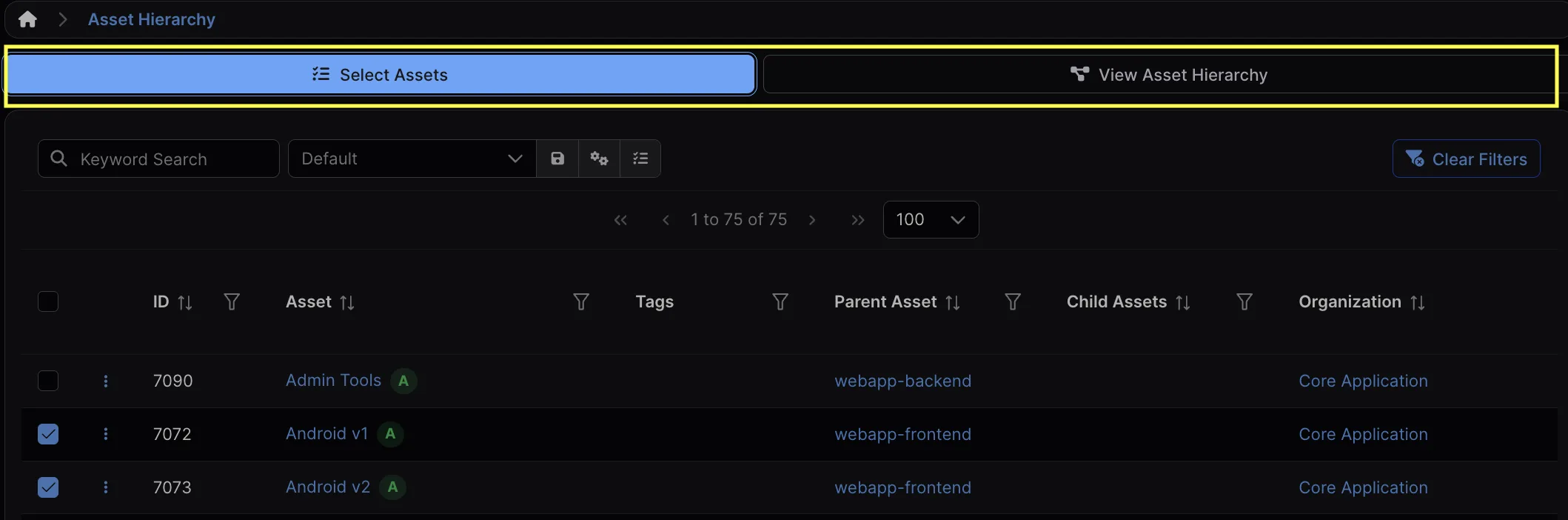 docs update · Jul 2026
· source
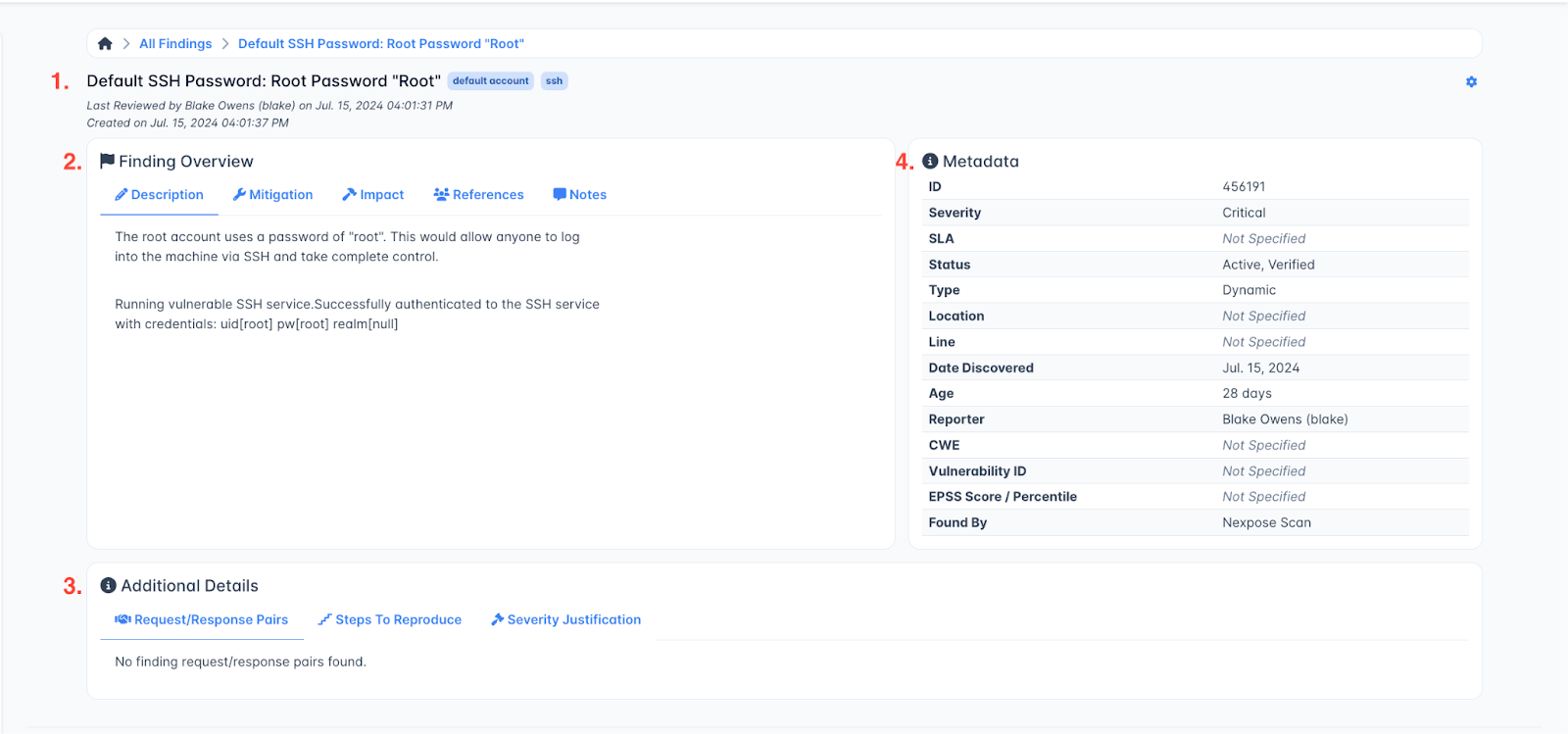 seen Oct 2026
· source
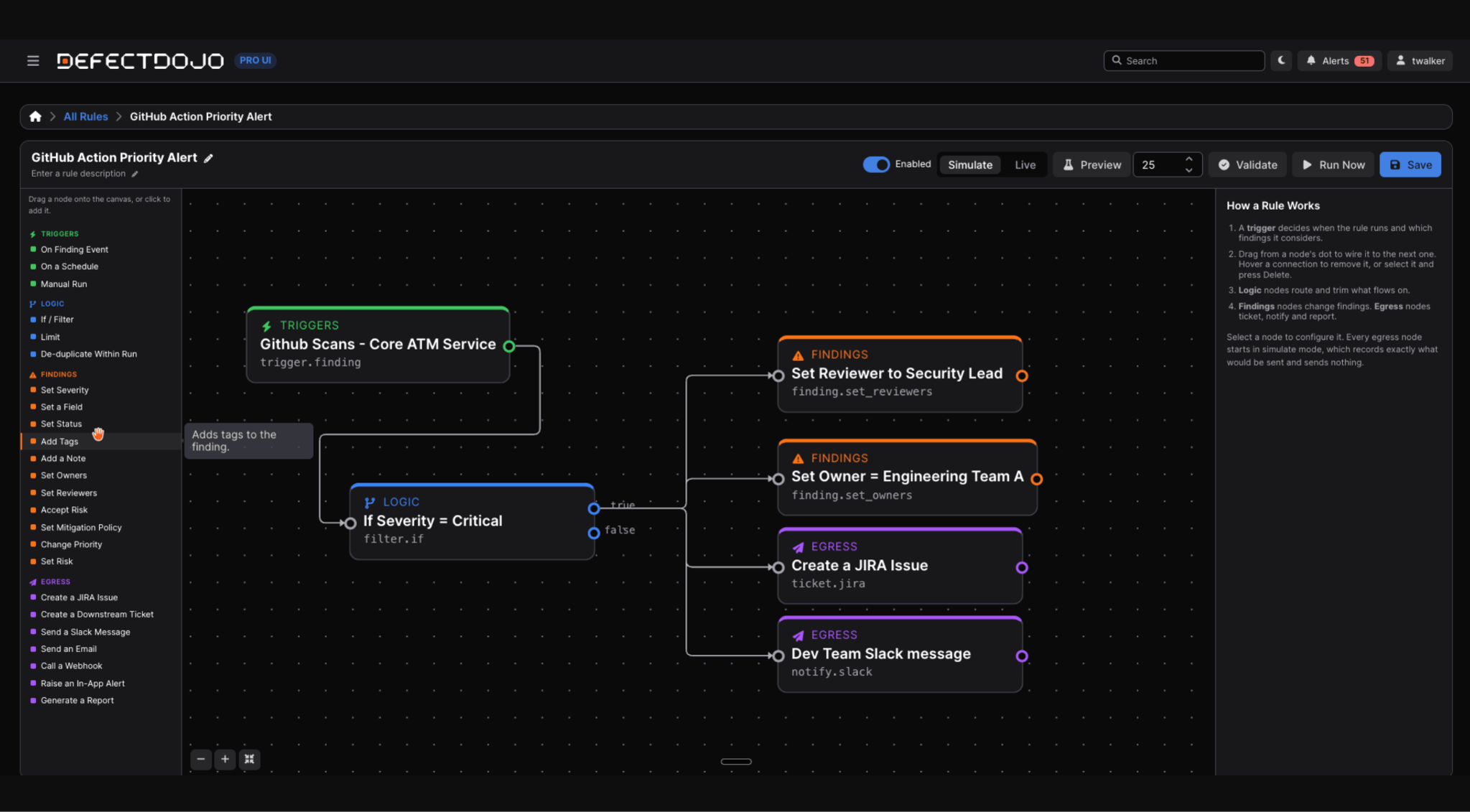 announced · Oct 2026
· source
· release history
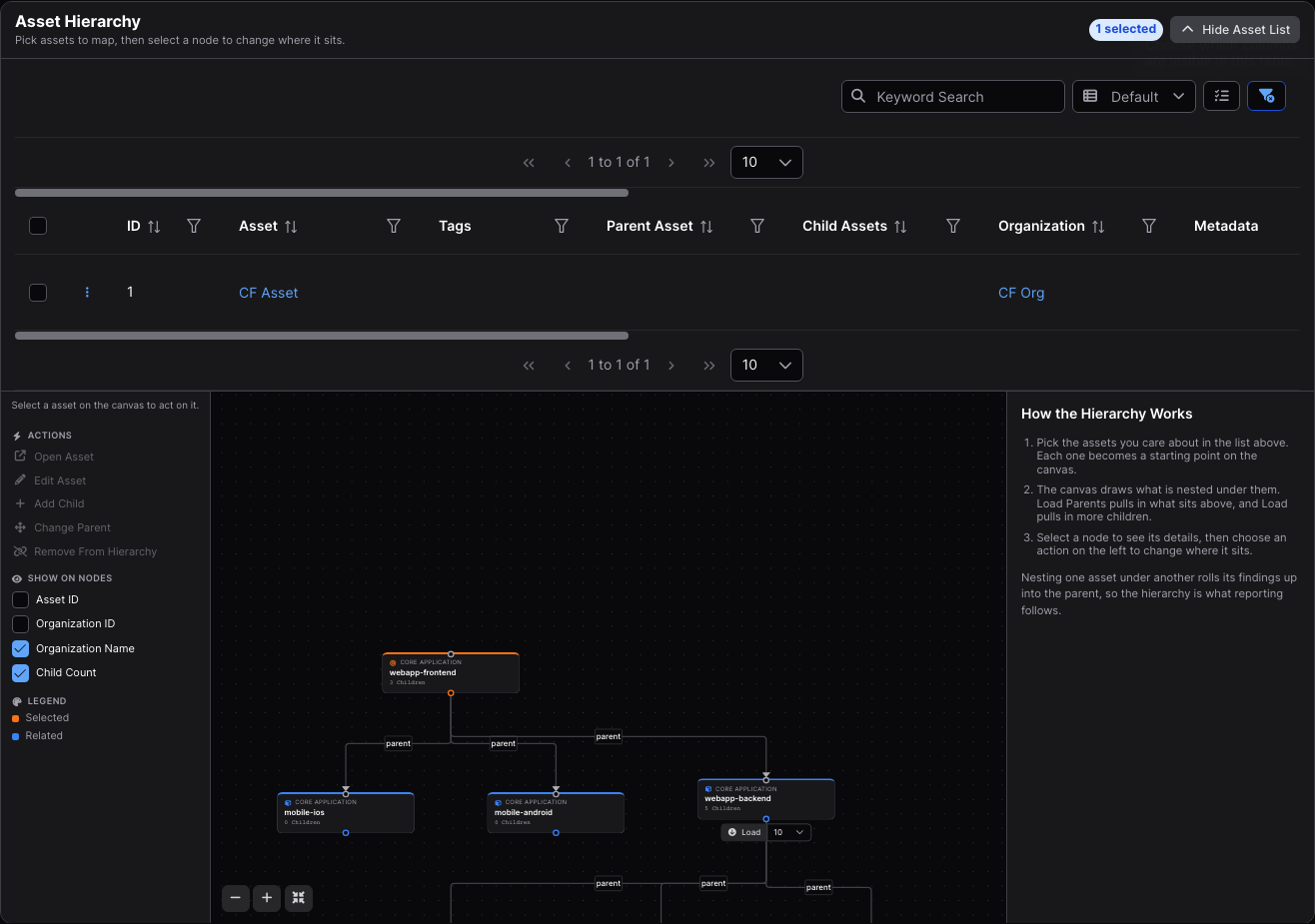 docs update · Aug 2026
· source
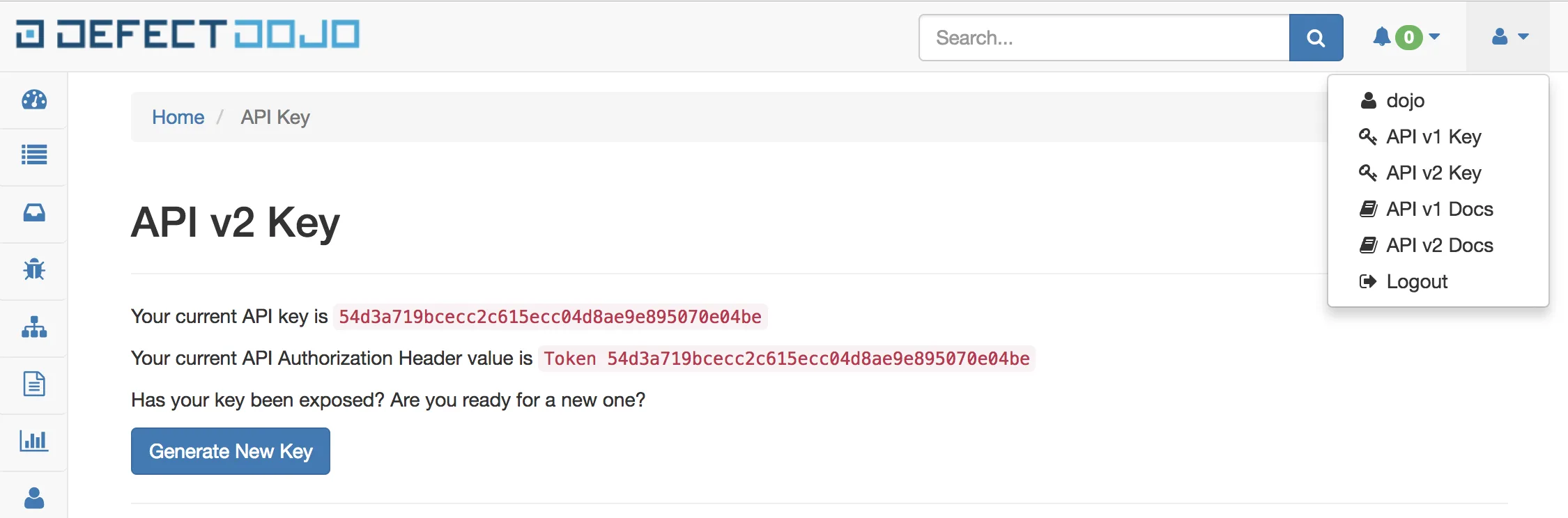 docs update · Aug 2026
· source
 Choose a badge style and copy the code →